Struggling With Social Withdrawal
The first few months with a new baby can feel like living in a strange time warp where days blur together, and the outside world seems to exist on a completely different plane. You're operating on fragments of sleep, your old routines have evaporated, and suddenly the friends who used to text you about weekend plans have gone quiet because they assume you're too busy. The thing about new-parent isolation is that it sneaks up on you because you're swamped with diapers and feeding schedules, so you don't always notice how small your world has become until you realize you haven't had a real conversation with another adult in days. Here are 20 concrete ways to push back against that particular brand of loneliness.

1. Make Leaving The House A Daily Non-Negotiable
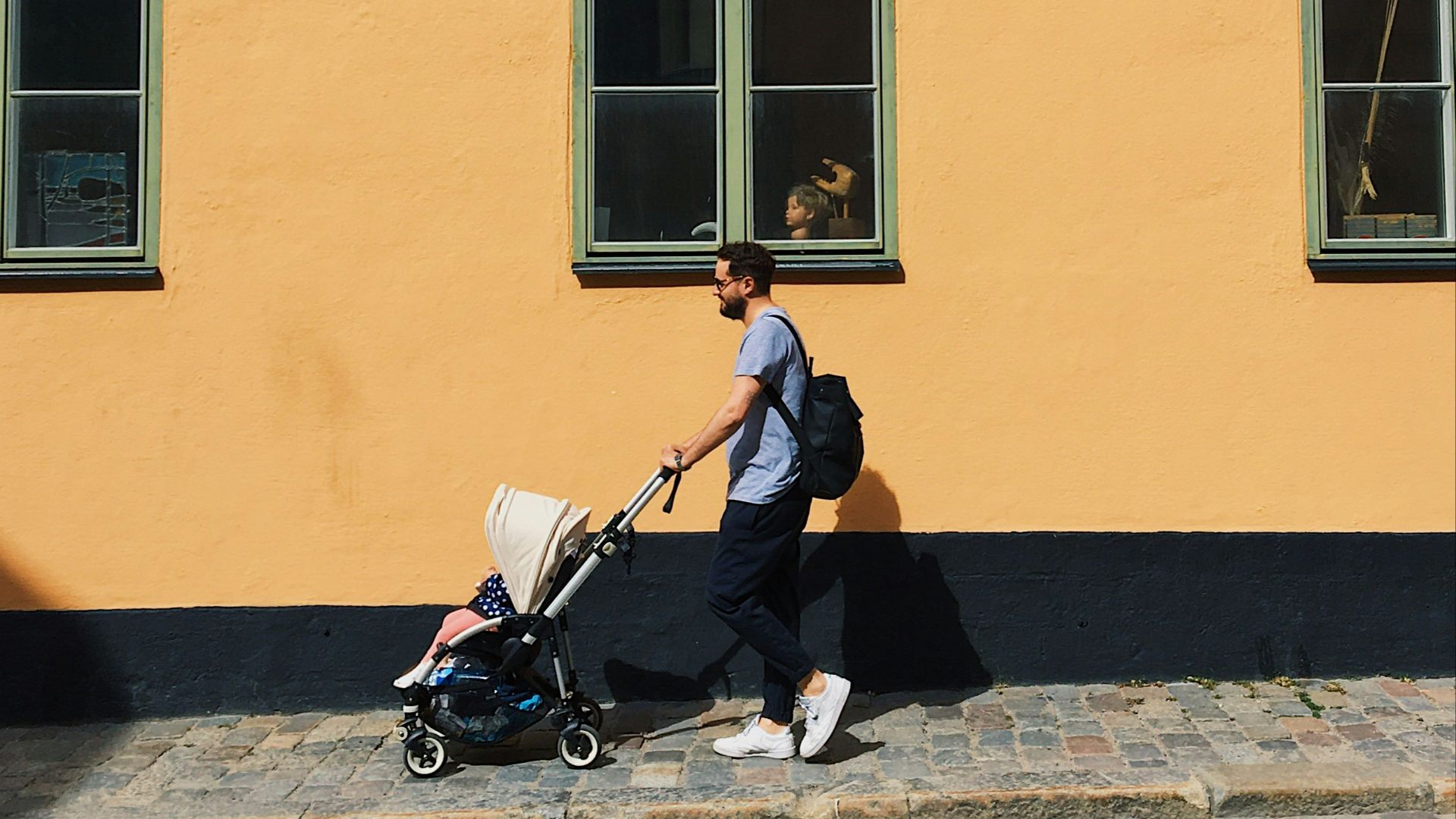
Leave the house once a day, even if you're just walking to the mailbox and back. The act of putting on real pants and stepping outside breaks the seal of the baby bubble, and you'd be surprised how much better you feel after fifteen minutes of fresh air and a change of scenery.
2. Find Your People In Person
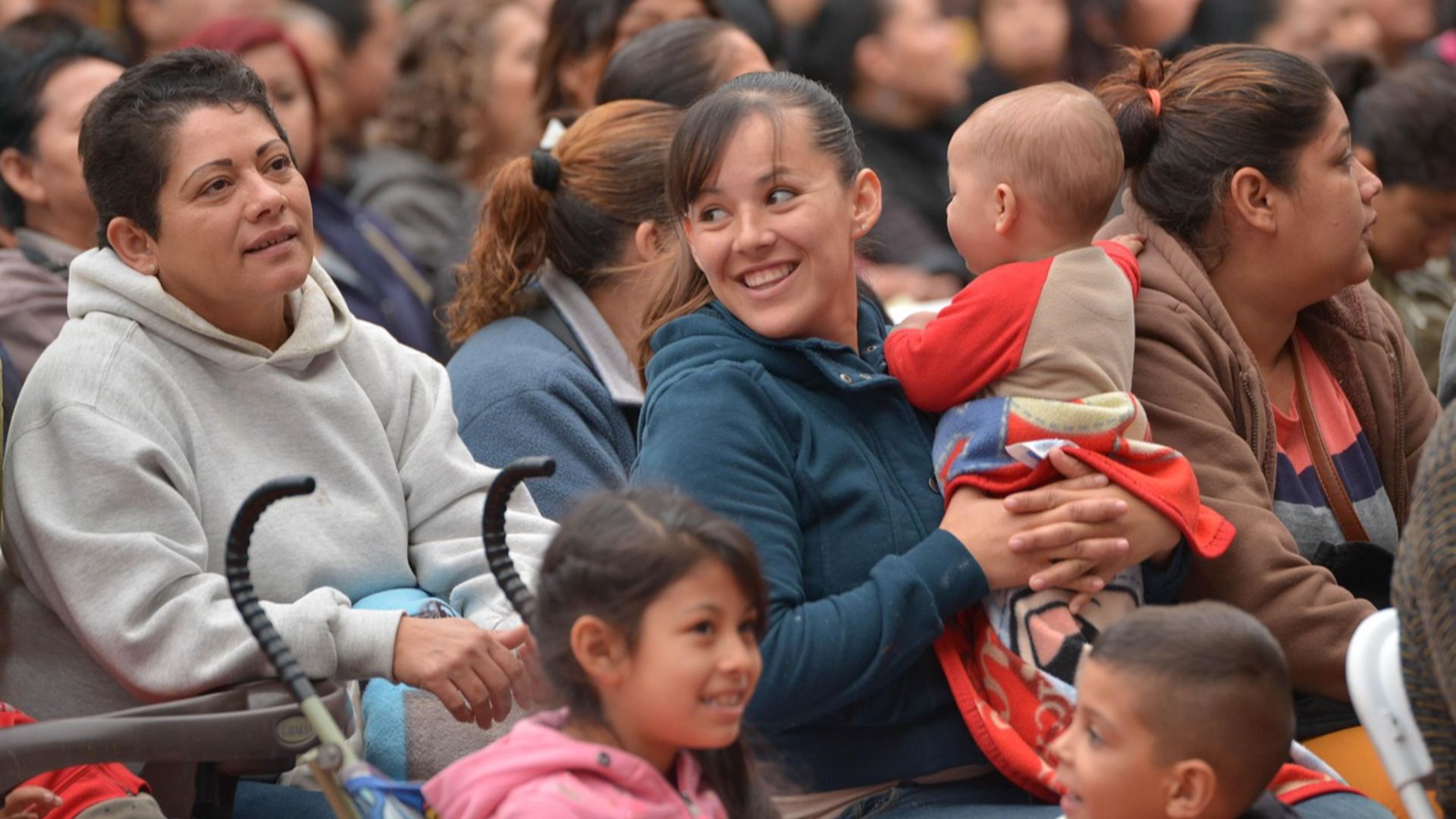
Join a local parent group through your library or community center rather than relying solely on online communities. Face-to-face interaction with people who are in the same exhausted boat creates connections that can't be replicated through screen time.

3. Reach Out To Your Childless Friends First
Text your childless friends first instead of waiting for them to reach out. They're not avoiding you because they don't care; they're probably just nervous about bothering you or unsure what your new life looks like, so chatting about something unrelated to the baby reminds everyone that you're still the same person.
 Anastasiia Rozumna on Unsplash
4. Put Regular Calls On The Calendar
Schedule regular phone calls with long-distance friends throughout the weeks or months. Having something on the calendar gives you a small thing to look forward to, and lets you feel a little more like you’re a person again, not just a parent.

5. Say Yes When People Offer Help
Accept help when people offer it, even if it feels awkward or you think you should be able to handle everything yourself. When someone says they'd love to bring you dinner or hold the baby while you shower, they genuinely mean it, and letting them help actually strengthens your relationship in the long run.
6. Become A Regular Somewhere Close By
Find one coffee shop or café within walking distance and become a regular there with your baby. Baristas who recognize you and ask how you're doing provide low-stakes social interaction that can do wonders for you in the long run.

7. Show Up To Library Story Time
Attend story time at your local library, even if your baby is too young to actually understand what's going on. These programs are designed for parents as much as children, and the librarians leading them understand that half the babies will sleep through the whole thing while their caregivers require some human connection.
8. Connect With Other New Parents
Reach out to acquaintances who recently had babies rather than only maintaining your pre-baby friendships. Shared experience is incredibly useful for bonding, and someone who gave birth six months before you did can offer both empathy and practical advice that your childless friends won’t be able to provide for you.
 Hoi An and Da Nang Photographer on Unsplash
9. Host People In Your Messy House
Invite people over to your messy house instead of waiting until everything is clean and perfect. Real friends don't care about the laundry pile on your couch or the unwashed bottles in your sink, and hosting in your own space means you can still be comfortable without sacrificing your relationships.

10. Sign Up For A Weekly Parent-And-Baby Class
Join a parent-and-baby class like music, swimming, or yoga that meets every week. The structure forces you to show up regularly, which means you'll start recognizing the same faces and can build actual friendships rather than having one-off encounters with strangers.

11. Build Social Routines
Use your parental leave strategically to build routines that include social time rather than just catching up on sleep. If you establish patterns like going to the farmer's market on Saturday mornings or meeting friends for brunch, habits are easier to maintain.

12. Start A Meal Swap With Nearby Parents
Start a meal train or dinner swap with other new parents in your neighborhood. Cooking for six and splitting it three ways is less work than cooking for two every night, and the weekly exchange gives you a built-in reason to see people regularly.

13. Outsource What You Can
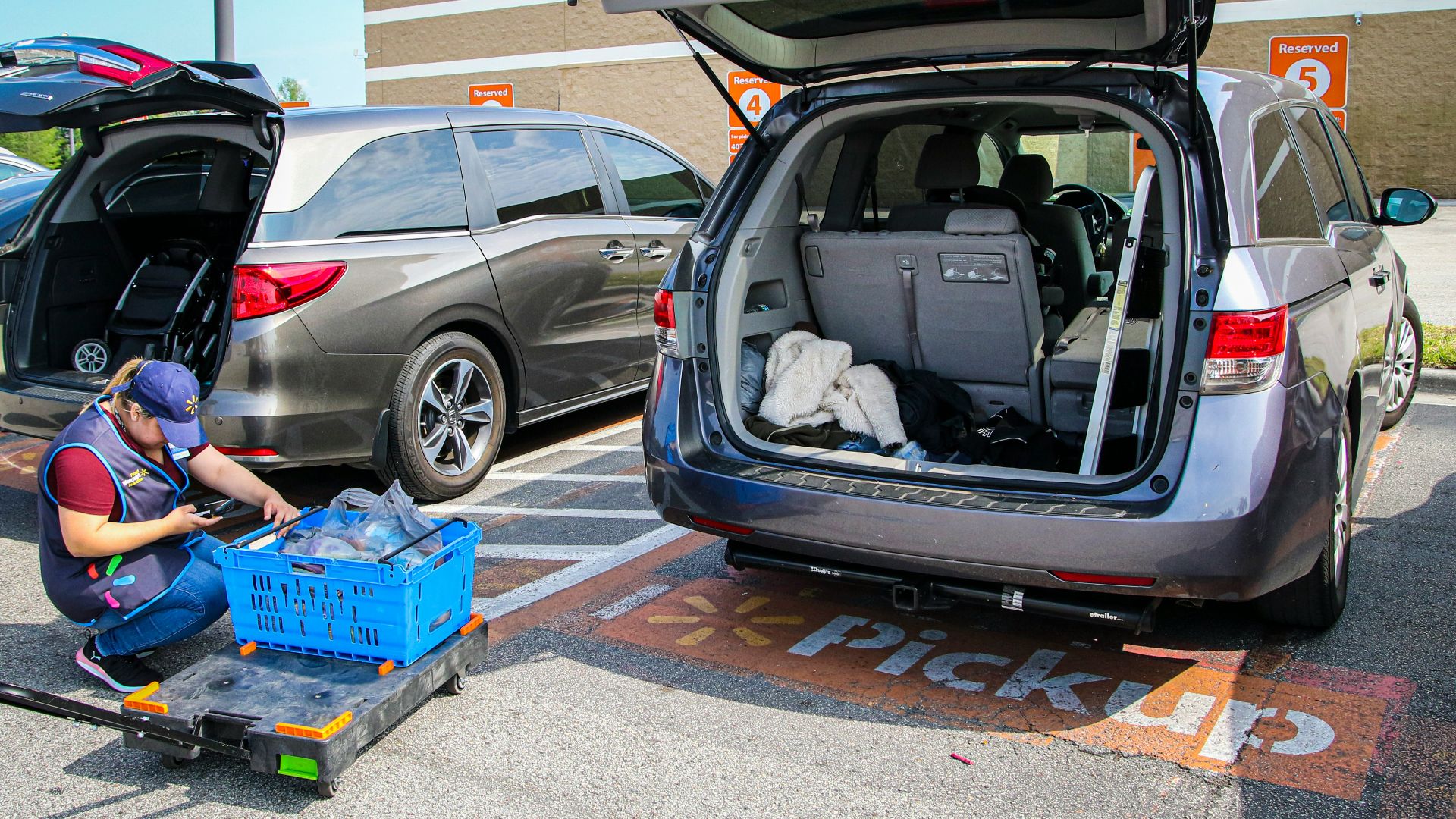
Take advantage of curbside pickup and delivery services without guilt. Instead of having to spend an hour at the grocery store with a crying baby, you could catch up with a friend or loved one.
14. Talk To Your Doctor
Go to your regular doctor appointments and actually mention if you're feeling isolated or down. Healthcare providers are trained to screen for postpartum mood disorders, and sometimes just saying the words out loud to a professional can connect you with resources or reassurance that what you're experiencing is common.

15. Keep Far-Away Family In The Loop
Create a shared photo album or group chat with family members who live far away and update it regularly. Grandparents and siblings want to feel involved in your baby's life, and giving them a window keeps those relationships active even when you can't manage phone calls.

16. Take Extended Parent Education Classes
Sign up for a parent education class through your hospital or birthing center that extends beyond the newborn phase. These courses often run for several weeks and cover topics like infant CPR or what it looks like returning to work, which means you'll see the same group of parents multiple times and can build relationships.
17. Organize Something Small For Your Parent Group
Volunteer to organize something small for your parent group, like a park meetup or coffee morning. Taking on a tiny leadership role gives you purpose beyond feeding and diaper changes, and may let you feel just a little more normal.
18. Listen To Other Parents
Listen to podcasts or audiobooks about parenting experiences while you're doing the monotonous tasks of infant care. Hearing other people articulate the strange and difficult parts of early parenthood can make you feel less alone even when you're physically by yourself.

19. Protect One Pre-Baby Interest
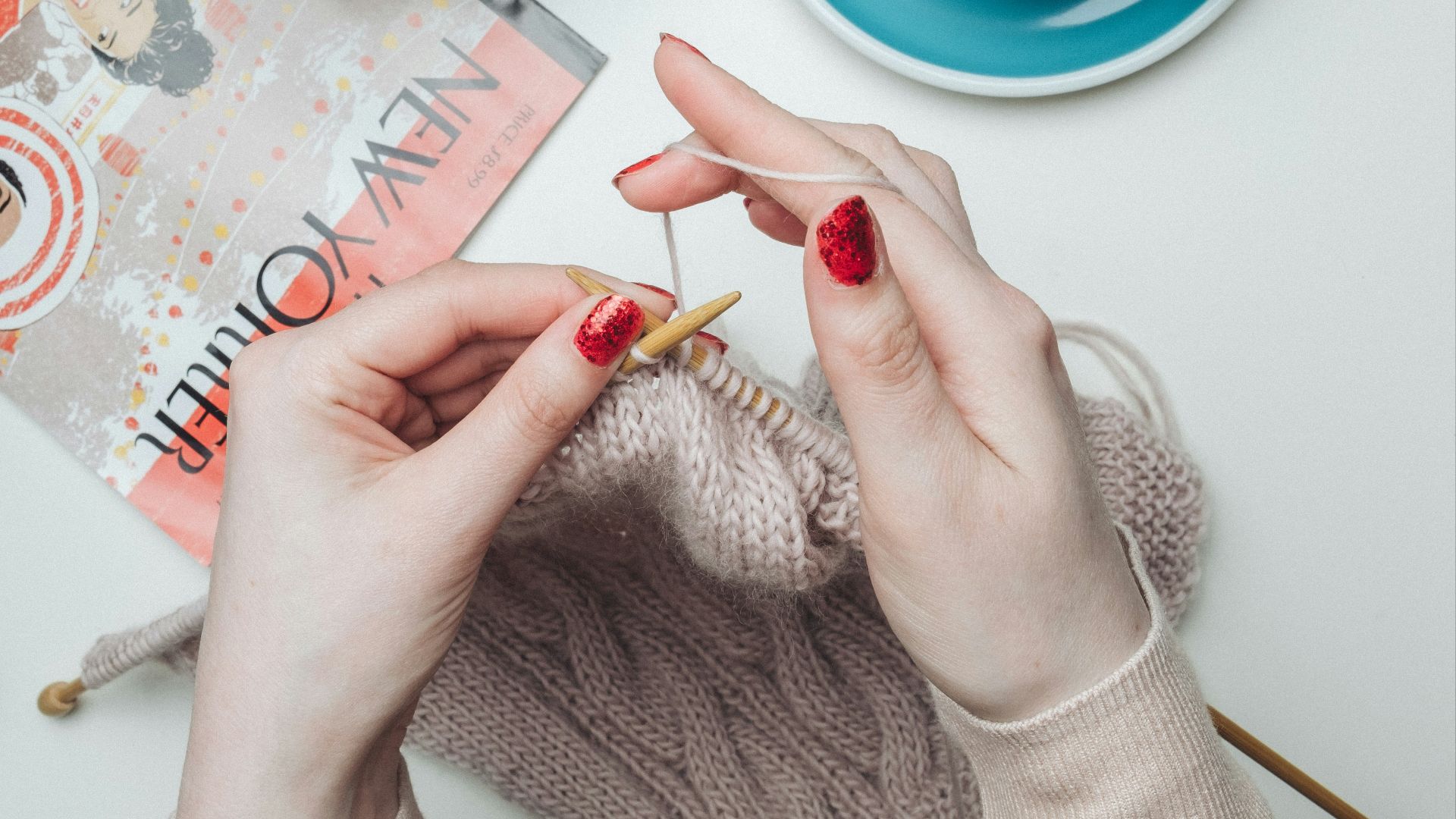
Maintain one hobby or interest that has nothing to do with babies, even if you can only dedicate thirty minutes a week to it. Knitting while the baby nurses or listening to a true crime podcast during walks preserves some piece of your pre-parent identity and keeps you connected to a world that doesn’t concern infant care.
20. Remember This Phase Ends
Remember that this particular brand of isolation won't last forever. Babies become toddlers who go to preschool and playdates, your body recovers, your sleep improves, and the intensity of these early months eventually fades into something much more manageable.