
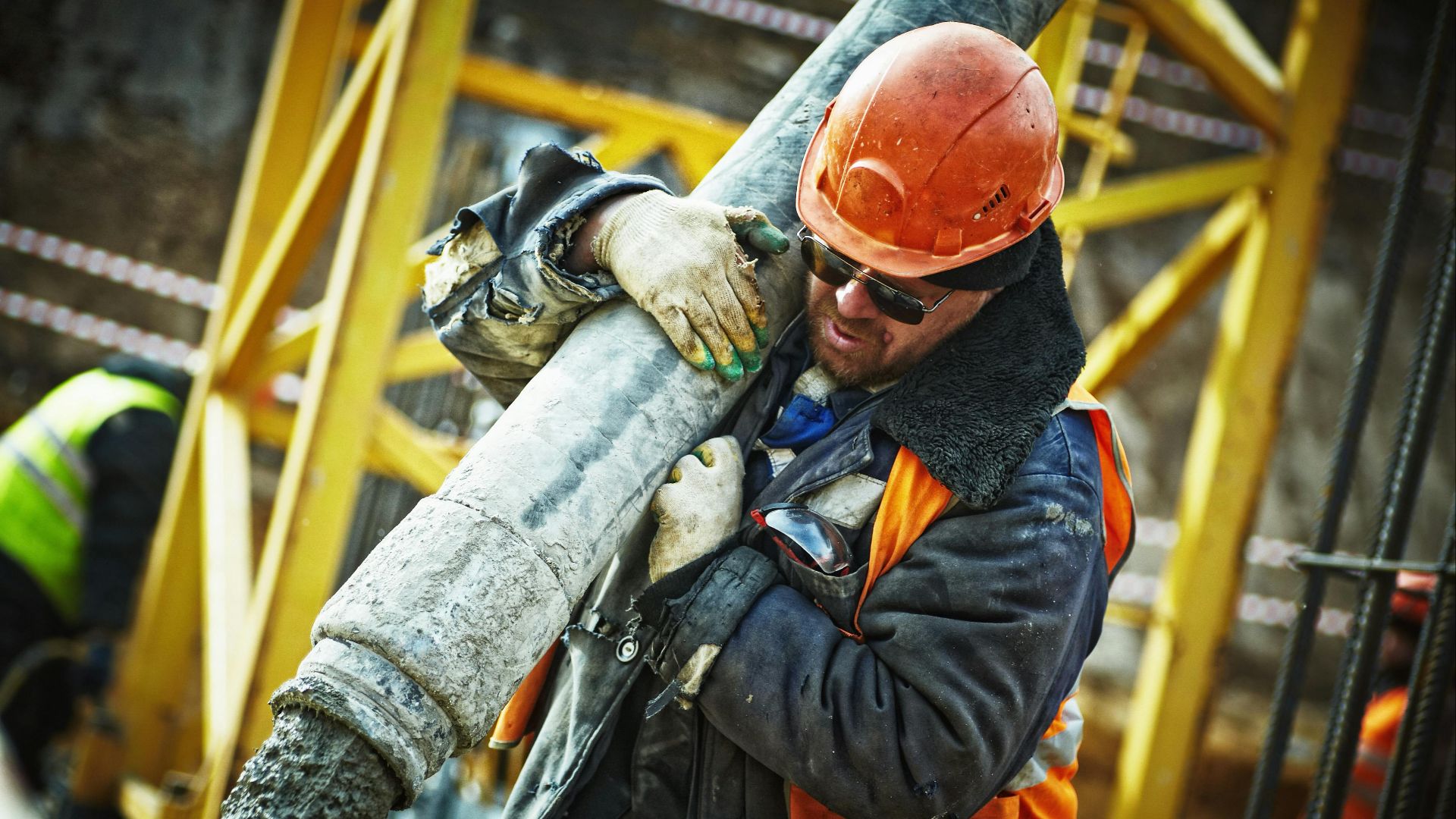
Something fundamental has broken in the American work bargain. For decades, the implicit deal was straightforward and if you worked hard, you earned more and could build a better life. That equation no longer adds up for most people. Productivity has soared while paychecks have flatlined, and the gap between effort and reward has stretched into a chasm.
According to the Economic Policy Institute, since 1979, productivity has grown eight times faster than typical worker pay. We produce more, we work harder, we stay connected after hours. Yet the median worker sees virtually none of those gains. The output per hour has climbed steadily upward while compensation stays stubbornly flat. The promise that working harder would lead to earning more has dissolved into thin air.
The Numbers Tell a Bleak Story
Between 1979 and recent years, productivity increased substantially while hourly compensation for production and nonsupervisory workers barely budged after adjusting for inflation. Workers are generating far more value per hour than their parents or grandparents did, yet their share of that value keeps shrinking.
This productivity-pay gap manifests differently across sectors and demographics. Research published in the Review of Economic Dynamics found that low-skill workers are concentrated in sectors experiencing fast productivity growth, yet their real wages have stagnated and lagged behind aggregate productivity. The mechanism is particularly cruel: workers become more efficient and produce more valuable output, but the price of that output falls relative to their consumption basket. They work harder and smarter, only to watch their purchasing power erode.
The effect compounds when we consider basic living expenses. Since 2000, inflation-adjusted rents have grown more than 20 percent while inflation-adjusted median household income barely rose at all. According to the Joint Center for Housing Studies at Harvard University, half of all renter households spent more than 30 percent of their income on housing and utilities as of 2022, a record high. Working full time no longer guarantees you can afford a one-bedroom apartment in most American cities.
The Old Pathways Have Closed
The traditional escape routes from economic stagnation have become toll roads with prohibitive fees. College was supposed to be the great equalizer, the investment that would pay dividends for a lifetime. That narrative has curdled into something closer to a trap.
The increase is not just nominal. Adjusted for inflation, college tuition has increased 229.8 percent since the 1963-64 academic year. In 2020, the average cost of tuition and fees at a public four-year institution represented over 35 percent of median household income, up from approximately 18 percent in 1999. Private four-year institutions represented 137 percent of median household income. Working your way through college, once a viable if difficult path, has become mathematically impossible for most students.
Even with a degree in hand, the payoff keeps diminishing. The college wage premium has flattened in recent years, meaning the earnings gap between those with and without degrees has stopped growing. Meanwhile, graduates carry unprecedented debt loads into a job market that increasingly demands multiple degrees, years of unpaid internships, and professional networks that only the privileged can access. The ladder has not just gotten taller. Someone pulled it up behind them.
The System Has Become Extractive
The disconnect between productivity and pay is not a natural phenomenon or an accident of market forces. Policy choices over decades have systematically transferred economic gains from workers to executives and shareholders. CEO pay, for example, has skyrocketed relative to typical worker compensation, growing to ratios that would have seemed obscene a generation ago.
Union membership declined from roughly 25 percent of the workforce in the late 1970s to around 10 percent today. This decline in worker bargaining power correlates directly with wage stagnation. Without collective leverage, individual workers face firms with overwhelming negotiating advantages. The result is predictable: wages stay low while profits soar. Studies show that this erosion of worker power accounts for a significant portion of the productivity-pay gap, particularly in the 2010s when employment grew strongly yet wages remained flat.
The system now extracts value from workers at both ends. Wages stay suppressed while the costs of housing, education, healthcare, and childcare consume an ever-larger share of income. We work longer hours for relatively less money, then spend more of that money on necessities that have inflated far beyond general price levels.
The old wisdom about bootstraps and elbow grease rings hollow when productivity gains flow almost entirely to those who already have capital. We can argue about solutions, about policy interventions or structural reforms. What we cannot argue about is the link between hard work and a good life has snapped, and everyone knows it.