
The Promises We Make Before Real Life Shows Up
Before kids, parenting feels like a clean set of rules written in permanent marker. You picture calm mornings, balanced meals, and well-rested children who say “thank you” without being reminded. Then real life kicks the door open with exhaustion, growth spurts, and opinions you didn’t know toddlers could have. This list isn’t about guilt or failure. It’s about the quiet humor of realizing that good parenting is often flexible parenting, even when that means breaking your own rules. Here are 10 parenting rules you swore you'd follow and 10 you quietly broke.
 Caroline Hernandez on Unsplash
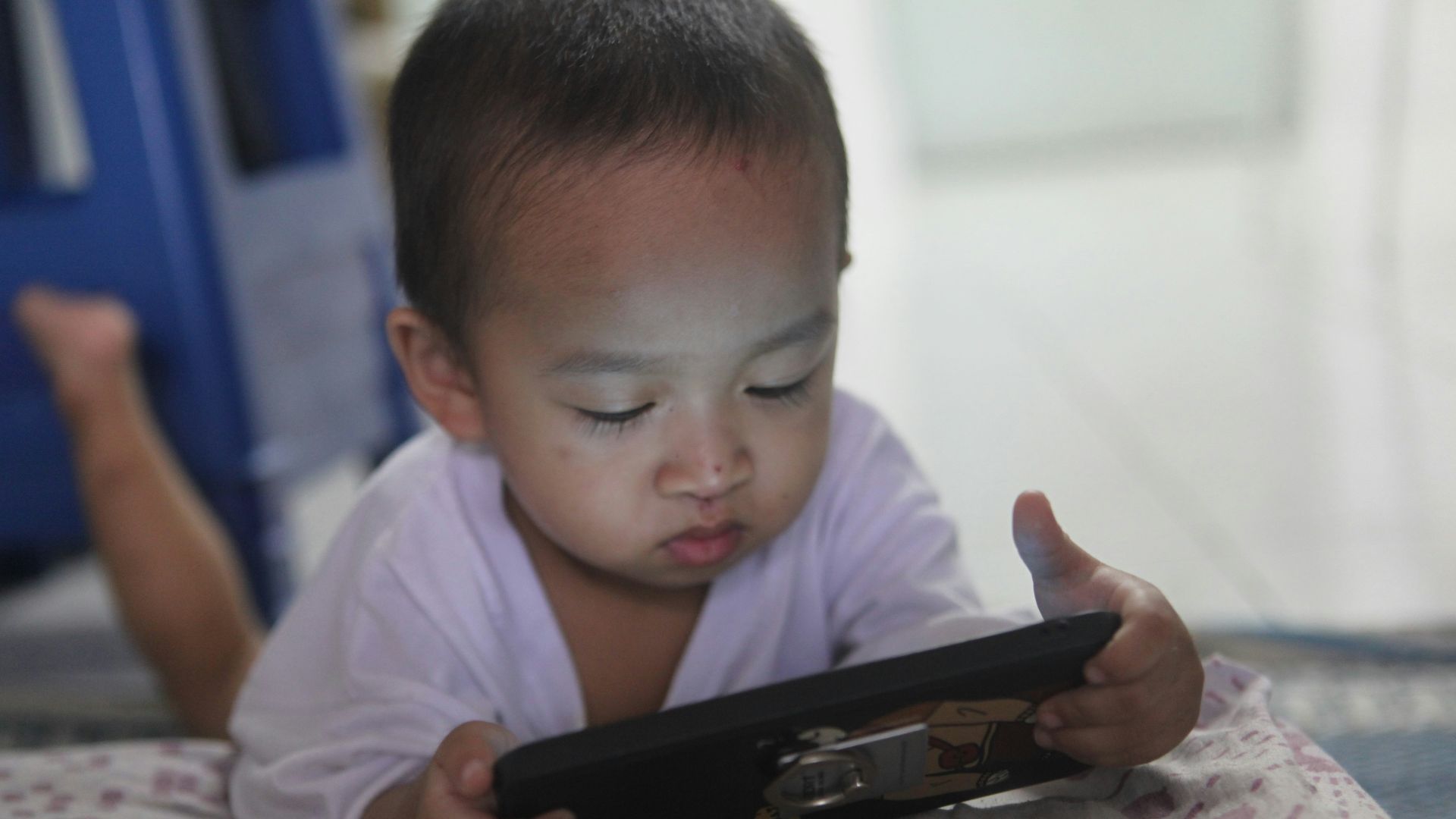
1. No Screens Before Age Five
You were convinced screens would melt attention spans and replace imagination. Books, blocks, and backyard adventures were the plan, and you meant it. At the time, it sounded reasonable and even virtuous, especially when sleep still came easily.
2. Sugar Would Be a Rare Treat
You imagined a house free of candy wrappers and juice boxes. Desserts were supposed to be occasional, thoughtful, and paired with life lessons. You honestly believed kids wouldn’t notice what they weren’t given. It seemed logical that habits could be shaped early and easily. You didn’t yet understand how powerful a cupcake could be.

3. Bedtime Would Always Be Consistent
A strict bedtime felt like the backbone of a peaceful household. Same routine, same hour, every single night. You pictured evenings ending with quiet and adult conversation, not negotiations. Consistency looked like the ultimate parenting cheat code. It was comforting to believe sleep schedules were fully within your control.

4. You’d Never Yell
Raising your voice felt like crossing a moral line. You planned to communicate calmly, even in the midst of chaos. Patience was going to be your defining trait. You imagined yourself as steady and unflappable, but stress hadn’t yet tested that self-image.

5. Meals Would Be Balanced and Homemade
You saw yourself serving colorful plates full of vegetables. Dinner would be shared at the table, phones away, and complaints would be minimal. It all sounded very doable in theory. You even pictured kids asking for seconds of broccoli. Your confidence was impressive in hindsight.
 National Cancer Institute on Unsplash
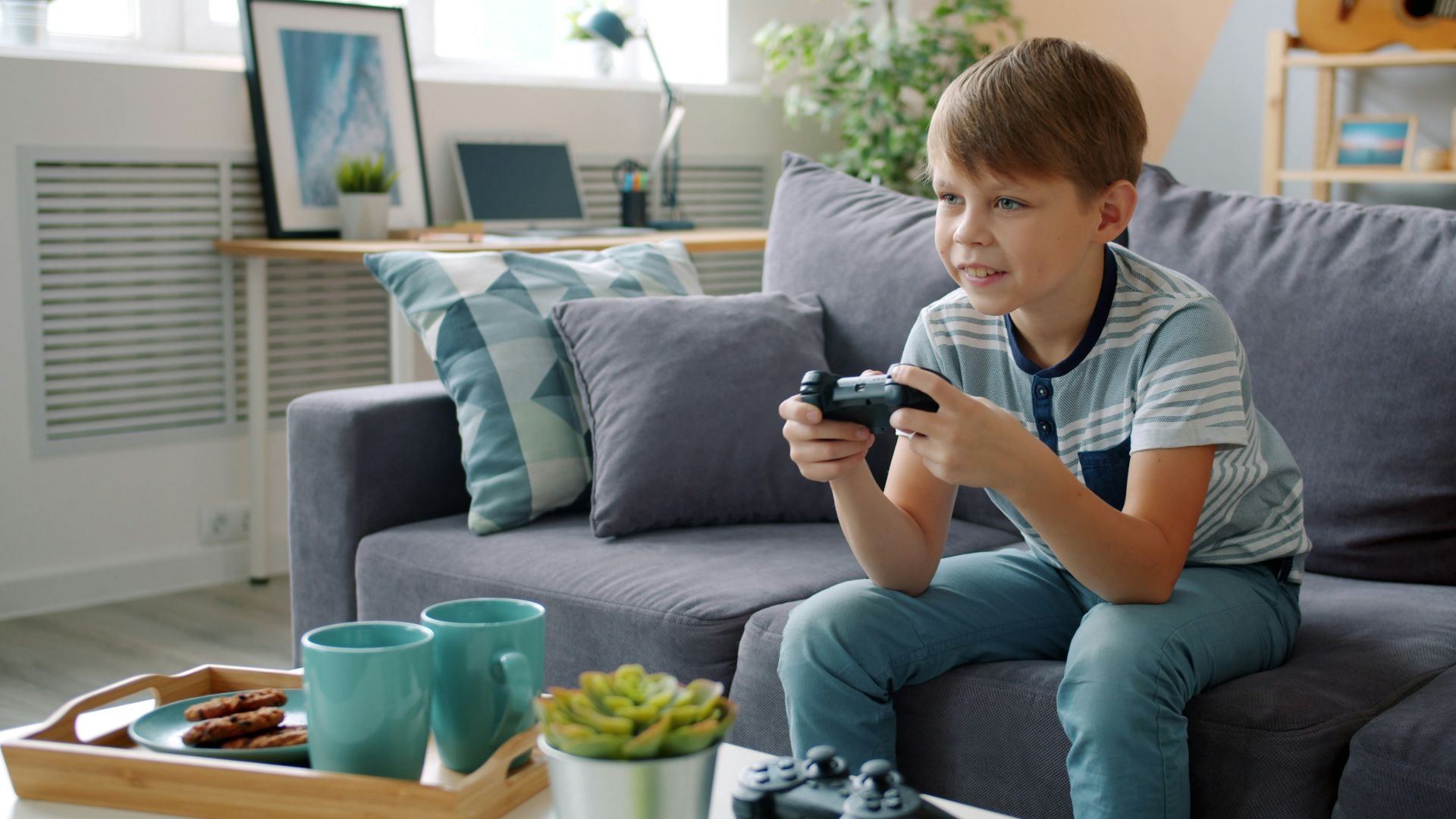
6. You’d Limit Video Games
Video games seemed like a slippery slope. You wanted creativity to come from drawing, building, or playing outside instead. Games like Minecraft felt unnecessary when imagination already existed. You worried screens would replace real-world curiosity. Setting firm limits felt like responsible foresight.
7. Your Kids Wouldn’t Run the House
You believed adults should lead, not negotiate every decision. Boundaries were going to be firm and respected. You felt confident that consistency would solve most problems, and structure seemed like the key to harmony. You assumed kids would naturally accept that hierarchy.
8. You’d Never Bribe for Good Behavior
Sticker charts were fine, but outright bribes felt wrong. Kids should behave because it’s right, not because there’s a reward. That line felt important to hold. You wanted motivation to come from values, not snacks.

9. Public Meltdowns Wouldn’t Happen
You assumed preparation prevented embarrassment. Snacks packed, naps scheduled, exits planned. Other parents struggled, but you were sure you’d cracked the code. Planning felt like a shield against chaos. You trusted logistics more than luck.

10. You’d Enjoy Every Moment
People warned you it goes fast, and you listened. You promised yourself you’d stay present and grateful. Even the hard parts were supposed to feel meaningful. You thought mindset alone could override exhaustion and that gratitude was like a switch you could keep turned on.

1. Screens Became a Survival Tool
At some point, screens stopped being the enemy and started being helpful. A short show meant a shower or a work call without interruptions. You didn’t love it, but you learned moderation beats martyrdom. You also noticed your kids weren’t instantly transformed by a little screen time. That realization softened the guilt more than you expected.

2. Sugar Sneaked In More Often
Birthday parties, holidays, and rough days blurred the lines. You realized food isn’t just fuel; it’s also joy and social connection. Balance replaced restriction, even if it wasn’t the original plan. Treats became less dramatic when they weren’t forbidden.

3. You Stopped Judging Other Parents
You once noticed every tablet at restaurants and every toddler meltdown in public. Over time, empathy replaced quiet commentary. Experience taught you that everyone’s just trying to get through the day. Judgment faded as soon as parenting humbled you.
 Juliane Liebermann on Unsplash
4. You Let Kids See You Tired
You thought good parents powered through without complaint. Then exhaustion became unavoidable, and honesty felt healthier than pretending. Letting your kids see fatigue made space for empathy.

5. You Gave Up on Being the “Fun” Parent
Early on, you imagined endless crafts, games, and energy. Reality introduced limits you didn’t expect. Some days, being present mattered more than being entertaining. Your kids adjusted faster than your expectations did.

6. You Googled More Than You’d Admit
You believed instincts would guide every decision. Instead, late-night searches became routine. Googling didn’t replace intuition, but it helped calm uncertainty.

7. You Let Some Battles Go Completely
Certain hills stopped feeling worth dying on. Mismatched clothes, skipped hair brushing, and unfinished chores slid down the priority list.

8. You Repeated Yourself Constantly
You thought kids would listen the first time if you explained things well enough. Reality taught you repetition is part of the job. You learned patience through sheer necessity. The message eventually landed, just not on your timeline.
 Hoi An and Da Nang Photographer on Unsplash
9. You Asked for Help
At first, independence felt important. Over time, support became essential. You leaned on friends, family, and childcare in ways you hadn’t imagined.
 Ashwini Chaudhary(Monty) on Unsplash
10. You Redefined What “Good Parenting” Means
Your original definition quietly fell apart. In its place came flexibility, forgiveness, and realism. Success started looking less polished but more honest.