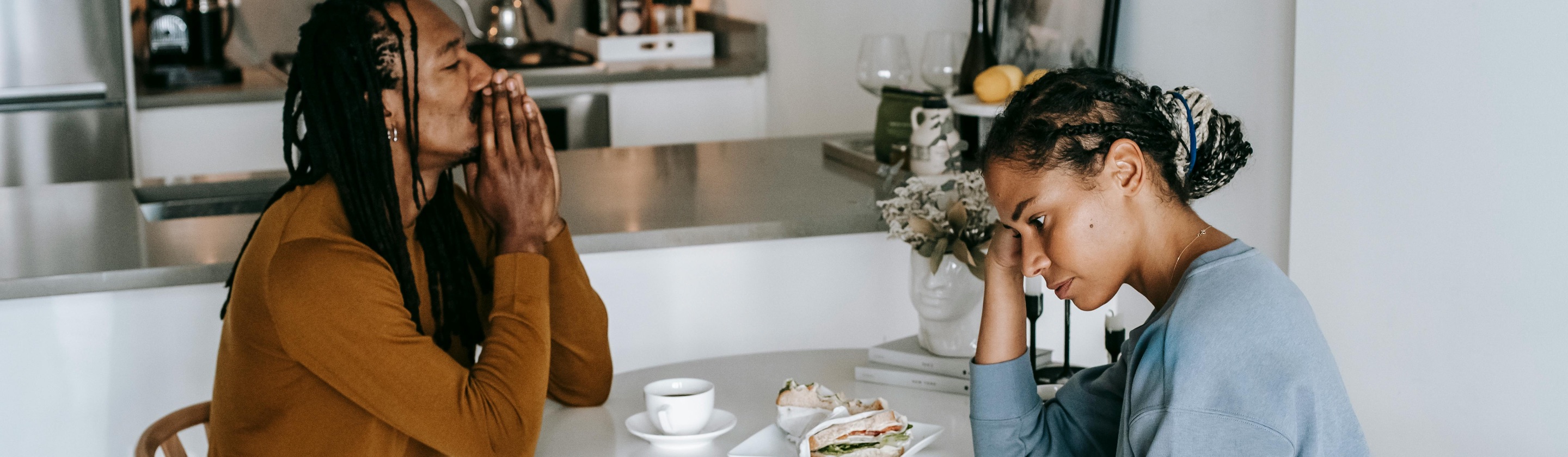

Settling is one of those words that can sound harsh, like it always means giving up on love. In reality, people use it to describe a wide range of choices, from staying with someone who’s “good enough” to tolerating mismatched values because leaving feels too costly. Most relationships include compromise, so the real question isn’t whether compromise exists, but whether the compromises have started to shrink your life.
If you’ve ever wondered why someone stays when they seem unhappy, it usually isn’t because they don’t notice the gaps. Many people are weighing competing needs at once—safety, stability, belonging, identity, and hope—and the relationship becomes the place where those needs collide. Understanding the motives doesn’t excuse harm or neglect, but it can clarify what’s happening beneath the surface and why change can feel so hard.
Security and Practical Pressures
Financial reality often shapes romantic decisions more than people want to admit. Shared rent, health insurance, childcare, and debt can turn a breakup into a financial crisis, especially if one partner earns less or has fewer resources. When the downside of leaving looks like immediate instability, staying can feel like the most responsible option, even if the emotional cost adds up.
Family responsibilities can create another kind of pressure that’s less visible but equally heavy. Some people stay not only because they’re caring for children, but also because they're supporting aging parents or trying to avoid upending a household that took years to build. Even when the relationship feels lukewarm and mediocre, everything else may run smoothly, and predictability can be persuasive when life already feels complicated.
Time and energy are practical forces, too, and they don’t get enough attention in conversations about “settling.” Starting over requires emotional bandwidth, planning, and the willingness to tolerate uncertainty, which can be hard when you’re exhausted or already burned out. If you’re already stretched thin, a familiar partnership may seem easier to manage than the work of rebuilding a new life, even if you’re not genuinely satisfied.
Self-Esteem, Fear, and Attachment Patterns
Some people settle because they don’t believe they can reasonably expect more. Low self-esteem can make a partner’s minimal effort feel like generosity, and criticism can start to sound like truth if you’ve heard it often enough. When your internal bar is set too low, you may interpret disappointment as normal; you might even tell yourself you’re being “realistic” rather than settling.
The fear of being alone is another strong motivator. Settling might not be the best choice, but loneliness can be even more painful, so some may choose the former just so they at least have someone by their side. After all, when you've convinced yourself that you won't find anyone better or no one else will choose you, staying can feel safer than facing that uncertainty head-on.
Attachment patterns also play a role, especially for people who learned early that love is inconsistent. If closeness has historically come with anxiety, you might cling to what’s available rather than risk abandonment, even when the relationship isn’t meeting your needs. In other cases, you may avoid deeper intimacy and purposely pick a partner who can’t fully connect.
Social Scripts and the Difficulty of Leaving
Cultural expectations can steer people toward staying, particularly when marriage, long-term partnership, or having children is treated as a milestone you’re supposed to reach by a certain age. Friends and family may celebrate commitment without asking whether the relationship is truly healthy or happy, and that approval can reinforce choices that don’t actually fit. When you feel watched or judged by everyone, it’s easier to perform stability than to admit doubt and risk disappointing the people around you, especially the ones you love.
Many people also settle because they’re influenced by sunk costs, even if they’d never use that phrase out loud. Years invested, shared memories, and mutual friendships can make leaving feel like erasing your past or admitting you made a mistake this whole time. From an outsider's perspective, it might be easy to say you should choose happiness than continue lighting a match that has already burned out, but it's not always so simple. Sometimes, the longer you’ve stayed, the more you may feel obligated to keep trying.
Hope, too, can trap people in relationships that consistently fall short, especially when there are occasional bursts of warmth. You might focus on potential, promises, or the version of your partner you saw early on, and that mindset can keep you stuck in a timeline that no longer exists. Change does happen sometimes, but lasting change requires sustained behavior, not just apologies or short-lived effort; when hope replaces evidence, settling can start to look like gritty patience.
And yet, this isn't to say that settling is always a bad choice. Sometimes what looks like settling from the outside is actually a clear-eyed decision. The key is whether the choice feels grounded and mutual, rather than driven by fear, shame, or the belief that you don’t deserve more. As long as you can name what you’re trading, why you’re trading it, and what you’re genuinely gaining—and you still feel respected and emotionally safe—you may not be settling at all; you may be choosing a relationship that fits the life you’re building.