Saving Money Shouldn’t Mean Buying Twice
Everyone loves a good deal, and there’s nothing wrong with being budget-conscious. The problem starts when “cheap” quietly turns into “temporary,” and you end up replacing the same items again and again. In fashion, home decor, and everyday lifestyle purchases, low quality often shows up as wear, breakage, discomfort, or that one annoying flaw you cannot ignore. If you want to spend less overall, the trick is learning which “bargains” almost always come with hidden costs.
1. Disposable Trend Pieces
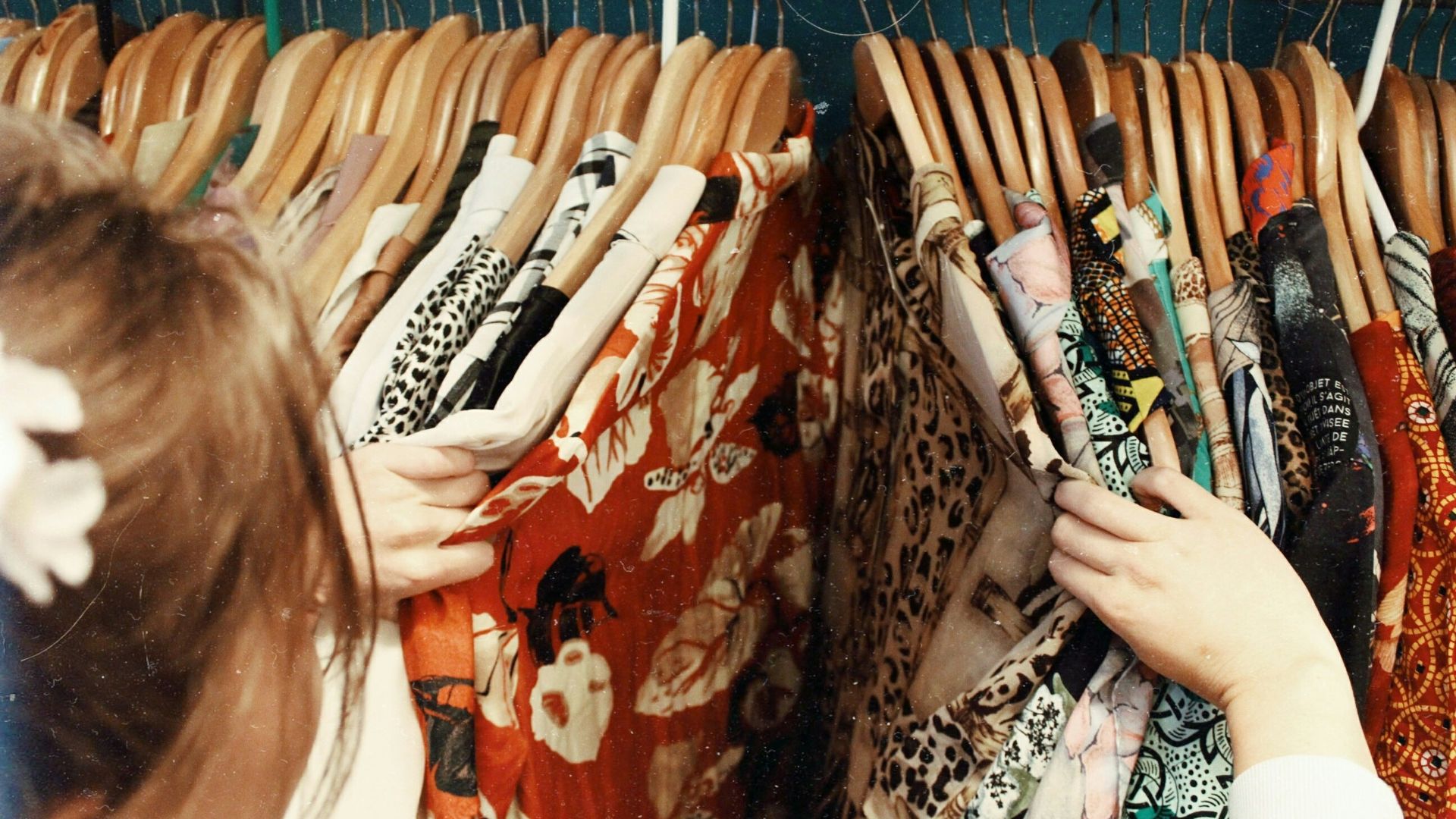
Trendy items can be fun, but the cheapest versions tend to look tired fast. When fabric is thin or seams are weak, you might only get a few wears before it loses shape. If you love a trend, you’ll usually save money by choosing one well-made piece you can restyle instead of buying three flimsy ones.
2. Thin White T-Shirts
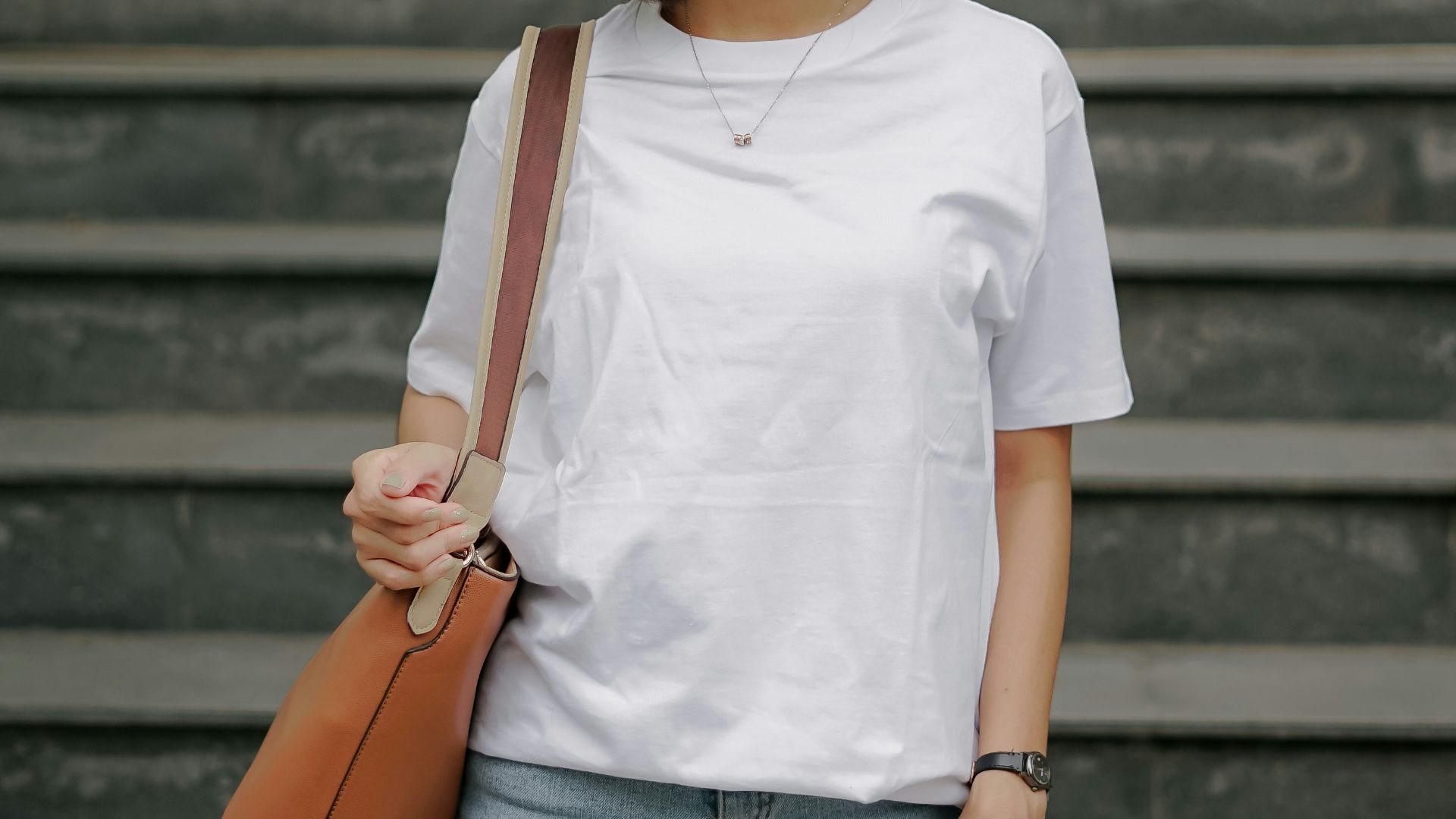
Cheap white tees often turn see-through after one wash and then feel unwearable without layers. They also twist at the seams or shrink unevenly, which makes outfits look sloppy. A slightly better tee with thicker fabric and stronger stitching lasts longer and gives you more outfit options.
3. Fast-Fashion Denim
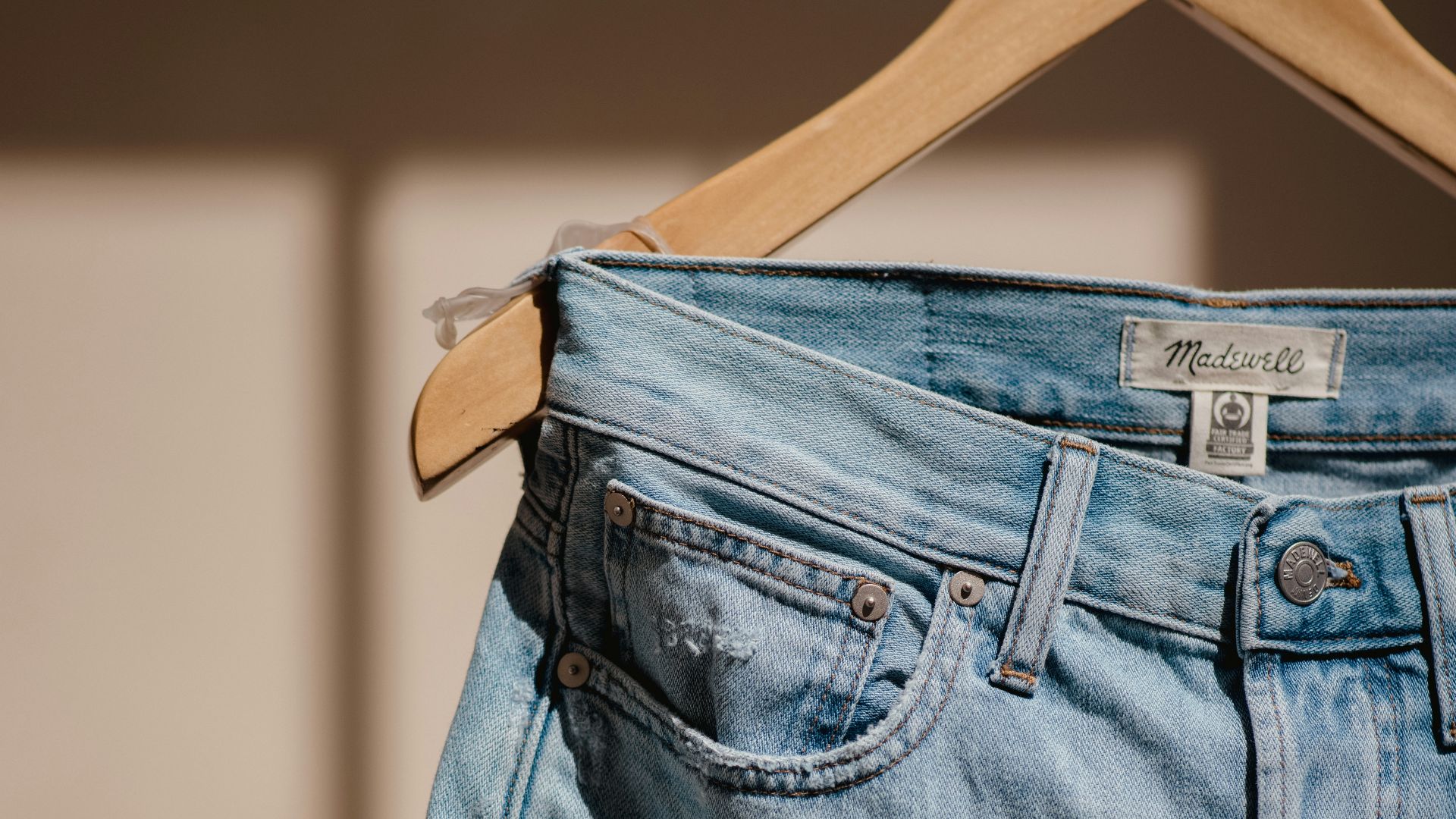
Low-cost jeans may fit great in the dressing room, then stretch out or sag by the end of the day. You also see blowouts in inner thighs, worn knees, and busted belt loops much sooner than expected. Spending more on denim with solid fabric weight and better construction saves you from constant replacements.
4. Cheap Faux Leather
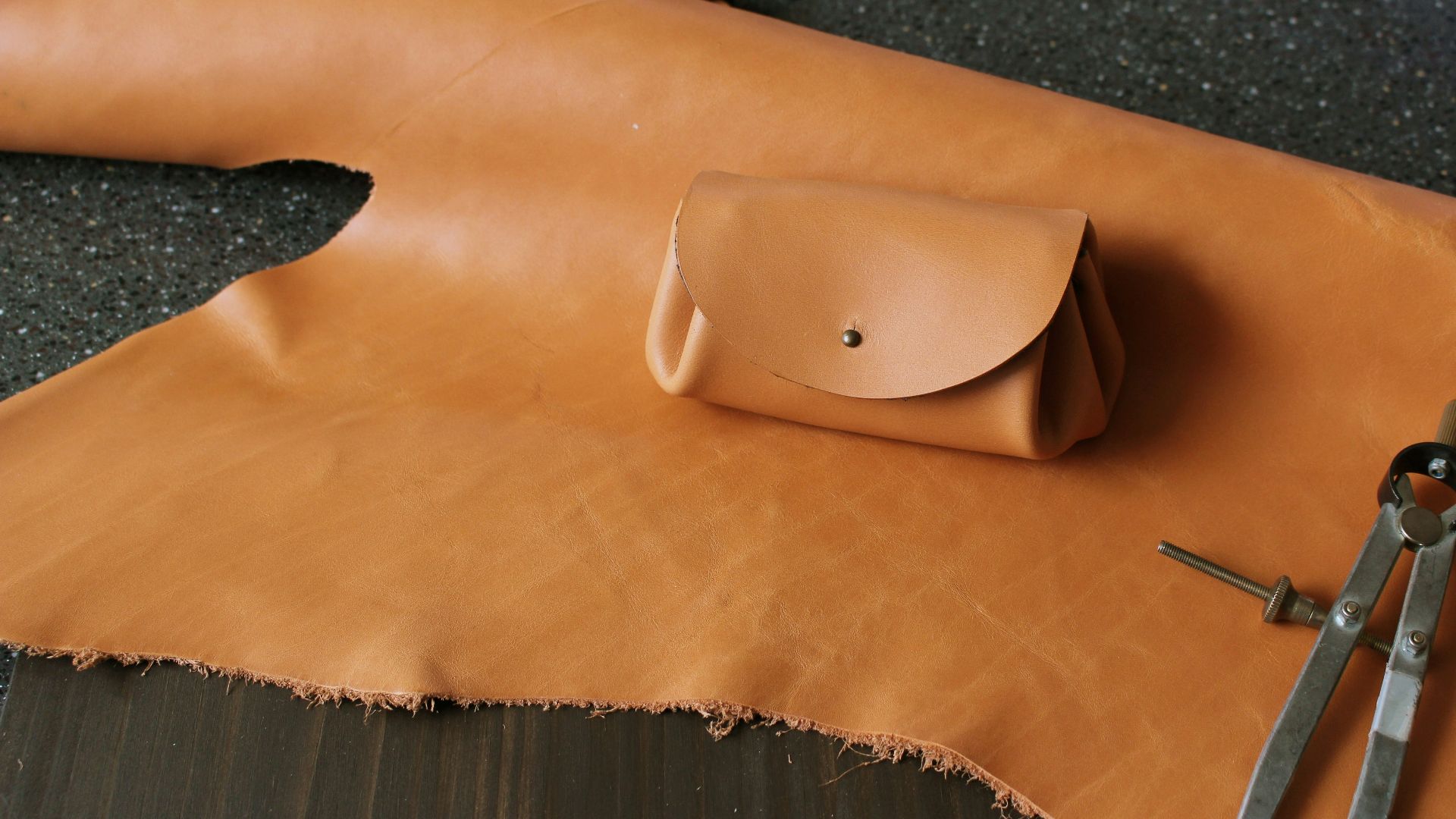
Budget faux leather often peels, cracks, or flakes, especially on bags, boots, and jackets. Once that coating starts breaking down, the item looks worn out even if you barely used it. Higher-quality vegan leather or a durable fabric alternative holds up for a much longer period.
5. Bargain Shoes
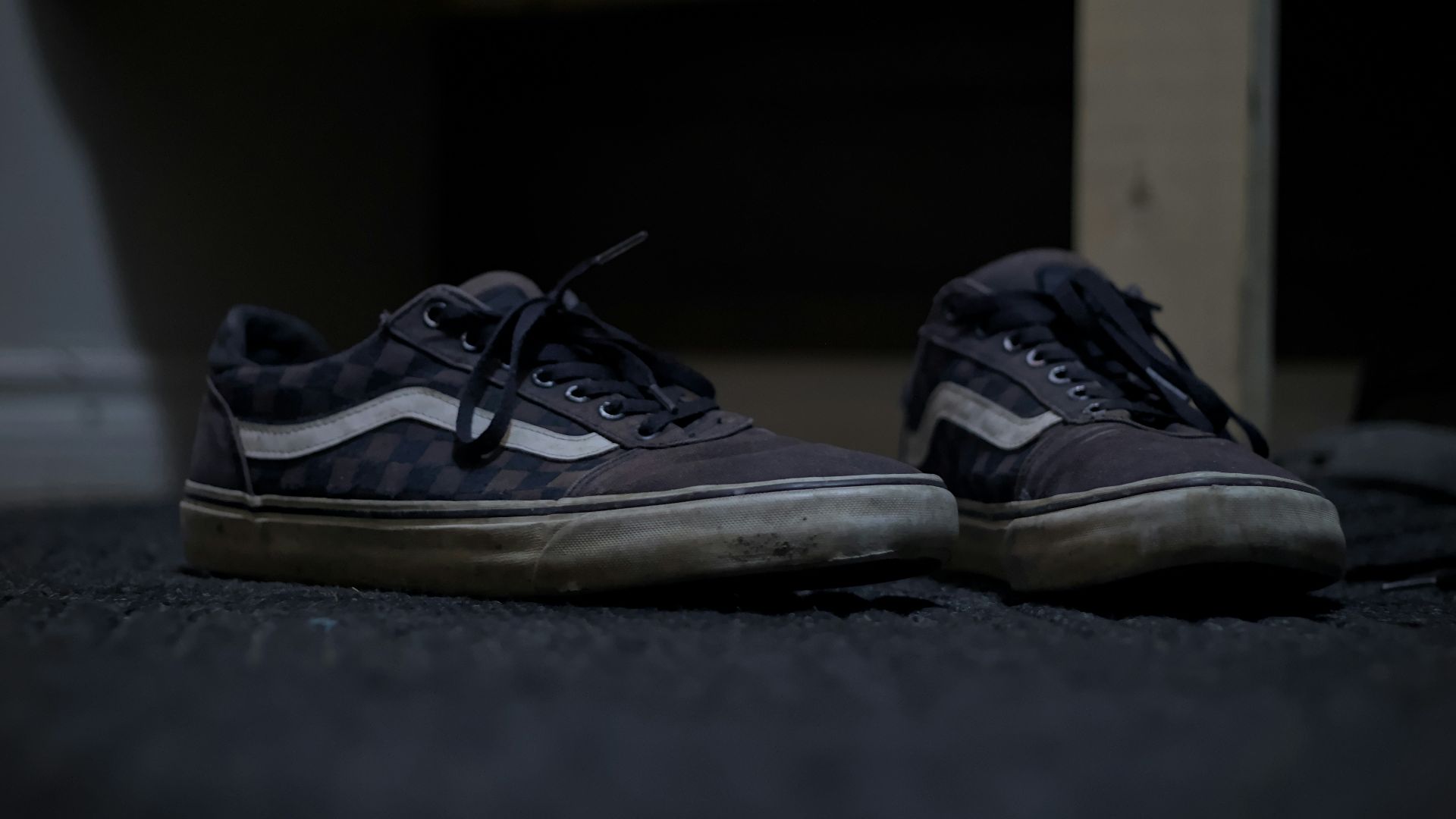
Cheap shoes can wear down quickly, but the bigger issue is how they treat your feet. Poor support can lead to blisters, aches, and even posture problems if you are wearing them daily. A better pair often costs more upfront but saves you from buying replacements and dealing with discomfort.
6. “One-Wash” Sweaters
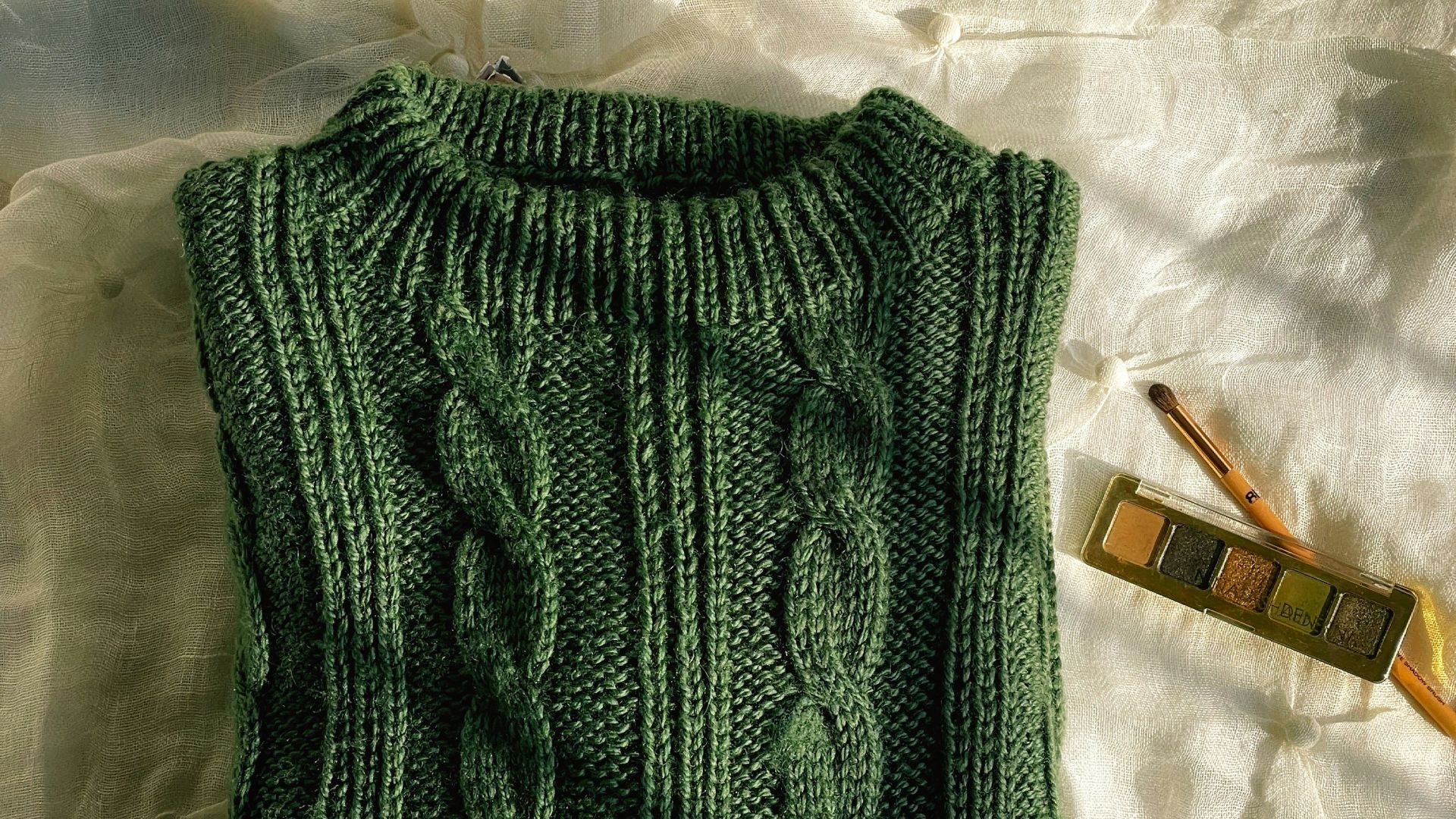
Low-quality sweaters can pill after a single wear and stretch out after one wash. Once the knit loses structure, it can look frumpy even when you style it well. A sturdier sweater in a versatile color is more likely to become a repeated favorite.
7. Underwear Packs
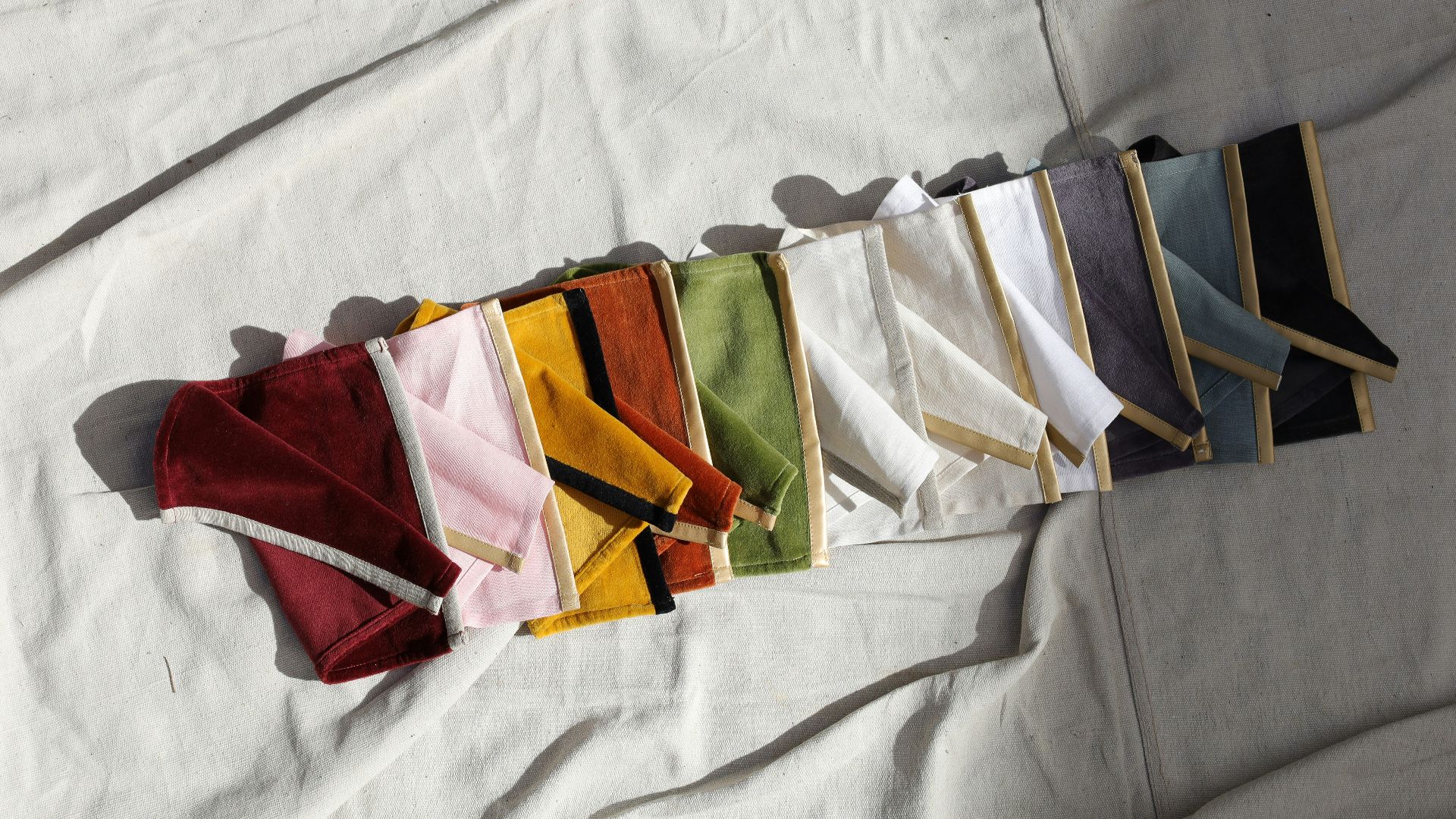
Budget multipacks are tempting, but the elastic often gives out quickly. When waistbands roll, seams fray, or fabric loses softness, you replace them sooner than you planned. A smaller collection of better pairs usually holds up longer and feels better every day.
8. Poorly Made Bras
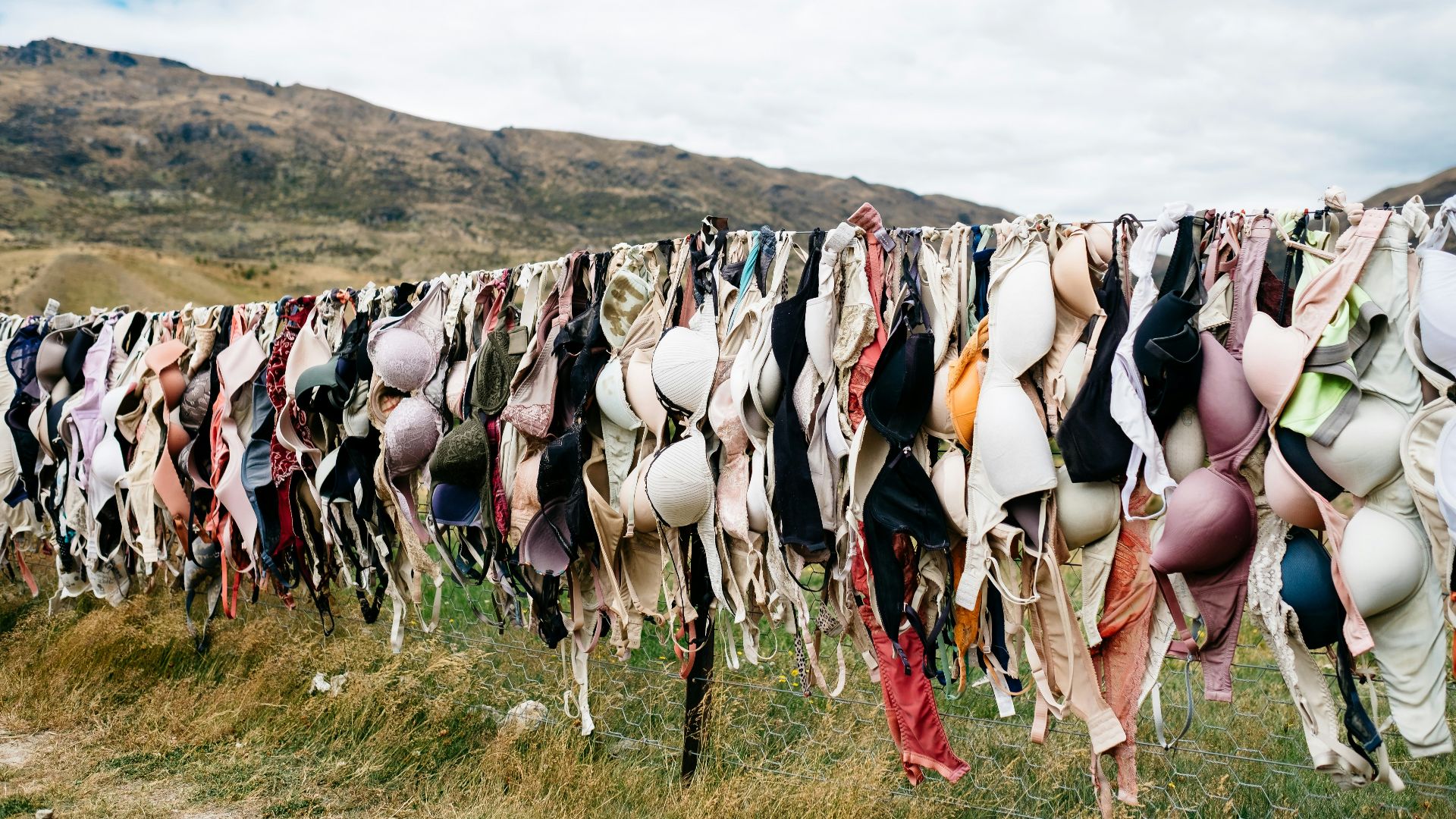
A cheap bra can lose support quickly, which affects both comfort and how your clothes fit. Wires can poke, straps can stretch, and cups can warp after repeated washing. Investing in a good fit and solid materials makes each bra last longer and makes you more comfortable in the long run.
9. Low-Quality Activewear
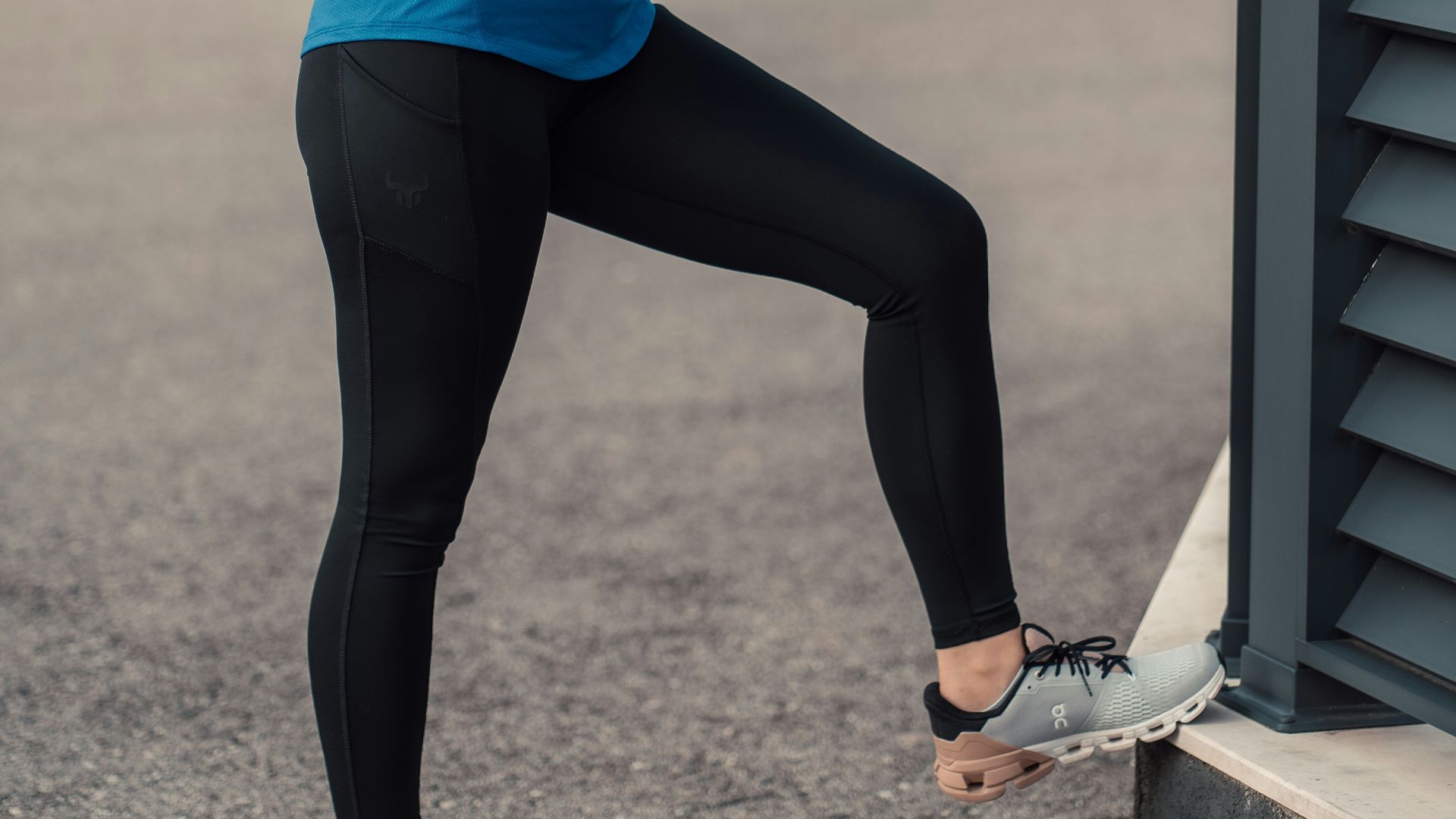
Cheap leggings can go sheer, slide down, or pill where fabric rubs together. If you are constantly adjusting your waistband or worrying about coverage, workouts feel more stressful than they should. Better activewear keeps its shape and saves you from replacing pieces every few months.
10. Costume Jewelry Overload
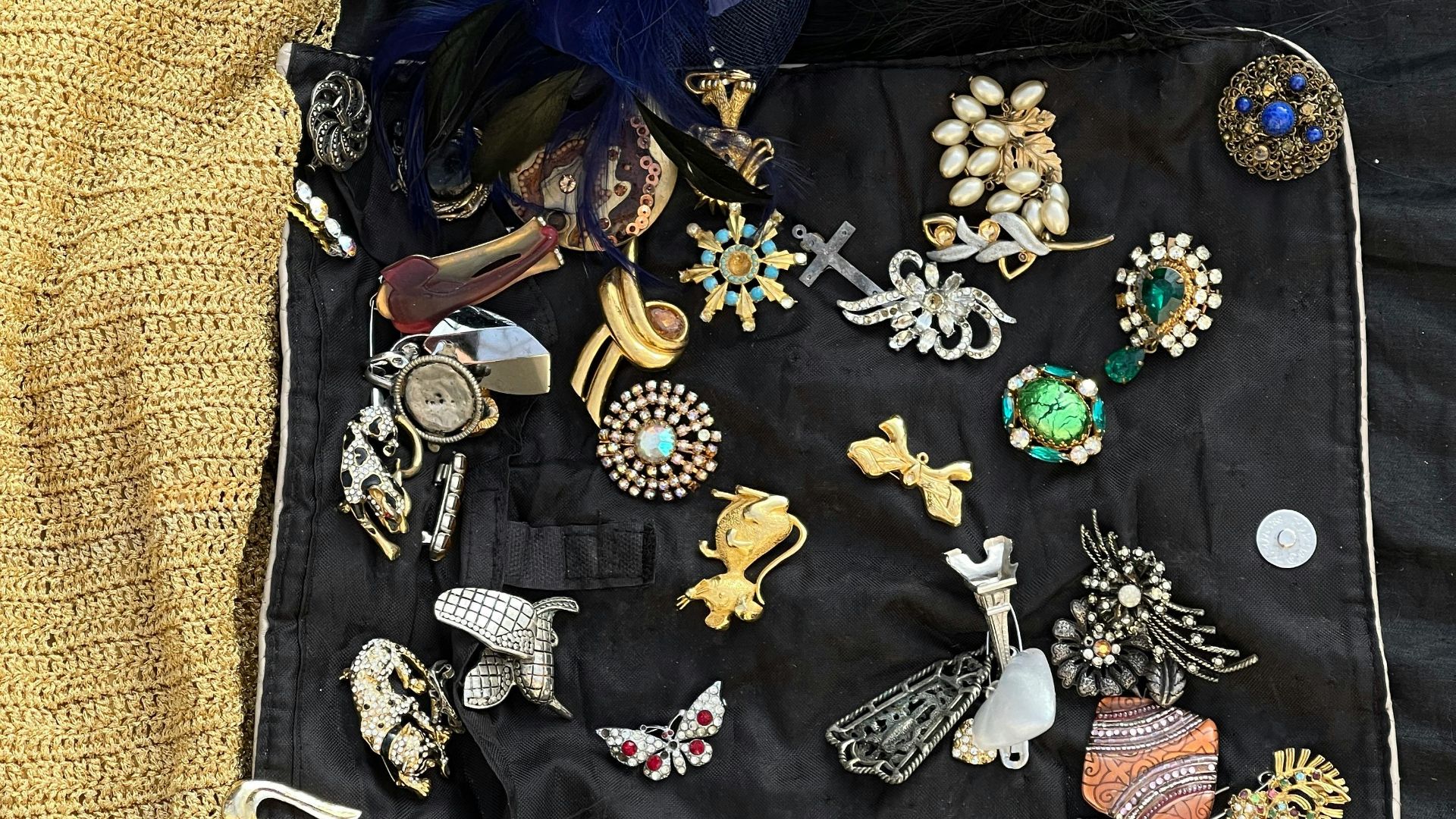
Inexpensive jewelry often tarnishes quickly, especially when it comes into contact with water, sweat, or lotions. A few durable items you can wear repeatedly will look and feel better in the long run.
11. Cheap Sunglasses
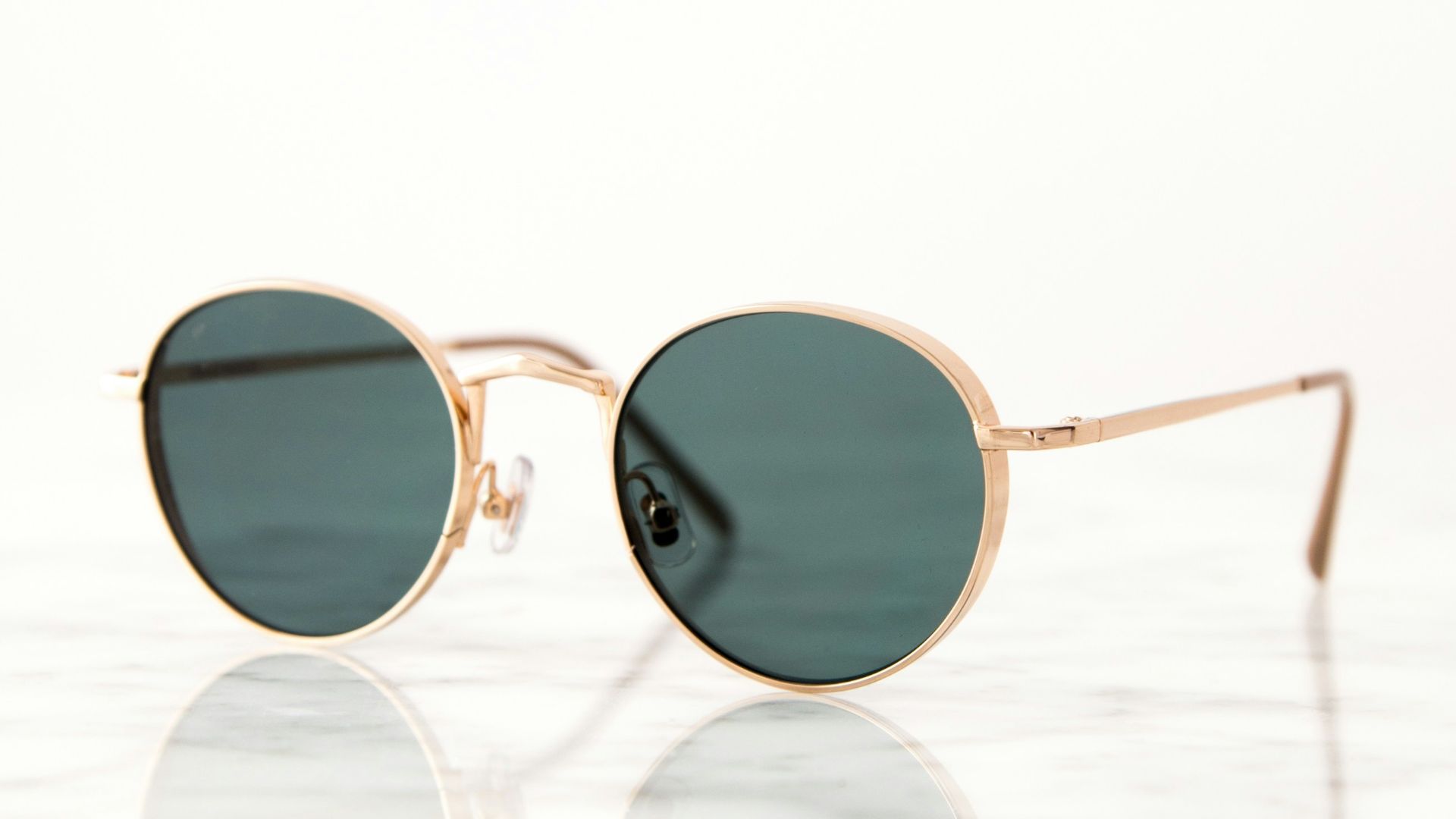
Low-cost sunglasses scratch easily and can get loose or misshapen fast. More importantly, not all bargain pairs are clear about UV protection, which is something you do not want to guess about. A reliable pair lasts longer, looks better, and protects your eyes properly.
12. Flimsy Handbags
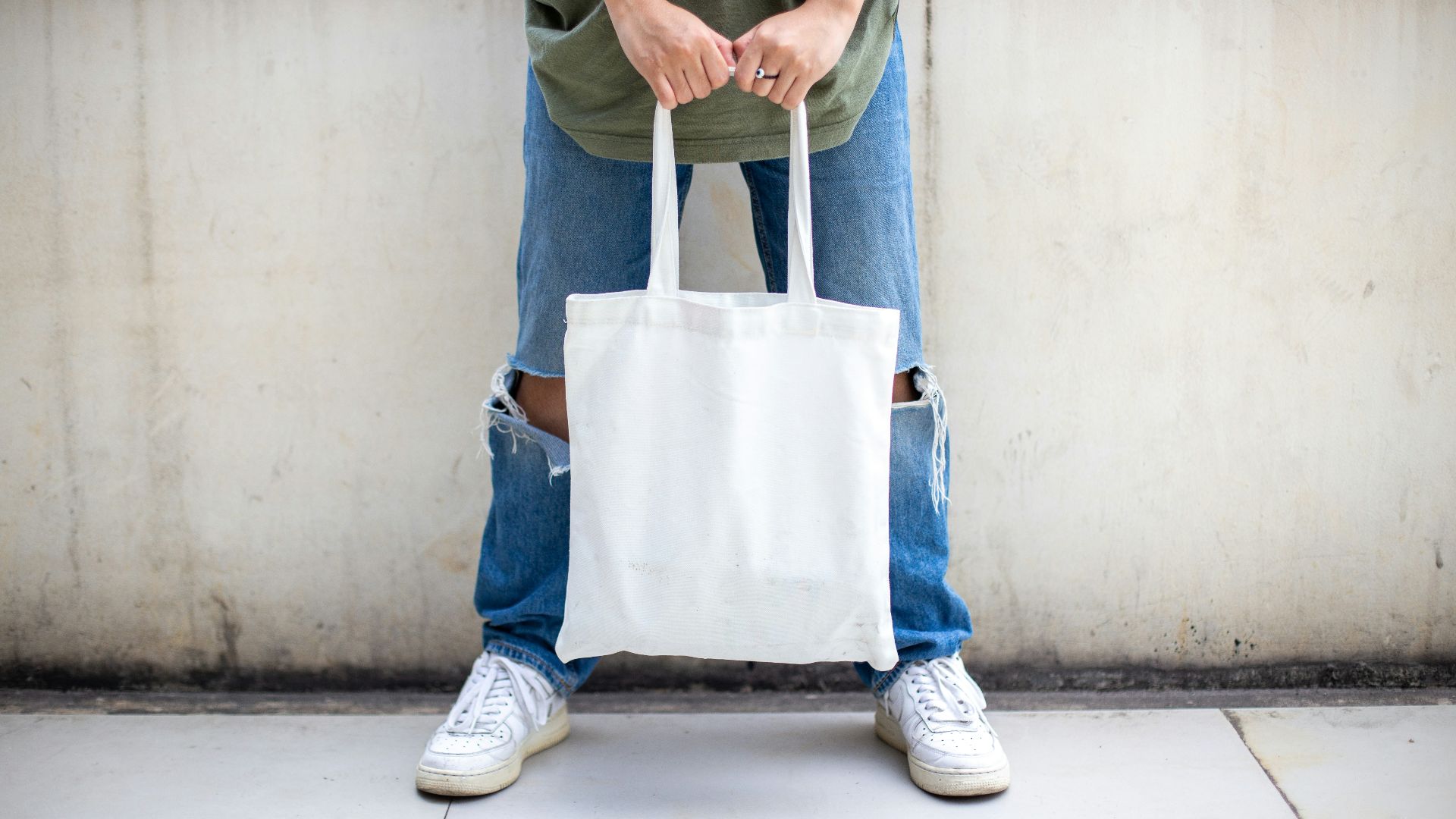
A cheap bag can look cute until the strap snaps, the zipper fails, or the lining tears. When a bag breaks mid-use, you often need a replacement immediately, which means you buy in a hurry instead of buying well. A sturdier everyday bag costs more, but it holds up and elevates your outfits.
13. Cheap Bedding Sets
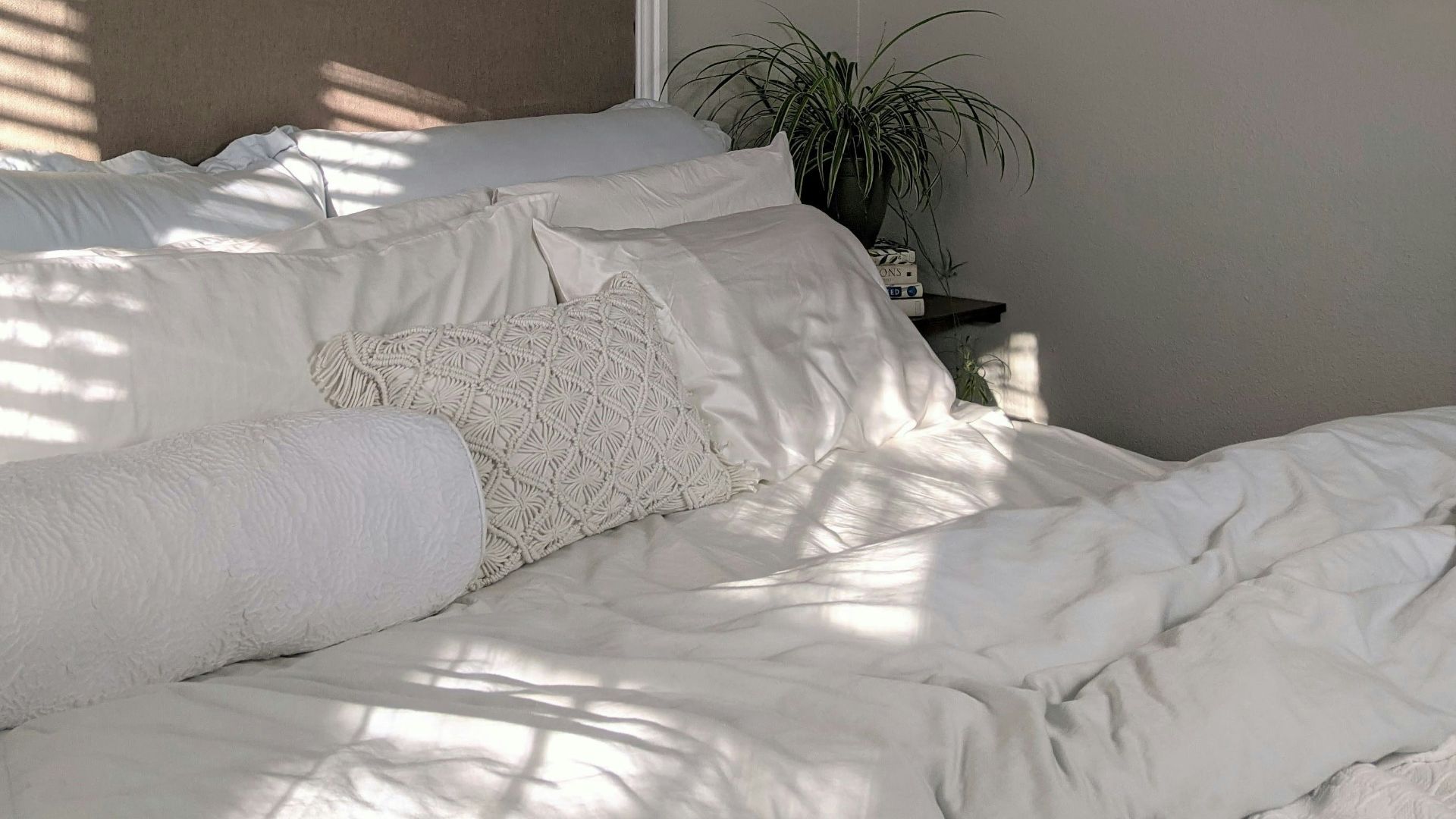
Low-cost sheets can pill, tear, and feel rough after a few washes, which is certainly not something you want to sleep on. They also tend to trap heat or feel scratchy, making sleep less comfortable. Better sheets are not just nicer, they typically last longer and feel good night after night.
14. Disposable Towels
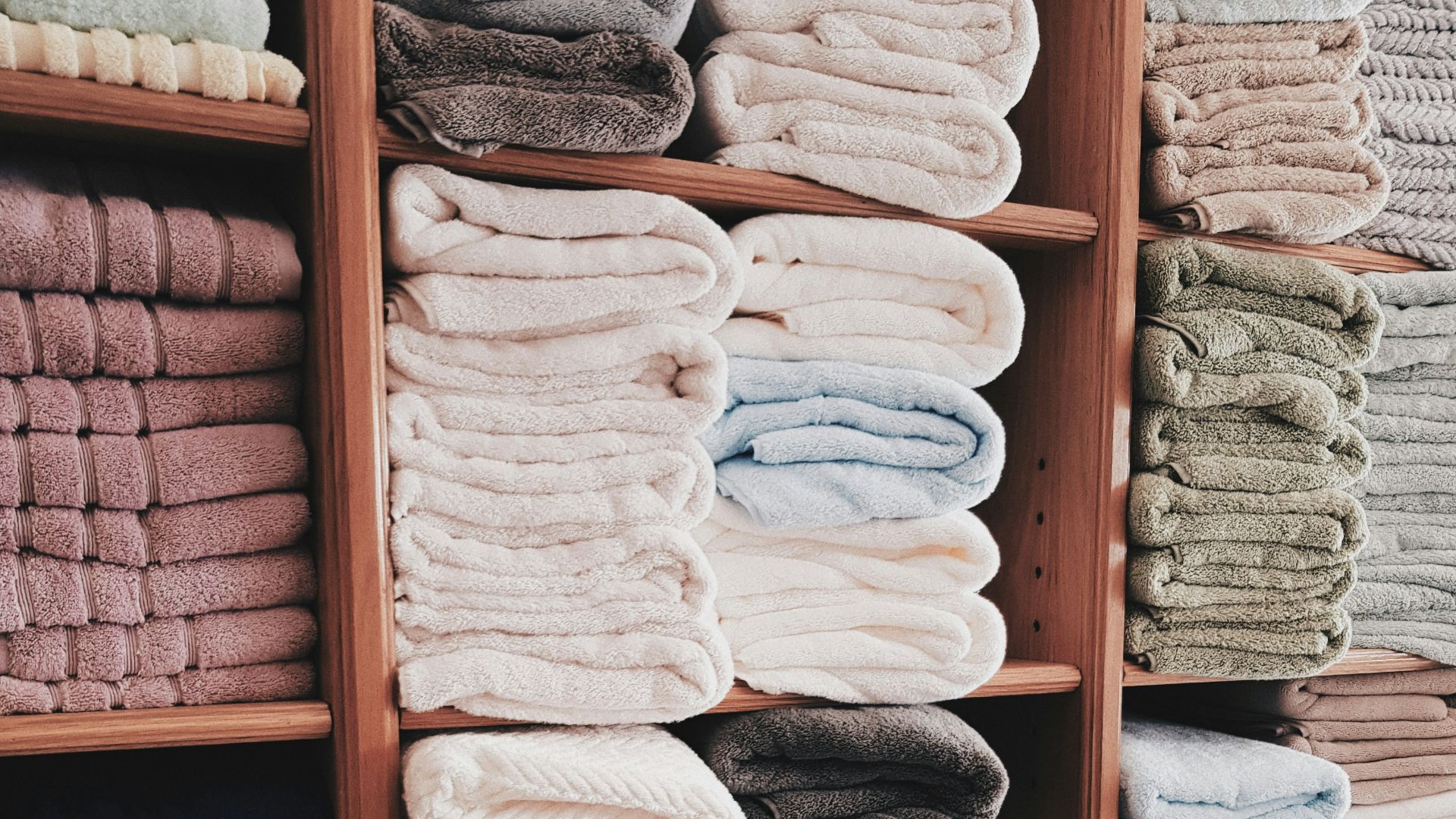
Thin towels absorb less and dry poorly, which can make them smell musty faster. Because they feel less effective, you might use more towels and wash them more often. A set of thicker towels usually lasts longer and feels better every time you shower.
15. Particleboard Furniture
Cheap particleboard furniture can chip, warp, and loosen at the joints with normal use. It often struggles through moves, which is when you learn what is actually sturdy. Paying for better construction reduces the odds you will be buying another dresser within a year.
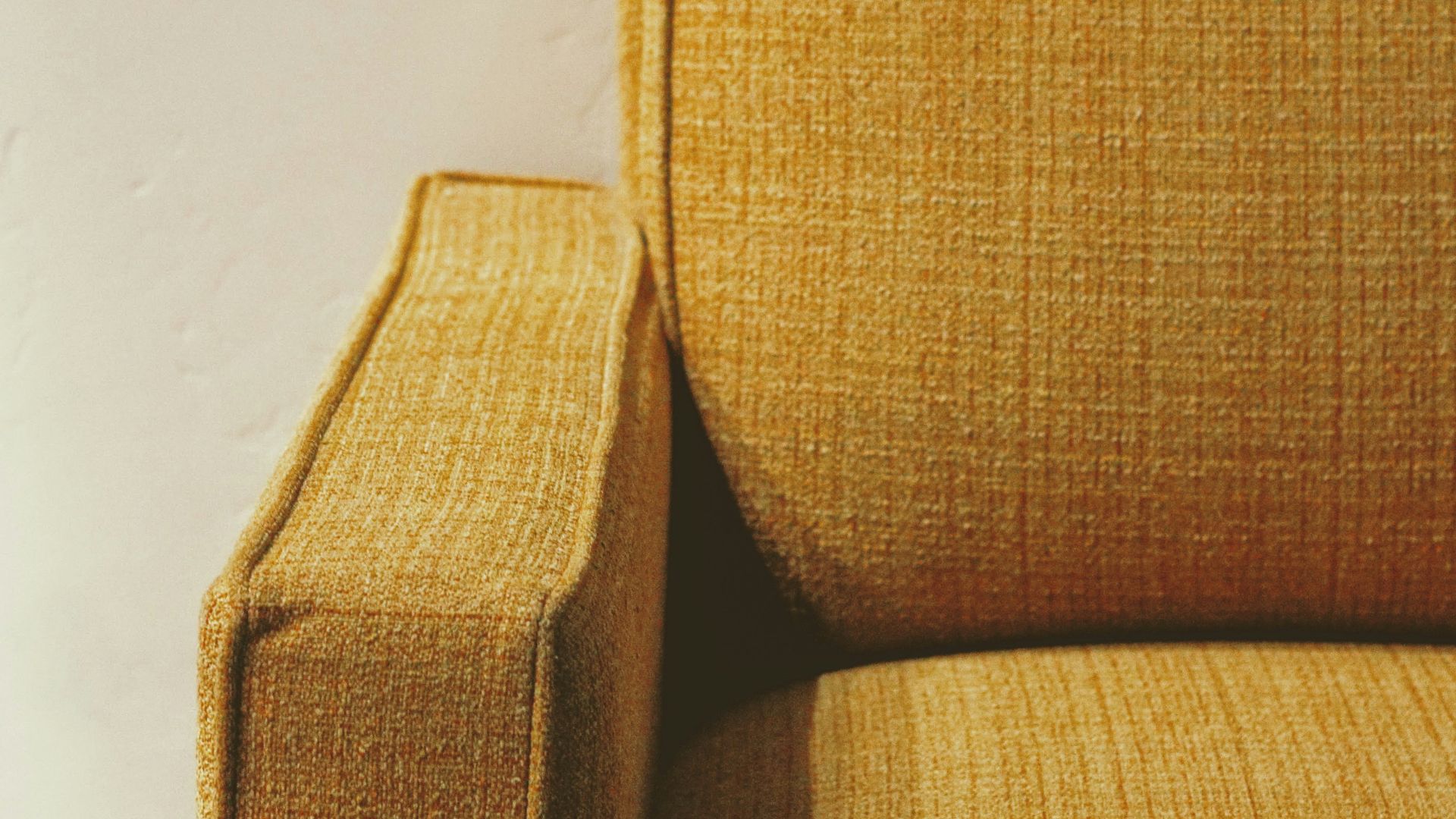
16. Low-End Upholstery
Budget couches and chairs can flatten quickly, the fabric may pill or snag, and the cushions may stop supporting you properly. Spending more on a well-made piece can save you from back discomfort and frequent replacements.
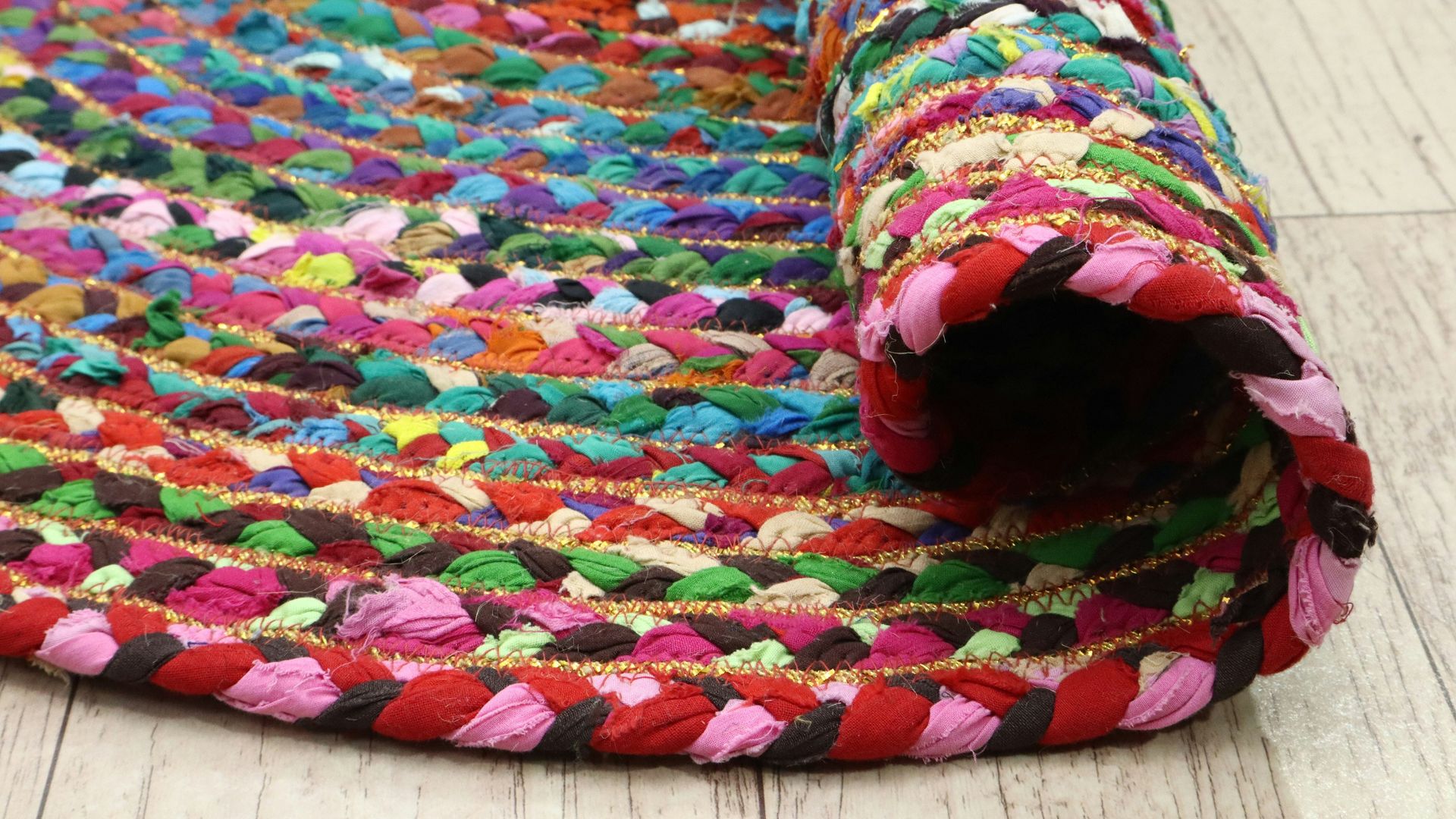
17. Cheap Area Rugs
Low-cost rugs can shed, curl at the corners, and wear thin in high-traffic areas. They also tend to trap dirt and look dingy faster, which makes the whole room feel less clean. A higher-quality rug holds up better and often makes your space look more intentional.
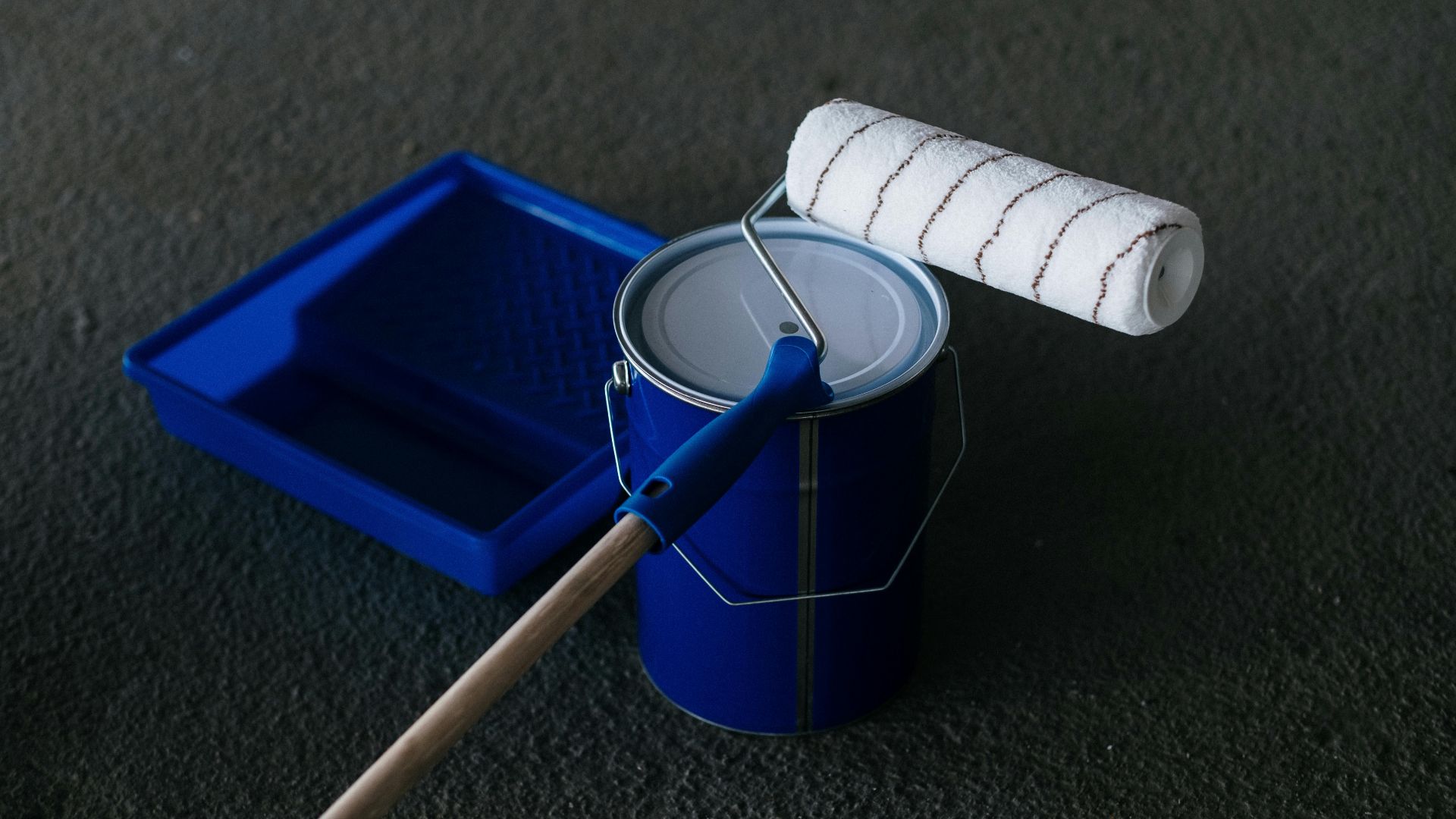
18. Bargain Paint Supplies
Cheap rollers and brushes can shed bristles, leave streaks, and make your paint job look uneven. That usually leads to more coats, more paint, and more frustration. Buying decent tools once makes the project easier and produces better results.
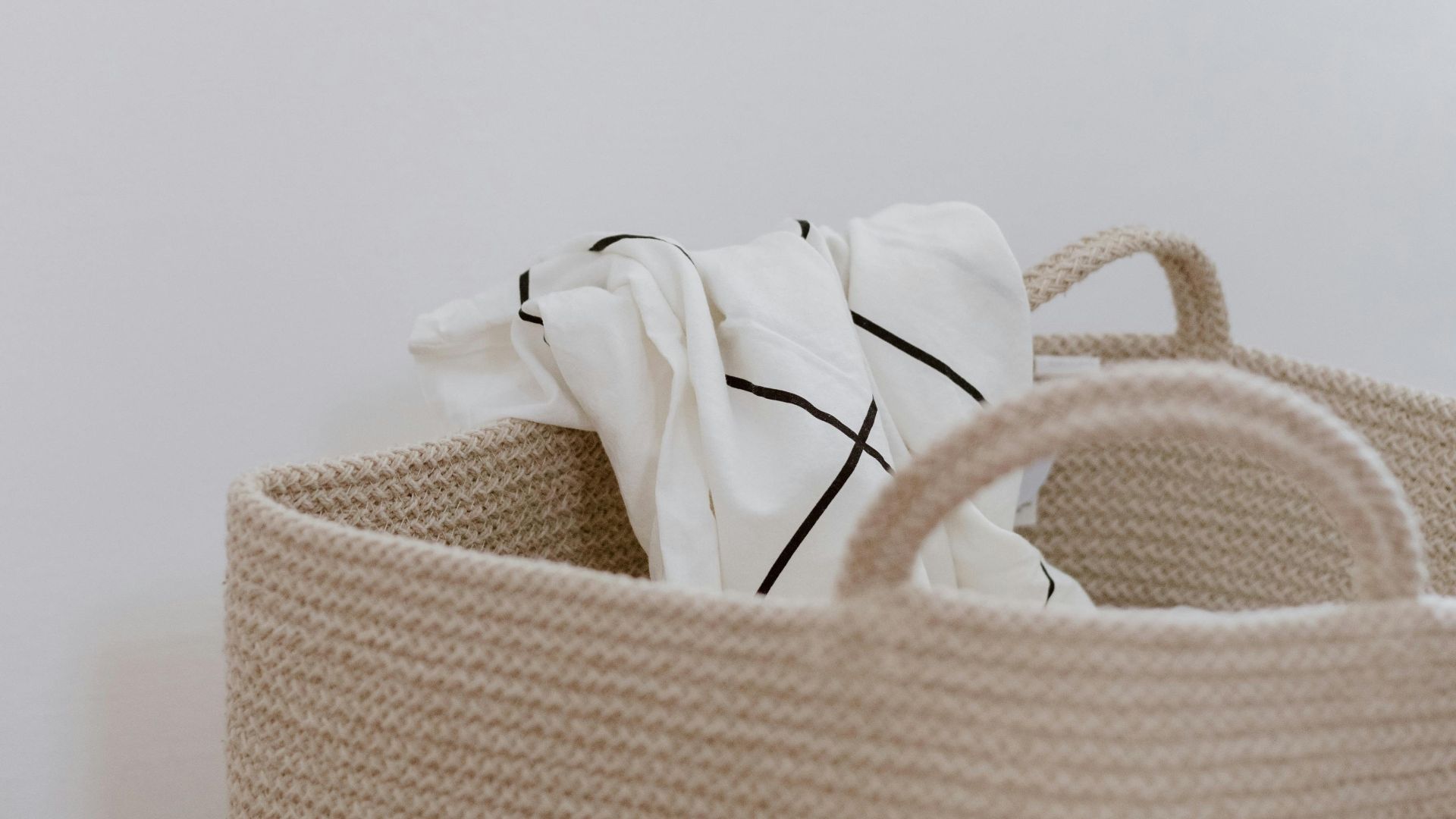
19. Weak Storage Bins
Flimsy storage bins crack, warp, or collapse when you actually fill them. Once they break, you are back to buying replacements and reorganizing again. Sturdier storage costs more upfront but saves you time and keeps your space functional.
20. Skipping Alterations
Skipping simple tailoring can make good clothes look mediocre and keep you from wearing them. If an item does not fit right, it often stays in your closet while you buy more to compensate. A basic hem or waist adjustment can turn an okay purchase into something you reach for constantly.