A Loving Role With Limits
Being a present, engaged grandparent can be a huge gift to both kids and parents. The tricky part is knowing when involvement feels supportive and when it starts crossing into territory that causes stress, even if the intentions are good. These signs examine what healthy, hands-on grandparenting often entails, followed by some indicators that it may be time to ease up and let the parents take the lead. Here are 10 signs you're a hands-on grandparent and 10 signs you might be too involved.

1. You’re Familiar With the Daily Routine
You know when school lets out, what time soccer practices run, and which mornings are rushed. That familiarity doesn’t come from control, but from paying attention and being available. It allows you to step in smoothly when help is needed. Parents shouldn't have to explain everything twice.
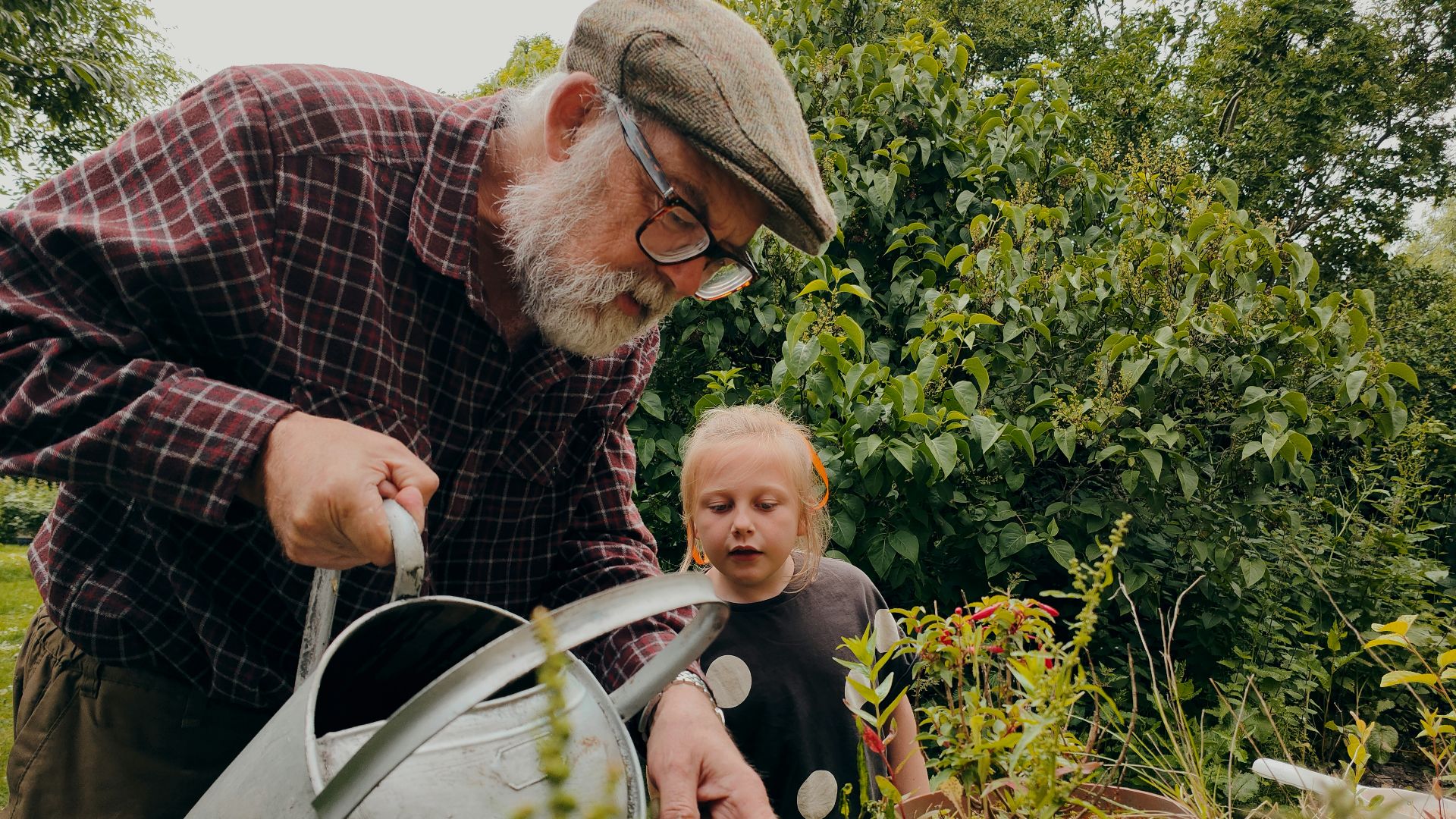
2. You Keep Your Home Kid-Ready
Your house isn’t a replica of theirs, but it’s clearly prepared for visits. There are snacks they can eat, a place for backpacks, and maybe a drawer with extra pajamas. Planning makes time together easier, and it also shows respect for their parents’ boundaries.
 Ekaterina Shakharova on Unsplash
3. You Help Out Without Making It a Production
When you babysit or handle a pickup, you don’t announce it to everyone later. You see helping as part of family life, not something to leverage. That quiet reliability builds trust over time. It also keeps relationships from feeling transactional.

4. You Show Up for Important Moments
Games, recitals, birthdays, and graduations matter to you. You make the effort to attend when you can, even if it means rearranging plans. Consistently being there sends a strong message because kids remember who showed up.

5. You Follow the Parents’ Rules
Even when you don’t fully agree, you stick to their guidelines. Bedtimes, screen limits, and food choices stay consistent under your watch. That makes transitions smoother for everyone involved.

6. You Stay Curious About Their Interests
You ask real questions about what they’re into right now. Whether it’s a sport, a book series, or building worlds in Minecraft, you engage without judgment. Curiosity helps bridge generational gaps and keeps conversations natural instead of forced.
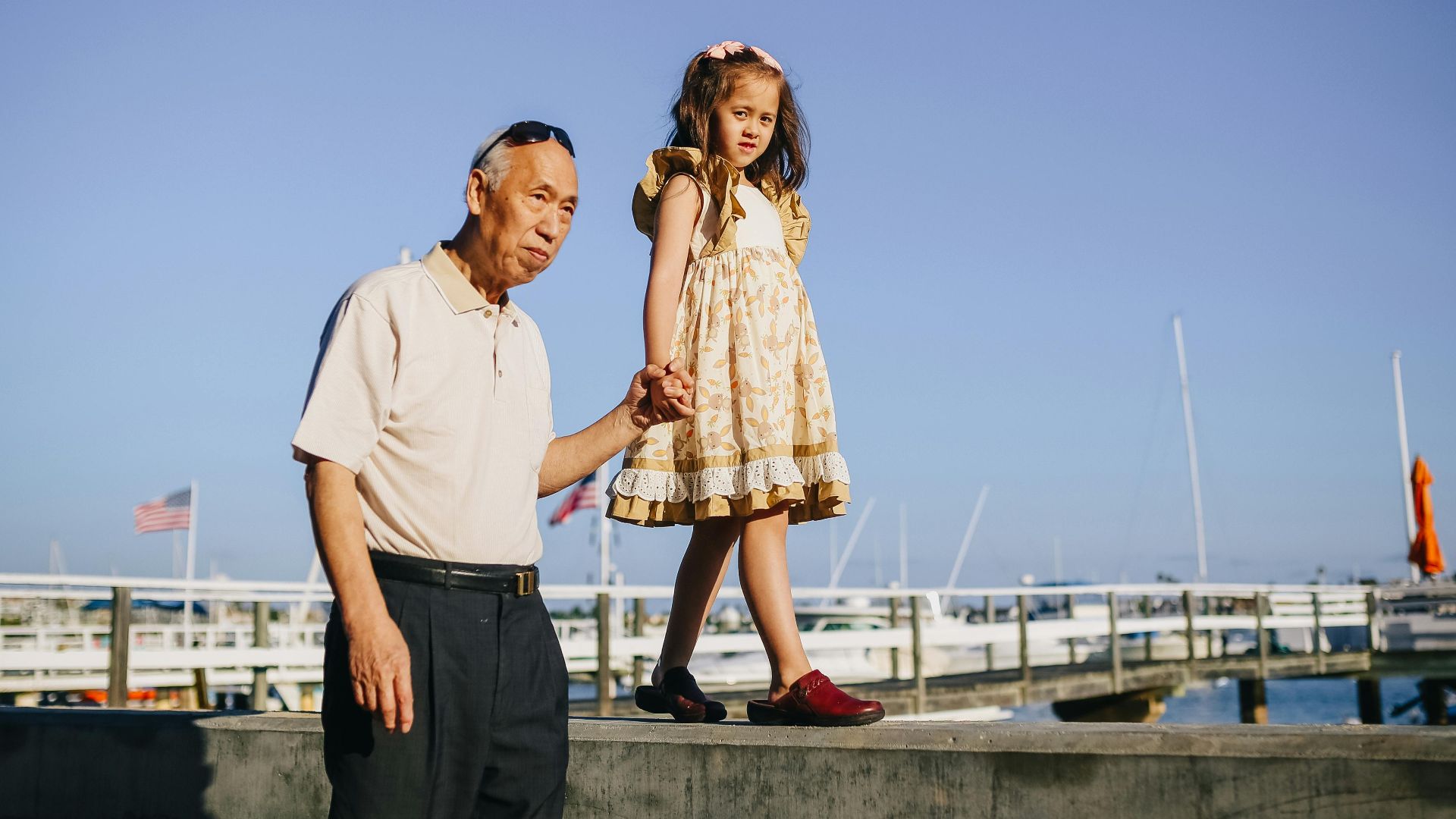
7. You Offer Support Without Taking Over
You step in when asked or when it’s genuinely helpful. At the same time, you know when to hang back and let parents handle things. That balance doesn’t come automatically. It’s learned through attention and restraint.
 Vidar Nordli-Mathisen on Unsplash
8. You’re a Steady Presence During Stressful Moments
When things get chaotic, you don’t add to the noise. Your calm tone helps settle kids and reassures parents. Emotional steadiness is often more valuable than solutions. It creates a sense of safety for everyone.
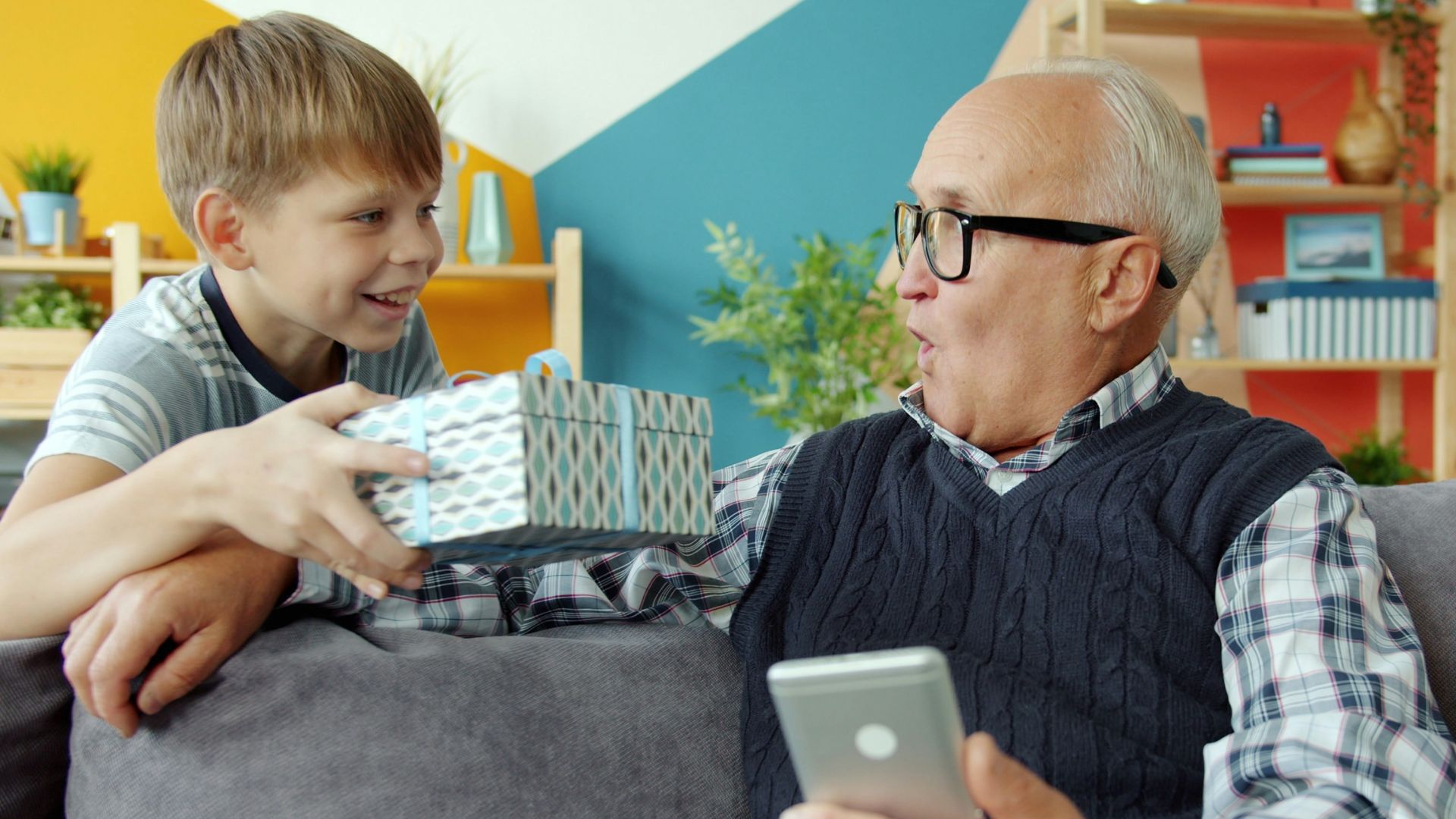
9. You Keep Communication Open and Respectful
You check in instead of assuming. Plans, boundaries, and expectations are discussed rather than guessed. That openness prevents misunderstandings before they start. It also makes it easier to adjust when life changes.
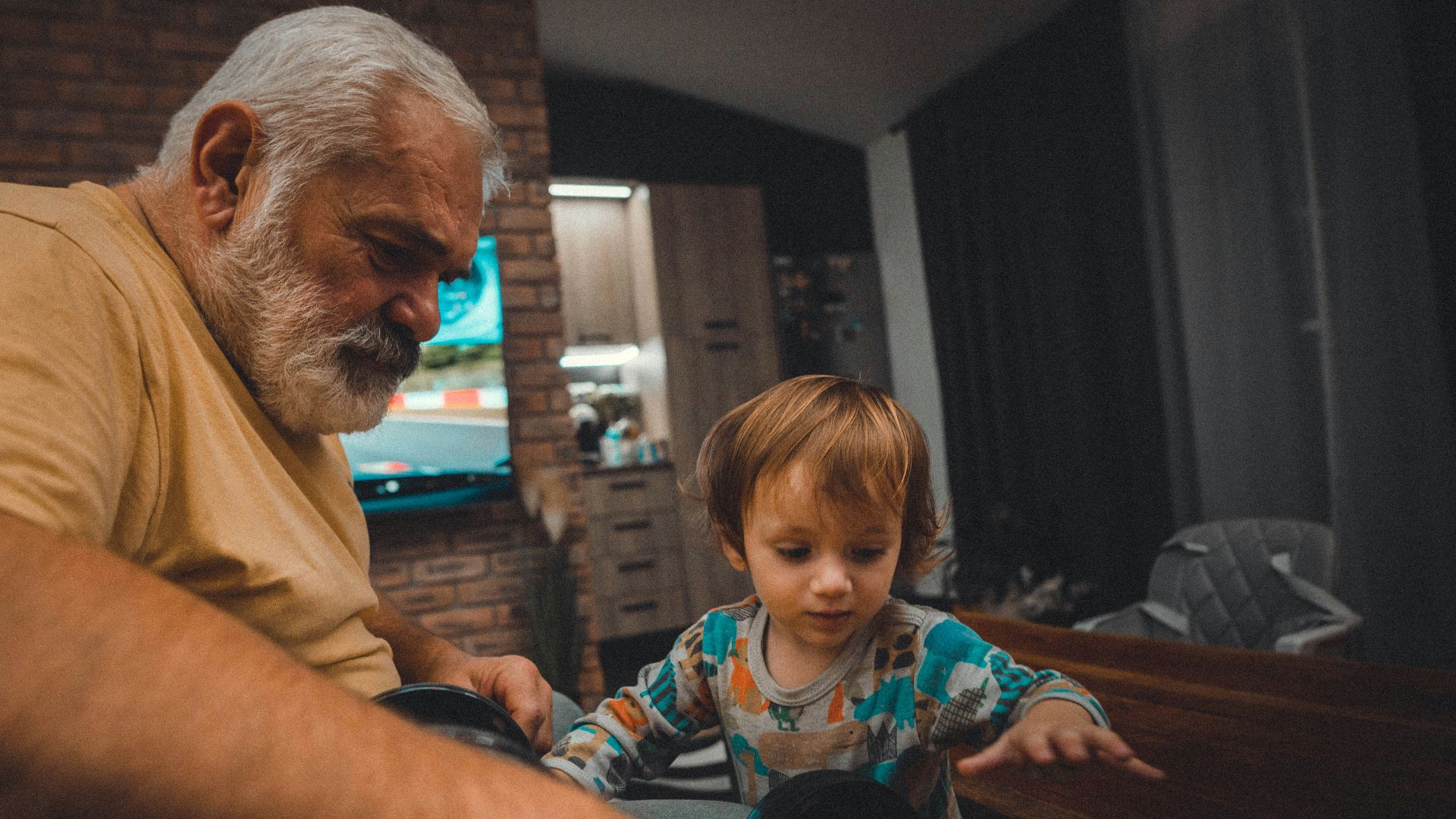 Tamara Govedarovic on Unsplash
10. You Enjoy the Role for What It Is
You don’t try to relive parenting or rewrite the past. Being a grandparent feels lighter, more flexible, and rooted in connection. You appreciate the role without needing it to define you, and this perspective keeps things healthy.
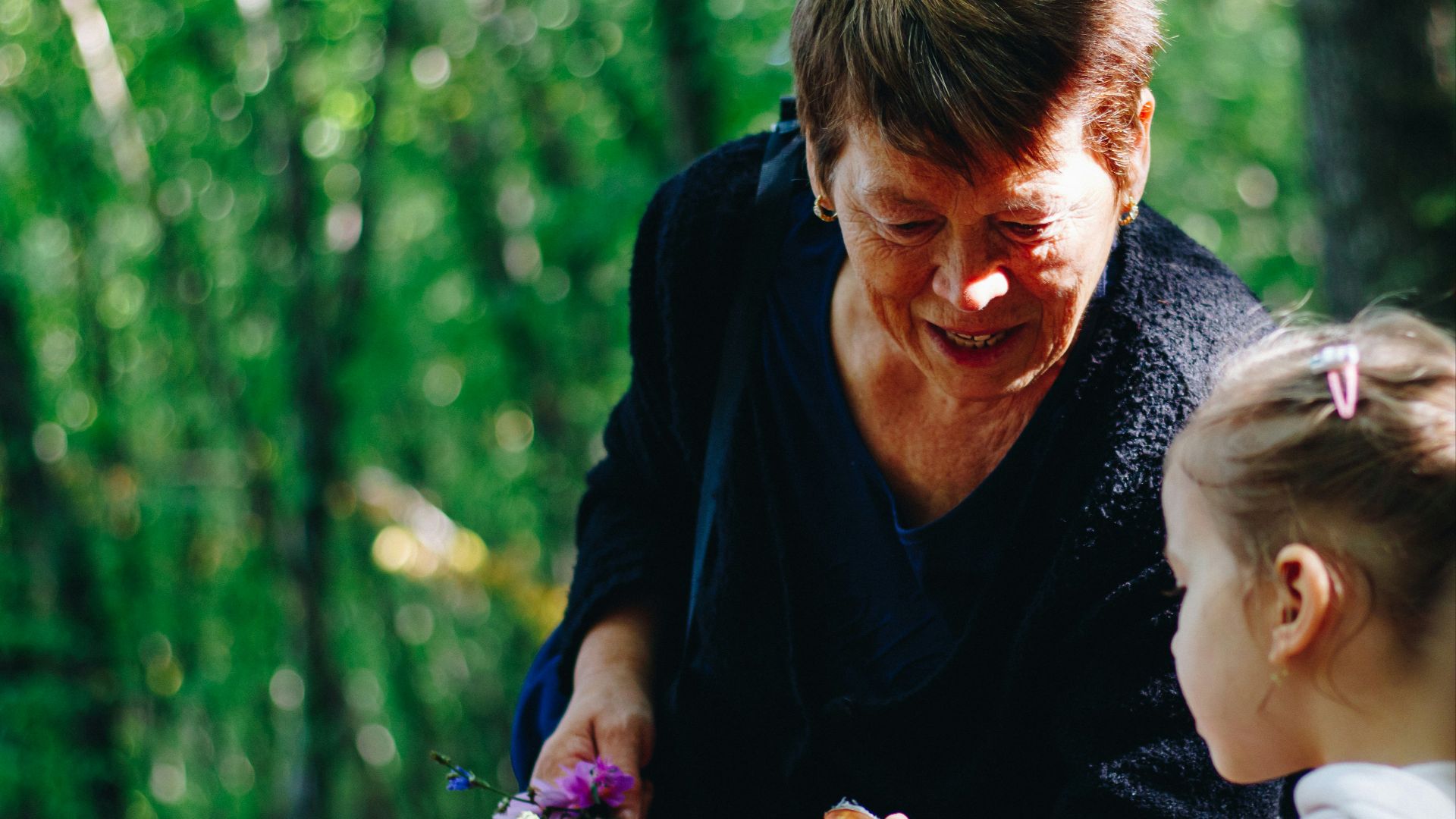
1. You Regularly Override Parenting Decisions
You change the rules because you think your way is better. Even small overrides can confuse kids and frustrate parents. It sends mixed messages about authority, and over time, trust can erode.

2. You Insert Opinions Into Everyday Choices
Outfits, meals, schedules, and activities become open for commentary. While each remark seems minor, they add up quickly. Parents may feel second-guessed. That tension can linger beneath polite conversations.
 Giuseppe Argenziano on Unsplash
3. You Offer Advice Constantly
Every situation turns into a teaching moment from your experience. Parenting norms and research evolve, even if core values stay the same. Too much advice can feel like criticism. Sometimes listening is the better contribution.

4. You Expect Access Without Checking In
You assume time with the kids instead of asking. When plans change, you feel hurt or pushed aside. That sense of entitlement strains relationships. Flexibility goes a long way here.
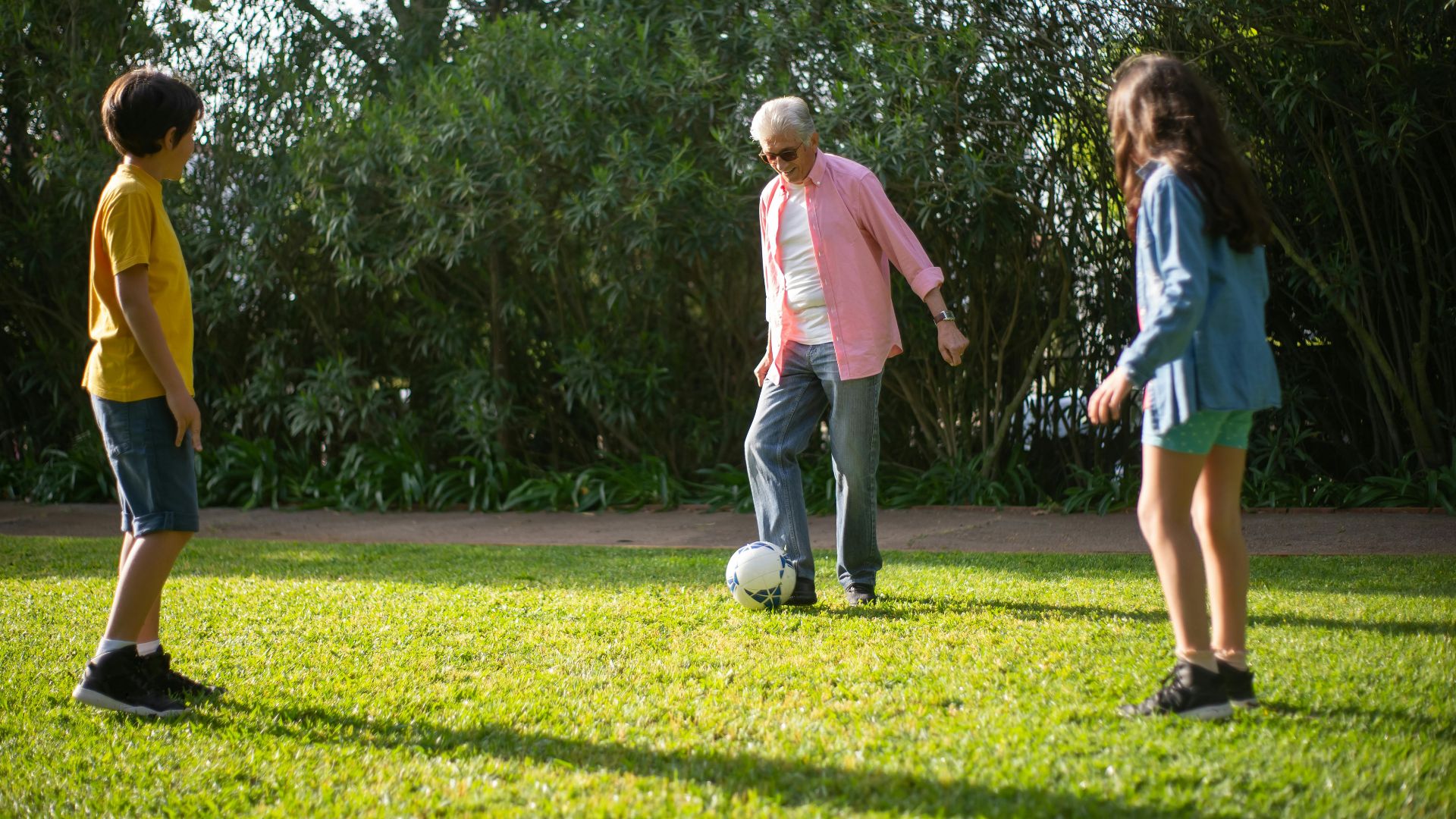
5. You Criticize Parents in Front of the Kids
Even indirect comments land harder than intended. Kids notice tone, pauses, and side remarks. Public criticism weakens parental authority, whereas private conversations protect everyone involved.
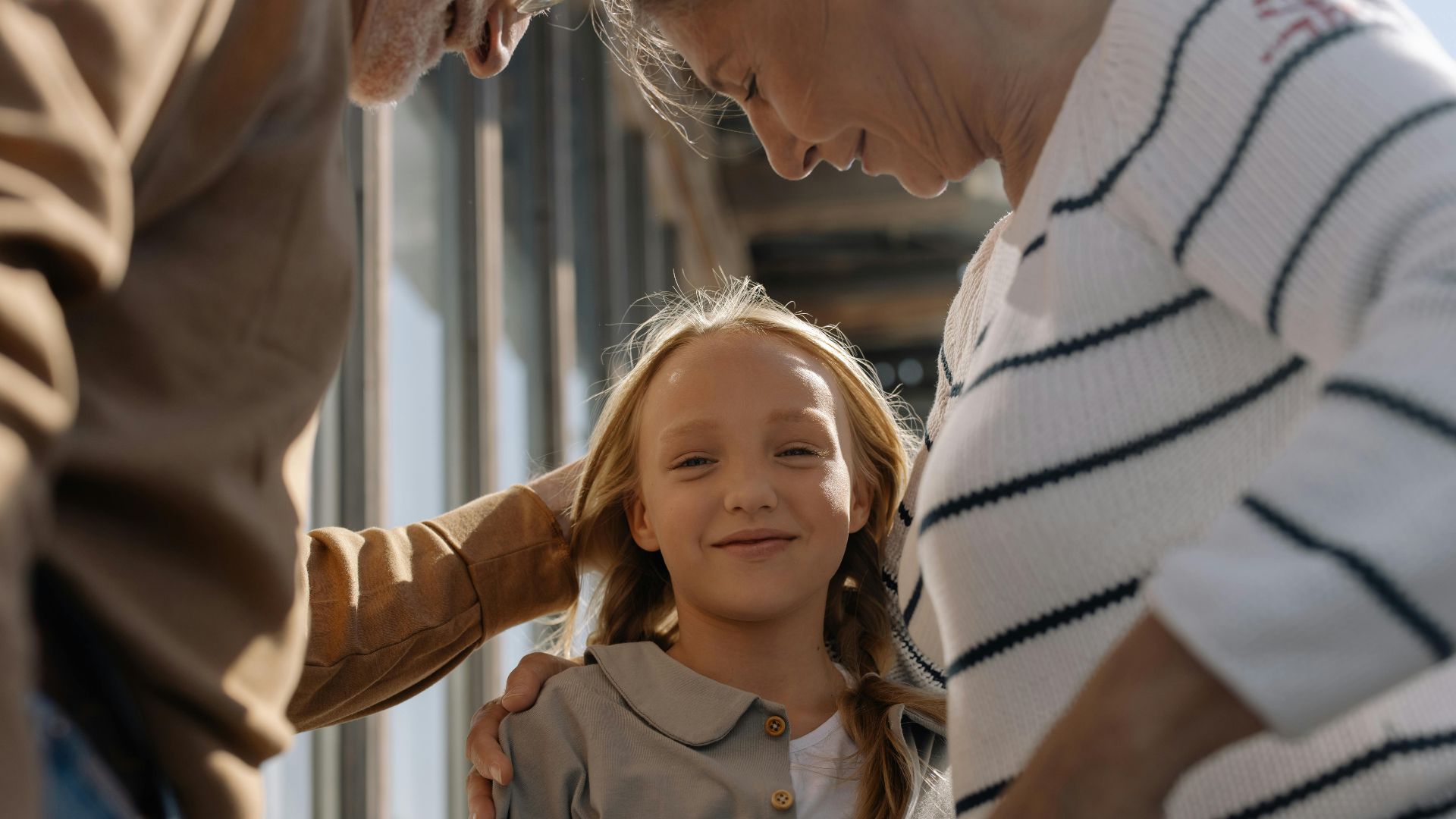
6. You Use Guilt to Stay Connected
Comments about being forgotten or unappreciated apply pressure. Parents may comply just to avoid conflict, creating a dynamic that creates resentment over time. Clear communication is healthier than emotional leverage.

7. You Try to Be the Favorite
You bend rules or overindulge to win affection. While it might feel harmless, it complicates family dynamics. Kids don’t need competition between adults. Ultimately, consistency matters more than popularity.

8. You Struggle With Letting Go of Control
Watching your children's parents can be uncomfortable. Roles shift whether you’re ready or not, and holding on too tightly creates friction. Growth doesn’t stop with age.
 Tamara Govedarovic on Unsplash
9. You Expect Frequent Updates
You want to know every detail of daily life. When information isn’t shared, you feel excluded. Parents deserve privacy and independence, and trust grows faster when space is respected.

10. You Center Your Feelings Over the Kids’ Needs
Your emotions start guiding decisions more than what’s best for the family. That shift can distort priorities. Grandparenting works best when it’s supportive, not central. Sometimes stepping back is the most loving move.