
Building Greener Routines at Home
Families shape daily habits that add up over time, and small choices at home can make a real environmental difference. Eco-friendly living doesn't require dramatic lifestyle changes or expensive upgrades. Instead, it often comes from practical routines that reduce waste, conserve energy, and encourage thoughtful consumption. When everyone in the household participates, these habits become part of everyday life rather than a chore. These 20 tips highlight simple, realistic ways families can make their homes a little greener while still keeping life comfortable and manageable.

1. Start a Simple Recycling System
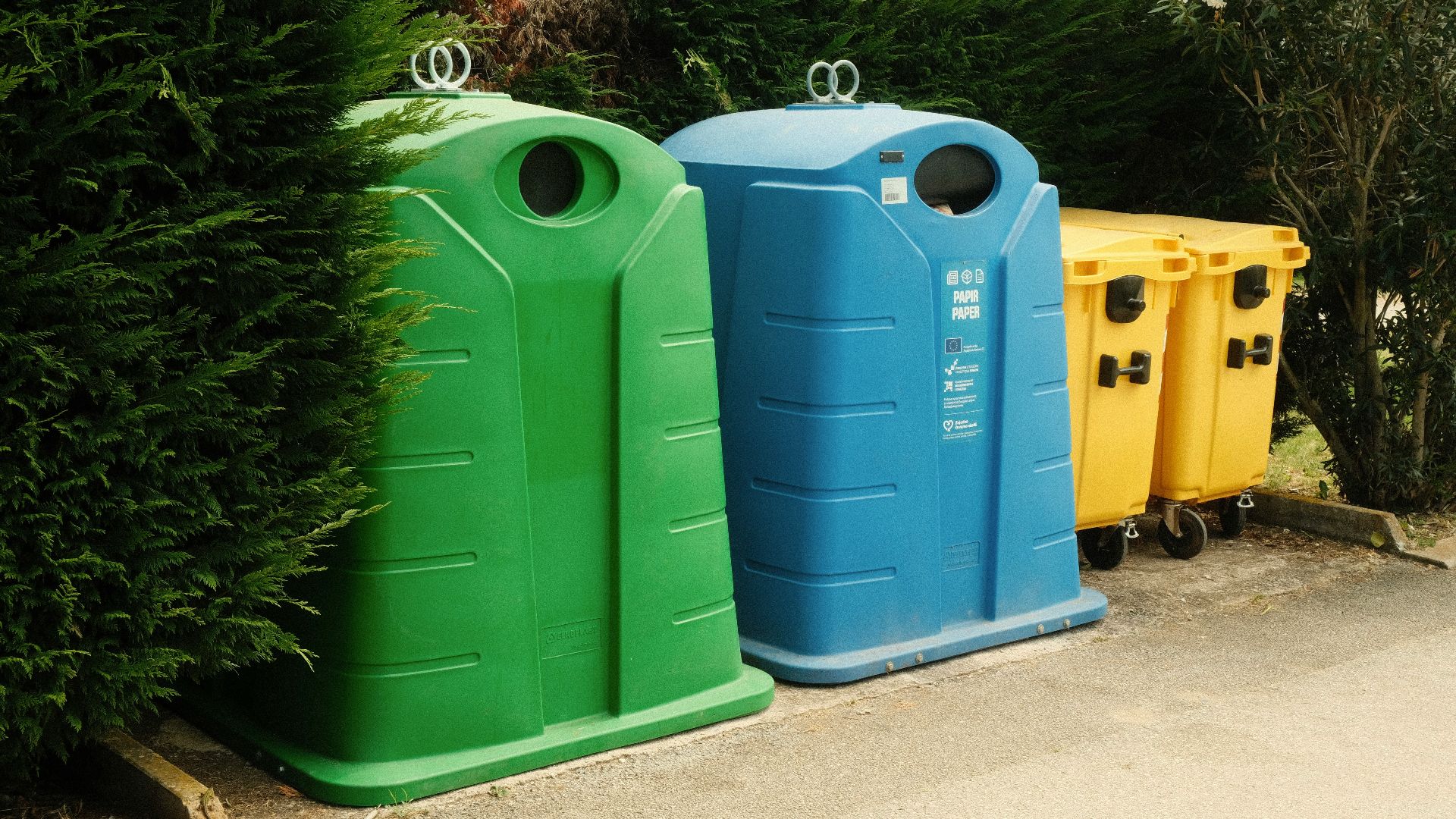
A clear recycling setup makes it easier for everyone in the house to participate. Place labeled bins in convenient spots so sorting materials becomes second nature rather than extra work.
2. Use Reusable Shopping Bags
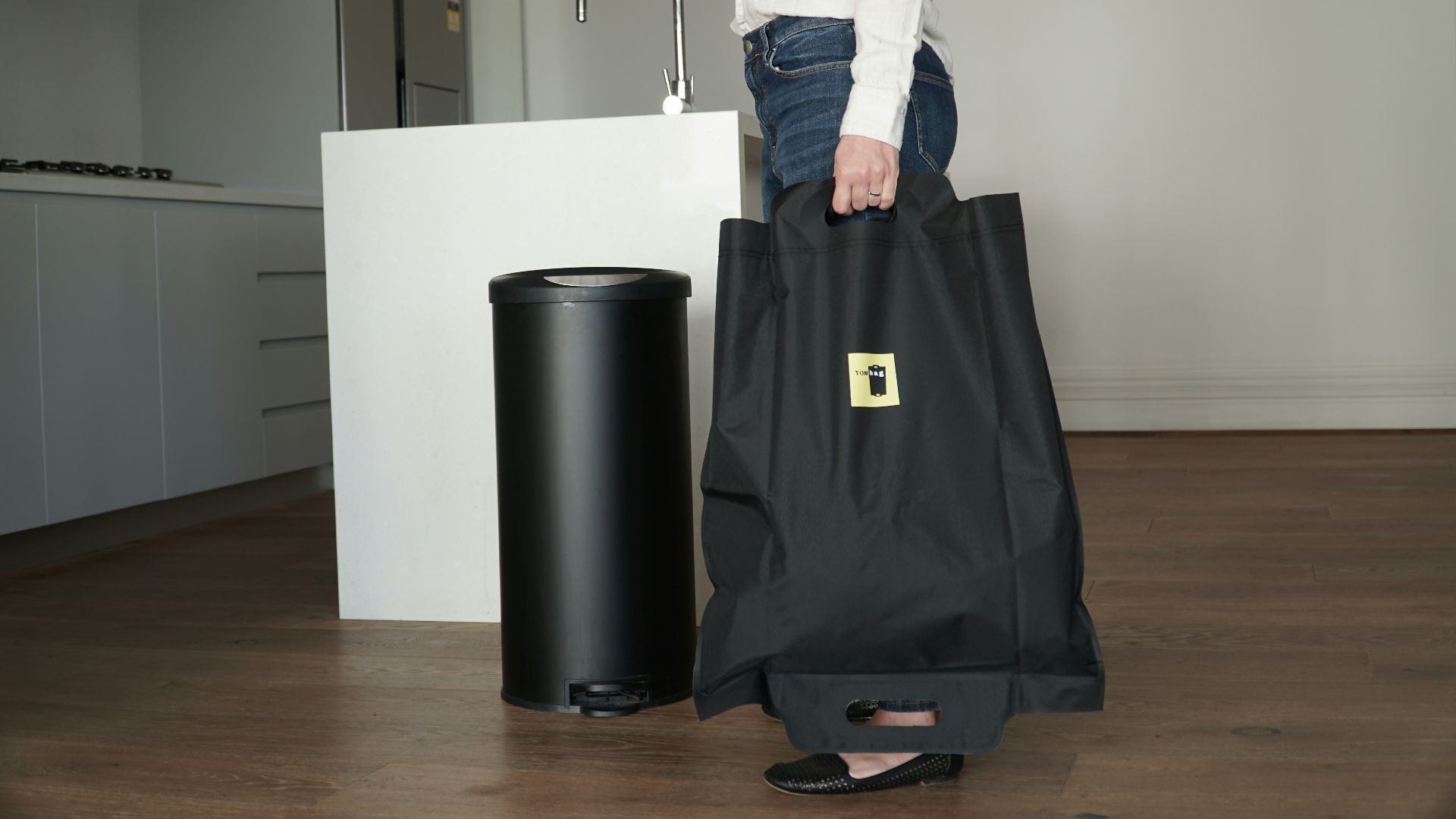
Plastic bags are a major contributor to household waste, but switching to reusable ones is an easy fix. Keep several sturdy bags in your car or near the door so you won't forget them during errands. Many grocery stores now encourage reusable options, and some even offer small discounts for using them.
3. Turn Off Lights When Rooms Are Empty
Energy conservation often starts with simple awareness. Encourage family members to switch off lights when they leave a room, rather than leaving them on all day. LED bulbs already use less electricity, but turning lights off entirely saves even more energy. Making this a household rule helps reduce both environmental impact and electricity bills.

4. Choose Refillable Water Bottles
Single-use plastic bottles create unnecessary waste, especially for families on the go. Refillable water bottles are durable, easy to clean, and much better for the environment.

5. Plan Meals to Reduce Food Waste
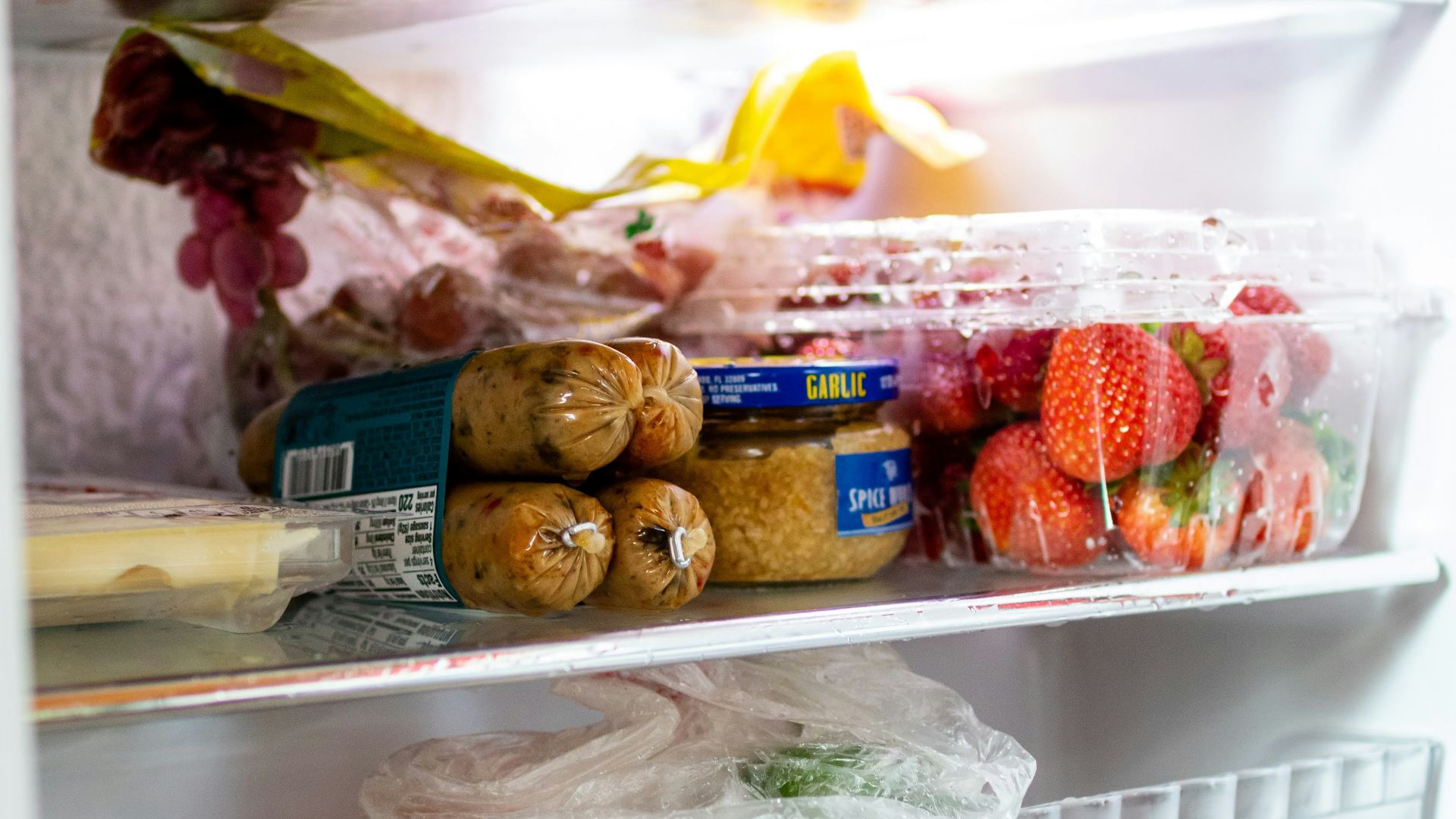
Food waste is a significant environmental issue, but careful planning can help prevent it. Before grocery shopping, review what you already have in the refrigerator and pantry.
6. Compost Kitchen Scraps
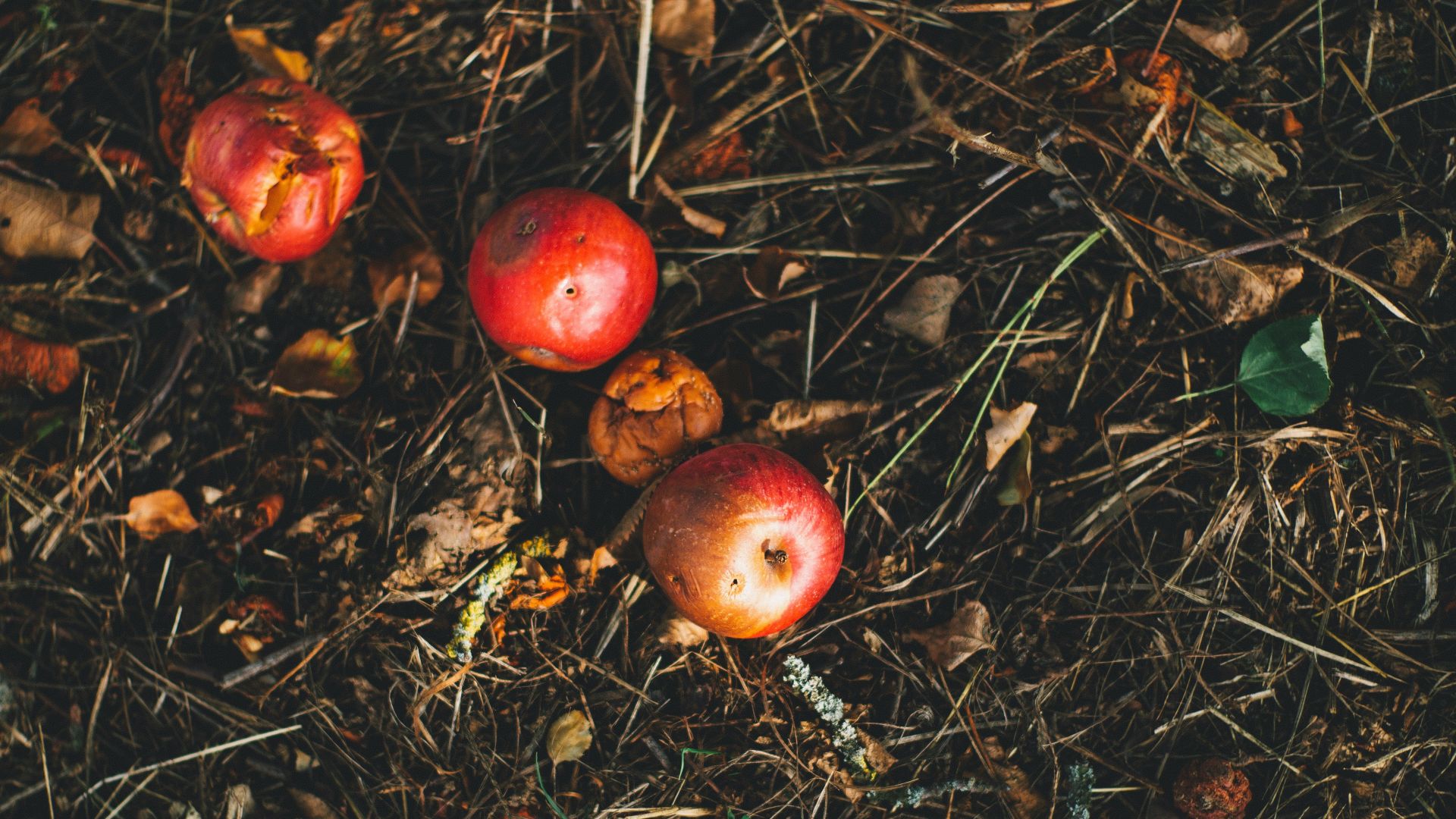
Composting turns food scraps into nutrient-rich material that benefits soil instead of filling landfills. Fruit peels, vegetable scraps, coffee grounds, and eggshells are common compost-friendly items. Even families without gardens can participate because many communities offer compost collection programs.
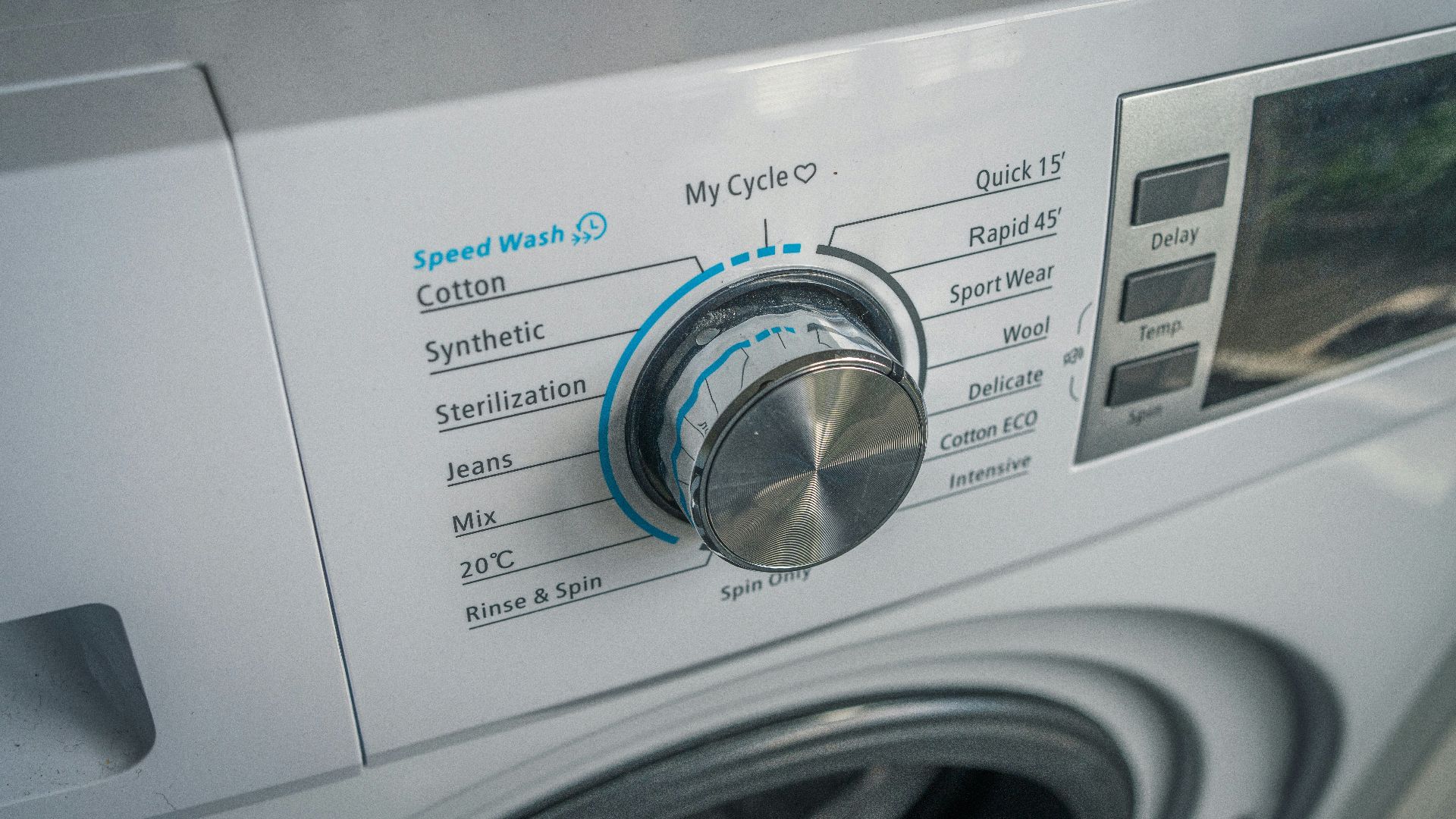
7. Wash Clothes With Cold Water
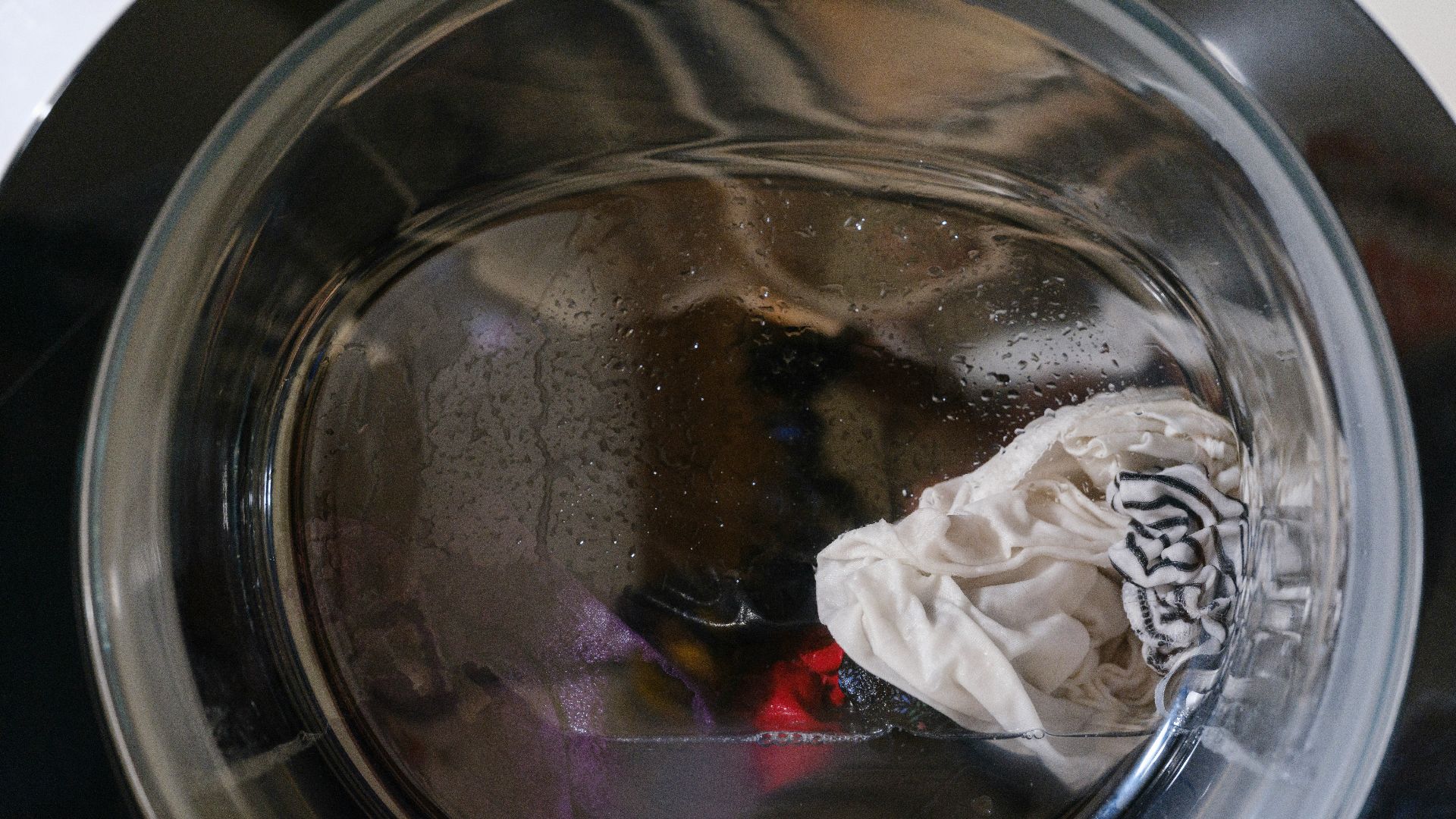
Laundry consumes a lot of energy, particularly when heating water. Most modern detergents perform well in cold water, so hot cycles aren't always necessary.
8. Air-Dry Clothes When Possible
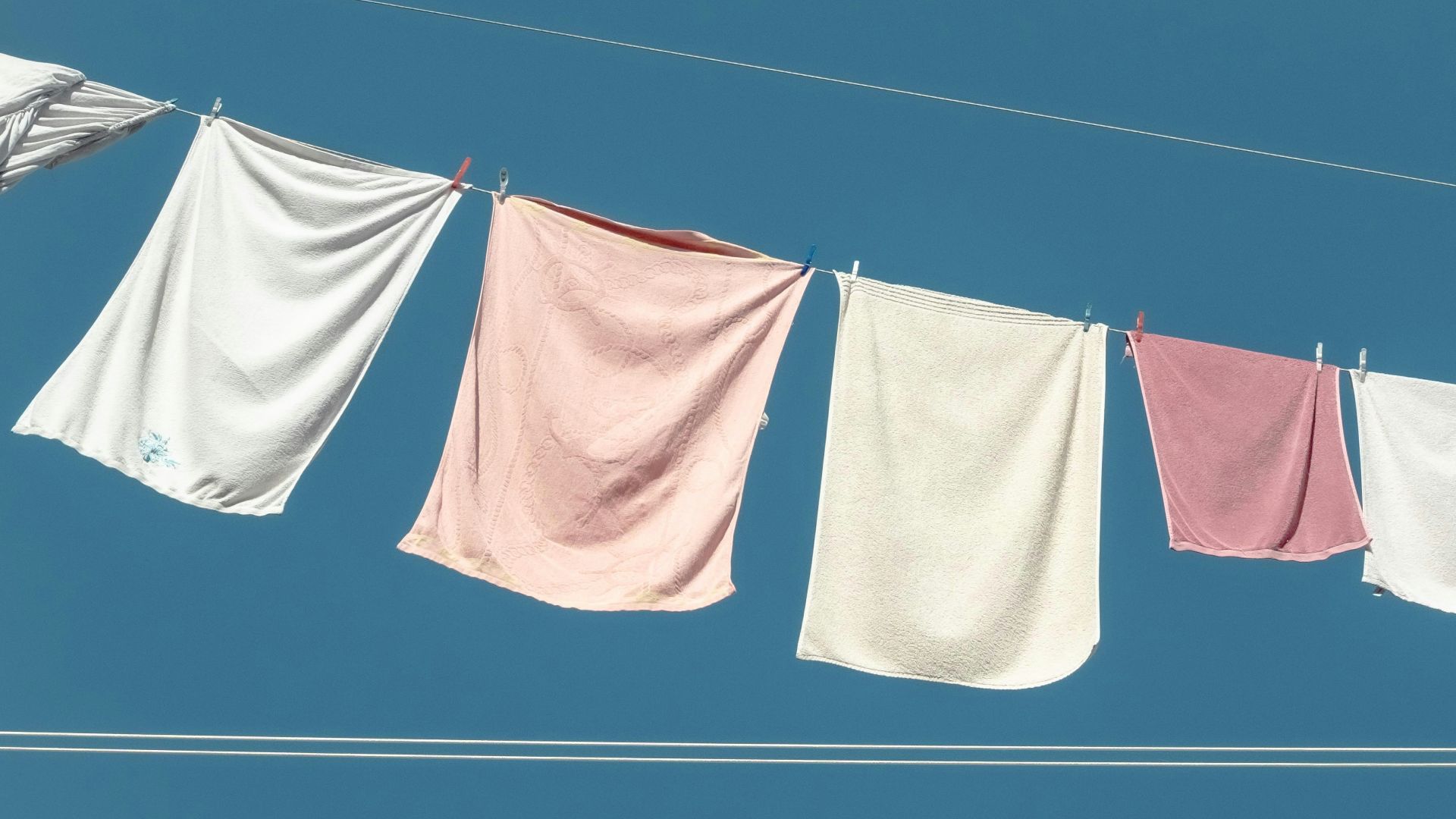
Clothes dryers use considerable electricity, especially in busy households. Whenever the weather allows, hang clothes on a drying rack or outdoor line instead. Air-drying helps reduce energy consumption and is gentler on many fabrics. Even drying just a few loads each week without the dryer can make a noticeable difference.
 Maria Miguel Cardeiro on Unsplash
9. Pack Waste-Free School Lunches
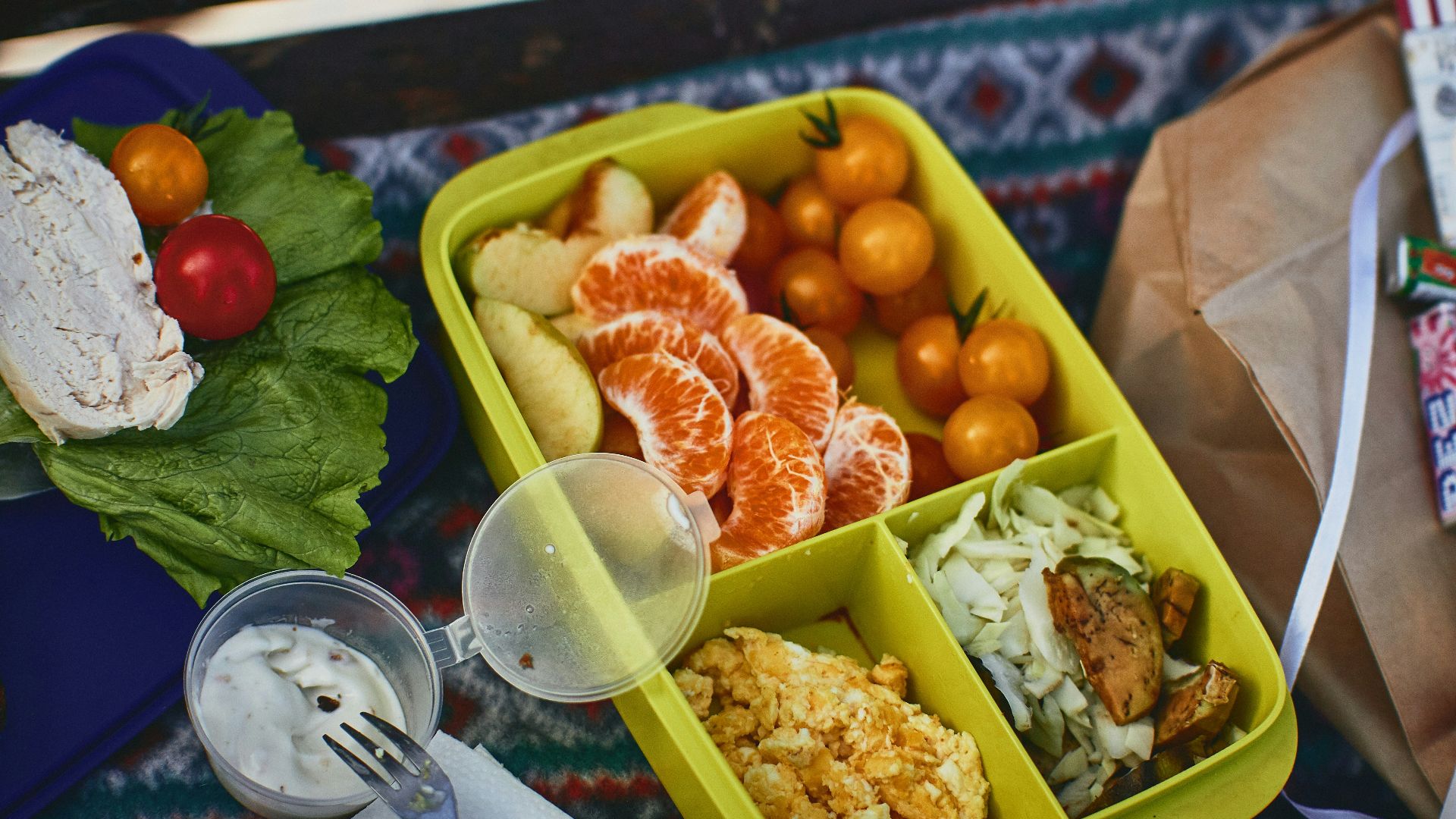
School lunches often come with excessive disposable packaging. Using reusable containers, cloth napkins, and refillable drink bottles cuts down on daily waste. These items last for years and can easily become part of your family's routine. Kids also learn early that sustainability can be practical and convenient.
10. Buy Durable Instead of Disposable
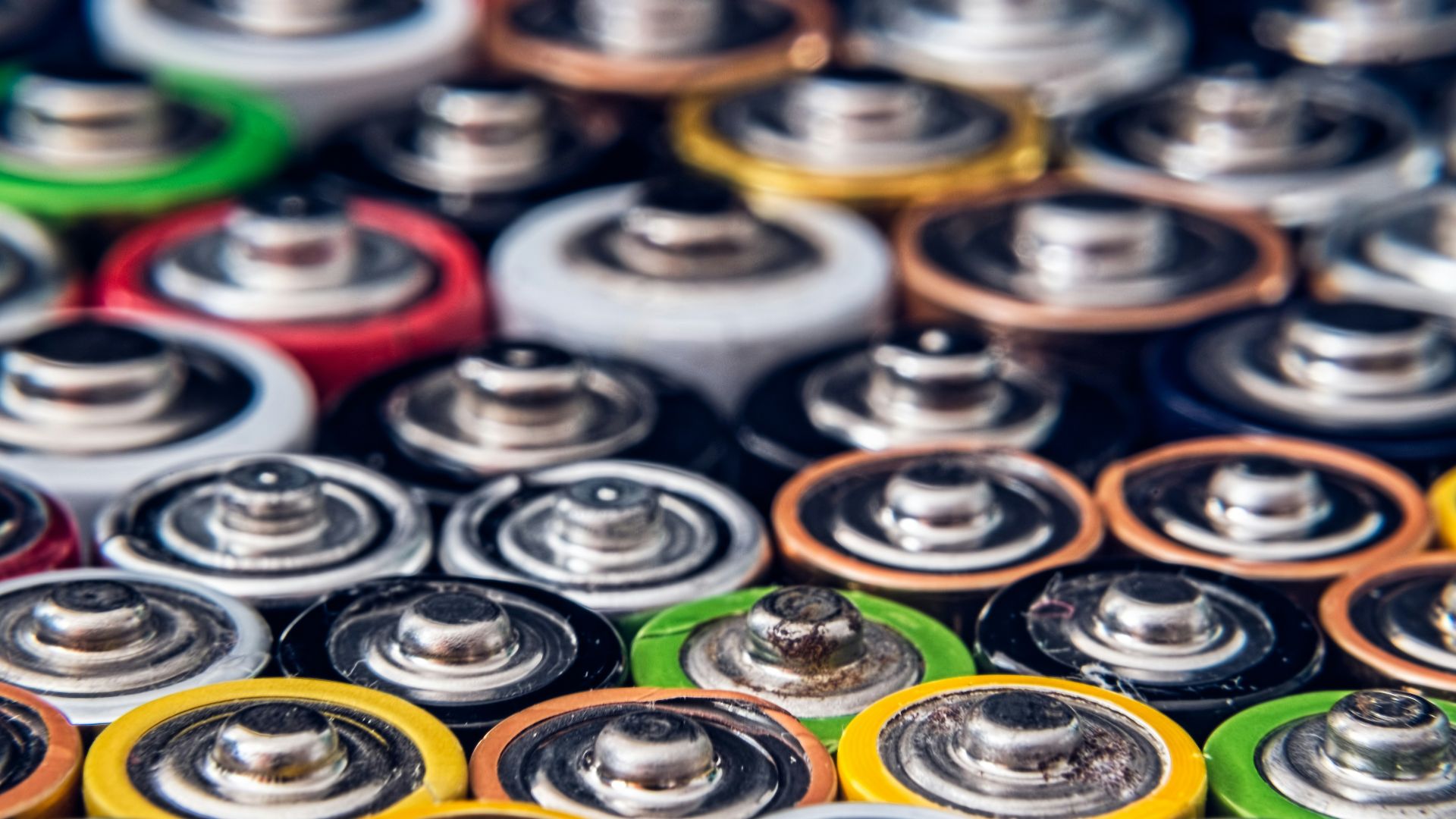
Choosing products that last longer reduces the need for constant replacements. Items like metal straws, rechargeable batteries, and reusable food wraps can replace many single-use alternatives.
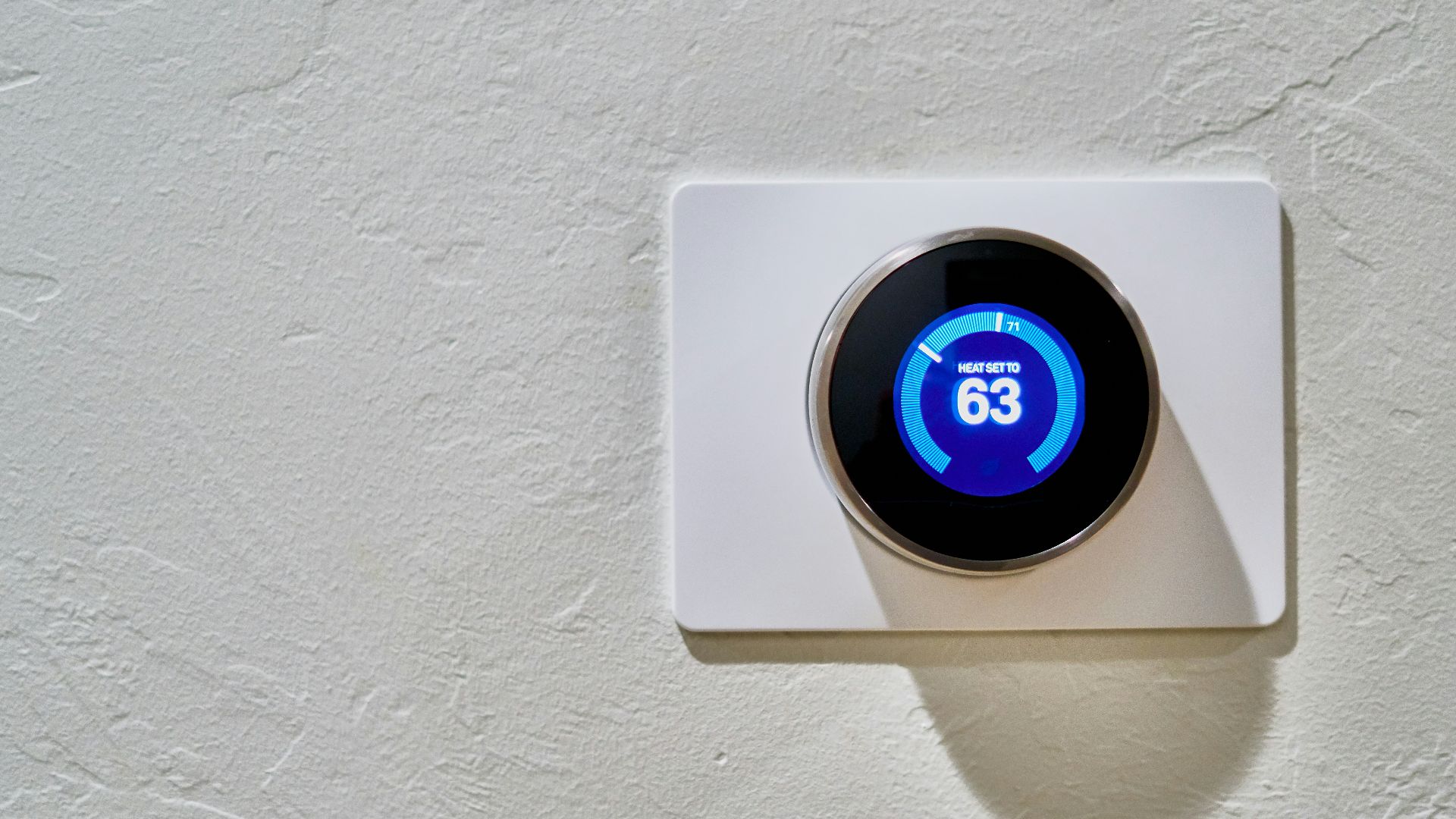
11. Lower the Thermostat Slightly
Heating and cooling account for a large share of home energy use. Lowering the thermostat by just a degree or two in winter can noticeably reduce energy consumption. Wearing comfortable layers indoors helps maintain warmth without relying entirely on heating systems.
12. Take Shorter Showers
Water conservation is critical, especially in areas with limited supplies. Encouraging slightly shorter showers can save gallons of water every day. Installing a water-efficient showerhead can further reduce water use without compromising comfort. When families practice mindful water use, the savings quickly add up.

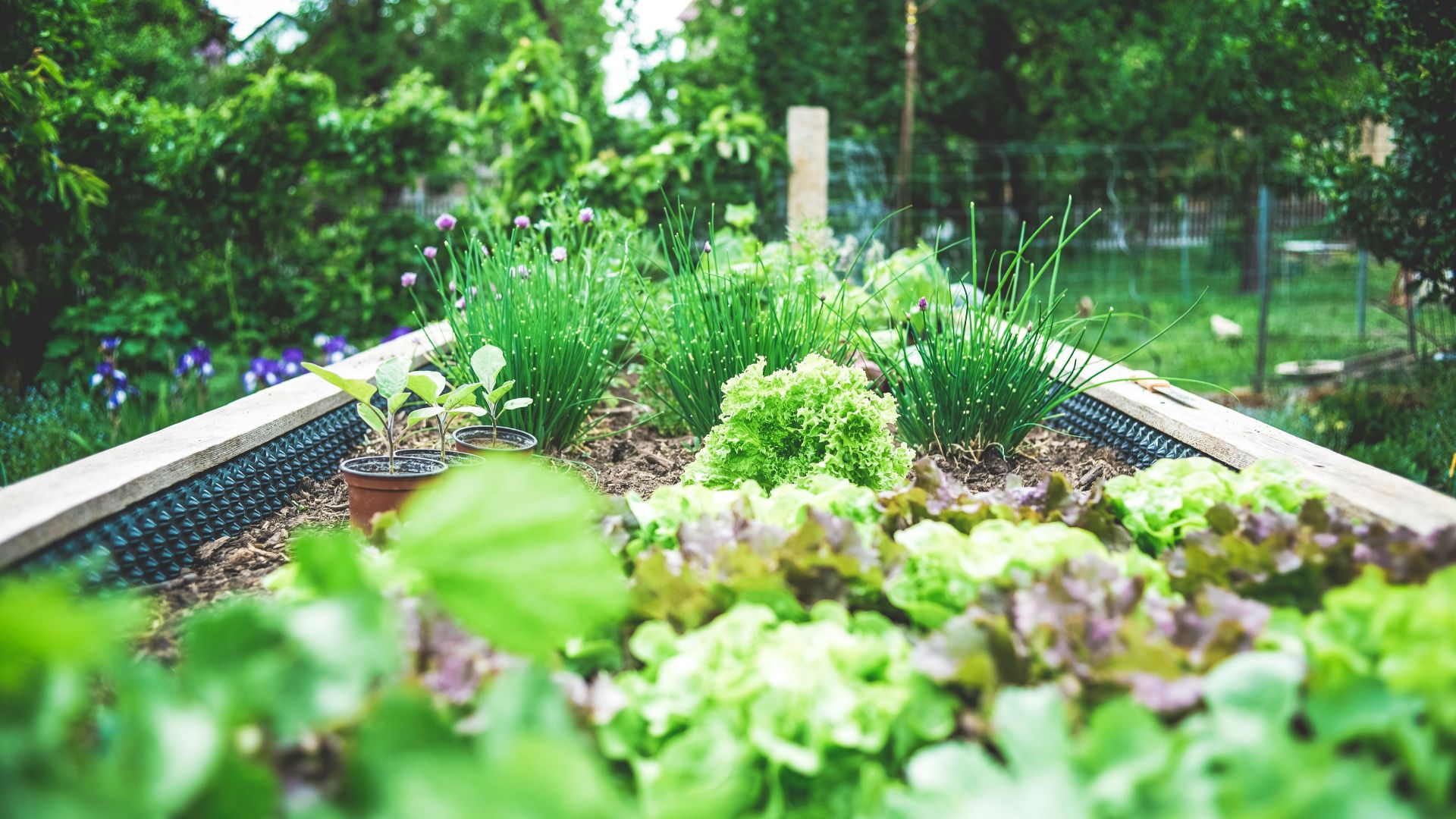
13. Grow a Small Home Garden
A small garden doesn't require a large yard or advanced gardening skills. Herbs, lettuce, and tomatoes grow well in containers on patios or balconies. Growing even a few foods at home reduces packaging and transportation emissions. Kids often enjoy helping with watering and harvesting, which makes the experience educational.
14. Choose Energy-Efficient Appliances
Appliances with ENERGY STAR certification use less electricity and water than standard models. When it's time to replace older machines, efficiency should be a key factor in the decision.
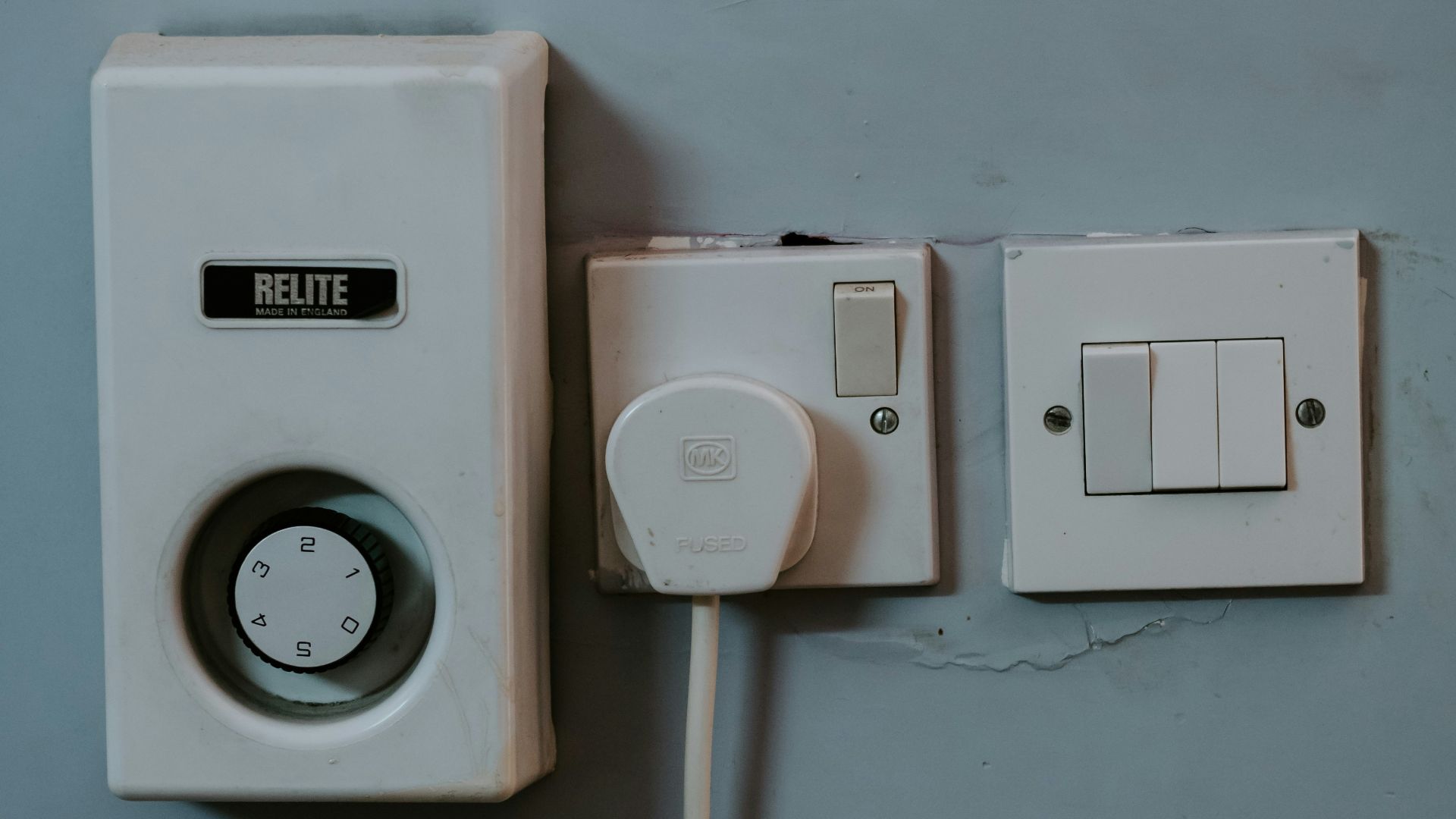
15. Unplug Electronics When Not in Use
Many electronics continue drawing small amounts of power even when turned off. This is often called standby or phantom energy use. Unplugging devices such as chargers, gaming systems, and small appliances reduces unnecessary electricity consumption. Power strips simplify this process by allowing multiple items to be turned off at once.
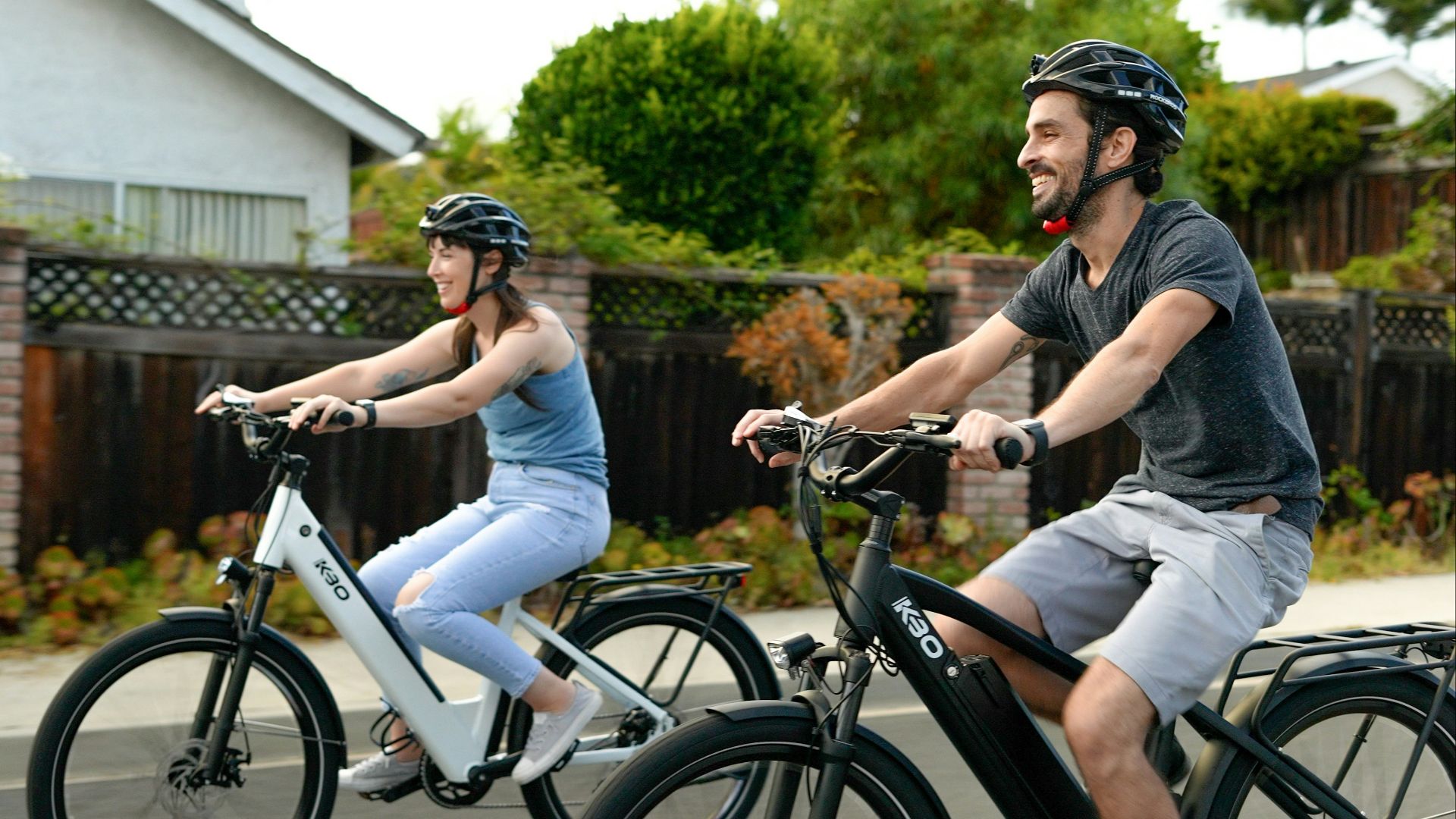
16. Walk or Bike for Short Trips
Cars are convenient, but they aren't always necessary for nearby errands. Walking or biking for short trips reduces fuel use and air pollution.
17. Borrow or Share Occasionally Used Items
Some household items are used only a few times a year. Instead of buying everything individually, consider borrowing tools, party supplies, or equipment from neighbors or friends. Sharing reduces unnecessary manufacturing and storage needs.

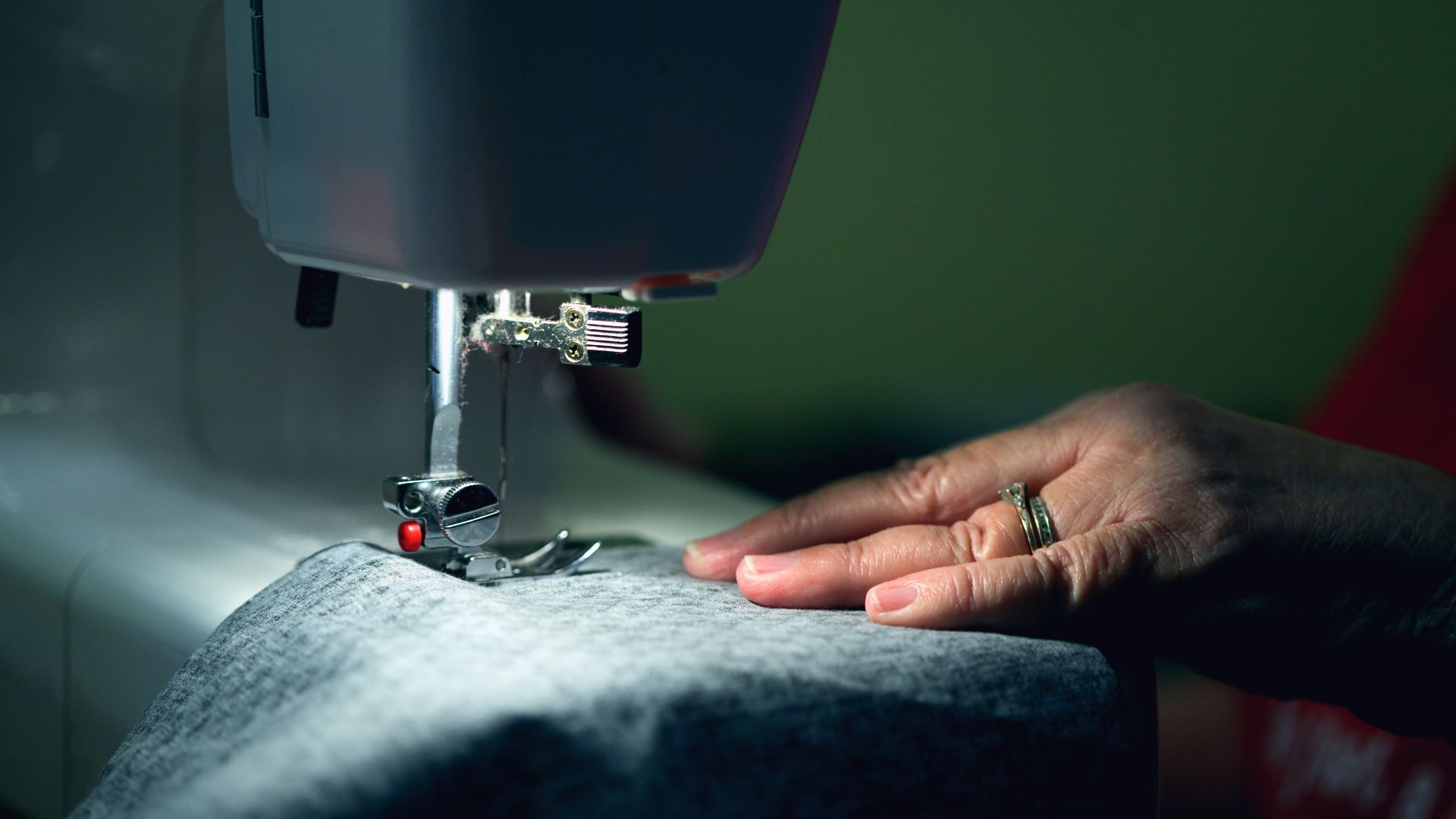
18. Repair Items Before Replacing Them
Many everyday products can be recycled rather than thrown away. Simple repairs, such as sewing a loose button or tightening a screw, can extend an item's life.
19. Buy Secondhand When It Makes Sense
Secondhand shopping gives products a longer life and keeps them out of landfills. Thrift stores, resale apps, and community swaps often offer clothing, toys, and furniture in excellent condition.

20. Talk About Sustainability as a Family
Conversations about environmental responsibility help reinforce everyday habits. When parents explain why certain choices matter, children are more likely to stay engaged.