Creating Meaningful Routines Without Pressure
Building family traditions sounds simple, but it can quickly feel artificial if it’s overplanned or too rigid, especially when everyone’s schedules and personalities differ. The key is to focus on consistency without turning it into an obligation, allowing traditions to grow naturally over time rather than forcing them into place. When you center these moments around connection instead of perfection, they become something people look forward to rather than something they tolerate. With that in mind, here are 20 practical ways you can create traditions that feel genuine, flexible, and easy to maintain.

1. Start With What You Already Enjoy
Instead of inventing something entirely new, look at activities your family already gravitates toward and build from there. If you naturally gather for movie nights or weekend breakfasts, simply make them a bit more intentional without changing the core experience. This keeps the tradition rooted in genuine interest, which makes it easier to sustain over time.

2. Keep It Low Commitment
A tradition shouldn’t feel like a strict appointment that creates stress when missed, so keep expectations flexible. Life gets busy, and allowing room for change helps prevent resentment or burnout. When participation feels optional rather than mandatory, people are more likely to engage willingly.

3. Let Everyone Contribute Ideas
Giving each family member a voice helps the tradition feel shared rather than imposed. You might rotate who chooses the activity or theme, which adds variety and keeps things fresh. This approach also increases emotional investment, since everyone feels included in shaping the experience.

4. Focus on Frequency Over Complexity
Simple traditions that happen regularly tend to stick better than elaborate ones that rarely occur. A weekly walk or monthly game night is easier to maintain than something that requires extensive planning. Consistency builds familiarity, which is what ultimately gives traditions their meaning.
 Michał Parzuchowski on Unsplash
5. Tie Traditions to Existing Routines
Anchoring a tradition to something you already do, like Sunday dinners or holiday mornings, makes it easier to remember and maintain. This reduces the need for extra planning while reinforcing the habit naturally. Over time, it blends seamlessly into your family’s rhythm.

6. Keep Expectations Realistic
It’s important to recognize that not every attempt will feel magical, and that’s completely normal. Some days will be more engaging than others, but consistency matters more than perfection. When you accept that variability, the pressure to perform disappears.

7. Allow Traditions to Evolve
What works one year might not fit the next, especially as kids grow or schedules change. Instead of abandoning a tradition entirely, adjust it to suit your current situation. This flexibility helps maintain continuity without forcing outdated routines.

8. Avoid Over-Scheduling
Packing too many traditions into your calendar can make them feel like obligations rather than enjoyable moments. Choose a few meaningful ones and give them space instead of trying to do everything. A lighter approach keeps things sustainable and enjoyable.
9. Make It About Connection, Not Output
Traditions aren’t about achieving a perfect result, whether it’s a meal, craft, or event. The value comes from spending time together and sharing the experience. When you shift the focus to connection, the pressure to “get it right” fades.

10. Keep It Accessible for Everyone
Consider the ages, interests, and abilities of everyone involved when planning traditions. Activities that are too complex or exclusive can leave some people feeling disconnected. Inclusivity ensures that everyone can participate comfortably.
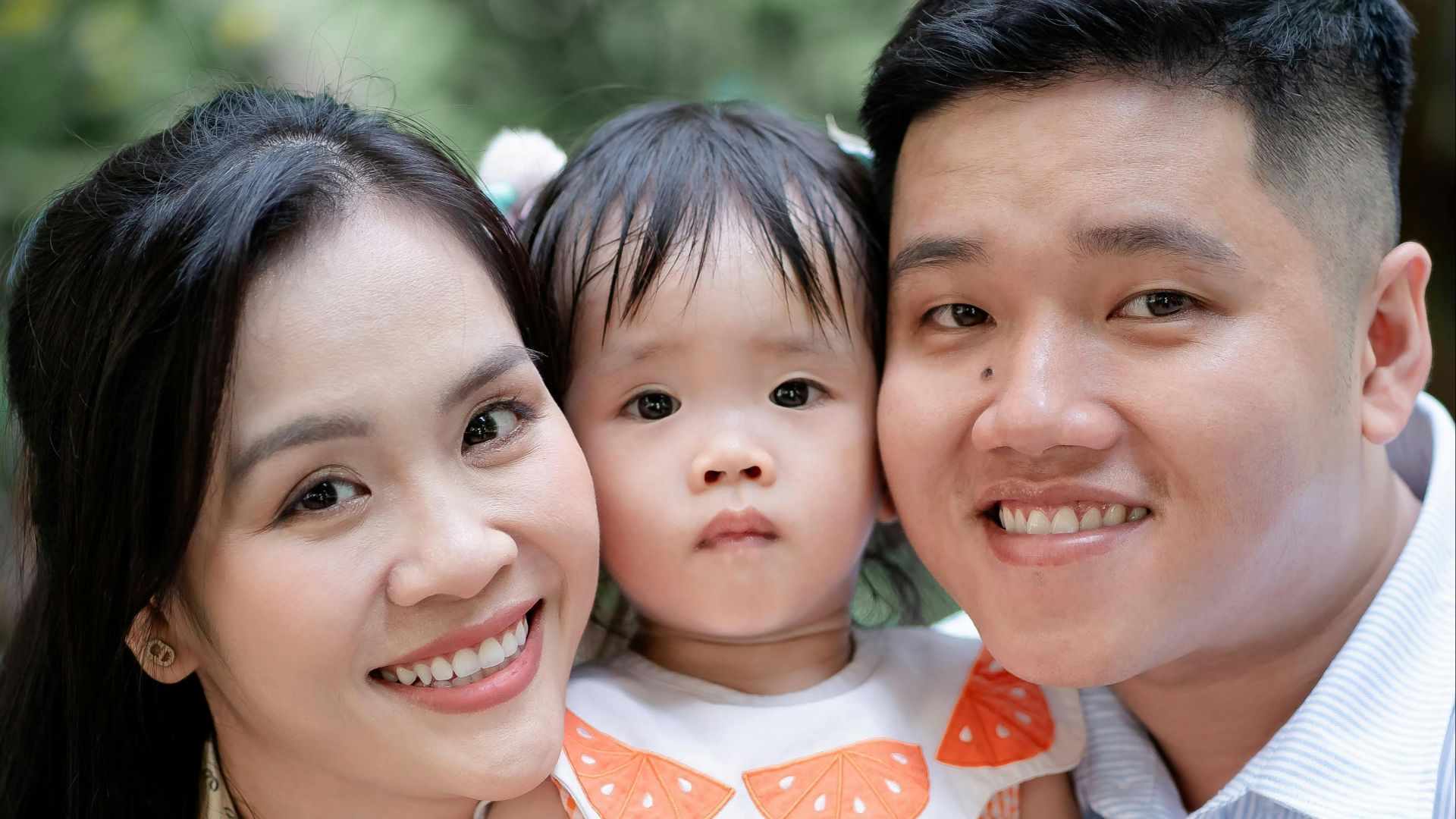
11. Use Seasonal Opportunities
Seasonal changes naturally offer opportunities for simple traditions, like fall outings or summer picnics. These built-in transitions provide structure without requiring constant creativity. They also create anticipation as each season approaches.
 Xavier Mouton Photographie on Unsplash
12. Don’t Force Participation
It’s okay if someone occasionally opts out, especially as children grow older and develop their own interests. Forcing involvement can turn a positive experience into a negative one. Respecting autonomy helps maintain a healthy dynamic.
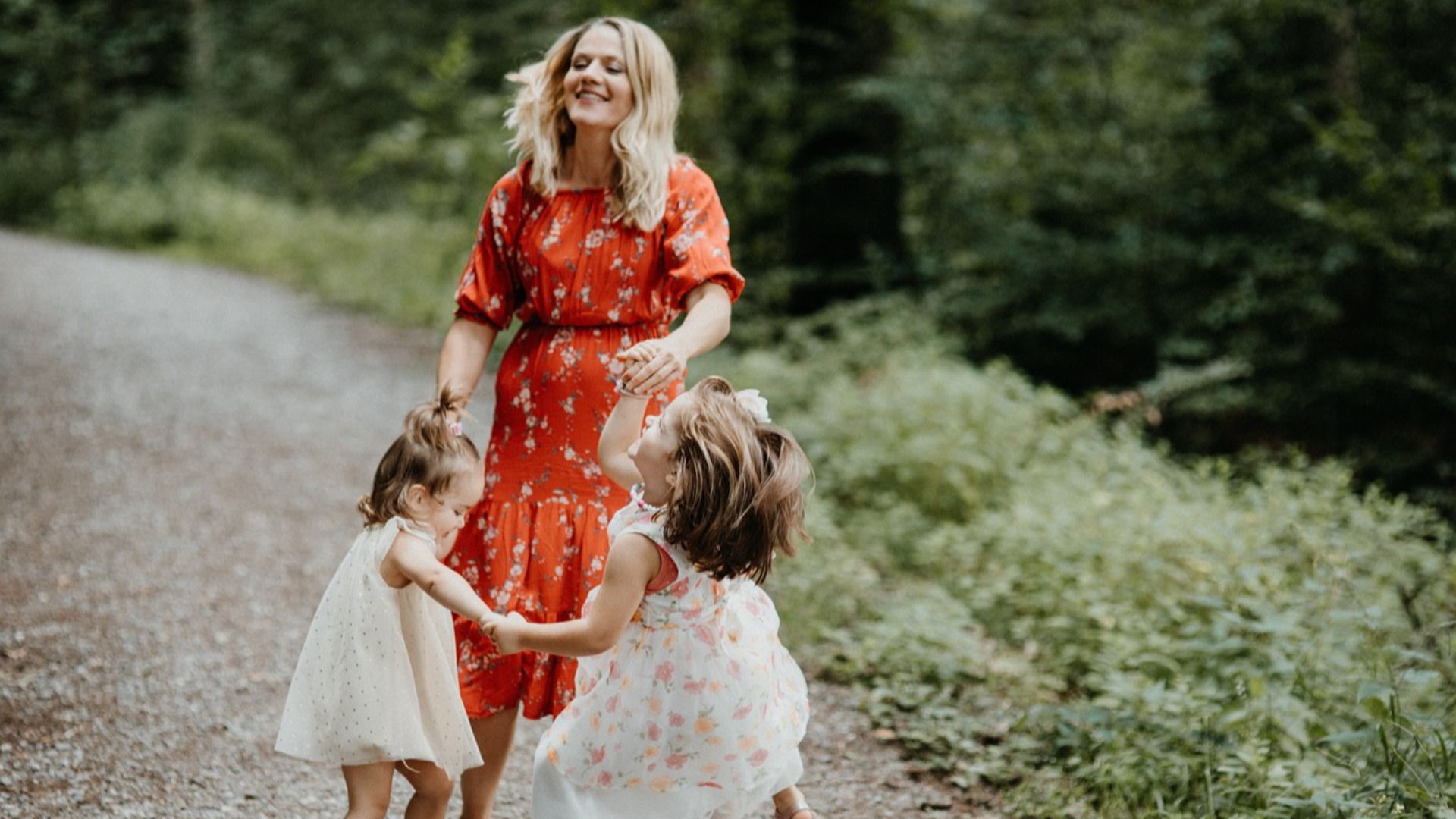
13. Keep Preparation Minimal
Traditions that require extensive setup are harder to maintain consistently. Opt for activities that can be started quickly without a lot of planning or materials. This makes it easier to follow through even on busy days.

14. Celebrate Small Moments
Not every tradition needs to revolve around major events or holidays. Small, everyday moments can be just as meaningful when repeated over time. Recognizing these opportunities helps build a sense of continuity.
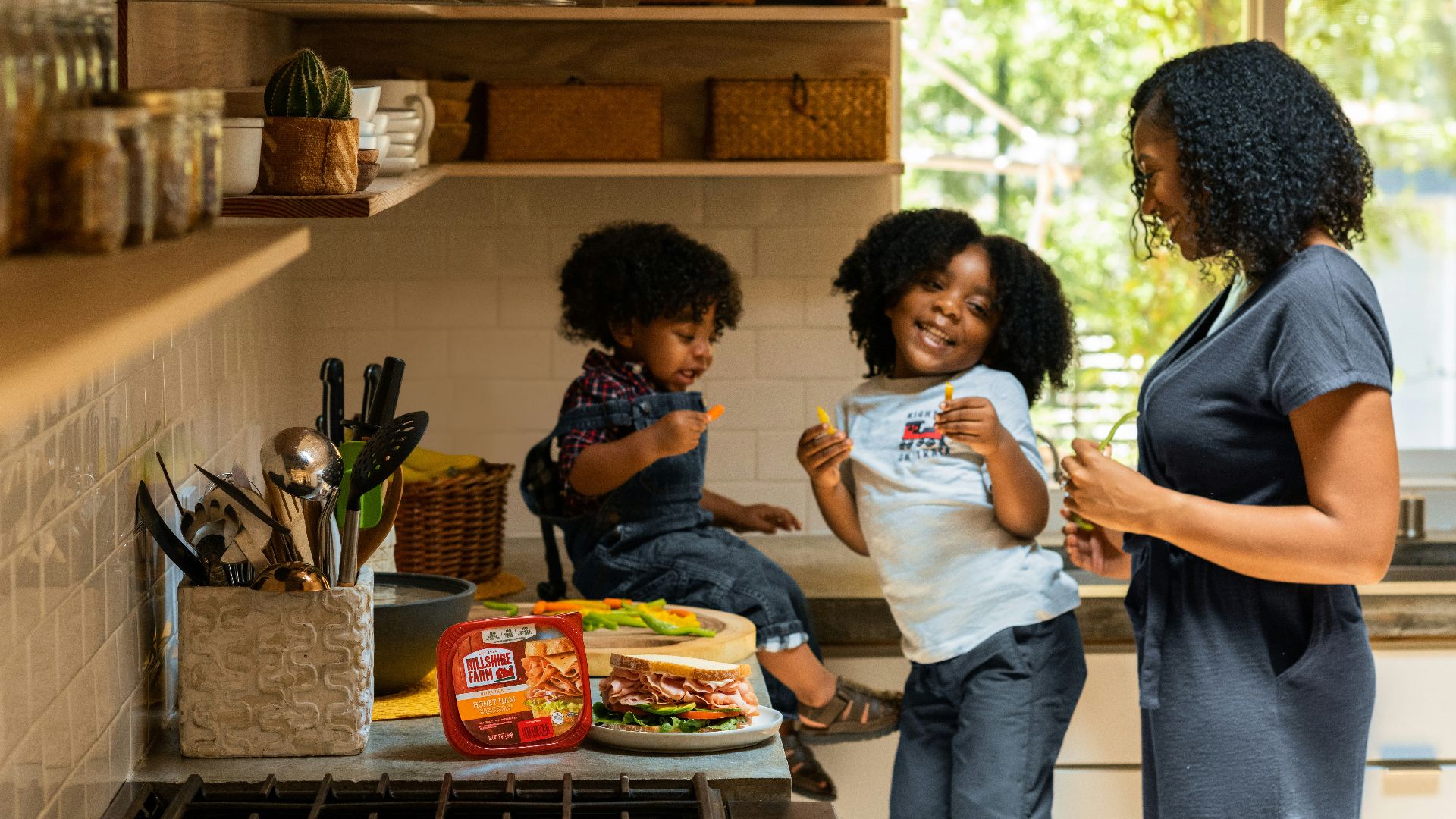
15. Rotate Responsibilities
Sharing the workload prevents one person from feeling overwhelmed and keeps the tradition balanced. You might take turns hosting, cooking, or organizing activities. This also adds variety and keeps things interesting.

16. Keep Technology in Check
Limiting distractions during traditions helps maintain focus and engagement. Setting aside phones or screens, even briefly, can make interactions feel more intentional. This small adjustment can significantly improve the quality of the experience.

17. Create a Sense of Anticipation
Giving your tradition a predictable place in the schedule allows everyone to look forward to it. Whether it’s weekly or monthly, that sense of anticipation adds value. It becomes something people mentally prepare for and enjoy.

18. Capture Memories Lightly
Taking occasional photos or keeping simple records can reinforce the tradition without making it feel staged. The goal is to preserve memories, not document every detail. Keeping it casual prevents the experience from becoming performative.

19. Respect Changing Interests
As family members grow, their preferences will shift, and traditions should reflect that. Being open to new ideas ensures that everyone stays engaged. This adaptability helps traditions remain relevant over time.

20. Let Traditions Form Naturally
Some of the best traditions aren’t planned at all but emerge from repeated experiences. Pay attention to what your family naturally repeats and build on those moments. When something develops organically, it’s far more likely to feel authentic and lasting.