Helping Kids Build Their First Friendships
Watching kids form their first friendships is both exciting and meaningful, but it can also come with uncertainty for parents. Early social experiences help shape confidence, communication, and emotional understanding, so your role matters more than you might think. You don’t need to control the process, but you can guide it in simple, supportive ways. With a little awareness and patience, you can help your child develop friendships that feel positive and lasting. Here are 20 ways to support kids' first friendships.

1. Start With Simple Social Opportunities
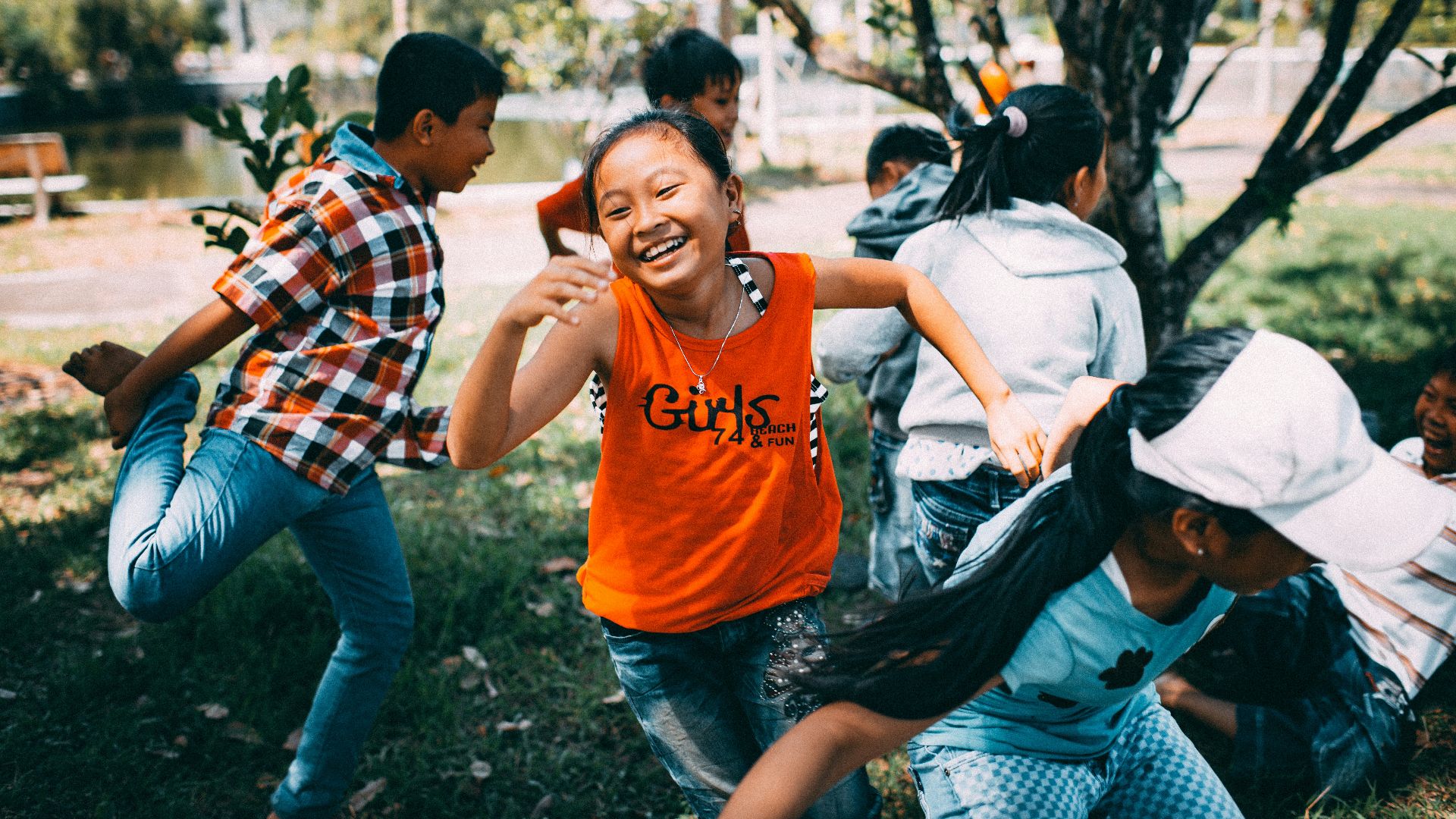
Give your child chances to interact with other kids in low-pressure settings like parks or small playgroups. These environments make it easier for them to approach others without feeling overwhelmed. You don’t need to force interactions, but being present helps them feel secure. Over time, repeated exposure builds familiarity and comfort.
 Aleksandar Popovski on Unsplash
2. Model Friendly Behavior
Kids often learn by watching how you treat others in everyday situations. When you greet neighbors or speak kindly to others, your child notices and absorbs those habits. You’re showing them what respectful interaction looks like in real life. That example becomes a quiet but powerful lesson.
3. Teach Basic Social Skills
Simple skills like saying hello, sharing, and taking turns go a long way in early friendships. You can practice these through role-playing at home in a relaxed way. Keeping it light helps your child stay engaged without feeling corrected. These small habits build a strong social foundation.
4. Encourage, Don’t Pressure
It’s helpful to encourage your child to join in, but pushing too hard can make them anxious. Some kids warm up quickly, while others need more time to feel comfortable. Respect their pace while gently supporting their efforts. Confidence grows when they feel in control.
5. Talk About Feelings Openly
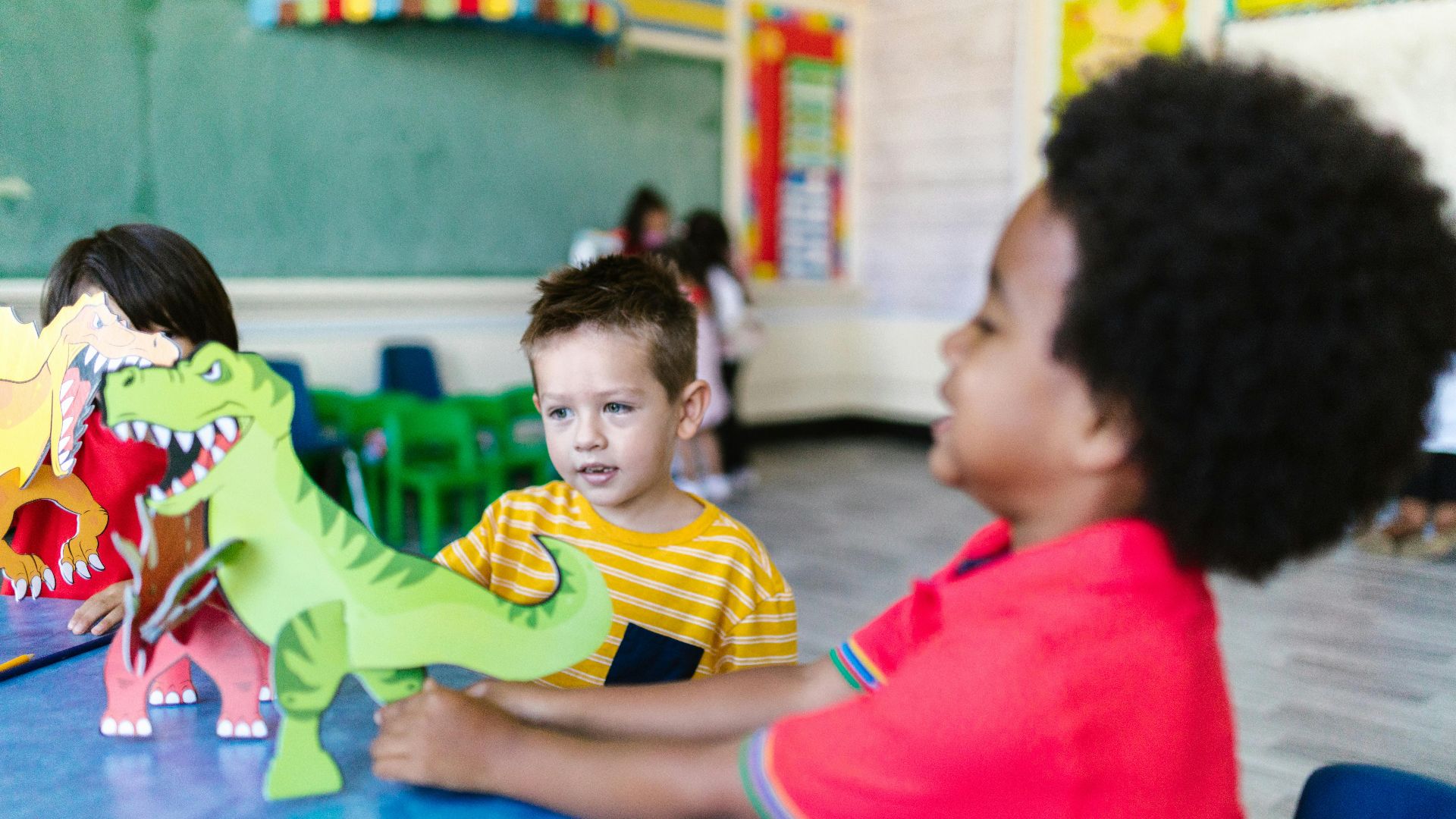
Help your child recognize and express their emotions during social situations. You can ask simple questions about how they felt during playtime. This builds emotional awareness, which is key to healthy friendships. It also helps them understand others better.
6. Set Up One-on-One Playdates
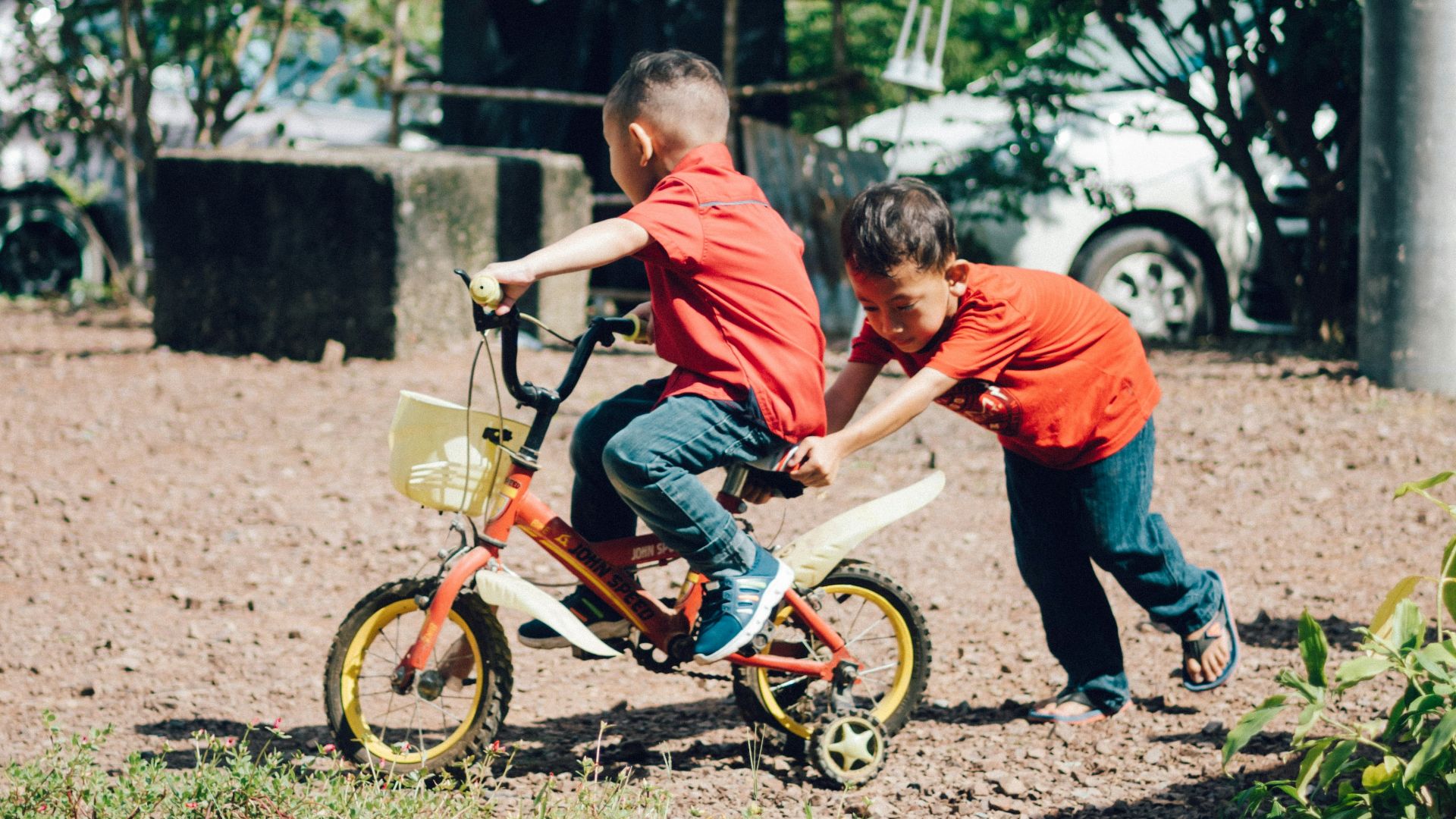
Smaller gatherings can feel less overwhelming than large groups. A one-on-one playdate allows kids to focus and connect more easily. Keep the first few meetings short and structured. This helps prevent overstimulation and keeps the experience positive.
7. Stay Nearby, But Not Involved
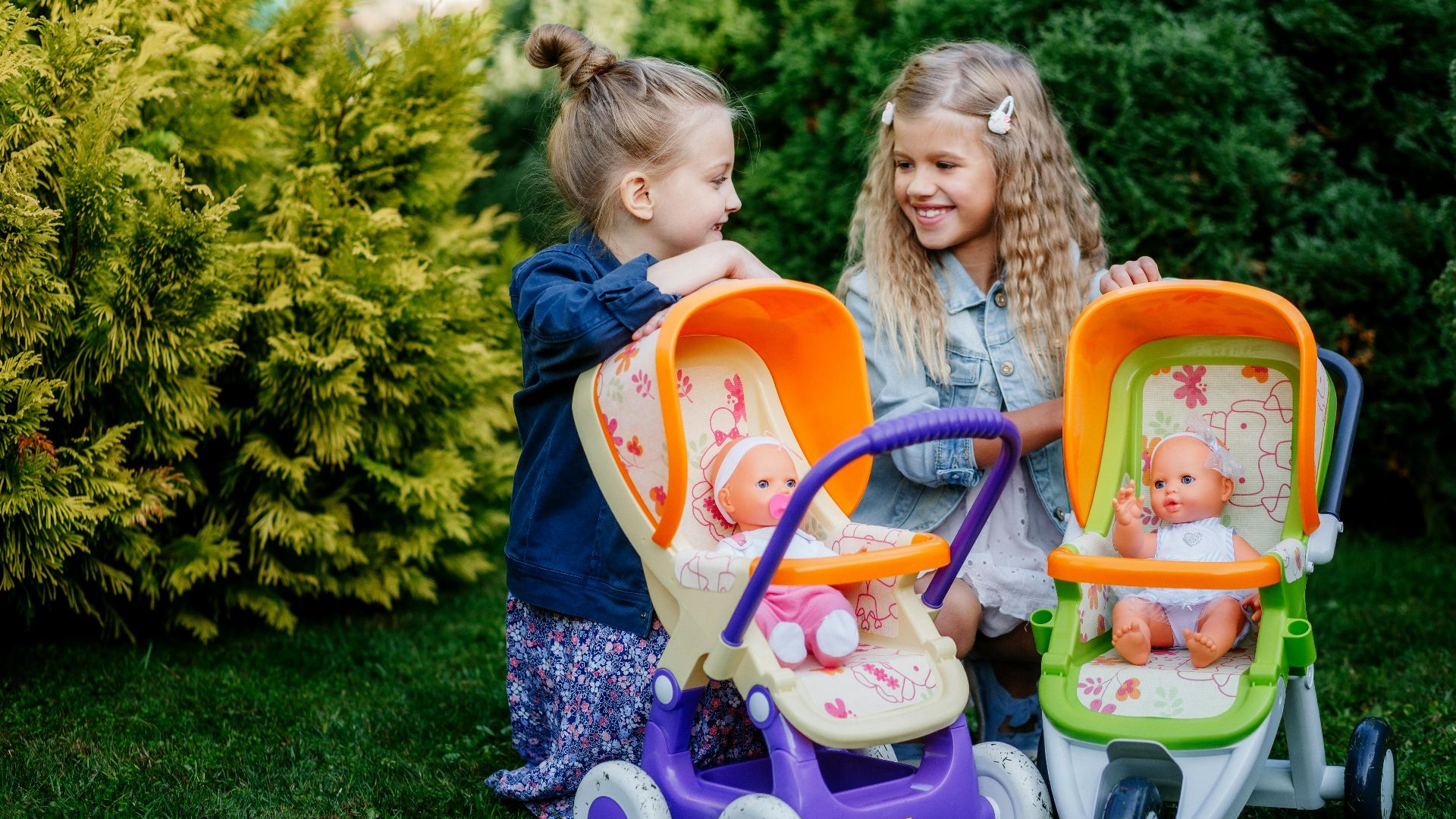
Being close gives your child a sense of safety while still allowing independence. Avoid stepping in unless there’s a real need for guidance. Kids benefit from figuring things out on their own. Your quiet presence is often enough support.
8. Normalize Awkward Moments
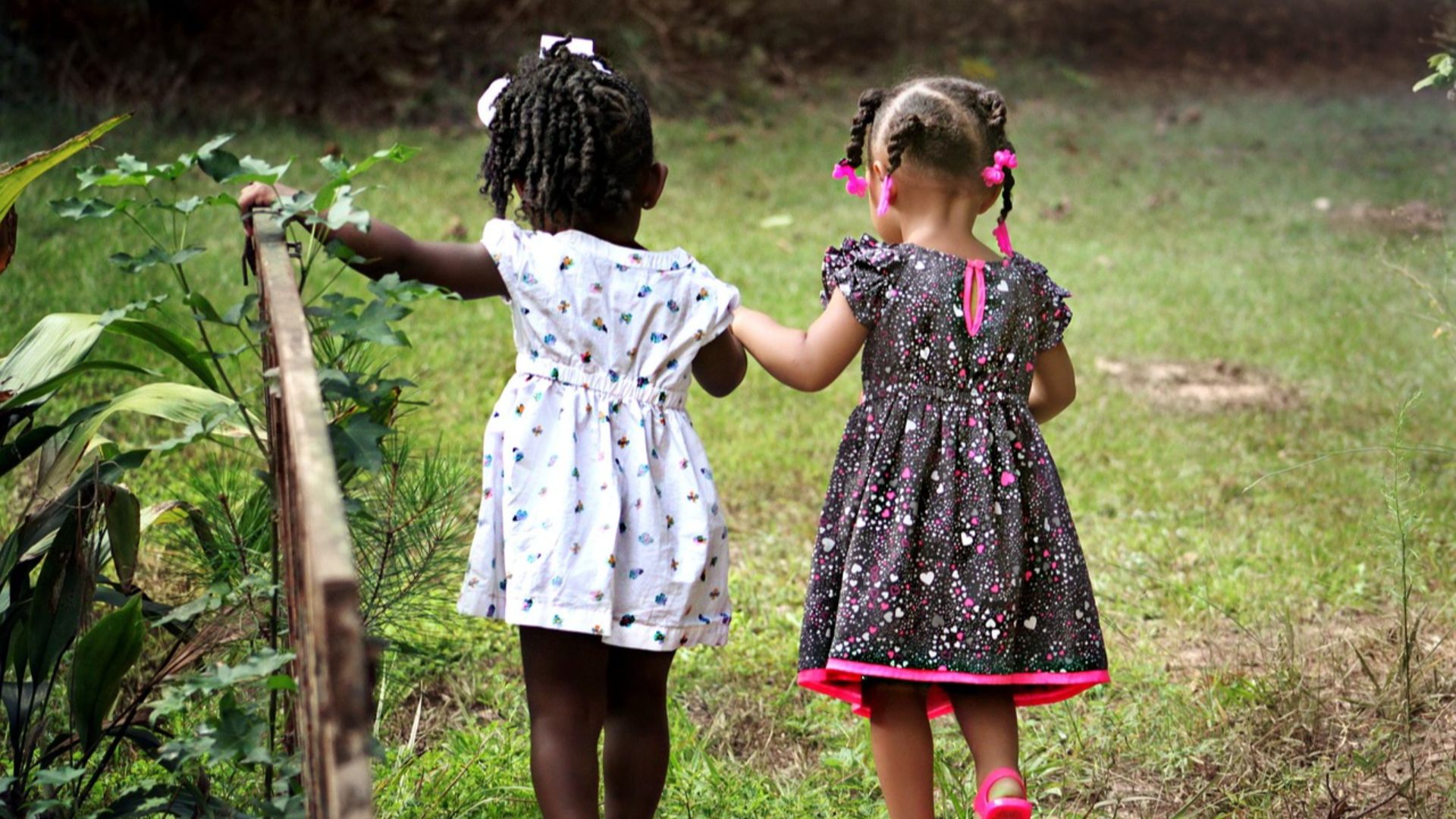
Not every interaction will go smoothly, and that’s completely normal. Let your child know it’s okay if things feel awkward sometimes. Reassuring them reduces the fear of making mistakes. It also teaches resilience in social situations.

9. Reinforce Positive Interactions
When your child shares, listens, or plays kindly, acknowledge it specifically. Saying what they did well helps them understand what works in friendships. Positive reinforcement encourages those behaviors to continue. Keep your feedback genuine and simple.
10. Teach Conflict Basics
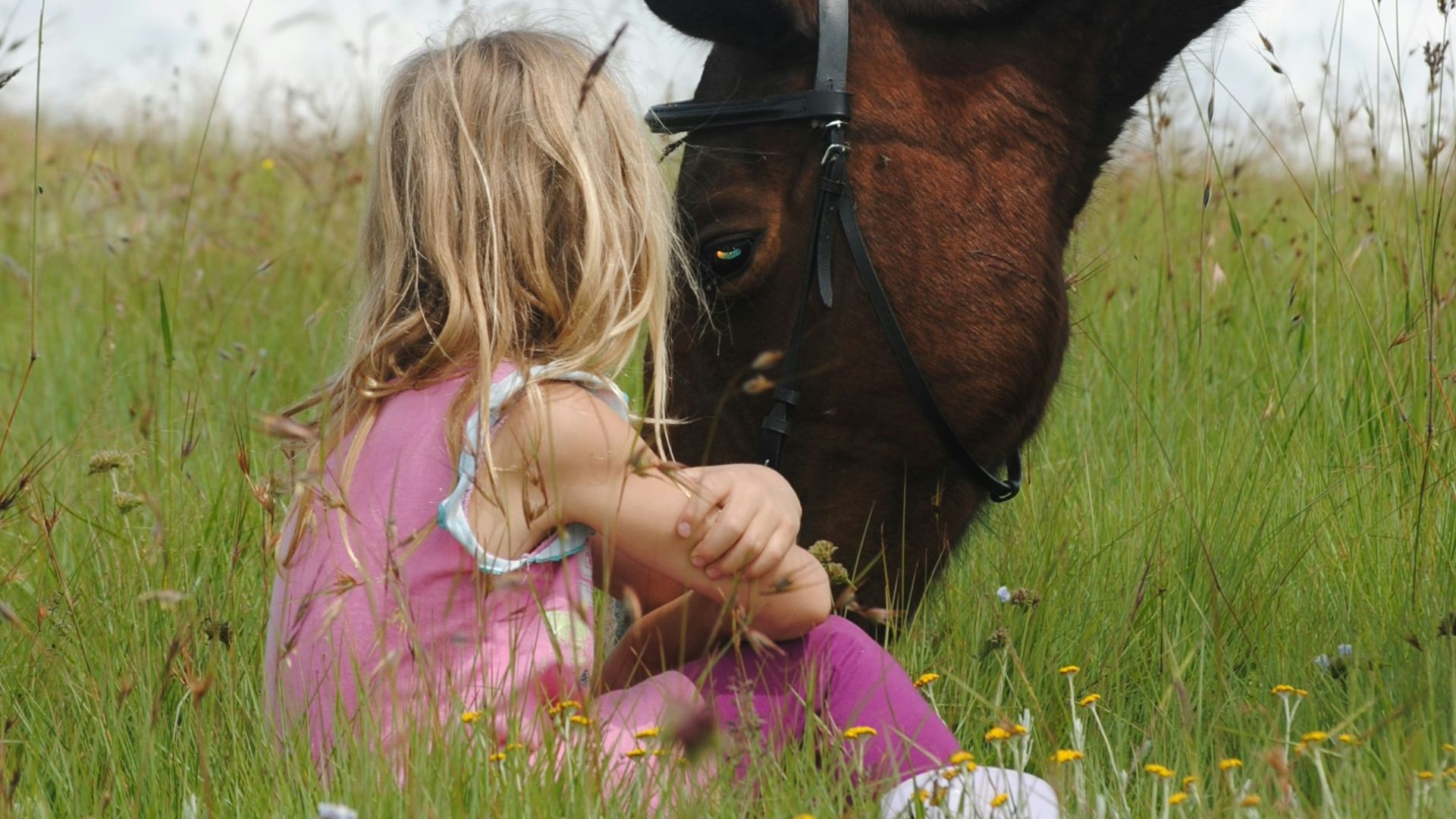
Disagreements are a natural part of friendships, even early on. You can guide your child in using calm words and listening to others. Help them understand that conflicts don’t mean the friendship is over. These early lessons build problem-solving skills.
11. Respect Personality Differences
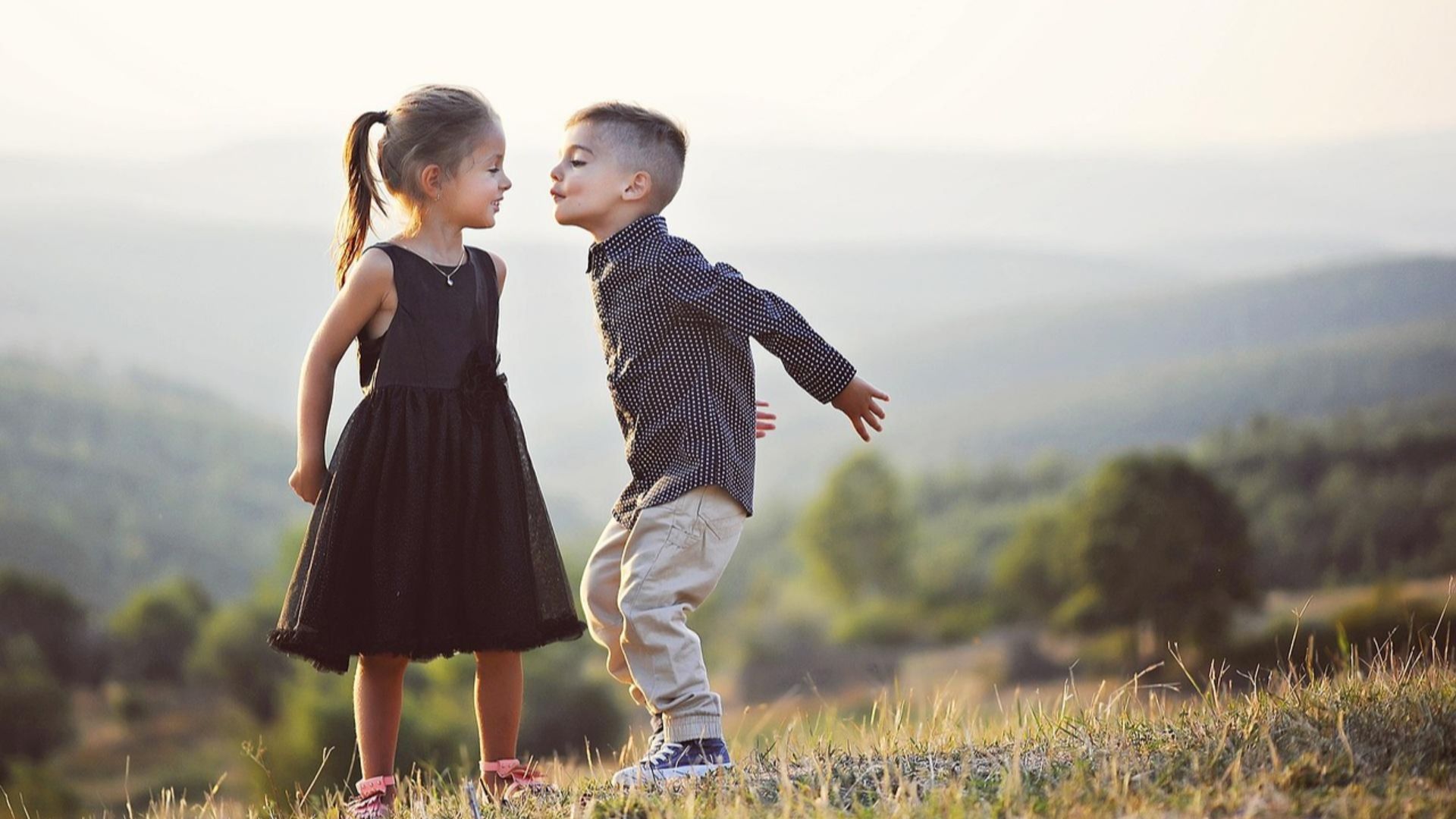
Some kids are outgoing, while others are more reserved, and both are completely normal. Avoid comparing your child to others who seem more social. Supporting their natural temperament helps them feel accepted. Friendships develop differently for each child.
12. Limit Over-Scheduling
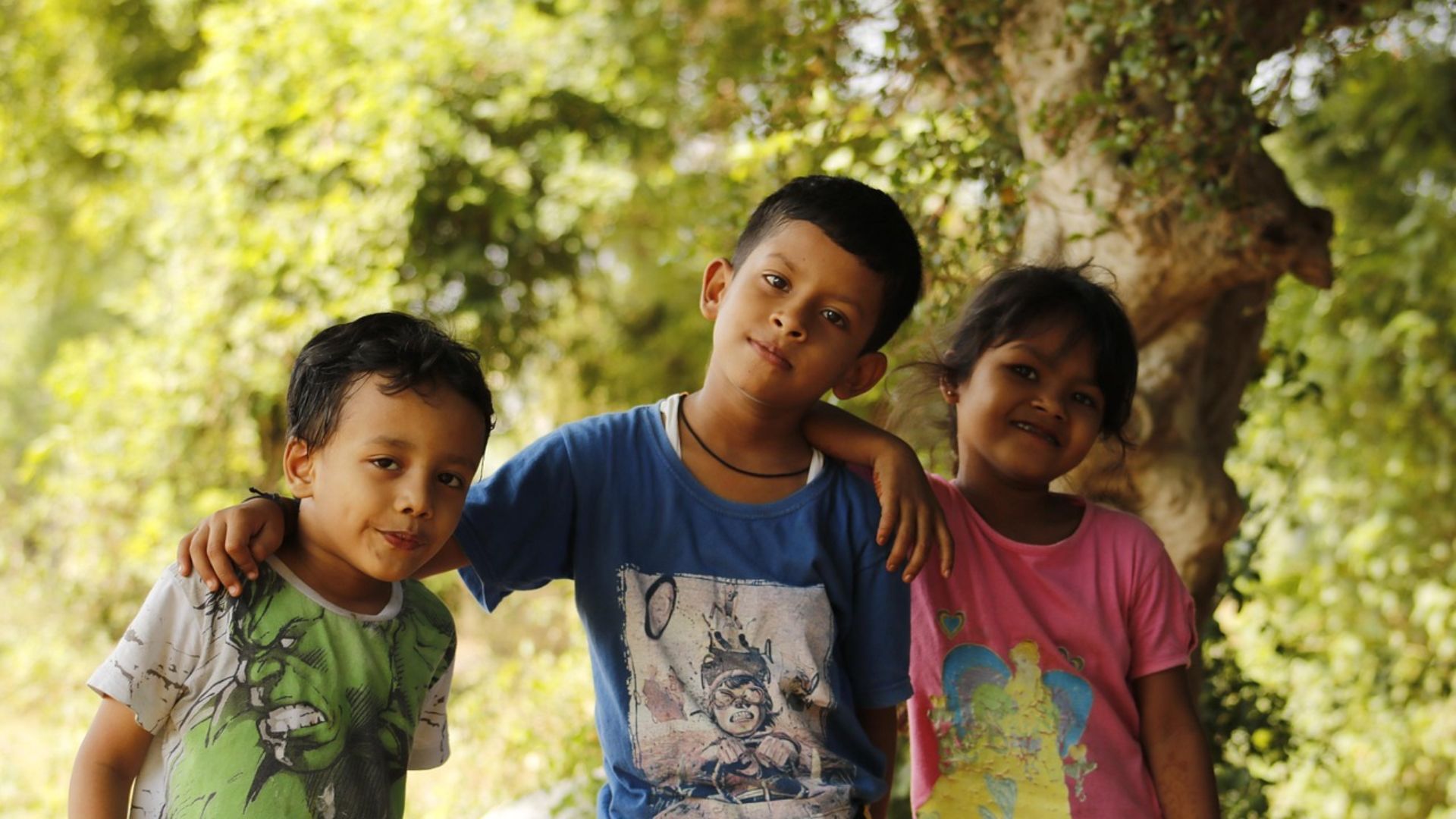
Too many activities can leave little room for unstructured social time. Kids need space to explore interactions at their own pace. A balanced schedule helps them stay relaxed and open to connection. Free play often leads to natural friendships.
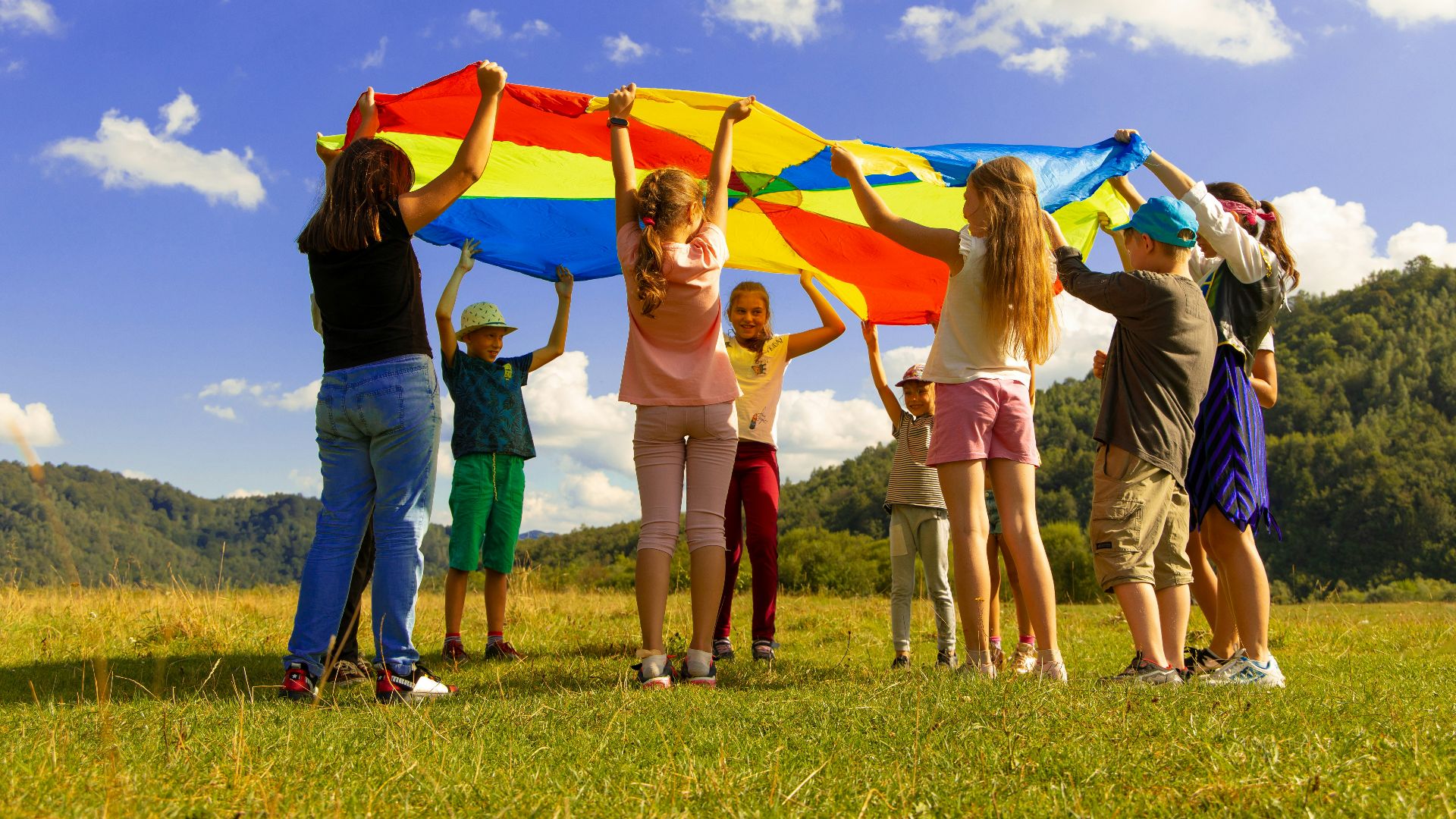
13. Encourage Cooperative Play
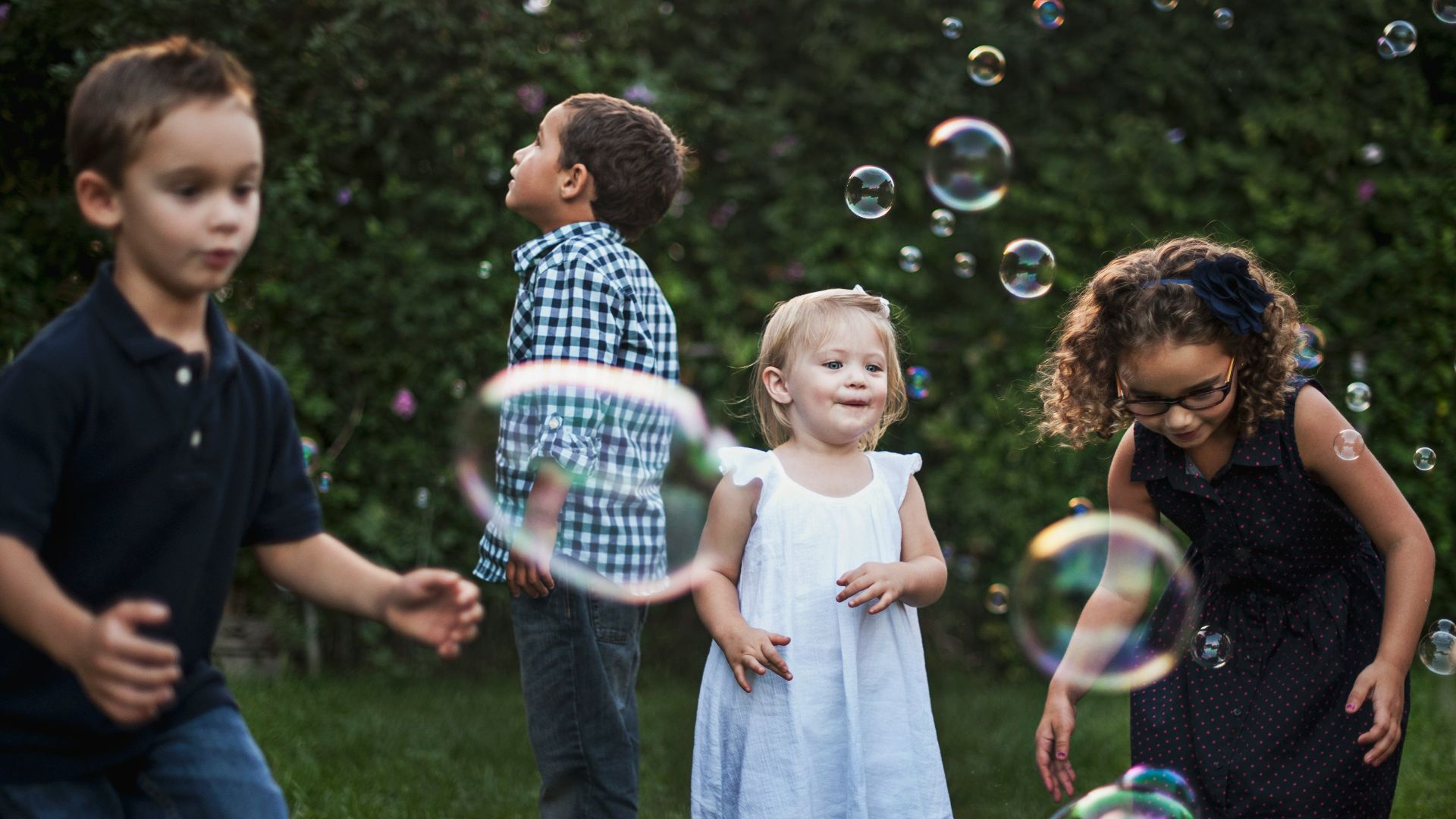
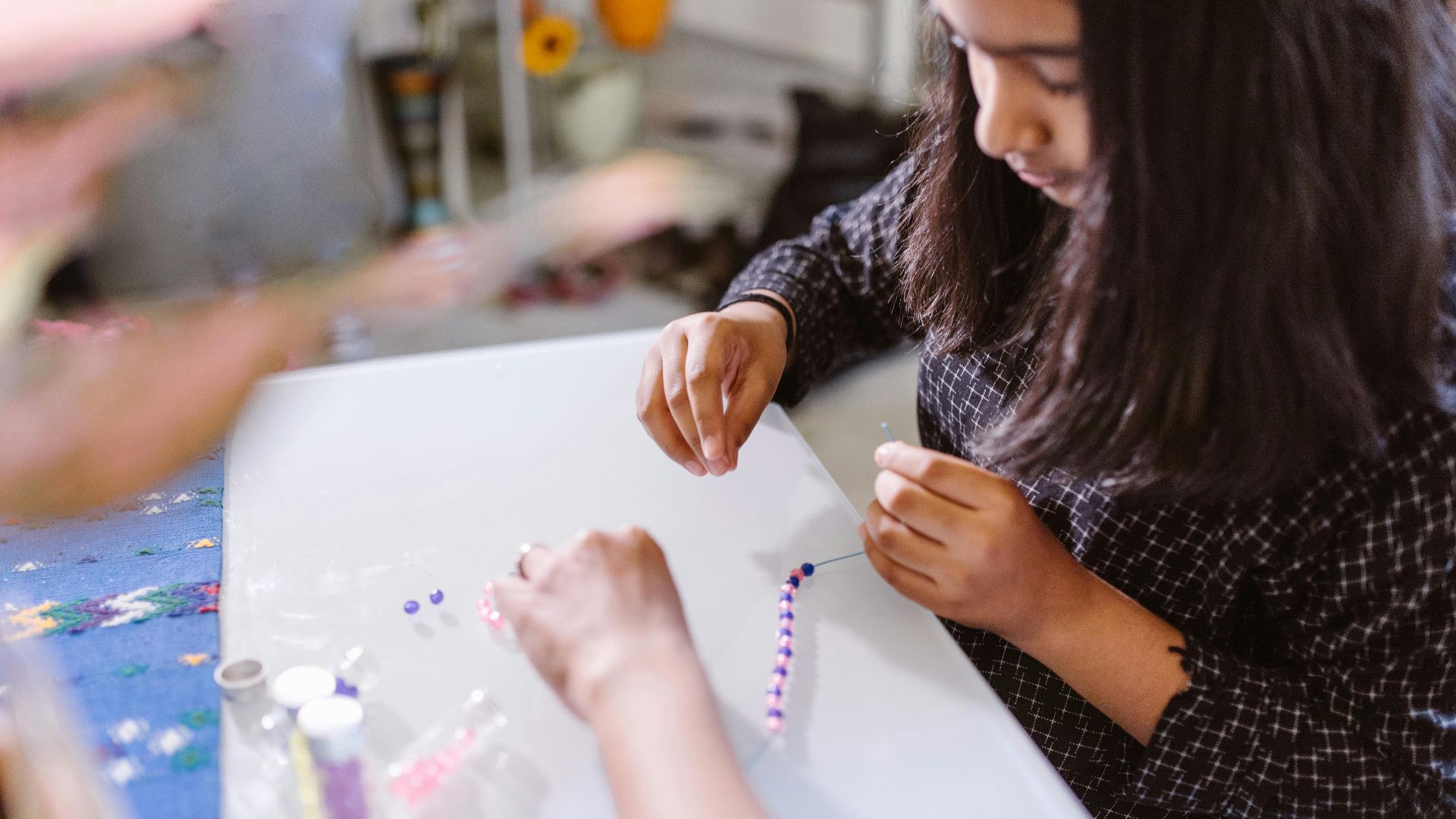
Activities like building, drawing, or simple games promote teamwork. These shared experiences help kids bond through common goals. You can introduce activities that require cooperation without making it feel forced. This builds a sense of connection.
14. Avoid Labeling Kids
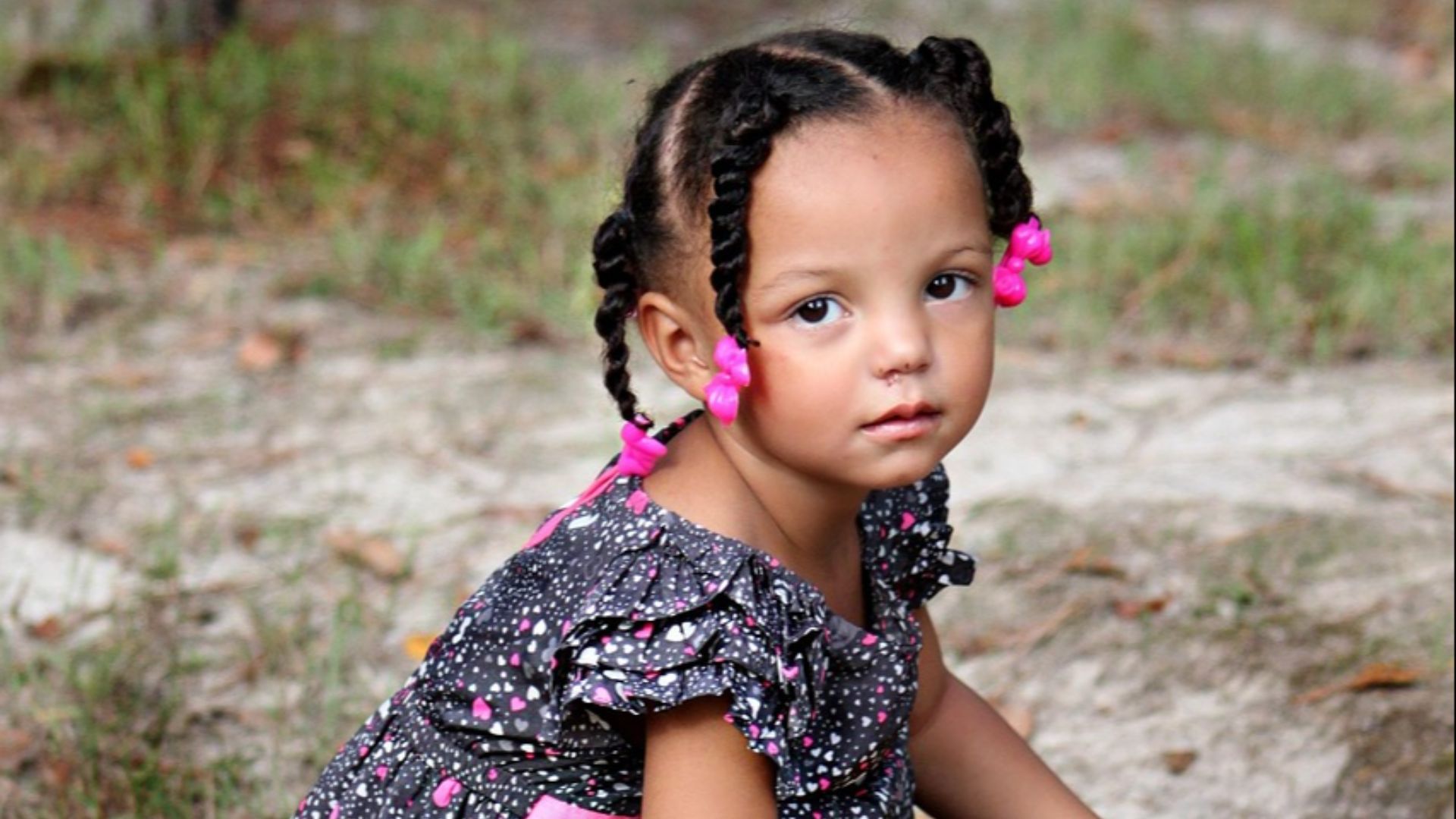
Calling a child “shy” or “bossy” can stick and influence how they see themselves. Instead, focus on specific behaviors rather than labels. This keeps your feedback constructive and supportive. It also leaves room for growth and change.
15. Teach Listening Skills
Friendships aren’t just about talking, but also about listening. Encourage your child to pay attention when others speak. You can model this by listening carefully to them as well. Feeling heard is a key part of building trust.
16. Keep Expectations Realistic
Early friendships may be brief or inconsistent, and that’s completely typical. Kids are still learning how relationships work. Avoid expecting deep or lasting bonds right away. What matters most is the experience they gain.
17. Create a Welcoming Environment
If kids visit your home, make it a comfortable and friendly space. Simple things like accessible toys and a calm atmosphere help interactions flow.
18. Support Without Taking Over
It’s tempting to step in and solve social challenges, but try to hold back when possible. Giving your child the chance to navigate situations builds independence.
19. Celebrate Effort, Not Outcome
Focus on your child’s willingness to engage rather than whether a friendship “worked out.” This keeps the experience positive and pressure-free.
20. Stay Patient Through the Process
Building friendships is a gradual process that looks different for every child. There will be ups and downs along the way, and that’s part of learning. Your steady support helps them feel secure as they figure things out.