The Generation That Still Expects You to Adjust
Every generation has its quirks and little habits that make everyone else slow blink, but Boomers have a special talent for turning preference into principle. Now, obviously, not every Boomer acts this way, and plenty are generous and thoughtful—but not all of them. In fact, a good chunk of them still let their entitlement poke through, and we’re here to finally list all the ways they do it.

1. They Want Respect Before They Give It
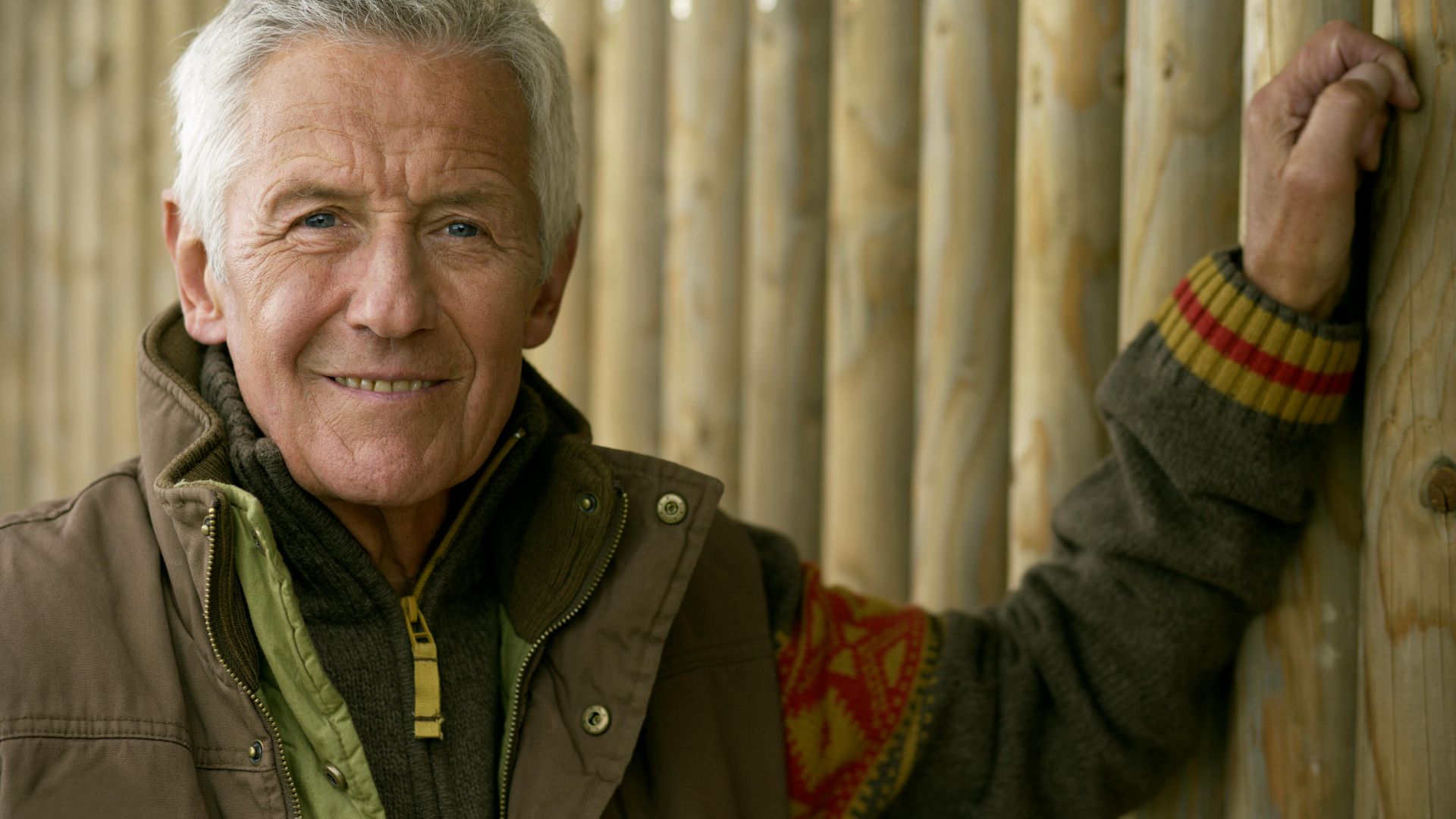
“Show some respect for your elders.” Right, but to get respect, you show respect, and some Boomers expect younger people to defer to them on sight. You’ll see it when someone talks down to a cashier, dismisses a nurse’s explanation, or interrupts a younger coworker, and then gets offended when the tone’s returned.
 Gantas Vaičiulėnas on Unsplash
2. They Hate Waiting, But Make Everyone Else Wait
Make no mistake: the average Boomer will probably complain when a pharmacy line takes ten minutes, but then spend another ten minutes at the register arguing about a coupon. The funny part is that their impatience often creates the exact delay they’re upset about…they just don’t see it that way!
 National Cancer Institute on Unsplash
3. They Treat Customer Service Like a Courtroom
Plenty of younger workers have met Boomers who walk into a restaurant ready to build a legal case over a mild inconvenience. The soup was too warm. The table was too close to the door. The clerk didn’t smile enough. Instead of asking for help, they act as if the entire business has failed them.

4. They Think Their Hard Work Counts More
Boomers are all about “pulling yourself up by your bootstraps” without really paying attention to the world today and how things have changed. They’ll say younger people don’t want to work while ignoring the person juggling two jobs, student loans, childcare, and a phone full of overdue emails. Hard work didn’t disappear just because it now comes with Slack notifications.

5. They Expect Family to Follow Their Traditions
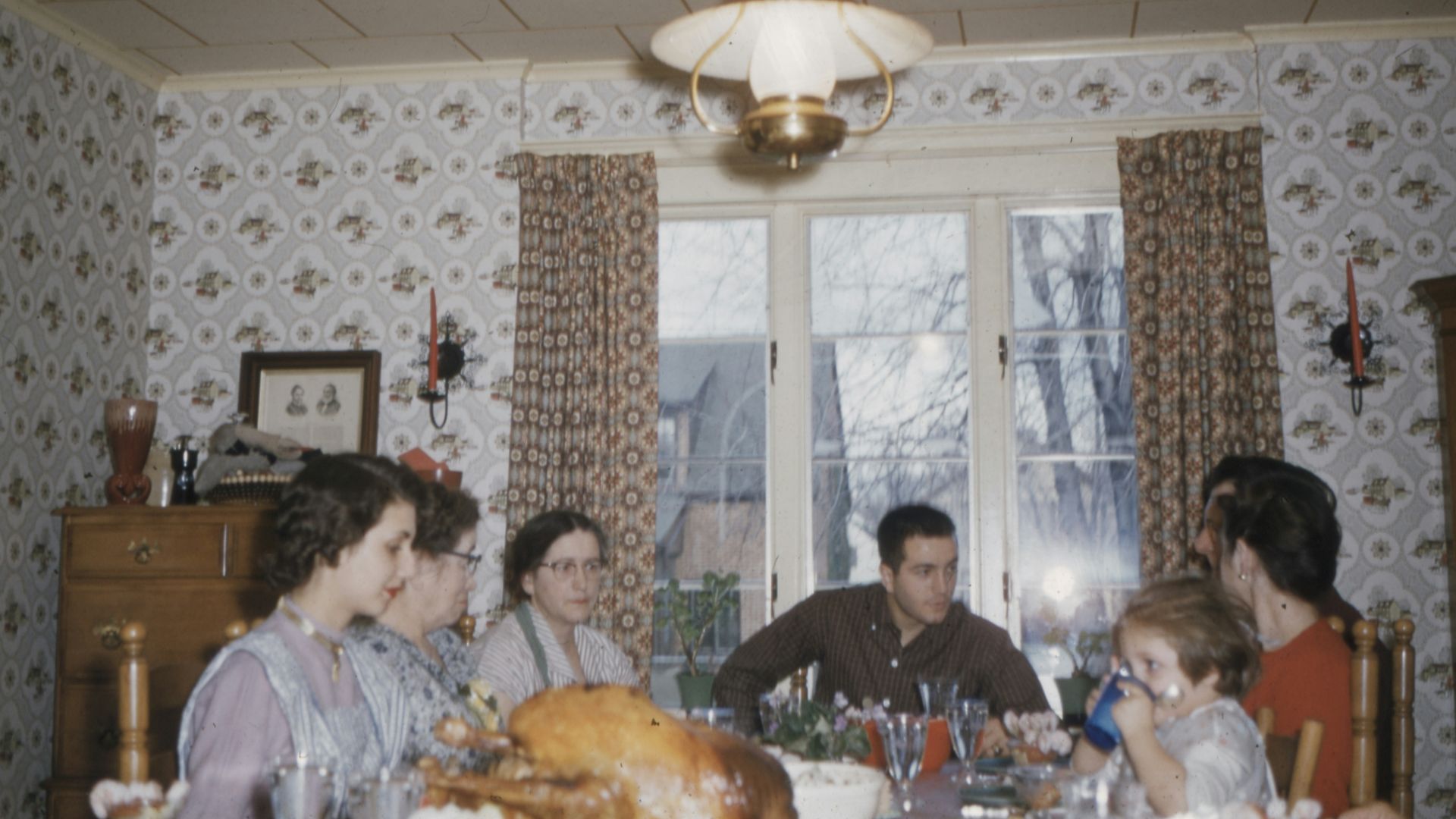
Some Boomers expect family dinners to have mandatory attendance, events where their preferences outrank everyone else’s. If adult children split Thanksgiving with in-laws or choose a quiet Christmas at home, suddenly it’s a personal rejection instead of a reasonable boundary.
6. They Want Technology to Help, Not Challenge Them
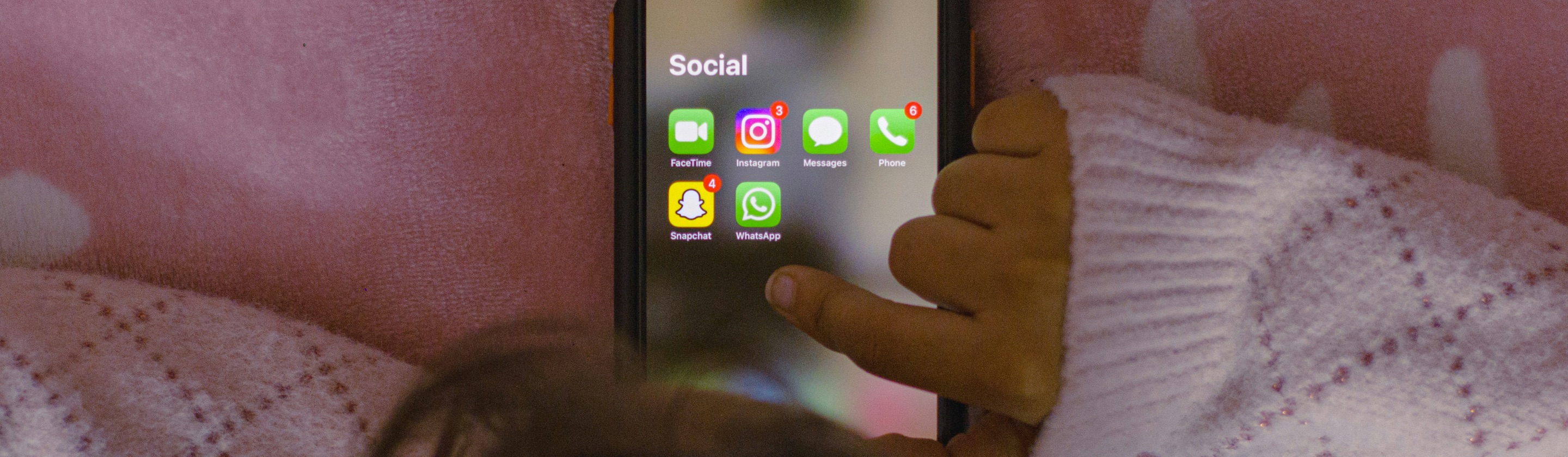
There’s nothing wrong with needing help setting up a phone, resetting a password, or figuring out a streaming app. Younger generations get tricked by tech, too! However, the entitlement shows up when a Boomer refuses to learn the same simple step for the tenth time, then blames the younger person for not being available at the drop of a hat.
 Centre for Ageing Better on Unsplash
7. They Believe Their Opinions Should End the Conversation
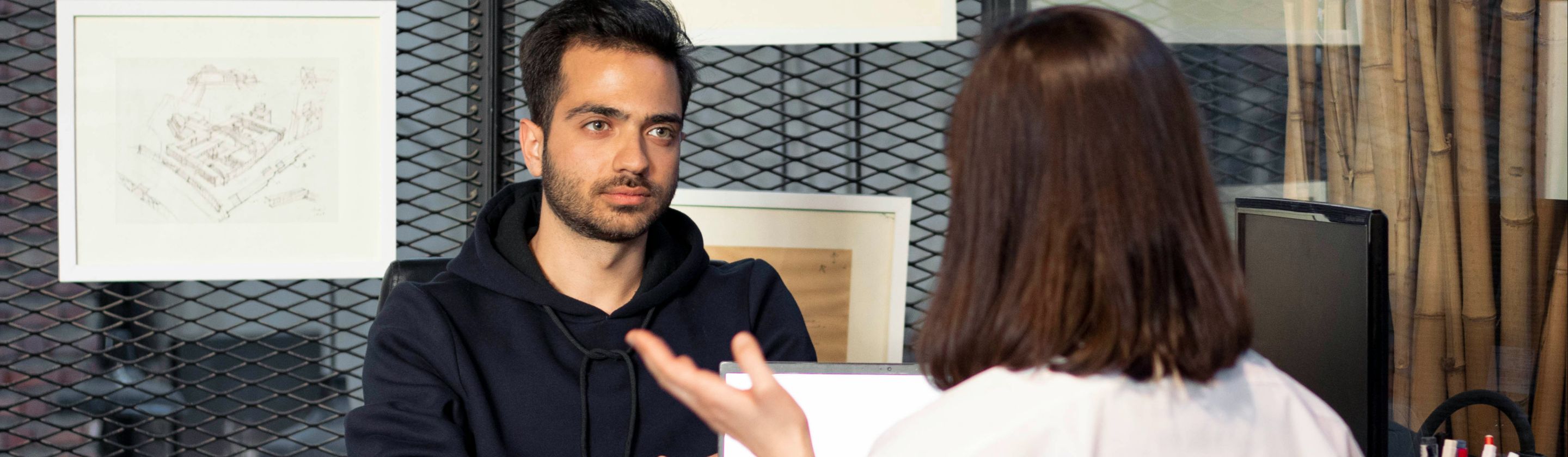
Some Boomers grew up in spaces where the oldest voice carried the most authority, and they now bring that energy into modern life. You’ll hear it all the time: they announce how parenting, politics, work, or marriage “really” should be handled. A strong opinion isn’t the same as a final one.
 Mehmet Turgut Kirkgoz on Pexels
8. They Expect Younger Adults to Suffer Quietly
A common Boomer complaint is that younger generations talk too much about stress. After all, why worry about burnout, therapy, or money problems when that stuff was dealt with behind closed doors? Funny enough, many of them also expect sympathy for every ache, billing issue, or neighbor dispute.

9. They Romanticize the Past
We all have rose-colored glasses for our youth, but some Boomers love saying they bought a house, raised kids, and paid bills without complaining—as if the math stayed frozen in time. They then forget that everything from tuition and housing to healthcare and childcare has changed dramatically since their early adulthood. Telling a 30-year-old to “just save more” hits differently when rent eats half the paycheck.

10. They Treat Boundaries Like Insults
A younger family member saying no to a visit or unwanted opinion can send Boomers into a full meltdown. They may call boundaries “rude,” “cold,” or “selfish,” especially when those boundaries interrupt old family patterns.
11. They Expect Public Spaces to Suit Them
Some Boomers walk into a local haunt with a strong belief that the environment should adapt to them immediately. First, it’s the music is too loud. Next, the children are too noisy, or the lighting makes the menu hard to read. Reasonable requests are fine, but entitlement begins when every shared space becomes a living room.

12. They Criticize Parenting They Don’t Understand
Many younger parents have heard a Boomer say that kids today are spoiled because parents explain feelings or avoid yelling in public. Then the same person may ignore bedtime rules or laugh when told about screen-time limits. It’s easier to judge modern parenting than it is to respect the actual parents doing the work.

13. They Want Credit For Basic Decency
Some Boomers expect praise for things that everyone else considers normal, like being polite to a server or not saying something offensive at a family gathering. Sure, Ggowth is good, but basic courtesy doesn’t need a standing ovation.
 Jonathan Cosens Photography on Unsplash
14. They Think Younger People Owe Them An Audience
It’s like a magic trick! Watch a Boomer turn a quick question into a twenty-minute lecture. It doesn’t matter if the person listening may be late or tired—that doesn’t always register. Conversation feels better when both people are participating, not when one person’s trapped.

15. They Confuse Experience With Expertise
Living through something can teach a person a lot, but it doesn’t make them an expert. Some Boomers will challenge big dogs like doctors or younger managers because they’ve “seen enough to know.” Experience matters, yes, but so does updated information.
16. They Expect Adult Children to Stay Available
Some Boomers are surprised when grown children don’t answer every call or share every detail of their lives. They may see independence as distance, even when their adult children are just living their own lives. The thing is, staying close is easier when access isn’t treated like an immovable duty.

17. They Dismiss New Workplace Norms
Remote work, flexible schedules, and mental health days? That’s the kind of stuff that can sound suspicious to Boomers who built careers in more rigid environments. Some assume a person isn’t working unless they’re under fluorescent lights for eight hours. Productivity doesn’t always look like the office culture they remember, though, and that can be harder to accept than it should be.

18. They Want Rules Enforced Until the Rules Apply to Them
A Boomer may insist that society needs better manners…right up until a rule inconveniences them. Suddenly, the appointment policy should bend, or the parking sign was probably meant for someone else. If you want rules in order, they need to apply to everyone!

19. They Treat Change Like an Attack
Some Boomers respond to new social norms or changing expectations as though the world turned against them personally. They may roll their eyes at pronouns or younger people asking for more inclusive family conversations. Well, here’s the rub: change can be uncomfortable, but discomfort isn’t always oppression.

20. They Forget They Wanted Freedom Too
The great irony is that many Boomers once pushed back against their own parents’ rules. They fought their expectations and narrow ideas about adulthood. Now, some of them seem shocked when younger generations want freedom around careers, marriage, money, parenting, and identity!