
Not Every Laugh Is Light
Family humor can be warm, strange, and oddly specific in the best way. A good family joke can become its own little language, the kind of thing that gets passed around at holidays and makes everyone feel like they belong. But sometimes what gets called a joke is really criticism. When the same person is always the punchline, or the laugh leaves someone quieter than before, it is worth paying attention. Here are 20 things families often pretend are jokes that can actually hurt.

1. Weight Comments
Comments about someone gaining weight, losing weight, eating too much, or not eating enough rarely land as lightly as people pretend. Even when wrapped in teasing, they can make someone feel watched in their own body. The red flag is treating someone’s appearance like family property.

2. Being Single
There is a difference between playful curiosity and turning someone’s relationship status into a running bit. When every dinner includes a comment about finding someone, settling down, or being too picky, it stops being funny. It starts sounding like a reminder that being alone is a problem to solve.

3. Money
Families love to tease people about being cheap, broke, spoiled, or bad with money. But financial stress already carries enough shame without being served as entertainment. The hurt comes from turning someone’s private pressure into a public label.

4. Childhood Mistakes
Everyone has awkward childhood moments, but not everyone wants them replayed forever. A story that was funny once can become exhausting when it follows someone into adulthood. The problem is not the memory itself, but the refusal to let a person grow past an old version of themselves.

5. Sensitivity
Calling someone too sensitive is often a way to avoid caring about what hurt them. It makes the reaction seem like the issue instead of the comment that caused it. The red flag is using humor to dismiss someone’s emotional reality.

6. Intelligence
Teasing someone for being slow, clueless, bookish, or not street-smart can stick for years. These comments may sound casual, but they often teach people to doubt themselves before anyone else does. Family should not be the first place someone learns to feel stupid.

7. Appearance
Big nose, bad skin, short legs, thin hair, weird smile. Families can be strangely comfortable pointing out details a person already sees in the mirror. The comment may last five seconds, but the self-consciousness can last much longer.

8. Eating Habits
Some families comment on every plate like they are judging a cooking show and a medical chart at the same time. Too much food, too little food, too healthy, too picky. Eventually, the table stops feeling like a place to eat and starts feeling like a place to perform.

9. Career Choices
A career comment can sound harmless until it keeps landing in the same place. Creative jobs, service work, caregiving, unemployment, or changing paths can all become targets. The hurt is in hearing that your effort is not being taken seriously.

10. Parenting
Parents already carry enough quiet guilt without family members turning every choice into material. Comments about being too strict, too soft, too tired, or too attached can cut deeply. What sounds like teasing may feel like judgment from the people who should be offering support.

11. Divorce Or Breakups
A breakup can become family gossip long after the person living through it has gone quiet. Teasing someone about an ex, a failed marriage, or bad romantic judgment can reopen something they are trying to close. It hurts because it treats grief like a funny anecdote.

12. Being Dramatic
Some people get labeled dramatic early, and then every feeling they express gets filtered through that label. Even a reasonable reaction can be laughed off before it is heard. The red flag is making someone’s emotions seem exaggerated by default.

13. Sibling Comparisons
Families may pretend sibling comparisons are harmless, but they usually land somewhere tender. The responsible one, the pretty one, the smart one, the difficult one, the favorite. These labels create roles people either resent or feel trapped inside.
 unique bash Creative on Pexels
14. Education
Not everyone takes the same academic path, and not everyone measures intelligence by degrees. Comments about college, grades, dropping out, or choosing a trade can carry more judgment than people admit. The laugh can start to sound like a ranking system.

15. Mental Health
Anxiety, depression, panic, burnout, and therapy are not punchlines. When families tease someone for being unstable, intense, or too much, they make it harder for that person to be honest. Humor should not punish someone for needing help.

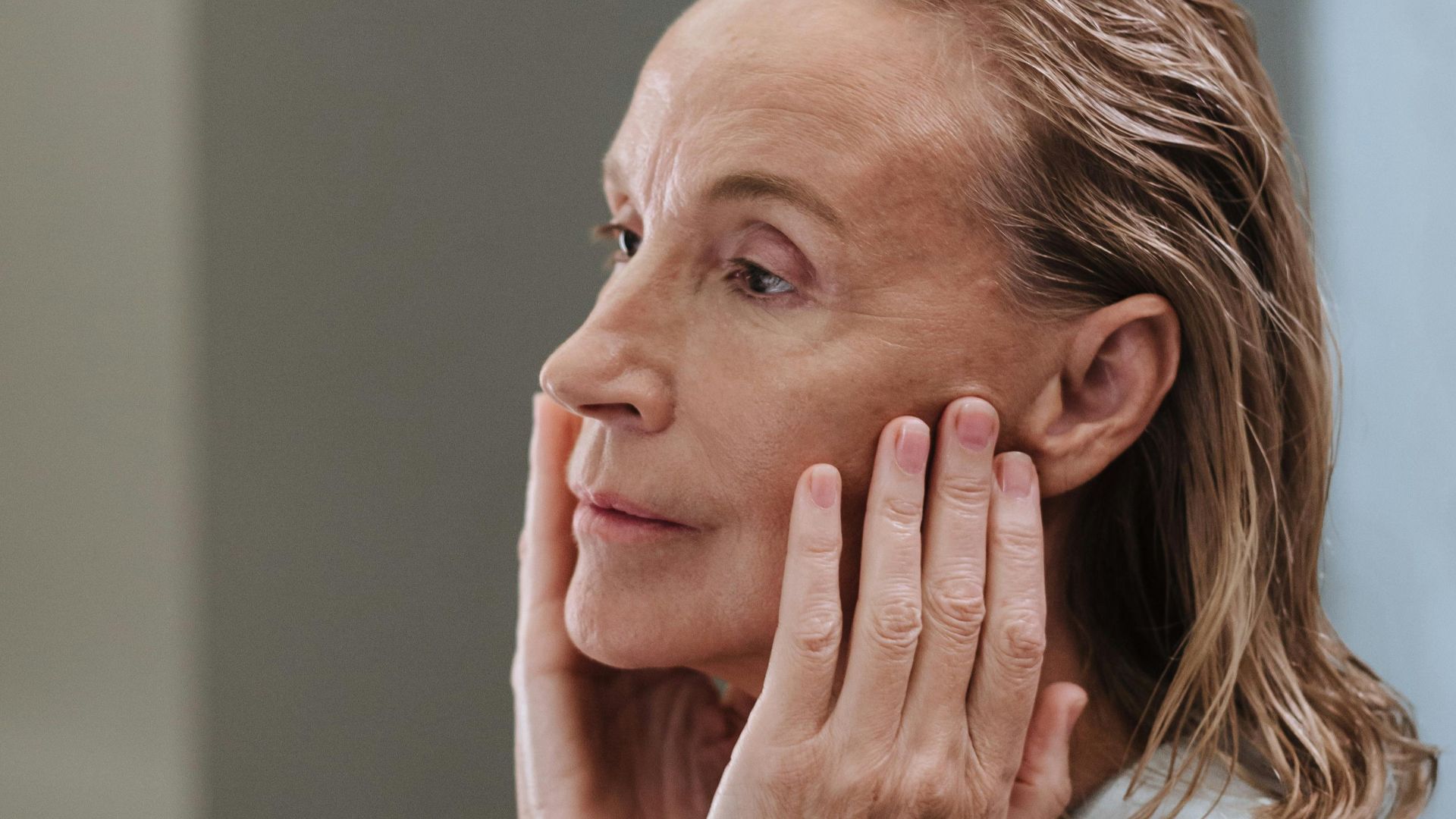
16. Aging
Teasing someone about getting older can seem affectionate, especially in families that joke about everything. But comments about wrinkles, memory, energy, menopause, or looking tired can pile up quickly. Aging is already vulnerable without turning every change into a punchline.
17. Fertility Or Kids
Comments about when someone will have children, why they have not, or whether they want more can be deeply personal. The family may think it is just teasing, but there may be grief, uncertainty, medical stress, or private choice underneath. This is one of those topics where silence is often kinder.

18. Personality Labels
Being called bossy, lazy, weird, needy, cold, or difficult can start as teasing and become a family identity. The more often it is repeated, the harder it is for someone to be seen differently. A joke becomes harmful when it leaves no room for change.

19. Past Embarrassment
Families often hold the archive of someone’s most embarrassing moments. That does not mean every story needs to be brought out for guests. If someone laughs along while looking uncomfortable, that is not proof they are fine. It may just be the quickest way to get through it.

20. Ignoring Boundaries
The clearest sign that a joke is hurtful is when someone says it hurts and the family keeps going. At that point, the issue is no longer misunderstanding. It is choosing the laugh over the person.