
Emotional intelligence shapes how children understand their feelings, respond to stress, and connect with the people around them. While schools often focus heavily on academic performance, emotional skills play an equally important role in helping kids succeed socially, mentally, and academically later in life. Child development experts consistently note that emotionally supported children often handle challenges and relationships more effectively as they grow older.
The encouraging part is that emotional intelligence isn't something children either naturally have or completely lack. These skills can be developed gradually through everyday routines, conversations, and examples set by trusted adults. When you create an environment where emotions are discussed openly instead of ignored, children learn healthier ways to understand themselves and others throughout life.
Teach Kids To Recognize And Express Emotions
One of the most important early emotional skills is learning how to recognize feelings accurately. Young children often experience frustration, embarrassment, anxiety, or disappointment without understanding exactly what those emotions are called. Helping kids identify emotions clearly gives them a stronger foundation for communication and self-control later on. Children who can describe their feelings more accurately are often better prepared to work through stressful situations calmly.
You can teach emotional vocabulary naturally during ordinary moments throughout the day instead of turning it into a formal lesson. If your child seems upset after school, asking whether they felt nervous, excluded, embarrassed, or frustrated encourages deeper thinking than simply asking if they were angry. Over time, children who can label emotions clearly often become better at managing those feelings calmly. Even simple conversations during meals or car rides can gradually strengthen emotional awareness in meaningful ways.
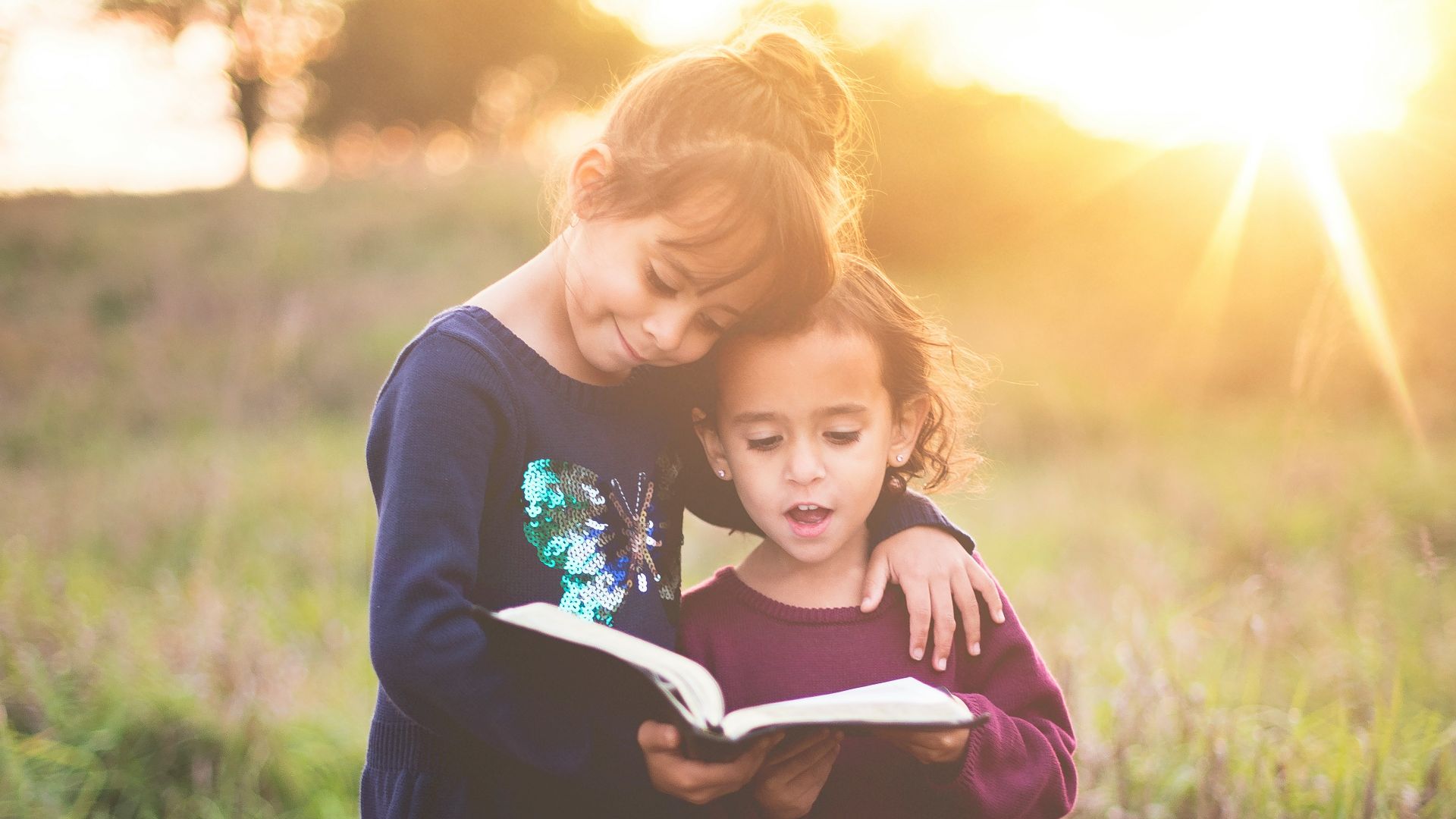
Books, television shows, and family conversations also create opportunities to talk about emotions without adding pressure. Asking children how a character may feel during a difficult situation helps build empathy and emotional awareness at the same time. These discussions allow kids to practice recognizing emotional cues in a safe and familiar setting. Over time, they begin applying those same observation skills to real relationships with friends, teachers, and family members.
Model Healthy Emotional Habits At Home
Children learn emotional behavior by watching the adults around them far more often than through formal lessons. If they regularly see yelling, avoidance, or emotional shutdowns, they may begin copying those same habits themselves. Calm communication and emotional honesty help children understand healthier ways to react under pressure. Kids pay close attention to how adults handle frustration during everyday situations, even when nobody realizes they're observing.
That doesn't mean parents need to appear perfectly calm all the time because children benefit from seeing realistic emotional responses as well. In fact, kids often learn valuable lessons when adults acknowledge mistakes and work through frustration responsibly. Apologizing after losing patience or explaining how you're calming yourself down demonstrates emotional regulation in action. These moments show children that emotional mistakes can be corrected in healthy and respectful ways instead of being ignored completely.
Experts in child psychology note that emotional regulation develops slowly throughout childhood and adolescence. Kids aren't born automatically knowing how to cope with disappointment, stress, or social conflict appropriately. They need repeated examples, support, and patience before those skills become consistent habits. Children who feel emotionally supported at home are also more likely to express difficult emotions honestly rather than hiding them out of fear or embarrassment.
Encourage Empathy And Problem-Solving Skills
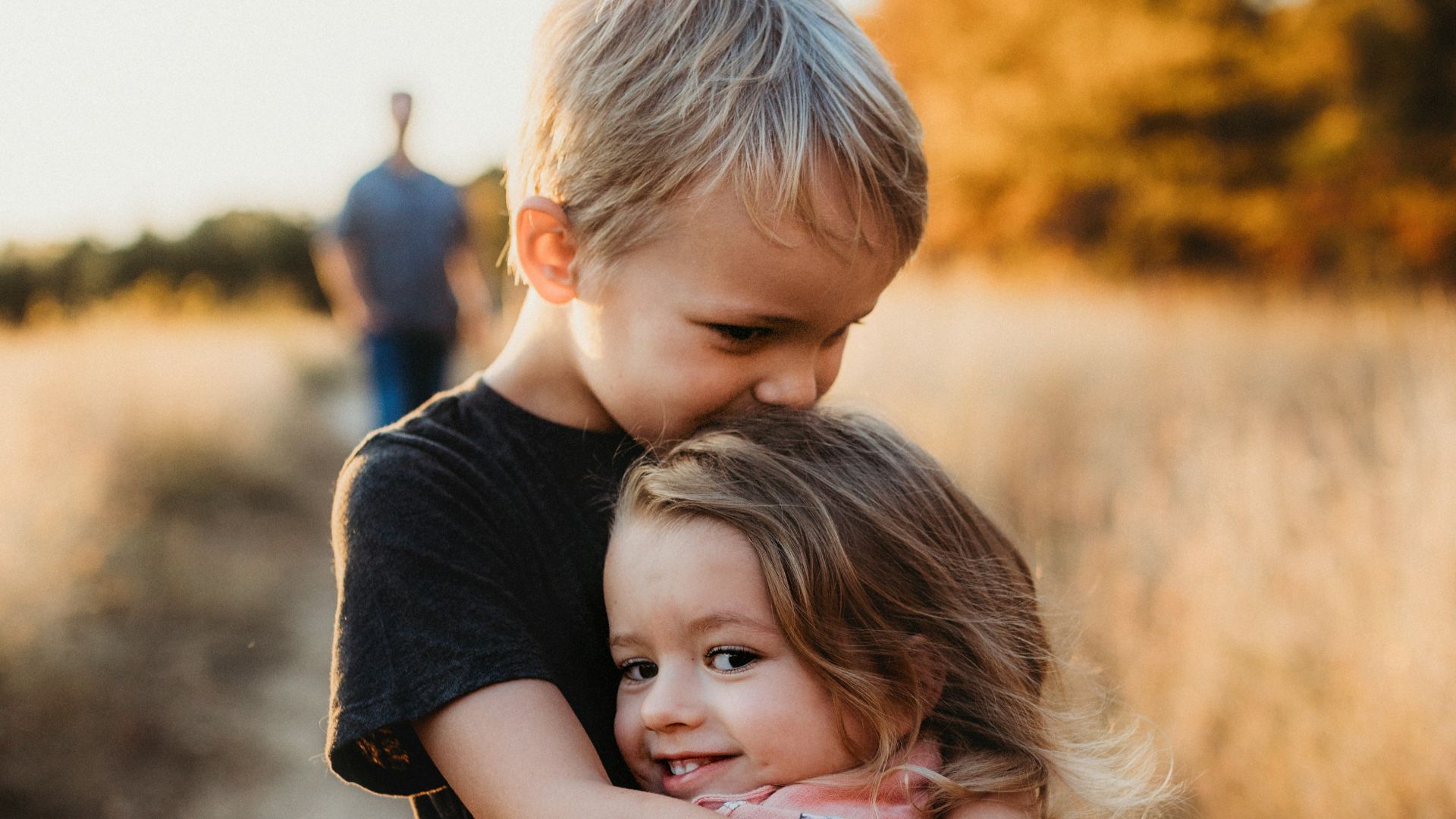
Emotional intelligence involves understanding other people's feelings just as much as understanding your own. Empathy helps children build stronger friendships, communicate more effectively, and navigate disagreements with greater maturity. Studies consistently connect emotional intelligence with healthier social relationships throughout life.
You can encourage empathy by helping children consider other perspectives during everyday situations. If a sibling feels upset or a classmate seems excluded, asking thoughtful questions encourages children to think beyond their immediate reactions. Small conversations like these gradually strengthen compassion and emotional awareness in natural ways. As children grow older, these habits often improve communication skills and reduce unnecessary conflicts with peers.
Problem-solving is another major part of emotional growth because children need opportunities to work through challenges independently. Instead of immediately solving every issue for your child, encourage them to think through possible solutions on their own first. Questions such as, "What do you think would help here?" teach children how to pause, reflect, and respond thoughtfully. This approach also helps kids develop confidence in their ability to handle difficult situations responsibly.
Helping children develop emotional intelligence doesn't require complicated systems or constant lectures. Most emotional learning happens during ordinary conversations, routines, and interactions throughout daily life. When children grow up feeling respected, understood, and emotionally supported, they often become more confident, empathetic, and resilient adults. Those emotional skills continue shaping relationships, decision-making, mental health, and communication long after childhood ends.