
10 Reasons It's Better to Have Kids Young & 10 Why You Should Wait Until You're Older
When Is the Right Time to Have Kids?
When should you have kids: when you're younger, or when you're older? Many might assume the latter, that it's best to start a family when you're more financially stable and established in your relationship, but reality isn't always so black and white. After all, deciding when to have kids is one of those life choices that rarely has a perfect answer, because every stage of adulthood brings its own strengths and challenges. Some people might feel ready earlier and appreciate growing their family while they have more energy, flexibility, and time ahead of them. Both paths can be rewarding, and the "right" timing often depends on your personal sense of readiness. Before you decide, here's a deeper look at the unique perks from either side of the coin.
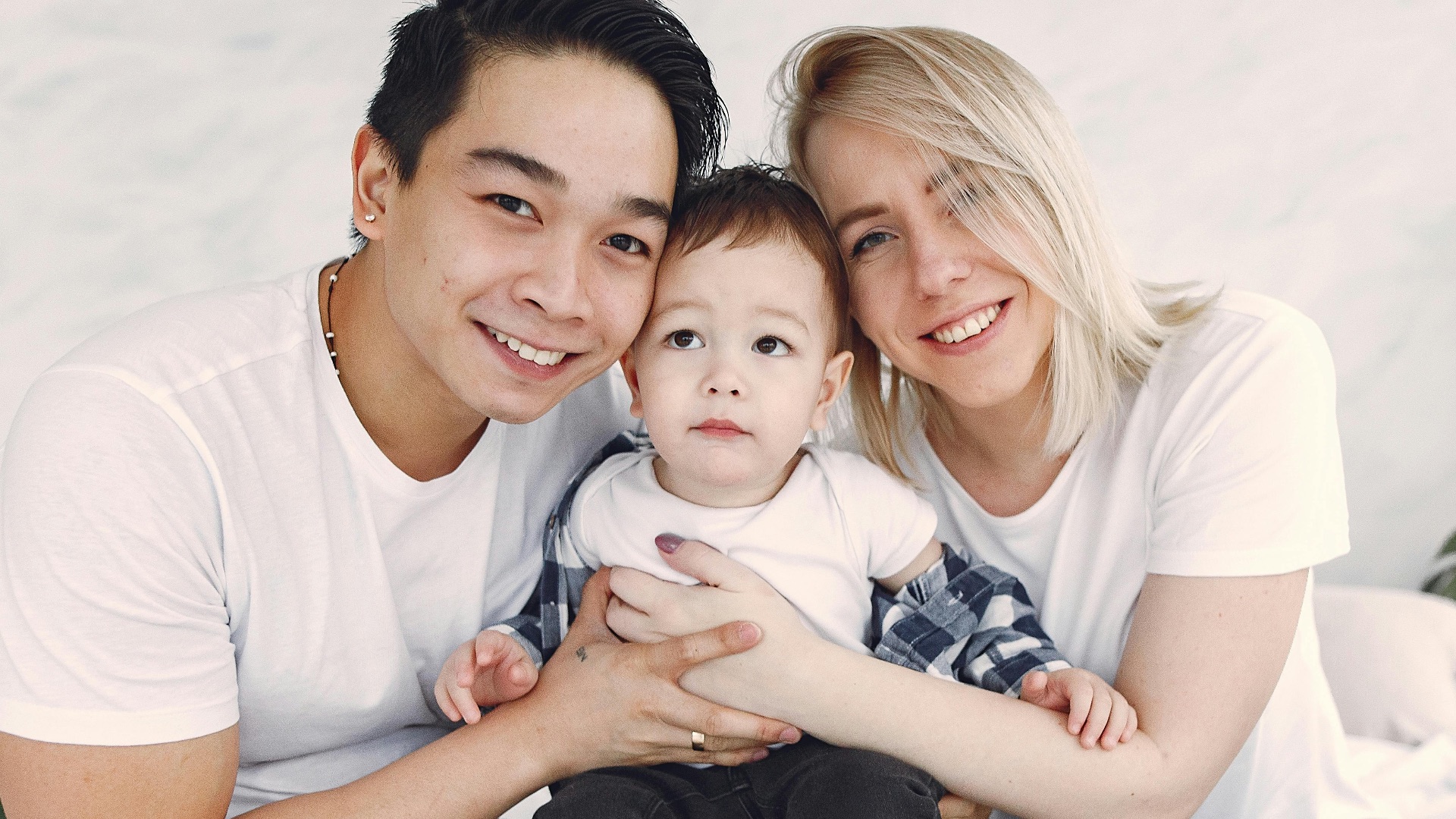
1. You May Have More Physical Energy
Having kids young can make the constant demands of parenting feel a little more manageable. Babies, toddlers, and young children require frequent lifting, long days, disrupted sleep, and a lot of active attention. When you’re younger, you may recover faster and have more stamina for the physical side of raising children. That doesn’t make parenting easy, but it can help you keep up with the pace.
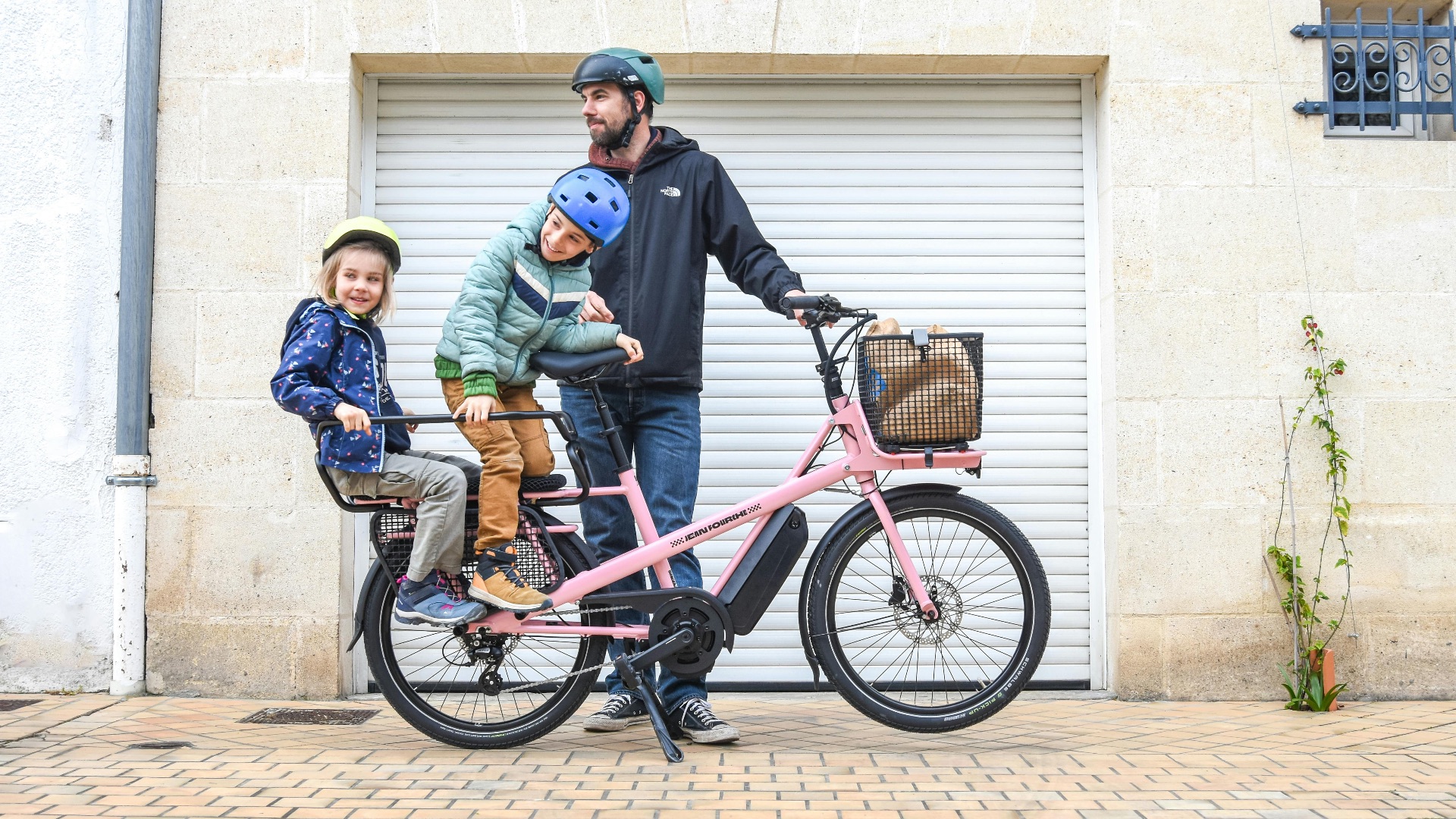
2. You Might Adapt More Easily to Big Life Changes
Younger adults are often still shaping their routines, priorities, and long-term plans, which can make the adjustment to parenthood feel less like a total disruption. You may not be as attached to a highly structured lifestyle or a deeply established career rhythm yet. That flexibility can make it easier to build your life around your child from the beginning. For some parents, starting earlier feels more natural because they’re still in a season of growth and change themselves.
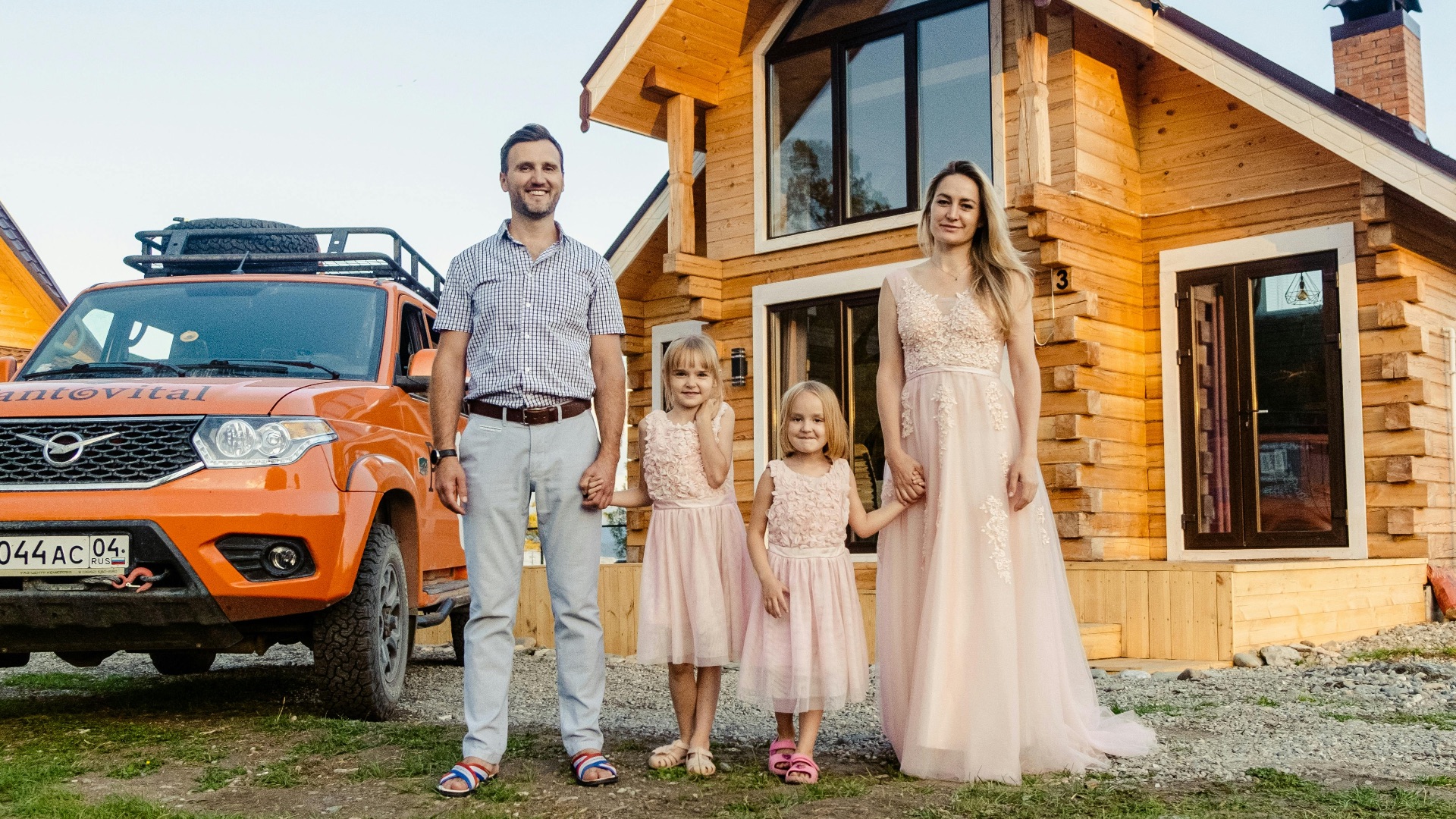
3. Your Kids May Know Their Grandparents Longer
Having children at a younger age can increase the chances that your kids will have more years with their grandparents and extended family members. That can matter emotionally, especially if family support is important to you. Grandparents may also be younger and more physically able to help with childcare, school pickups, or family activities. Of course, every family is different, but timing can affect how much overlap there is between generations.

4. You May Finish the Intensive Parenting Years Earlier
When you have kids young, you may reach the stage of having older or independent children while you’re still relatively young yourself. That can open up time later for career changes, travel, education, hobbies, or a different kind of personal growth. Some parents like the idea of raising children first and then having more freedom in midlife. It can feel appealing to know that the most hands-on years won’t stretch as far into later adulthood.
5. Fertility May Be Less Complicated
For many people, fertility is generally stronger earlier in adulthood, though individual circumstances vary a lot. Having children younger may reduce the chances of facing age-related fertility challenges or needing medical assistance to conceive. It can also allow more time if you want multiple children or need space between pregnancies. This doesn’t mean everyone should rush, but biology can be a real factor in the timing conversation.

6. You Can Grow Alongside Your Children
Some younger parents find that raising kids while they’re still building their own adult identity creates a strong sense of shared growth. You learn responsibility, patience, and long-term planning while your child is learning about the world. That process can shape you in meaningful ways and influence the choices you make about work, relationships, and priorities. Parenthood can become part of the foundation of your adult life rather than something added after everything else is established.
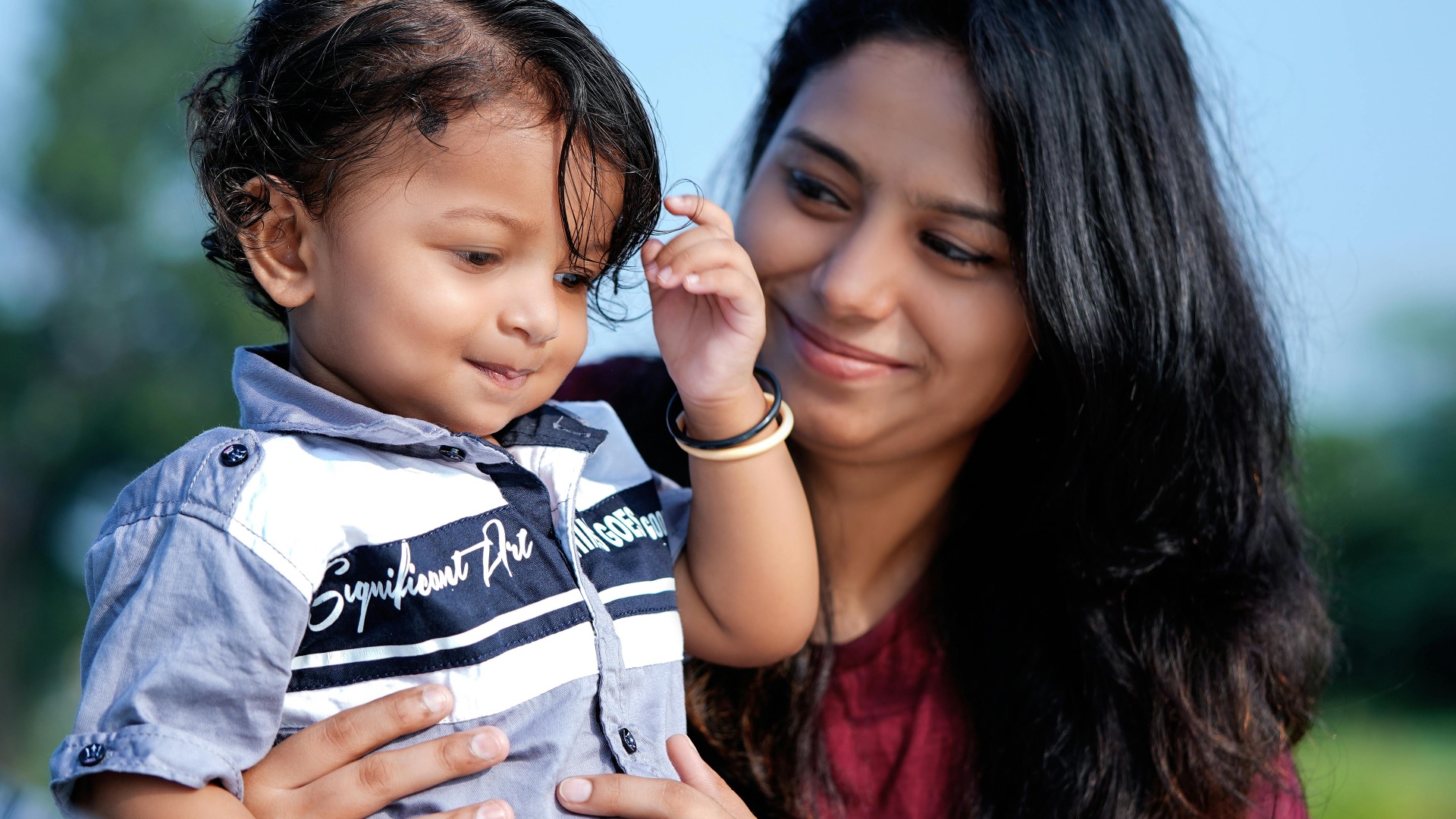
7. You May Have More Time for a Larger Family
Starting earlier can give you more room to decide whether you want more children later. You may feel less pressured by age-related timelines and have more flexibility around spacing your kids. That can be helpful if you want to recover between pregnancies, adjust financially, or simply see how your family feels over time. Having that window available can make family planning feel less rushed.

8. You May Be More Open to Learning as You Go
Younger parents may be less set in their ways, which can sometimes make them more open to advice, new routines, and changing expectations. Parenting requires a lot of trial and adjustment, and flexibility can be a major asset. You may be more willing to rethink old assumptions and grow into the role step by step. That openness can help you respond to your child’s needs instead of trying to force everything into a fixed plan.
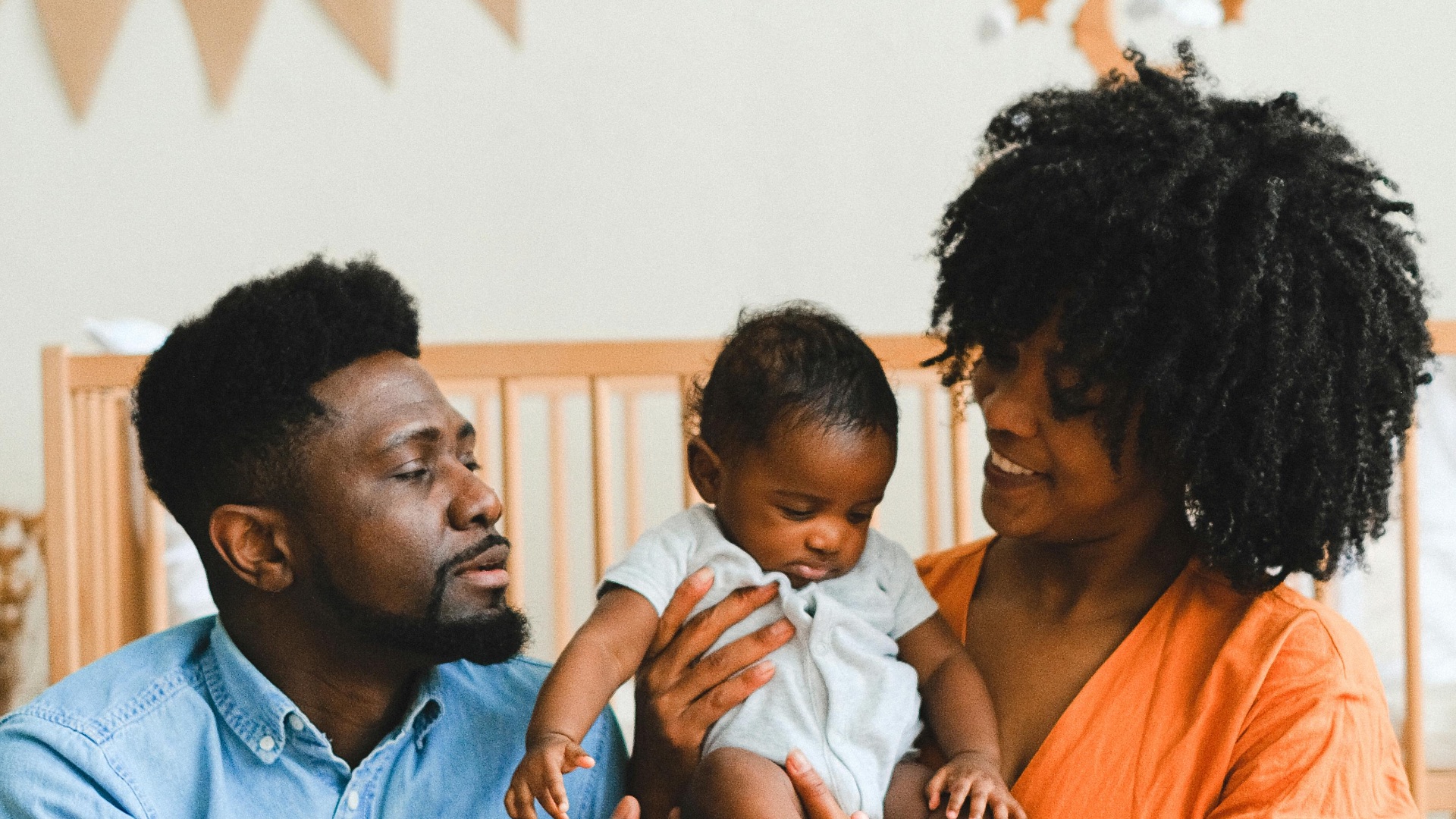
9. Your Career and Parenting Timeline May Develop Together
Having kids young can mean you build your career with parenthood already in the picture. Instead of pausing a deeply established professional path, you may make early choices around childcare, scheduling, income goals, and family needs. That can be difficult, especially financially, but it can also create clarity about what kind of work life you want. For some parents, it’s easier to shape a career around children from the start than to rearrange one later.

10. You May Have a Longer Adult Relationship with Your Children
When you have kids young, you may get more years with them as adults. That can mean more time to see who they become, support them through major milestones, and build a mature parent-child relationship. Many parents value the idea of being active and present when their children are grown. It can be rewarding to experience that later stage of parenting while you still have a lot of life ahead of you.
While there are strong reasons some people choose to start earlier, waiting can be just special. Older parents often bring a different kind of readiness to the experience, especially when they’ve had more time to build stability and self-knowledge. Let's take a look at the other side of the conversation.

1. You May Be More Financially Stable
Waiting to have kids can give you more time to build savings, pay down debt, and increase your income. Children come with ongoing expenses, from diapers and childcare to healthcare, education, housing, and activities. Being in a stronger financial position can reduce stress and give you more choices. It doesn’t remove every challenge, but it can make the practical side of parenting easier to manage.

2. You May Know Yourself Better
With age often comes a clearer understanding of your values, limits, and long-term goals. That self-knowledge can help you make parenting decisions with more confidence. You may have a better sense of what kind of home environment you want to create and what patterns you want to avoid. When you know yourself well, it can be easier to parent with intention instead of reacting from pressure or uncertainty.
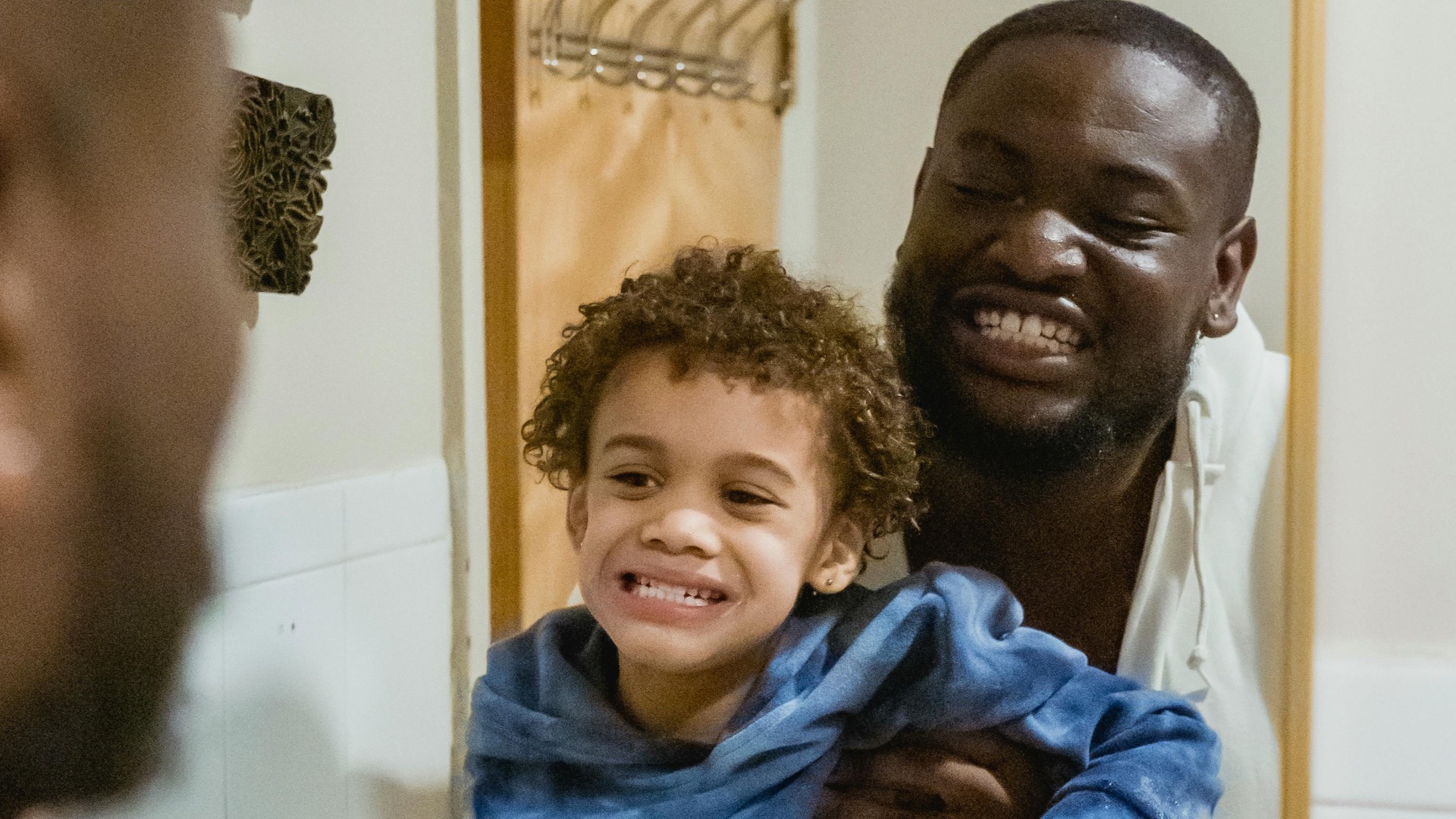
3. Your Relationship May Be More Established
If you’re raising a child with a partner, waiting can give your relationship more time to mature. You may have already learned how to communicate, handle conflict, divide responsibilities, and make major decisions together. Those skills matter because parenting can place stress on even strong relationships. A steadier partnership can give children a more secure and consistent home life.

4. You May Have More Career Security
Waiting until you’re older can mean you’ve had more time to develop your career, build credibility, and gain workplace flexibility. You may have better benefits, parental leave, remote work options, or the confidence to negotiate your schedule. Career stability can also make it easier to step back temporarily without feeling like you’re starting from scratch. For many parents, that professional foundation makes family life feel more sustainable.

5. You May Be More Emotionally Prepared
Parenting asks a lot from your patience, resilience, and ability to stay steady during stressful moments. Older parents may have had more time to work through personal challenges, develop coping skills, and understand their emotional triggers. That can make a difference during sleepless nights, tantrums, school struggles, and the many unpredictable parts of raising children. Emotional readiness doesn’t come automatically with age, but time can help you build it.
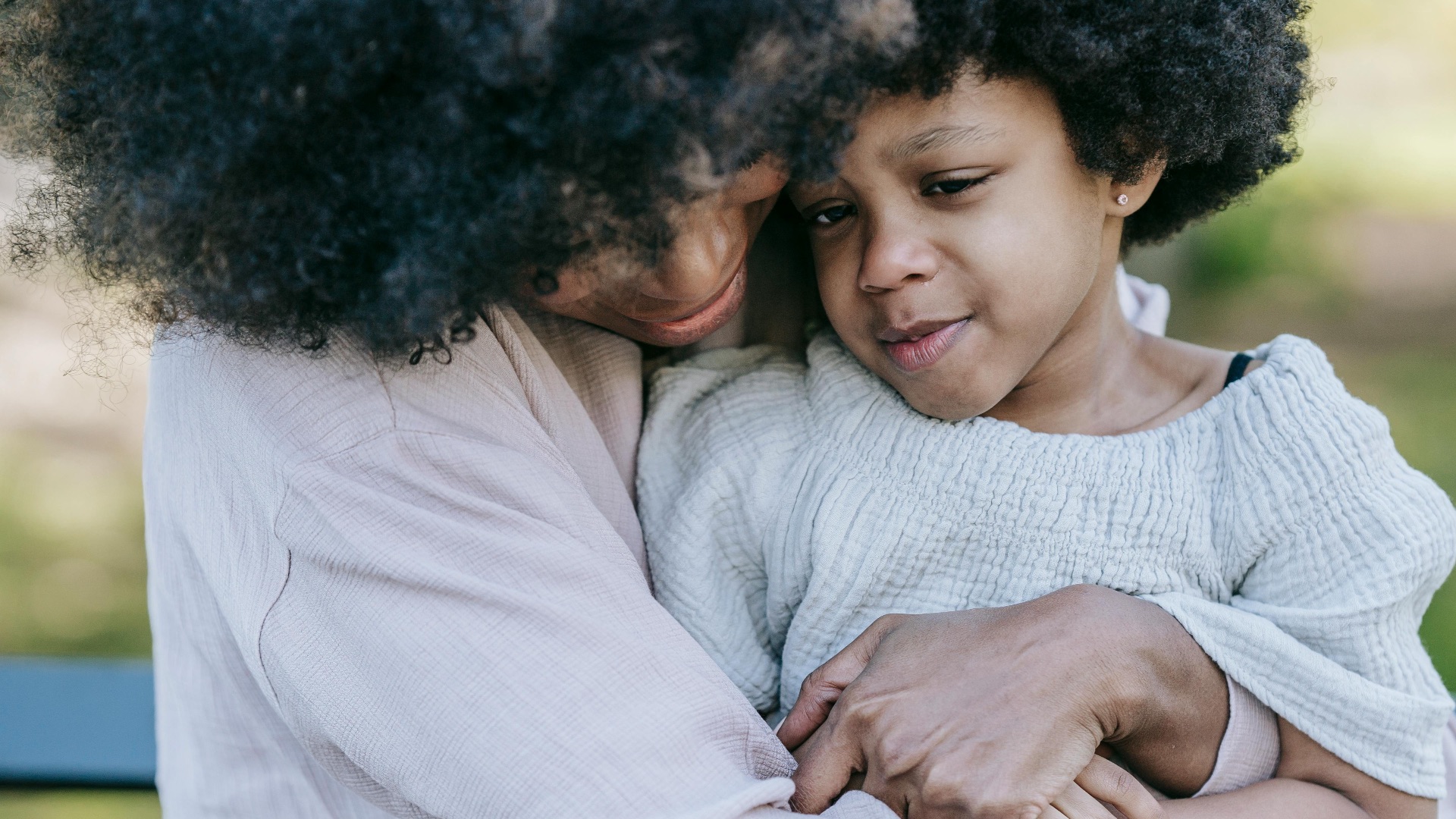
6. You May Have Already Experienced More Freedom
Some people wait because they want to travel, pursue education, build friendships, explore career paths, or simply enjoy a season of independence first. Having those experiences before children can reduce feelings of regret or resentment later. You may enter parenthood feeling more settled because you’ve already had time to focus on yourself. That can make it easier to embrace the sacrifices that come with raising a family.
 Guilherme Stecanella on Unsplash
7. You May Make More Thoughtful Parenting Choices
Older parents often have more life experience to draw from when making decisions. You may have seen different parenting styles, learned from friends and family, or reflected on your own upbringing in more depth. That perspective can help you choose what matters to you rather than following expectations automatically. It can also help you stay more consistent when other people have strong opinions about how you should raise your child.

8. Your Support Network May Be Stronger
Waiting can give you more time to build a reliable network of friends, family, neighbors, coworkers, and community connections. Support matters because parenting can be demanding even when everything is going well. A strong network can help with advice, childcare, emotional support, and practical backup when plans fall apart. Having people you trust around you can make the early years feel less isolating.

9. You May Be Better at Setting Boundaries
As people get older, they often become more comfortable saying no, asking for help, and protecting their time. Those skills are valuable in parenthood because children need structure and parents need limits. You may also be better prepared to handle pressure from relatives, schools, other parents, or social expectations. Strong boundaries can help you create a family life that fits your values instead of everyone else’s opinions.
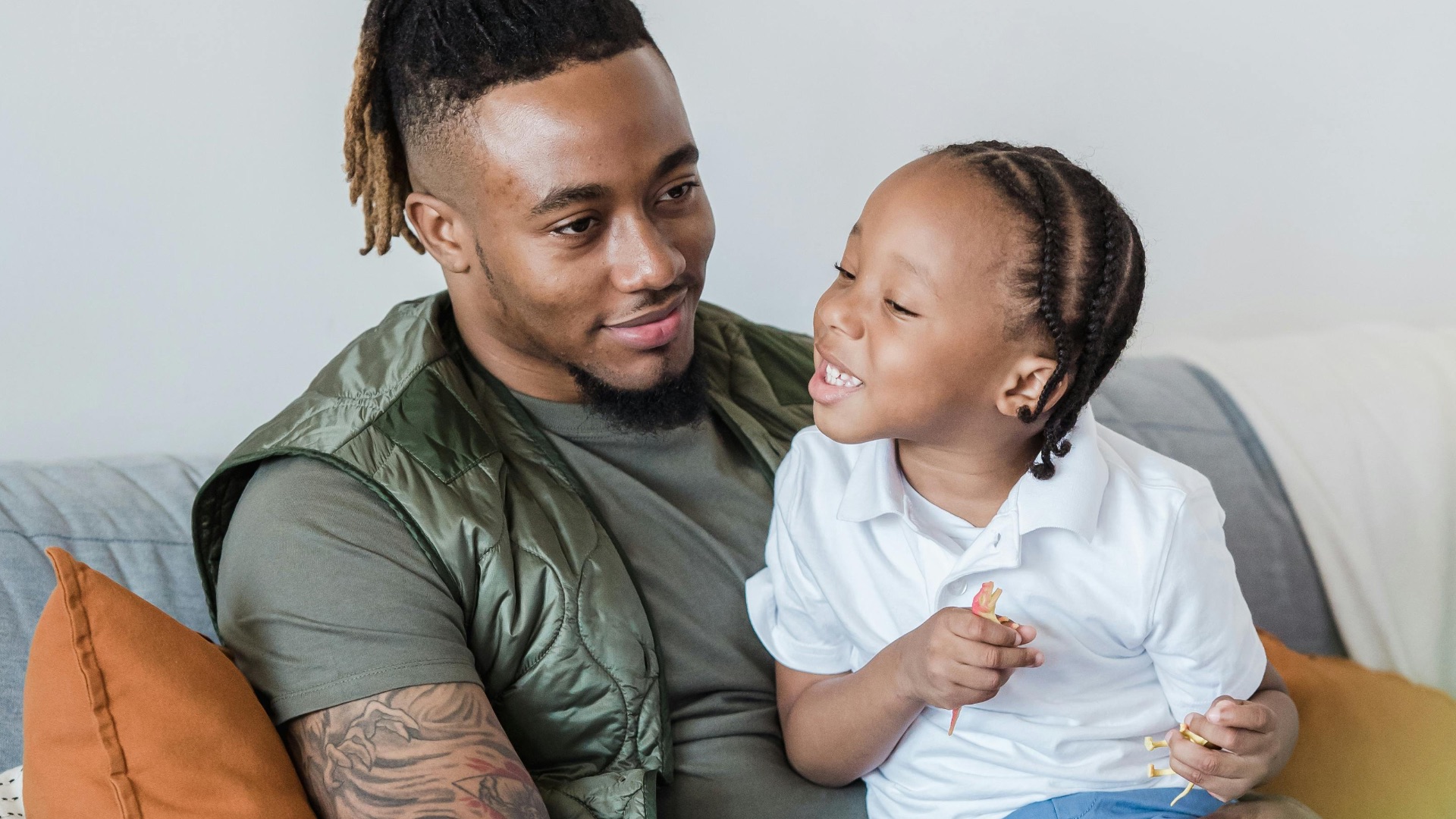
10. You May Feel More Ready for the Responsibility
Waiting can allow parenthood to feel like a deliberate choice rather than something you stepped into before you felt prepared. You may have had more time to think about the kind of parent you want to be and what raising a child will require. That sense of readiness can bring more confidence, even during difficult phases. While no one is fully prepared for every part of parenting, feeling ready can make the transition more grounded and less overwhelming.