
Sleep Divorce: 10 Reasons You Shouldn't Sleep in the Same Room as Your Spouse & 10 Why You Should
Sleep Divorce: 10 Reasons You Shouldn't Sleep in the Same Room as Your Spouse & 10 Why You Should
Should You Share a Bed with Your Spouse?
It might sound like a strange question; after all, isn't it normal to share a bed after you've wed? But it's a valid thing to think about. Whether you've been together for six months or sixty years, how you sleep can have a surprisingly significant impact on how rested, healthy, and connected you feel. It's also much more common than you might realize; a 2023 survey by the American Academy of Sleep Medicine saw that a third of Americans have opted for "sleep divorce"—that is, occasionally sleeping in a separate bed or room. So, should you and your partner do that, too? Before you make any decisions about your sleeping arrangement, here's a breakdown of what you might gain, and what you might be giving up, depending on which way you go.

1. Different Sleep Schedules Can Wreck Your Rest
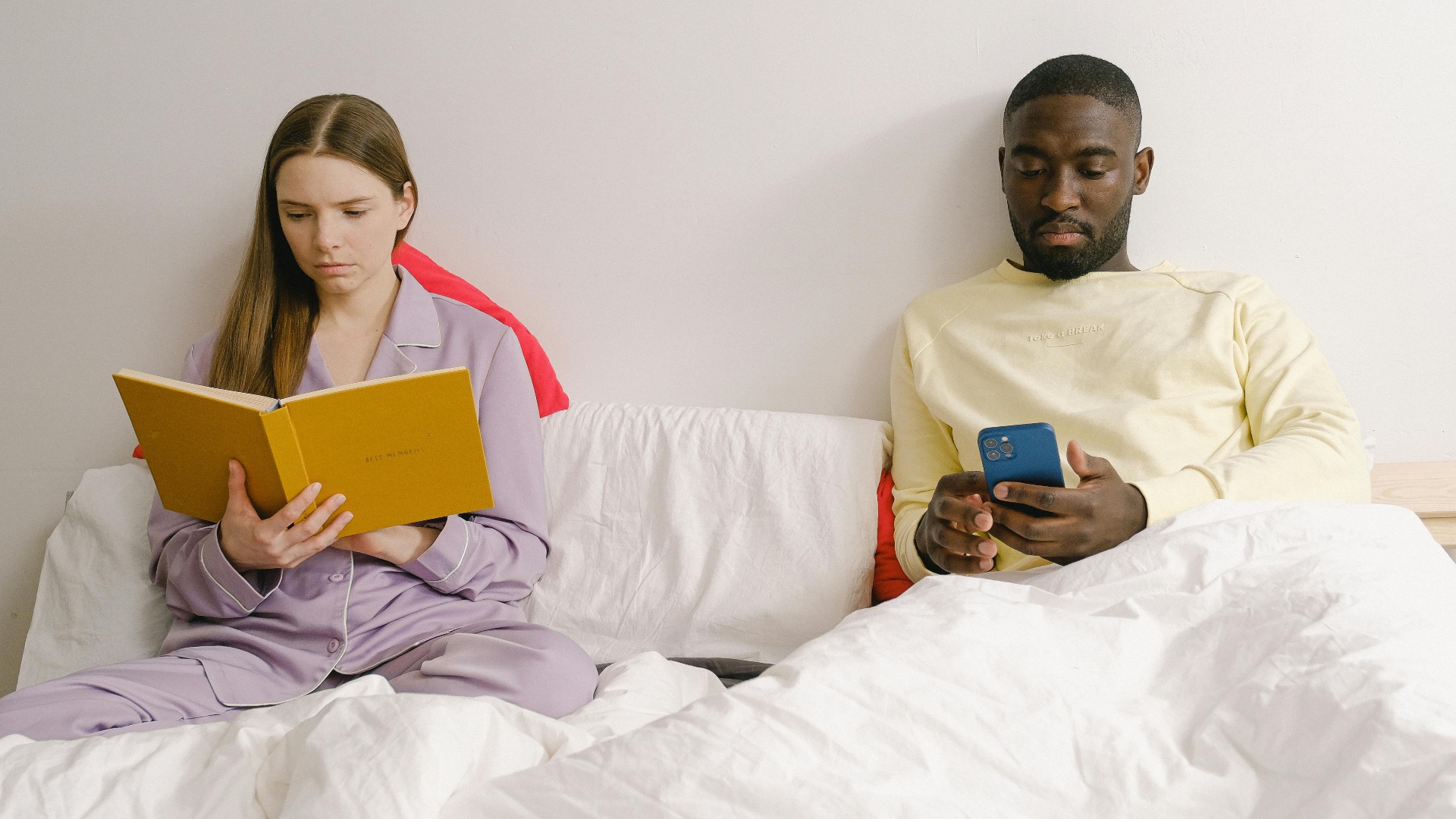
If one of you is a night owl and the other can barely keep their eyes open past nine, sharing a room means someone's always losing sleep. Being woken up by a partner crawling into bed at midnight, or being dragged awake by their alarm at five, adds up to serious sleep debt over time. Consistently poor sleep is linked to a wide range of health issues, including weakened immunity, mood disturbances, and reduced cognitive function.
2. Snoring Is a Legitimate Sleep Disruptor
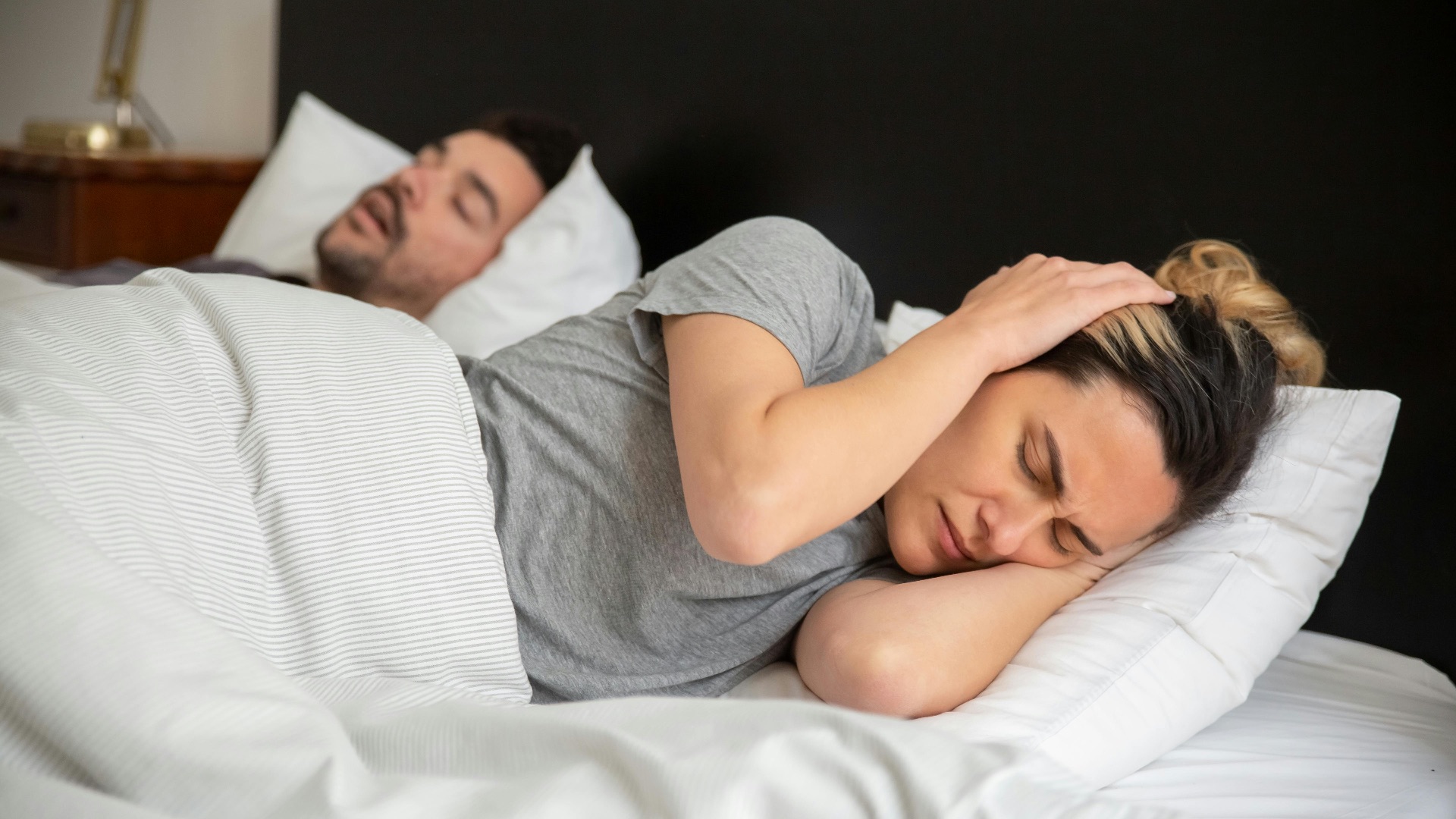
It might sound like a punchline, but snoring is one of the most common reasons couples start sleeping in separate rooms. Chronic snoring can keep a light sleeper awake for hours each night, and that kind of sleep disruption is no small thing. Research has shown that a snoring partner can reduce a person's sleep quality significantly, even if the sleeper doesn't fully wake up each time they're disturbed.
3. You'll Each Have Full Control Over the Sleep Environment
When you sleep alone, you get to set the thermostat exactly where you want it, choose your preferred level of darkness, and decide how many blankets or pillows are on the bed. Couples often have very different preferences when it comes to room temperature and bedding, which can become a nightly negotiation that leaves at least one person uncomfortable. Having your own sleep space means you can actually optimize your environment for the best possible rest.

4. Your Mental Health Can Benefit from Having Personal Space
Everyone needs some time that's truly their own, and for many people, the bedroom is one of the last places where they can have it. Sleeping separately gives each partner a defined space to decompress, wind down in their own way, and enjoy a bit of solitude after a day spent together. That sense of independence can actually reduce feelings of being overwhelmed and contribute to healthier emotional regulation overall.

5. Disruptions from Shift Workers and Early Risers
If your partner leaves for work before dawn or comes home at odd hours, sharing a room creates a constant cycle of disruption. Getting up quietly is harder than it sounds, and even small noises can pull a sleeping person into a lighter sleep stage. Over time, that kind of fragmented sleep can leave both of you chronically tired, even if neither of you realizes the other's schedule is the cause.

6. Kids and Pets Compound the Chaos
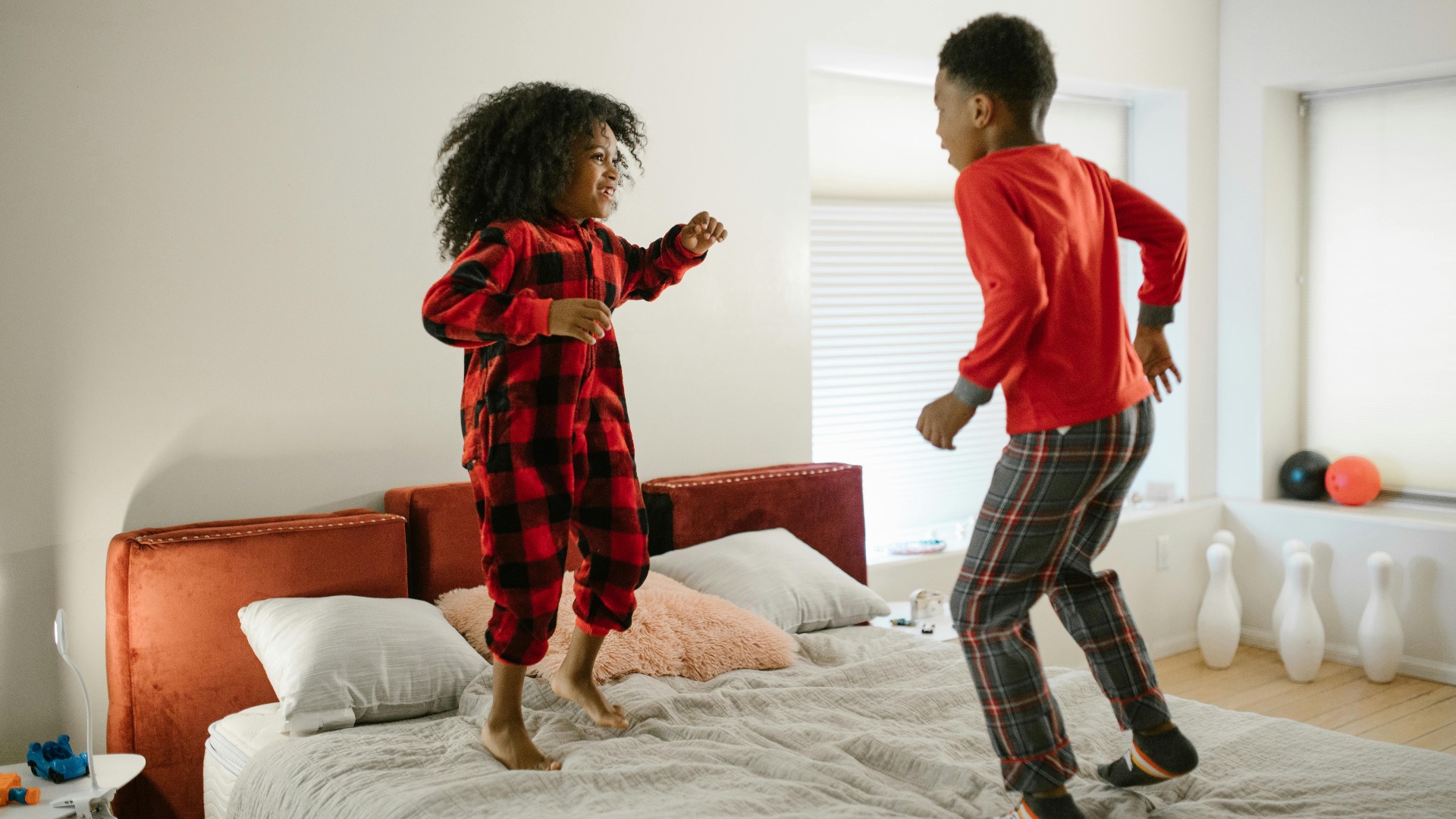
Many couples don't just share their room with each other; there are also children or pets in the mix, making an already busy sleep situation even more complicated. When a child or pet gravitates to one side of the bed, the partner on that side ends up losing space, sleep, and patience in equal measure. Sleeping in separate rooms at least means each of you has a refuge where you can get uninterrupted rest when things get particularly chaotic.
7. Restless Sleepers Can Be Exhausting to Share a Bed With
Some people toss, turn, kick, or even talk in their sleep without any awareness that they're doing it. If your partner is a restless sleeper, you could be getting jostled dozens of times throughout the night while they sleep soundly through all of it. The physical disruption of sharing a bed with someone who moves constantly is a very real barrier to deep, restorative sleep.

8. Separate Rooms Can Reduce Relationship Tension
Sleep deprivation makes people irritable, impatient, and far less equipped to handle conflict calmly. When couples are consistently losing sleep because of each other's habits, small annoyances can escalate into bigger arguments than they would if both people were well-rested. Choosing to sleep separately isn't a sign of a troubled relationship; it can actually be a practical way to protect both your health and your dynamic as a couple.

9. You Can Establish a More Consistent Bedtime Routine
Having your own room means you're free to follow a sleep routine that actually works for your body without worrying about whether it's inconveniencing your partner. Whether that's reading with the light on for an hour, listening to a podcast, or doing a skincare routine that takes longer than your partner's patience, you can do it all without compromise. Consistent pre-sleep routines are strongly associated with better sleep quality and faster sleep onset.

10. People with Sleep Disorders May Need Their Own Space
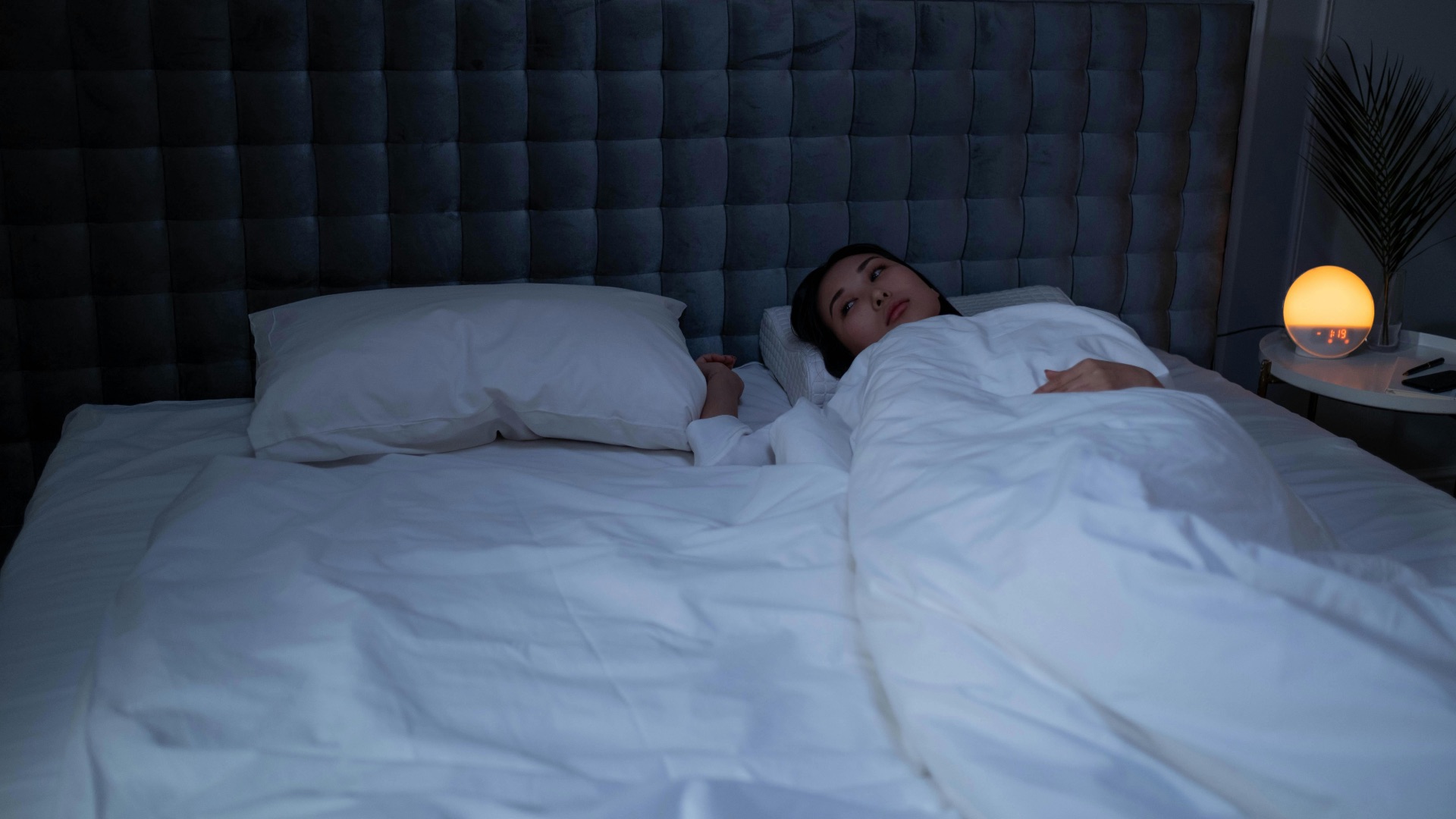
Conditions like insomnia, sleep apnea, REM sleep behavior disorder, or chronic pain can make it genuinely difficult to share a bed without affecting the other person. Someone managing a sleep disorder often needs to adjust their environment frequently throughout the night, which can be nearly impossible without disturbing a partner. Sleeping separately can allow both people to address their individual sleep needs without the added stress of trying not to wake each other up.
Of course, there's a real case to be made for staying in the same room, too. For all the disruptions a shared bedroom can bring, it also comes with benefits that are worth taking seriously, and for many couples, those benefits outweigh the downsides.
1. Physical Closeness Strengthens Your Bond
There's something about simply being in the same space as your partner at the end of the day that reinforces a sense of closeness and safety. Sleeping together keeps you connected in a way that's hard to replicate if you're in separate rooms every night. Relationship researchers have found that couples who share a sleep space tend to report higher overall relationship satisfaction than those who don't.

2. Skin-to-Skin Contact Has Real Health Benefits
Cuddling before sleep or simply making physical contact during the night can trigger the release of oxytocin, often called the bonding hormone, which helps reduce stress and promote feelings of security. That physical warmth between partners is not only emotionally comforting but physiologically beneficial as well. Even brief physical contact at bedtime has been associated with lower cortisol levels, which means sharing a bed could actually help you wind down more effectively.
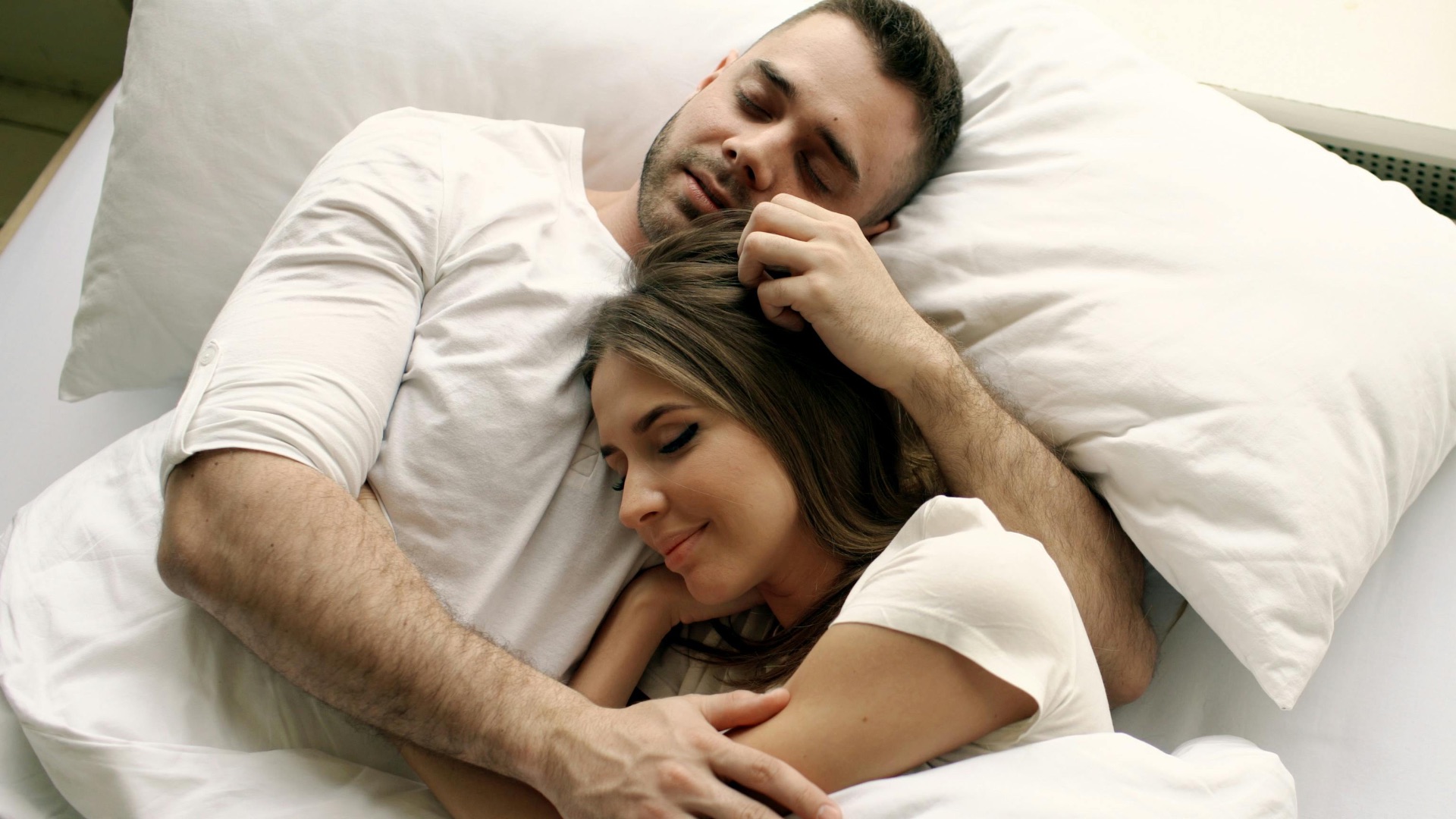
3. It Supports Emotional Intimacy
Bedtime is often the only part of the day when couples are truly alone together without distractions, schedules, or responsibilities competing for their attention. Those hushed moments before sleep can be some of the most meaningful interactions in a relationship. Couples who sleep apart can miss out on this window of connection without always realizing what they've lost.

4. You're More Likely to Notice If Something Is Wrong
Sleeping next to your partner puts you in the best possible position to notice changes in their health or behavior that might otherwise go undetected. If your spouse develops irregular breathing patterns, seems restless and feverish, or starts showing signs of a sleep disorder, you'll be there to catch it early. Some serious health conditions, including sleep apnea and certain cardiac events, have been identified first by a partner who noticed something was off during the night.

5. It Creates a Sense of Security
Many people sleep better when they don't feel alone, and having another person nearby can be genuinely reassuring in ways that are both psychological and physical. For those who struggle with anxiety, nighttime fears, or simply find an empty room unsettling, sharing a bedroom with a trusted partner can make the whole experience of going to sleep feel safer. That sense of security can translate into falling asleep faster and experiencing fewer middle-of-the-night wake-ups.

6. It Keeps Your Routines Aligned
When couples share a bedroom, they tend to go to bed around the same time, which helps keep their daily rhythms in sync. Shared routines create a kind of relational glue that keeps you on the same page about everything from when you're waking up to how your evenings unfold. Couples who function with very separate schedules can sometimes start to feel like ships passing in the night, and the bedroom is one place where that divide can be bridged.

7. Sleeping Together Can Improve Your Intimacy
It probably doesn't come as a surprise that couples who share a bedroom have more frequent intimacy than those who sleep apart. Proximity naturally creates more opportunities for spontaneous connection, and that consistency has real benefits for relationship satisfaction and emotional closeness. Sleeping in separate rooms can unintentionally create a physical and emotional barrier that makes it harder to maintain that side of a relationship over time.

8. It Can Help You Both Sleep Better
While it takes some adjustment, many couples do find that they eventually synchronize their sleep patterns when they share a bed consistently over time. Studies on co-sleeping couples have found that their sleep cycles can actually become more aligned, meaning you're both moving through the same sleep stages at similar times throughout the night. That kind of natural synchrony can make the disruptions feel less jarring and lead to a more restful night overall.

9. It Signals Commitment and Prioritization
Choosing to share a sleep space is a daily, nonverbal statement that your relationship is a priority: that you want to end your day together and start it the same way. For many couples, that small but consistent act of showing up in the same room carries real symbolic weight. It reinforces the idea that you're a team, even during the hours when you're not actually awake to say it out loud.

10. The Long-Term Benefits for Your Health Are Compelling
Married couples who share a bed have been shown to have lower rates of depression, anxiety, and cardiovascular disease compared to those who sleep alone or in separate rooms. The combination of emotional support, physical closeness, and shared routines that come with co-sleeping appears to contribute to better overall health outcomes across the board. If you're looking for a compelling reason to stay in the same room, your long-term well-being might just be the most persuasive one there is.