The Stressful Little Moments That Often Shape Childhood
Parenting rarely looks organized while you're living through it, especially during loud mornings, emotional meltdowns, and exhausting daily routines. Many moments that seem frustrating or overwhelming at the time actually help children develop confidence, resilience, emotional security, and independence later in life. While parents often worry about getting everything perfectly right, it's usually the consistent everyday interactions that leave the strongest long-term impact. Here are 20 parenting moments that feel chaotic but matter later.
 Xavier Mouton Photographie on Unsplash
1. Helping With Homework After A Long Day
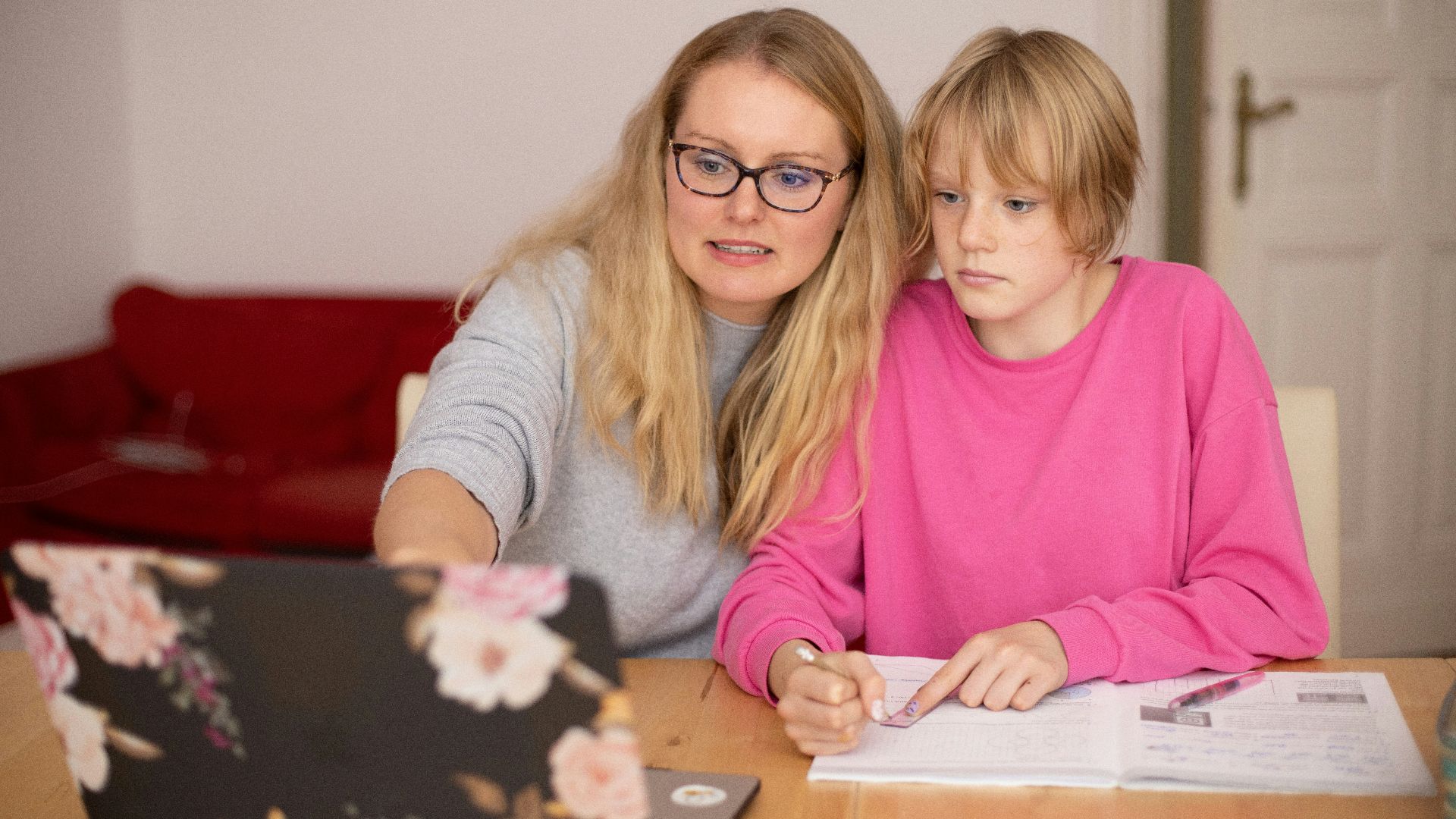
Sitting through homework struggles when everyone is already tired can feel mentally exhausting. Kids often become frustrated easily, especially when learning difficult concepts for the first time. Even so, your patience during those stressful evenings teaches persistence and support.
2. Answering Endless Questions
Children can ask questions nonstop about topics that seem random or repetitive. While it may feel overwhelming after the tenth question in five minutes, curiosity plays an important role in cognitive development. Taking the time to answer helps kids feel heard and encourages learning.

3. Letting Kids Make Small Mistakes
Watching children fail at something simple can be difficult for many parents. It often feels easier to step in immediately and fix the problem yourself. Allowing manageable mistakes helps children build problem-solving skills and independence over time.

4. Family Dinners That Turn Loud
Family meals don't always look calm or organized, especially with younger children involved. Conversations overlap, someone spills something, and distractions happen constantly. Still, regular shared meals are strongly associated with communication, bonding, and emotional connection.

5. Bedtime Routines That Take Forever
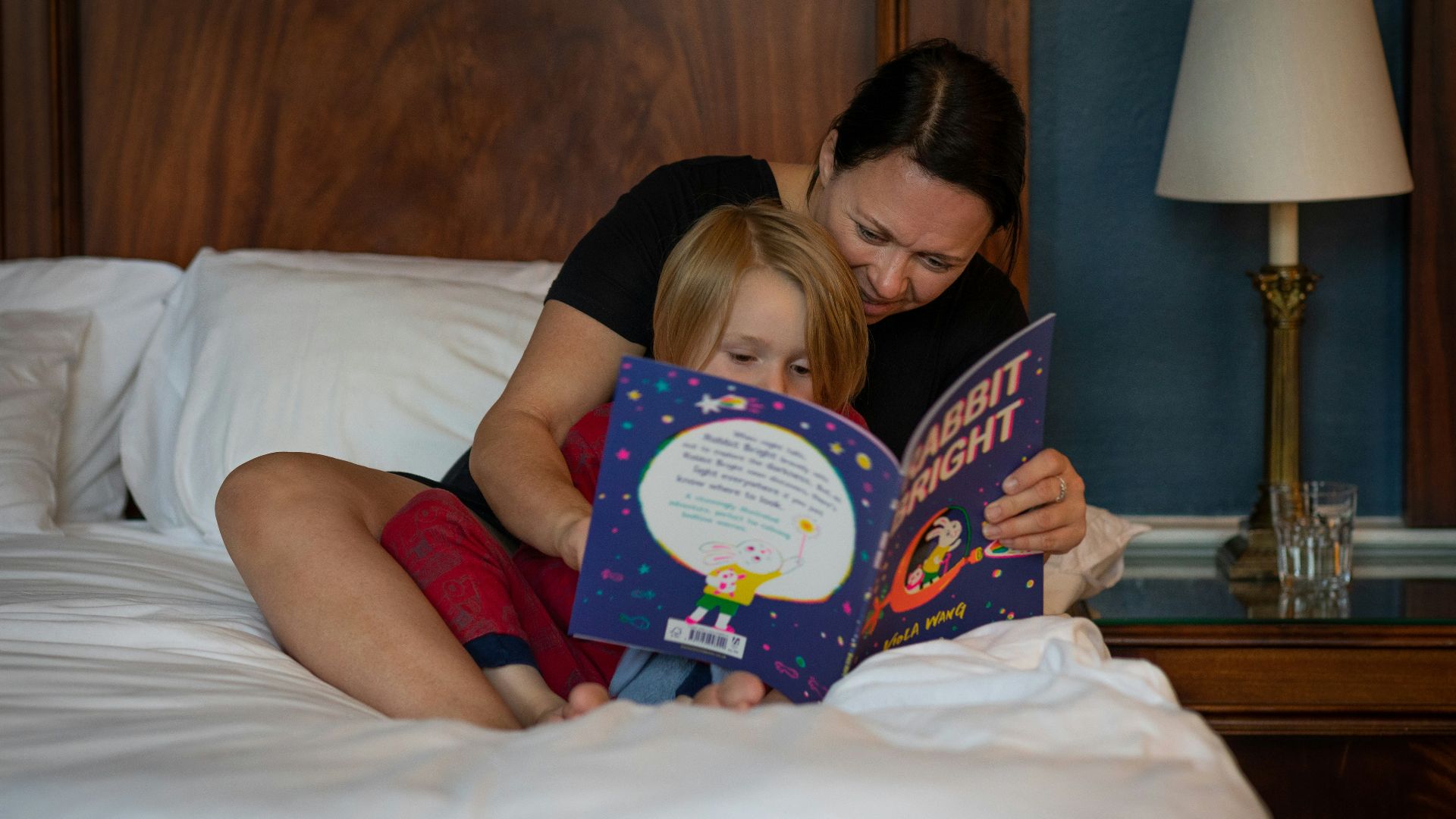
Bedtime often turns into repeated requests for water, stories, or one final question before sleep. Parents usually feel drained by the end of the day, which makes the delays even more frustrating. Those routines still create consistency and emotional comfort that children remember later.
6. Listening To Emotional Meltdowns
Tantrums and emotional breakdowns can make even patient parents feel overwhelmed. Children often struggle to regulate emotions because those skills are still developing during childhood. Staying calm during difficult moments teaches emotional security and trust.

7. Driving Kids Everywhere
Parents spend countless hours driving to school events, sports practices, appointments, and activities. The routine can feel repetitive and exhausting, especially during busy weeks. Those rides often become opportunities for important conversations and quiet bonding.

8. Reading The Same Book Repeatedly
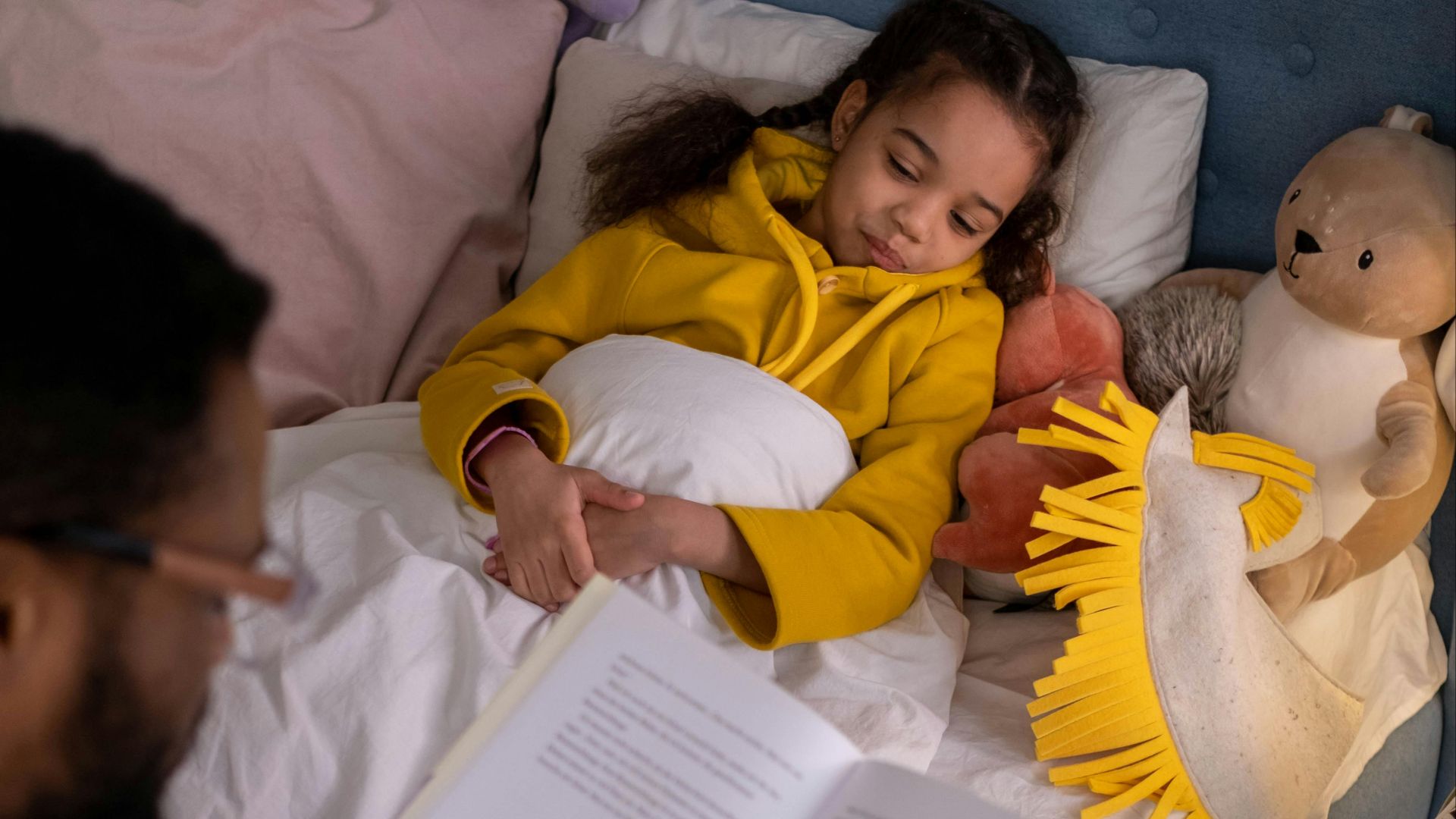
Young children frequently become attached to one favorite story and want it read over and over again. Parents may eventually memorize every page while secretly wishing for variety. Repetition actually supports language development, memory, and emotional comfort.
9. Teaching Responsibility Through Chores
Convincing children to help around the house rarely goes smoothly at first. Complaints, forgotten tasks, and constant reminders are usually part of the process. Over time, chores help children develop responsibility, discipline, and teamwork skills.
10. Attending School Performances
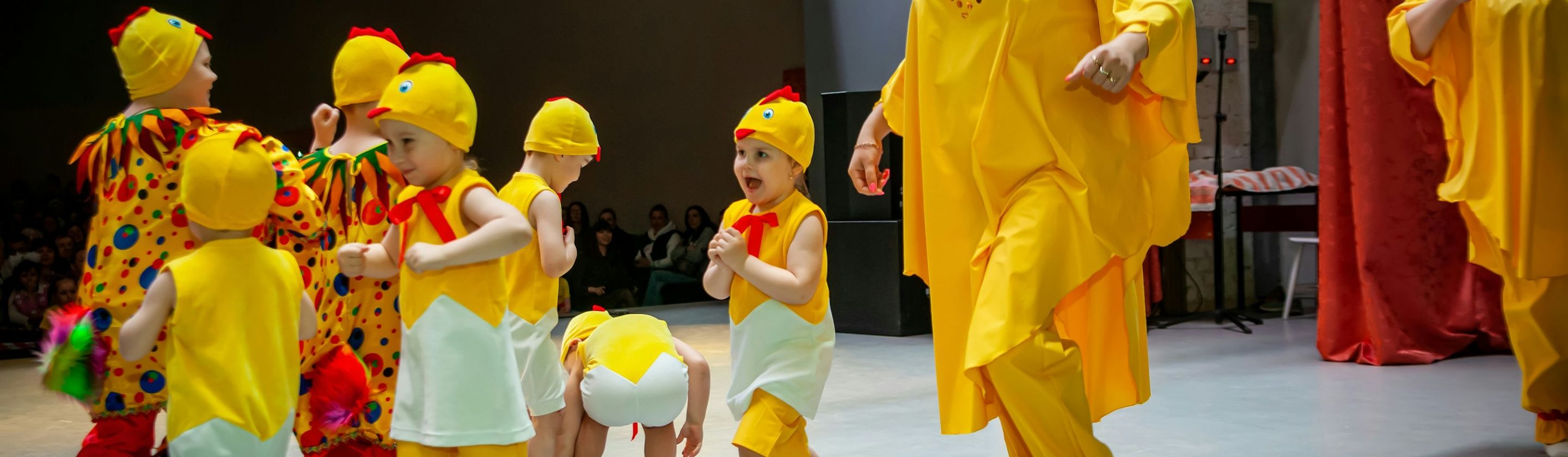
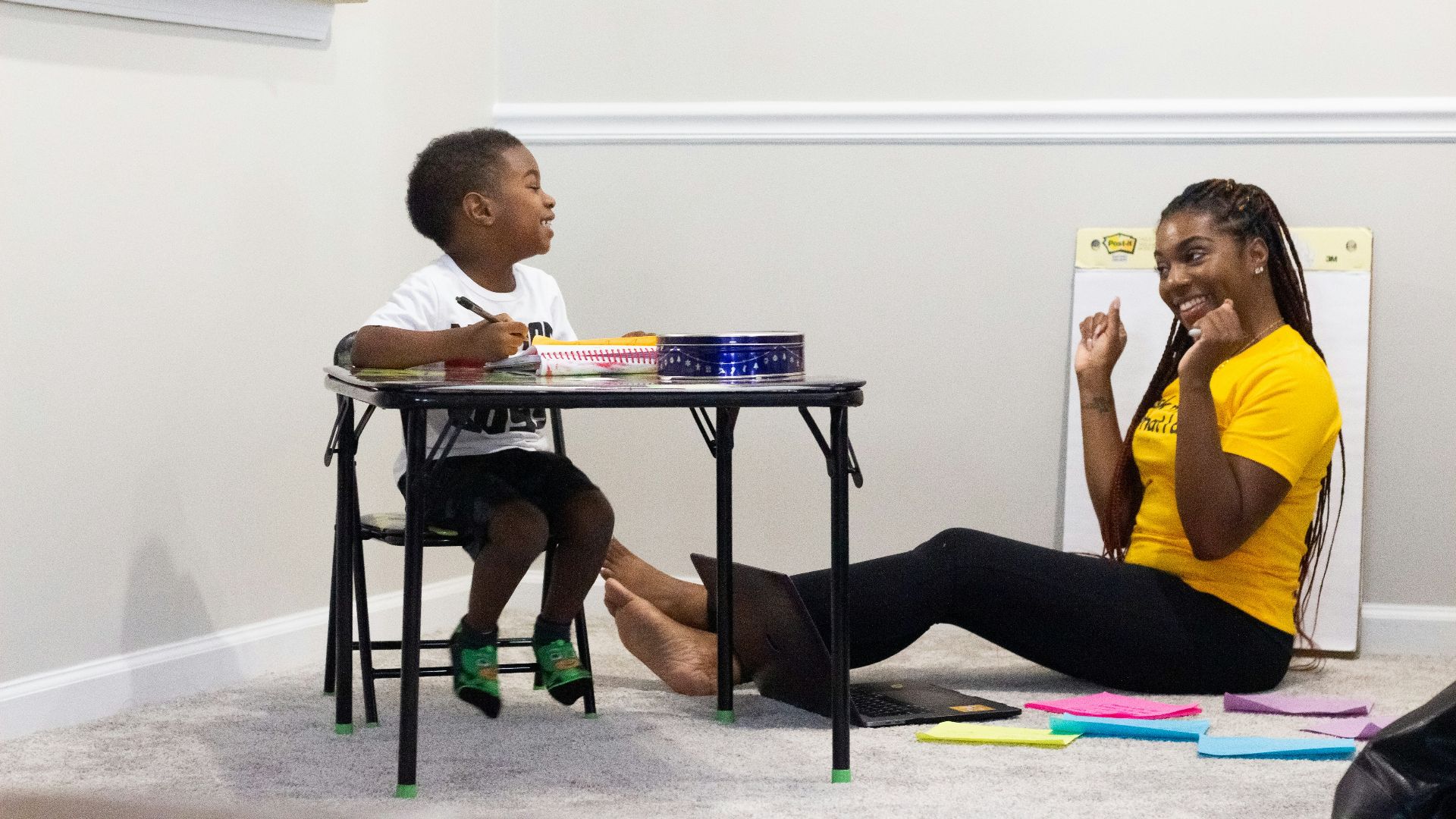
School concerts, plays, and ceremonies can involve crowded parking lots, long waits, and uneven performances. Parents still show up because children often remember that support long after the event itself ends. Feeling encouraged during small milestones helps build confidence.
11. Having Difficult Conversations
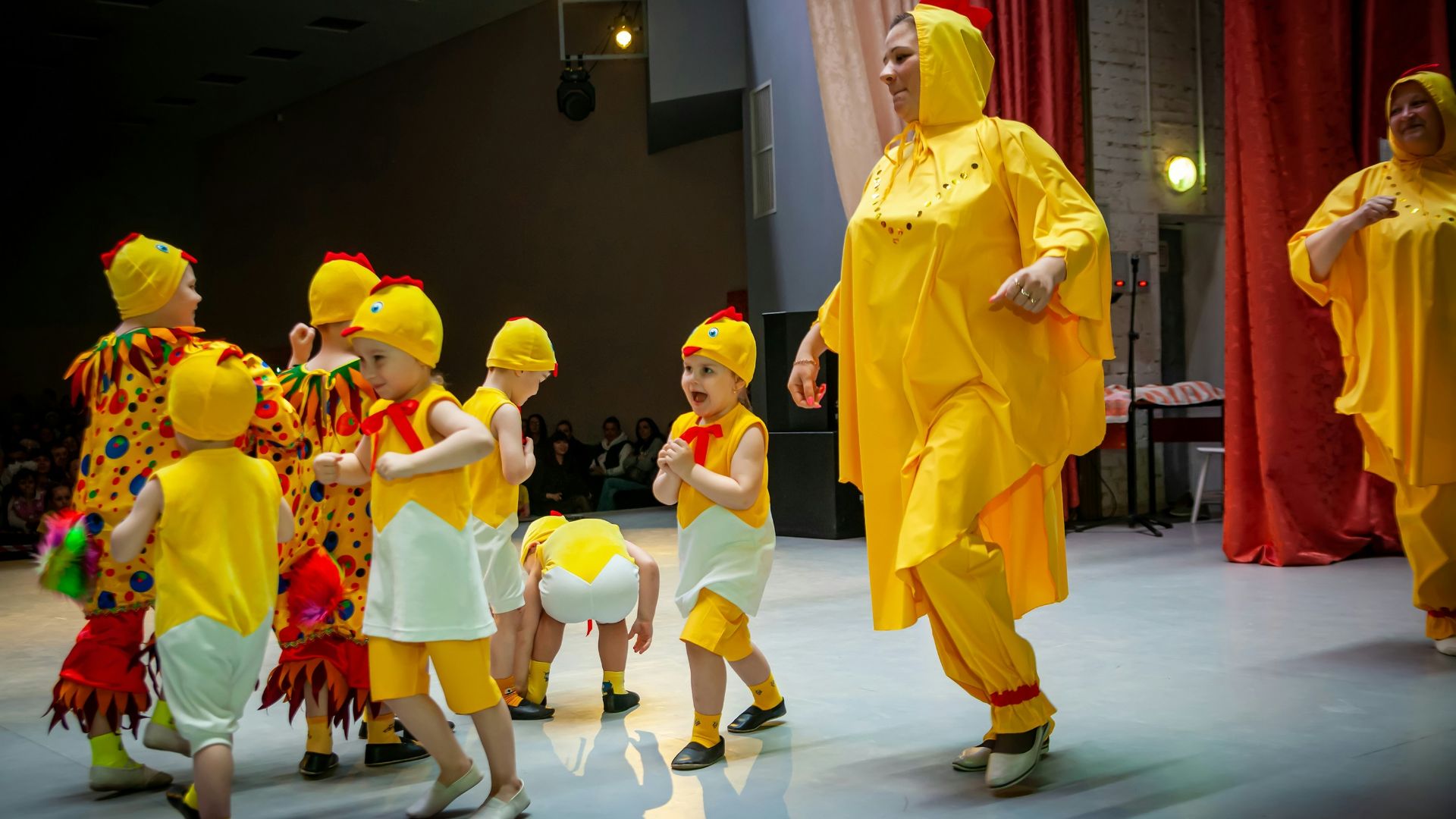
Conversations about friendship problems, bullying, mental health, or growing up can feel uncomfortable for everyone involved. Many parents worry about saying the wrong thing during serious discussions. Honest communication helps children feel safer asking for guidance later in life.

12. Cleaning Constant Messes
Toys on the floor, dishes in the sink, and endless laundry can make parenting feel like nonstop cleanup. The work often feels repetitive because the mess returns almost immediately. Busy homes usually reflect active childhoods filled with learning and play.
13. Encouraging Kids After Failure
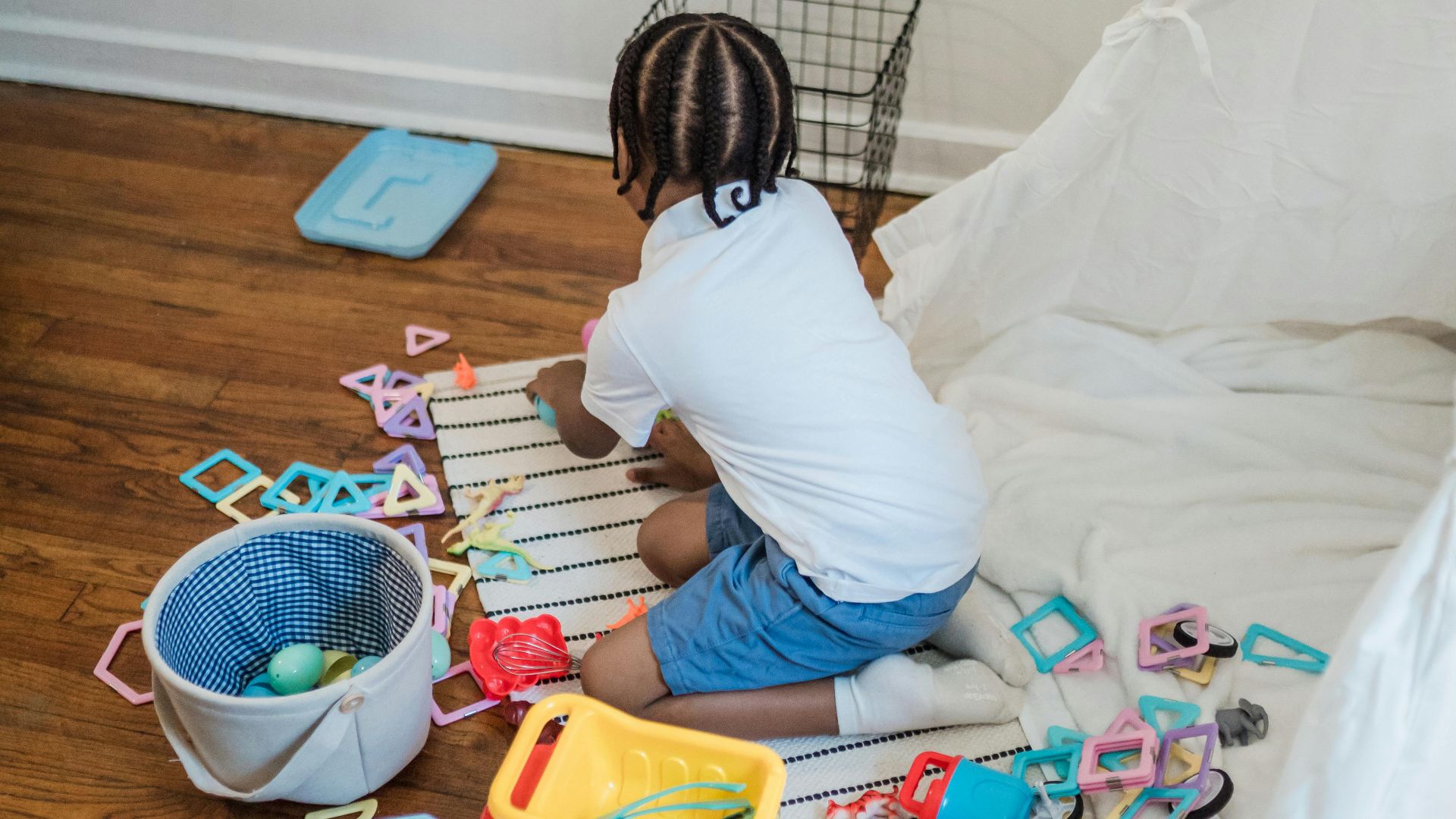
Children don't always win games, pass tests, or succeed socially right away. Supporting them through disappointment can be emotionally draining because parents naturally want to protect them from pain. Encouragement during setbacks helps build resilience and self-confidence.
14. Watching Them Become More Independent
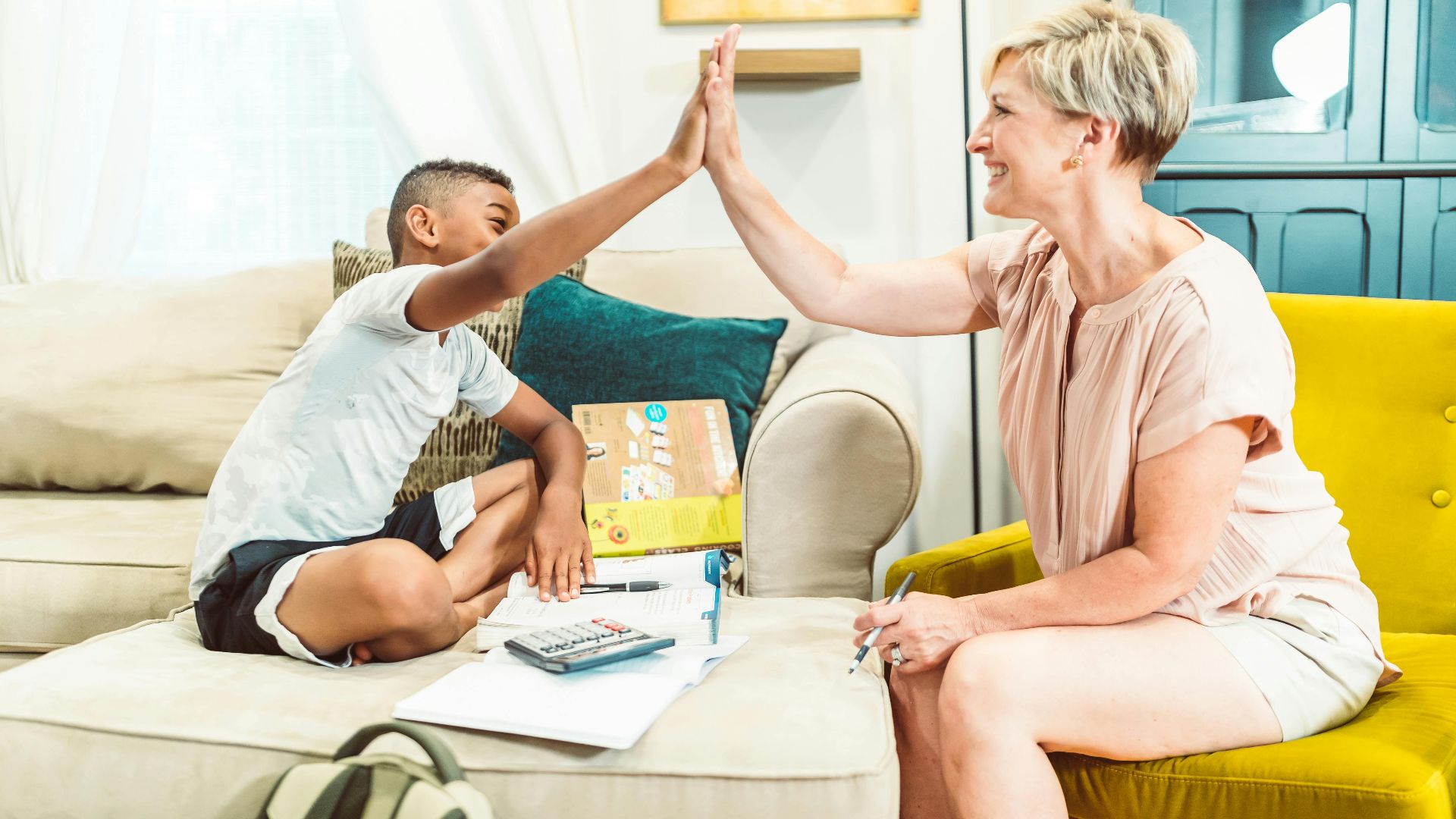
As children grow older, they slowly need parents less for everyday tasks and decisions. That transition can feel emotionally confusing, even while parents know independence is healthy. Giving children space to grow helps prepare them for adulthood.

15. Setting Rules They Dislike
Children rarely enjoy boundaries involving screen time, chores, homework, or curfews. Parents often become the target of frustration when enforcing rules consistently. Structure and accountability still help children develop self-discipline and emotional stability.

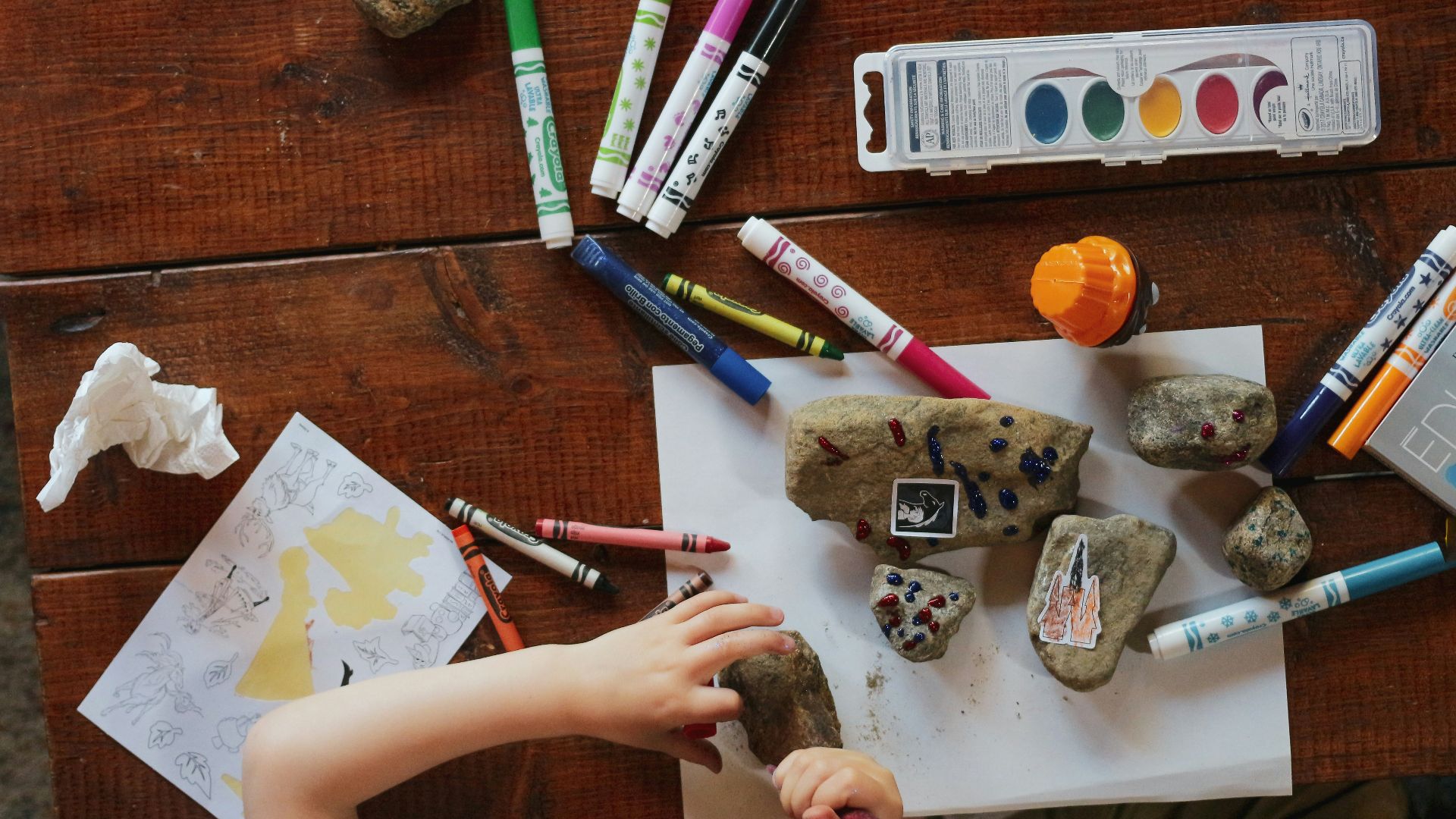
16. Supporting Their Hobbies
Kids sometimes jump between hobbies quickly, which can leave parents juggling schedules, equipment, and changing interests. Even when activities don't last long, encouragement helps children explore confidence and creativity. Feeling supported matters more than mastering every skill.
17. Handling Sibling Arguments
Sibling conflicts can become loud, emotional, and repetitive very quickly. Parents often feel like referees trying to settle the same disagreements repeatedly. Learning conflict resolution inside the family helps children develop communication and compromise skills.
 Jelleke Vanooteghem on Unsplash
18. Comforting Them After Nightmares
Being woken up in the middle of the night by a scared child can leave parents exhausted the next morning. Children often seek reassurance because fear feels very real to them in those moments.

19. Celebrating Small Achievements
Children often feel incredibly proud of accomplishments that adults may consider minor or routine. Parents clap for drawings, school projects, or tiny milestones because encouragement matters during development. Feeling recognized helps children build confidence and motivation.

20. Saying Goodbye At Milestones
The first school day, graduation, moving out, or starting new chapters can feel emotional and overwhelming for parents. These moments often arrive faster than expected after years of daily routines and chaos.
 Oluwaseyi Akinlolu on Unsplash