
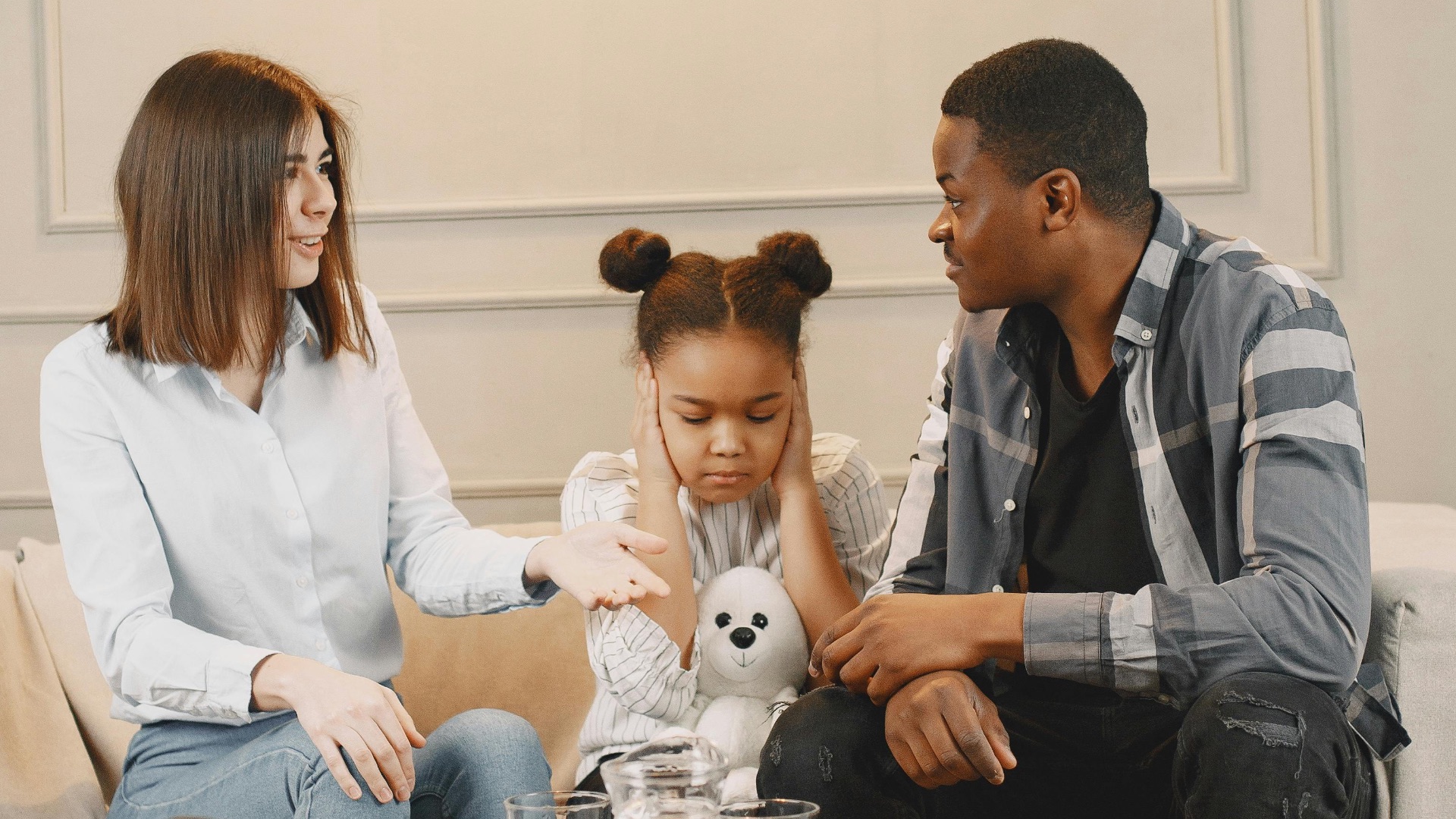
When you're caught up in yet another heated argument, it can be easy to decide in the moment that a split is the answer. But divorce is one of the most significant transitions a family can go through, and its effects on children are far-reaching and often long-lasting. While every family's situation is different, the research consistently shows that parental separation can shape a child's development in ways that extend well into adulthood. Without understanding these effects, the toll it can take on everyone can be worse than you might anticipate.
It's worth noting that not all outcomes are negative, and context matters enormously; a high-conflict household that stays together can sometimes be more damaging than a peaceful separation. That said, there are common patterns that tend to emerge when children grow up in the aftermath of divorce, and being aware of them is the first step toward addressing them thoughtfully.
The Emotional and Psychological Impact
One of the most immediate consequences of divorce is the emotional toll it takes on children. Feelings of sadness, confusion, and even guilt are extremely common, particularly in younger kids who may not fully understand why the family structure is changing. According to the American Psychological Association, children of divorce are more likely to experience behavioral problems, loneliness, and depression compared to those raised in intact families.
As children get older, those emotions can evolve into more complex psychological patterns. Adolescents, in particular, may struggle with issues related to identity and self-worth, often questioning where they belong or feeling caught between two households. Without proper emotional support, these unresolved feelings can carry into adulthood and affect everything from career confidence to how they handle conflict in relationships.
The good news is that the presence of even one stable, supportive adult in a child's life can serve as a significant protective factor. Children who have consistent access to a caring parent, grandparent, or counselor tend to show greater resilience over time. Open communication at home, where kids feel safe expressing their emotions without fear of judgment, also plays a major role in helping them process the changes around them.
Effects on Academic Performance and Social Development
Divorce can disrupt a child's academic life in ways that aren't always immediately visible. The stress of adjusting to new living arrangements, changing schools, or navigating different household rules can make it difficult for children to focus. Research has found that children from divorced households tend to have lower academic achievement on average, though it's important to note that this varies widely depending on the level of parental involvement and conflict in the home.
Socially, children of divorce sometimes struggle with peer relationships, particularly if they feel embarrassed or different from their classmates. They may withdraw from friendships or, conversely, act out in social settings as a way of coping with instability at home. Teachers and school counselors who are aware of a child's home situation are often better equipped to offer targeted support and early intervention.
The transition between two homes can also fragment a child's routine, which is something that's deeply tied to a sense of security at this stage of development. Predictable schedules, consistent rules across both households, and strong co-parenting communication can help cushion the disruption. When parents manage to maintain a cooperative relationship after separation, children's social and academic outcomes tend to improve significantly.
Long-Term Effects on Relationships and Adult Life
The influence of divorce doesn't stop at childhood, either; in fact, it often shapes how people approach relationships well into their adult years. Studies have shown that adults who experienced parental divorce are statistically more likely to experience relationship instability themselves, including higher rates of divorce in their own marriages. This isn't inevitable, and it doesn't mean every connection you form is doomed to fail, but it does point to the importance of addressing attachment and trust issues early on.
That shouldn't come as a surprise. After all, children who grew up watching their parents separate may carry certain beliefs about commitment and love that weren't explicitly taught to them. They might find it harder to trust partners, struggle with vulnerability, or feel a persistent fear of abandonment that surfaces during moments of conflict. Therapy and open conversations about healthy relationships, both during childhood and in adulthood, can go a long way toward breaking these cycles, but some may still find it difficult to break out of those ingrained expectations.
On a more practical level, divorce can also have financial implications for children that follow them into adulthood. Households that were once dual-income often become stretched, which can affect access to education, extracurricular opportunities, and even housing stability. It just goes to show that divorce isn't always a clean answer, even if a split feels necessary. At the end of the day, parents will need to think about what's the best path to take, so that they don't rob their children of a healthy childhood.