
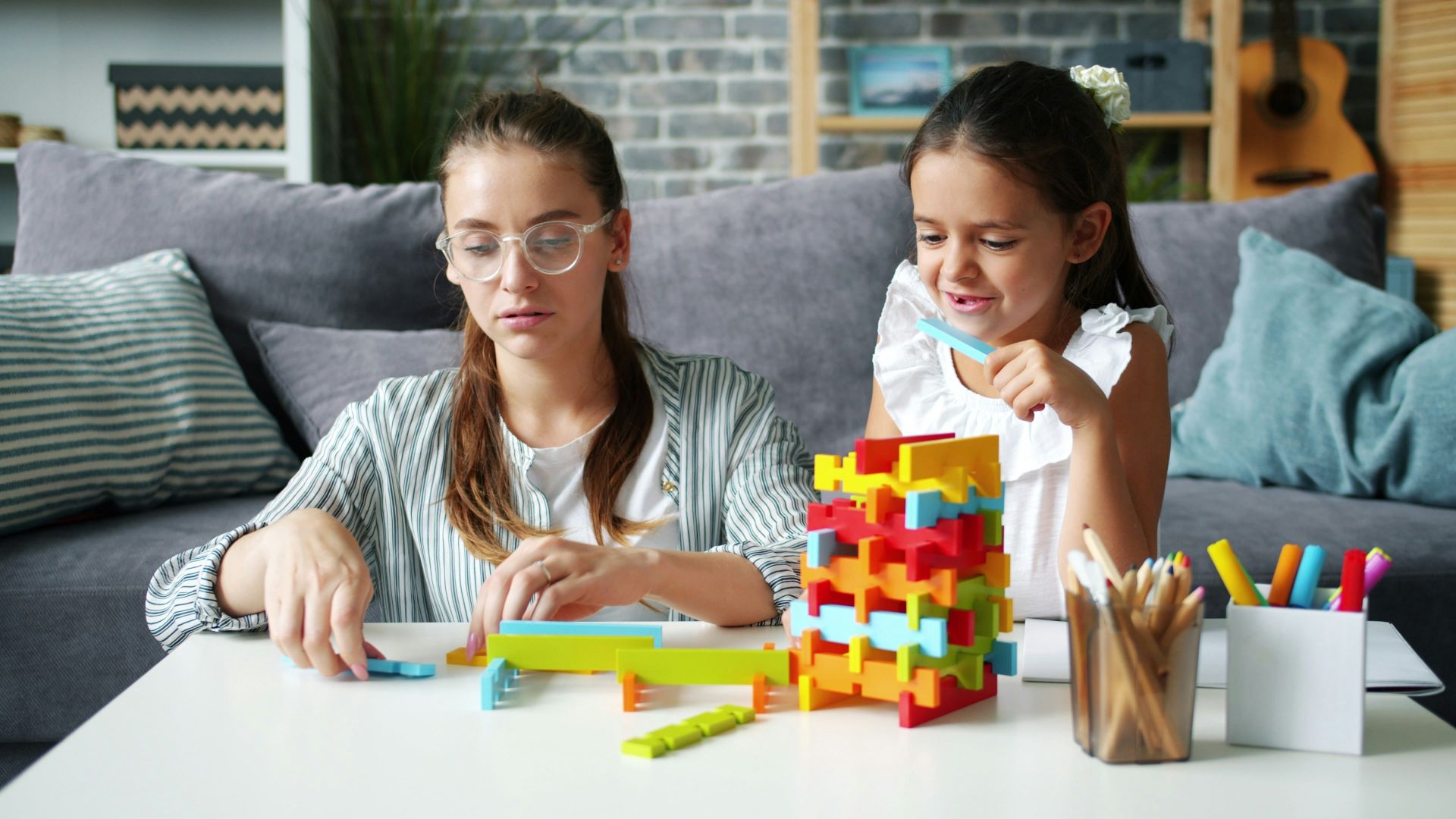
Modern parenting often becomes heavily focused on schedules, responsibilities, and productivity. Between work obligations, school routines, household management, and digital distractions, many adults slowly stop engaging in activities that feel playful or spontaneous. Over time, play starts to seem like something children need, while adults are expected to move from one obligation directly into the next. That gradual shift can leave parents emotionally drained without fully realizing why everyday life feels so repetitive and exhausting.
Researchers in child development and psychology have consistently found that play supports emotional regulation, creativity, social bonding, and stress reduction in people of all ages. Children naturally seek out playful experiences because those activities help them learn and process emotions, but adults benefit from many of the same effects. Relearning how to play can help parents feel more emotionally balanced while also strengthening family relationships in meaningful ways. It also reminds adults that enjoyment and relaxation still deserve a place in daily life, even after responsibilities increase.
Play Helps Parents Recover From Chronic Stress
Modern adult life rarely leaves much room for unstructured enjoyment. Many parents feel pressure to stay productive even during free time, which can make genuine relaxation surprisingly difficult to achieve. Play interrupts that cycle because it encourages people to focus on enjoyment instead of constant performance or efficiency. Activities that seem simple on the surface often create emotional relief precisely because they don't involve pressure to succeed or accomplish something measurable.
Some health organizations have repeatedly linked chronic stress to sleep disruption, anxiety, irritability, and physical health concerns. Engaging in playful activities can help lower stress levels because laughter, movement, creativity, and social connection encourage the release of mood-supporting chemicals such as dopamine and endorphins. Even simple activities like tossing a ball around or building a pillow fort can create measurable emotional relief.
Play doesn't have to be expensive, elaborate, or highly energetic to matter. Many adults mistakenly assume meaningful recreation requires carefully planned outings or structured hobbies that take large amounts of time. In reality, short and low-pressure moments of playfulness often provide the greatest emotional reset because they remove expectations of achievement altogether.
Shared Play Strengthens Parent-Child Relationships
Children often feel most emotionally connected to adults during relaxed moments of shared attention. Developmental psychologists have long emphasized that playful interaction supports secure attachment because it creates positive emotional experiences without pressure or criticism. Kids tend to remember moments of genuine engagement far more vividly than perfectly organized schedules or expensive activities.
Play also creates opportunities for communication that feel more natural and less intimidating for children. A child who struggles to talk openly during direct conversations may become far more expressive during imaginative games, creative projects, or physical activities. Parents frequently learn about their children's fears, interests, humor, and emotional concerns while casually playing together. Those conversations happen more comfortably because children usually feel safer opening up in relaxed environments.
Shared play shifts family interaction away from correction and discipline for a while. Much of parenting involves managing routines, solving problems, enforcing rules, and helping children navigate responsibilities. Playful experiences create balance by allowing both parents and children to simply enjoy one another's company without constant instruction or conflict. This balance becomes especially important during stressful periods when family life starts feeling overly structured or emotionally tense.
Play Encourages Creativity And Emotional Flexibility
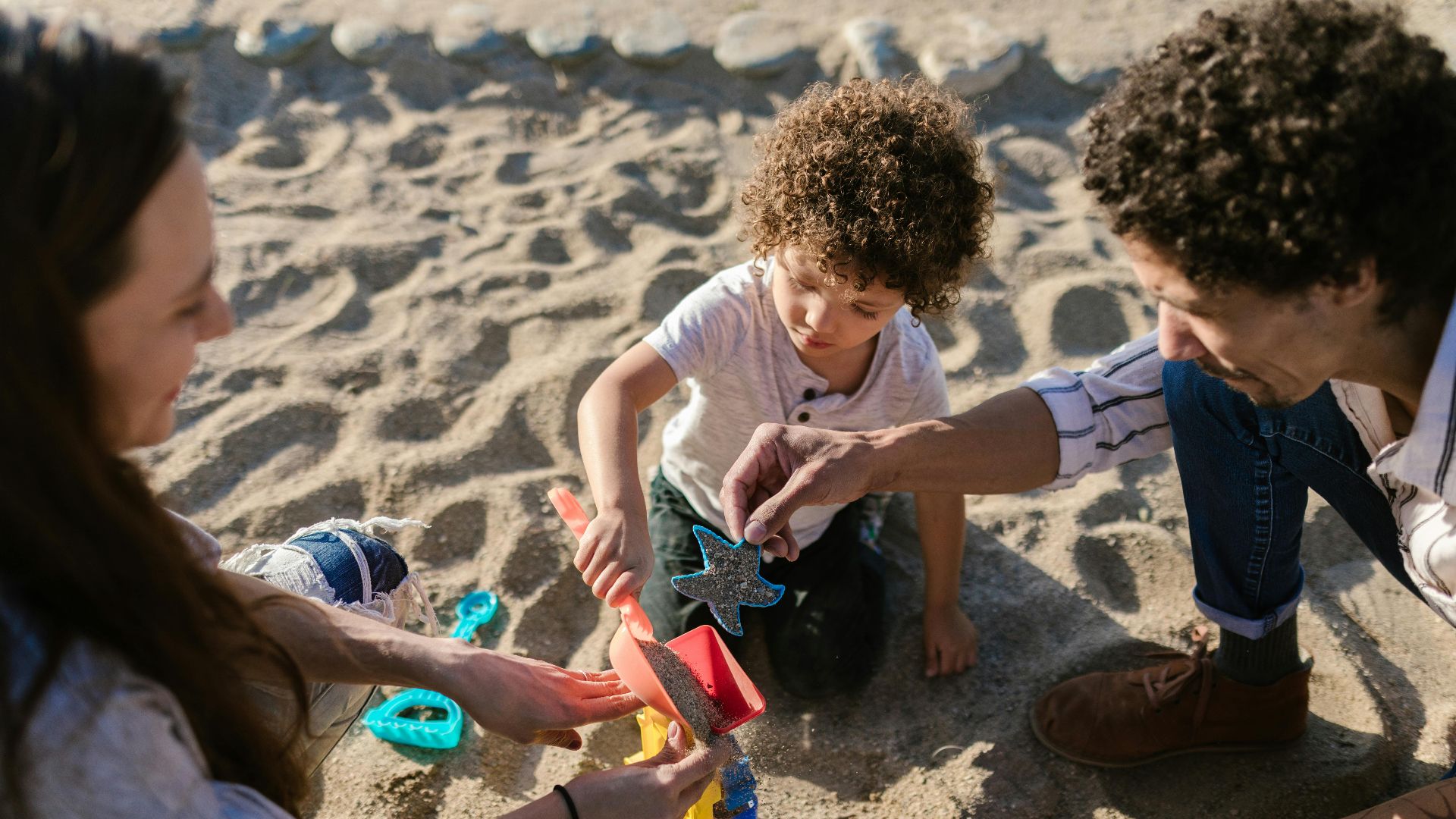
Many adults slowly lose touch with imaginative thinking as responsibilities increase throughout life. Work environments often reward efficiency, structure, and measurable productivity, which can make creativity feel unnecessary outside childhood. Reintroducing play helps challenge that mindset by encouraging experimentation without fear of failure or embarrassment.
Creative activities support cognitive flexibility, which refers to the brain's ability to adapt to changing situations and perspectives. Games, storytelling, music, art, and improvisation encourage adults to think in less rigid ways while strengthening problem-solving skills. Researchers studying healthy aging have also found that mentally stimulating recreational activities may support long-term cognitive health.
Play additionally teaches emotional flexibility, which becomes especially valuable during difficult parenting situations. Children are unpredictable, and daily routines rarely unfold exactly as planned, so parents benefit from learning how to adapt calmly when circumstances shift unexpectedly. A playful mindset encourages patience, humor, and resilience instead of immediate frustration when things go wrong.
Making room for play doesn't require dramatic lifestyle changes or perfectly organized family activities. It often begins with small choices, like putting away distractions for an hour, joining a pretend game, or allowing yourself to enjoy something simply because it's fun. In the long run, those moments strengthen emotional health for both parents and children while reminding families that connection matters just as much as productivity.