
Home Leaves Clues
Most of us like to think we invented ourselves from scratch. Then we hear ourselves answer the phone like our mother, avoid conflict like our father, or clean the kitchen in the exact order someone taught us when we were eight. Families shape us in ways that are obvious, strange, tender, and sometimes annoying. The little habits that seemed normal at home often become the patterns we carry into everything else. Here are 20 family habits that may explain more about you than you realize.

1. How Your Family Handled Silence
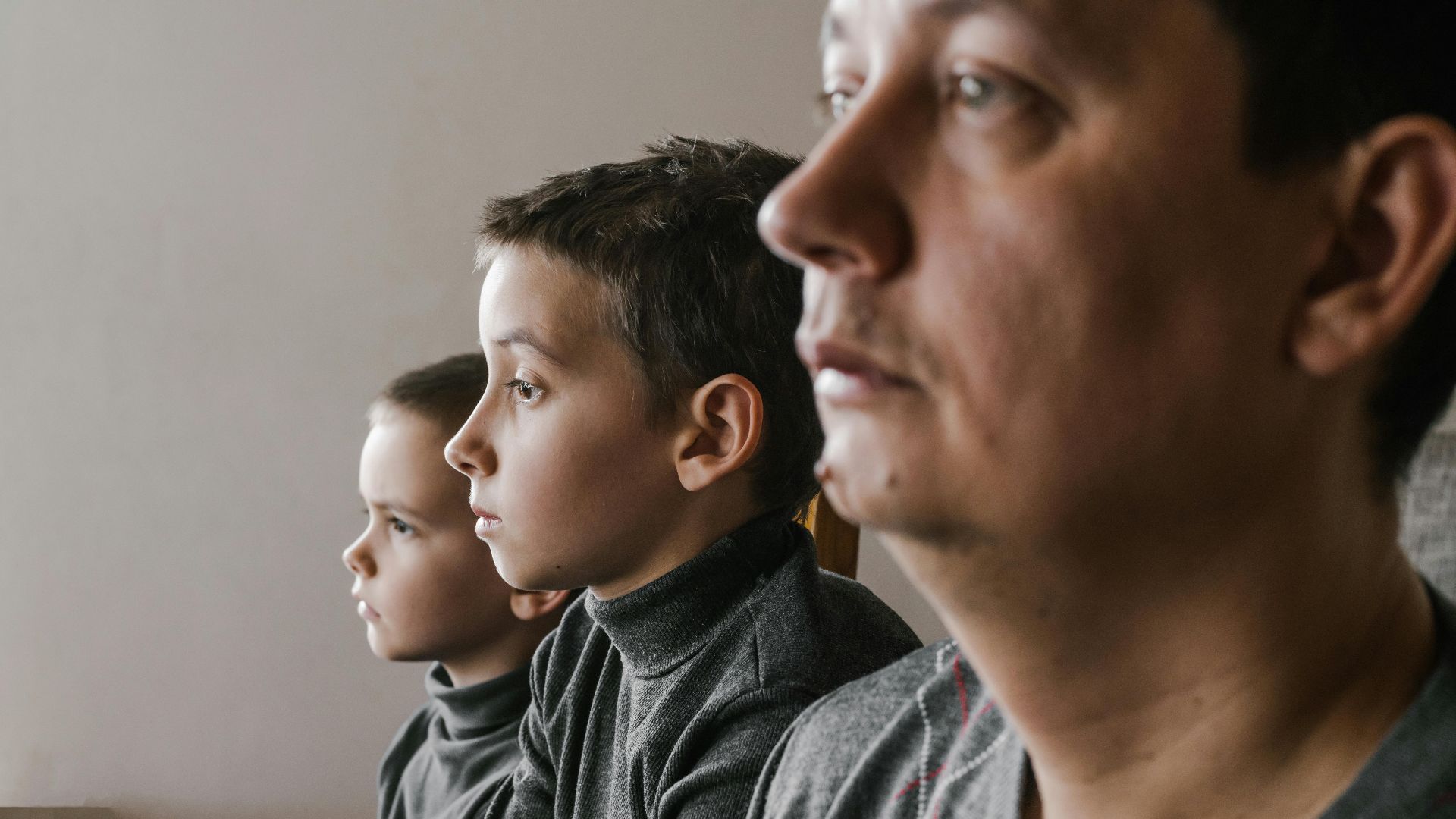
Some families treat silence as peaceful. Others treat it like a warning light on the dashboard. If you grew up in a home where quiet meant someone was upset, you may still feel the need to fill every pause before it gets uncomfortable.
2. How People Apologized
A family apology can be direct, awkward, generous, or completely missing. Some people grew up hearing clear apologies, while others got a plate of cut fruit, a ride to school, or normal conversation after three days of tension. That teaches you whether repair feels easy or almost impossible.

3. How Money Was Discussed
Every family has a money mood. Maybe it was secretive, anxious, practical, showy, or treated like something children should never ask about. Those early signals can shape whether you spend freely, save nervously, or feel guilty either way.

4. How Your Family Greeted Guests
Some homes become a full production the second someone comes over. Others barely look up from the couch. The way your family welcomed people may explain why you either over-host everyone with snacks and fresh towels or feel suspicious when plans require more than opening the door.
 Filip Rankovic Grobgaard on Unsplash
5. How Conflict Showed Up
Maybe conflict in your house was loud and quick. Maybe it was quiet and icy. Maybe everyone pretended nothing happened until the air got heavy enough to lean on. Whatever version you grew up with probably taught you whether disagreement feels normal, dangerous, or something to dodge at all costs.

6. How Food Was Treated
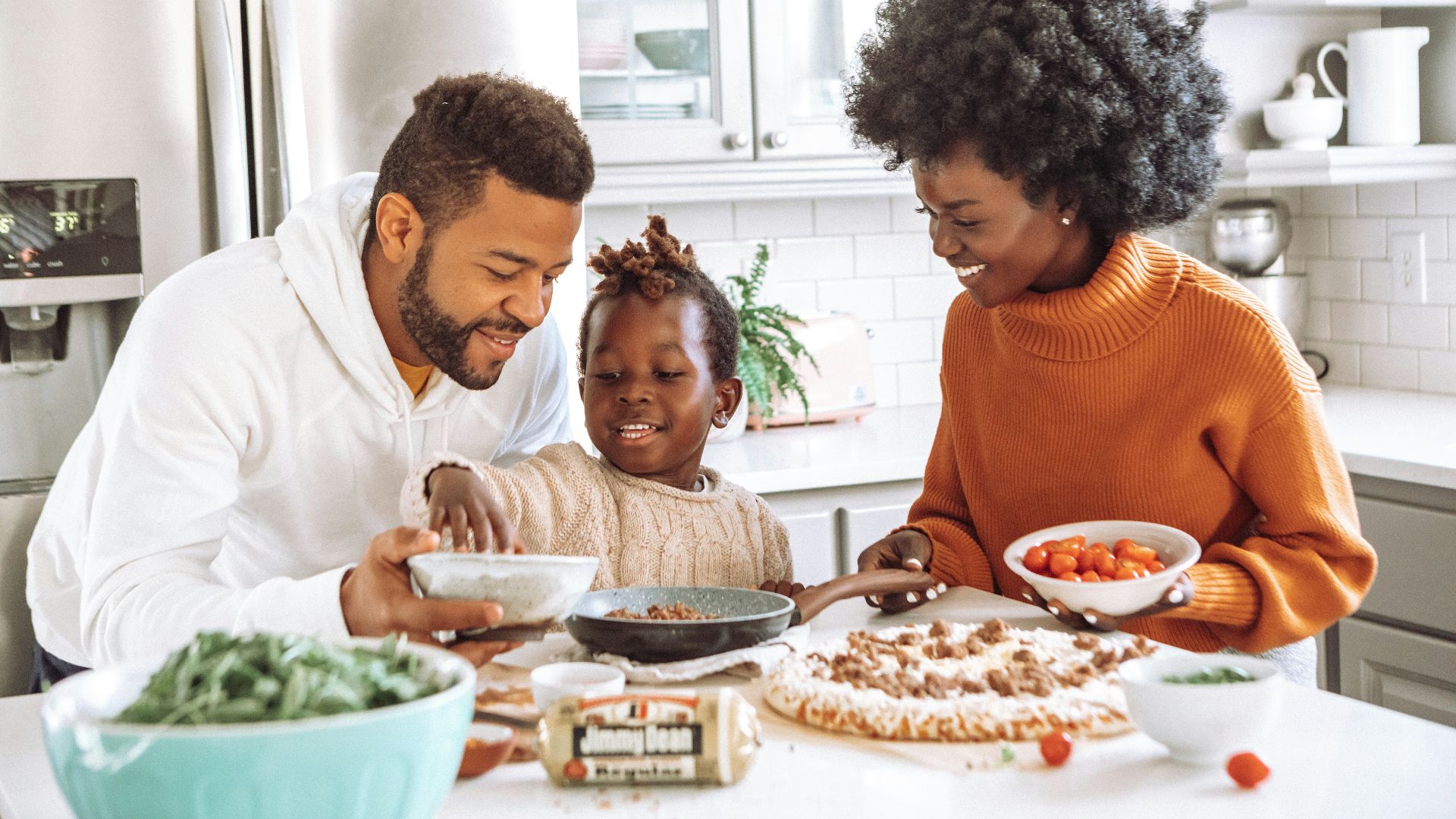
Food can mean comfort, control, celebration, stress, or duty. Some families talk through everything at the table, while others eat quickly and scatter. Your relationship with meals may carry the emotional weather of the kitchen you grew up in.
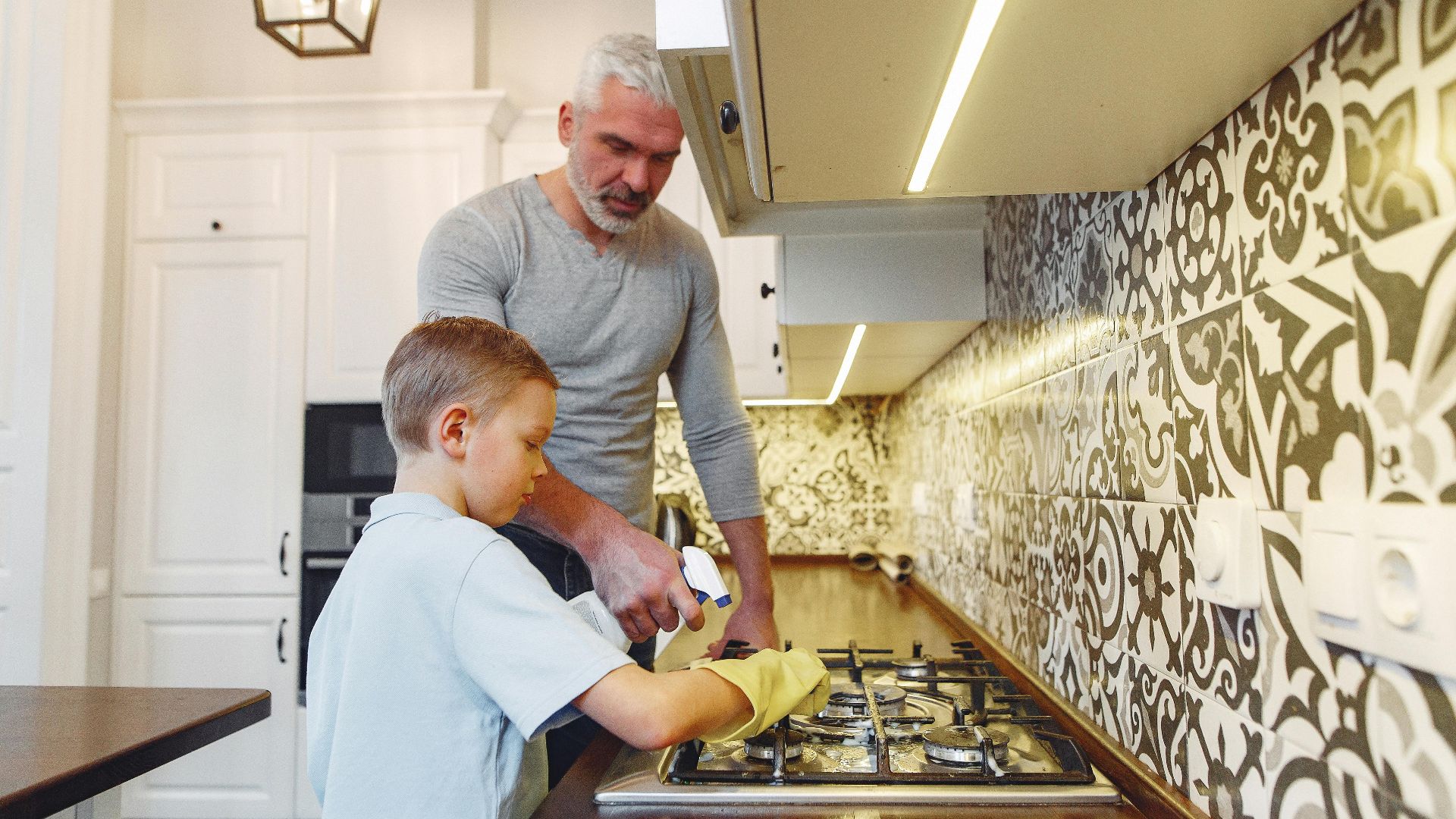
7. How Chores Were Assigned
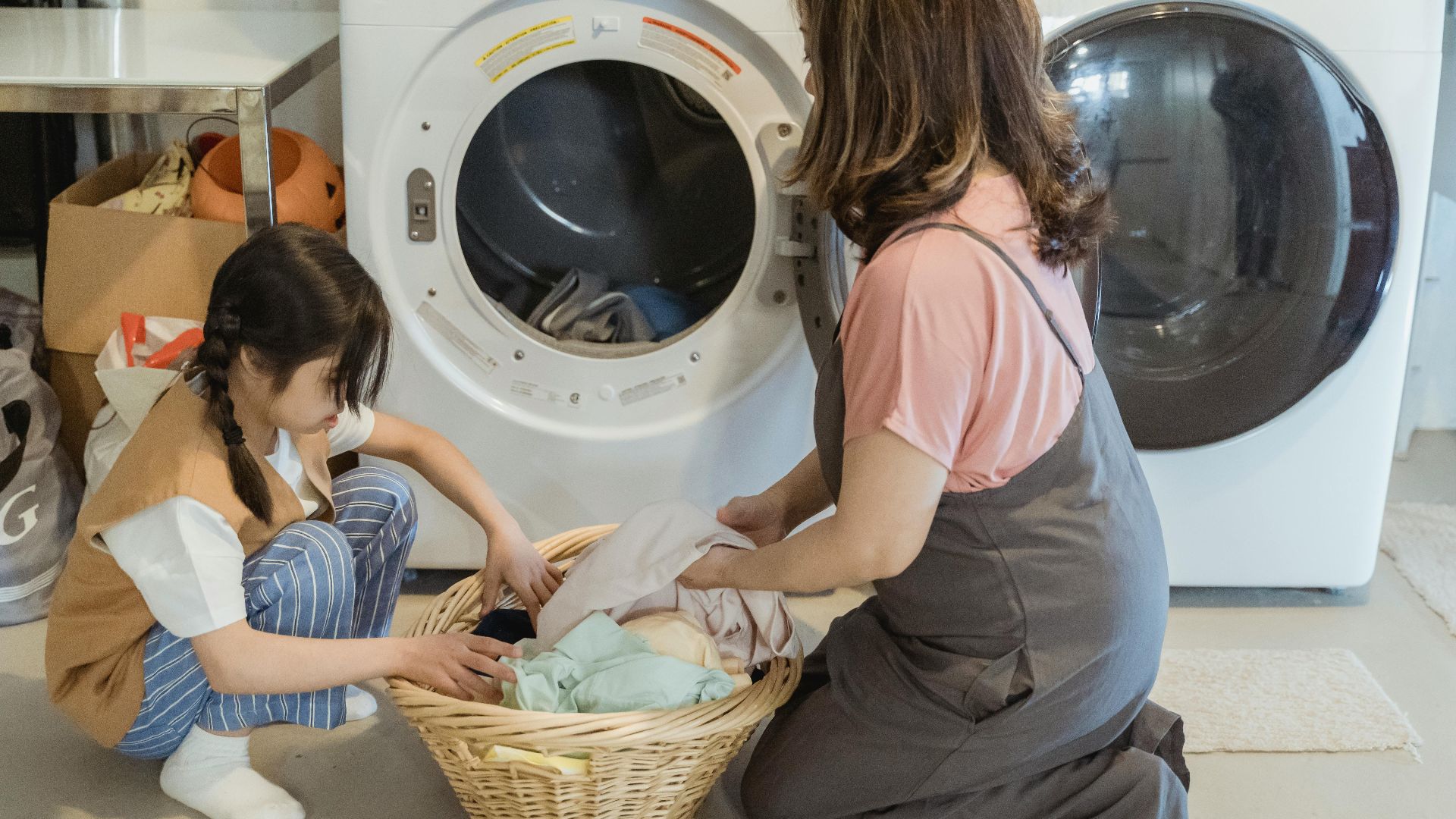
In some families, chores were a shared routine. In others, one person quietly did everything while everyone else stepped around the laundry basket. That kind of pattern can teach you a lot about responsibility, resentment, fairness, and what you expect from the people you live with.
8. How Birthdays Were Celebrated
Birthdays can be a big deal, a small dinner, or a day everyone forgets until the last minute. If your family made you feel seen, you may expect celebration without shame. If they did not, attention can feel oddly uncomfortable, even when you want it.
 Russell Sutherland on Unsplash
9. How Emotions Were Named
Some families talk about feelings with ease. Others only recognize anger, tiredness, and being fine. If no one helped you name what was happening inside you, it makes sense if adulthood involved building that vocabulary from scratch.
10. How Phone Calls Were Handled
This sounds small, but it matters. Some families answer every call, call back quickly, and treat missed calls as minor emergencies. Others let the phone ring into the void. That may explain why a simple text can feel like either a lifeline or a demand.

11. How Success Was Measured
Every family keeps score somehow. For some, it is grades, income, discipline, popularity, faith, beauty, talent, or not causing trouble. Even if you reject the old scoreboard, you may still catch yourself trying to win a game you no longer believe in.
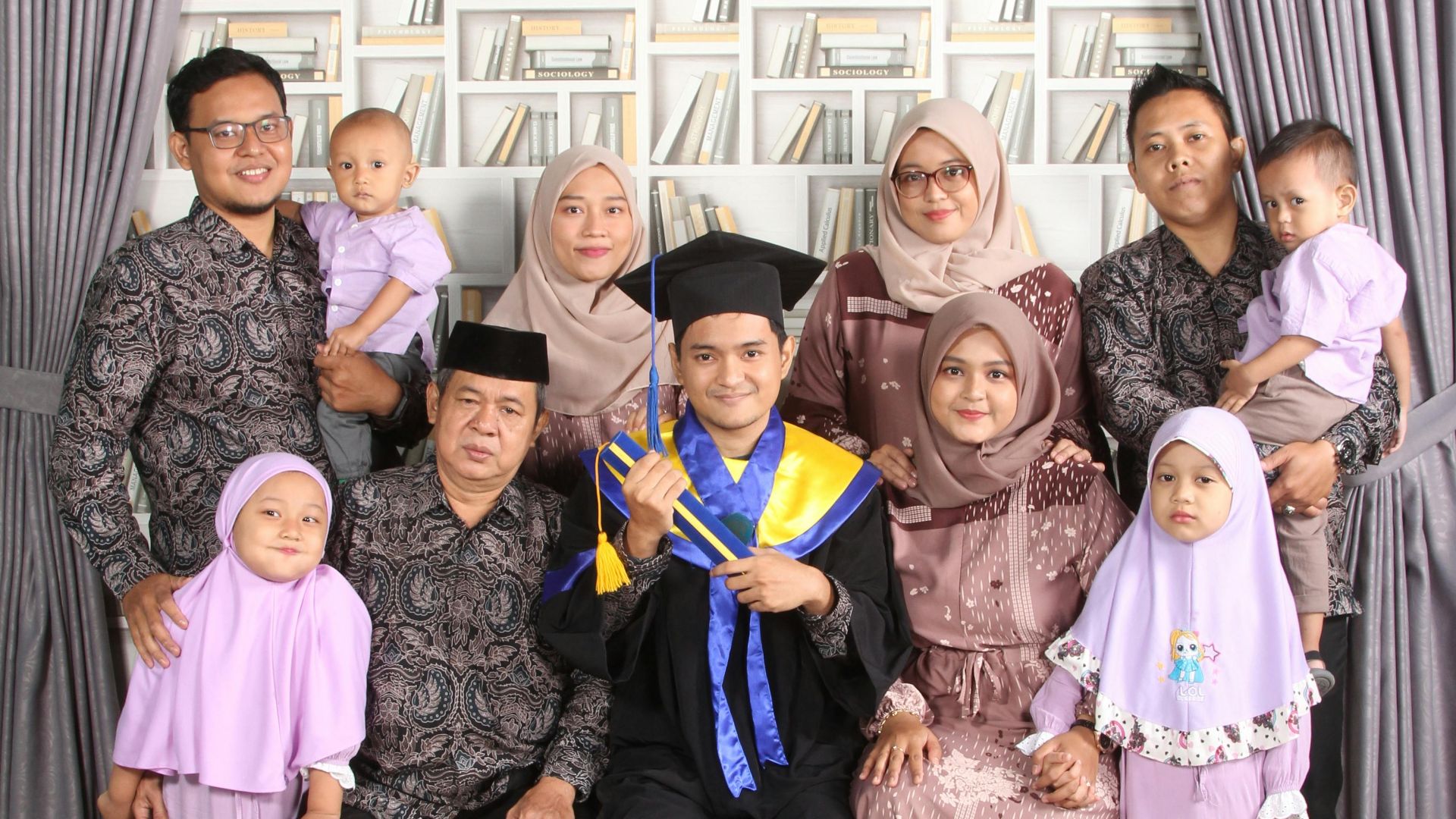
12. How Help Was Offered
In some homes, people help before being asked. In others, asking for help feels like admitting defeat. That early training can shape whether you accept support naturally or insist you are fine while clearly carrying six bags and a grudge.
13. How Privacy Was Respected
Some families knock before entering. Some do not believe in closed doors. If privacy was treated as secrecy, you may still feel guilty for needing space, even when all you want is an hour without being perceived.

14. How The House Sounded
A home has a soundtrack. It might be television in every room, music while cooking, shouting from upstairs, constant conversation, or a low hum of quiet. That background noise can shape what feels calming now and what makes your nervous system brace.

15. How Decisions Were Made
Some families vote, discuss, and explain. Others have one person who decides and everyone else adjusts. Growing up around that can affect whether you trust your own preferences or automatically scan the room to see what everyone else wants first.

16. How Anger Was Expressed
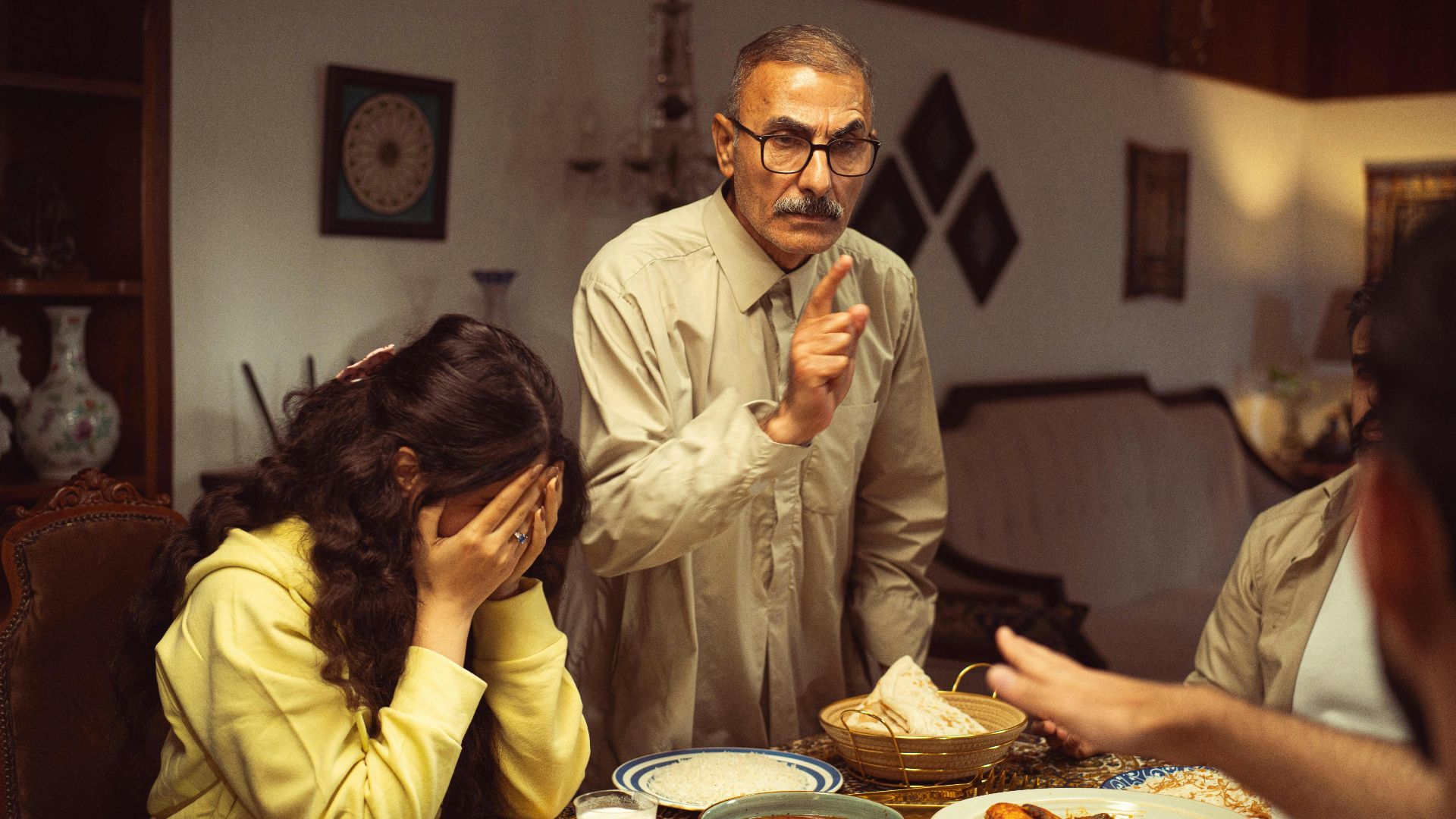
Anger can come out as yelling, sarcasm, door slamming, lectures, jokes, or total withdrawal. When you are a kid, you learn not just what anger looks like, but what it costs. Later, you may either fear it, copy it, or spend years trying to do it differently.

17. How Work Was Talked About
Some families treat work as survival. Some treat it as identity. Some talk about jobs with pride, exhaustion, resentment, or constant worry. That can shape whether you see rest as normal or something you have to earn by being useful first.

18. How Affection Was Shown
Not every family says love out loud. Some show it by fixing your car, saving you leftovers, checking the weather before you drive, or asking too many questions. If affection came disguised as practicality, you may still miss care when it arrives in a softer form.

19. How Mistakes Were Handled
Mistakes are either part of learning or evidence in a family trial. If every slip became a lecture, you may have learned to hide things before you learned to fix them. If mistakes were met with patience, you probably had more room to become honest with yourself.

20. How Leaving The House Felt
The way people say goodbye matters. Some families linger at the door, wave from the driveway, and ask for a text when you arrive. Others treat leaving as routine. That rhythm can follow you into adulthood, shaping whether distance feels freeing, sad, guilty, or all three at once.