20 Things Only The Least Favorite Child Notices
Small Slights Add Up
Being the least favorite child is rarely announced out loud. It usually shows up in little patterns that everyone else can explain away. One sibling gets patience, another gets suspicion. One mistake becomes a family story, while someone else’s worse behavior quietly disappears by dinner. If you grew up feeling like the odd one out, you probably learned to notice the small stuff early. Here are 20 things only the least favorite child notices.

1. The Different Tone
You can hear it before anyone says anything meaningful. The same parent who sounds warm and curious with your sibling can sound tired by the time they turn to you. It is not always cruel, but the shift is clear enough that you learn to brace for it.

2. The Extra Patience Someone Else Gets
Your sibling can explain, stall, forget, or mess up, and people will wait for the full story. When you do the same thing, the verdict arrives fast. You notice that some people are allowed to be complicated while you are expected to be simple.

3. The Way Your Mistakes Last Longer
Everyone makes mistakes in a family. The difference is that yours seem to stay in circulation. A bad grade, a sharp comment, or one dramatic teenage moment can follow you for years, even after everyone else has been allowed to become someone new.

4. The Missing Curiosity
Least favorite children often get judged before they get understood. People ask what happened only after they have already decided what it means. Over time, you stop offering the full explanation because nobody seems especially interested in hearing it.

5. The Uneven Excuses
When another sibling snaps, they are stressed. When they forget something, they have been busy. When you do either one, it becomes a character flaw. You learn that excuses exist in the house, just not always for you.

6. The Family Stories That Flatten You
Every family has old stories, but some stories keep you trapped in one version of yourself. You become the difficult one, the dramatic one, or the one who always caused trouble. Even when the story is told as a joke, you can feel the old label being pressed back onto you.

7. The Praise That Comes With A Catch
Compliments can feel strangely conditional. Someone says you did well, then quickly reminds you not to get ahead of yourself. You learn to listen for the second sentence because that is where the real message usually lives.
8. The Celebrations That Feel Smaller
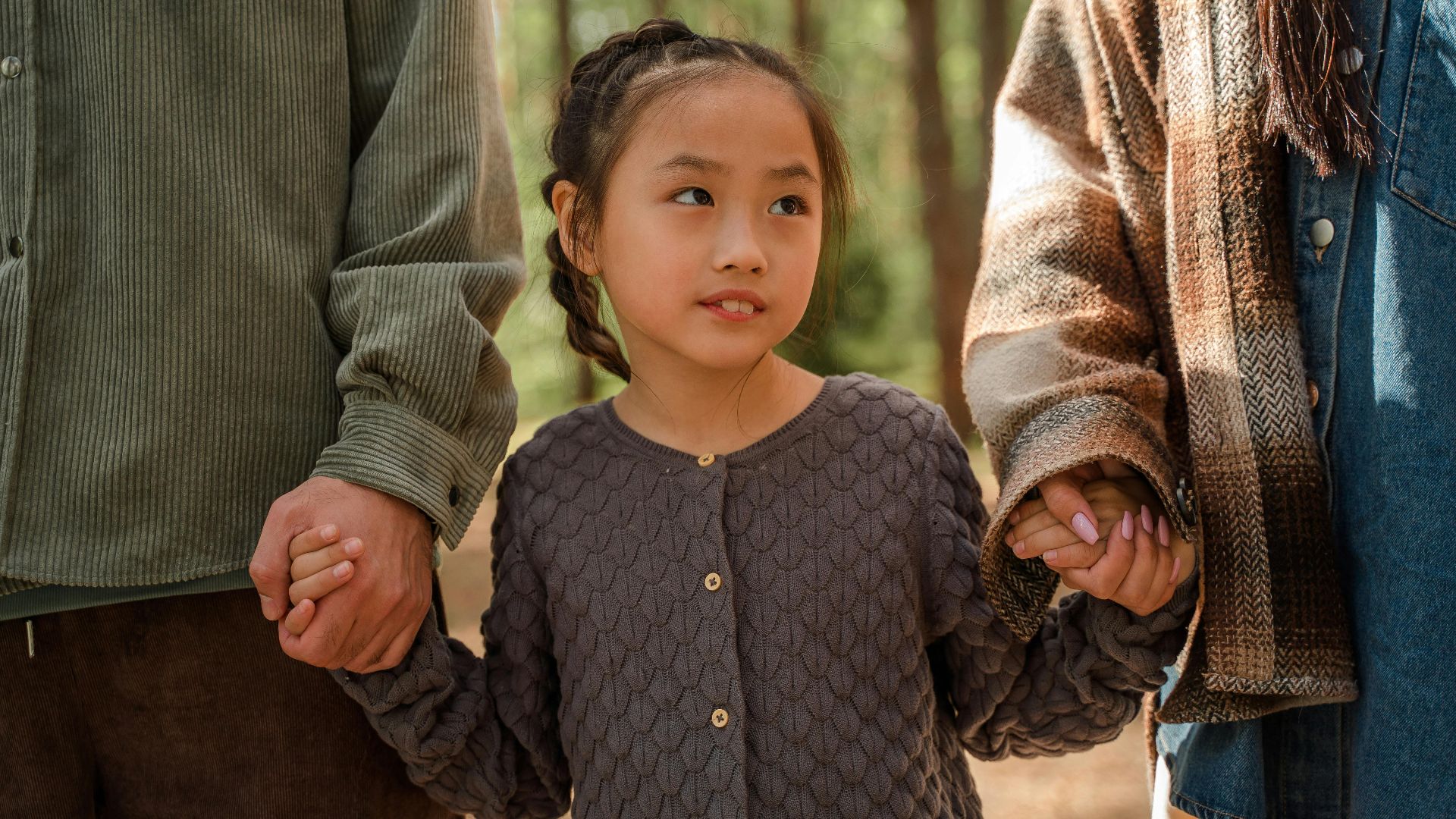
You notice when your good news gets a quick nod while someone else’s becomes a family event. Maybe your birthday dinner feels rushed. Maybe your achievement is mentioned after the main conversation has moved on. Nobody has to say it does not matter as much.

9. The Way You Get Assigned Blame
In some families, blame has a favorite landing place. If the mood turns bad, your name comes up fast. Even when you had very little to do with the problem, people look your way like they are following an old habit.
 Ernst-Günther Krause (NID) on Unsplash
10. The Careful Performance
You learn to manage yourself in rooms where other people get to relax. Your face, voice, timing, and reactions all feel like things you need to control. One wrong tone can become proof of something everyone already wanted to believe.

11. The Sibling Who Can Do No Wrong
There is usually one person whose behavior gets translated kindly. They are passionate instead of rude. They are independent instead of selfish. Watching that translation happen again and again can make you feel like the family speaks two languages.

12. The Private Kindness
Sometimes a parent or relative is warmer when nobody else is around. That can be confusing, because it proves they are capable of tenderness. It also makes the public coldness harder to ignore.

13. The Unequal Rules
Rules are supposed to hold the family together, but they can reveal the family’s bias too. Your sibling gets flexibility, while you get a lecture. You may not even want special treatment; you just want the same room to breathe.

14. The Apology That Never Arrives
Least favorite children often become experts at moving on without closure. The family may expect you to forgive things nobody has named. After a while, you realize the apology is not delayed; it was never being prepared.

15. The Way Everyone Protects The Peace Except Yours
You may be asked to stay quiet so dinner does not get ruined. You may be told not to bring things up because someone else will get upset. The family peace matters a lot, but your peace is treated like a private problem.

16. The Surprise When You Succeed
Success can expose the old dynamic in a strange way. People may be proud, but also a little surprised. That surprise tells you something. Somewhere along the way, they built a smaller version of you in their heads.

17. The Habit Of Expecting Less
You notice when people assume you will be late, angry, careless, or difficult. Sometimes they make the assumption before you have done anything at all. It teaches you the exhausting skill of proving yourself from zero every time.

18. The Family Member Who Notices But Says Nothing
There is often someone who sees it. They may give you a look across the room or check on you later in a careful voice. Their silence can hurt almost as much as the behavior itself, because being witnessed is not the same as being defended.

19. The Relief Of Being Elsewhere
Other homes can feel shocking at first. A friend’s parent listens without turning it into a lesson. Someone asks a normal question and actually waits for the answer. That is when you realize your family’s version of normal was not the only version.

20. The Person You Became To Survive It
You may have become funny, quiet, hyper-independent, observant, or impossible to impress. None of that came from nowhere. Being treated as the difficult one often creates someone who reads the room fast, trusts slowly, and remembers every small shift in tone.