Raising bilingual children has become more common as families grow increasingly connected across cultures and countries. You might be motivated by heritage, opportunity, or simply the value of communication in a global world. Whatever the reason, the process isn’t as effortless as it may seem from the outside. It involves intention, patience, and a willingness to adapt along the way.
At the same time, research continues to highlight meaningful benefits tied to bilingual development, from cognitive flexibility to stronger cultural identity. Still, those advantages don’t appear automatically and often depend on consistency and environment. The reality is that raising bilingual kids is both rewarding and demanding, often in equal measure.
The Balance Between Benefits and Expectations
Many parents begin this journey with high expectations about what bilingualism will bring. Studies show that children who grow up with more than one language often develop stronger problem-solving skills and cognitive flexibility. These benefits can support learning and adaptability over time, especially in diverse environments. However, it’s important to remember that these outcomes vary based on exposure and consistency.
You may also notice that bilingualism strengthens family and cultural connections. Children who speak a heritage language can communicate more easily with relatives and engage more deeply with cultural traditions. This often leads to a stronger sense of identity and belonging as they grow. Those emotional benefits can be just as meaningful as the academic ones.
At the same time, expectations need to stay realistic. Language development doesn’t always progress evenly, and children may prefer one language over another at different stages. That shift is normal and doesn’t mean something has gone wrong. It simply reflects how kids respond to their environment and social influences.
The Challenges Families Actually Face
One of the most common concerns parents have is confusion between languages. While young children may mix languages early on, research shows this is a natural part of development rather than a long-term issue. Over time, most children learn to separate languages based on context. Understanding this can help reduce unnecessary worry.
Another challenge is maintaining consistent exposure to both languages. If one language dominates at school or in social settings, the other can fade without regular use. This is especially true for minority or heritage languages that aren’t reinforced daily. You may need to make a conscious effort to keep both languages active.
There’s also the emotional side to consider. Some bilingual children take on roles like translating for family members, which can build confidence but also create pressure. Balancing these responsibilities is important so children don’t feel overwhelmed. Supporting them means recognizing both the benefits and the demands placed on them.
Practical Strategies That Make It Work
 Hoi An and Da Nang Photographer on Unsplash
Consistency plays a major role in successful bilingual upbringing. Approaches like assigning one language per parent or separating languages by environment can help create structure. These methods aren’t rigid rules, but they provide a helpful framework. The key is making sure both languages are used regularly.
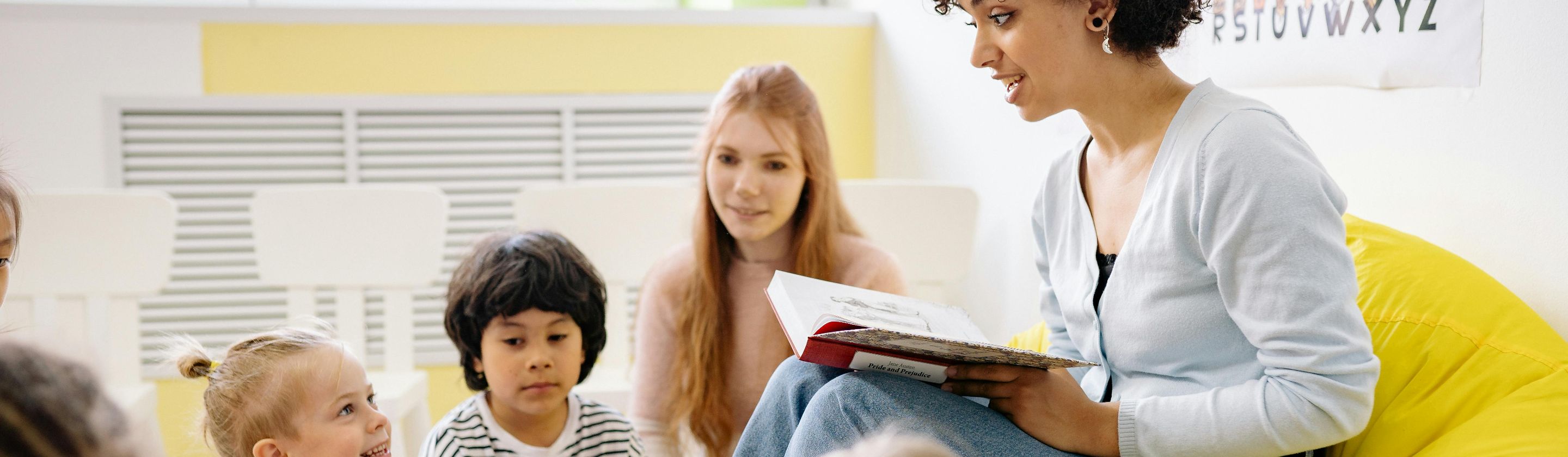
You can also build language exposure into everyday activities. Reading books, watching shows, and having conversations in both languages helps reinforce learning naturally. Research shows that frequent, meaningful interaction is essential for developing strong language skills. Small, consistent efforts often work better than occasional intense practice.
Finally, it’s important to stay flexible and patient throughout the process. Every child develops language skills at their own pace, and progress may not always feel linear. What matters most is creating a supportive environment where both languages are valued. With time and encouragement, bilingualism becomes a natural part of your child’s life.
Raising bilingual kids today comes with a mix of clear benefits and very real challenges, and both deserve equal attention. You’re not just teaching words, you’re shaping how your child connects with people, culture, and opportunities over time. There will be moments where progress feels uneven or slower than expected, but that’s a normal part of the process rather than a setback. What matters most is consistency, encouragement, and creating an environment where both languages feel useful and valued. When you approach it with patience and flexibility, bilingualism becomes less of a goal to chase and more of a natural part of everyday life.