
Before You Put a Single Dollar to Work, Read This
Want to start investing? While the prospect of growing your money sounds exciting, investing for the first time can feel like stepping into an entirely different world, one with its own language, rules, and risks that can make you feel incredibly overwhelmed. Thankfully, it's not too hard to get started, and you don't need to be a financial expert or have a trust fund to dip your toes in, either. What you do need, though, is a solid foundation of knowledge before your money goes anywhere. Read on as we list out 20 important tips that will help you kickstart your portfolio with your financial future pointed in the right direction.

1. Understand What Investing Actually Is
Investing means putting your money into assets with the expectation that it will grow in value over time, and it's different from simply saving. Unlike a savings account where your money sits still, investments carry both the potential for gains and the risk of losses. Before anything else, make sure you understand this fundamental distinction so you're not caught off guard when markets move in unexpected directions.

2. Get Clear on Your Financial Goals
Knowing why you want to invest is just as important as knowing how to invest, because your goals will shape every decision you make. Whether you're building a retirement fund, saving for a house, or growing a secondary income stream, your timeline and target amount will determine which investment types make the most sense for you. Take some time to write out your goals in concrete terms; vague intentions like "make more money" won't give you the direction you need.

3. Build an Emergency Fund First
It might be tempting to throw every spare dollar into the market, but financial advisors consistently recommend having three to six months' worth of living expenses saved before you invest a cent. If an unexpected expense hits and your money is tied up in investments, you may be forced to sell at a loss just to cover the bills. Your emergency fund is your financial safety net, and it needs to be in place before you start taking on investment risk.

4. Learn the Difference Between Stocks, Bonds, and Funds
Stocks represent ownership in a company, bonds are essentially loans you give to governments or corporations in exchange for interest payments, and funds like ETFs and mutual funds pool money from many investors to buy a diversified mix of both. Each asset class comes with a different risk and return profile, and understanding the basics of each will help you make informed choices. You don't need to master every detail right away, but knowing what you're buying is non-negotiable.

5. Know Your Risk Tolerance
Risk tolerance refers to how much loss you can realistically handle, both financially and emotionally, without making panic-driven decisions. Younger investors often have a higher risk tolerance because they have more time to recover from downturns, while those closer to retirement may prefer more conservative options. Being honest with yourself about how you'd react to seeing your portfolio drop by 20% will save you from making costly mistakes down the line.

6. Start with Tax-Advantaged Accounts
Before you open a standard brokerage account, look into tax-advantaged options like a 401(k) or an IRA, as these accounts offer significant tax benefits that can meaningfully boost your long-term returns. A traditional 401(k), for example, lets you contribute pre-tax dollars, reducing your taxable income now, while a Roth IRA allows your money to grow tax-free. If your employer offers a 401(k) match, contributing enough to capture that match is essentially free money you shouldn't leave on the table.

7. Don't Try to Time the Market
One of the most common mistakes new investors make is trying to buy at the perfect low and sell at the perfect high, a strategy that even professional fund managers rarely pull off consistently. Research has shown time and again that time in the market (meaning how long you stay invested) tends to produce better outcomes than timing the market. Develop a consistent investment habit and resist the urge to make moves based on short-term market fluctuations.
8. Embrace Diversification
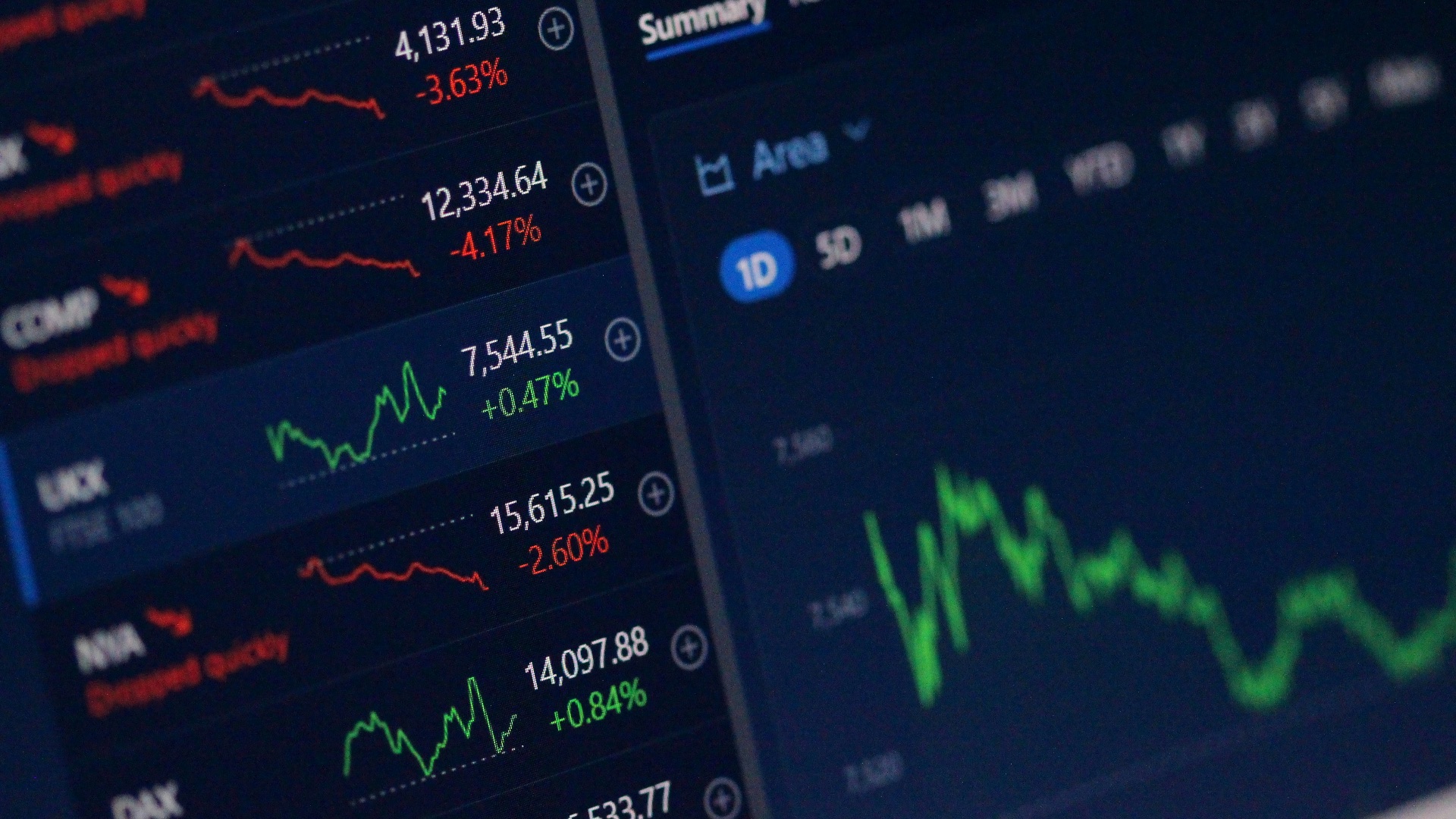
Putting all your money into a single stock or sector exposes you to unnecessary risk, because if that one investment tanks, so does your portfolio. Diversification spreads your money across different asset classes, industries, and geographies so that a loss in one area doesn't wipe out your overall returns. Index funds and ETFs are a straightforward way to achieve broad diversification without having to research and buy dozens of individual stocks yourself.

9. Understand the Power of Compound Interest
Compound interest is what happens when the returns on your investments start earning returns of their own, and over time, this effect can significantly multiply your wealth. The earlier you start investing, the more time compounding has to work in your favor, which is why financial professionals stress starting as soon as possible even with small amounts. Reinvesting dividends and letting your gains accumulate rather than withdrawing them is key to maximizing this effect.

10. Watch Out for Fees
Investment fees might seem small at first glance, but they can eat away at a surprising portion of your returns over time, particularly with actively managed funds that charge higher expense ratios. When comparing funds, look for the expense ratio, which is the annual percentage of your investment that goes toward fund management costs, and favor lower-cost options whenever possible. Even a difference of 0.5% in fees can amount to tens of thousands of dollars over a multi-decade investment horizon.

11. Keep Your Emotions Out of It
Markets go up, markets go down, and one of the hardest parts of investing is staying rational when everything around you seems to be signaling panic or euphoria. Emotional decision-making, such as selling during a dip out of fear or buying at a peak out of excitement, is one of the fastest ways to hurt your portfolio's long-term performance. Setting a clear investment strategy in advance and committing to it helps you avoid the trap of letting headlines drive your financial decisions.

12. Automate Your Investments
Setting up automatic contributions to your investment accounts removes the temptation to spend that money elsewhere and ensures you're investing consistently regardless of how busy life gets. Many brokerages and employer retirement plans allow you to schedule regular transfers so that investing becomes a background habit rather than a monthly decision you have to consciously make. Consistency over time matters far more than trying to pick the perfect moment to invest a large lump sum.

13. Do Your Own Research
Financial advice is everywhere, but not all of it is reliable, and some of it can be actively harmful to your financial health. Before following any investment tip, take the time to understand the asset in question, the risks involved, and whether it actually aligns with your goals and timeline. Developing your own judgment based on credible sources will serve you far better than chasing whatever happens to be trending online.
 Glenn Carstens-Peters on Unsplash
14. Avoid Debt-Funded Investing
Taking out loans or using credit cards to fund investments is a high-risk approach that can lead to serious financial damage if the market doesn't perform as expected. Unlike your investment returns, which are variable and uncertain, debt comes with fixed interest payments that don't pause when your portfolio drops. As a new investor especially, it's far safer to invest only money you actually have rather than money you're borrowing.

15. Understand What You're Paying Taxes On
Investing has tax implications that many beginners overlook, and being unaware of them can lead to some unpleasant surprises come tax season. Short-term capital gains—profits from investments held for less than a year—are typically taxed at a higher rate than long-term gains, which kick in after you've held an asset for more than a year. Familiarizing yourself with how investment income is taxed in your situation, or consulting a tax professional, can help you structure your portfolio more efficiently.

16. Rebalance Your Portfolio Periodically
Over time, some of your investments will grow faster than others, which can shift your asset allocation away from what you originally intended. Rebalancing means periodically reviewing your portfolio and adjusting it back to your target allocation. For example, if stocks have grown to make up 80% of your portfolio but you wanted 70%, you'd sell a portion and redirect the proceeds to bring things back into balance. Most financial experts suggest rebalancing at least once a year or whenever your allocation drifts significantly from your plan.

17. Be Skeptical of "Hot" Investment Tips
If someone is promising guaranteed returns, a sure thing, or an opportunity that sounds too good to be true, it almost certainly is. High-pressure tactics, vague explanations, and promises of outsized returns are common red flags for investment scams, which unfortunately tend to target newer investors who haven't yet developed a sharp eye for them. Stick to regulated investment platforms and be especially cautious about unsolicited advice from anyone with a financial interest in your decision.

18. Think Long-Term from Day One
Investing is a long-term wealth-building tool that rewards patience and penalizes those who expect overnight results. Setting realistic expectations from the beginning will help you stay committed to your plan even during the inevitably slow or turbulent periods that every investor encounters. The investors who consistently come out ahead are typically the ones who stay focused on where they want to be years or decades from now, not what the market did this week.

19. Keep Learning as You Go
The financial world is always evolving, and the most effective investors are those who commit to ongoing education rather than treating their knowledge as fixed. Reading books by respected financial authors, following credible financial news outlets, and reviewing your own investment decisions over time are all practical ways to sharpen your understanding. The more informed you become, the better equipped you'll be to adapt your strategy as your goals, income, and the broader economic landscape change.

20. Take That First Step
The biggest barrier for most new investors isn't a lack of knowledge or capital, but simply getting started. Many brokerage platforms today allow you to open an account with no minimum balance and begin investing with as little as a few dollars, so there's genuinely no reason to wait until you feel completely ready. The best time to start is as soon as you have a basic understanding of what you're doing, and with these 20 tips behind you, that moment is right now.