
The New Year has a funny way of making everything feel possible, including finishing a book without getting “distracted” by a notification that says nothing. At the same time, federal time-use data shows reading often gets squeezed hard, especially for younger people. In the American Time Use Survey results, people ages 15 to 19 averaged nine minutes of reading for personal interest on an average day, while adults ages 75 and over averaged 46 minutes.
That gap helps explain why reading can feel like a hobby that belongs to an earlier, calmer era. Research using two decades of American Time Use Survey data found the share of people reading for pleasure on an average day fell from 28% (2004) to 16% (2023). A restart does not need a dramatic overhaul, since steady, low-friction routines can bring books back into your week without turning it into a personality change.
Start Small, and Make Reading the Easiest Habit You Have
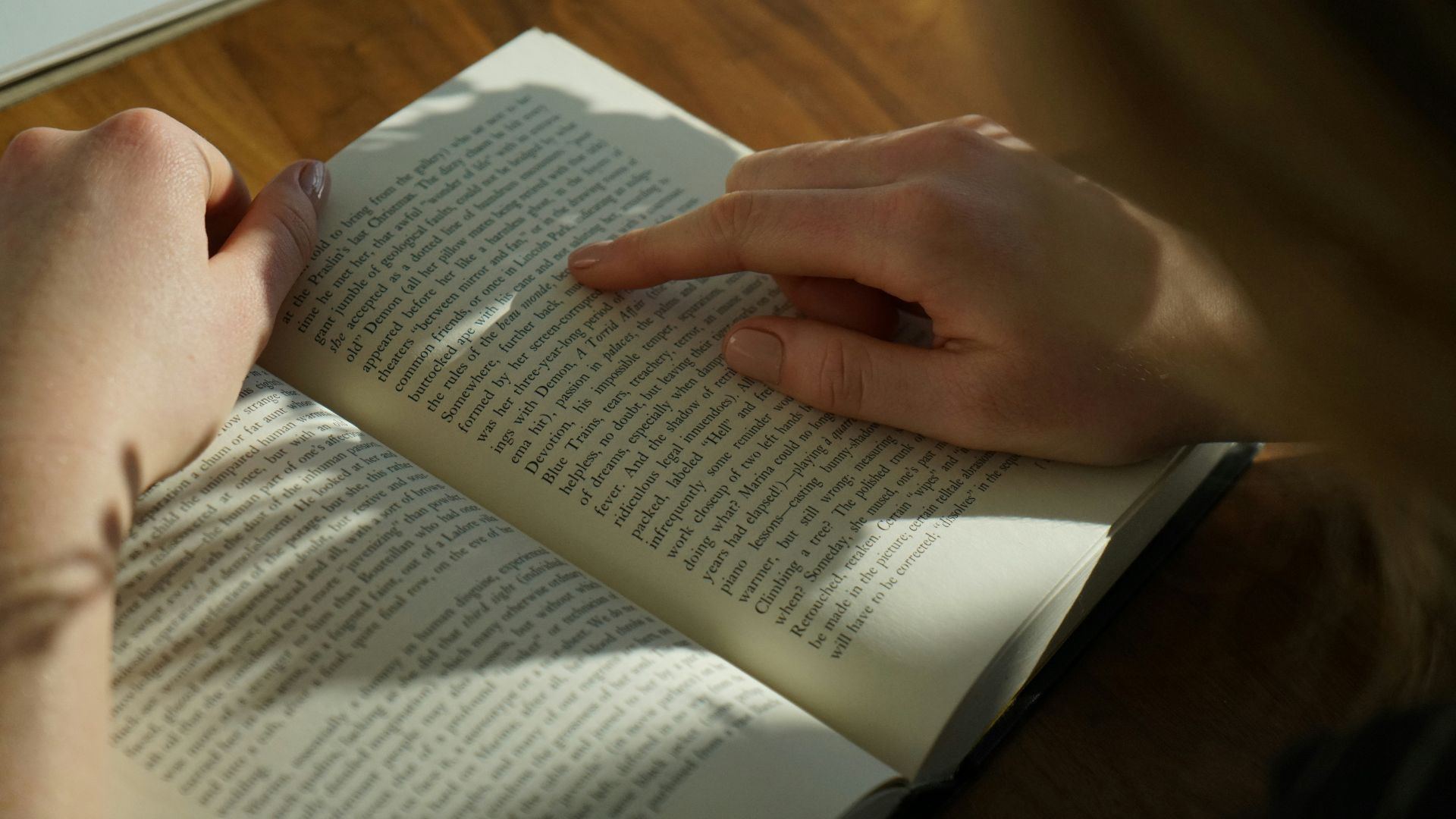
A “reading comeback” works best when the goal is almost comically manageable. Set a target that fits real life, like three pages after lunch or ten minutes before bed, because consistency beats intensity. Data from the American Time Use Survey shows many younger adults are already reading 10 minutes or less on an average day, so matching that reality can help you build momentum instead of guilt.
Cues do a lot of heavy lifting, so tie reading to something that already happens. A specific location and time, like the same chair right after dinner, makes your brain treat reading like part of the routine rather than an optional extra. The goal is to reduce decision-making, since decisions are where good intentions go to die.
Friction is the quiet villain, so reading physically is easy to start. Leave the book open on the coffee table, keep an e-reader charged, or download an audiobook before the commute so the first step is already done. A setup like that turns reading into the path of least resistance, which is the only path that survives busy weeks.
Pick Books That Match Your Actual Life, Not Your Fantasy Life
Reading slumps often happen because the book choice is doing too much. A title that looks impressive on a nightstand can still be a miserable fit for your mood, schedule, and attention. Selecting something you genuinely want to return to is more effective than forcing a “should” book that feels like homework.
Sampling is your best friend when motivation is fragile. Read the first chapter, skim a few pages at random, and pay attention to whether curiosity shows up naturally. A quick trial run saves you from the classic mistake of committing to a book that never stood a chance.
Libraries are a low-stakes way to experiment, especially when you want variety. Checking out a mix of genres, lengths, and formats lets you discover what clicks without paying for a stack you feel obligated to finish. That freedom matters because guilt is a famously unreliable reading strategy.
Shorter formats count, and they can rebuild your reading reflex fast. The iScience study that tracked “reading for pleasure” included things like books, newspapers, magazines, and audiobooks, which reflects how many people actually consume text and stories. Adding essays, long-form journalism, or short story collections gives you a steady stream of finishes, and finishing is motivating.
A simple “reading menu” also prevents decision fatigue. Keep one light, plotty option for tired nights, one nonfiction pick for focused weekends, and one audio title for errands, commutes, or chores. When the next choice is already waiting, you spend less time scrolling for something to read and more time reading.
Protect Your Attention So Reading Can Feel Absorbing Again

Getting back into reading is not only about discipline, since attention is constantly being competed for. The long-term decline in daily pleasure reading has been linked to broad cultural shifts, including how leisure time gets fragmented. Protecting even small pockets of quiet can make reading feel immersive again, which is the part people miss most.
Evening routines are a smart place to start, since screens tend to take over that window. The Sleep Foundation notes that blue light exposure from devices can interfere with sleep by affecting circadian rhythms and melatonin, which is not exactly ideal when you are trying to wind down. Swapping a chunk of scrolling for a book can help your brain shift gears without feeling like punishment.
Daytime reading pockets can be just as powerful, and they often feel more realistic. Keep a book in your bag for waiting rooms, lunches, or transit, or queue an audiobook for walking and errands. Those “in-between” minutes add up in a way that feels almost unfair, like finding money in a coat pocket.
Setbacks are part of the process, so don’t treat them as a personal failure. In the habit-formation study, missing a single opportunity to do the behavior did not meaningfully affect habit formation over time. The fastest way back is simply reopening the book the next day, since the point is momentum, not perfection.