
Solitude Isn’t As Scary As It Sounds
Spending time alone can feel uncomfortable at first, especially in a world that treats busyness as a badge of honor. Still, solitude isn’t about isolation or shutting people out. It’s about learning how to be at ease with your own thoughts, habits, and rhythms. Once that shift happens, alone time starts to feel less like a void and more like breathing room you didn’t know you needed. Here are 20 ways people learn to enjoy time alone.

1. They Stop Treating Alone Time as a Punishment
At some point, you realize being alone isn’t something to “get through.” It becomes a neutral space where nothing is required of you. When expectations drop, so does the pressure. That mental reframe often takes time, but it’s powerful. Enjoyment usually shows up quietly once the resistance fades.

2. They Build Small Rituals Around It
People who like solitude often give it structure. A specific mug, playlist, or chair can anchor the experience. These familiar cues signal to your brain that it’s safe to relax. Over time, the ritual becomes something you anticipate. Even short rituals can make alone time feel intentional instead of accidental.

3. They Let Their Minds Wander on Purpose
Instead of filling every quiet moment with noise, they allow their thoughts to drift. This kind of mental roaming can spark creativity or emotional clarity. It’s not about solving problems, just noticing what shows up. That openness keeps the experience from feeling rigid. Wandering thoughts often lead to unexpected insights.

4. They Learn to Be Bad at Things Privately
Trying something new alone removes the fear of being judged. You can mess up, restart, or quit without explanation. That freedom makes learning more playful. Mistakes feel lighter when no one’s watching. Enjoyment grows from that low-pressure environment.
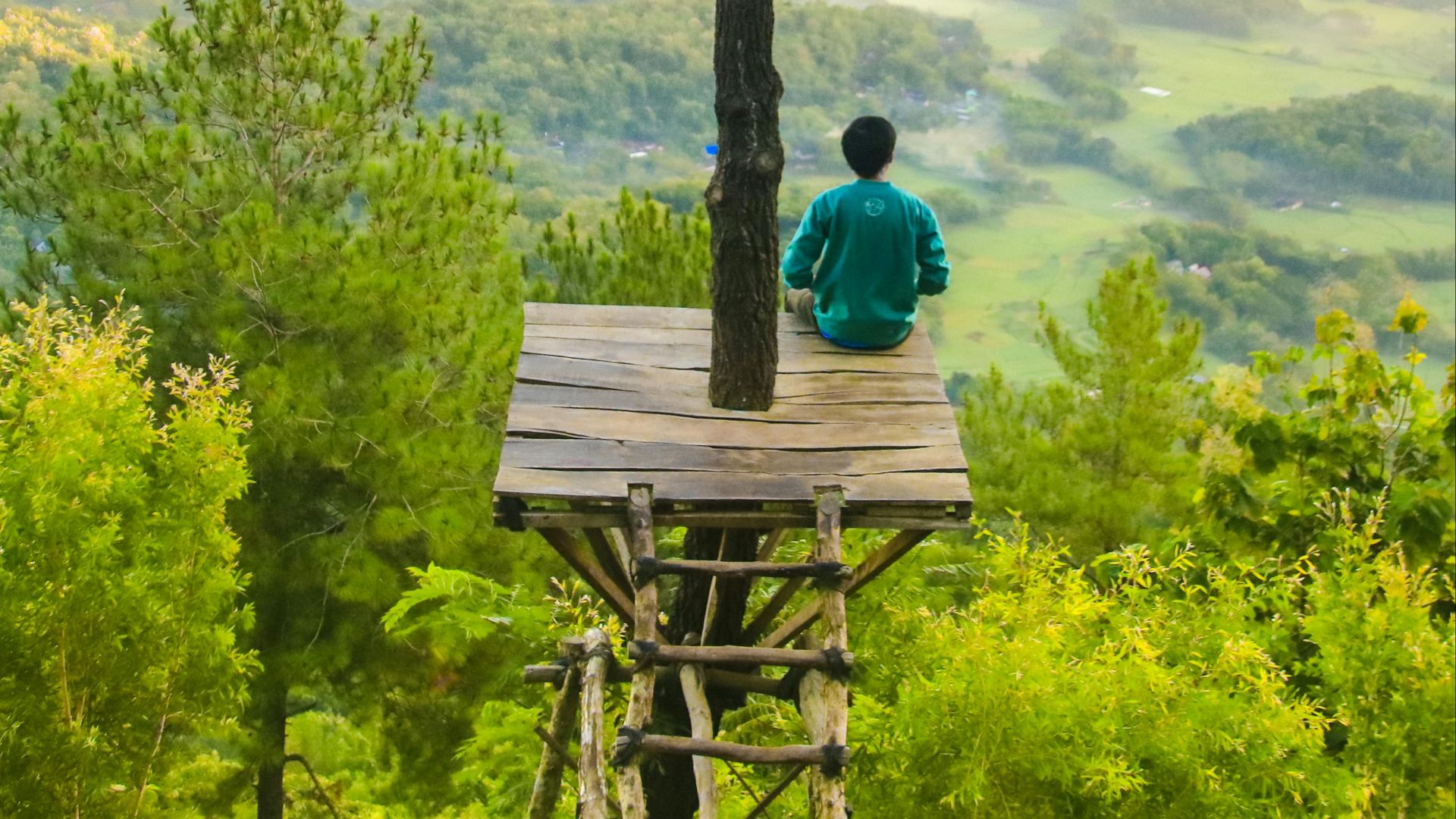
5. They Use Solitude to Reconnect With Their Bodies
Some people stretch, walk, or breathe more intentionally when they’re alone. Without distractions, physical sensations become easier to notice. This awareness can feel grounding rather than awkward.

6. They Read Without Multitasking
Reading alone, without notifications or interruptions, changes the experience. You sink into the rhythm of the words instead of skimming. The story or ideas get more space to land. It becomes immersive rather than fragmented. That depth is part of what makes it satisfying.

7. They Make Peace With Silence
Silence stops feeling empty once you stop fighting it. At first, it might amplify stray thoughts. Eventually, it becomes a calming background space. Many people say this shift is when solitude truly clicks, as eventually, silence starts to feel like room to breathe.

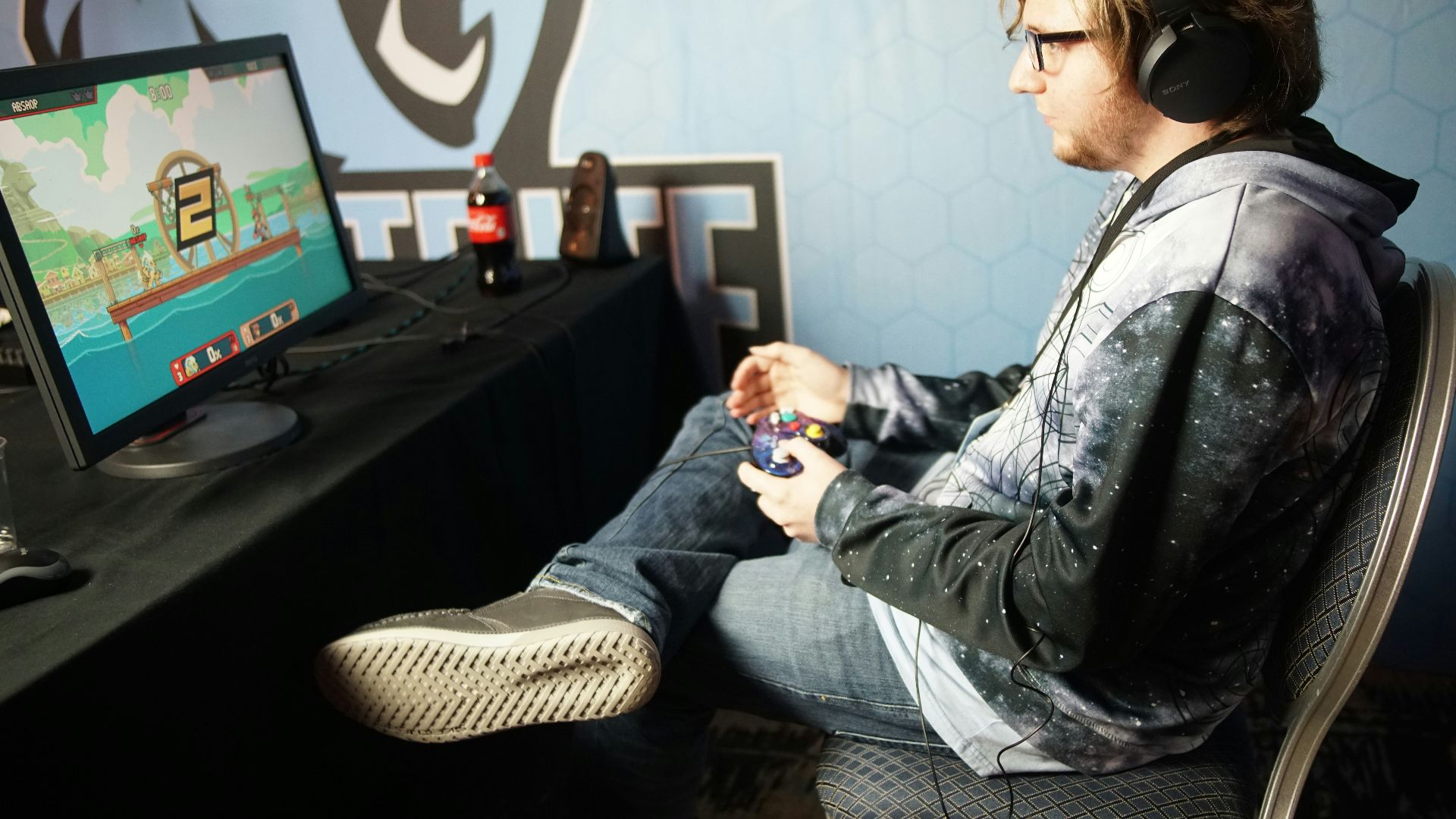
8. They Choose Games That Feel Comforting
Solo gaming can be surprisingly soothing. Games like Stardew Valley or Journey reward patience rather than speed. Playing alone lets you move at your own pace. There’s no need to compete or perform. That sense of control makes the experience feel personal.
9. They Journal Without Editing Themselves
Writing alone permits you to be honest. There’s no audience to impress or persuade. Thoughts can come out messy or unfinished. Over time, that honesty builds self-trust, and journaling starts to feel like a release instead of a task.

10. They Cook Just for Themselves
Cooking alone shifts the focus from performance to enjoyment. You can eat when you want and change the recipe halfway through. Tasting as you go becomes part of the fun, and there’s no pressure to make it impressive. Even simple meals feel more satisfying this way.

11. They Redefine Productivity
People who enjoy solitude stop measuring their worth by output. Rest, reflection, and stillness count as valid uses of time. This mindset reduces guilt and makes alone time easier to protect. Solitude feels restorative instead of indulgent.

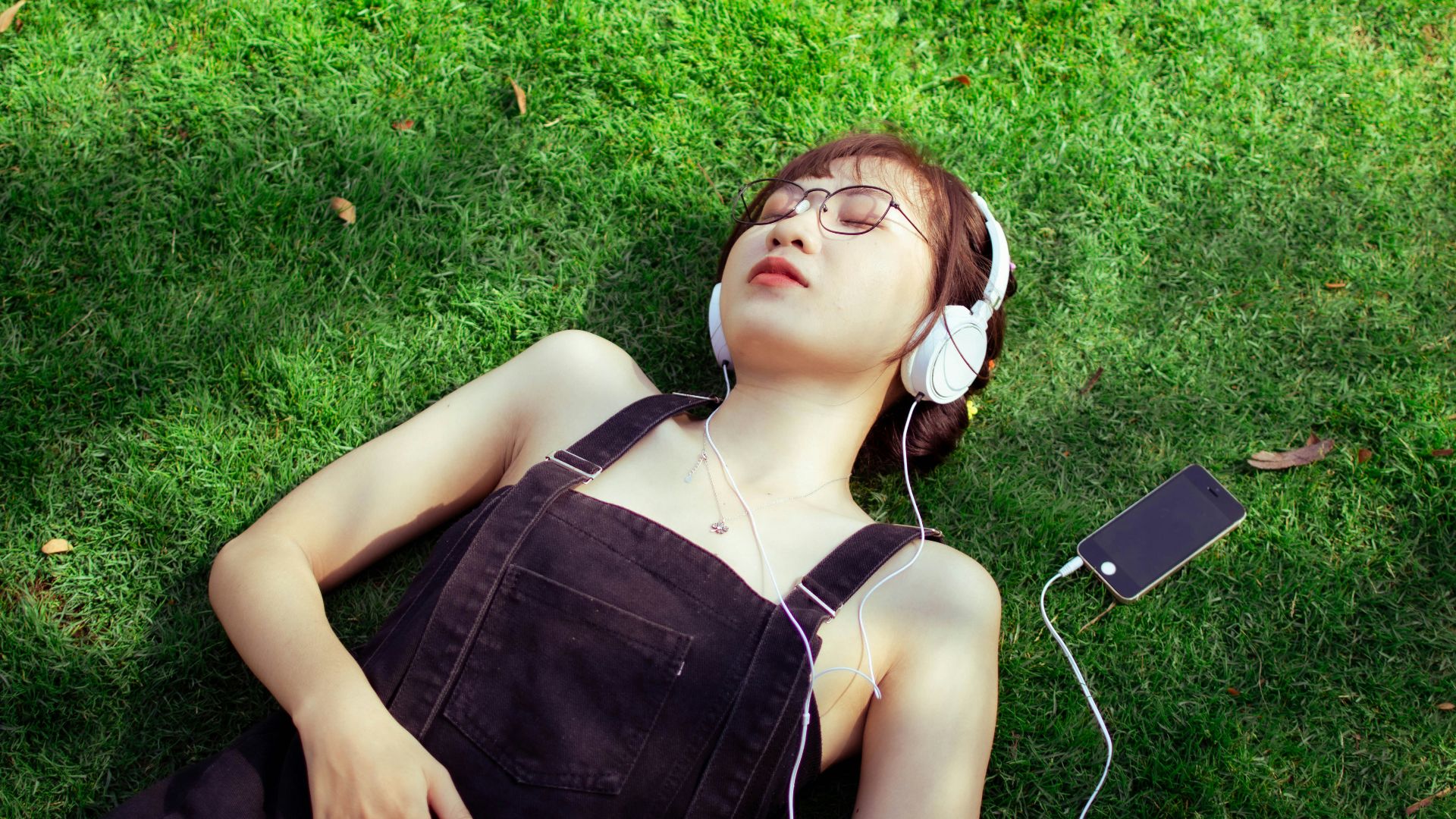
12. They Explore Music More Deeply
Listening to music alone lets you focus on layers you’d normally miss. Lyrics hit differently when you’re not distracted, and you might replay a song just to sit with it. That intimacy builds a stronger emotional connection.
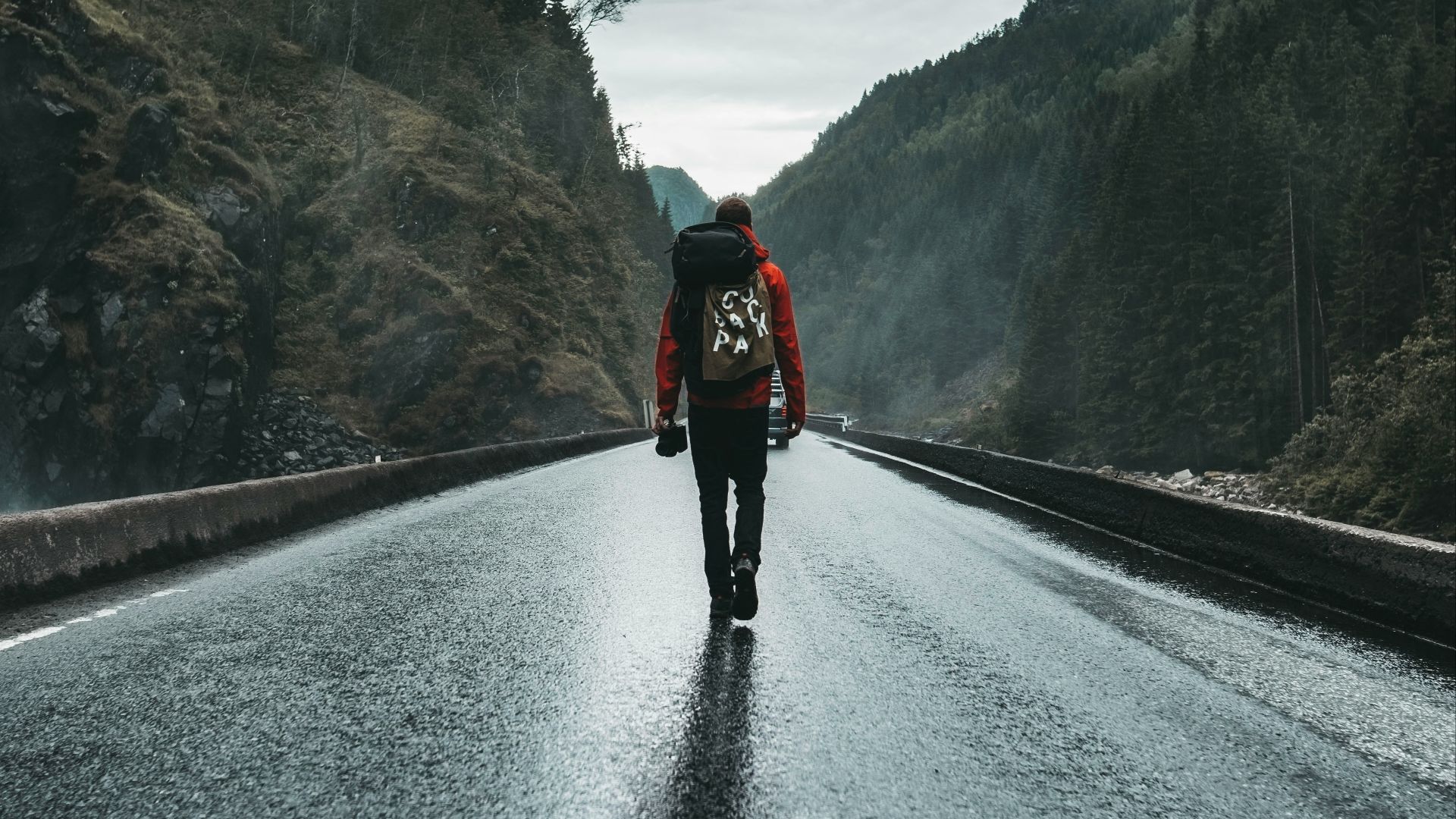
13. They Take Walks With No Destination
Wandering without a goal removes urgency. You notice small details like light, textures, and sounds. The pace naturally slows down. These walks often feel meditative without trying to be.
14. They Allow Themselves to Be Bored
Boredom isn’t rushed away or filled immediately. They sit with it long enough to see what follows. Often, curiosity or creativity emerges, and this patience changes how boredom feels.

15. They Watch Shows Without Commentary
Watching TV alone means no explaining or reacting on cue. You can pause, rewind, or stop whenever you want. Emotional moments land more personally, and the experience feels quieter and more immersive.

16. They Learn Their Own Preferences
Time alone reveals what you actually enjoy. Without outside influence, tastes become clearer. You notice patterns in what energizes or drains you, and this clarity builds confidence over time. Solitude turns into self-knowledge.

17. They Practice Saying No More Often
Enjoying alone time requires protecting it, and that means declining plans without overexplaining. Each “no” reinforces personal boundaries. Don't worry, the guilt fades with practice.

18. They Reflect Instead of Ruminating
Reflection feels intentional and gentle, whereas rumination feels stuck and repetitive. People who enjoy solitude learn the difference. They notice when thoughts loop and gently redirect. This skill keeps alone time from turning heavy.
19. They Create Without an Audience
Art, writing, or building something alone removes performance anxiety. The process matters more than the outcome. You can stop whenever it stops feeling fun, creating a freedom that fuels enjoyment.

20. They Trust Themselves to Be Enough
The biggest shift is realizing you don’t need constant stimulation or validation. Being alone stops feeling like a gap to fill. You become comfortable with your own company.