Keeping Life Simple
Honesty has a funny way of saving you work you never planned to do. Truth tends to stay put, while even a small lie starts breeding follow-up lies. You can feel the difference in everyday scenes: the friend who admits they forgot, the coworker who owns the missed detail, the family member who just says what happened without turning it into theater. At the same time, anyone who’s lived around real people knows that total bluntness can be its own kind of mess, especially when safety, privacy, or someone’s dignity is on the line. So let’s lay it out plainly: ten reasons honesty usually wins, and ten situations where a little deception can actually make sense.

1. Trust Makes Everything Cheaper
When people believe you, you stop having to prove every tiny thing, and life speeds up. You can see it in mundane moments like returning a borrowed tool or splitting a dinner bill without a forensic audit. A reputation for straight answers turns you into someone people want to work with because the hidden costs drop.

2. The Truth Is Easier To Carry
Lies demand storage space in your head, and they charge interest. Deception tends to require more mental effort than telling the truth, which tracks with how lying often comes out oddly overexplained. Honesty lets your brain do something better with its time than keeping a private spreadsheet of stories.

3. Honesty Holds Up In Writing
Most modern life leaves receipts, even when nobody calls them that. Emails, group chats, calendar invites, and payment logs do not forget, and they rarely sympathize with a creative version of events. Telling the truth from the start keeps you from sweating over a screenshot that lands in the wrong thread.
4. Honest People Get Better Second Chances
Everyone drops the ball, and the difference is usually how it gets handled afterward. A straightforward confession turns a mistake into a fixable problem, while a lie turns it into a character question. People may be annoyed by what happened, but they can still trust the person standing in front of them.

5. Truth Makes Apologies Actually Work
An apology built on honesty has weight because it doesn’t ask anyone to suspend reality. When you name what you did, you show you can see the same world other people are living in, and that’s what repairs relationships. A half-true apology often feels like a negotiation.
 Mental Health America (MHA) on Pexels
6. Honest Feedback Prevents Big Disasters
High-stakes fields learned this the hard way, and the paper trail is not subtle. After tragedies like the Challenger disaster, investigations pushed organizations like NASA to confront how culture, silence, and wishful thinking can stack the deck toward failure. In regular life, honesty is the small version of that lesson.
 Chandler Cruttenden on Unsplash
7. Honesty Keeps You Out Of Official Trouble
Courts, regulators, and tax agencies are not built for vibes. Perjury laws exist for a reason, the IRS has heard every excuse, and the SEC’s job is basically to stay unimpressed by creative storytelling in financial clothing. A truthful baseline keeps you from turning an everyday problem into a legal one.

8. The Truth Stops Relationship Guesswork
When people lie, everyone else starts reading tone like it’s a crime scene. Honesty cuts down on the exhausting side-channel analysis, where someone is trying to decode what you meant because what you said can’t be trusted. Clear truth lets relationships run on communication instead of suspicion.

9. Honesty Builds A Stable Reputation
Reputations are mostly made of tiny moments that don’t feel dramatic when they’re happening. Returning the extra change, admitting you didn’t read the doc, and telling someone you can’t make it all add up. Over time, you become predictable in the best way, and predictability is underrated.

10. Reality Has A Long Memory
A lie can win a small battle yet truth tends to win the war. Public scandals like Watergate, corporate implosions like Enron, and countless smaller workplace blowups follow the same pattern: the cover story holds until the paper trail, the witnesses, or the math shows up. Truth might feel slower, but it usually gets the final word.
Here are ten moments when full honesty is less ethical than careful misdirection.
 Warren K. Leffler on Wikimedia
1. Protecting Someone From Immediate Danger
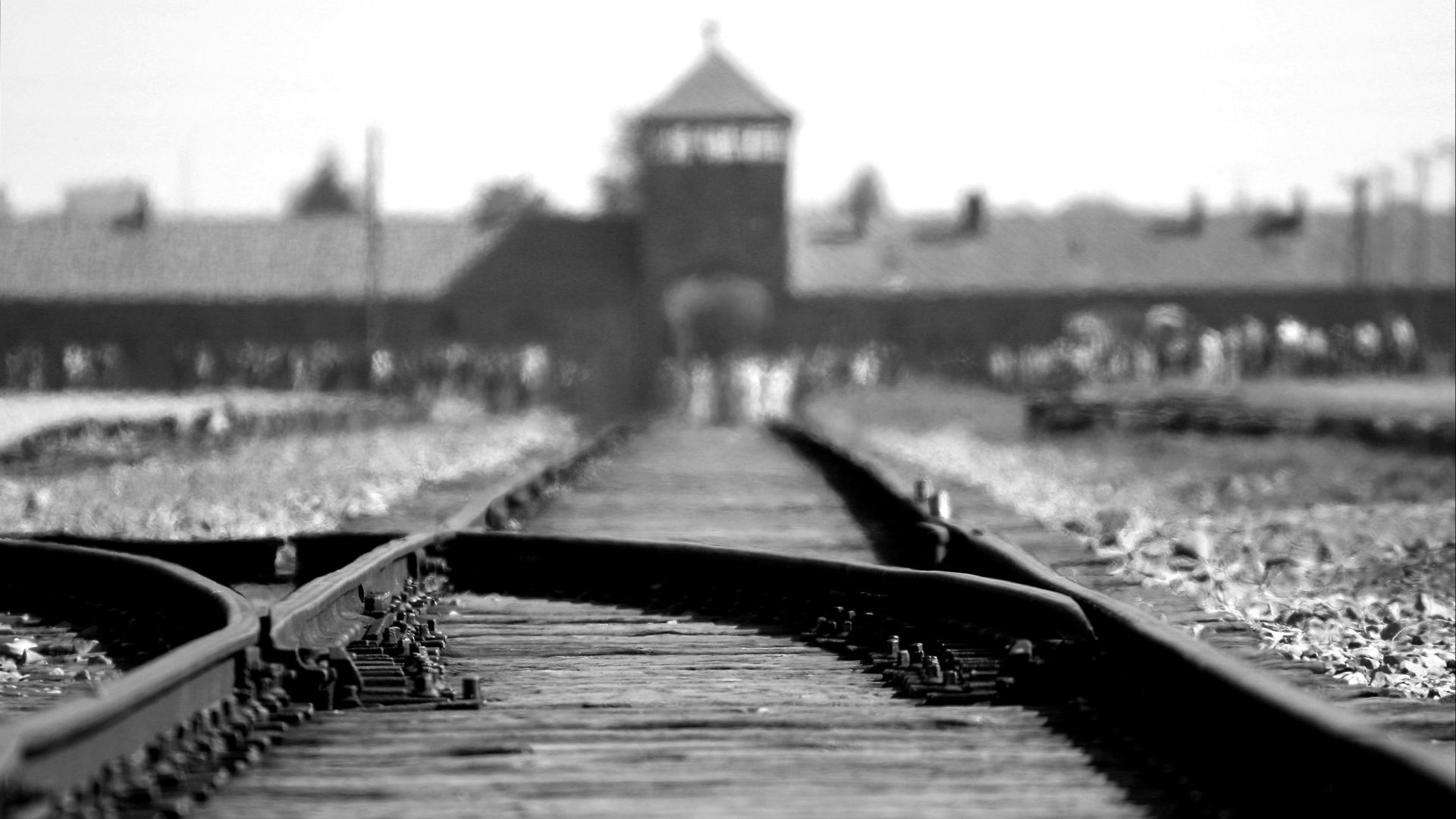
If someone is at risk and a bad actor is fishing for information, deception can be a shield. History is full of people who lied to protect others, including those who hid Jews during World War II or helped enslaved people escape in earlier centuries. In situations like that, the moral center is safety, not transparency.
2. Keeping A Surprise That’s Pure Joy
A surprise party, a proposal, a long-planned gift can require lying in a way that feels almost ceremonial. The deception is temporary, the intent is generous, and the truth shows up on schedule with cake, candles, or a plane ticket. Most people recognize the difference between a lie that steals and a lie that delivers delight.

3. Preserving A Child’s Small Magic
Kids live in stories long before they live in footnotes. The Santa myth, the tooth fairy routine, and similar traditions are a kind of collaborative theater, and the point is wonder, not misinformation. The lie has an expiration date, and it often ends with a smile and an eye roll when the curtain drops.

4. Deflecting Intrusive Strangers
Some questions do not deserve an honest answer, especially from people who have not earned access. If a stranger asks where you live, whether you’re alone, or where your partner is, a vague or misleading reply can be basic self-protection. Privacy is not dishonesty in a trench coat, and sometimes it needs backup.

5. Escaping A Manipulator’s Trap
Manipulators often weaponize honesty by demanding it while offering none in return. In abusive dynamics, telling the truth can hand someone a lever, and a strategic lie can create breathing room to get safe or get help. The ethical goal shifts from being fully transparent to refusing to be controlled.

6. Protecting Confidentiality In Professional Roles
Doctors, therapists, lawyers, and HR professionals are often required to keep information private, and that can force careful language. Sometimes the cleanest option is a polite misdirection that prevents a breach, rather than a blunt disclosure that violates ethics or law.

7. Using Placebo Effects With Ethical Guardrails
The placebo effect is documented across medicine, and it shows how expectation can shape experience. Historically, placebo use sometimes leaned on deception, though modern medical ethics push hard toward informed consent and transparency whenever possible, including research oversight through Institutional Review Boards.
 Christina Victoria Craft on Unsplash
8. Buying Time During A Crisis
In emergencies, raw truth delivered at full volume can cause panic before it produces action. A calm, simplified story can keep people moving, especially in a crowd, a hospital waiting room, or a chaotic household moment. The point is not permanent deception, it’s stabilizing the room until the real explanation can land.

9. Negotiating Without Handing Over Your Leverage
In negotiation, blurting out every detail can be less honest than it looks because it can set you up to be exploited. Strategic ambiguity about your maximum budget or your absolute deadline can be a way of keeping the process fair, as long as you’re not inventing facts or forging evidence.

10. Creating Art That Runs On Illusion
Fiction, theater, magic shows, and even a well-shot movie scene depend on deception that everyone has agreed to enjoy. The audience consents to being fooled because the goal is emotion, meaning, and wonder, not manipulation in real life. That kind of deception can be surprisingly honest about human experience, even while it’s technically untrue.