Hit Pause
You can feel it building the second you walk through the door after a terrible commute, or maybe it starts when the morning meeting runs two hours over, and you realize you forgot to defrost anything for dinner. The difference between a recoverable bad day and a full-scale family meltdown often comes down to what you do in those first few minutes when you notice things sliding sideways. Here are twenty small but surprisingly effective ways to stop the spiral before it picks up speed.

1. Step Outside
Walk out the front door for sixty seconds and let your nervous system register the cold air on your face or unexpected warmth on your arms. The temperature change can interrupt the feedback loop your body has locked into, giving your brain a chance to recalibrate.

2. Text A Friend
Send a message to someone who isn't in your house and tell them you're having a garbage day. Naming it out loud to another adult can take some of the pressure off, and you're less likely to unload on your kids if you've already vented to someone who can actually respond with empathy instead of asking what's for dinner.
3. Drink A Full Glass Of Water
Stand at the sink and drink a full glass of water in one go. Dehydration makes irritability worse, and the physical act of pausing to do something this basic can feel like putting your own oxygen mask on first. You'll be amazed at how often a headache or short fuse is just your body begging for fluids.

4. Change Your Shirt
Swap out whatever you're wearing for something different, even if it's just your top or kicking off your shoes. Wearing the same clothes you had on during the stressful part of your day keeps you tethered to that stress, and sometimes the quickest reset is a physical one.

5. Play One Song From High School
Put on a song from high school and let it play without doing anything else. Music has a way of shifting emotional states faster than almost anything, and picking something tied to a time before mortgages and parent-teacher conferences can genuinely lighten the load.

6. Eat Something With Protein
Grab a handful of nuts, a piece of cheese, or whatever protein you can find within twenty minutes of noticing you're irritable. Low blood sugar turns minor annoyances into catastrophic offenses, and getting some fuel in your system can be the difference between snapping at your kid for breathing too loudly and actually handling the situation.

7. Lie On The Floor With Your Feet Up
Lie flat on the floor for two minutes with your feet up on the couch. This sounds ridiculous until you try it, but the shift in blood flow and the break from being upright can reset your whole system.

8. Say Out Loud That You're Struggling
Apologize to whoever is nearby and tell them you're having a hard time. You don't need to explain the whole day or justify your mood, just a quick acknowledgement that you're off and trying to get back on track.

9. Splash With Cold Water
Splash cold water on your face and actually dry it instead of letting it air-dry. The cold wakes up your system, and taking the extra five seconds to finish the task properly can feel like a tiny act of care for yourself.

10. Order Pizza
Call off your dinner plans and order pizza without guilt or explanation. Some days aren't worth the fight, and trading your plan for something easy can remove one entire layer of stress from the evening.

11. Turn Off All The Overhead Lights
Turn off every light except one lamp and see if the softer environment changes the energy. Bright overhead lighting can amp up stress levels without anyone noticing, and dimming things down often brings the volume and intensity down with it.

12. Put Your Phone In A Drawer
Hand your phone to your partner or put it in a drawer until bedtime. Scrolling when you're already stressed adds a layer of digital noise that makes everything feel more urgent and overwhelming. The emails and notifications will still be there tomorrow, whether you like it or not.
13. Shake Your Body
Do five jumping jacks or shake your arms and legs for thirty seconds like you're trying to get water off. Moving your body in a way that feels slightly absurd can interrupt rumination and release some of the physical tension that builds up when you're clenched and irritable.

14. Ask Your Kid About Their Day
Ask your kid to tell you something good that happened today and actually listen to the answer. Shifting your attention to their world instead of staying trapped in yours can pull you out of the spiral, and their enthusiasm or even their complaints can remind you why you're trying so hard in the first place.

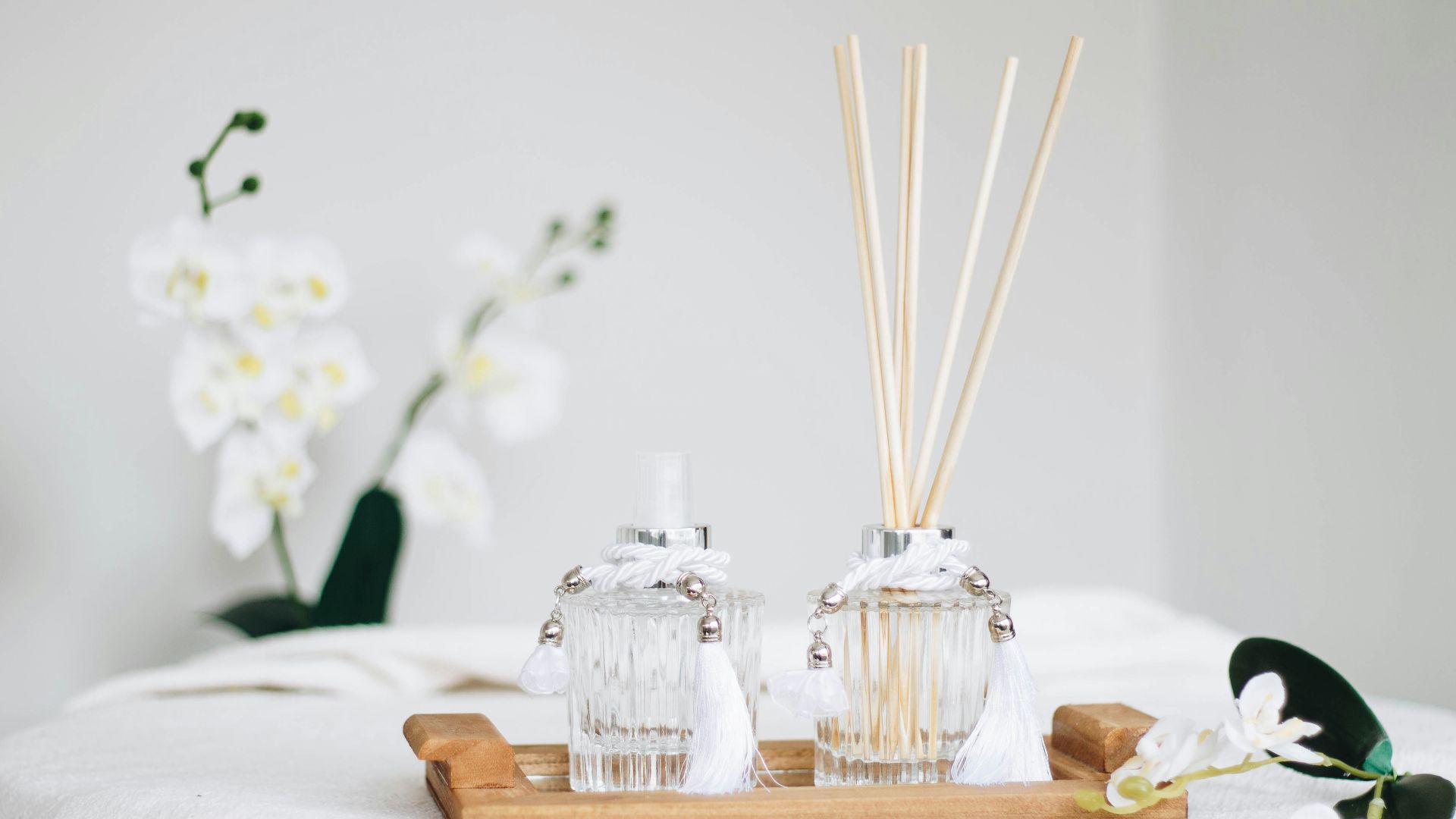
15. Add A Good Smell To Your Space
Spray your pillowcase with something that smells good or light a candle in the kitchen. Scent bypasses the thinking part of your brain and goes straight to emotional regulation, and sometimes just walking into a room that smells like lavender or vanilla can lower your shoulders half an inch.
 Isabela Kronemberger on Unsplash
16. Sit In Your Car For Five Minutes
Sit in your car in the driveway for five minutes with the heat or air conditioning on. You're still technically home, so you're not abandoning anyone, but you're also in your own space where no one is asking you for anything.

17. Watch One Episode Of Something You've Seen Before
Watch one episode of something light and let your brain coast for twenty minutes. Permit yourself to zone out without feeling like you should be folding laundry or prepping lunches at the same time.

18. Write Down What Went Wrong And Throw It Away
Write down three things that went wrong today on a piece of paper and then throw it away. Getting it out of your head and onto something physical can help you stop replaying the same frustrations on a loop.

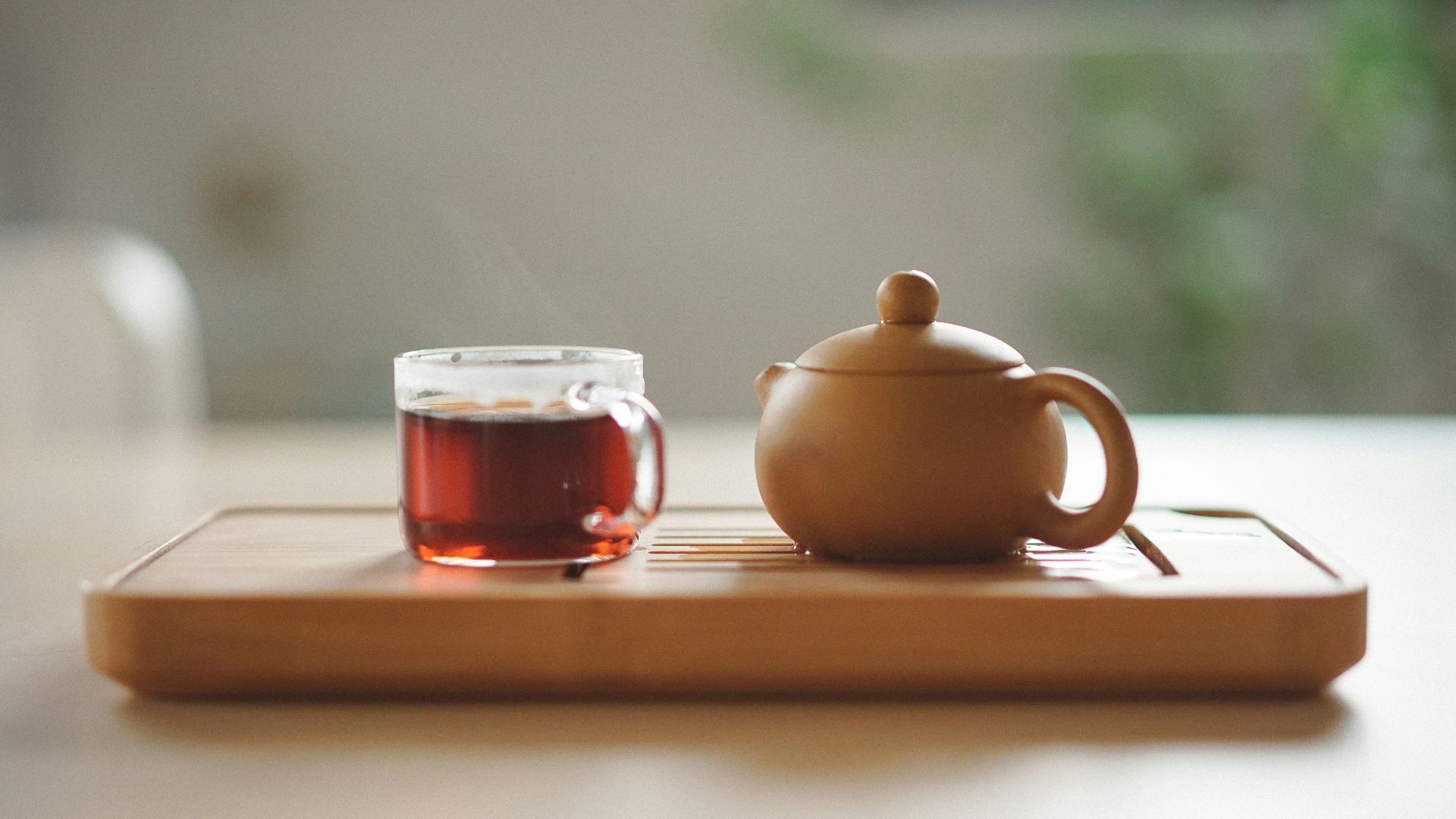
19. Make Yourself Something Hot To Drink
Make yourself tea or coffee just because you want it, not because you need the caffeine. The ritual of heating water and holding something warm can be grounding, and doing something purely for comfort instead of function can make any day instantly better.
20. Take Ten Minutes Alone Behind A Closed Door
Tell your family you're taking ten minutes alone in your room and actually take them. Close the door, set a timer if you need to, and do absolutely nothing or scroll or read or cry, whatever the moment requires. Protecting that boundary teaches everyone in the house that needing space isn't the same as giving up.