
10 Reasons To Move In With Your Parents After Giving Birth & 10 Reasons You Shouldn’t
10 Reasons To Move In With Your Parents After Giving Birth & 10 Reasons You Shouldn’t
Comfort Versus Independence
The days after giving birth change everything: your body, your emotions, your routines, and your need for support. We all know that it takes a village to raise a kid, and moving back with your parents may be something to consider. The key word there is consider! For some, it feels comforting; for others, it's complicated. Come with us as we explore both sides.
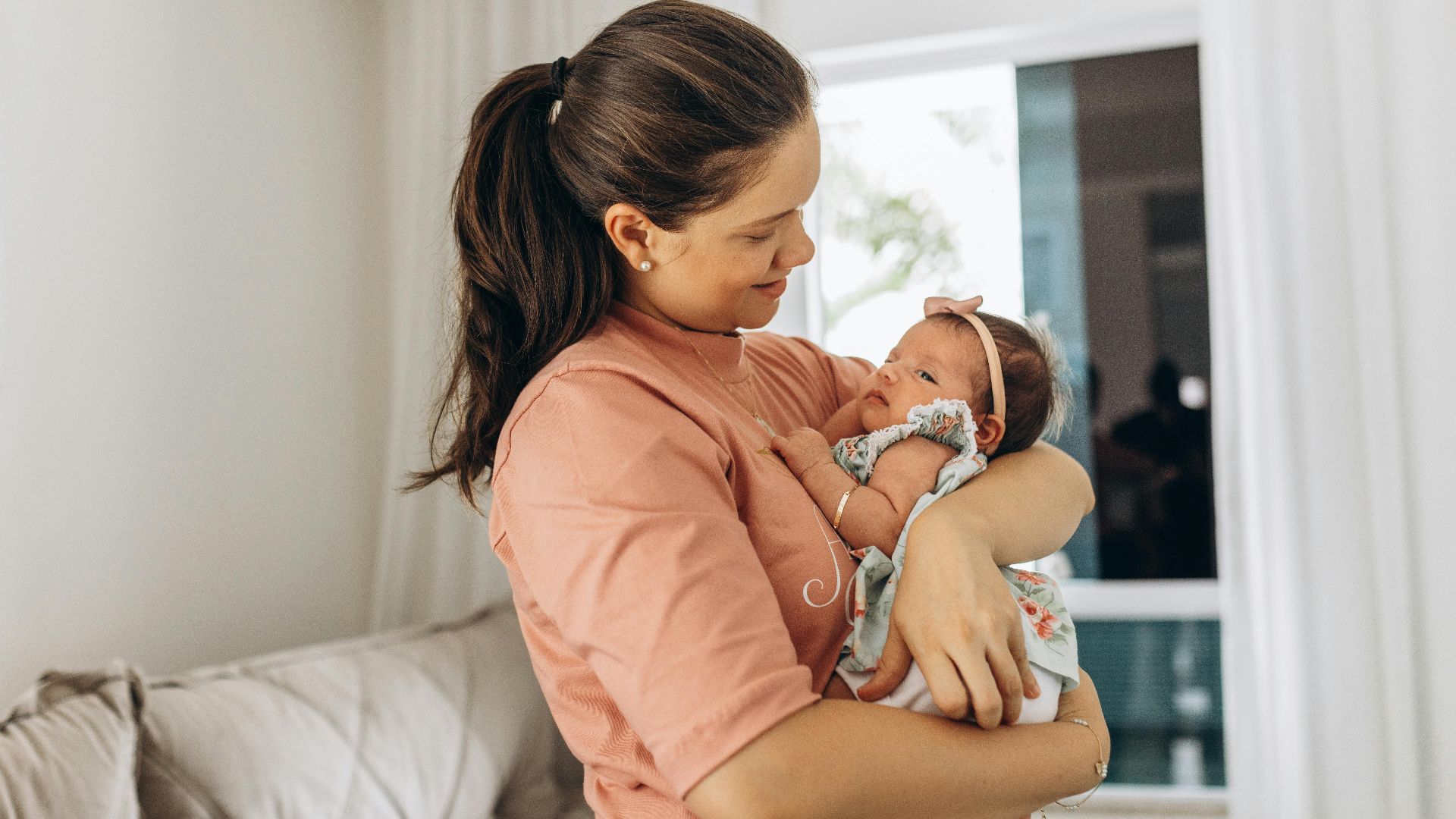
1. Immediate Postpartum Physical Recovery Support
Recovering after birth demands rest and limited physical strain. Living with parents allows household chores to be shared, which eases pressure on a healing body. The consistent support promotes faster recovery of the mother.
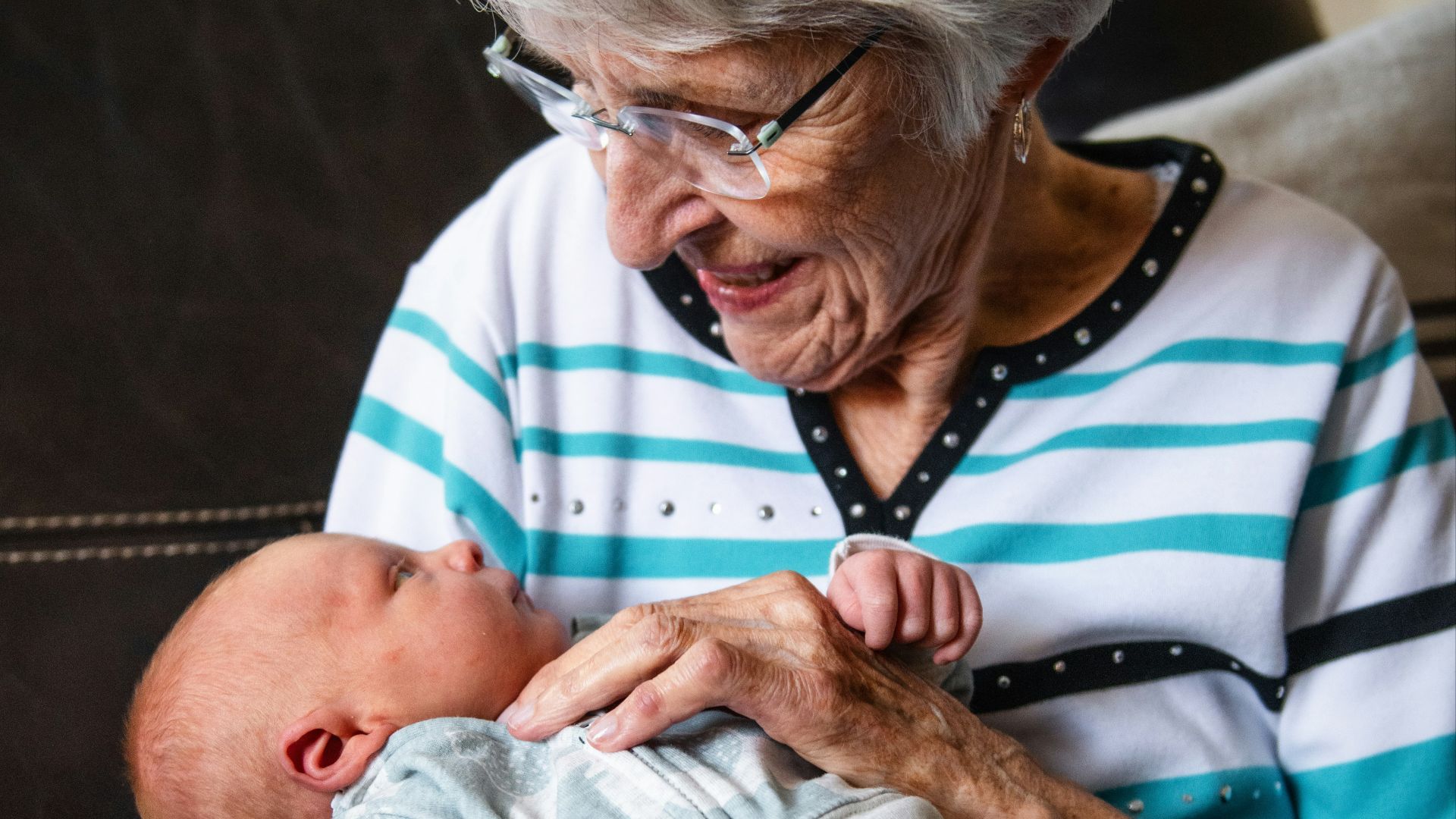
2. Round-the-Clock Help With Newborn Care
Constant care can quickly exhaust new mothers—even more than they think. Parents help soothe the baby at all hours. Shared caregiving reduces burnout, and grandparents often treasure those quiet midnight bonding moments that start here and continue for the rest of their lives.
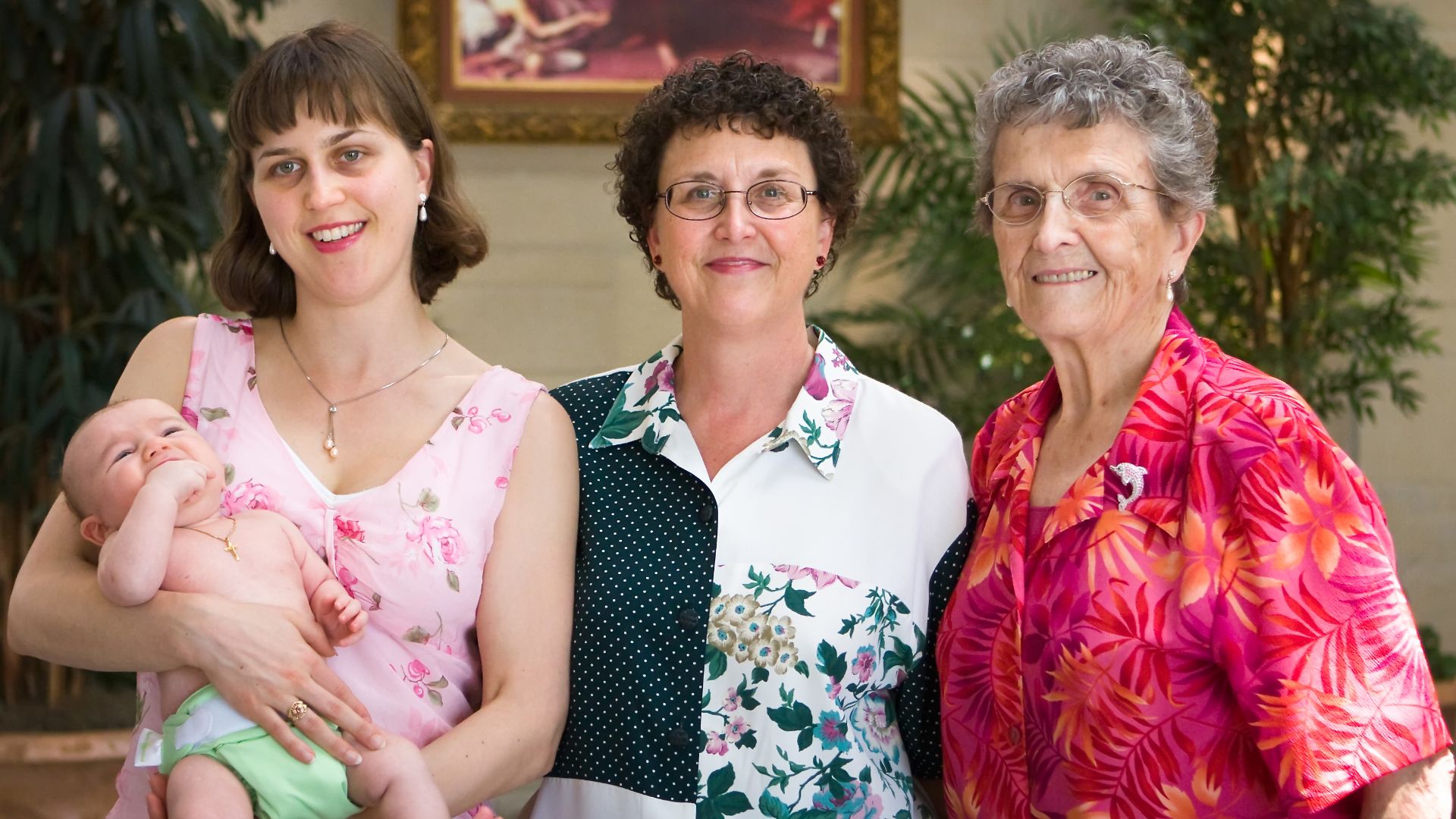
3. Reduced Financial Pressure During Maternity Leave
Most women prefer to take maternity leave for at least a while after giving birth. The added pressure of taking care of buying their essentials while filling out the other bills can cost a lot, so when you move it with your parents, the load is shared.
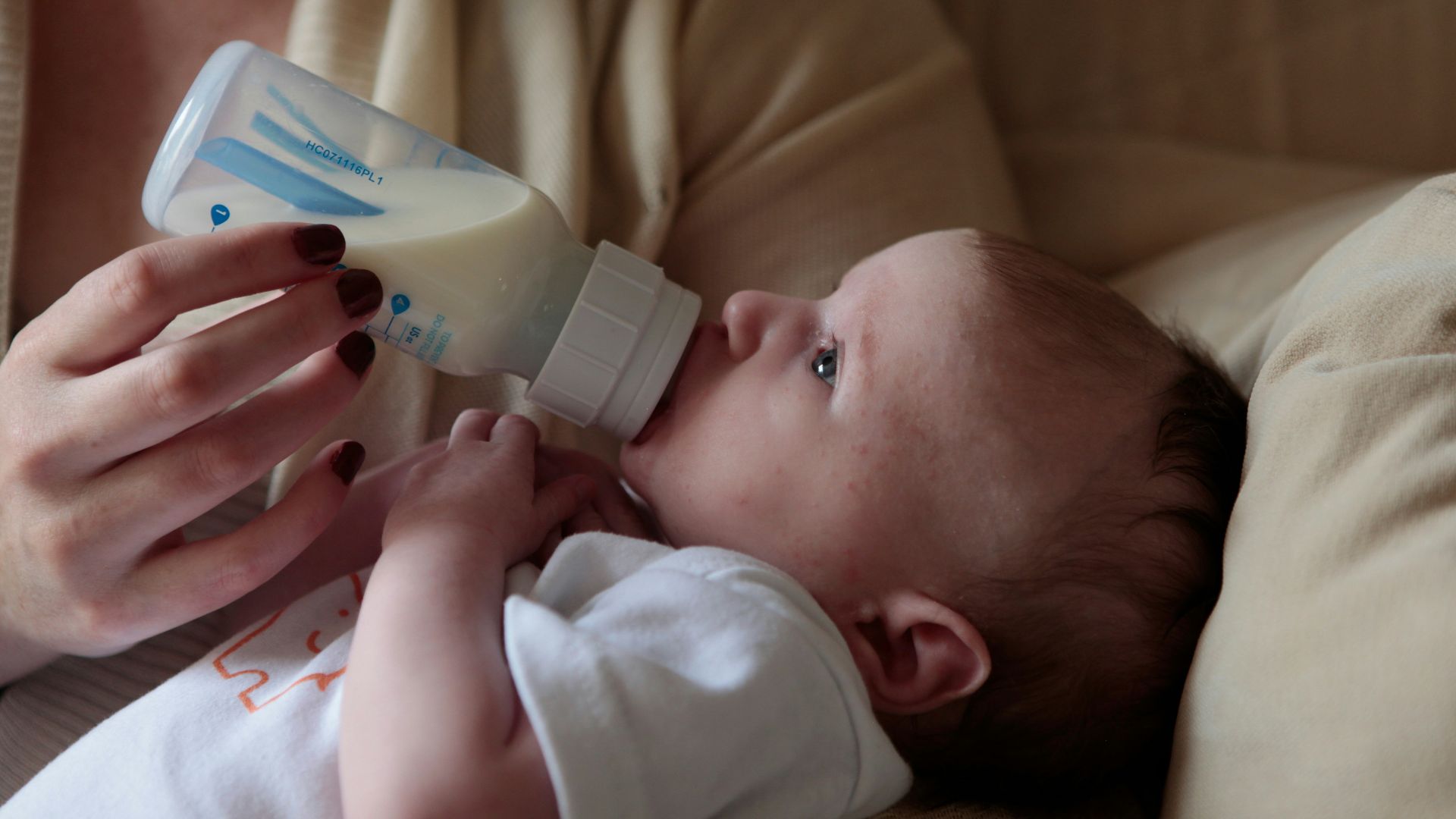
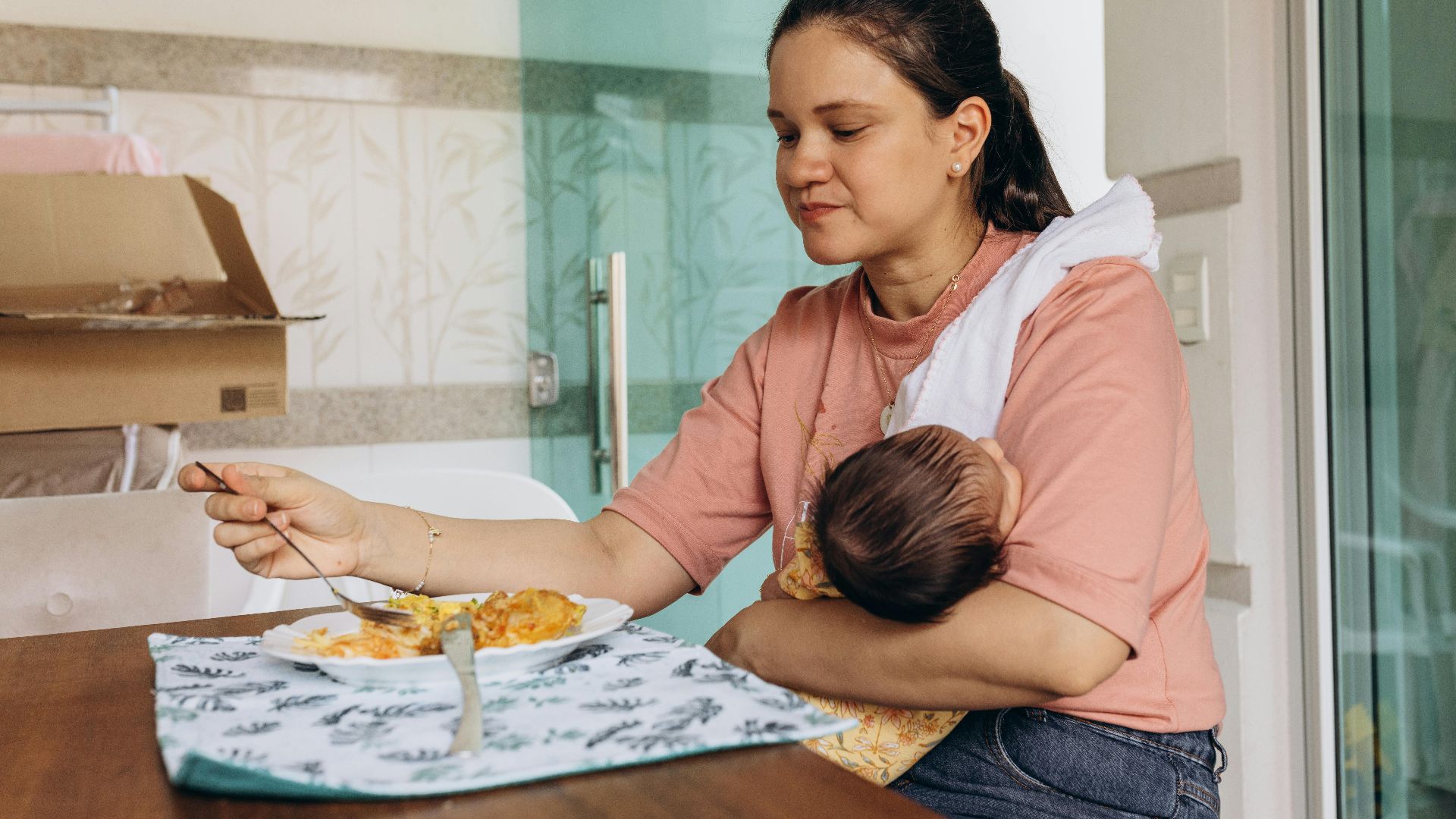
4. Reliable Home-Cooked Meals Without Planning
Parents often step in with regular, nutritious home-cooked meals that support postpartum healing. Once the need for meal planning goes away, it saves time and energy. Even familiar comfort foods from childhood can feel especially grounding during recovery.
5. Emotional Stability During Hormonal Adjustments
Postpartum hormonal shifts often bring unexpected mood swings; being around parents provides emotional reassurance. Familiar surroundings create a sense of safety, and a simple hug from a parent can feel deeply stabilizing.

6. Experienced Guidance From Someone Who Did It Before
Parents bring firsthand newborn-care experience that helps new mothers avoid common mistakes. Their guidance also builds confidence during uncertain moments for first-time mothers. Along the way, grandparents often pass down tried-and-tested soothing tricks that still work beautifully today.

7. Reduced Pressure to “Bounce Back” Quickly
Family homes may offer a more forgiving environment than independent households. Parents are often more accepting of slow recovery, physical changes, and emotional vulnerability without societal pressure if you share a good bond with them.
8. Faster Identification of Postpartum Health Changes
Experienced parents often notice subtle physical or emotional changes early. Since they've been through postpartum recovery before, they can help identify warning signs sooner, prompting timely support when needed.

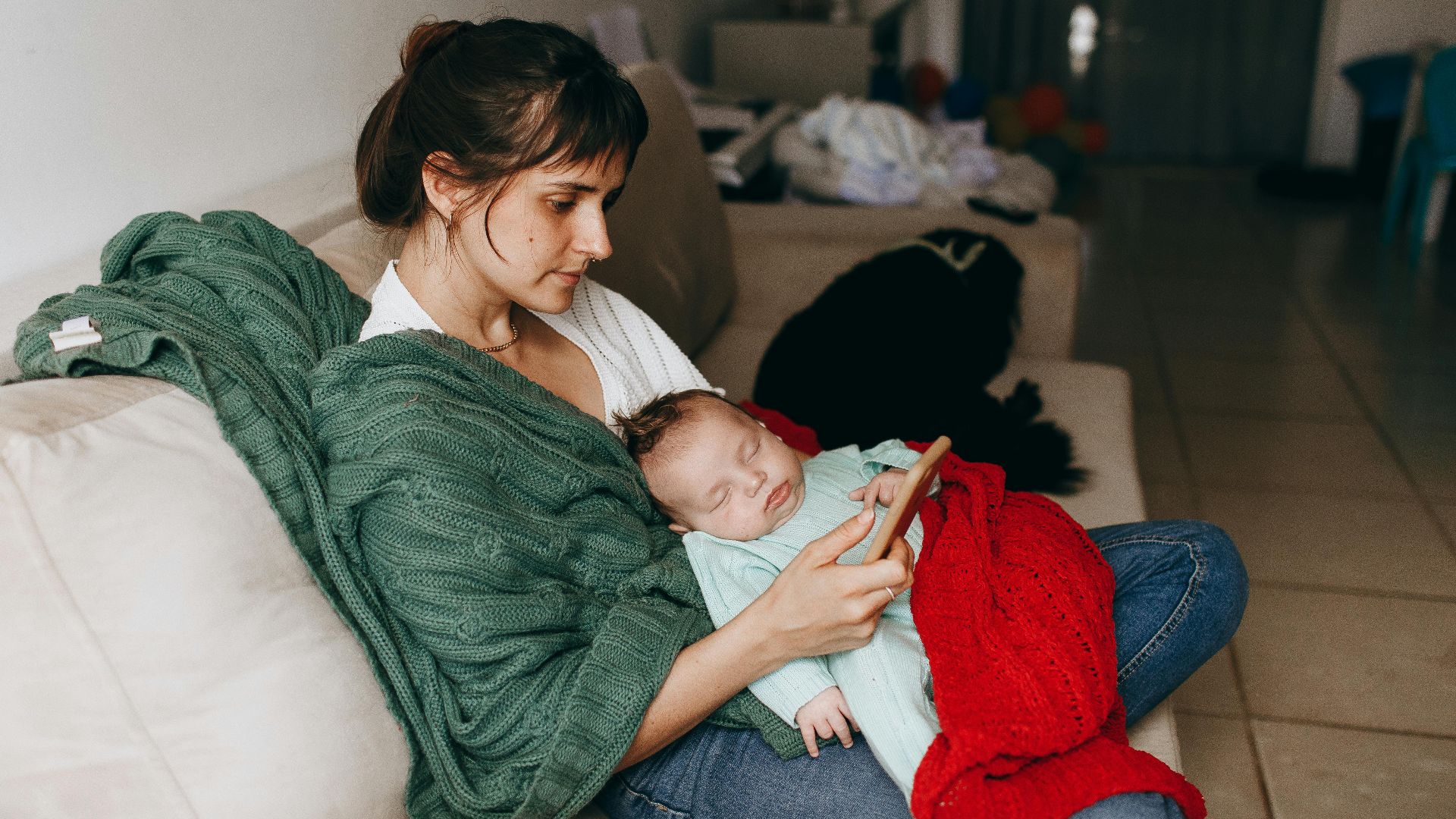
9. Lower Risk of Postpartum Isolation
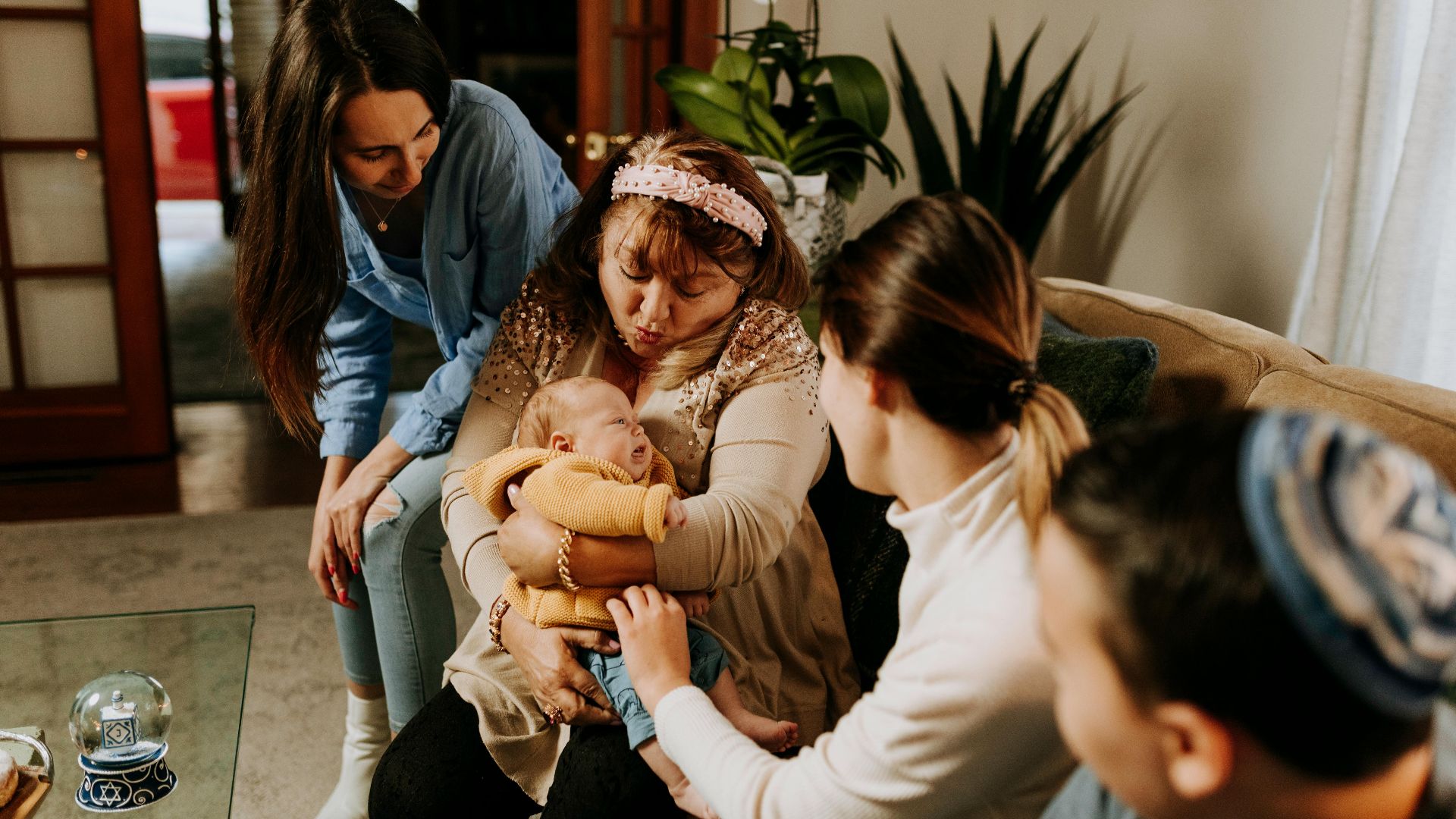
Postpartum depression is real, and taking care of the baby when you don’t feel good can be challenging. Family presence reduces isolation and loneliness during recovery, while shared moments turn baby milestones into collective celebrations that strengthen family bonds.
10. Extra Hands During Medical Appointments
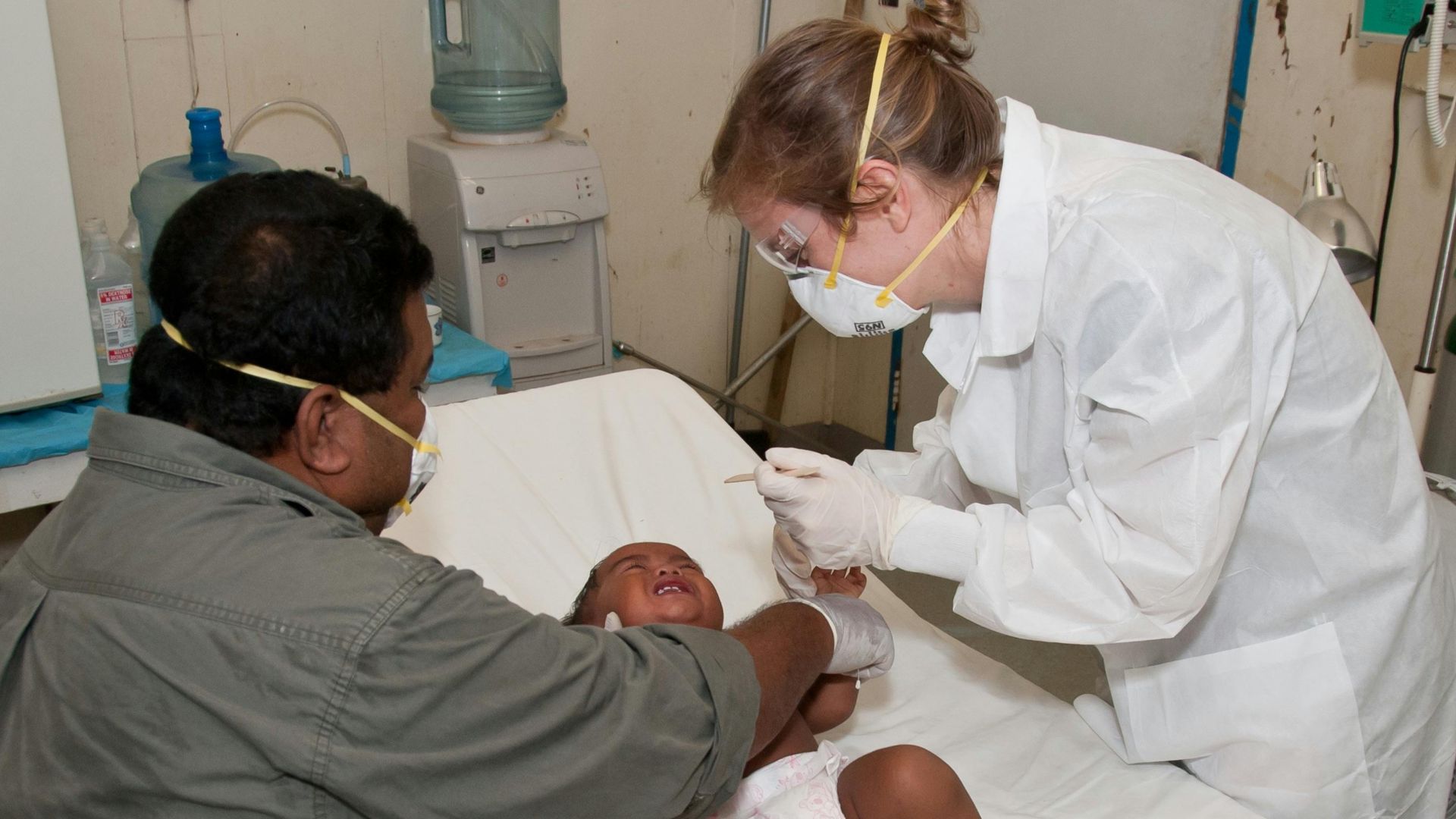
Parents can accompany both mother and baby to medical appointments, making logistics smoother during recovery. Their presence also offers reassurance and practical help, especially during emergencies. Many grandparents also cherish being part of a baby’s earliest doctor visits.
For all its benefits, shared living comes with trade-offs that deserve just as much consideration.
1. Lack of Privacy
Moving back in often reduces opportunities for private family time with your husband. Shared spaces blur personal boundaries, and constant presence can feel intrusive during emotionally or physically sensitive moments. They may want to hog all of your time with the baby, too.
 José Antonio Otegui Auzmendi on Pexels
2. Difficulty Establishing Independence
Depending on parents for daily support can delay self-sufficiency. True independence develops through managing responsibilities and decision-making. It may unintentionally prolong dependency, which makes the eventual transition to autonomy feel like a significant milestone.
 Hoi An and Da Nang Photographer on Unsplash
3. Inconsistent Parenting Signals For the Baby
Multiple adults responding differently to cues can create inconsistency. Babies thrive on predictable responses, and mixed approaches to various routines may complicate early emotional regulation for the baby.
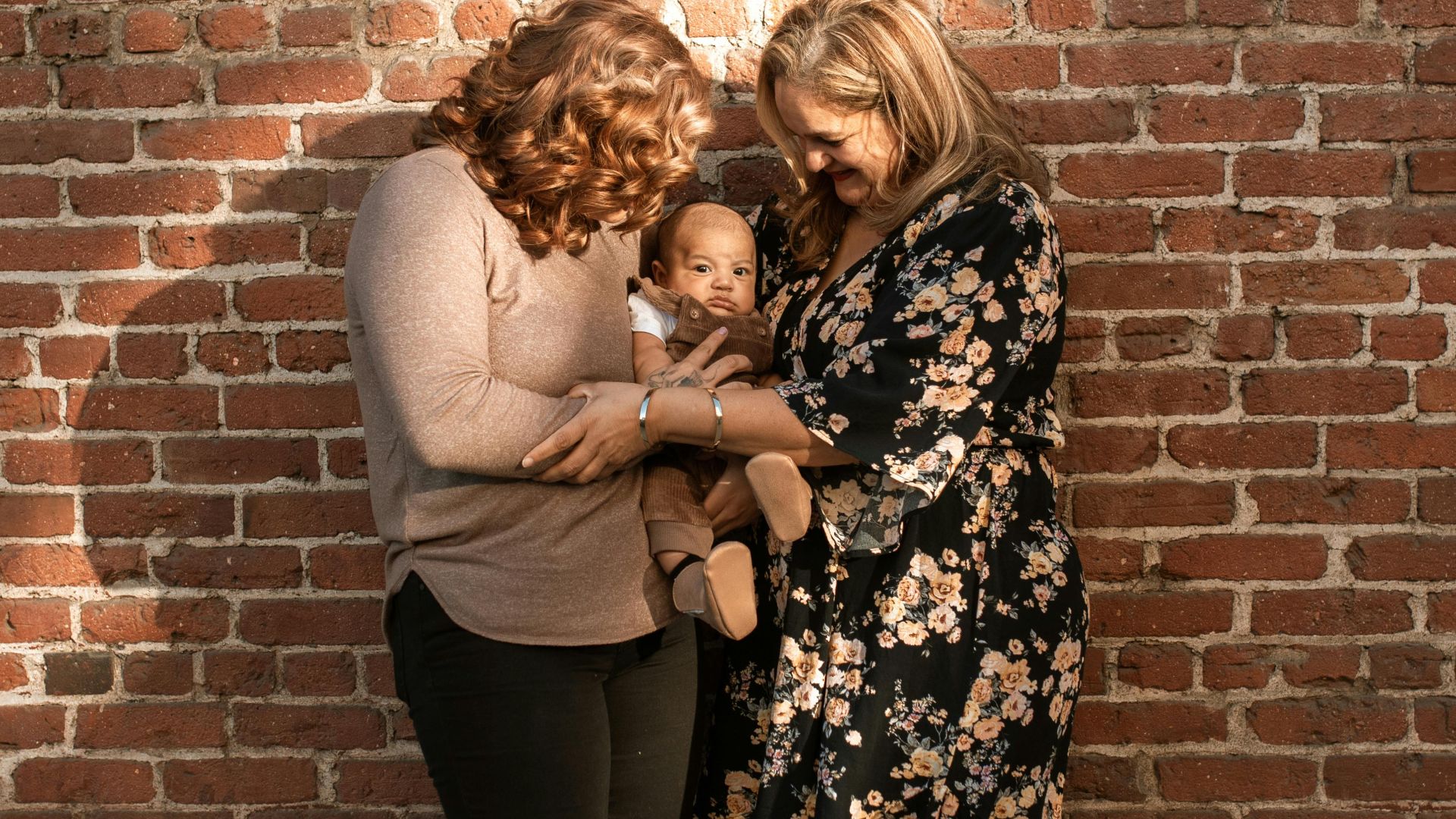
4. Increased Stress and Conflict
Generational differences often lead to disagreements. Household norms that conflict can raise stress levels, and constant proximity increases the likelihood of tension. Learn to resolve conflicts independently, as it can ultimately make family bonds strong.

5. Regression to Child Role
Old family patterns can resurface when living with parents, subtly reshaping how new mothers see themselves. Such regression can stall confidence and independence, which is the last thing you want when you have a bun out of the oven.

6. Partner Exclusion
When parents take over caregiving, a partner’s involvement may unintentionally shrink. Reduced participation can weaken early co-parenting bonds and shared confidence. Many partners thrive when given full responsibility, which builds both their skills and the parental partnership.
 Photography Maghradze PH on Pexels
7. Emotional Suppression to Keep Peace
New mothers may suppress their feelings to avoid upsetting parents or disrupting harmony. This emotional restraint can quietly increase stress while limiting healthy expression, intensifying emotional strain during an already sensitive and vulnerable postpartum phase.

8. Delayed Household Autonomy
Constant parental presence can slow independent decision-making at home. True autonomy develops by managing routines without outside input, and delays can weaken confidence in running a household. When independence is finally established, it often feels deeply rewarding.

9. Limited Space For Parenting Choices
Family homes often come with established routines and layouts that don’t adapt easily to a new baby. Parents may resist changes to sleeping arrangements, feeding areas, or baby‑proofing, which can restrict how you want to set up your household.

10. Blurring of Parenting Authority
When multiple adults share a household, decision-making authority can become unclear. The blurring may cause tension and second-guessing in daily parenting choices; clear leadership is harder to establish when too many voices influence routines.