
Family Communication Matters
Family communication shapes how people feel understood, supported, and respected at home. When conversations flow openly, disagreements are easier to manage, and everyday interactions feel less stressful. On the other hand, when communication breaks down, even small issues can turn into lingering tension that affects everyone involved. You might notice these patterns in how your family talks during meals, handles disagreements, or shares personal updates. The way relatives listen, respond, and express themselves says a lot about whether communication is healthy or strained. If you’re wondering where your family stands, the following 20 signs highlight common behaviors that reveal when communication isn’t working and when it’s actually thriving.

1. Conversations Quickly Turn Into Arguments
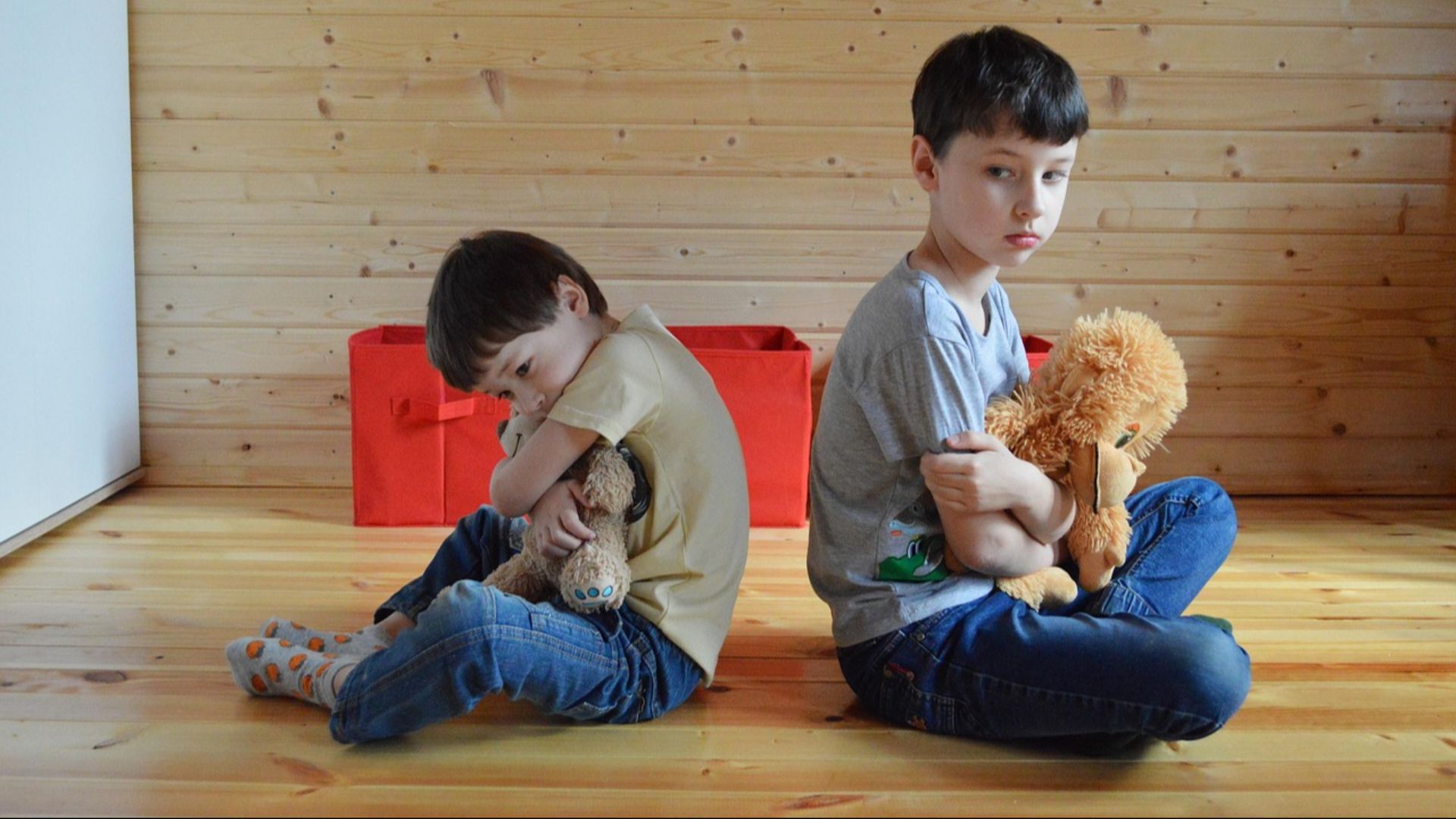
Simple discussions often escalate into heated exchanges before anyone fully explains their point. Instead of listening carefully, family members focus on defending themselves or proving someone else wrong. Voices rise, patience fades, and the original topic gets lost. Over time, people may stop bringing up concerns because they expect conflict.

2. People Avoid Talking About Important Issues
8Some families keep difficult topics off the table because no one wants to deal with the tension. Problems related to finances, relationships, or responsibilities stay unresolved for months or even years. While avoiding these conversations may feel easier in the moment, the underlying issues rarely disappear. Eventually, the silence creates distance between relatives.

3. Interrupting Is the Norm
In many struggling households, people rarely finish a thought before someone else jumps in. Constant interruptions signal that listening isn’t a priority during discussions. Instead of understanding each other, family members compete for control of the conversation. This habit makes meaningful dialogue nearly impossible.

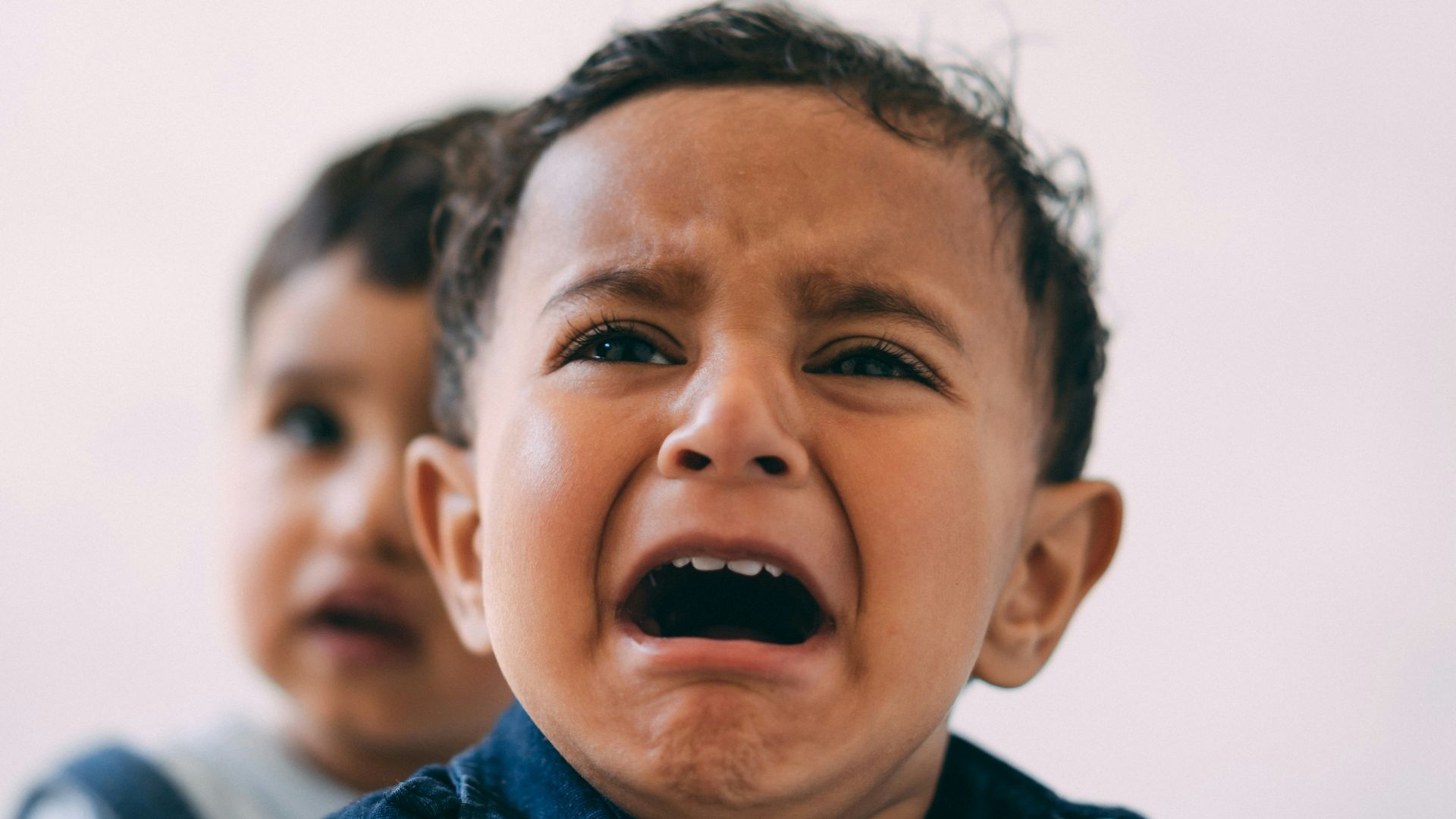
4. Feelings Are Often Dismissed
When someone expresses frustration or sadness, their emotions might be brushed aside or minimized. Comments such as “you’re overreacting” or “it’s not a big deal” can make people feel unheard. Over time, family members may stop sharing how they feel altogether. Emotional dismissal erodes trust within relationships.
 Ashwini Chaudhary(Monty) on Unsplash
5. Passive-Aggressive Behavior Replaces Direct Talk
Rather than stating concerns clearly, people rely on sarcasm, cold silence, or subtle criticism. These behaviors communicate frustration without addressing the real problem. Passive-aggressive communication often leaves others confused about what’s actually wrong. It also prevents productive problem-solving.

6. One Person Dominates Every Discussion
Some families revolve around a single voice that controls most conversations. When one person constantly interrupts, lectures, or shuts down differing opinions, others stop contributing. Healthy communication requires balanced participation, but dominance creates an uneven dynamic. Eventually, quieter members withdraw from discussions entirely.

7. Apologies Rarely Happen
Mistakes are inevitable in any family, but refusing to acknowledge them creates ongoing resentment. When someone avoids apologizing, it signals that maintaining pride matters more than repairing relationships. Without accountability, unresolved conflicts tend to pile up. Over time, small disagreements become major sources of tension.

8. Conversations Stay Surface-Level
If discussions rarely move beyond daily logistics, deeper connections can suffer. Families that struggle to communicate often stick to topics like schedules or chores. Personal thoughts, worries, and achievements rarely come up in conversation. This lack of depth can make relationships feel distant.

9. People Assume Instead of Asking
Misunderstandings grow when relatives guess what others are thinking rather than asking directly. Assumptions can lead to misplaced blame or unnecessary conflict. Clear communication involves curiosity and clarification, not mind-reading. Families that skip this step often misinterpret each other’s intentions.

10. Silence Follows Disagreements
After an argument, some families simply stop talking about the issue altogether. The conflict fades from conversation but remains unresolved beneath the surface. Avoidance might restore temporary peace, yet it doesn’t fix the underlying problem. Healthy communication requires returning to difficult topics and working through them.

1. Everyone Gets a Chance to Speak
In families with strong communication habits, conversations feel balanced and respectful. People take turns sharing thoughts without constantly interrupting one another.
 Hoi An and Da Nang Photographer on Unsplash
2. Listening Is Just as Important as Talking
Effective communication involves paying attention, not simply waiting for your turn to speak. Family members show that they’re listening by asking questions and responding thoughtfully.
 Hoi An and Da Nang Photographer on Unsplash
3. Disagreements Stay Respectful
Conflict doesn’t disappear in healthy families, but it’s handled differently. People focus on the issue rather than attacking each other personally. Voices remain steady, and the goal is understanding rather than winning. This approach allows disagreements to lead to solutions instead of lingering hostility.
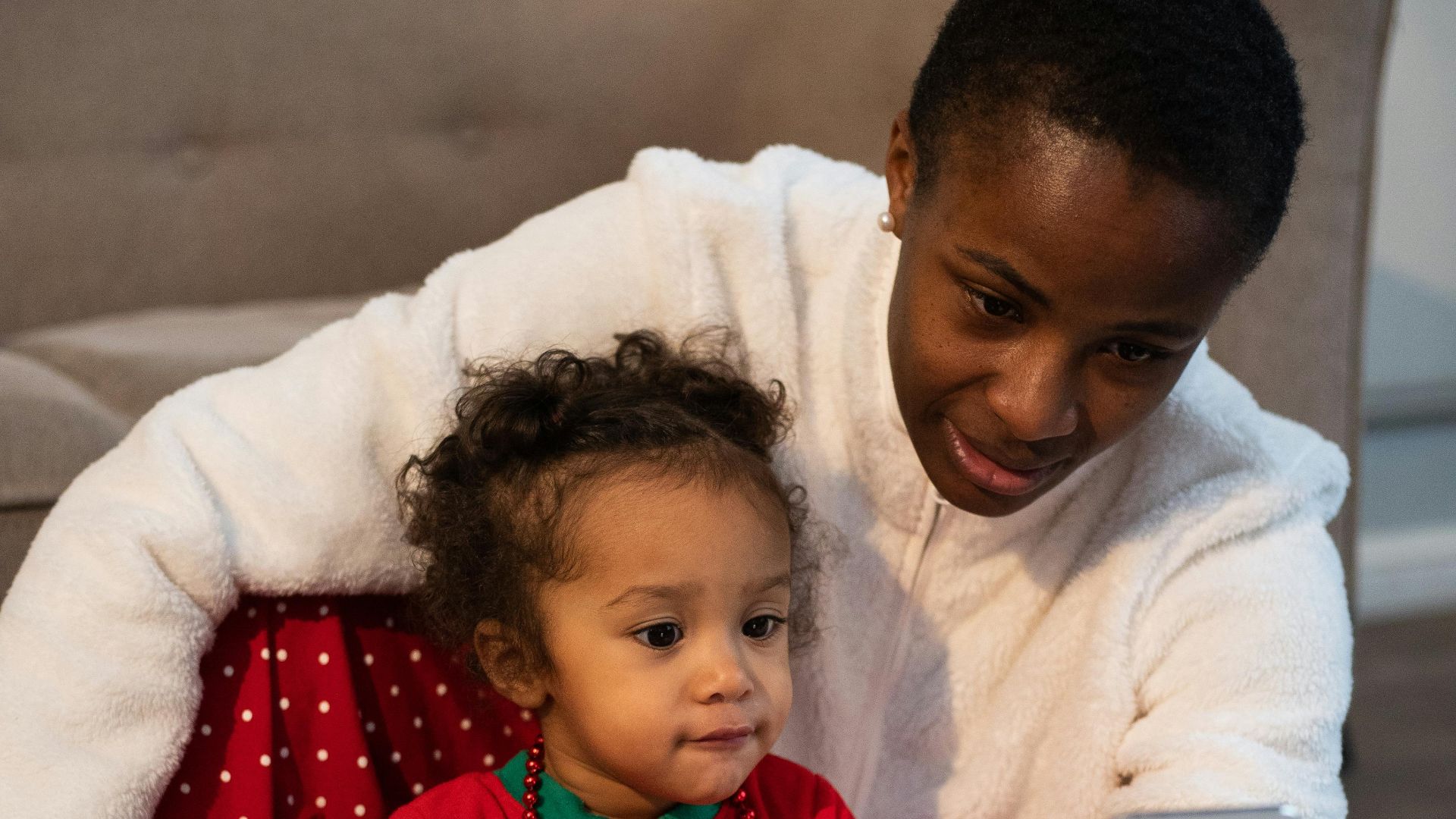
4. People Express Feelings Clearly
Open families encourage members to share how they feel without fear of ridicule. Someone might say they’re frustrated, worried, or proud, and others respond with understanding.
5. Questions Are Welcomed
Curiosity plays a big role in healthy family communication. When someone doesn’t understand another person’s perspective, they ask thoughtful questions rather than making assumptions. This habit helps clear up confusion before it grows into conflict. Asking questions also shows a genuine interest in each other’s experiences.

6. Apologies Are Offered When Needed
In well-communicating families, admitting mistakes isn’t treated as a weakness. When someone realizes they’ve hurt another person, they acknowledge it and apologize sincerely.

7. Humor Appears in Everyday Conversations
While serious topics are handled respectfully, lighthearted moments still have a place. Families that communicate well often share jokes or laugh during ordinary interactions.

8. Important Topics Are Discussed Openly
Healthy families don’t shy away from challenging subjects like finances, expectations, or personal struggles. These discussions might feel uncomfortable at times, yet they’re approached with patience and honesty.
 Hoi An and Da Nang Photographer on Unsplash
9. People Feel Comfortable Sharing Updates
In families with strong communication, relatives naturally talk about their daily experiences. Someone might share news about work, school, or personal goals without feeling pressured.

10. Problems Lead to Solutions
When challenges arise, communication focuses on finding practical ways forward. Family members work together to discuss possible options rather than assigning blame.