The Sneaky Ways Your Bill Adds Up
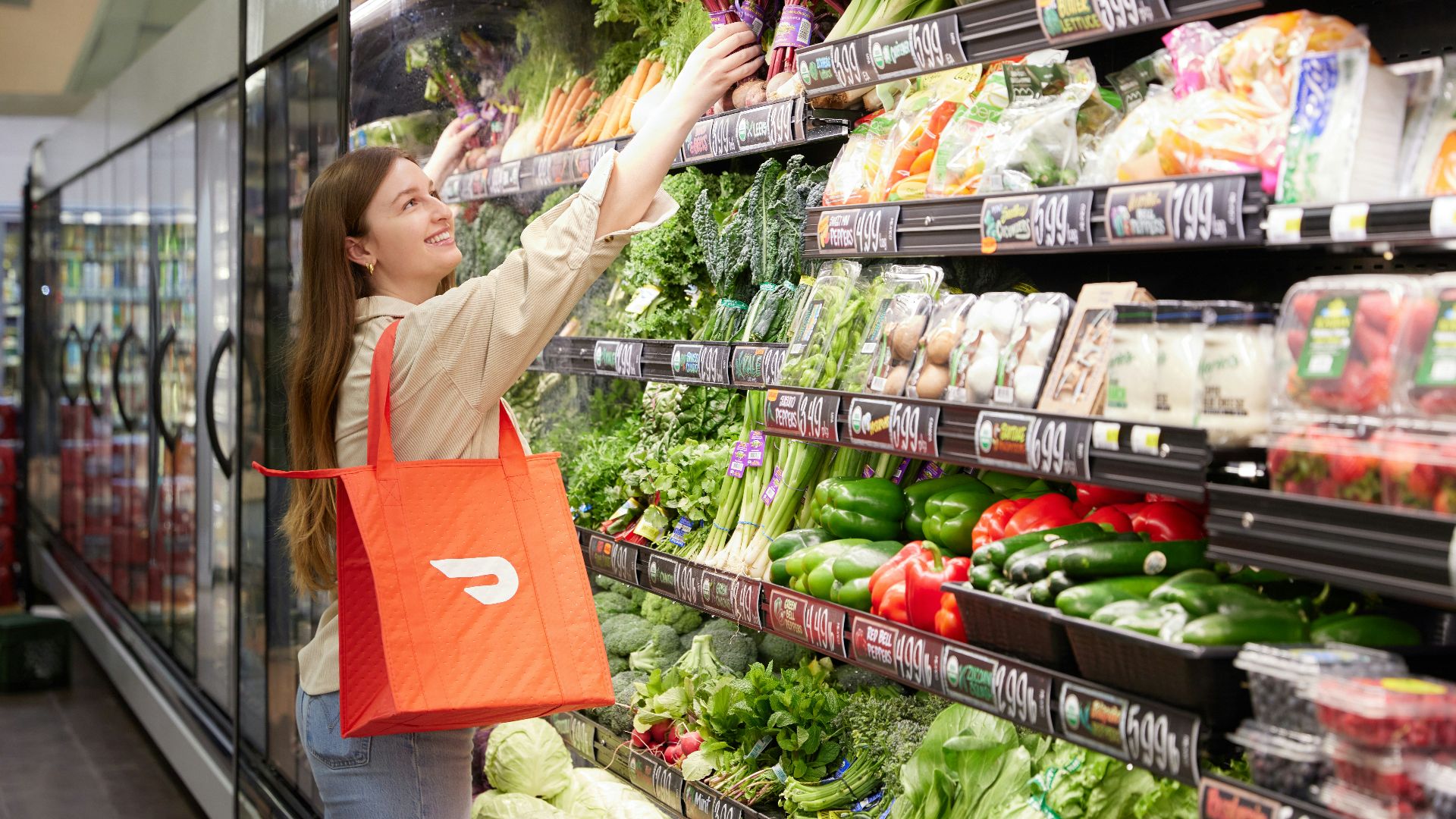
Grocery bills don't spike all at once. They drift upward one small decision at a time, until you're staring at a receipt that doesn't quite match what's actually in your fridge. Most of the damage doesn't come from big splurges, it comes from habits so routine you've stopped noticing them, like grabbing a rotisserie chicken when you already had ingredients for dinner. A lot of these feel harmless in the moment, even sensible, right up until you add up what they cost over a full year. Here's 20 habits worth a second look, starting with the ones you're probably doing without realizing it.
 Centre for Ageing Better on Unsplash
1. Shopping Without a List
Walking in without a plan turns even a quick trip into an extended browse, and browsing is exactly when impulse buys sneak into the cart. A list keeps you moving with purpose and skips past the aisles that don't matter for that trip. Over a year, those extra unplanned items add up to real money.
2. Shopping On an Empty Stomach
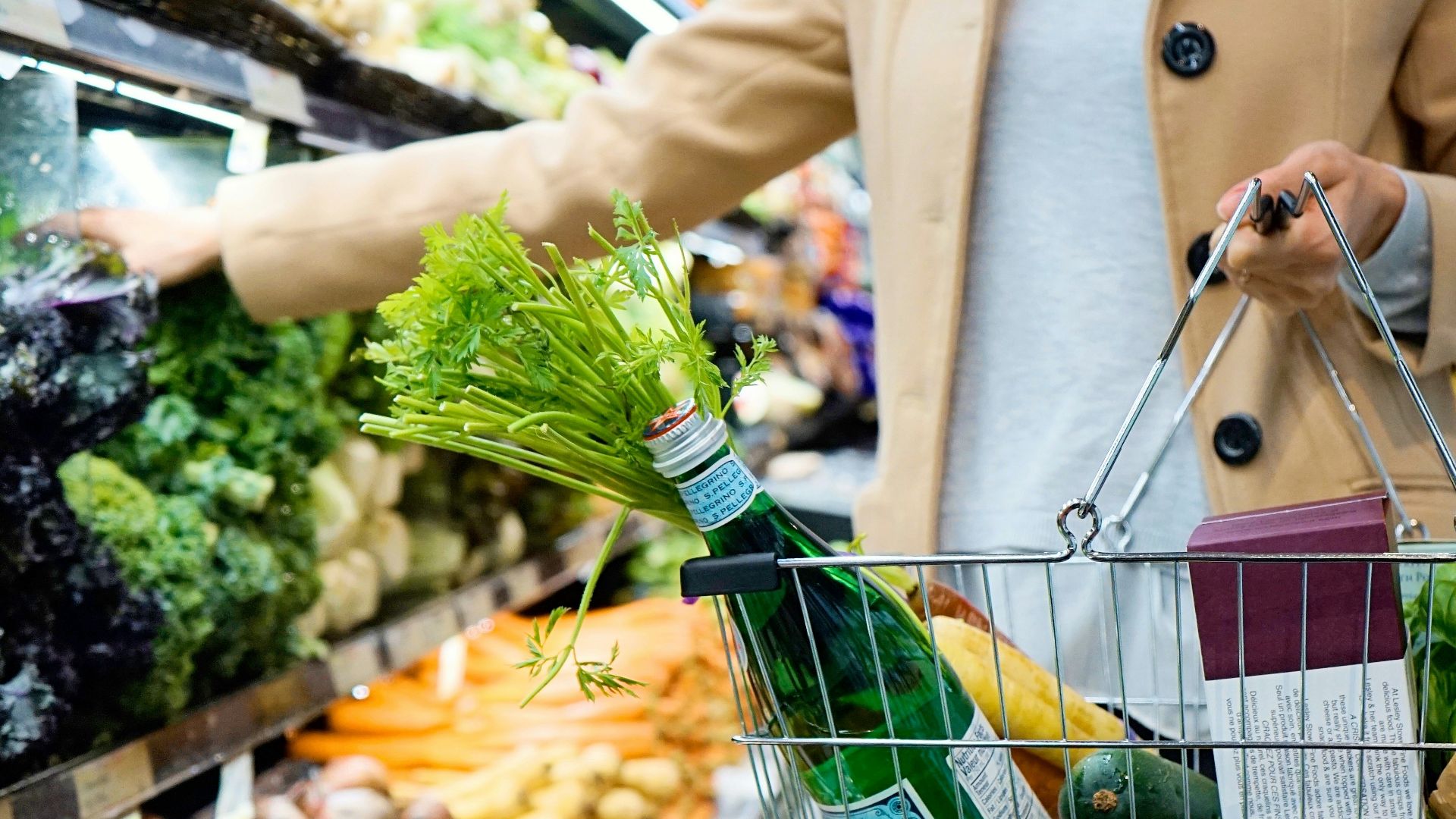
Grocery shopping hungry turns almost everything on the shelf into a good idea, and stores count on that reaction. Snacks and extra items you didn't come in for start looking essential. Eating something small before you go keeps decisions closer to what you actually planned.
3. Ignoring Unit Prices
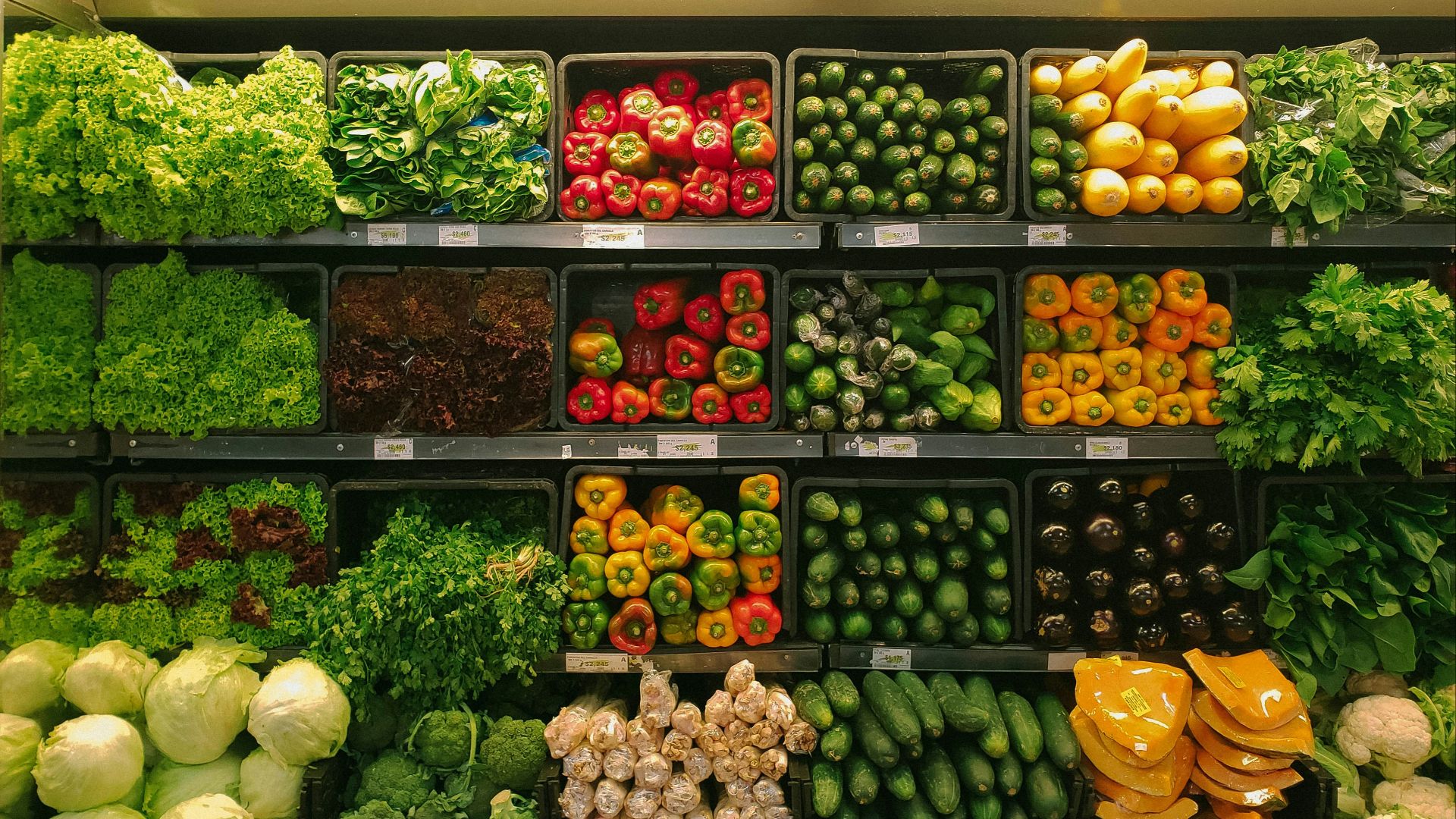
The sticker on the shelf shows the total price, not the price per ounce, and that gap is where a lot of grocery budgets leak without anyone noticing. The bigger box isn't always the better deal, even though it looks that way at a glance. A few seconds spent checking the unit price tag saves more than people expect.

4. Buying Pre-Cut Produce
Pre-cut fruit and vegetables cost more per pound than the whole version, sometimes close to double, for the convenience of skipping a few minutes with a knife. That convenience fee adds up fast if it's a weekly habit. Buying whole and cutting it yourself at home costs less and barely takes any extra time.
5. Defaulting to Name Brands
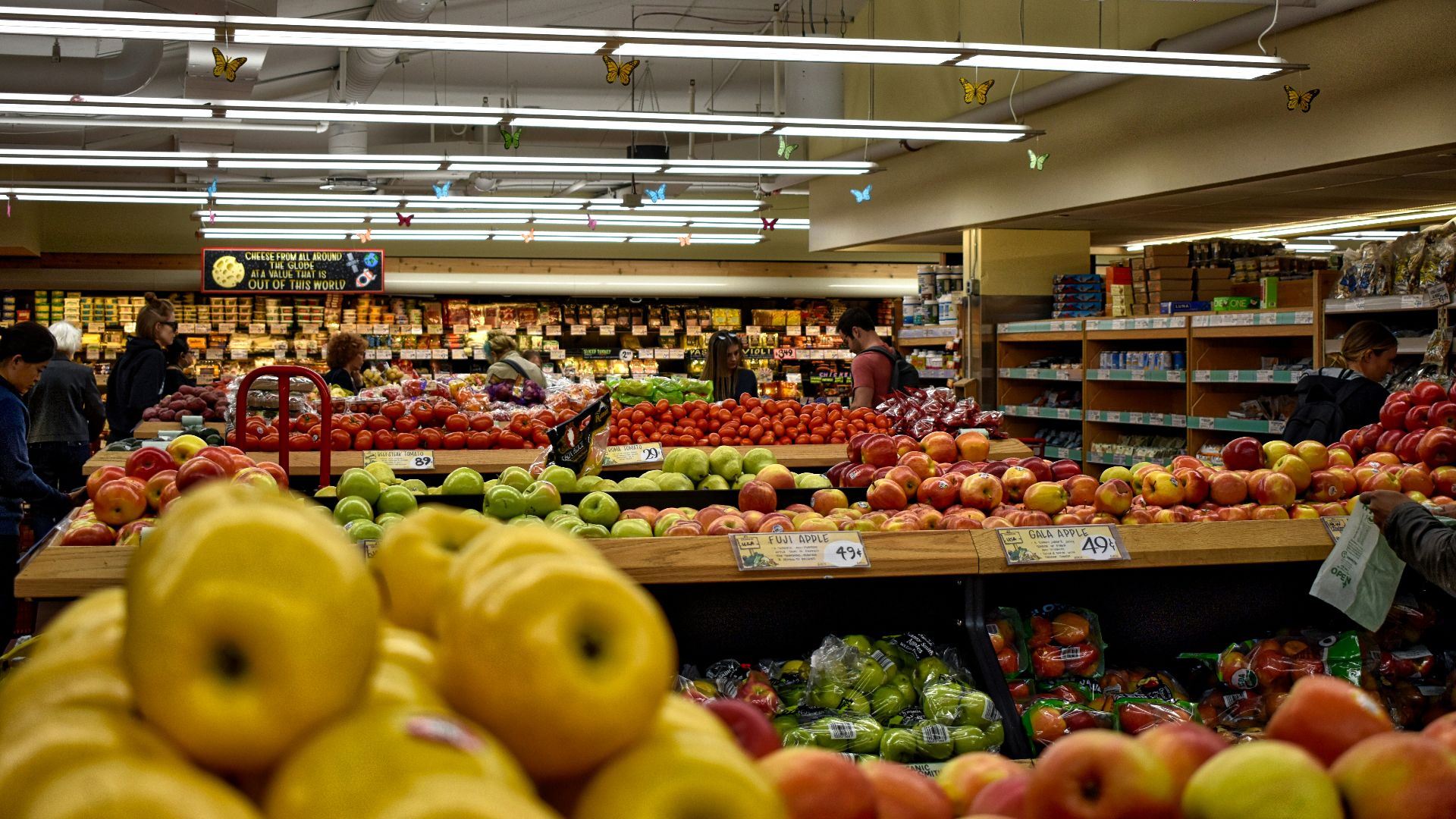
Reaching for the familiar name brand out of habit means paying for the logo as much as the product, more often than people realize. Store brands are frequently made in the same factories, using nearly identical ingredients. Testing a store brand version of something you buy often is one of the easiest ways to trim a bill without changing what's actually on your plate.
 Joshua Rawson-Harris on Unsplash
6. Skipping the Loyalty App
Store loyalty apps track sales and personalized coupons that don't show up anywhere else in the store. Skipping the app means missing discounts sitting right there for anyone who bothers to scan in. It takes two minutes to set up and keeps paying off every trip after that.
7. Buying Single-Serving Snack Packs
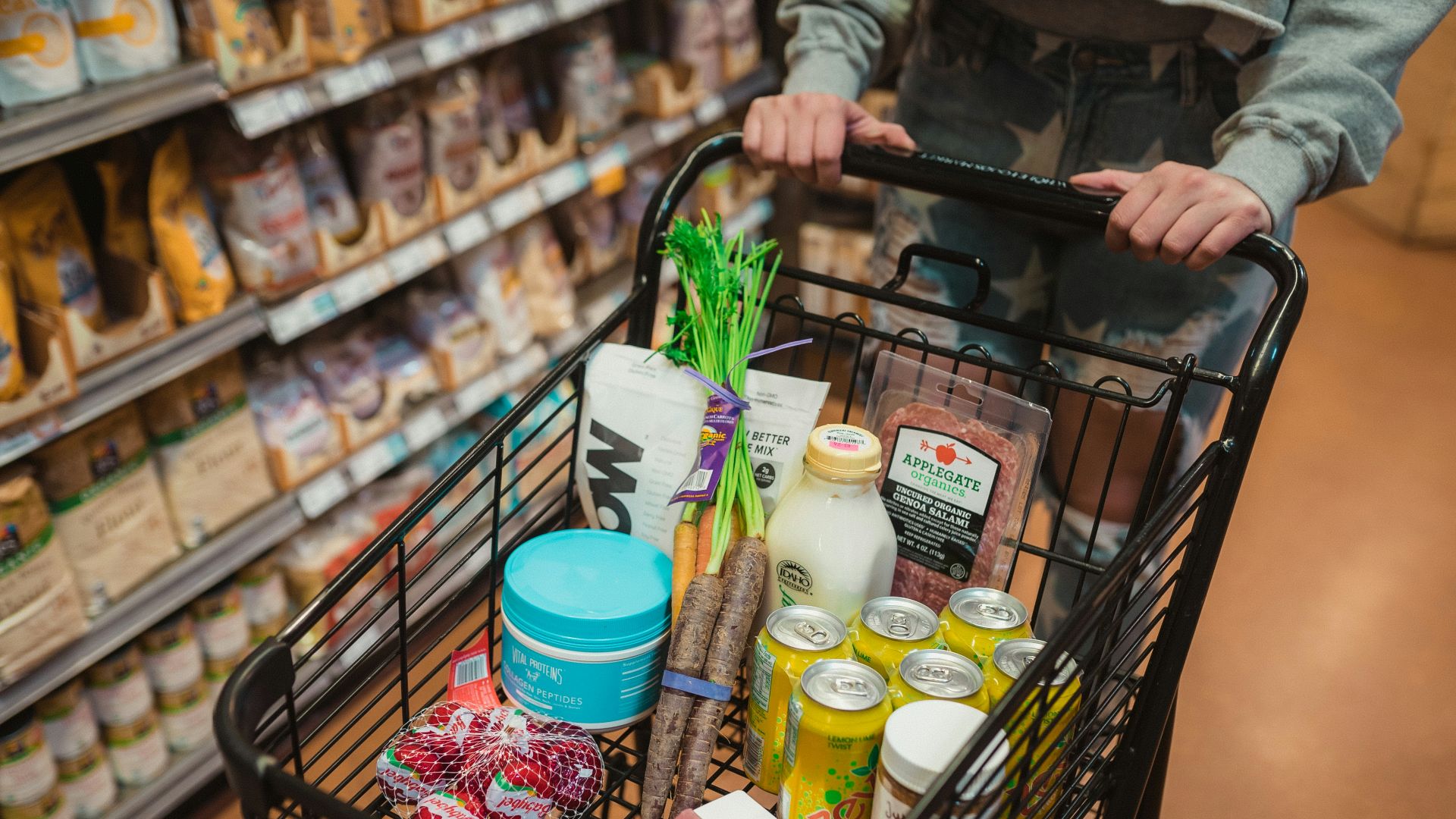
Individually wrapped snack packs cost noticeably more per ounce than the same snack in a family-size bag. Portioning a big bag into reusable containers gets you the same convenience for a fraction of the price. The only real cost is a few minutes on a Sunday.
8. Letting Produce Go to Waste
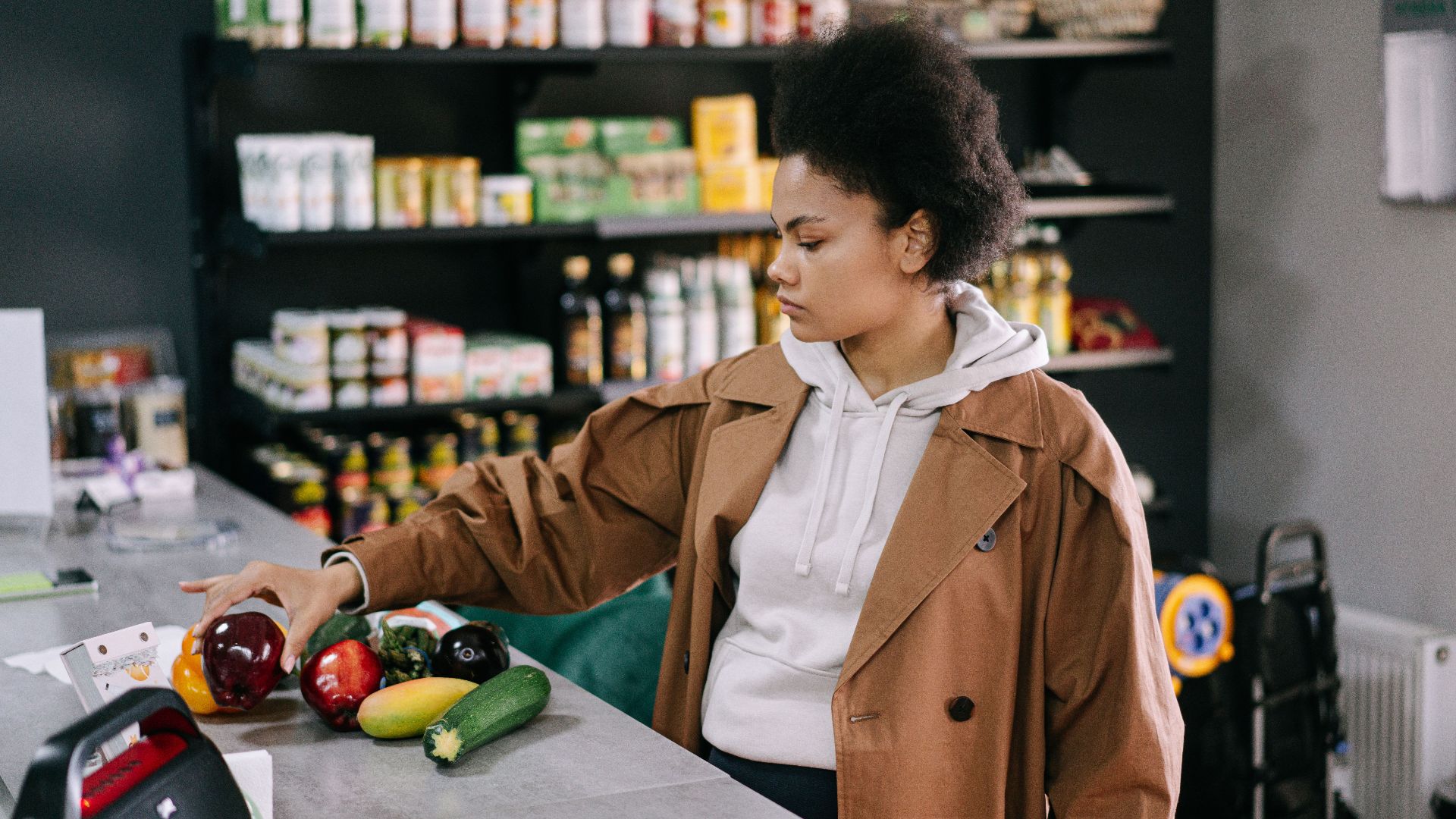
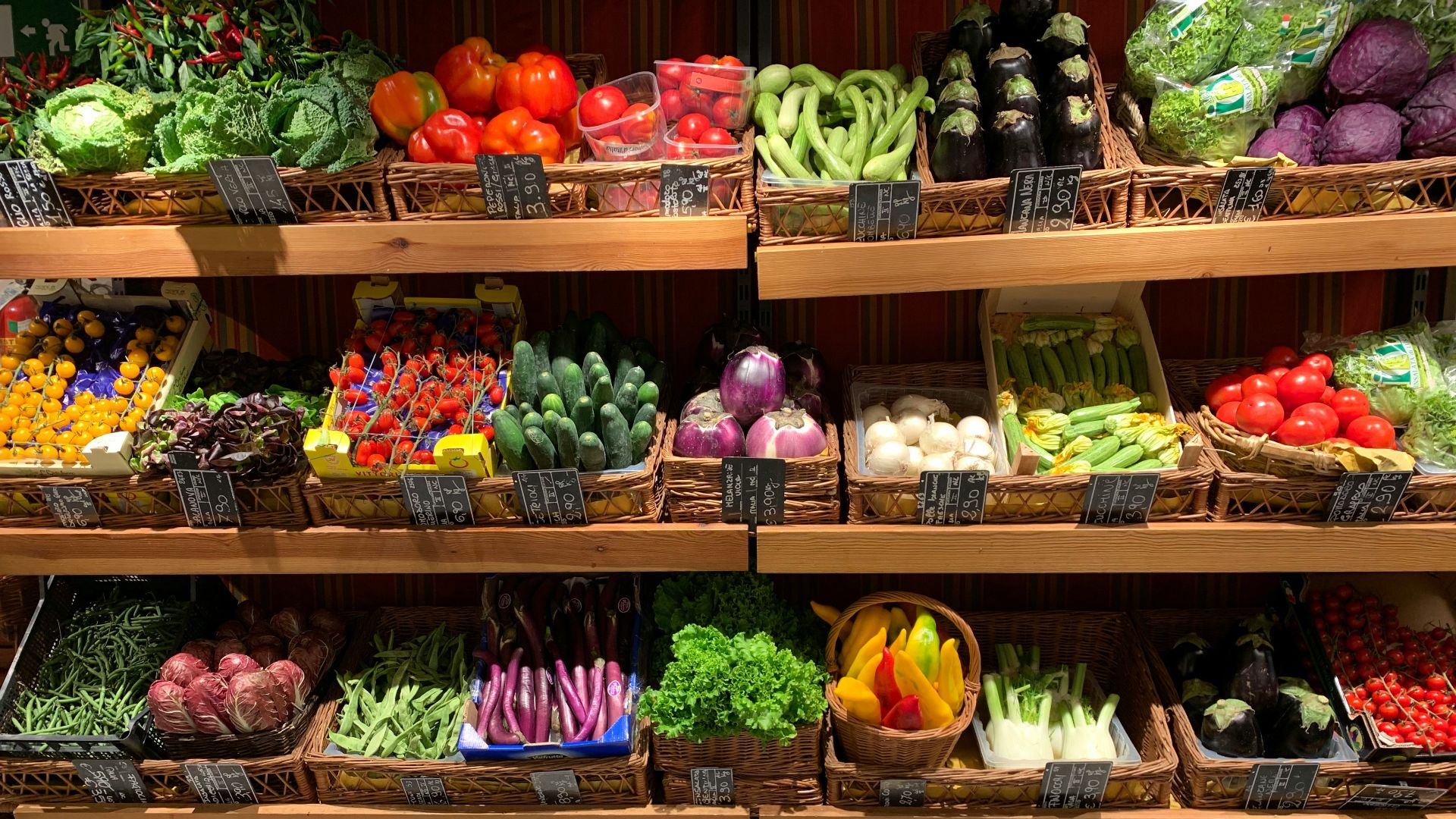
Buying more fresh produce than you'll realistically use before it spoils is one of the easiest ways money disappears from a grocery budget without anyone noticing. A wilted bag of spinach in the back of the fridge is still money that already left your wallet. Buying smaller amounts more often keeps things fresher and keeps less of it in the trash.

9. Not Planning Around Sales
Shopping without checking what's on sale means paying full price for things that might be discounted that same week, at the same store. A loose meal plan built around what's actually on sale saves money without requiring much extra effort. Even planning three or four meals ahead makes a noticeable difference.
 Raul Gonzalez Escobar on Unsplash
10. Buying Bottled Water Regularly
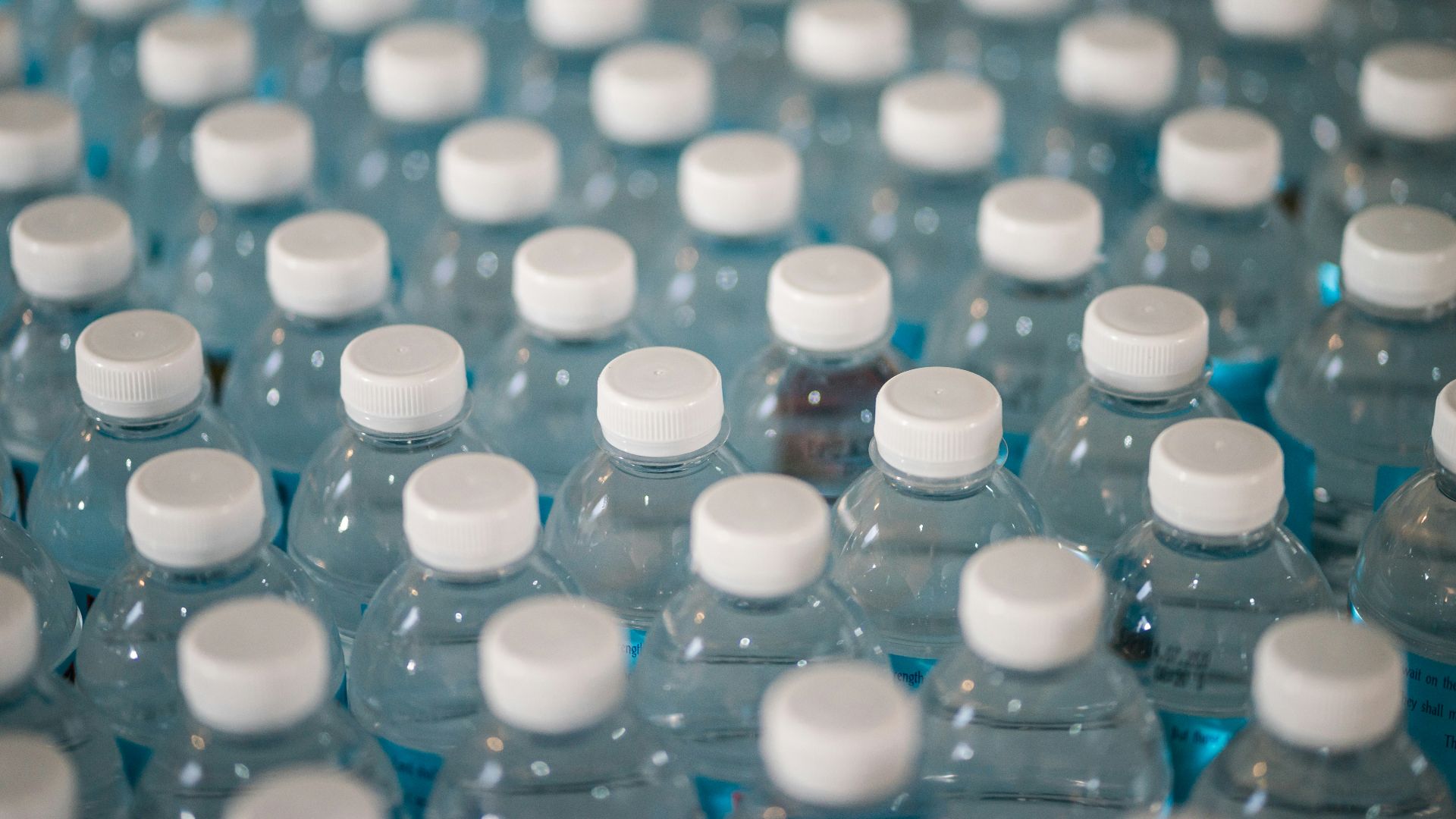
A case of bottled water feels cheap in the moment, but the cost per gallon is far higher than what comes out of the tap. A basic filter pitcher pays for itself within a few weeks for most households. Reusable bottles solve the same problem without the ongoing expense.
11. Never Comparing Store Prices
Sticking with the same store purely out of habit means missing the fact that prices for the same items can vary a lot within a few miles. You don't need to shop at three different stores every week to benefit from this. Even switching where you buy meat or produce, based on which store runs the better regular price, adds up over a year.
12. Not Checking the Pantry First
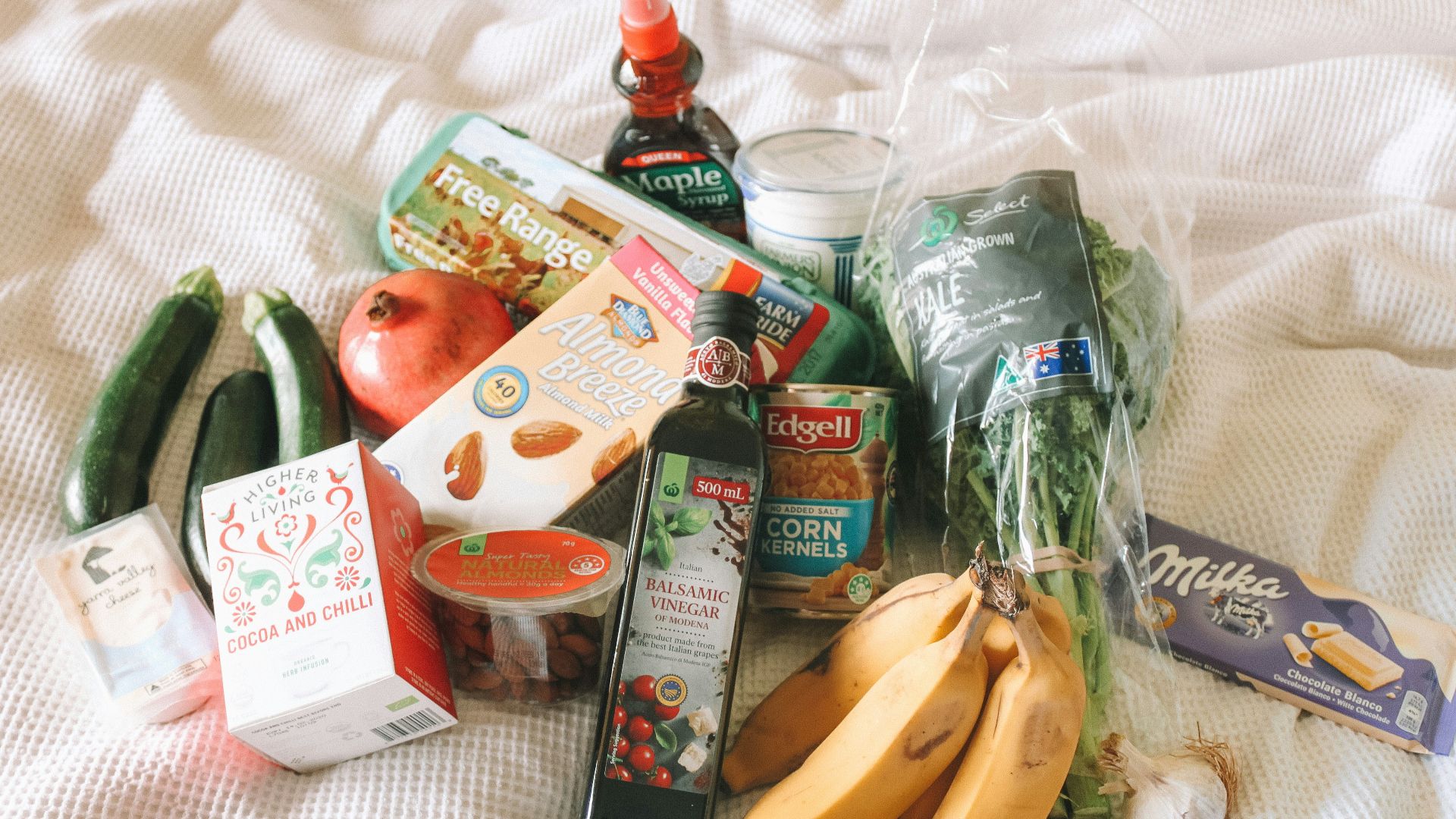
Buying a new jar of something you already have tucked behind a can in the pantry is an easy mistake to make, and an easy one to avoid. A quick look before you shop, or a running list on the fridge, heads off most duplicate purchases. Small as it sounds, it's one of the more common ways money gets wasted on food that just sits there.
13. Ordering Too Much Prepared Food
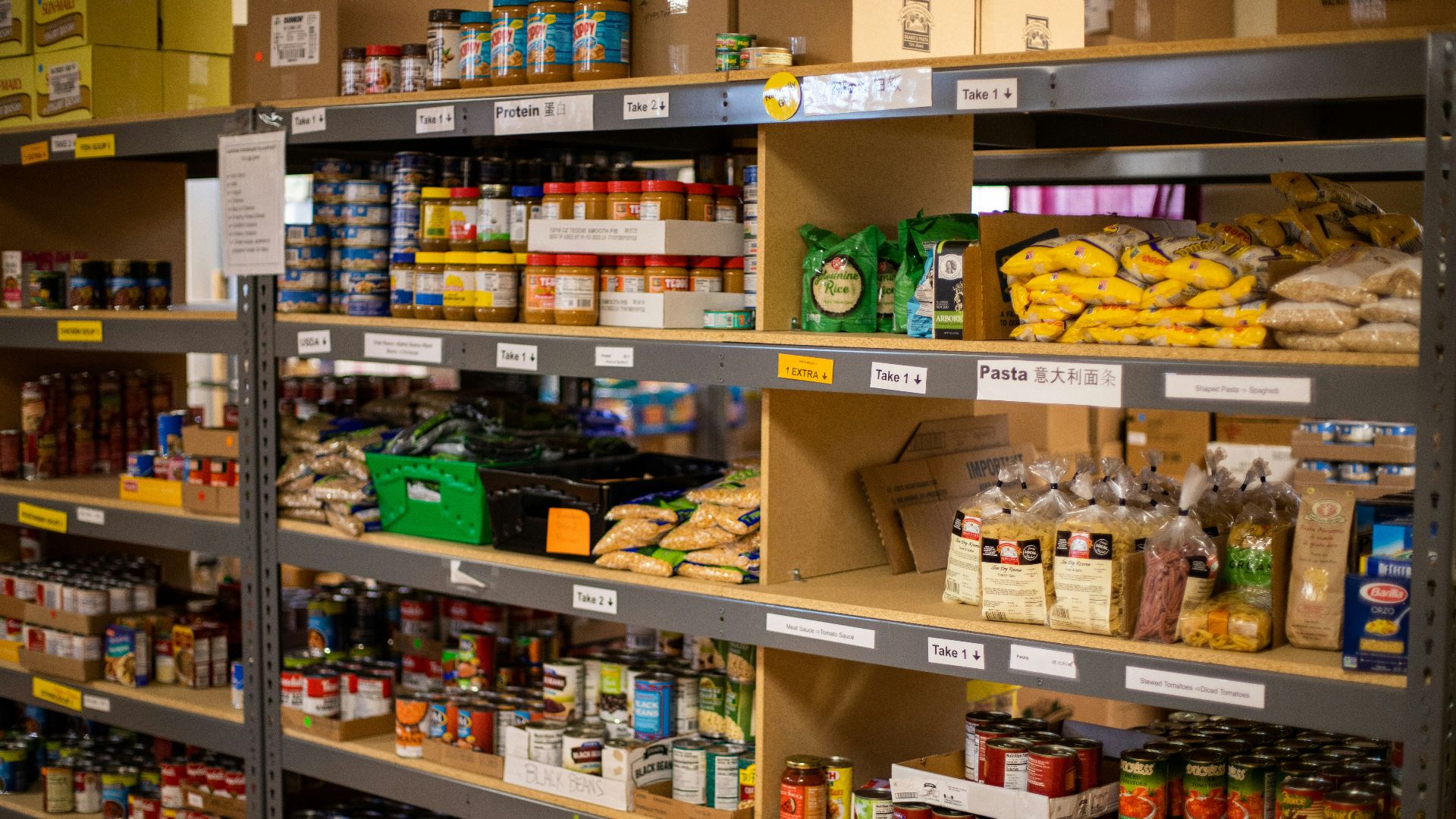
Pre-made meals and heat-and-eat containers cost significantly more per serving than cooking the same thing from scratch. They're convenient on a busy night, but leaning on them as a default adds up fast over a month. Keeping a few easy scratch-cooked meals in rotation cuts down on how often you reach for the prepared aisle.
14. Buying Coffee Pods
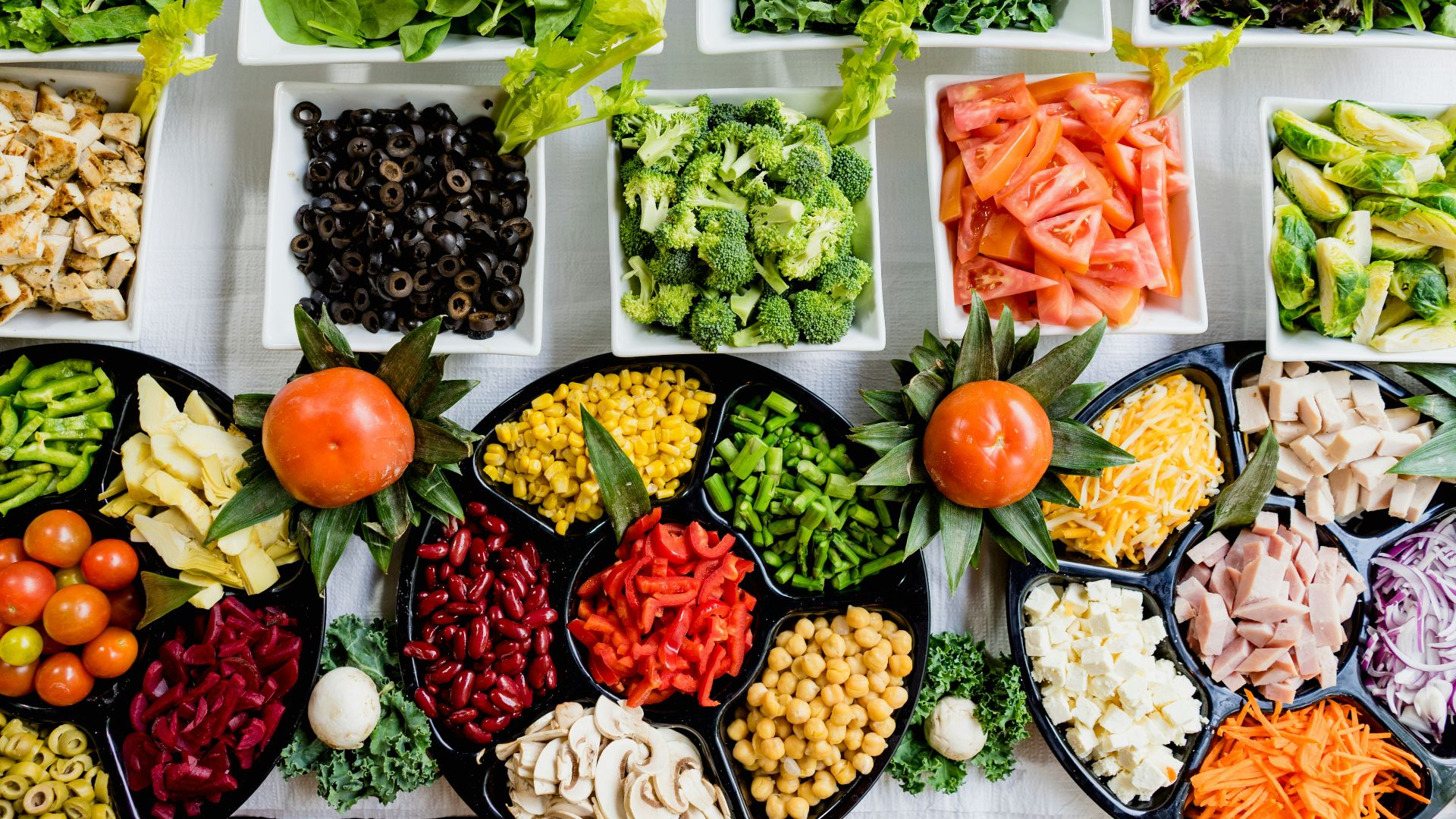
Single-serve coffee pods run several times the cost per cup compared to a bag of ground coffee or whole beans. The convenience is real, but so is the price difference over a year of daily use. A drip machine or a French press gets you the same morning coffee for a fraction of the cost.
15. Not Freezing What You Won't Use Soon
Bread, meat, and other perishables left in the fridge past their window often end up in the trash instead of on a plate. Freezing what you won't use in the next couple of days extends its life by months. It's a small habit that keeps food from turning into wasted money.
16. Falling for Endcap Displays
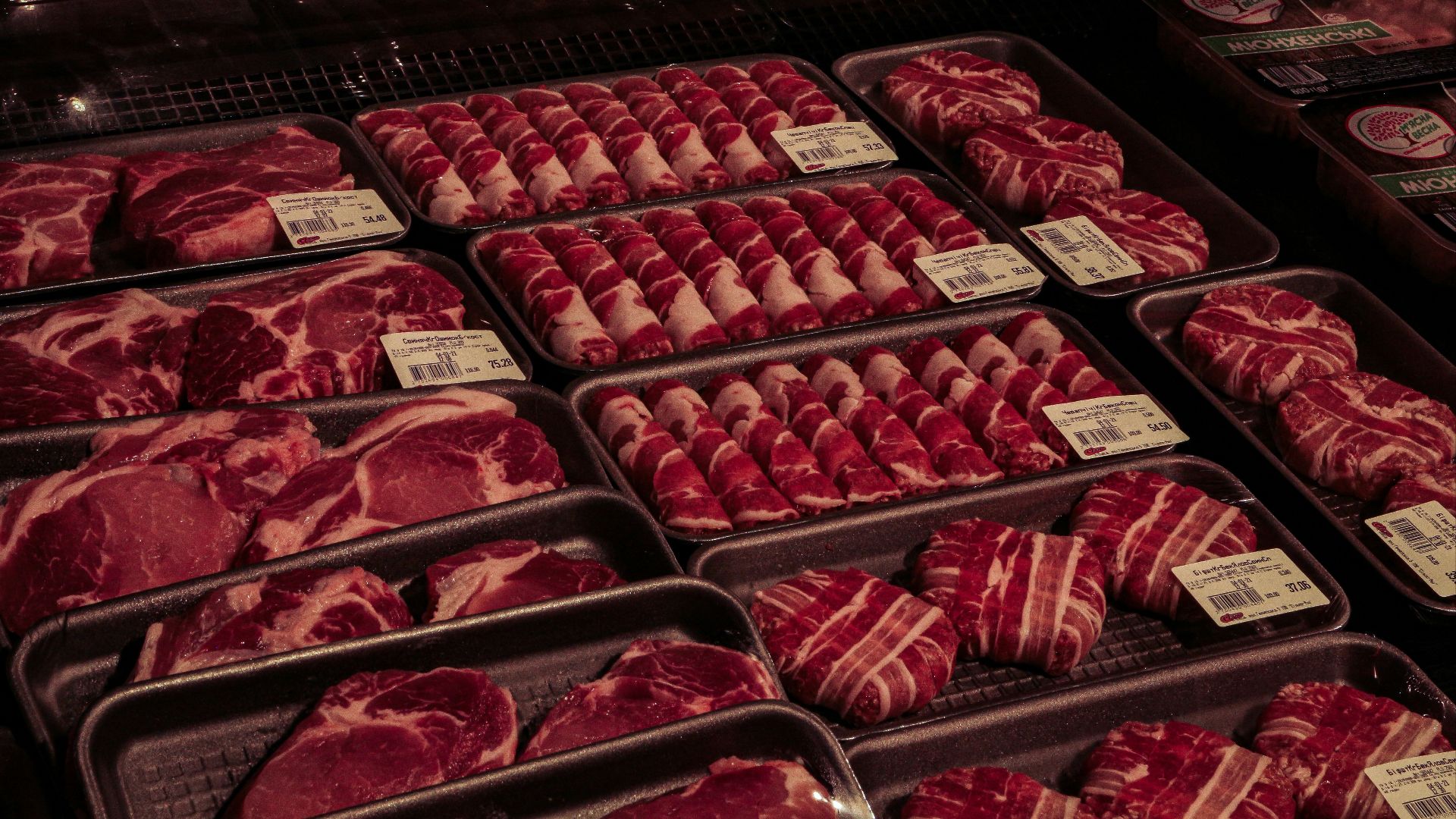
Not everything stacked at the end of an aisle is actually on sale, even though the placement makes it look that way. Endcaps are prime retail real estate that brands pay for, discount or not. Checking the actual price against what you'd normally pay keeps you from assuming a deal that isn't there.
17. Not Tracking What You Actually Spend
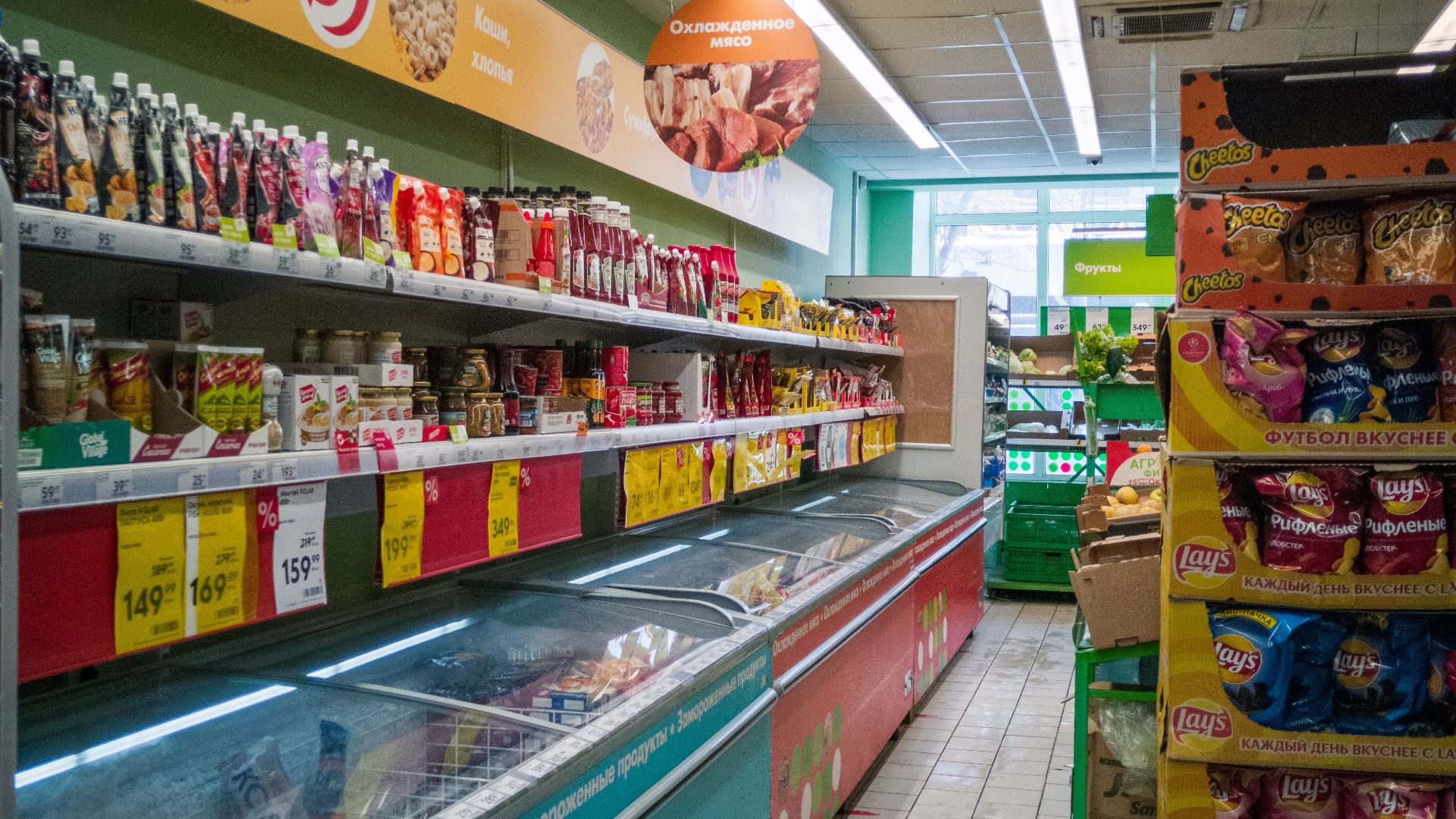
Grocery spending is easy to lose track of when it's broken into a dozen small trips instead of one big number. Without a rough sense of the monthly total, it's hard to notice a habit that's slowly pushing the number up. A quick monthly glance at receipts or a banking app makes patterns obvious fast.

18. Relying Too Heavily on Delivery Apps
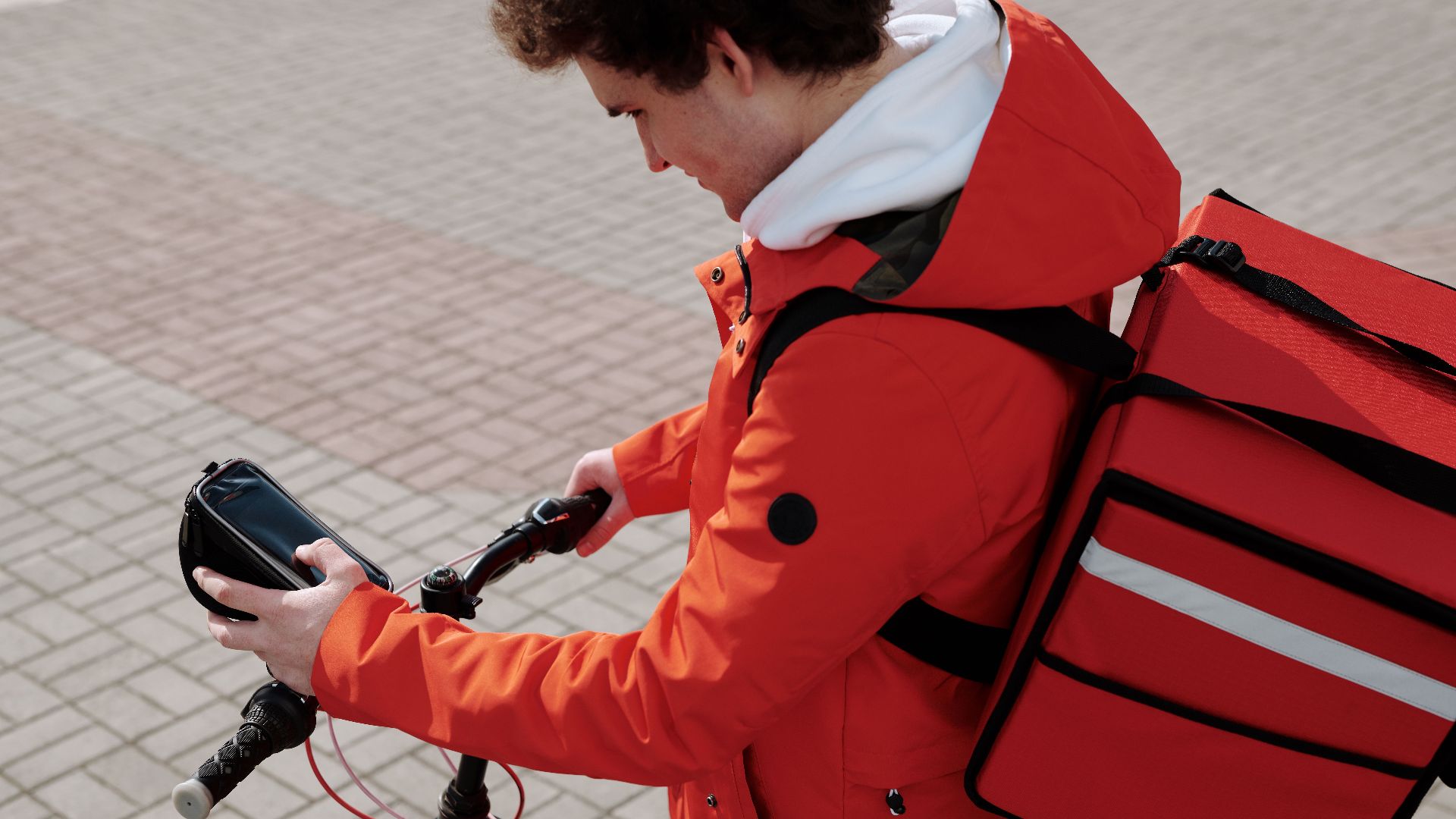
Grocery delivery comes with service fees and a tip stacked on top of prices that are often already marked up compared to the store. Convenience has real value on a busy week, but leaning on it constantly adds an extra cost to nearly every order. Picking up the trip yourself even half the time keeps that extra charge from becoming a habit.
19. Buying Small Quantities of Staples You Use Constantly
Restocking pantry staples like rice, oats, or dish soap in small quantities means paying the smaller-package markup over and over. Buying the larger size for things you know you'll use makes the per-unit cost drop noticeably. This only works for staples with a long shelf life, not produce.
20. Not Reviewing Your Regular Cart
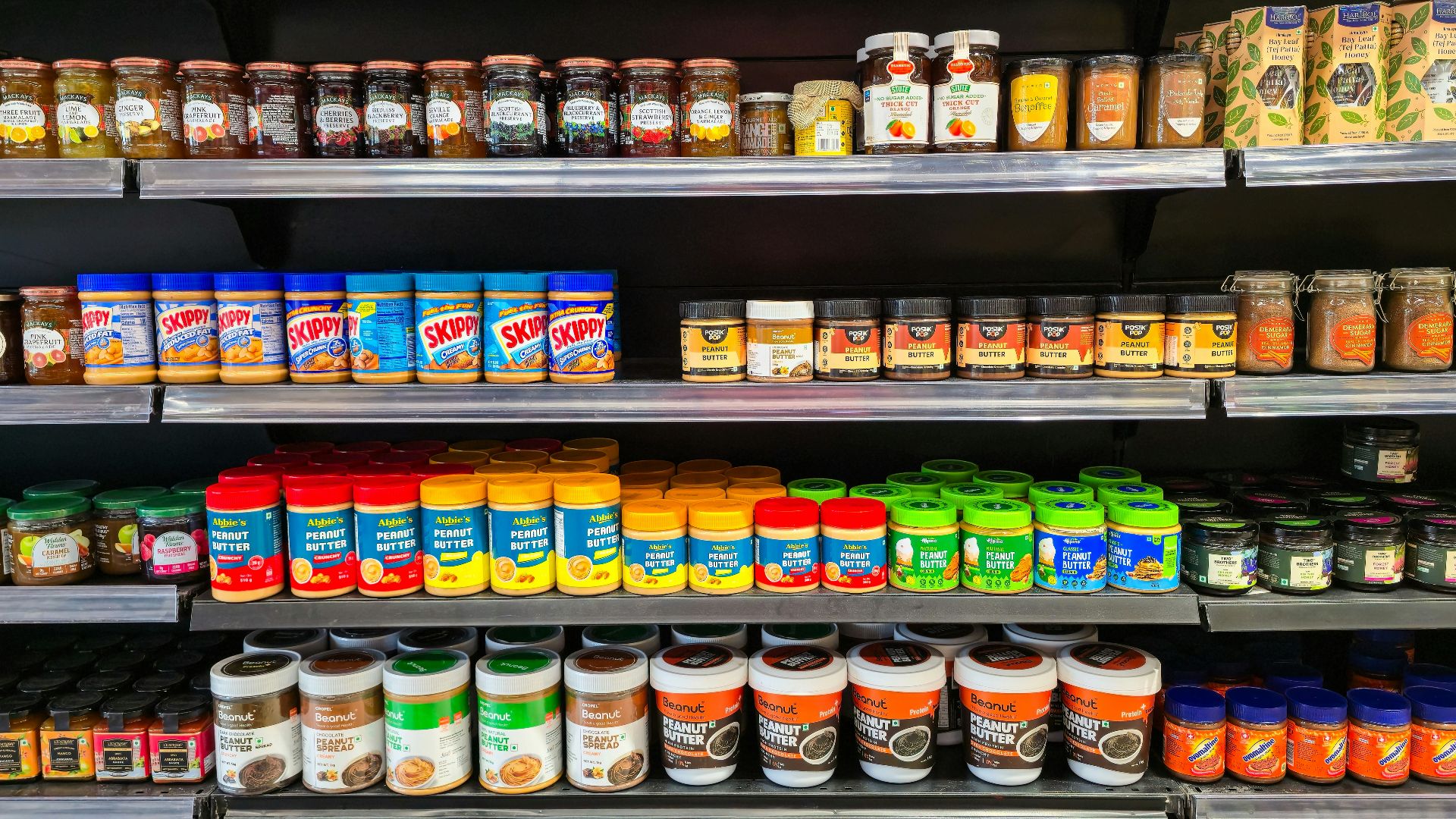
The same ten or fifteen items tend to show up in a cart every week without much thought behind them. Prices creep up gradually, and it's easy not to notice until a habitual purchase costs thirty percent more than it did a year ago. Reviewing that regular list every few months, and swapping in cheaper alternatives where it makes sense, keeps the total from drifting too far without you catching it.