
The Differing Mental Checklists
A first date sounds simple on paper: two people, one table, a couple of hours to figure out if there's a spark. In practice, though, it turns into a production. The old dating script, man leads, woman responds, hasn't fully gone away, even as more people push for something more balanced. So both sides walk into that same coffee date carrying a full head of worries. They just aren't the same worries. Here are 20 things that quietly take up more real estate in people's brains than anyone likes to admit.

1. Making the First Move
Society still tells men to initiate conversation. If that's what you prefer, it does require a lot of thought if you’re feeling anxious about what to send her. Between rereading the text, drafting a couple of options, and asking a friend to look over the message, you’re already worried about the date that may or may not happen.

2. Choosing the Date
The date needs a plan, but not so much of one that it feels scripted. Casual restaurants remain the most popular first-date choice by a wide margin, while a fancy dinner spot is picked far less often. So why does picking between drinks, dinner, or mini golf still spark 20 minutes of scrolling through Google Maps?
3. Figuring Out the Check
Some women still like men paying on the first date, but if that hasn’t been negotiated, it can be difficult to navigate paying. Your best bet to avoid this awkward situation is to chat about it beforehand.

4. Looking Like the Person in the Photos
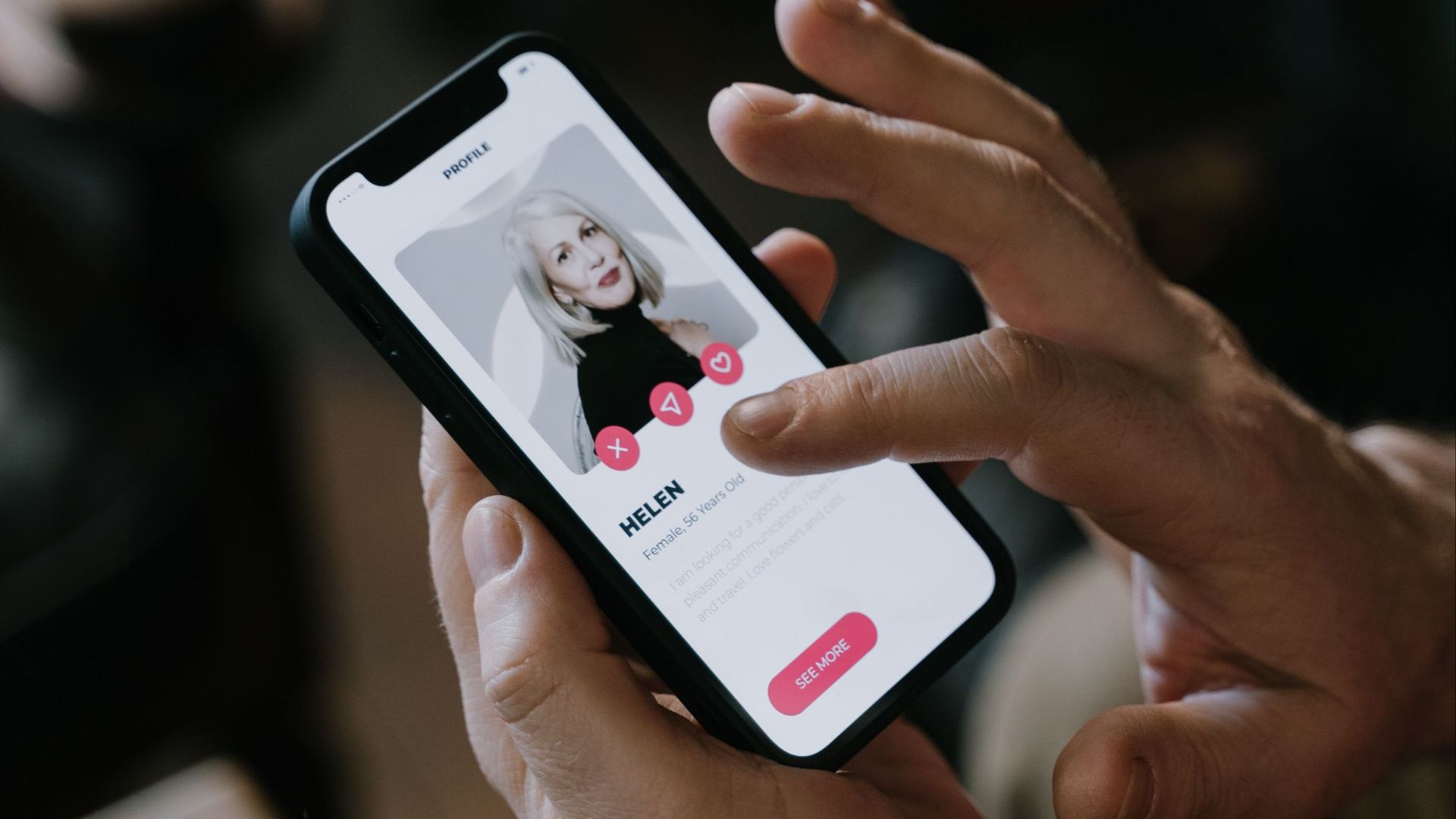
Online dating asks everyone to compress themselves into a handful of flattering photos and a few clever prompts. The real test is showing up in person and hoping the haircut, the outfit, and the overall vibe hold up to whatever mental image got built from a profile.
5. Writing the Right Message
A one-line reply can turn into ten minutes of rewriting, particularly for men already bracing for radio silence. Too eager sounds desperate. Too polished sounds rehearsed. Somehow even "how's your week going?" gets workshopped more than a few times.

6. Keeping the Conversation Moving
Plenty of guys walk in with a mental Rolodex of safe topics, ready to deploy the second a silence threatens to happen. However, the dates that actually go well tend to skip the script entirely, leaving room for a tangent, a random story, an actual laugh, instead of a rehearsed set of talking points.

7. Being Funny Without Trying Too Hard
Humor can make a date feel effortless, right up until it becomes something a guy is managing a little too closely. A joke that lands wrong or a story that runs too long gets replayed on the drive home, followed by the nagging question of whether "charming" tipped over into "trying way too hard."

8. Looking Confident, Not Controlling
Again, while men are still often expected to take the lead, there’s a delicate line between leading and controlling. Picking the restaurant and the time can read as thoughtful. Micromanaging every other detail is another entirely.

9. Knowing Whether to Make a Move
Chemistry is not the same thing as consent, and a good date never assumes it is. Reading body language is a guessing game; actually asking is not. A simple, direct question beats trying to interpret a pause, a smile, or a shift in posture.

10. Sending the Follow-Up Text
The message after the date can carry more weight than the date itself. Text that night? Wait until morning? Play it cool or just say it was fun? In reality, a clear, honest message usually does more work than any of the strategizing around it.

1. Getting Dressed for More Than the Photos
There's a balancing act happening before a woman even leaves the house: looking put together while still feeling like herself, and making sure the in-person version lines up with whatever version showed up in her profile pictures.

2. Checking That He Is Real
Fake profiles are common enough in online romance scams that a second (or third) look at someone's photos and story isn't paranoia. A conversation can feel warm and familiar in the days before meeting up, but that doesn't change the fact that it's still a first meeting with a stranger.

3. Deciding What Personal Details Can Wait
A home address, a workplace, a daily routine, a linked Instagram- these details reveal more than they seem to on the surface. Holding onto that information until trust actually builds means she gets to choose what to share, rather than feeling cornered into narrating her whole life over appetizers.

4. Picking a Public Place
Great food doesn't matter much if the restaurant is tucked away or a little remote. A busy, well-lit spot isn't just about ambience; it's practical to maintain your sense of safety.
5. Planning Her Own Way Home
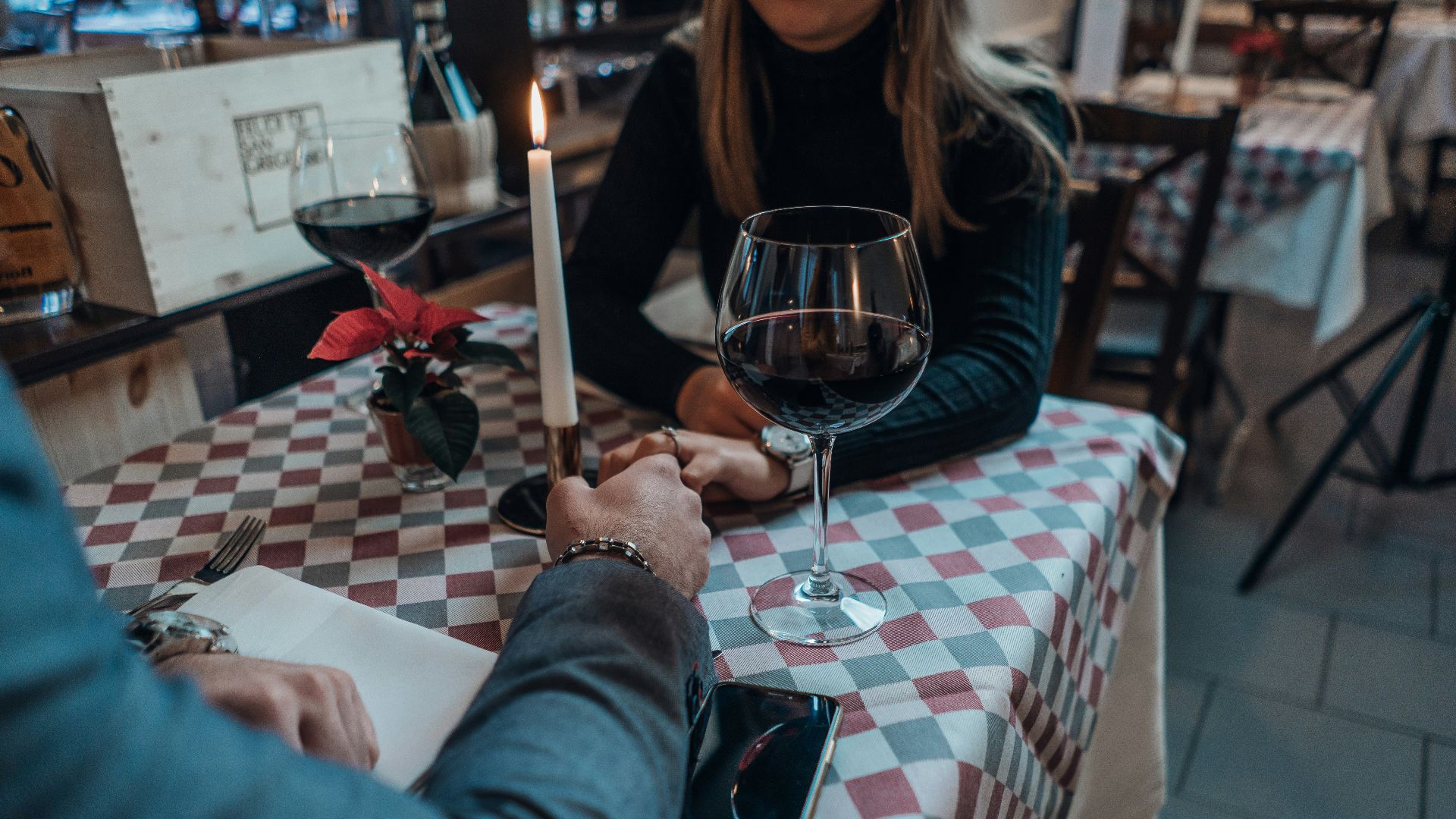
Transportation gets decided before the date is even confirmed. Driving herself, taking transit, or booking a rideshare means she controls when the night actually ends, and it keeps a brand-new date from learning her home address before he's earned that trust.

6. Telling Someone the Plan
Sending a friend the venue, the date's name, and an expected end time takes about sixty seconds and buys real peace of mind. If plans change, or if a check-in text would help, someone already has the basics.

7. Keeping an Eye on Drinks
Alcohol can shift the tone of an evening, which is why staying alert and keeping a drink within eyesight actually matters. And if someone starts pushing for another round, a quieter spot, or a faster pace than she's comfortable with, that's important information to retain.

8. Wondering Whether He Will Respect a No
Every woman has a story of a man trying to cross the boundaries she set up. During any date, a woman has to wonder if the person sitting across from her can and will handle rejection.
9. Figuring Out What He Actually Wants
Long-term relationships and casual dating both rank as major reasons people use dating apps. Men are somewhat more likely than women to cite casual hookups as a driving reason, which makes an early, direct conversation about intentions worth more than a dozen mixed signals.

10. Having an Easy Exit
You don’t want to sound like a pessimist, but it’s always good to have an exit plan in place. Her own ride, a public venue, a night that ends when she decides it ends, no negotiating over a shared car, someone else's apartment, or another round.