
When Peace and Quiet Get a Little Too Quiet
Retirement is supposed to give you more freedom to enjoy life, but having fewer obligations can sometimes mean having fewer people around, too. Even the most introverted among us get lonely sometimes, and when you recognize the signs of isolation, you’ll know how to fix them. But the tricky part is that isolation doesn't always feel lonely at first, especially when you've grown comfortable with your daily routine, so how do you spot the warnings? Well, we have 20 signs that your retirement years might be getting a little too solitary.
 CESAR A RAMIREZ VALLEJO TRAPHITHO on Pexels
1. You Can't Remember Your Last Outing
Think about the last time you met someone for coffee. When was the last time you went to someone’s birthday party? If you're struggling to remember, your social calendar might be getting unusually empty. Retirement shouldn't mean giving up the activities that once brought you closer to other people.

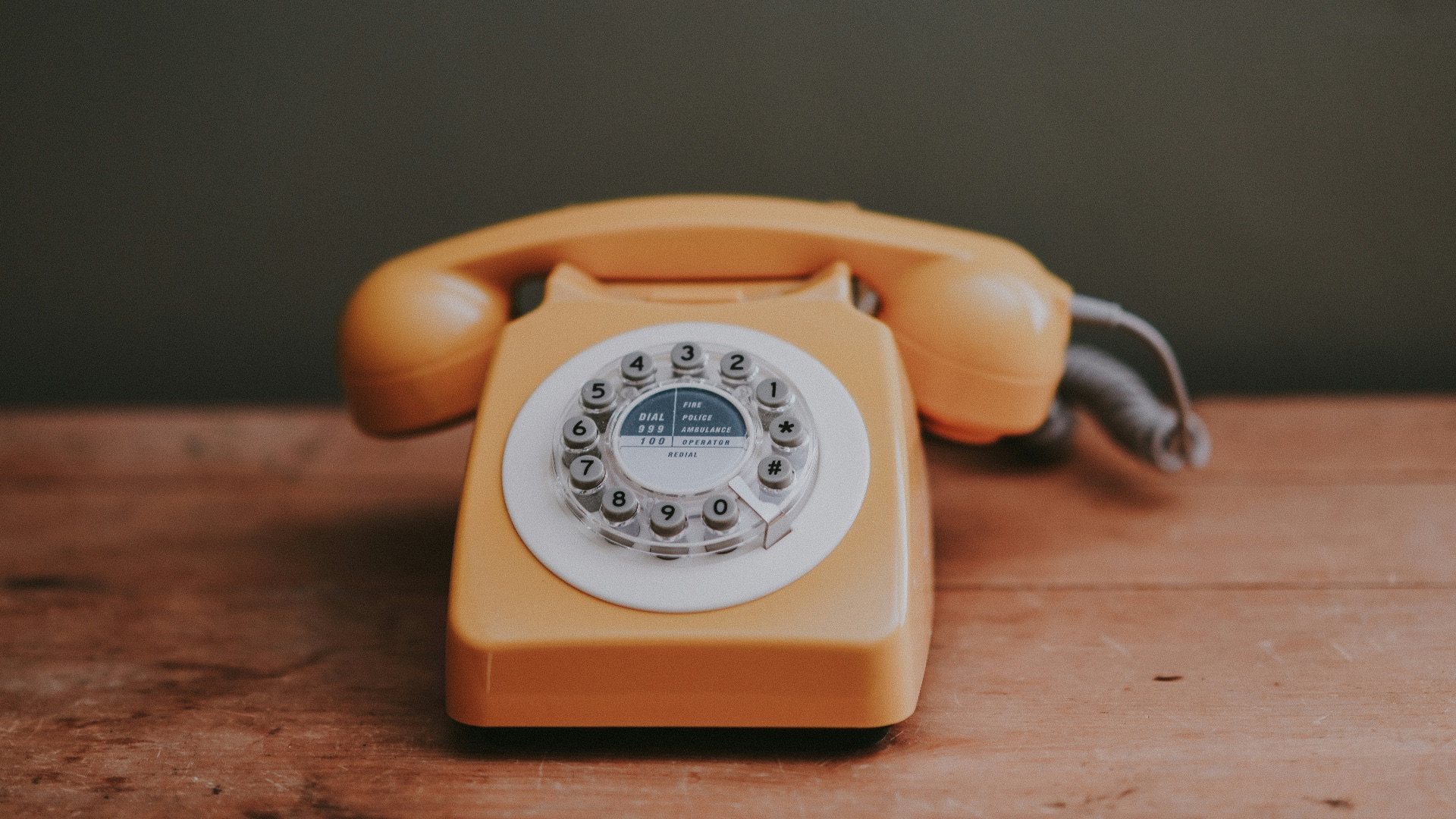
2. You Regularly Ignore Phone Calls
When your sister calls to catch up, or an old friend leaves a voicemail, you might find yourself ignoring them without any real reason. It’s not that you hate them, it’s just that you’re pulling away. Next thing you know, returning those calls starts feeling unnecessary, even when you genuinely like the people trying to reach you.
3. You’re Uncomfortable in Crowded Places
A busy restaurant can be pretty overwhelming after you've spent weeks in a quiet house. Although everyone has different social batteries, getting nervous around groups can suggest that you've grown accustomed to avoiding them altogether. You may even start turning down invitations because the thought of making conversation feels exhausting.

4. Your TV Is Always On
Some retirees keep the TV running throughout the day, even when they aren't watching it. Hearing familiar voices from morning talk shows or afternoon game shows can provide a comforting sense of activity in an otherwise silent home. Though that’s normal to a point, if TV has become your primary source of daily companionship, it might be worth examining how often you actually chat with people outside the tube.

5. You Don’t Know What's Happening In Your Neighborhood
Maybe new neighbors moved in three months ago, but you haven't introduced yourself. You don’t even know their names. The more you pull at the thread, the more you realize that the local community center has been hosting weekly events without your knowledge. They’re signs of losing touch, indicating that your connection to the world has weakened.
6. You Make Excuses to Avoid Gatherings
Your daughter invites you over for Sunday dinner, but you insist that you're too tired or have something to do at home. Your old friend wants to grab a drink, but you’re too busy. Declining the odd invitation is perfectly fine, but it's worth considering whether solitude has become more of a habit than a preference.

7. You Have Nobody to Share Good News With
Imagine getting an unexpected refund or discovering that your grandchild won an award…only to realize you have no one to share that news with. If nobody immediately comes to mind when you want to share your excitement, your closest relationships might need some attention.
8. You Only Leave Home For Necessities
When grocery shopping, pharmacy visits, and appointments account for nearly every trip you make outside your house, it’s time to reflect. While these errands keep you occupied, they don't provide the meaningful interactions that other activities can offer.

9. You Talk to Strangers For Too Long
Speaking of which, a quick conversation with the grocery store cashier isn’t enough to make up for someone’s entire social circle. Before long, those innocent chats might turn into a lengthy discussion because you're missing regular companionship. You might really notice this when leaving the conversation feels disappointing—you don't have anyone waiting at home.

10. You've Stopped Celebrating Special Occasions
Birthdays, anniversaries, and holidays now pass without much acknowledgment. After all, organizing something feels pointless when you're alone. The thing is, celebrations don't need to be elaborate, and completely abandoning traditions you once enjoyed can reflect a growing sense of disconnection.

11. You Don't Have an Emergency Contact
Consider who you'd contact if your car broke down. Who would you dial if you needed help after a medical procedure? If you struggle to name even one person, your support network may have become smaller than you realized.

12. You Spend Time Following Other People Online
Scrolling through Facebook might eat up a few hours of your afternoon, but that’s not the same as chatting with someone in person. Passively following someone's activities isn't the same as having a meaningful conversation. If you're regularly watching friends enjoy gatherings you never attend, consider whether online lurking has replaced personal participation.

13. You Feel Forgotten By Your Former Coworkers
Retirement changes workplace friendships; you no longer encounter the same people every day, and it’s hard to stay in touch sometimes. However, feeling genuinely hurt when former colleagues celebrate birthdays without contacting you might reveal how much you miss those connections. There’s no time like the present to pick up the phone!
 Kateryna Hliznitsova on Unsplash
14. You Rarely Have Deep Conversations
Exchanging pleasantries with your mail carrier can be pleasant, but those interactions don’t hold a candle to the deeper stuff. If weeks pass without talking to someone about your worries, personal interests, or family relationships, you may be missing emotional connection. Even retirees who enjoy their independence can benefit from having a trusted person who listens.

15. You've Lost Interest in Group Activities
Maybe you used to attend weekly church gatherings, participated in a bowling league, or enjoyed playing cards with neighbors. But now those activities have disappeared. That’s not something to ignore. Losing interest in things you once loved can also be associated with low mood, so persistent changes deserve attention.
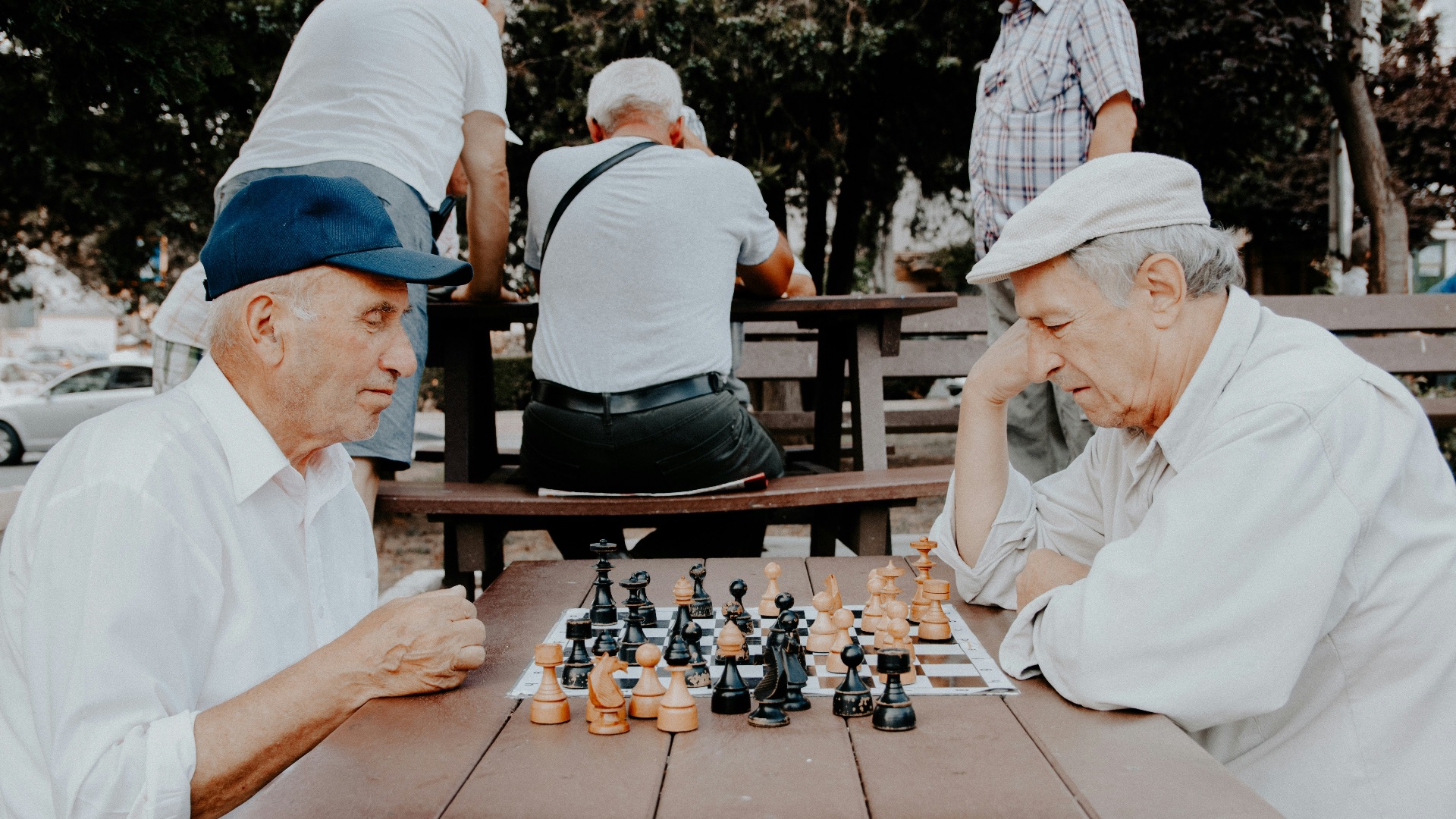
16. You Get Irritated When Someone Interrupts Your Routine
If you’re used to being an island, the last thing you want is someone to throw a wrench in your plans. Suddenly, an unexpected visit from a neighbor leaves you annoyed rather than pleased. Retirement offers plenty of flexibility, yet some people become so attached to their routines that they unintentionally discourage social opportunities.
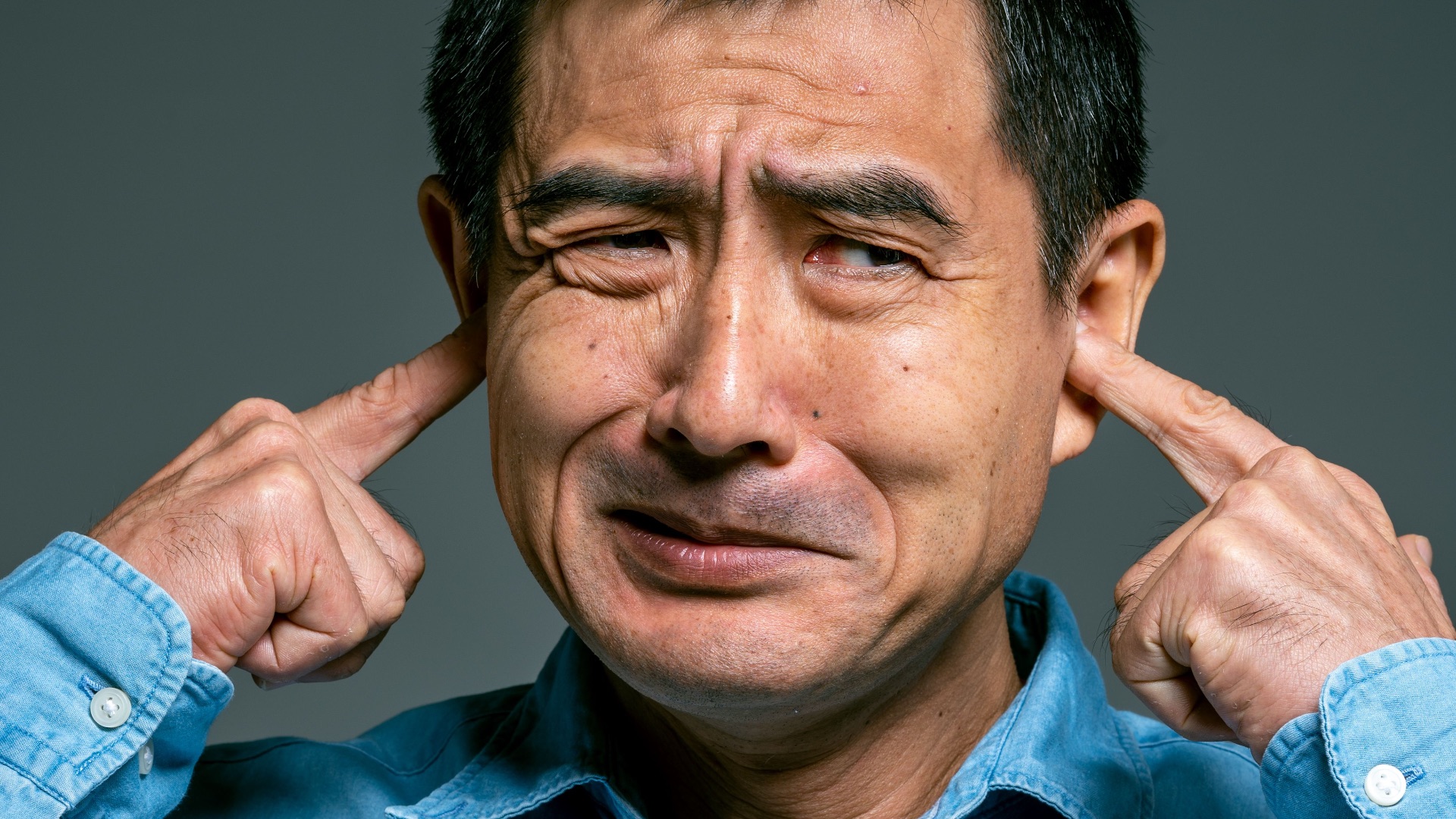
17. You Can't Remember the Last Time You Laughed
Watching a funny TV show might make you smile, but sharing a genuinely hilarious moment? That’s a different experience. Maybe you used to exchange jokes with friends during work lunches or enjoy lively conversations around the dinner table. Whatever the case, if those moments have become rare, you may be missing the spontaneous enjoyment that companionship provides.

18. You're Reluctant to Try New Things Alone
You don’t really care about an interesting cooking class or museum exhibition—you don't have anyone to go with. Over time, that absence gets more obvious, and waiting for someone else to participate can prevent you from exploring activities that could introduce you to new friends.

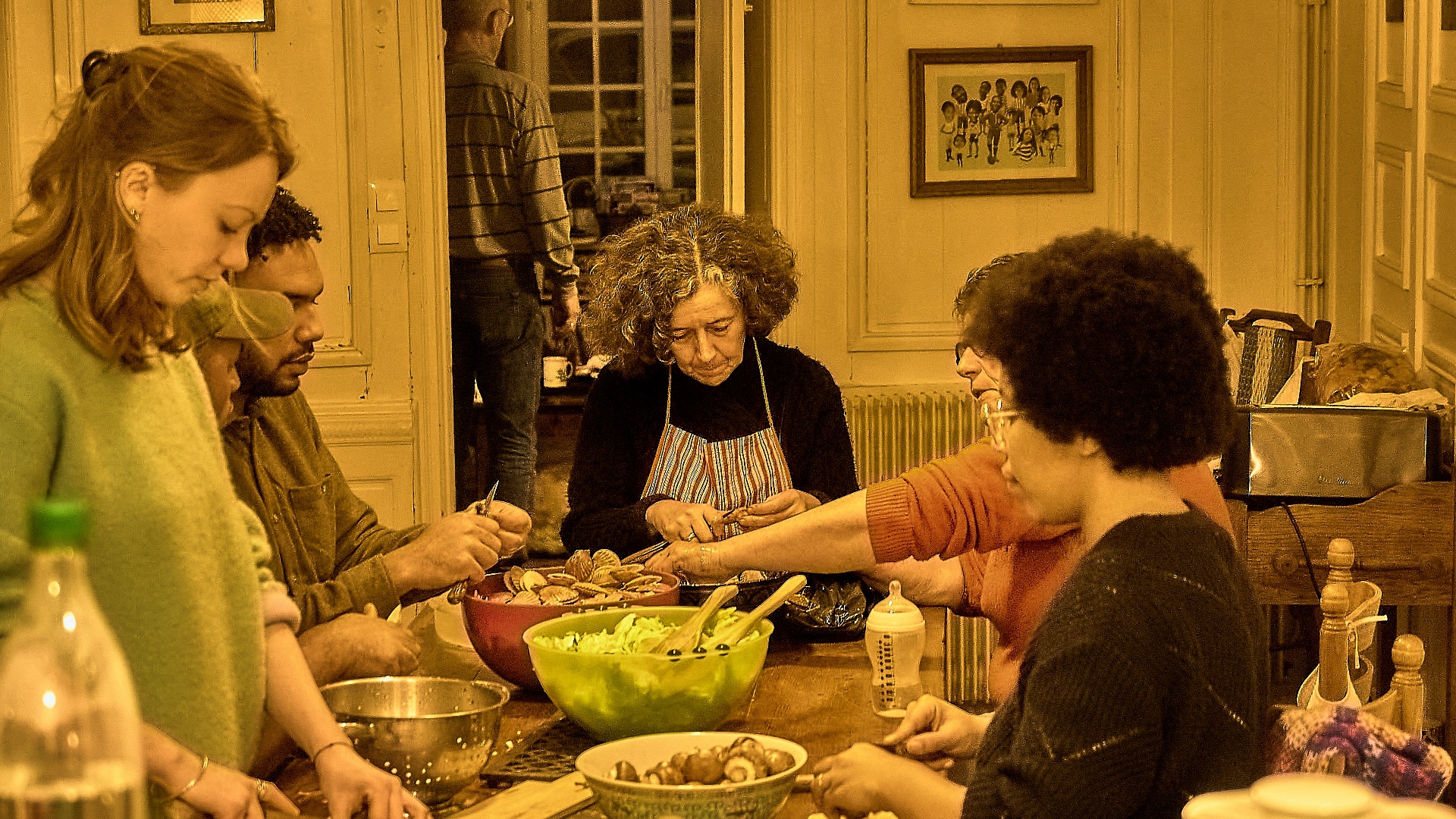
19. You’re Lonely Even When You're Around Family
Attending a family dinner doesn't always guarantee that you'll feel included, especially when everyone else is wrapped up in their own conversations. But that isolation makes it harder to get excited about attending. Feeling disconnected despite being surrounded by people can suggest that you need more meaningful involvement rather than simply more company.
 Kwami Fattah Al Sissi on Unsplash
20. You Think Nobody Wants Your Company
The longer you spend alone, the more you’ll convince yourself that your friends are too busy, your children have their own lives, or younger people wouldn't find you interesting. Don’t fall into that trap, though! Those assumptions can discourage you from reaching out, even when nobody has actually suggested that your company is unwelcome.
 Kwami Fattah Al Sissi on Unsplash