
Saving Money Doesn't Have to Feel Like a Sacrifice
Living below your means sounds simple enough, but in today’s day and age, scrounging together any penny you find under the sofa can feel like a full-time job. Until you budget, you also have no idea just how many little expenses have become part of your routine. Fortunately, managing your money doesn't mean giving up the things that make you happy, and a few thoughtful changes can actually make life more enjoyable. If you're ready to keep more of your hard-earned cash without sitting on your hands every weekend, these 20 habits are worth considering.

1. Choose a Home You Can Comfortably Afford
Having a beautiful house is nice, but constantly worrying about the mortgage zaps away the enjoyment. It’s tough to live within your means when you’re constantly worried about where your next property tax payment comes from, too. Choosing a smaller home or a less expensive neighborhood could give you more money for vacations, hobbies, and everyday comforts.

2. Keep Driving Your Reliable Car
What’s more luxurious than buying a new car…or several? Those monthly payments can quickly become a burden, though. If your current car is dependable and reasonably affordable to maintain, keeping it for another few years could save you thousands.

3. Give Yourself a Monthly Fun Budget
We often feel like splurging on a little treat here and there deserves a whack on the wrist, but being responsible shouldn't mean feeling guilty every time you spend on fun. Set aside an amount you can comfortably afford for things like coffee dates, movie tickets, or a new book. Having money specifically designated for enjoyment means you can treat yourself without questioning every purchase.

4. Make Restaurant Visits Special
When dining out becomes an everyday habit, it's easy to stop appreciating the experience. It’s also easy to make your wallet cry! Don’t order takeout several times a week; save restaurant visits for Friday dinners or special occasions with someone you love. You'll have something to look forward to, and you won’t have to worry about hundreds suddenly leaving your bank account.

5. Take Advantage of Your Local Library
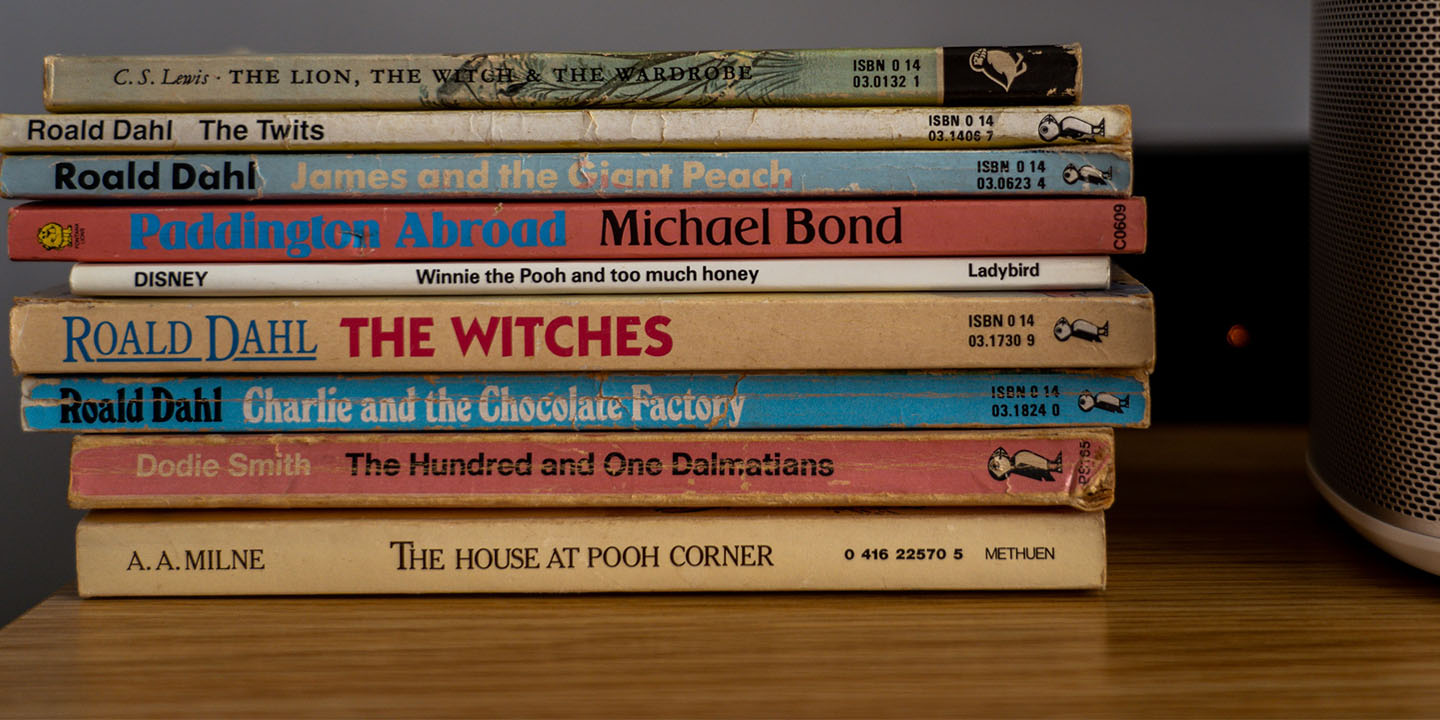
Not enough people pay attention to the library! Even if you don’t read, it’s a one-stop hub for games, movies, community events, and even tickets to local museums and art galleries. Many also provide free access to audiobooks, digital magazines, and educational programs. You could discover a new favorite author or attend an interesting workshop without spending a dime.

6. Learn to Make Your Favorite Takeout Meals
Ordering your favorite dish is convenient, but do you know what really helps you save money? Learning to prepare it yourself! It’s not only surprisingly enjoyable, but it’s also practical. Once you've perfected a few recipes, you'll have delicious alternatives whenever the temptation to order delivery arrives.

7. Spend More Time With Friends at Home
Catching up with people you care about doesn't require five-star restaurants or elaborate outings. Invite a few friends over for a potluck dinner, a board game tournament, or an afternoon of coffee and homemade desserts. Those are the kind of low-key events that give everyone more time to talk without another round of drinks.

8. Choose Hobbies With Affordable Ongoing Costs
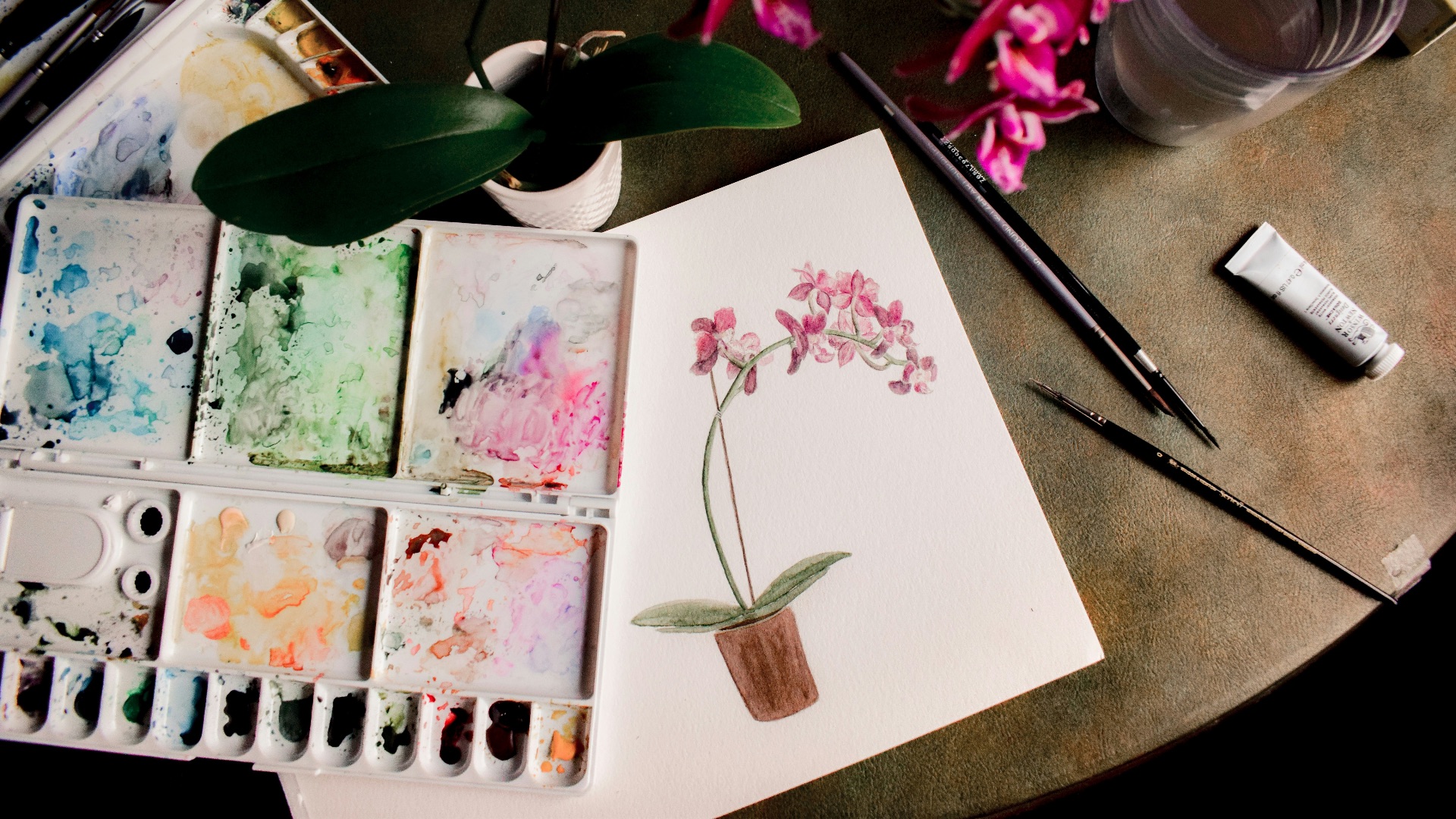
Some hobbies require expensive equipment, memberships, or constant purchases, and it’s easy to fall into the rabbit hole. However, plenty of satisfying activities cost very little. Birdwatching, drawing, hiking, and learning a new language can keep you entertained for hours with minimal spending.
9. Use Cash For Your Most Tempting Purchases
If shopping tends to get away from you, paying with physical cash can make your spending easier to monitor. Start small—bring a predetermined amount when visiting a craft fair or flea market. When you see how much you actually spend, you’re less likely to go wild next time!

10. Plan Affordable Weekend Adventures
You don't have to book a hotel or travel hundreds of miles to enjoy a change of scenery. Look for nearby botanical gardens, historical walking tours, scenic hiking trails, or small-town festivals with little or no admission cost. You can even score tickets to these spots at your local library, so talk about a twofer!

11. Buy Quality Instead of Constant Replacements
It seems like spending thousands on a mattress or hundreds on a good pair of shoes is too high a cost. If you can’t swing the price tag, don’t do it, but if you’re only looking for a bargain, it’s actually most cost-effective to just pay for quality. Focus on purchasing items that hold up over time, and you'll spend less energy replacing things that should've lasted.

12. Make the Most of Free Community Events
Before spending money on entertainment, check what your town already offers. Even small towns can surprise you with outdoor concerts, holiday parades, local art exhibitions, and community theater performances. Best of all, they sometimes provide free admission or affordable tickets.

13. Stop Trying to Keep Up With Everyone Else
Seeing friends buy expensive furniture or renovate their kitchens can make perfectly good things seem inadequate. But no one said you had to compare yourself to others, and in fact, it’s better if you don’t! Concentrating on your own priorities makes it easier to appreciate what you already have instead of thinking the grass is greener elsewhere.

14. Make Birthdays About Experiences
Celebrating someone you love doesn't require some big shebang—you just need to think outside the box! Consider planning a homemade birthday dinner, organizing a picnic, or taking them somewhere they've always wanted to visit nearby. Thoughtful experiences can become cherished memories.

15. Try Buying Clothes Secondhand
There's no reason your wardrobe can't look good just because you're careful with money. Thrift stores and consignment shops often carry quality items at prices far lower than traditional retailers. With a little patience, you can find distinctive pieces that suit your style without paying full retail prices.

16. Grow Something You Can Actually Eat
Gardening can be an enjoyable way to spend time outdoors, and growing edible plants gives you something useful to show for all that toiled soil. A few containers of basil, parsley, cherry tomatoes, or lettuce can provide fresh ingredients for meals throughout the growing season. Just make sure you start small with plants suited to your climate; purchasing too many supplies can quickly make gardening more expensive than it should be.

17. Share Expensive Equipment With People You Trust
Certain household items are only useful occasionally; they don't deserve permanent space in the garage. Rather than purchasing a pressure washer or specialty ladder for one project, just borrow one from a trusted neighbor. Offering to lend something you already own can make the arrangement beneficial for everyone involved.

18. Avoid Paying Extra For Convenience
Convenience has its place, but paying for it automatically turns ordinary purchases into expensive ones. Buying whole vegetables instead of pre-cut packages, picking up your own food orders, and preparing coffee before leaving home are simple examples worth your time. You don't need to eliminate every shortcut, either—just recognize when a few extra minutes could save you money.

19. Celebrate Your Progress
Saving money can feel a whole lot less rewarding when you're focusing on everything you haven't done. Don’t put yourself down! Acknowledge milestones and treat yourself to a favorite homemade dinner or a relaxing afternoon to really celebrate financial progress.
 Land O'Lakes, Inc. on Unsplash
20. Decide What Deserves Your Money Most
Living below your means is easier when you're clear about what makes you happy. Maybe you'd rather spend money visiting your grandchildren. Maybe an annual vacation or a hobby makes more sense than constantly updating your furniture. Whatever the case, once you've identified your priorities, you can spend confidently on the experiences that matter.