

What's Happening on Their End
Getting rejected for a job you're qualified to do doesn't necessarily mean someone looked at your resume and found it lacking. Plenty of applications never reach a hiring manager, and even those that do can be rejected for reasons that have nothing to do with the applicant. Automated filters eliminate some candidates, while other positions are effectively filled before the listing even appears. Most employers won't tell you what happened, leaving you to guess. Here are 20 reasons you might get rejected that have little to do with your qualifications.

1. The Job Went to Someone Inside
Plenty of companies require a public posting even when the hiring manager has someone in mind, usually because policy or a union agreement says the role has to be advertised. The listing runs its required two weeks before the internal candidate gets the offer, and everyone else gets a form rejection.

2. The Listing Wasn't Real
Some postings collect resumes for a role that might open next quarter, and others stay up to make a company look like it's growing. Recruiters call these ghost jobs. One that has sat up for months with no close date is worth checking against the company's own careers page before you spend an hour on it.

3. A Referral Got There First
Referred candidates move through a different door, usually landing in the hiring manager's inbox instead of the general pile. By the time your application clears the queue, someone's former coworker may already be on a second interview. Companies pay referral bonuses because a known quantity is cheaper to evaluate than a stranger with a good resume.

4. Your Resume Doesn't Use Their Words
Applicant tracking systems match on terms lifted from the posting, so a resume saying client relations when the listing says account management can score below a weaker candidate who used the right phrase. The software counts matches and has no way to read for meaning. Mirroring the posting's own vocabulary, where it's honest, usually clears the filter.

5. The Parser Mangled Your Layout
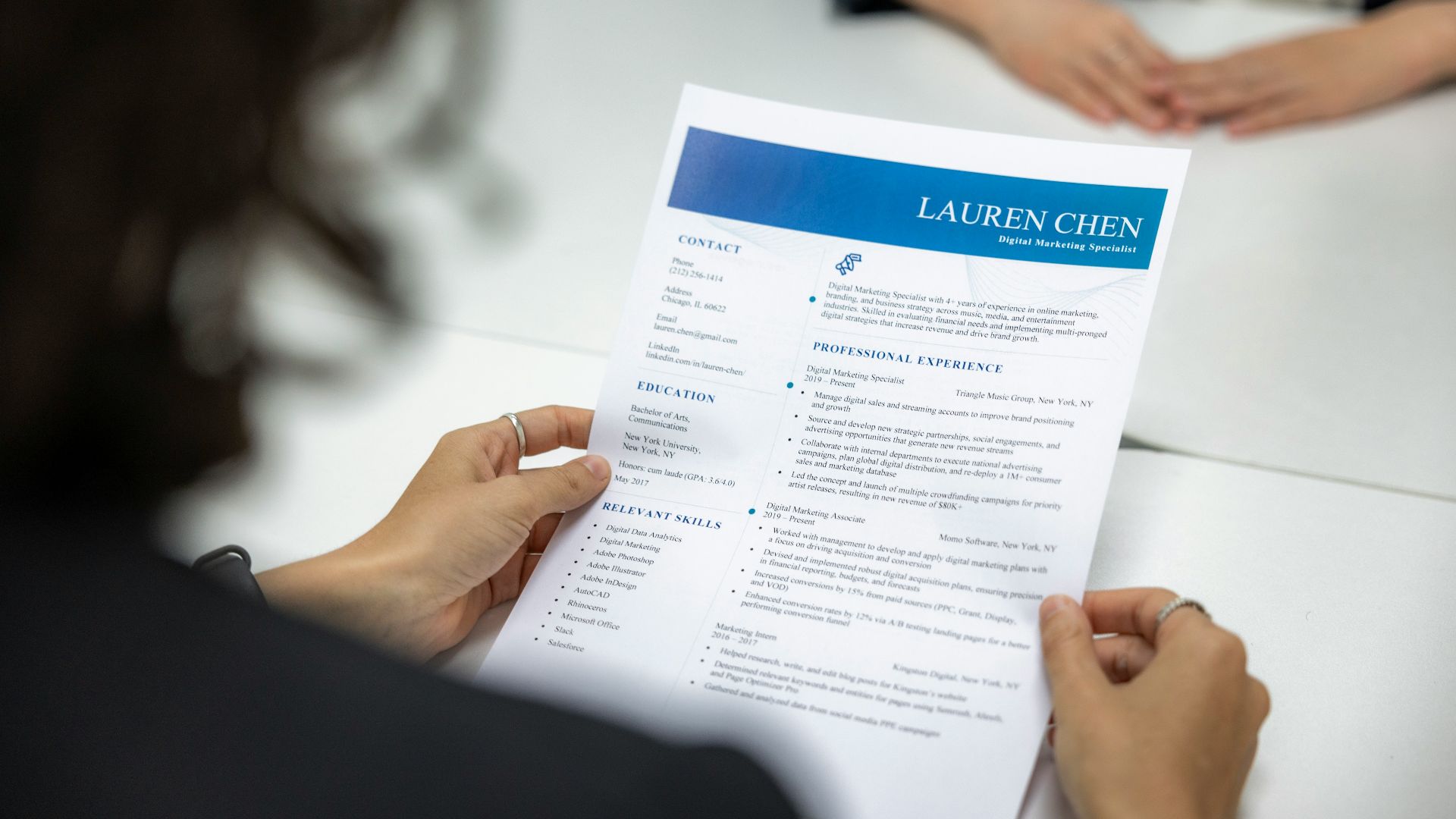
Resumes built in two columns, or with job titles inside a table, come out of the parser scrambled. Dates land in the wrong field and employer names drop out entirely, leaving a recruiter to look at a record that makes no sense. Plain single-column files survive the process better, even when they look less polished.
6. You Applied Weeks After It Posted
Most of the real review happens in the first week, and whoever looks strong in that batch sets the bar for everyone after. Applications arriving later get a faster read, if they get one. Anyone working a shortlist has little reason to open a fresh pile of files unless the first round came up short.

7. Your Job Title Doesn't Match Theirs
Titles vary between companies, so a program manager at one place does what a product owner does elsewhere. Someone scanning for a specific title won't always stop to work out that your last job was the same work under another name. Smaller companies tend to be looser about titles than large ones, and the mismatch gets more likely when you move between them.

8. You're One Level Off
Employers usually have a specific experience level in mind for each position, and having more or less than they're looking for can work against you. Someone with eight years of experience may be passed over for a role designed for someone with four, even if they can easily handle the work. Applying for a more senior position presents the opposite problem, since you're competing against candidates who may already be doing that job.

9. Your Number Was Above the Band
Salary expectations get asked early because they're the cheapest way to shorten a list. A number above the approved range ends things before anyone weighs your experience, and recruiters rarely tell you that's what happened. Finance sets those bands well ahead of the search, and the recruiter usually can't move them even when they'd like to.

10. You Read as Overqualified
Hiring managers worry that someone overqualified will be bored within a year or will push for a promotion they can't offer. Fair or not, it shows up as a rejection with no explanation attached. A cover letter that says plainly why you want a smaller role tends to help, because the concern is whether you'll stay.

11. You Skipped a Hard Requirement
Some requirements are real filters rather than wish-list items, and licenses or security clearances usually fall in that group. The screener has no discretion with those, so a strong resume missing the credential gets cut anyway. Postings that separate required from preferred are telling you which is which, and the preferred list is where you can afford to come up short.

12. You Need Sponsorship
Companies that don't sponsor visas ask about work authorization in the first question, and the answer routes you out automatically. The listing doesn't always say so, and the filter runs before a person opens your resume, so a strong match never reaches anyone who could make an exception.

13. The Gap in Your Work History
Several months between jobs still raises a question in most screens, and oftentimes nobody asks you about it directly. Whoever reads the resume can't tell a layoff from a firing, so the gap gets taken as the worse option. One line accounting for the time usually settles it, whether that was caregiving or a contract that ended.

14. Your Bullets Describe Tasks
Resume bullets that begin with "responsible for" tell employers what your duties were, but little about how well you performed them. When a hiring manager is comparing dozens of similar applications, they're looking for evidence of what you accomplished. Including numbers, measurable improvements, or even the scale of the work gives them something concrete to judge.

15. A Hiring Freeze Landed Midway
Budgets get pulled mid-search more often than companies admit, and a role can freeze between your first and second interview. Interviews can keep going for weeks while the team waits to hear whether the headcount survived, and the rejection you get at the end reads like every other one.

16. The Spec Changed After the Search Started
Hiring managers sometimes change their expectations after interviewing a few candidates. Someone might impress them with a skill or background they hadn't originally considered, shifting what they're looking for in the next round. The job posting often stays the same, leaving later applicants to apply for a position whose requirements have changed.

17. Your LinkedIn Tells a Different Story
Recruiters check your profile against your resume right away, and dates that don't line up raise a question you aren't there to answer. An outdated profile missing your current job can read as careless. Keeping the two consistent matters more than keeping either one polished, since the comparison is what gets looked at.

18. You Ignored the Application Instructions
Postings asking for a portfolio link or a specific subject line are testing whether you read to the bottom. Those requests cut the pile fast, since skipping one is easy to spot. The instruction can look trivial and still be the filter that decides whether a human reads your file.

19. The Screening Call Was About Logistics
First calls spend a few minutes on your background and the rest on start dates and location. Any mismatch there ends things regardless of how the skills conversation went. The whole stage exists to surface deal-breakers, and a notice period that runs past the team's deadline counts as one.

20. The Pool Is Much Bigger Now
Remote job listings attract applicants from across the country rather than just one city, while one-click applications make it easier than ever to apply. A position that once drew a few dozen resumes can now attract hundreds, leaving recruiters with far more candidates than they can realistically evaluate. Even highly qualified applicants can get lost in the crowd, and a generic rejection email offers little indication of why they weren't selected.