
Campus Romance Used to Run on Rules
College dating once involved dorm parlors, shared hallway phones, and a surprising number of rules about who could see whom and when. Housemothers kept sign-out books, schools set curfews, and getting a date often meant going through a few formalities first. Most of that disappeared in the 1960s and 1970s as campuses went coed and students pushed for more freedom, though a few traditions survived into the 2000s. Here are 20 college dating customs that were already fading long before dating apps came along.

1. Women Had a Curfew
Many universities locked women's dorms at night while men's dorms usually had no such rule. In the 1960s, freshman women at the University of Nebraska had to be in by 9 p.m. during their first semester and got a demerit for every minute they were late. Ten demerits meant a woman was campused, or confined to her room for a weekend night.

2. Women Signed Out Every Time They Left
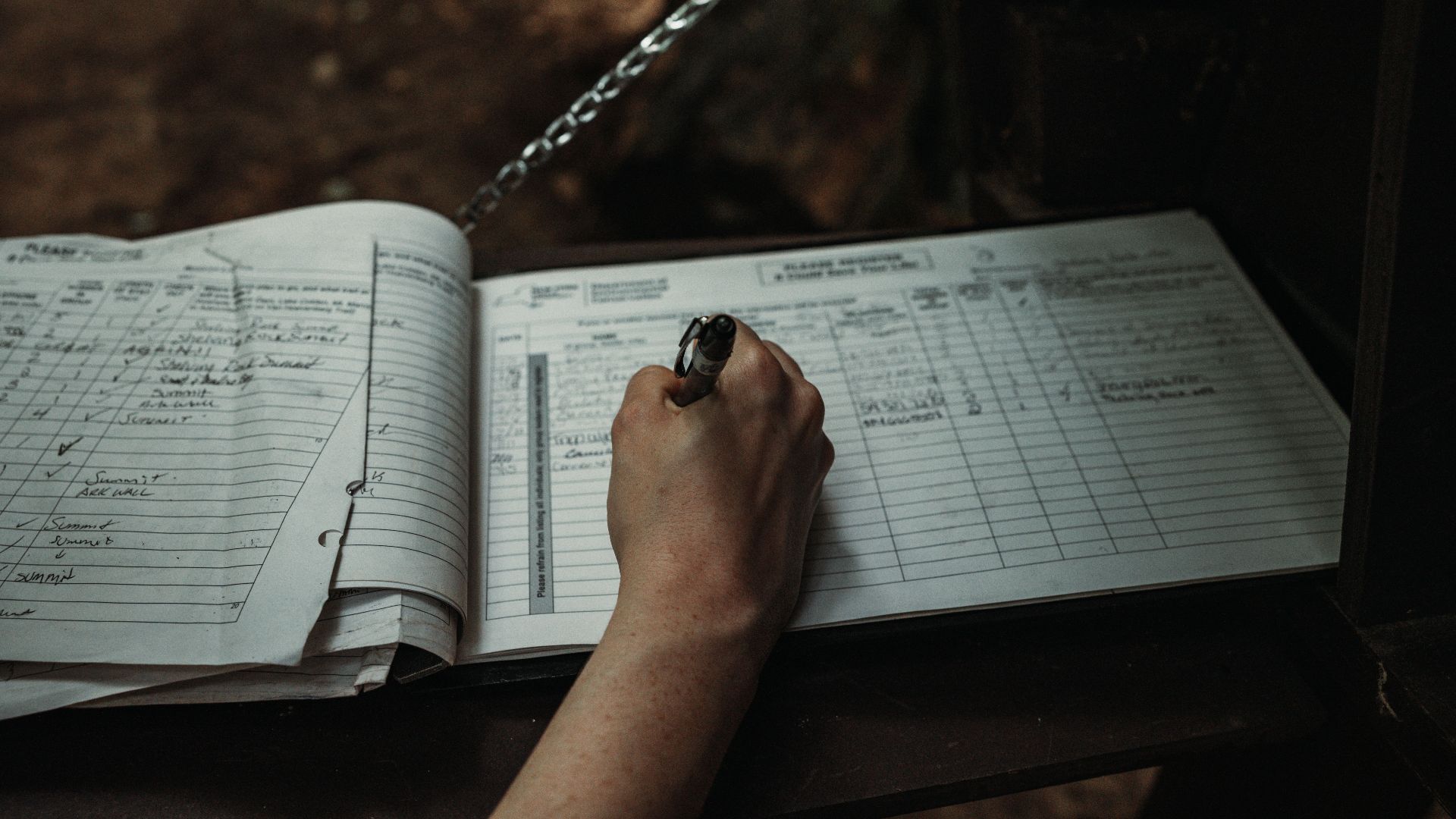
Women had to write their names in a record book before leaving the residence hall at night and sign back in when they returned. At Iowa State, a woman who wanted to stay out past her usual hours needed a separate overnight sign-out card.
 Connor Scott McManus on Pexels
3. Freshmen Had a Weekly Date Limit
Before 1962, freshman women at Centre College in Kentucky were allowed only three social engagements a week. Required study hours ran from 7 to 10 p.m., and curfew came half an hour later.

4. Men Waited in the Parlor
Women's dorms had formal parlors where a man could visit his date without going upstairs. At Iowa State in the early 1930s, men callers were received in the parlor from 4 to 6 p.m. on weekdays. Some parlors had pianos, and a hostess at the front desk kept track of who came and went.

5. Visiting Hours Were Called Parietals
Parietal rules set the hours when students could have someone of the opposite sex in their rooms, and they were standard on campuses in the 1950s and 1960s. The word comes from the Latin for wall. Harvard and Radcliffe formalized theirs in 1952, and in 1962 Radcliffe expanded visiting time to 25 hours a week.

6. Doors Stayed Open and One Foot Stayed on the Floor
Even during visiting hours, Harvard's 1952 rules required an open door and one foot on the floor. Deans complained over the next decade that students were misusing the hours, and a 1963 push to tighten the rules turned into a scandal that reached the front pages of Boston tabloids.

7. Late Nights Needed a Housemother's Permission
Sororities and some dorms employed a live-in housemother, and at Iowa State in 1948 no social function could be held in a house without one. A woman who wanted to stay out late for a big dance had to arrange it with her housemother well in advance.

8. Everyone Shared One Hall Phone
Dorms often had a single phone for an entire wing, and in some halls nobody bothered answering unless they were expecting a guy to call. At Michigan, up to 23 women shared each corridor phone. A student complained in a campus paper back in 1920 that dorm women didn't get more dates because their line was always busy.

9. Buzzers Told You a Call Was Waiting
Rooms in many dorms had a buzzer wired to the front desk, and roommates agreed in advance who answered to one buzz and who answered to two. When a call came in, the desk buzzed the room and the right roommate went to the nearest house phone.

10. Women Filled Out Dance Cards
At formal college dances, women carried small printed cards listing each song, and men penciled their names next to the dances they wanted. The cards stayed popular at college dances into the 1920s, and some campuses kept them until the 1960s, when dances got less formal.

11. Mixers Brought In Busloads of Women
Before Yale started admitting women in 1969, meeting someone often meant waiting for a busload of women to arrive from schools like Vassar or Smith. Colleges organized mixers so students from different campuses could get to know each other, and maybe find a date. Smith had even swapped its formal Spring Dance for mixers by 1949, making the whole thing a little more casual.

12. Men's Colleges Imported Dates for Big Weekends
Dartmouth men invited dates from women's colleges like Smith and Wellesley for big weekends. By 1935, between 700 and 800 women came to Hanover for the Green Key festivities. Even after Dartmouth went coed in 1972, some men kept inviting women from other schools, which left many Dartmouth women feeling neglected.

13. Yale Men Raced Bikes to Vassar
In 1952, a drunken bet at a Yale drinking club turned into an 80-mile bicycle race to Vassar, with students trying to get there before sunset. One of the first riders, a Dean’s List student, got lost before he even made it out of New Haven. The race became a tradition, though neither college officially approved it. Vassar women also made trips to Yale, showing up at football games wearing Yale-blue scarves.

14. Sadie Hawkins Day Let Women Do the Asking
Cartoonist Al Capp invented Sadie Hawkins Day in his Li'l Abner strip in November 1937, with the unmarried women of a fictional town chasing the bachelors. Colleges turned it into a dance where women asked men, and a magazine count found 201 colleges holding Sadie Hawkins events by 1939.

15. Going Steady Came With His Class Ring
A college couple going steady in the 1950s made it public with something of his, often a class ring she wore on a chain or his letter sweater. Going steady meant dating only each other, and it didn't necessarily mean marriage was next.

16. Men Removed the Locker Loop From Their Shirts
Oxford-cloth button-down shirts came with a small fabric loop on the back for hanging them up. In the heyday of the Ivy League look, a man going steady would remove his to signal to other women that he was taken.
17. Getting Pinned Meant Engaged to Be Engaged
A fraternity man who got serious gave his girlfriend his fraternity pin, and students described it as being engaged to be engaged. A 1959 campus paper noted that the newly pinned man was expected to pay for the flowers and the party that followed the announcement. A few Greek houses still hold candlelit pinnings, though plenty of schools dropped the custom long ago.

18. Fraternities Serenaded Women's Dorms
Groups of men used to gather under the windows of a women's dorm and sing, often to celebrate a pinning. Grinnell alumni still remember a song called Honey sung in deep male voices. Penn State students marked the end of freshman dating restrictions in 1945 with a serenade, and a campus columnist wrote that it felt like prewar days again.

19. Students Paged Through the Paper Facebook
Colleges used to print a cheap bound booklet of every freshman's photo and name, and students used it to put names to the faces they saw around campus. Princeton printed its last paper facebook in 2006, shortly after a Harvard website borrowed the name.

20. Operation Match Ran on Punch Cards
In 1965, two Harvard students launched Operation Match, America's first computer dating service. For $3, students filled out a questionnaire covering hobbies, looks, and attitudes toward sex. Their answers went onto punch cards and into a rented IBM computer, and a week or two later, they received a list of matches by mail. More than 8,000 people signed up for the first round, 52 percent of them women.