Before The Tourism Boards Got Involved
The Sunshine State looks good on a license plate. Some of the names states picked up in the 1800s were a lot less flattering. Newspapers printed lists of them, and readers passed them around for a laugh, usually at another state's expense. Here are 20 old state nicknames that sound like insults, because plenty of them were meant to be.

1. Missouri Was The Puke State
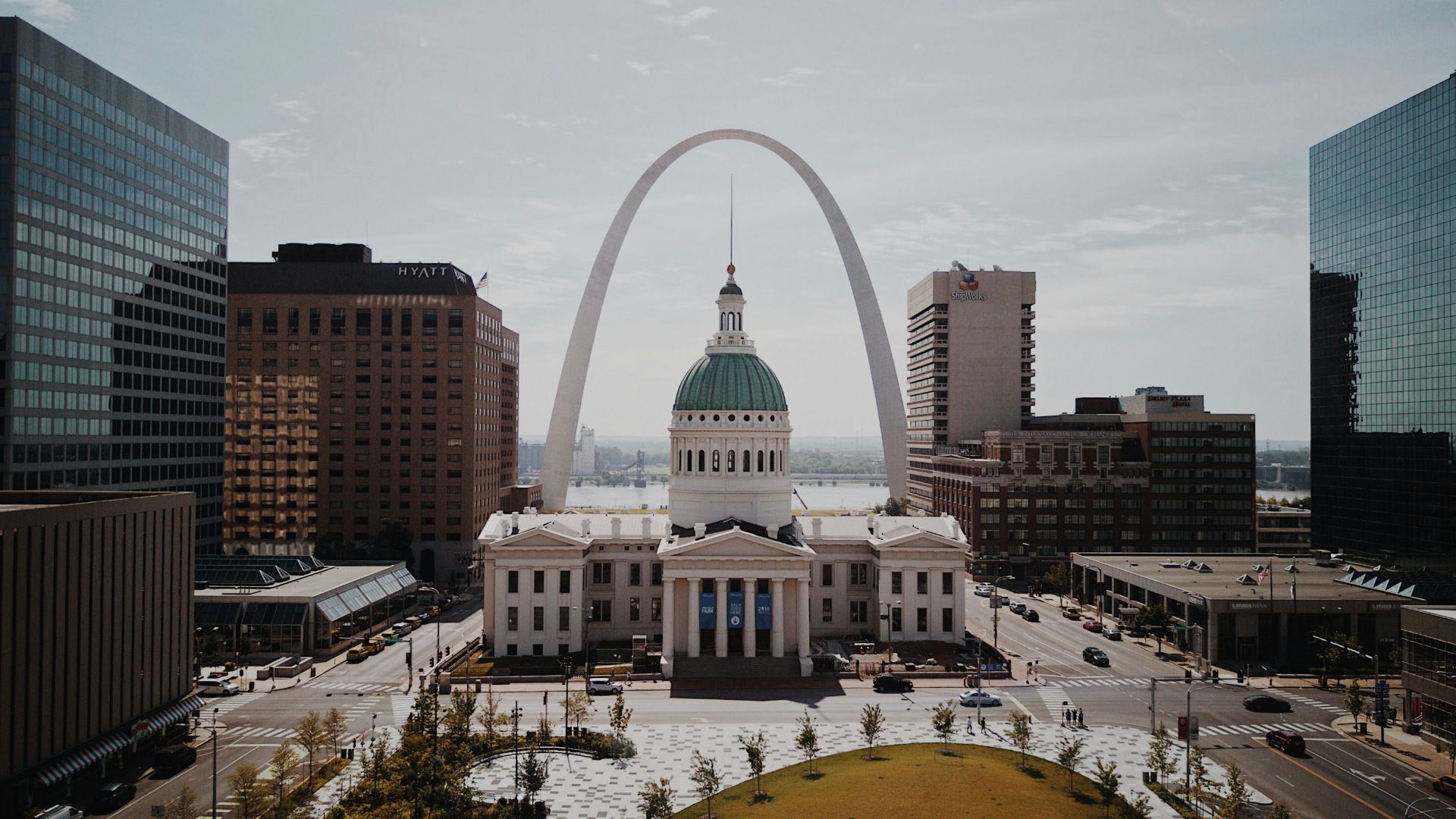
Missourians were called Pukes in a newspaper nickname list as early as 1834, and the Puke State stuck to the state itself by 1858. Nobody has turned up a flattering version of the origin. The usual explanation ties it to the Galena lead mines, where Missourians arrived in such numbers that the state was said to have puked them out.
2. Illinois Was The Sucker State
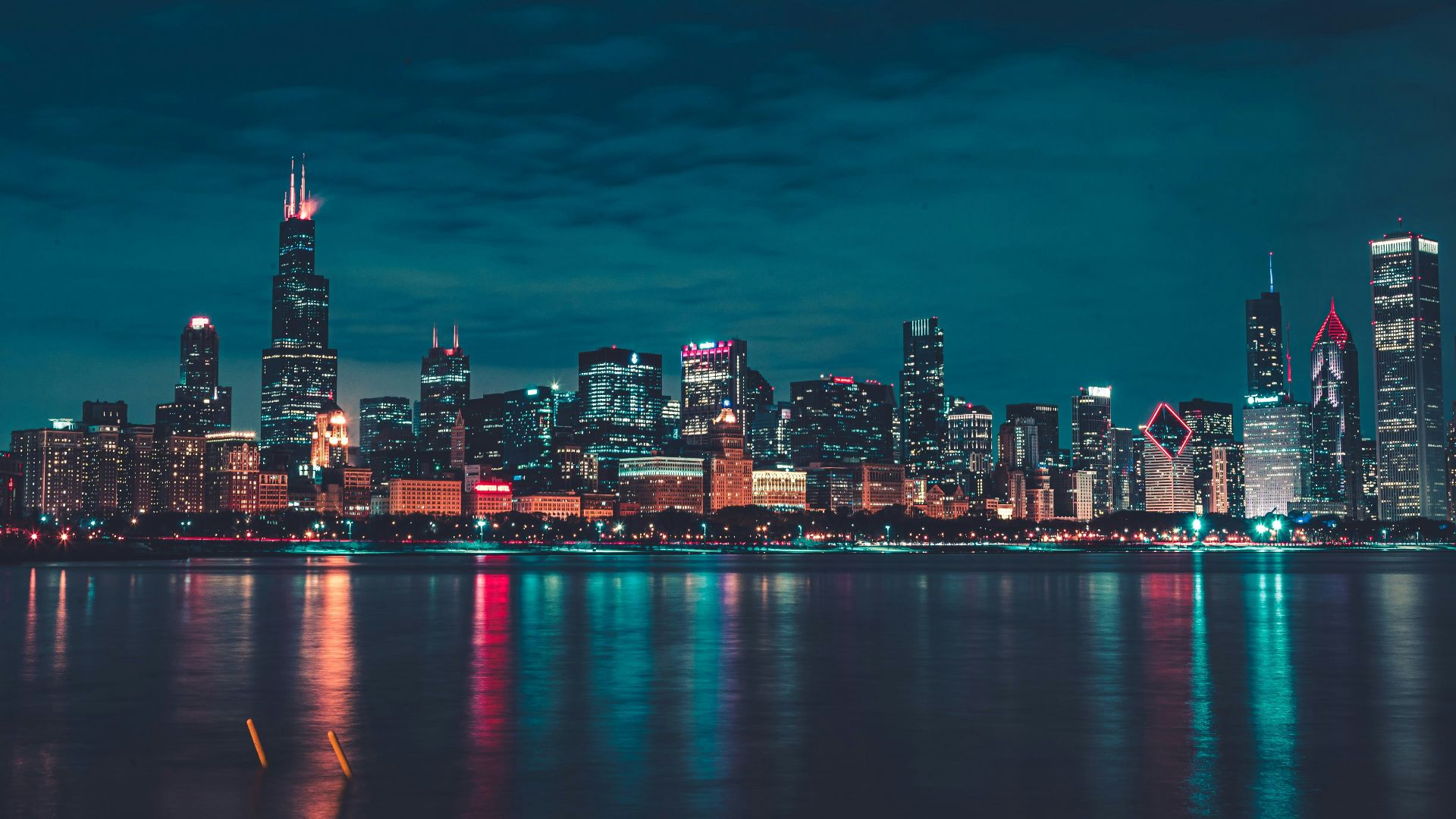
Illinois carried the name for most of the 1800s, long before Land of Lincoln was made official in 1955. One theory traces it to the Galena lead mines again, where seasonal miners came upstream in spring and left in the fall like the sucker fish. Another has travelers drinking prairie water by sucking it up through hollow reeds pushed into crawfish holes.
3. Nebraska Was The Bug Eater State
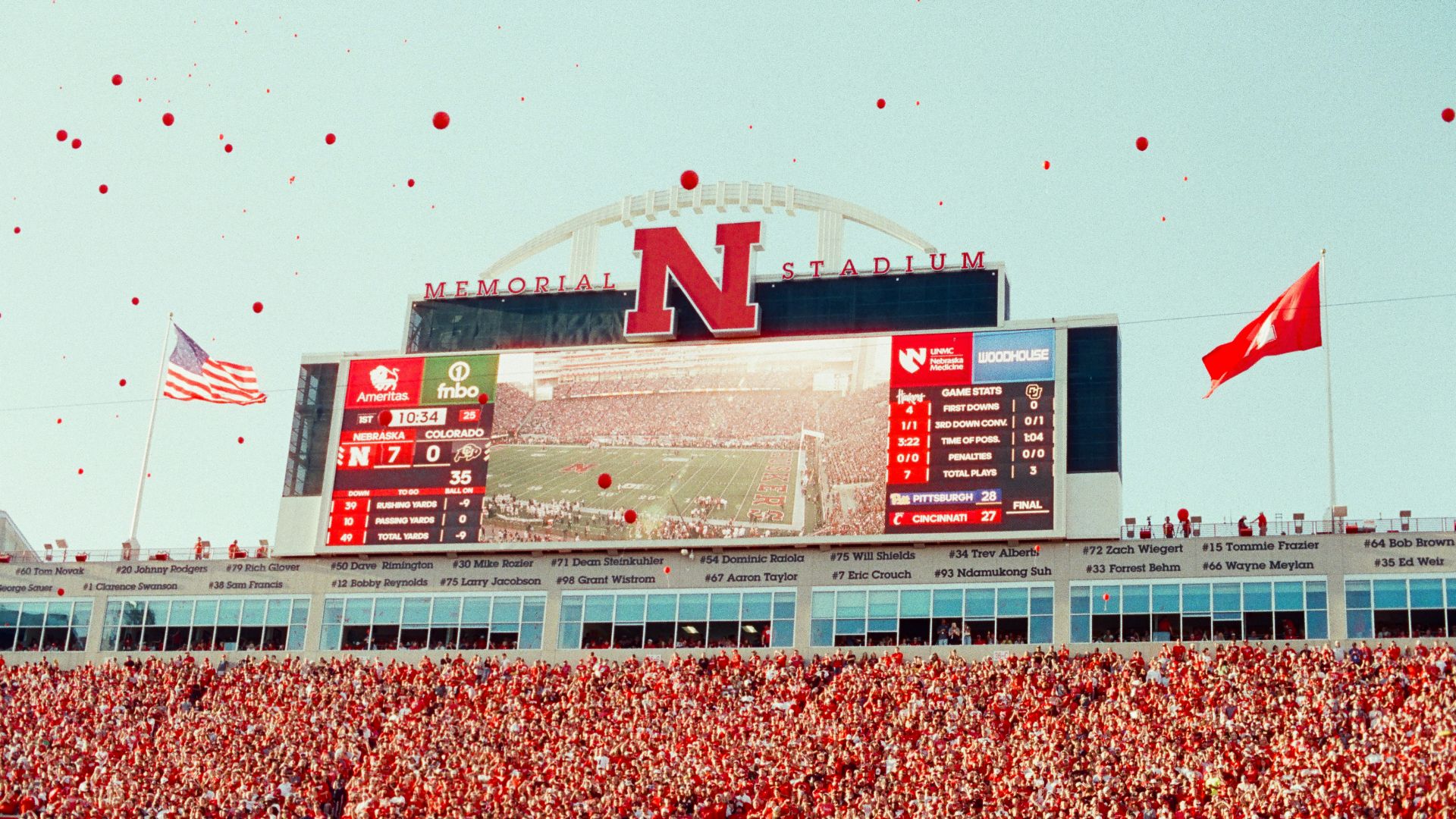
Nebraska's sky filled with nighthawks at dusk, and the nickname came from the birds' diet. That distinction did nothing for how it sounded. A Lincoln sportswriter started calling the university team the Cornhuskers around 1899, the name caught on statewide, and the legislature made Cornhusker official in 1945.
4. Connecticut Was The Wooden Nutmeg State
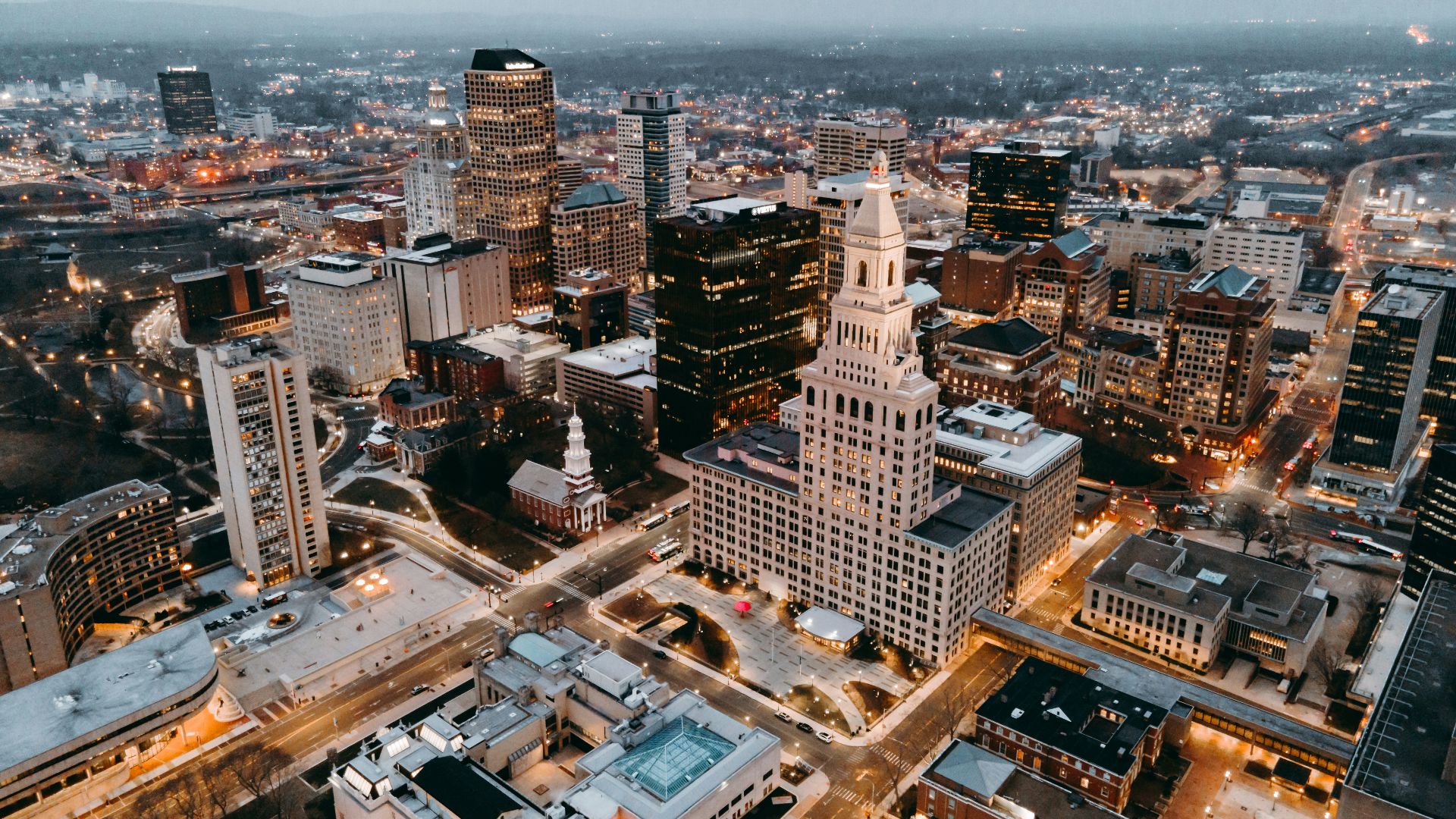
A wooden nutmeg meant a swindle, and Connecticut wore the phrase as a nickname for decades. The story holds that Yankee peddlers carved fakes and mixed them in with real nutmeg, which cost enough to be worth faking. No one has found solid evidence that any peddler actually did it.
5. Rhode Island Was Rogue's Island
Rhode Island earned this from the neighbors who disapproved of it. The colony took in religious dissenters and political exiles that Massachusetts and Connecticut wanted gone, and it ran one of the most organized smuggling operations in British America. Colonial officials meant Rogue Island in the flat administrative sense of a place full of criminals. Cotton Mather went further and called it the sewer of New England.
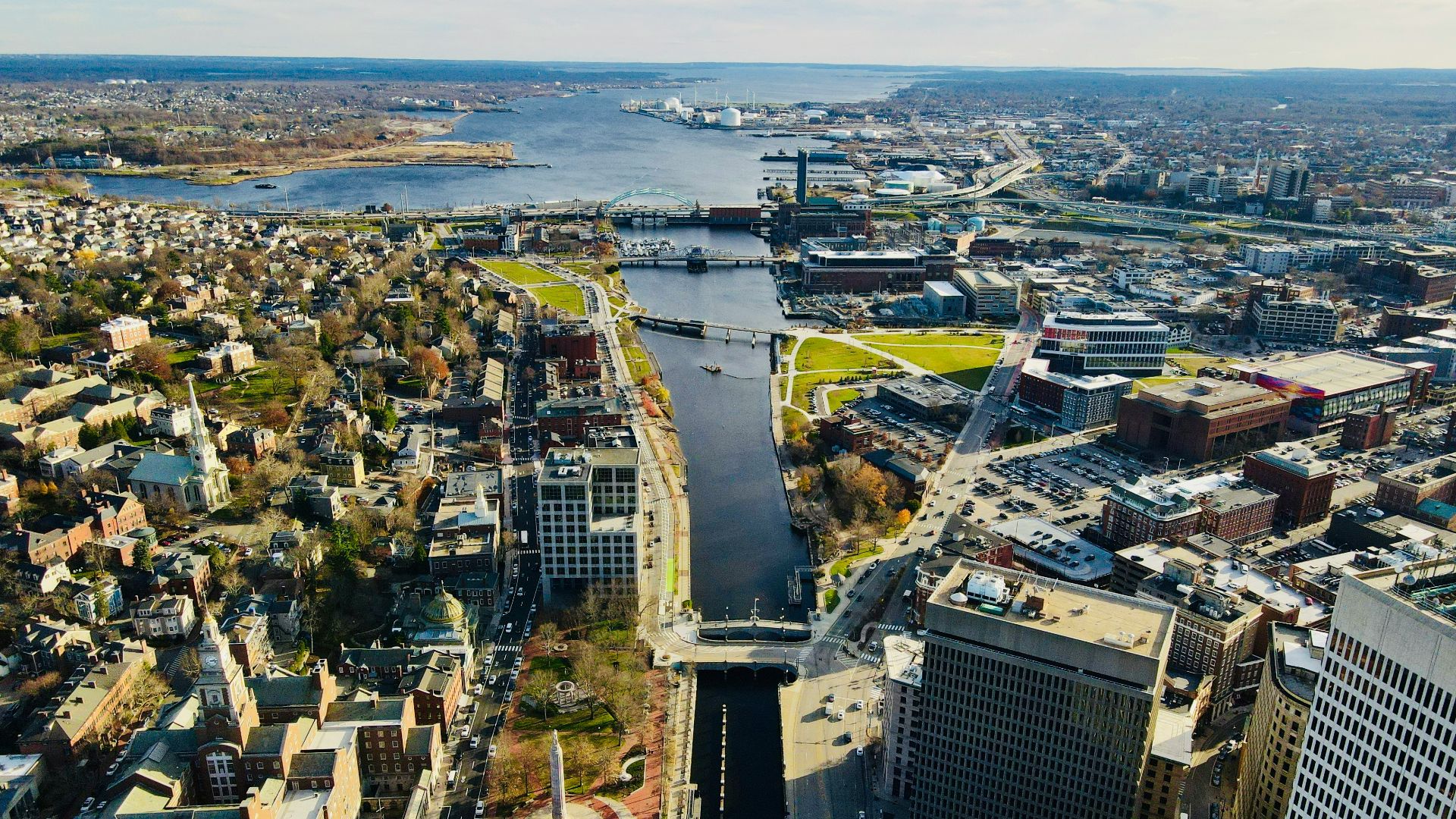
6. Georgia Was The Buzzard State
Georgia made it expensive to kill or injure a buzzard, on the reasoning that the birds did useful work clearing carrion. The penalty was heavy enough that the rest of the country noticed, and Georgians were Buzzards on a nickname list printed in 1845. An 1898 dictionary was still listing them that way and giving the same reason.
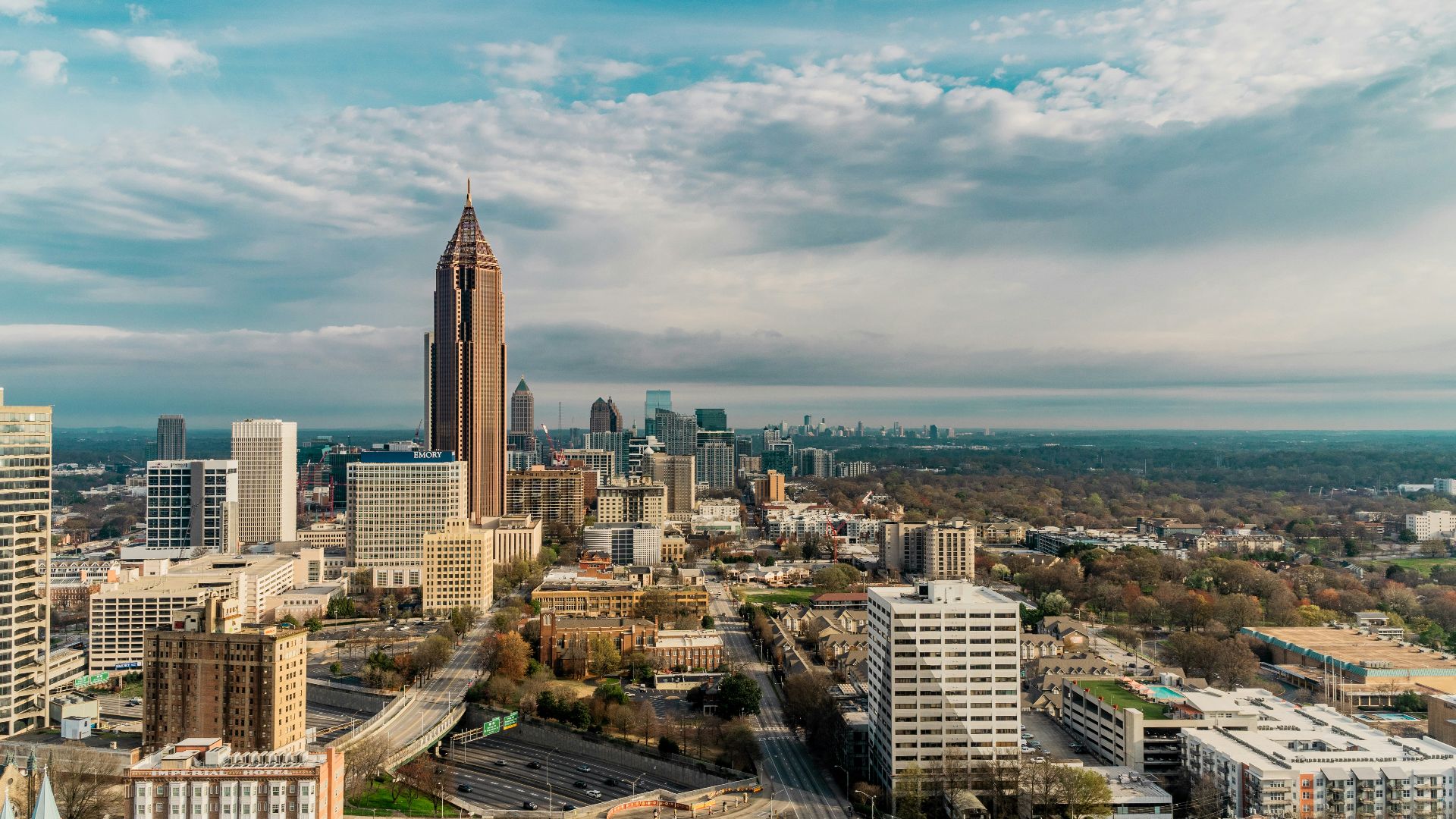
7. North Carolina Was Tar Boiler Country
North Carolina supplied most of the country's tar and turpentine before the Civil War, with more than 1,600 distilleries running by 1861. Outsiders called the people doing that work Tar Boilers, a term that sat beside rosin heel and linthead as a way of naming someone for what they came home covered in. Virginia soldiers used the later version, Tar Heel, to needle North Carolina troops. Their governor was addressing fellow Tar Heels by 1863.
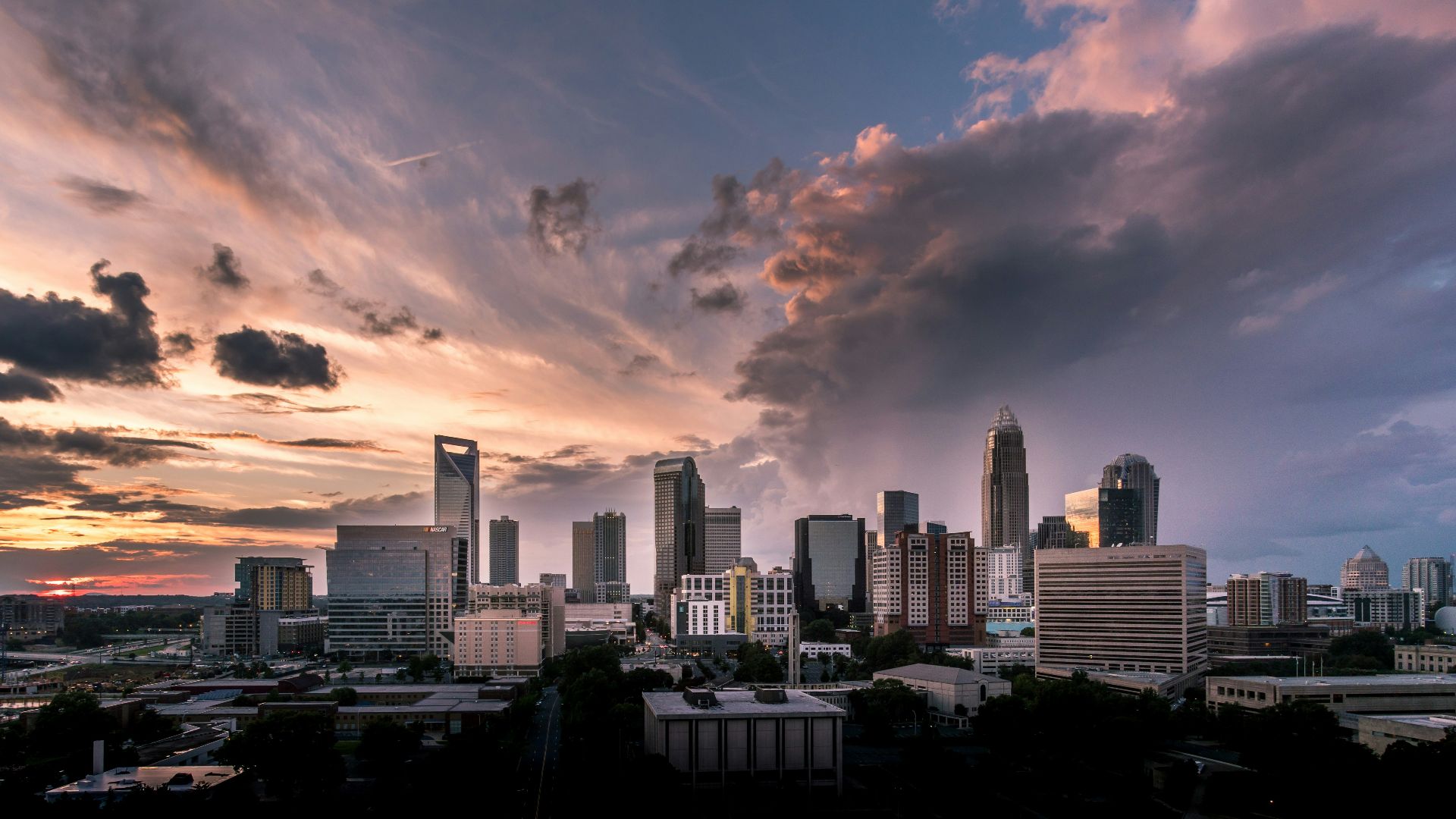
8. Minnesota Was The Gopher State
Minnesota's nickname started as an attack on its own legislature. In 1857 lawmakers pushed a five million dollar loan to railroad companies, and an amateur artist answered with a cartoon of nine gophers with human heads hauling a train full of bought politicians. (The same man later had a hand in the state seal, which is a separate story.) The drawing circulated widely and the name attached itself to the whole state. The railroad scheme collapsed in 1860.
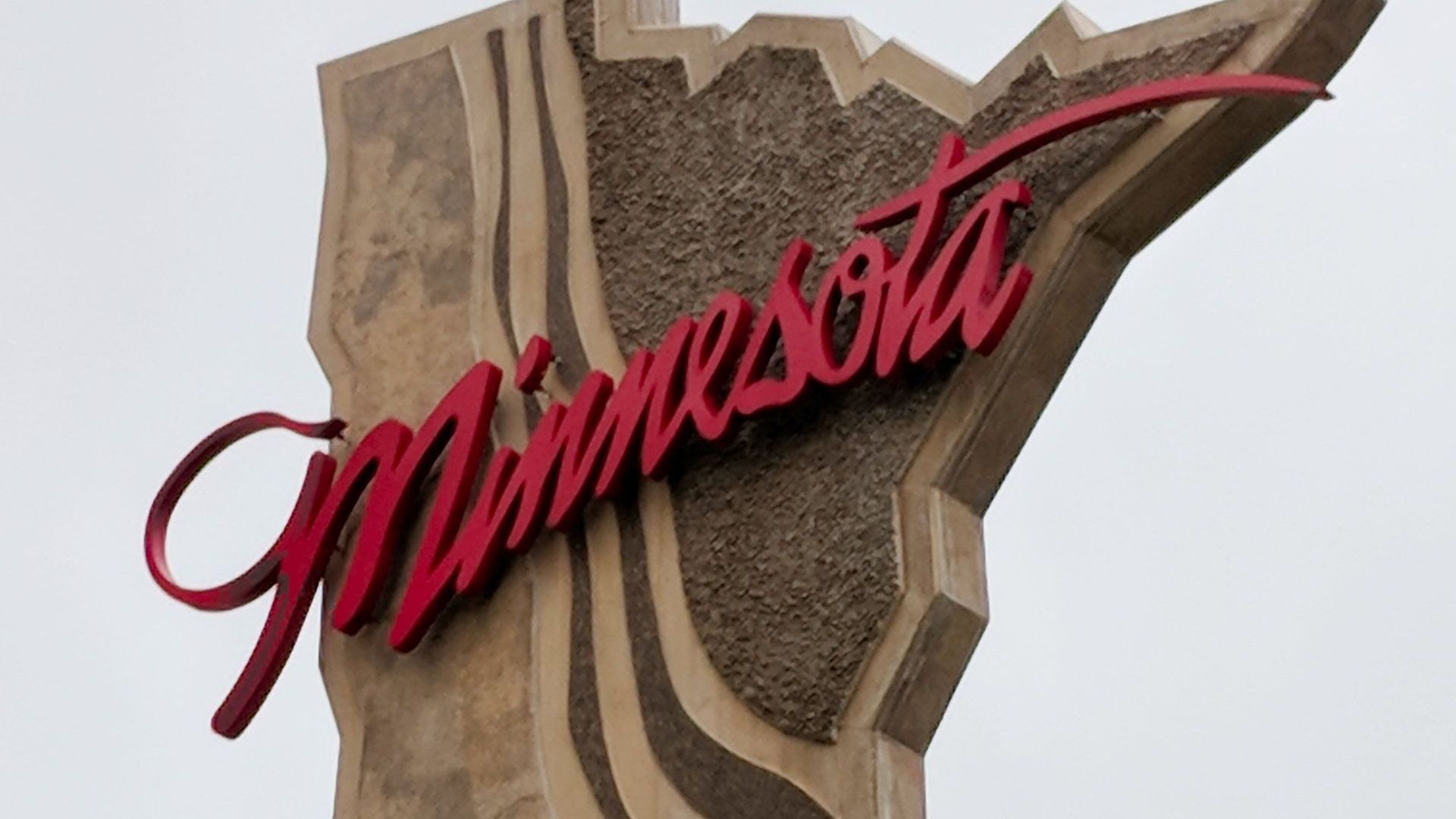
9. Maryland Was Craw Thumper Territory
Marylanders turn up as Craw Thumpers on some 19th-century lists and as Clam Thumpers on others. One older reading connects craw-thumper to an insult for Catholics, which would have fit Maryland, though the seafood explanation holds up better. A period source traces craw to a corruption of claw and thumper to a waterfront word for banging, which together describe a lobster slamming around in a boat.

10. Arkansas Was The Toothpick State
An Arkansas toothpick was a long double-edged dagger, not anything you'd use on your teeth. The term was circulating by 1836, and the state's reputation for settling arguments with one hardened in 1837 when a state representative stabbed another to death on the floor of the House. Alabama passed a law that same decade making any killing with a bowie knife or Arkansas toothpick murder outright.
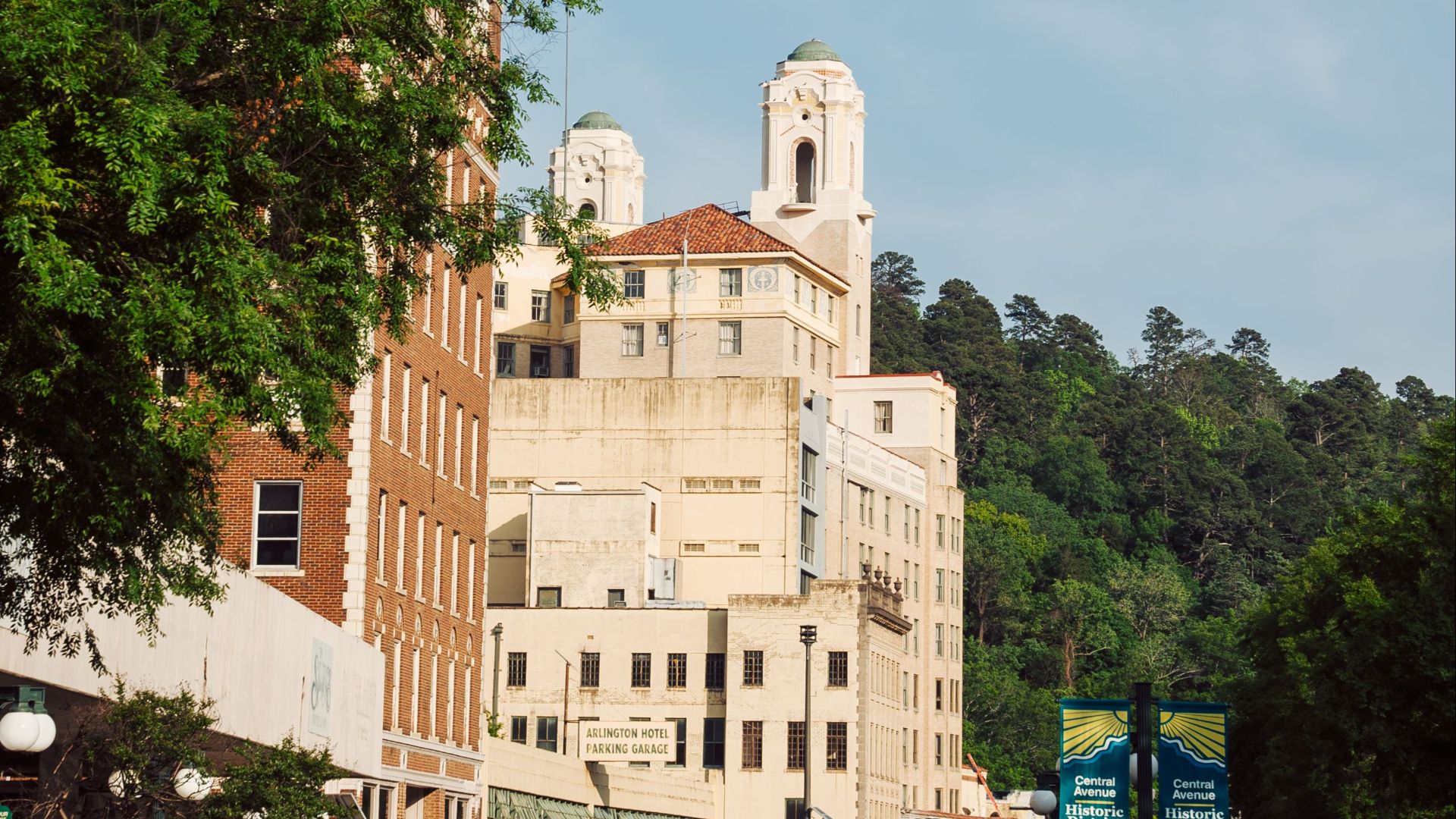
11. Oregon Was The Hard Case State
Oregonians showed up as Hard Cases on early nickname lists, and the name wasn't entirely an insult. Getting to Oregon meant surviving a long, punishing journey overland, and arriving was only the beginning. Settlers still had to build homes and make a living in unfamiliar country, so being a hard case came with a certain amount of respect.
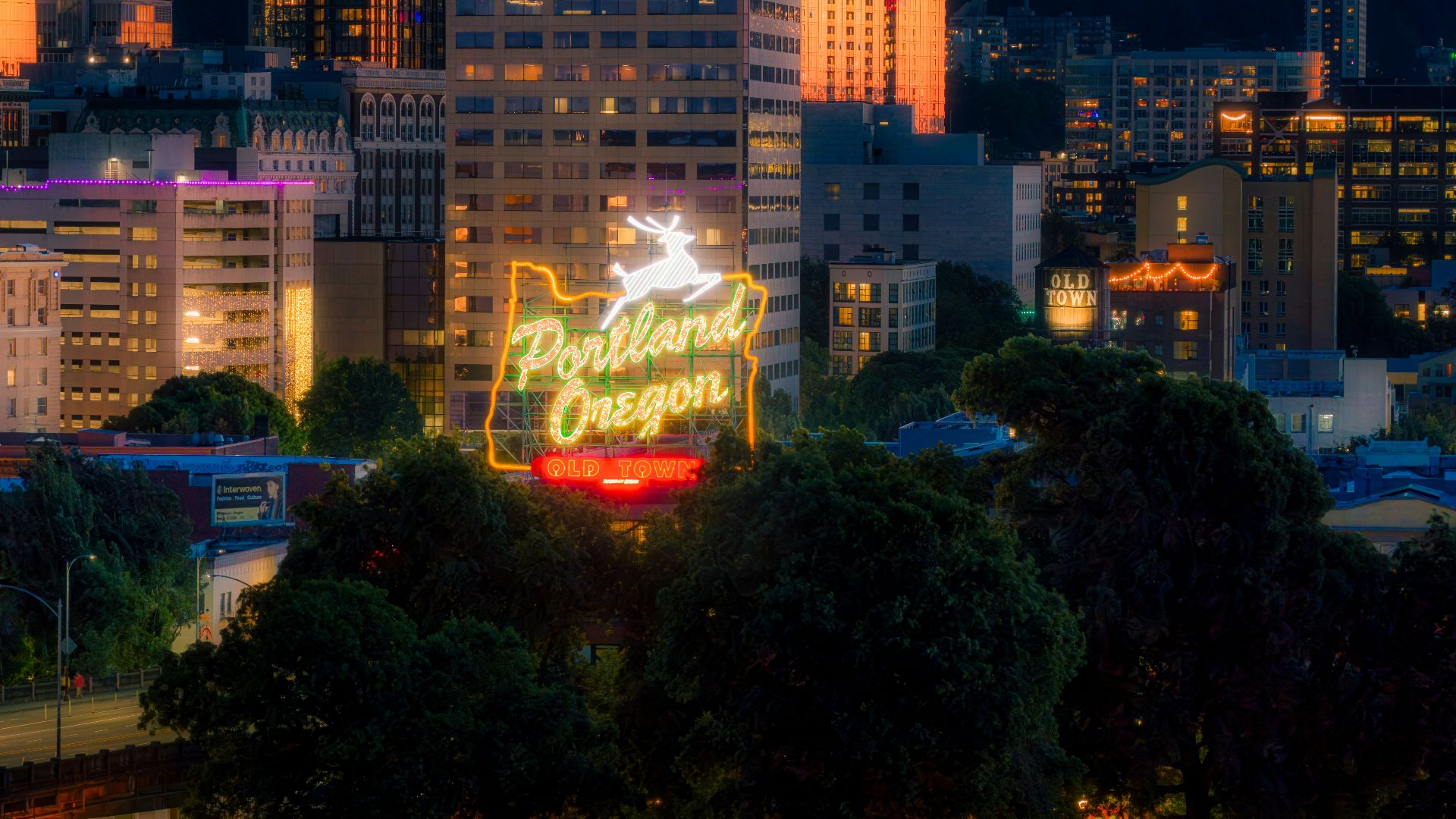
12. Michigan Was The Wolverine State
Ohioans handed Michigan the name during the Toledo War of 1835, a border fight over a strip of land that included the city of Toledo. The comparison was to an animal known for being vicious and bad-tempered, and it wasn't a compliment. Michigan lost Toledo and got the Upper Peninsula instead, then kept the insult as a mascot.
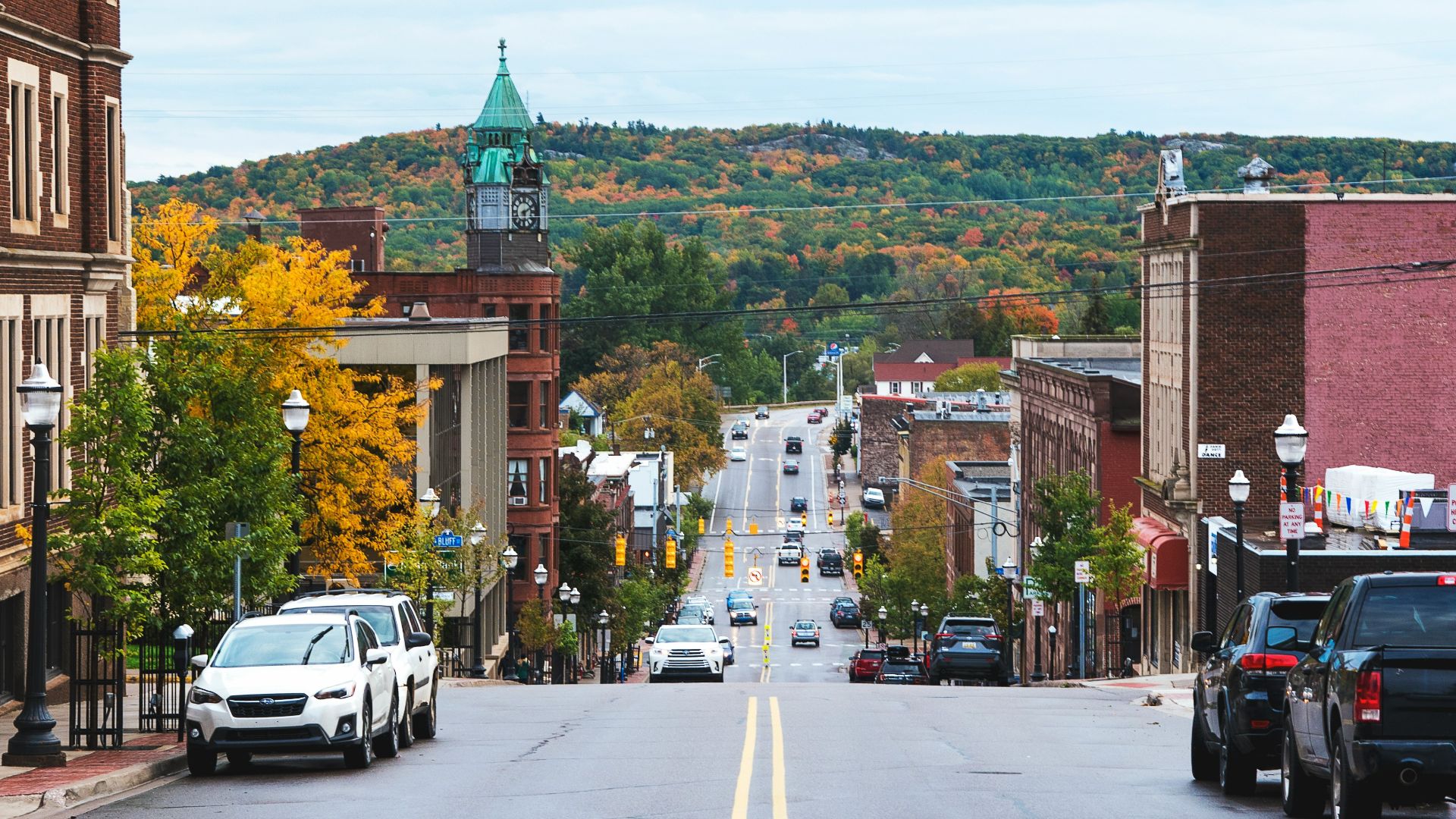
13. Montana Was The Stubbed-Toe State
Montana came into the Union in 1889 and had the nickname within months. It reads like something a neighbor would say about a place he found inconvenient. Papers in January 1890 ran the names for all four new states together, with North Dakota as the Flickertail State and Washington as the Chinook State. The only explanation anyone recorded points at the steep ground in the western third of the state.
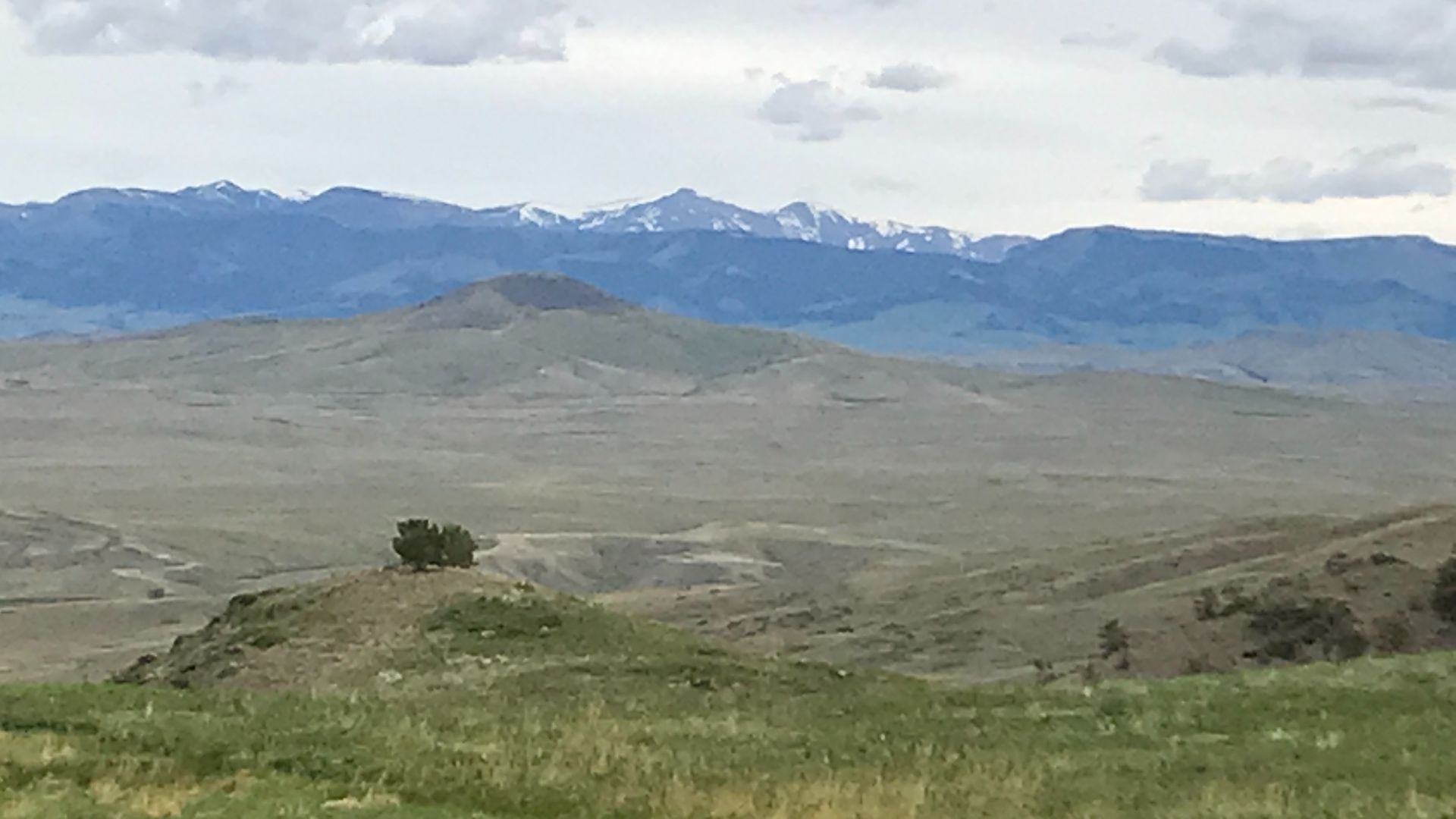
14. South Dakota Was The Swinged Cat State
South Dakota's governor did this to his own state by accident. Arthur Mellette was in Chicago in 1890 looking for drought relief when a newspaperman asked how things were back home. Mellette answered that South Dakota was a swinged cat, better than she looks, meaning singed or burnt. The paper ran a piece the next day about the governor of the swinged cat State.
15. Tennessee Was The Hog And Hominy State
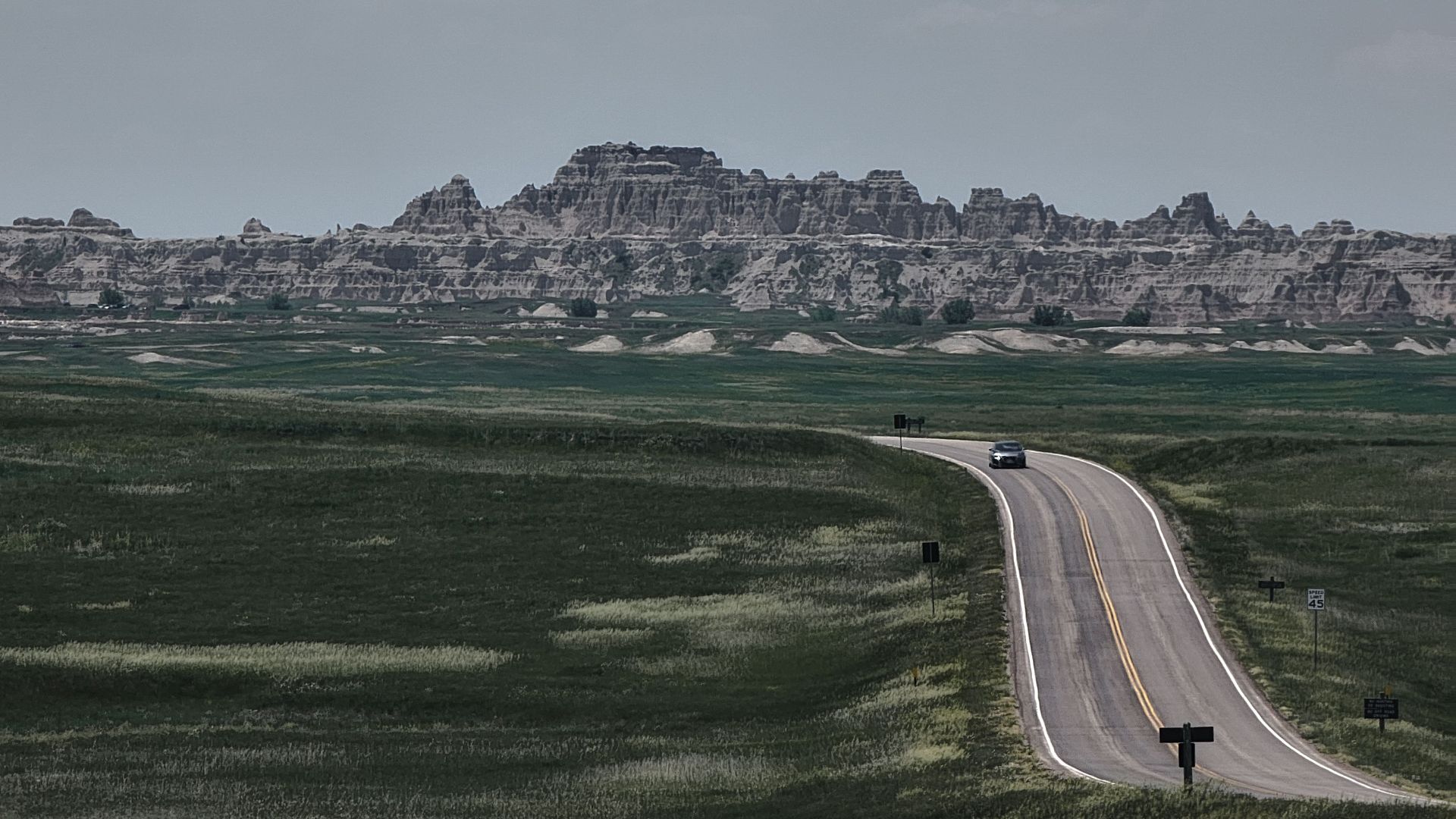
Tennessee produced so much corn and pork in the 1830s that the rest of the country named the state after dinner. The great Hog and Hominy State of Tennessee was in print by 1852. Hominy is dried corn treated with lye, and it fed people who had little else on hand.
16. Florida Was Fly-Up-The-Creek
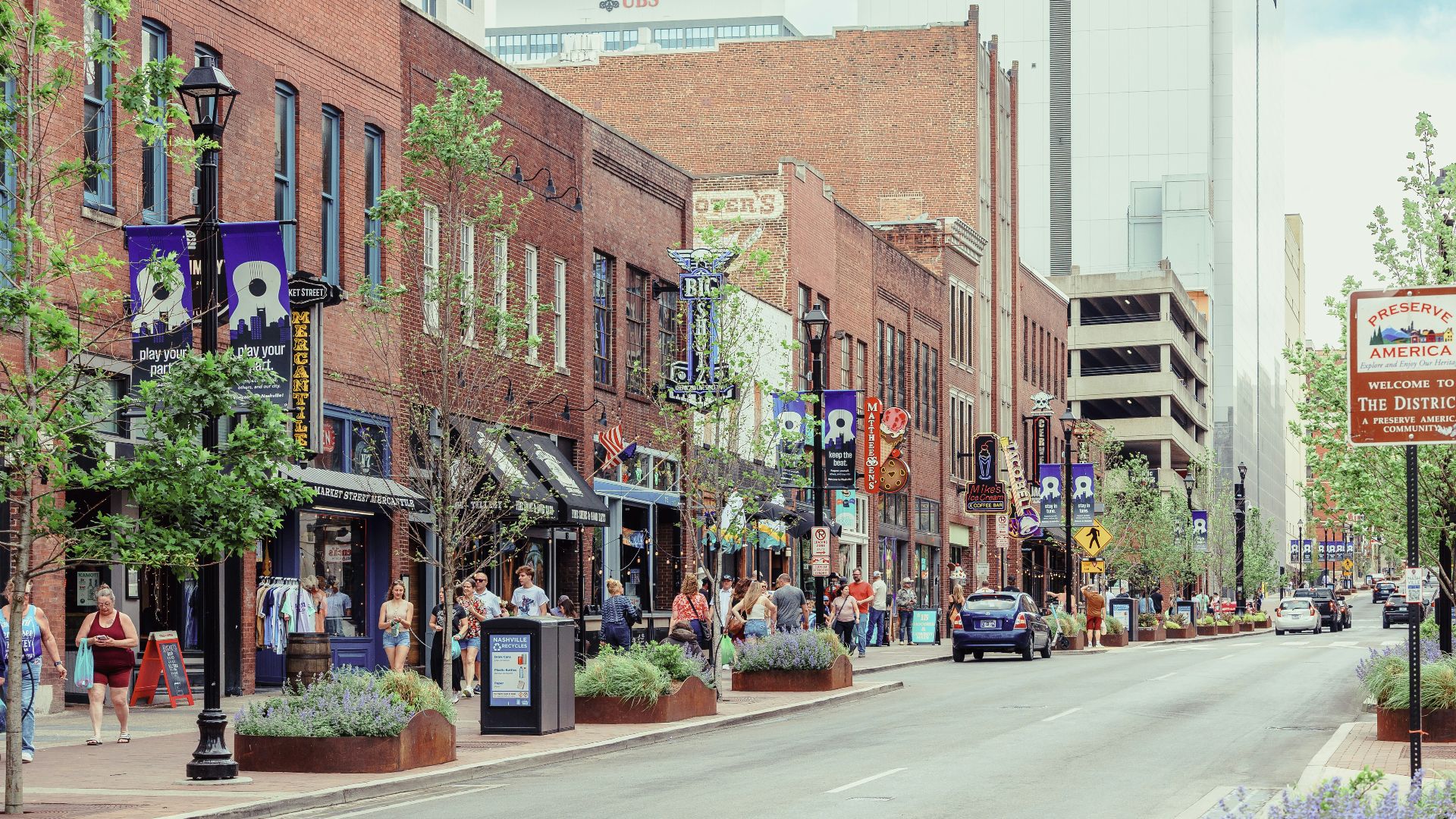
The green heron is a marsh bird, and one of its local names became Florida's. Fly-up-the-creek also picked up a second meaning in the dictionaries, a flighty person, which is the part that makes the nickname land. The bird name survives in parts of the South, while the state version was rare after 1900.
17. Mississippi Was The Tadpole State
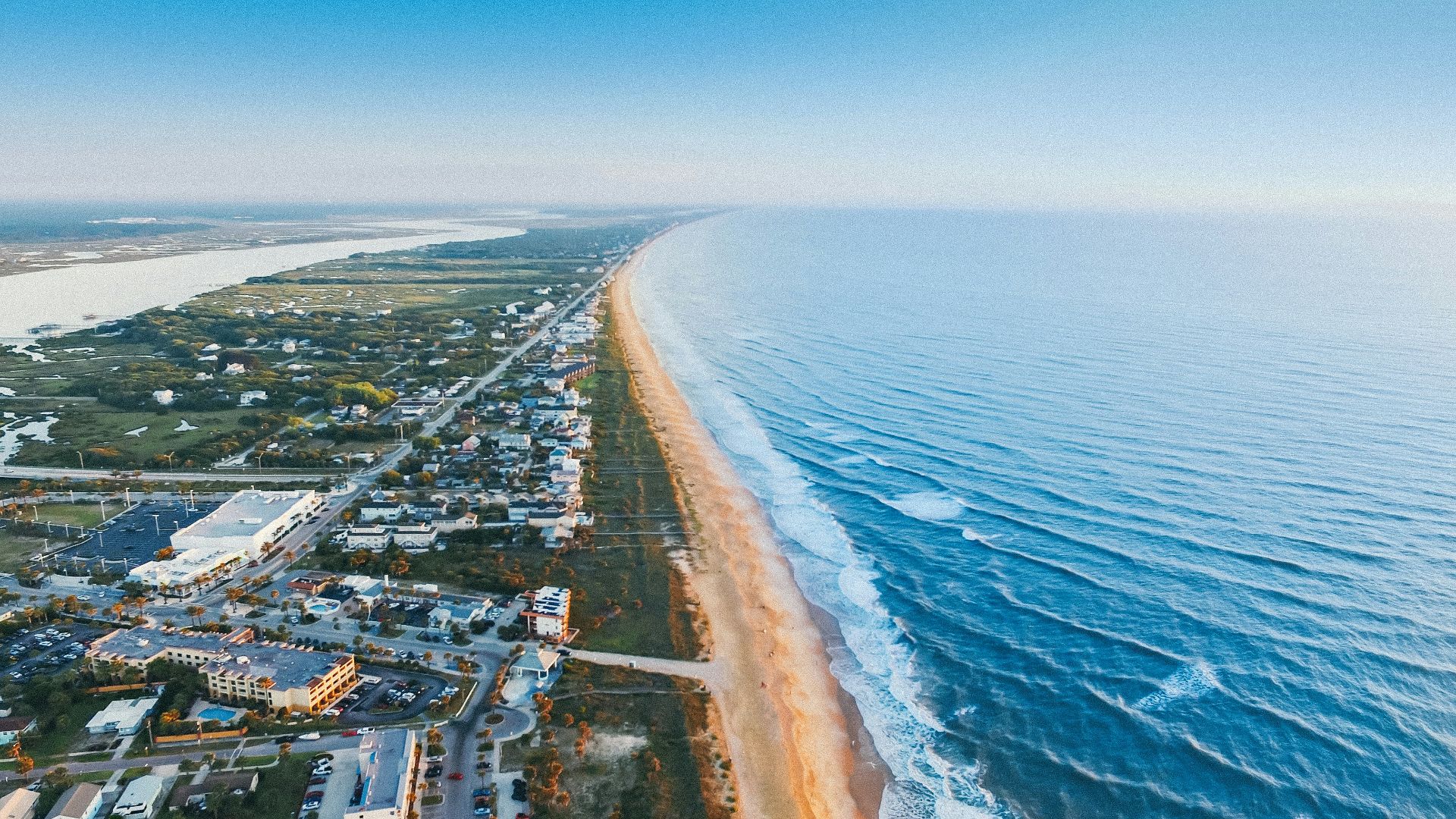
Mississippians turned up as Tadpoles on an 1845 nickname list, and the newspaper even offered an explanation. In eastern cities, it claimed, "Tad" was slang for someone who wouldn't pay his debts. Whether that was a real expression or a joke at Mississippi's expense is anyone's guess. Either way, the nickname stuck around long enough to appear on national lists two decades later.
18. Texas Was Beef Head
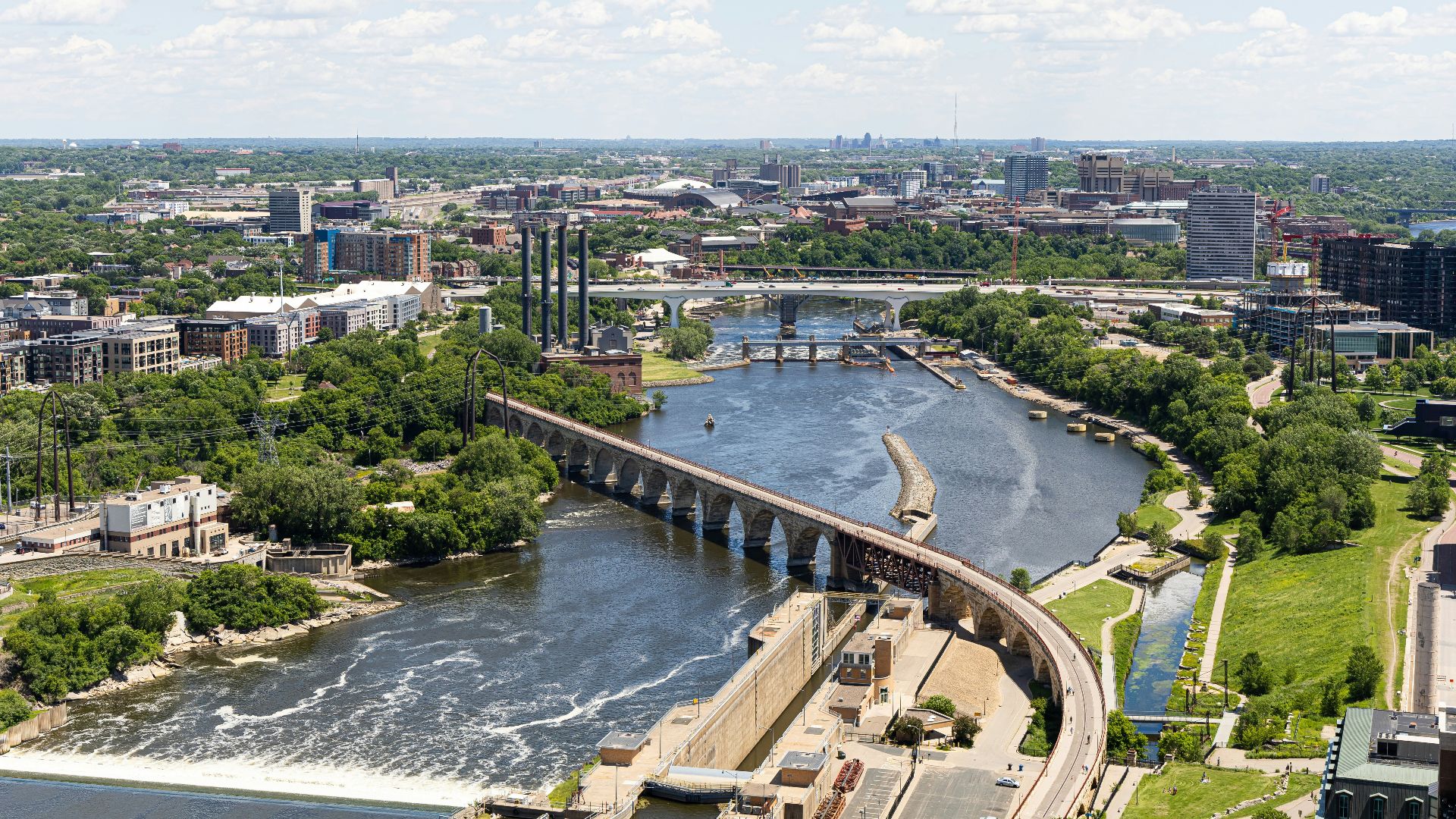
Texas got off pretty easy compared with some of its neighbors. An 1884 promotional map called Illinois the Sucker State and Missouri the Puke State, while Texas was simply the Beef Head. The map gave every state and territory its own cartoon pig, so even the nicknames came with a little extra humiliation.
19. Kentucky Was The Corn Cracker State
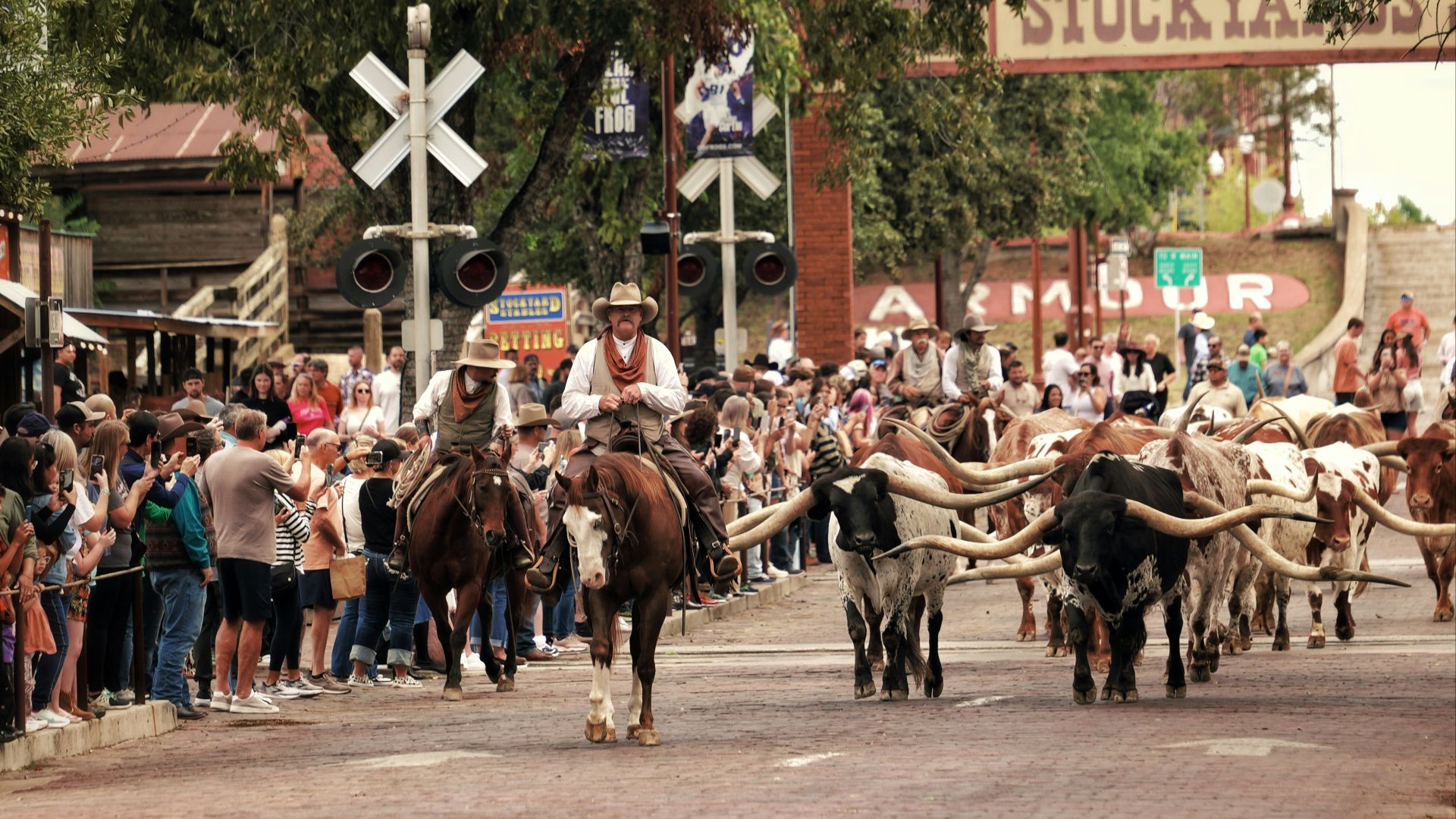
A corn-cracker was a poor rural white person who lived on cracked corn, and dictionaries of the period flagged the word as contemptuous. Kentuckians were wearing it by 1834. Red Horse ran alongside it in the same decade, and nobody at the time troubled to explain that one.
20. Indiana Was And Still Is The Hoosier State
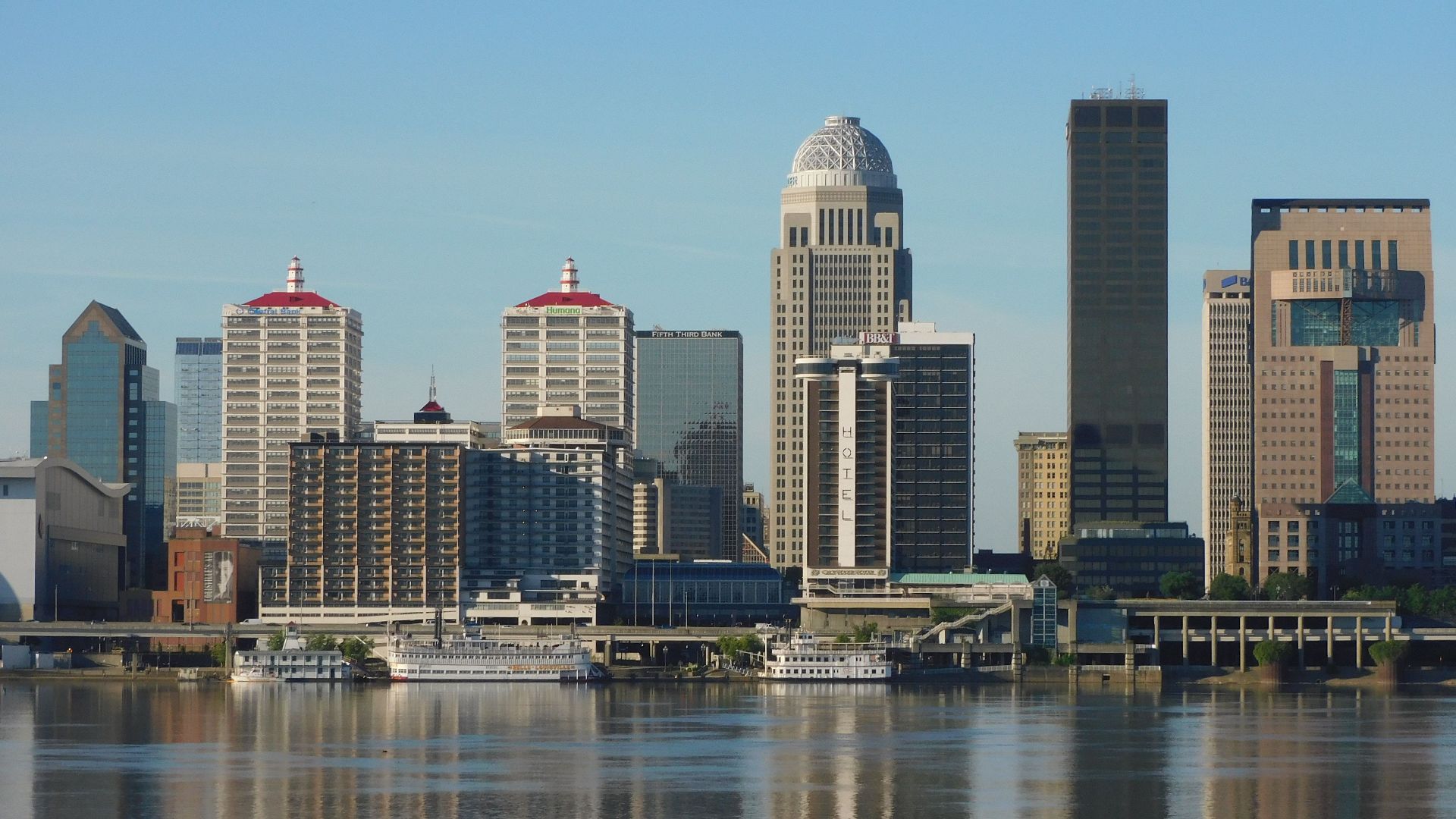
Indiana is the one state that kept its insult and put it on the welcome signs. Hoosier was in general use by the 1840s and most likely began as a word for a backwoods rustic, though the origin is still argued over. Dialect surveys through the 20th century recorded it alongside cracker as a term for isolated country people. In St. Louis it never softened at all. Ask anyone there what a hoosier is and you'll get an answer about trashy neighbors with no Indiana in it.