
The Fine Print Of The Golden Age
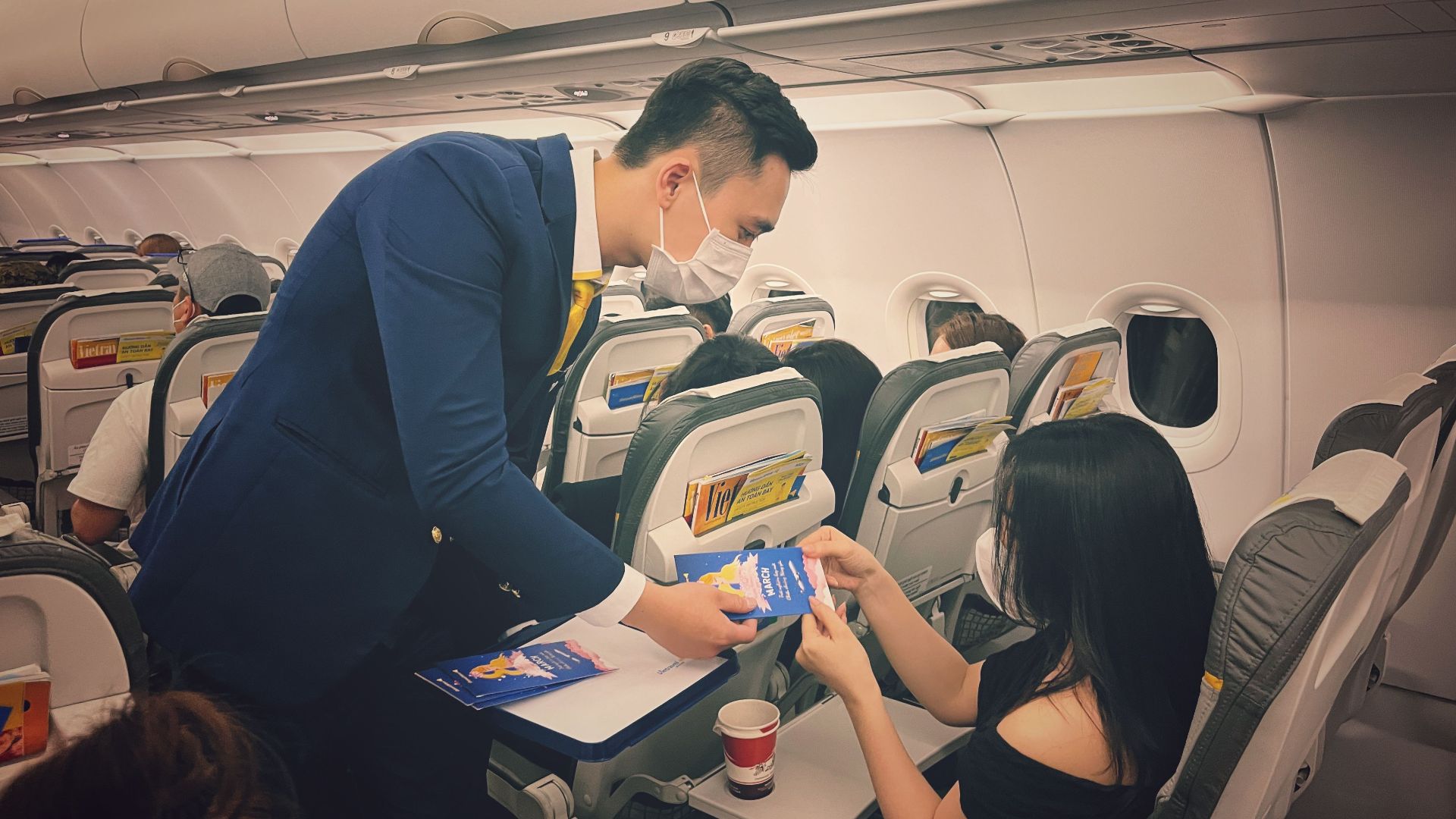
Being a stewardess in the 1960s came with free travel and a kind of glamour few other jobs could offer young women. Getting hired was one thing, but keeping the job meant following some pretty strict rules. Airlines had strong opinions about how women dressed and whether they were allowed to get married. And they weren't shy about putting those demands in writing. Here are 20 rules that could cost a flight attendant her job in the 1960s.
1. Getting Married
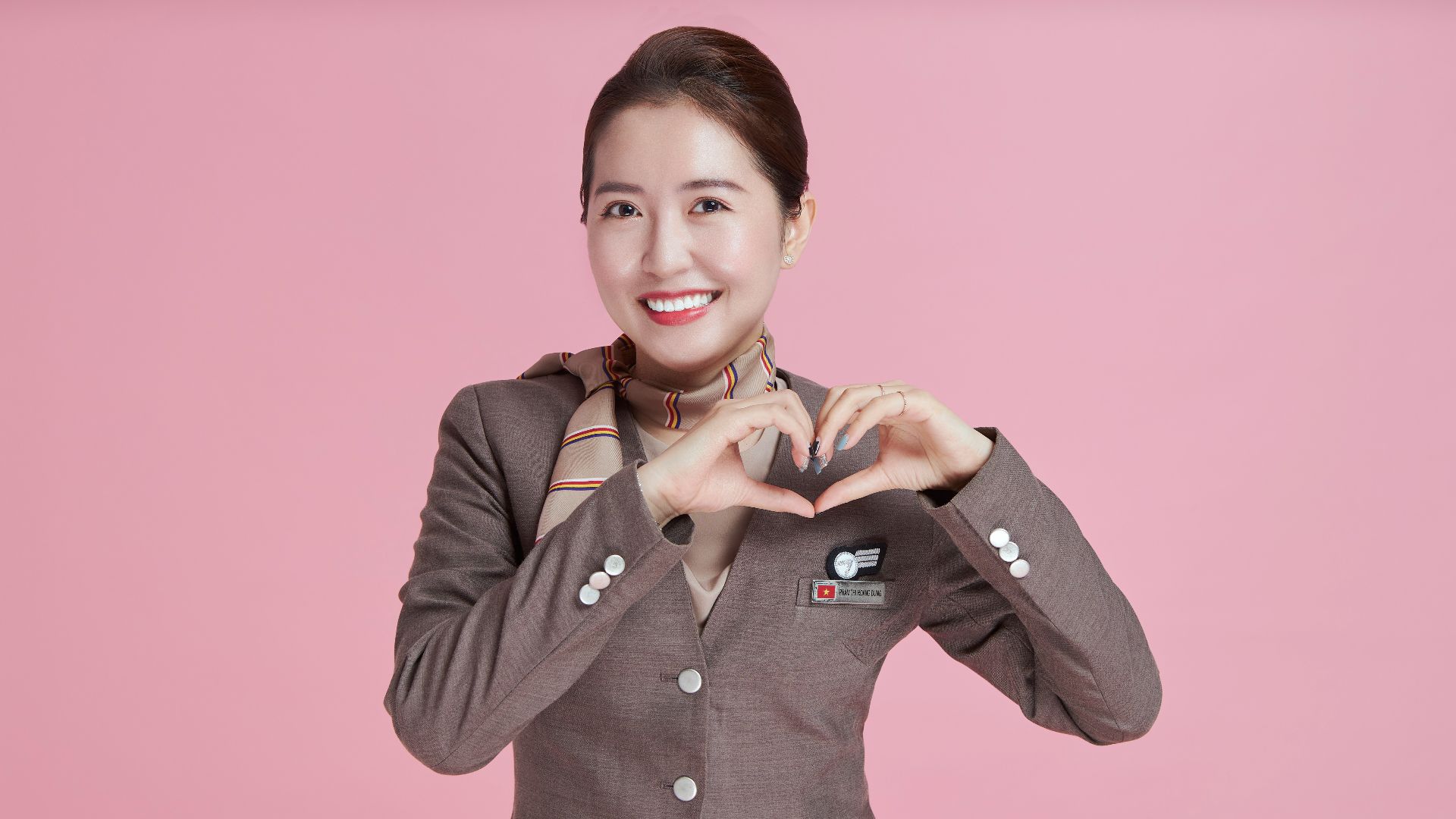
Planning a wedding? You'd also be planning your exit. Airlines hired single women and expected them to stay that way, with widows and divorcees considered only if they had no children. The rule held at most carriers through most of the decade, and leaving was usually recorded as a resignation rather than a firing.
2. Getting Pregnant
Getting pregnant could end a stewardess's career just as quickly as getting married. Maternity leave wasn't an option, and there was no job waiting when she was ready to return. Some airlines even listed pregnancy and marriage together as reasons a woman could no longer work for them.

3. Turning 32
Birthdays were a real occupational hazard. Northwest Orient and American Airlines grounded their stewardesses at 32, while TWA and Southern Airways let them fly until 35. Nothing about the cutoff had to do with whether a woman could still do the work. By 1968, American's own stewardesses were picketing with signs asking whether you'd fire your mother at 32.

4. Going Over The Weight Limit
Over 135 pounds? On one 1960s hiring list, that ruled you out before anything else got considered. Earlier ads had been tighter still, asking for somewhere between 105 and 135. Going over the limit could get a stewardess grounded, and staying over it could end her career.
5. Needing Glasses
Eastern's classified ads asked for 20/40 vision or better without glasses. Contact lenses were the only workaround for anyone who needed correction. If your eyesight got worse after you were hired, no doctor's note was going to help.
 Vinicius Wiesehofer on Unsplash
6. Hair Past Your Shoulders
Hair was not allowed to grow past shoulder length, and the limit appeared right alongside height and weight on the requirements. A grooming supervisor checked it at the pre-flight briefing, so there wasn't much room to let it slide.

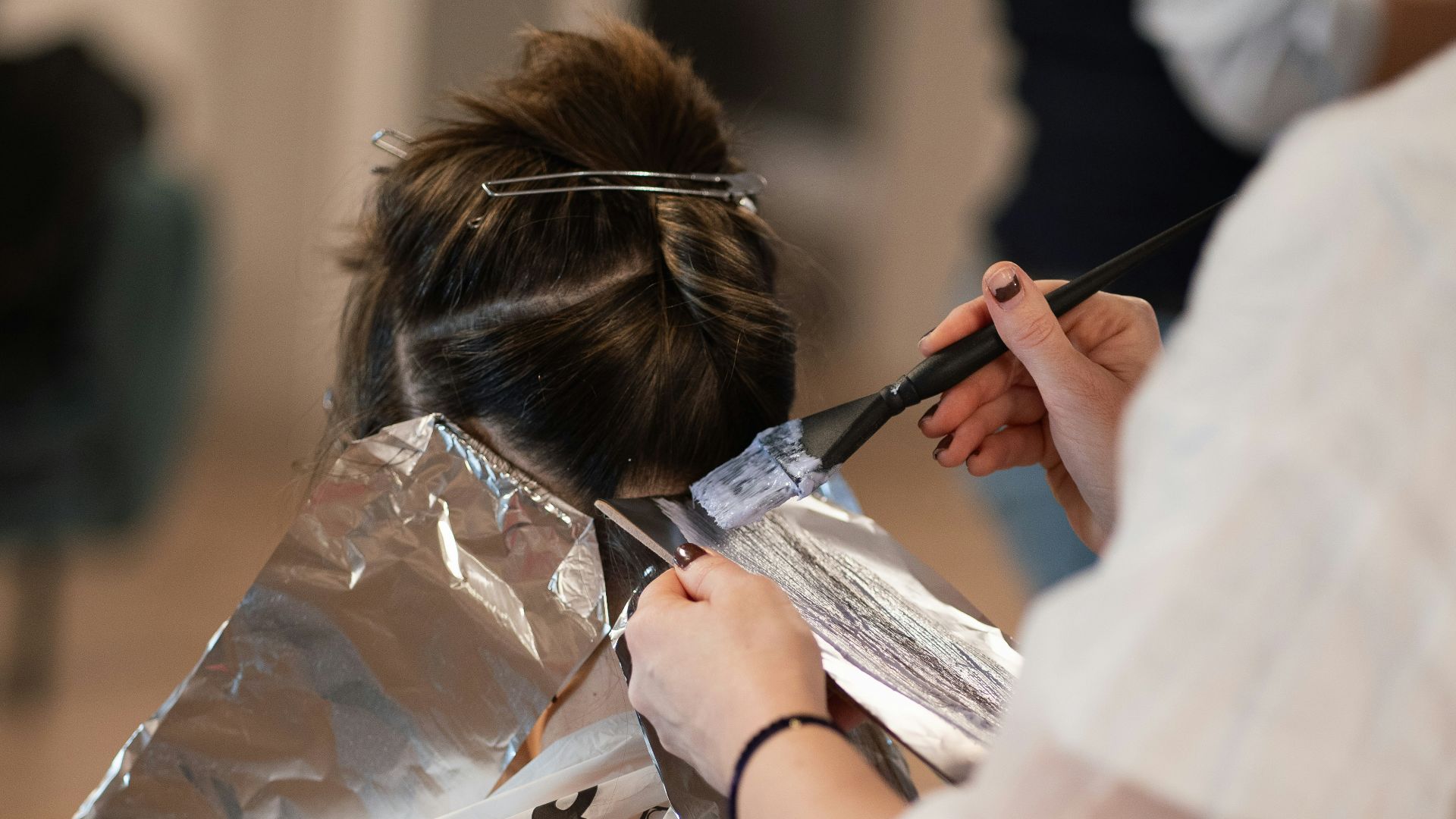
7. Coloring Your Hair
Hiring sheets called for natural color, which ruled out dye of any kind. Airlines were selling a specific look and weren't interested in personal variations on it. A woman who went a few shades lighter over the summer was taking a serious risk with her job.
8. Having A Child
A widow or a divorcee could apply for the job, as long as she had no children. Motherhood ruled a woman out completely, whatever her marital status. A United sales manager of the era explained the reasoning by saying the work simply didn't fit with married life. The airlines treated a family as proof that a woman wouldn't be available.

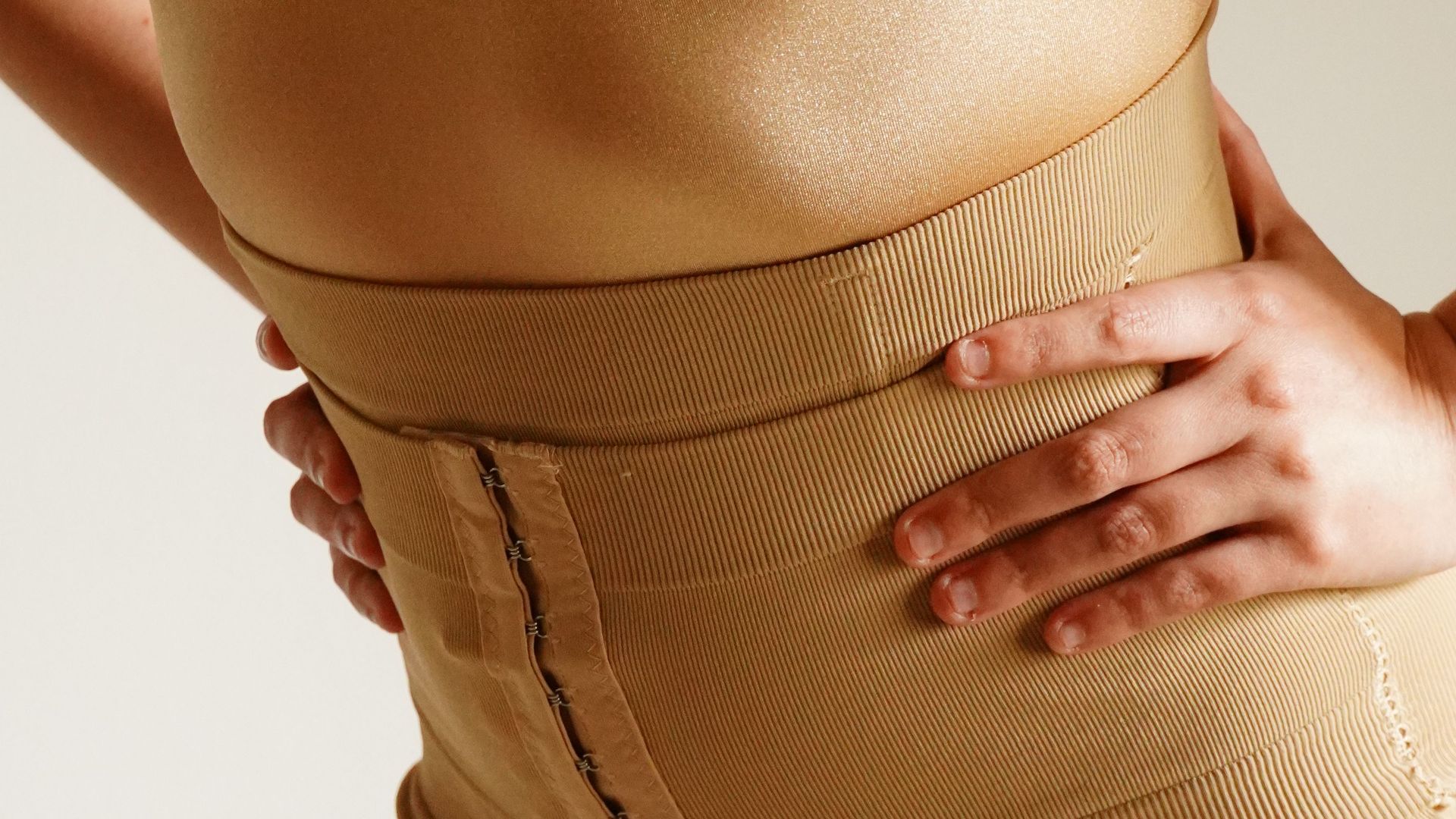
9. Flying Without A Girdle
Girdles were required on duty, and some airlines handed them out to make sure of it. A former Continental hostess remembered wearing one on every single flight she worked. It counted as part of the uniform, and there was nothing optional about it.
10. Applying Without A High School Diploma
Airlines asked for a high school diploma and had no interest in anything past it. A college degree did nothing for your application, because nobody was hiring for a career. The job was designed to last a few years and then end.

11. Anything The Grooming Supervisor Flagged
A grooming supervisor stood at every pre-flight briefing. Hair length, jewelry, and shoes were all part of the inspection before anyone boarded the plane. Showing up out of compliance meant fixing the problem on the spot or sitting the flight out.

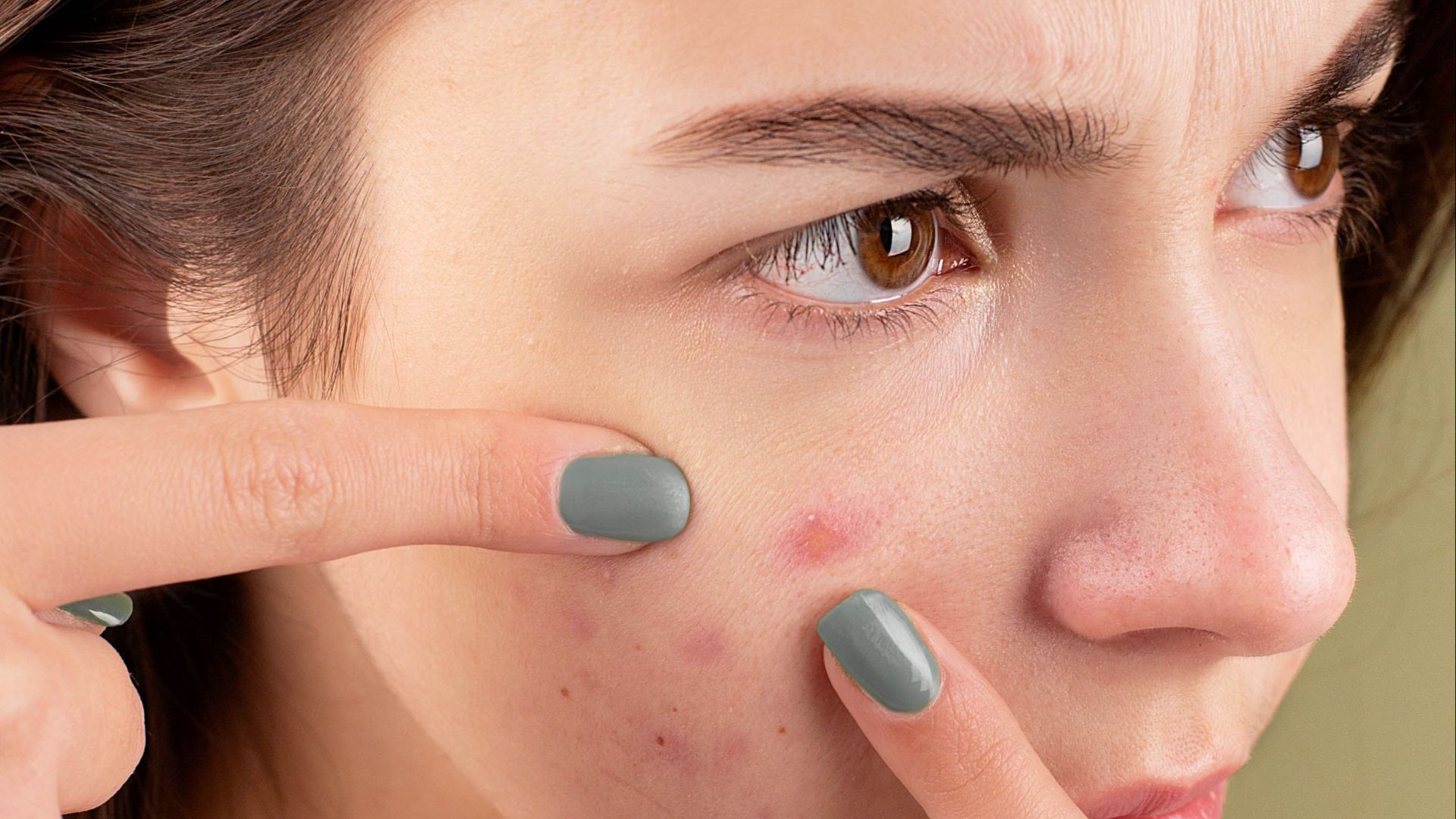
12. A Blemish On Your Face
Requirement sheets ruled out blemishes and asked for clear skin in plain terms. A breakout could keep a woman off a flight, since the standard applied every working day. Dermatology in that era offered far less than it does now, so the rule was harder to meet than it sounds. Skin was treated as a qualification, the same as height.
13. Standing Outside The Height Range
Height was a pass-or-fail test before anything else got considered. One list from the decade set the range at 5 feet 2 to 5 feet 9, and earlier years had been stricter, with some carriers capping height near 5 feet 4. Women outside the range didn't get an interview.

14. Applying After 27
Hoping to start a new career at 30? The airlines weren't interested. Hiring ranges ran roughly 21 to 27 on the lists that survive from the period. A woman of 28 was considered too old to begin a job she would have been pushed out of at 32 anyway.

15. Being A Black Applicant
Airlines refused to hire Black women until Ruth Carol Taylor challenged the practice. After TWA rejected her, she filed a discrimination complaint. Mohawk Airlines later interviewed around 800 Black applicants and hired Taylor, who became America's first Black flight attendant on February 11, 1958. Six months later, she married and lost her job under the airline's marriage ban.
16. Arriving Without A Nursing License
Registered nurses were what the earliest airlines wanted in the cabin, on the theory that a medical professional would calm nervous passengers. The requirement faded as flying became ordinary, though it shaped who got hired for decades. Plenty of women went through nursing school specifically as a way into the job.

17. Being Judged Not Attractive Enough
Attractive was a listed qualification, with pleasant personality sitting right next to it. A standard written that vaguely left no room to argue with the person making the call. Supervisor handbooks from the period coached managers on what to look for in a candidate.

18. Wearing More Than The Minimum Jewelry
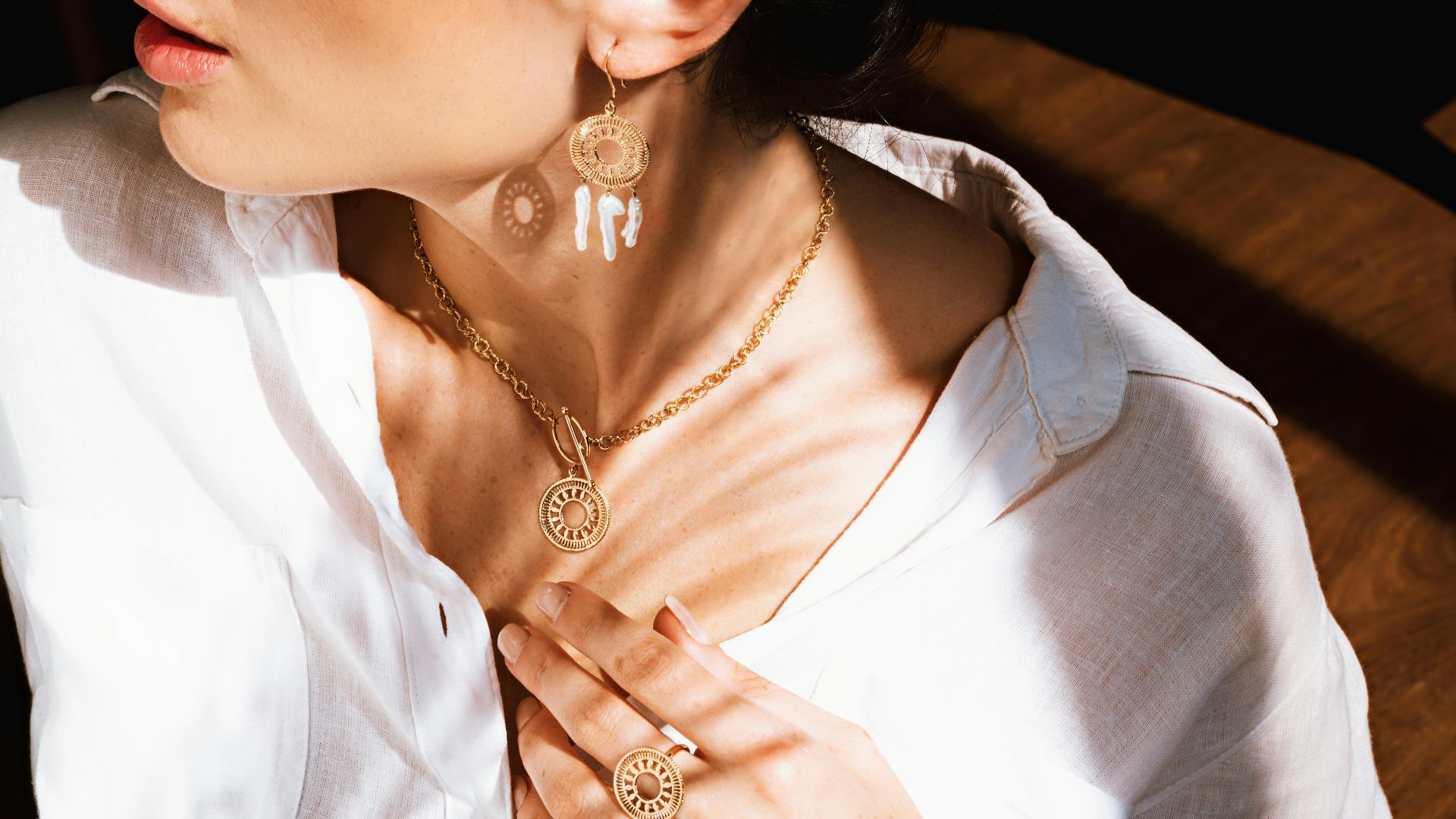
Jewelry had to stay minimal, and that got confirmed at the same briefing as everything else. The uniform was the look the airline had paid for, so anything personal added to it counted as a deviation. A woman fond of her own earrings learned to leave them at home.
19. Flying Without Spare Nylons
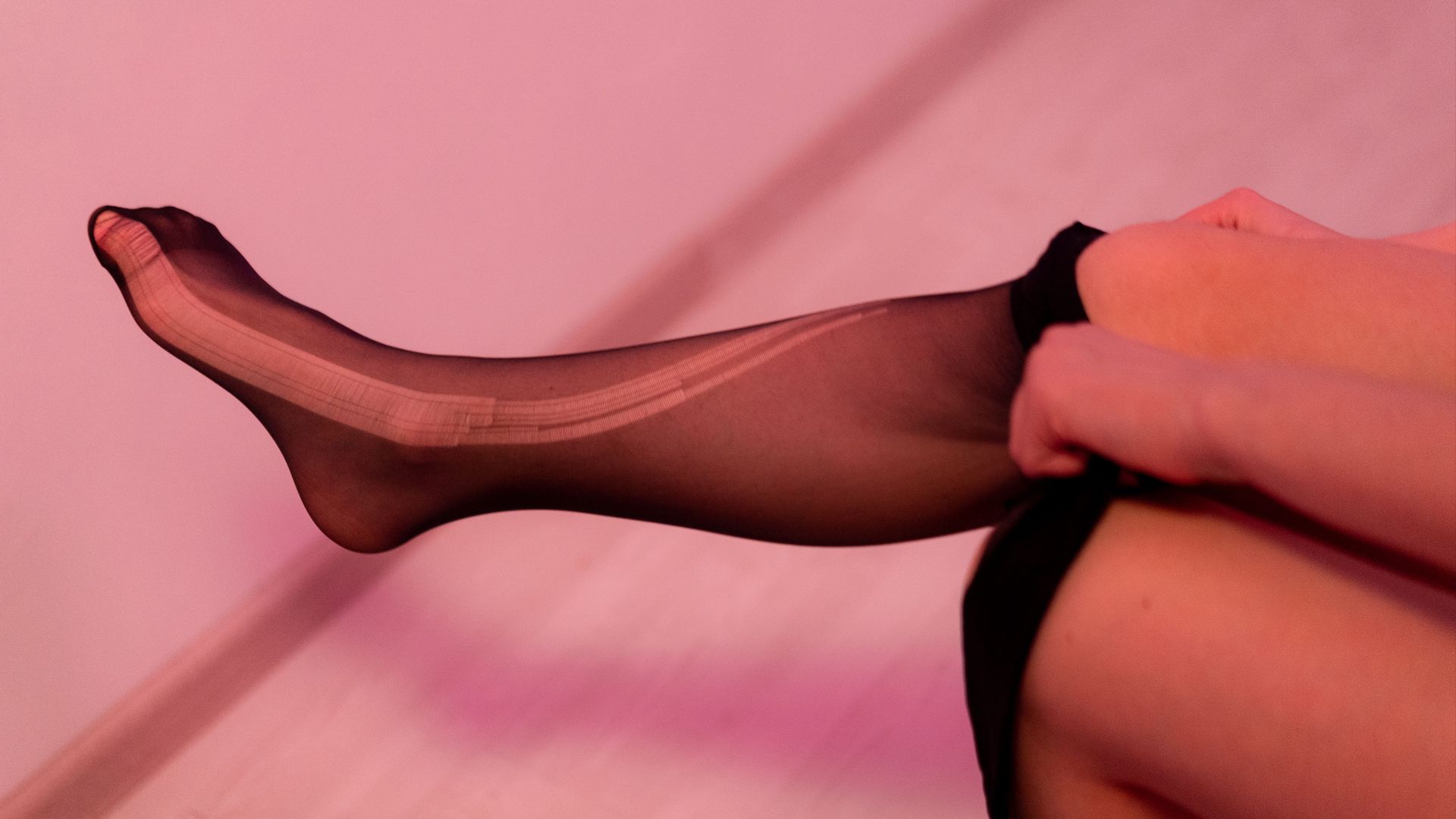
Stewardesses carried extra nylons and a second pair of white gloves on every trip. A run in your stockings was something you fixed before a passenger could notice it. The spares weren't a suggestion, and forgetting them was the sort of thing that got written down.
20. Being A Man
Every hiring list of the period opened with the words females only. Men stayed out of the cabin until a federal appeals court ruled against Pan Am in 1971, in a case brought by a man the airline had refused to hire. The job title shifted from stewardess to flight attendant not long after.