
The Warmth That Comes With The Shift
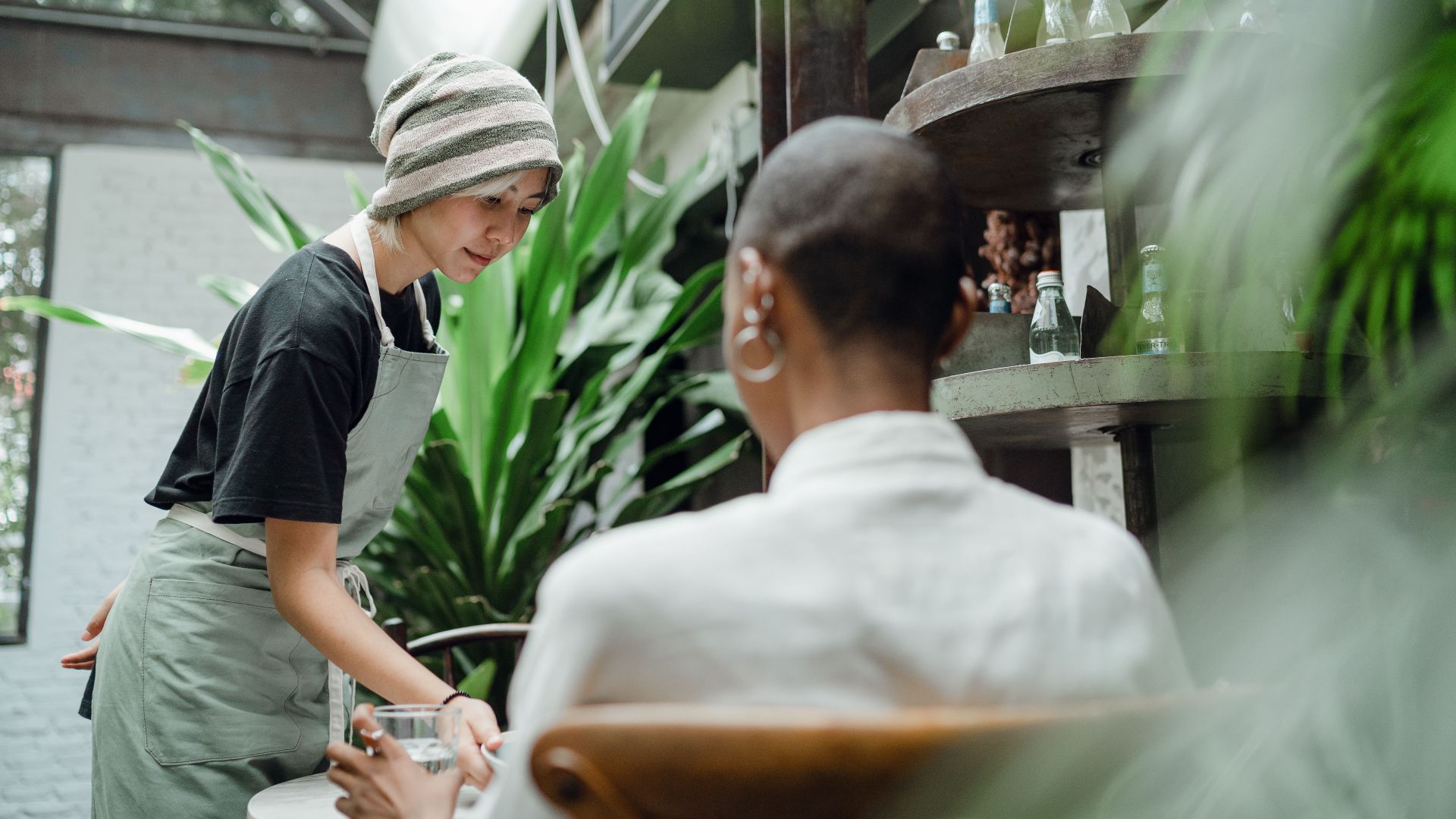
Being friendly is part of working with the public. People who spend forty hours a week dealing with customers learn how to make strangers feel welcome, and much of what comes across as genuine warmth is simply part of the job. Sometimes it's training, and sometimes it's a reminder that appears on a screen when your name comes up. The attention feels personal because it's supposed to. Here are 20 behaviors people mistake for genuine interest when they're really just part of the service.

1. Remembering Your Usual Order
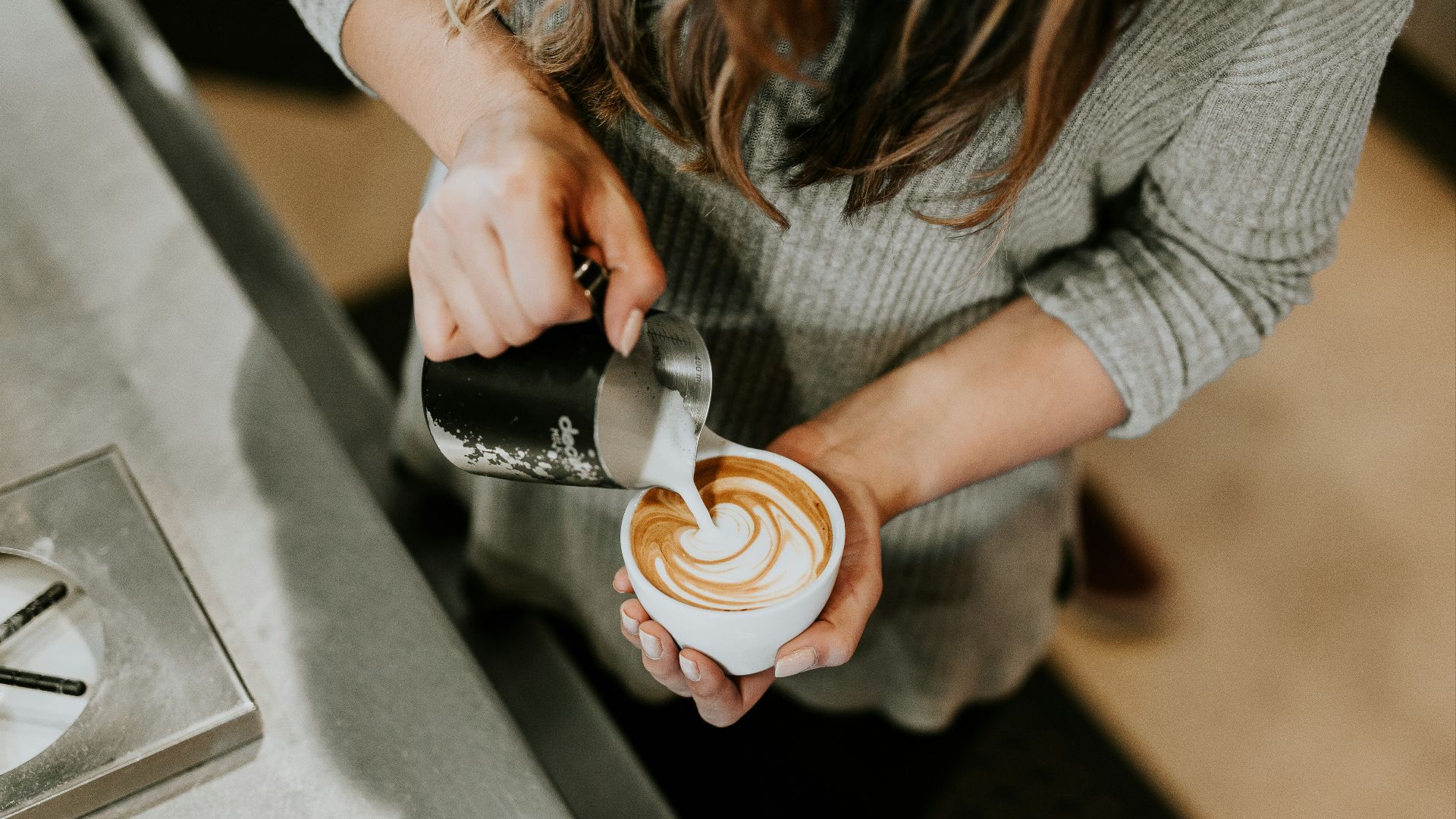
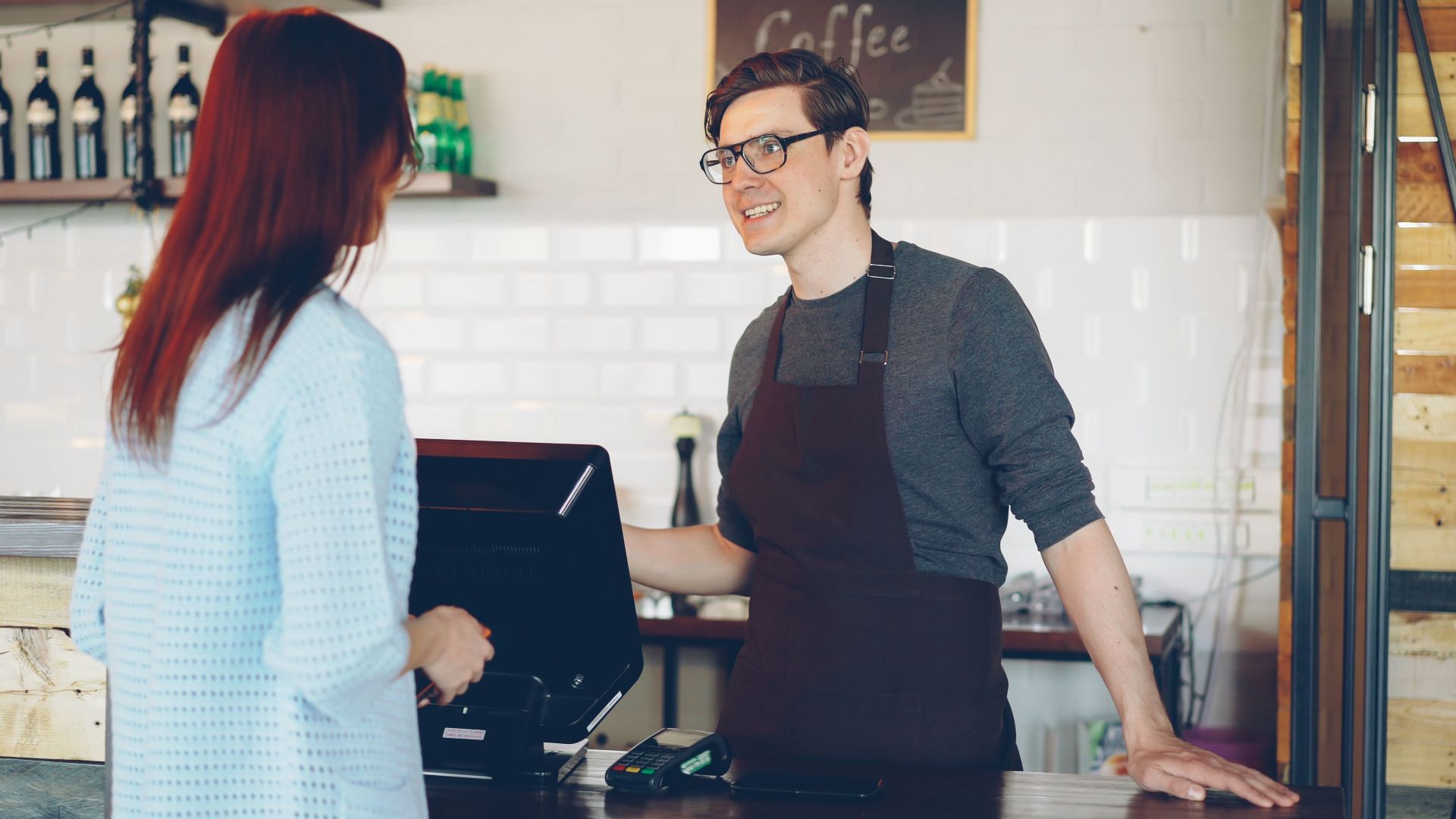
Point-of-sale systems can store a customer's order history, and some businesses use that information to help staff recognize regulars. When the barista remembers your large oat flat white with one sugar, it can feel like you've made an impression. They may have checked your last order on the screen, or simply remembered it after making the same drink a dozen times. Either way, knowing your order is part of being good at the job.
2. The Hand On Your Shoulder
A 1984 experiment found that how servers handed back change affected their tips. No touching got them around 12 percent, a quick touch on the shoulder brought it to 14, and two little touches on the palm pushed it to 17. Servers don't need to know the study to figure out that a little contact can mean a better tip, and eventually it becomes a habit.
 https://kaboompics.com/ on Pexels
3. Steady Eye Contact
Making eye contact is one of the first things people learn in customer service. Look away too much and you seem uninterested, so staff get used to holding a customer's gaze while they talk. Across a bar, that can feel like flirting. Across a checkout counter, it hardly registers.
4. Laughing At The Joke
If you work with customers all day, you learn to laugh at jokes that aren't especially funny. It keeps things friendly and fills the awkward wait while the card reader loads. Someone hoping for a little chemistry may take that laugh as encouragement, but the server probably laughed at five other jokes just like it that shift.
 OurWhisky Foundation on Unsplash
5. Being Called Sweetheart
At diners across parts of the South and Midwest, honey and sweetheart are practically punctuation. Servers use them on everyone, including men old enough to be their grandfathers. It's a familiar way of speaking to customers, and regulars often come to expect it. If someone calls two hundred people sweetheart in a shift, the word probably doesn't mean much about how they feel toward any one of them.

6. Leaning In Close
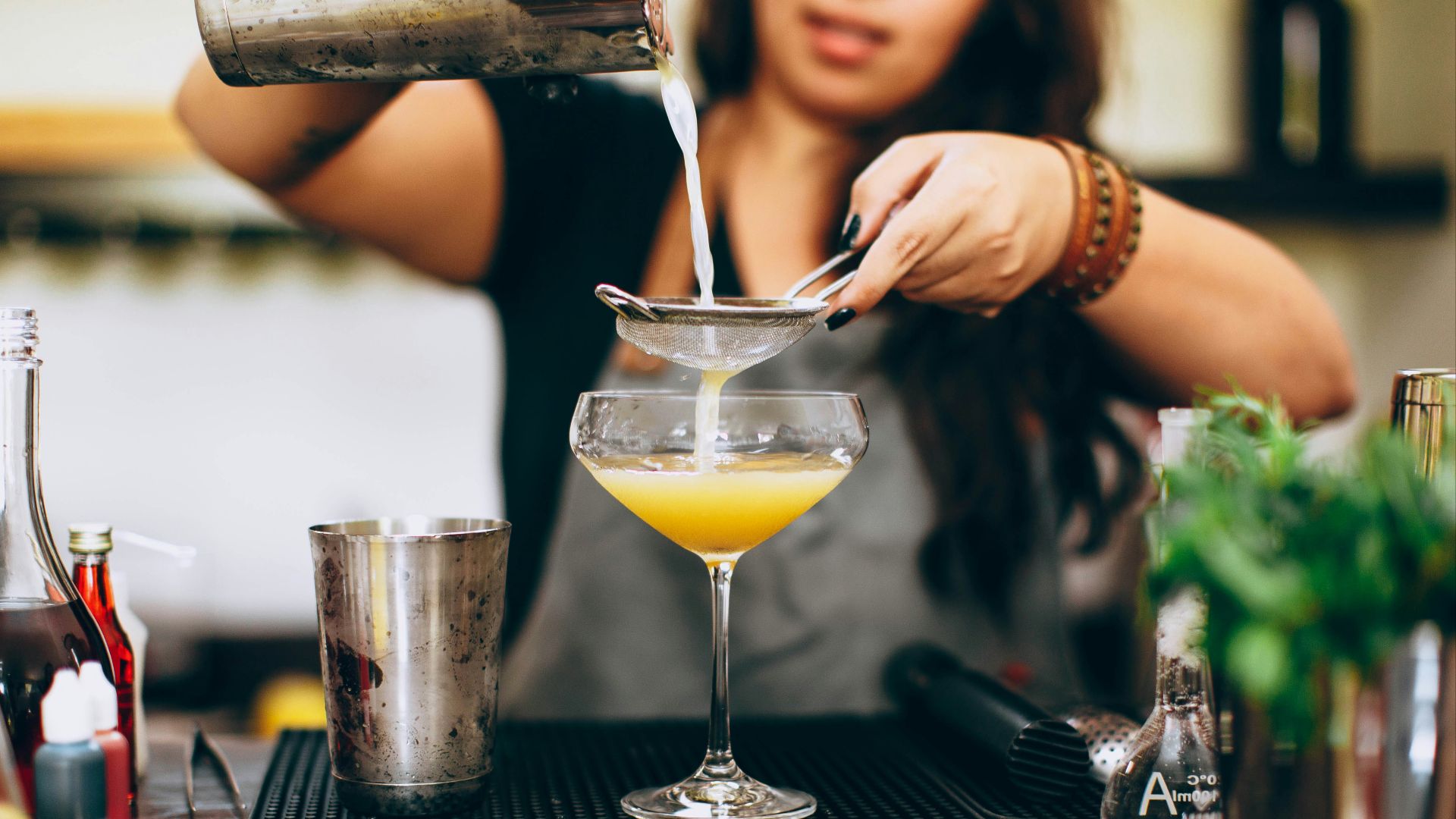
Bars are loud, so bartenders lean in to hear what you're ordering. From a few inches away, though, it can feel like someone trying to share a private moment with you. Usually they're just trying to work out whether you said gin or ginger ale. The closeness comes with the noise, even if it feels like something more when you're on the receiving end.
7. The Comped Dessert
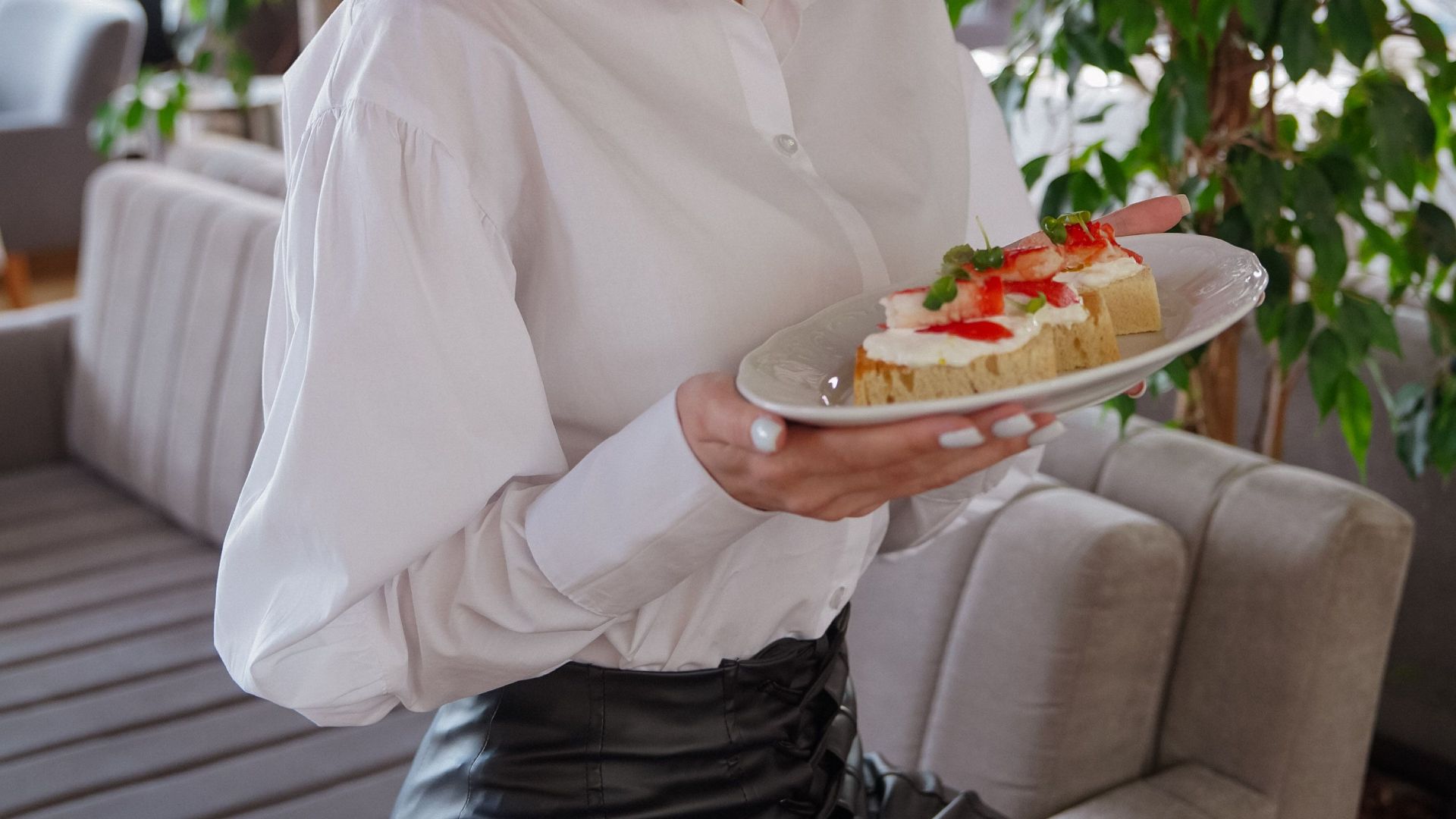
A free dessert feels like special treatment, especially when the server brings it over with a smile. But restaurants regularly comp food to make up for a long wait or a kitchen mistake. Keeping a customer happy is worth more than the cost of a slice of cake, and managers know it.
8. Constant Check-Ins At The Bar
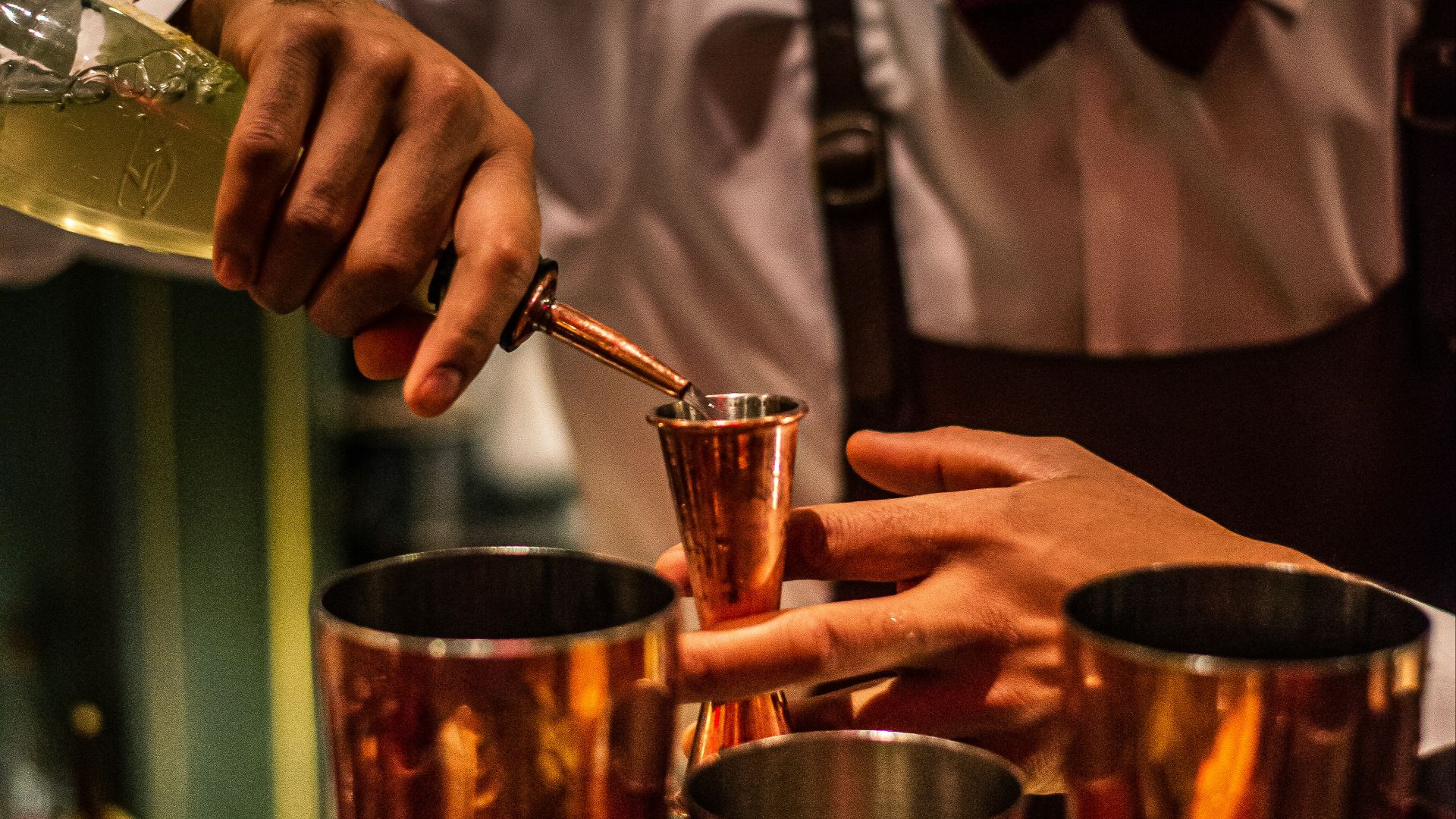
When a bartender keeps coming back, they're usually watching your glass rather than looking for an excuse to chat. Checking drink levels and clearing empties are part of the job. On a slow night, there's even more time to make the rounds, which can make the attention feel unusually personal. Chances are they've been checking on everyone else just as often.
 Aurélien Lemasson-Théobald on Unsplash
9. The Smiley Face On The Check
A 1995 experiment found that a waitress who drew smiley faces on checks saw her average tips rise from about 28 to 33 percent. A waiter doing the same saw his fall from roughly 21 to 18 percent. Customers clearly read the gesture differently depending on who made it. That little smiley face might feel like a personal touch, but there's a good chance it's there to help with the tip.

10. A Text After Closing Time
When your stylist texts you at nine at night, it's easy to wonder why you're on their mind after work. More likely, they've finally found time to answer the day's messages. Plenty of stylists and contractors use the same phone for clients and personal life, so business texts arrive at odd hours. Having someone's personal number doesn't necessarily mean the conversation is personal.

11. Compliments In The Salon Chair
Your stylist tells you the new cut looks great because they want you to leave happy, and they probably think it looks good too. After an hour or two of close conversation, though, a compliment can land differently than it would from someone behind a checkout counter. There's already a sense of familiarity, and hearing that you look fantastic can be enough to make someone wonder.
12. Questions About Your Weekend
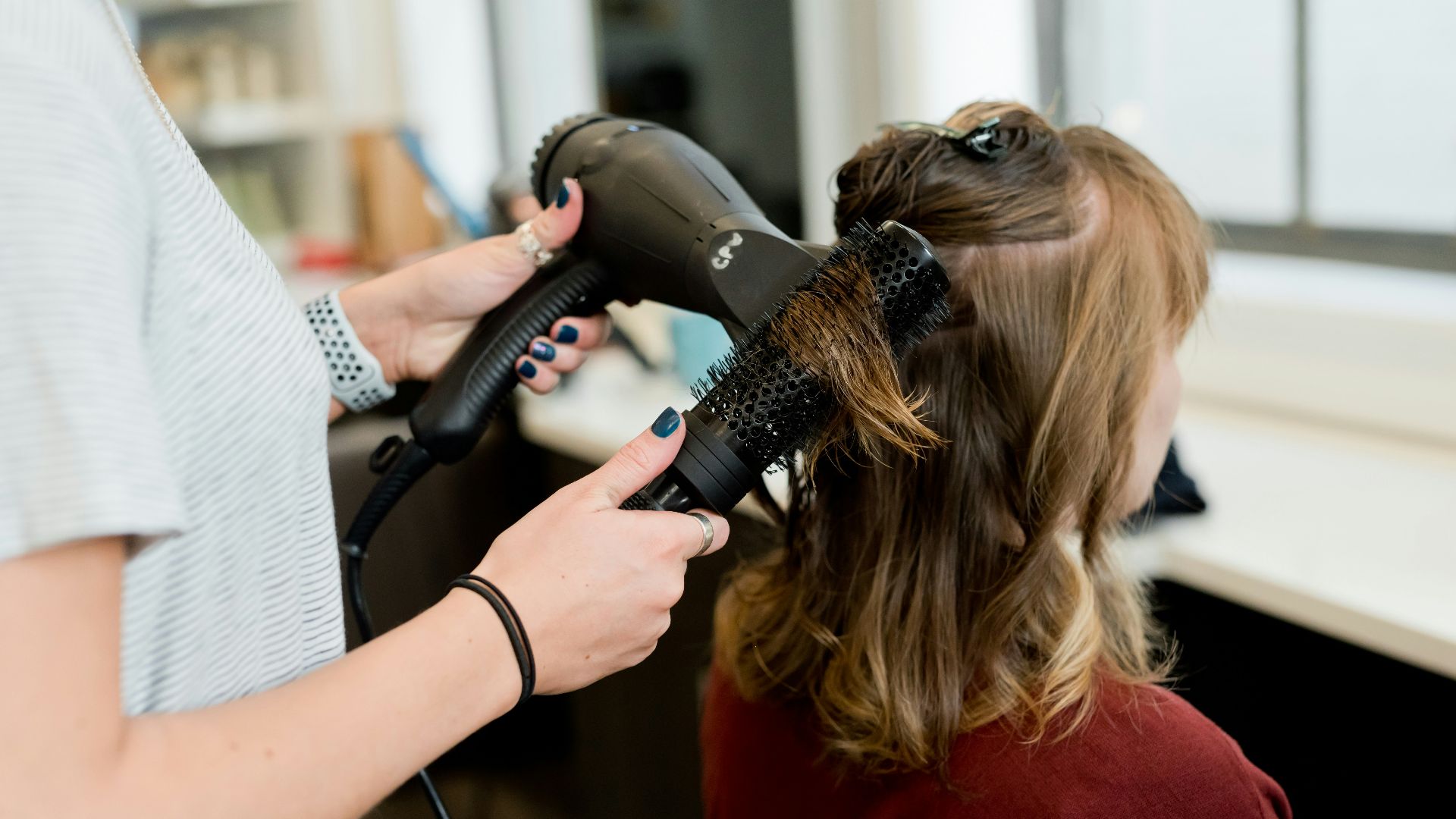
Asking about your weekend is an easy way to start a conversation, and service workers get plenty of practice at small talk. A stylist might actually remember your plans, or they might have forty minutes to fill while working on your hair. Either way, you end up talking about your life with someone who's paid to listen.

13. The Correction At The Gym
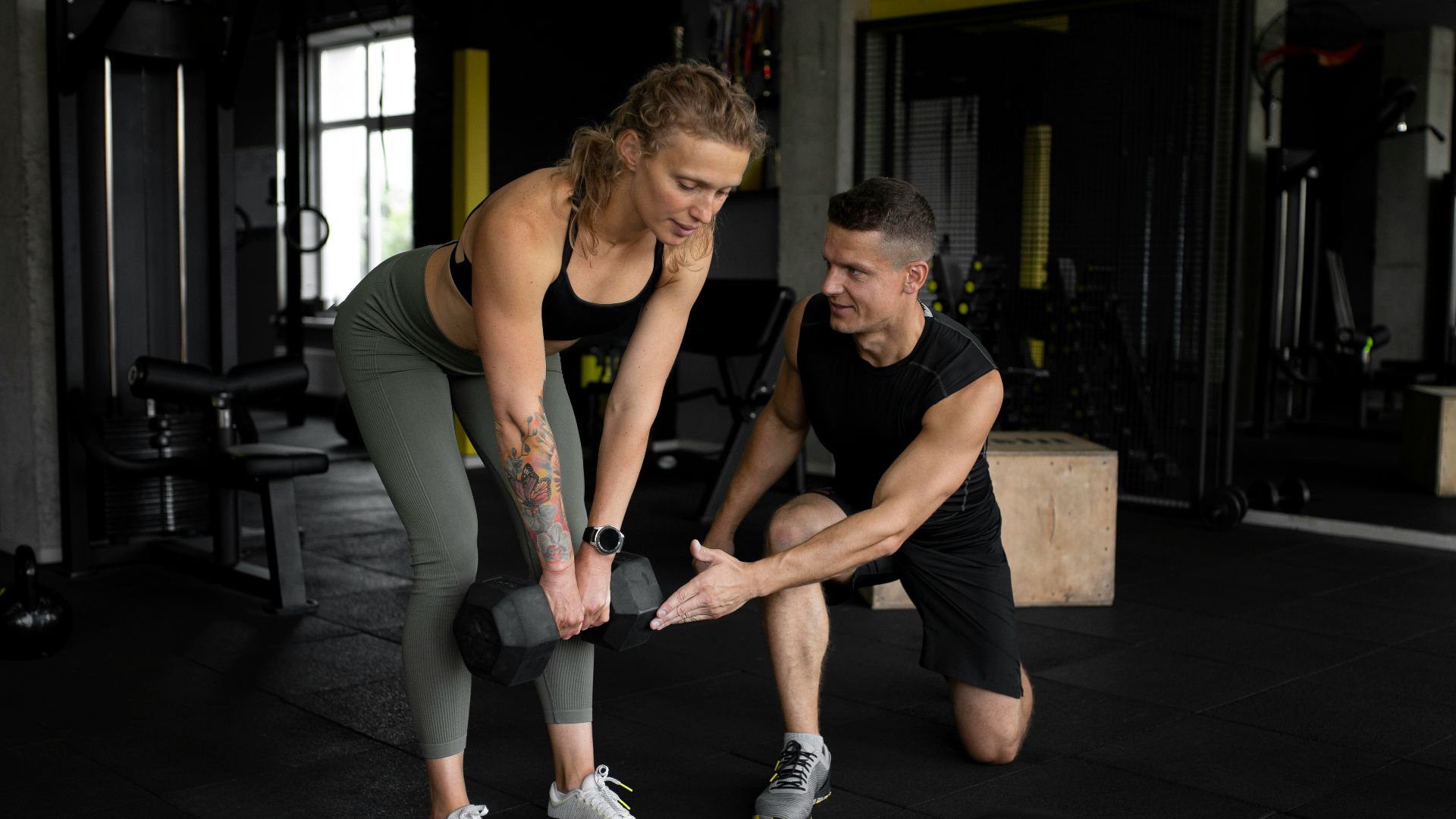
A trainer adjusting your stance or repositioning your hips is doing what you hired them to do. Hands-on corrections can help with form, although a good trainer should explain and ask before touching you. If you're already attracted to them, the contact may feel like a sign. To the trainer, it may be no different from adjusting the next client's shoulders.
14. Clinical Touch
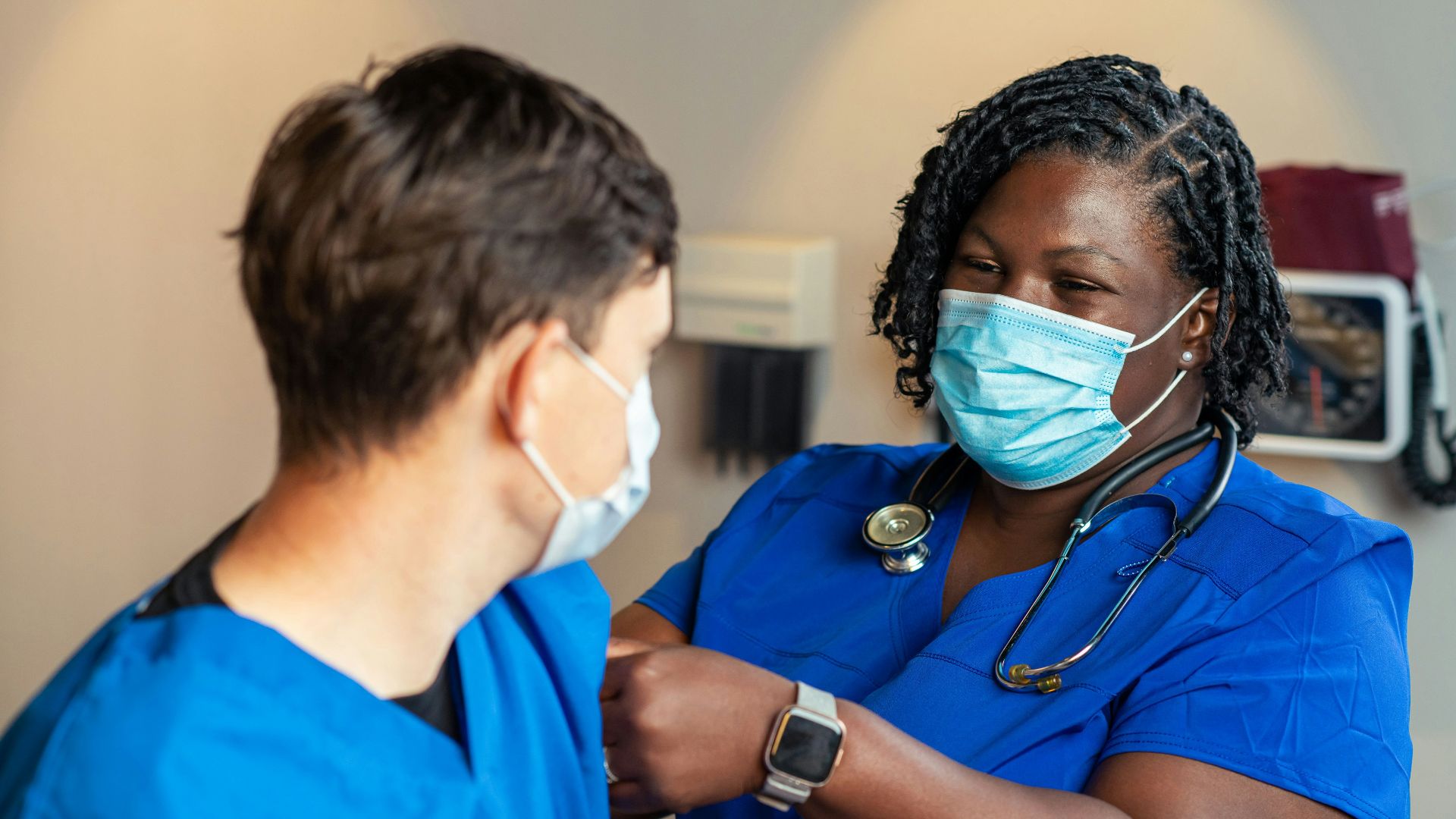
Nurses and physical therapists spend much of their day close to people they've only just met. A hand on your shoulder or an especially gentle manner can feel personal, particularly when you're nervous or uncomfortable. But making patients feel safe is part of good care, and experienced professionals get very good at it. Someone who rarely receives that kind of attention may find it means more to them.
15. Mirroring Your Posture
You lean back and they lean back. You slow down your speech and they start talking more slowly too. People do this without thinking, and some sales training encourages it because matching someone's manner helps conversations feel comfortable. When another person seems completely in sync with you, it's easy to mistake that feeling for chemistry.
 Christina @ wocintechchat.com M on Unsplash
16. Reading Friendliness As Flirting
A 2014 study in Norway found that roughly nine in ten women had experienced someone mistaking their friendliness for sexual interest. That misunderstanding can be especially awkward in service jobs, where employees are expected to be approachable and customers sometimes mistake good service for flirting.

17. Your First Name On Repeat
Hearing someone use your name over and over can feel unusually familiar. In customer service, though, it's a common way to make people feel noticed, and some businesses actively train staff to do it. The person behind the counter may have learned the habit during their first week on the job.

18. Remembering Your Child's Name
When someone remembers that your daughter just started college, it's hard not to feel noticed. Sometimes they really do remember. Other times a salon or dealership has a note in your customer file, and the employee read it before your appointment. The conversation can still be perfectly sincere, but the impressive memory may have had some help from a computer.
 LinkedIn Sales Solutions on Unsplash
19. The Follow-Up That Keeps Coming
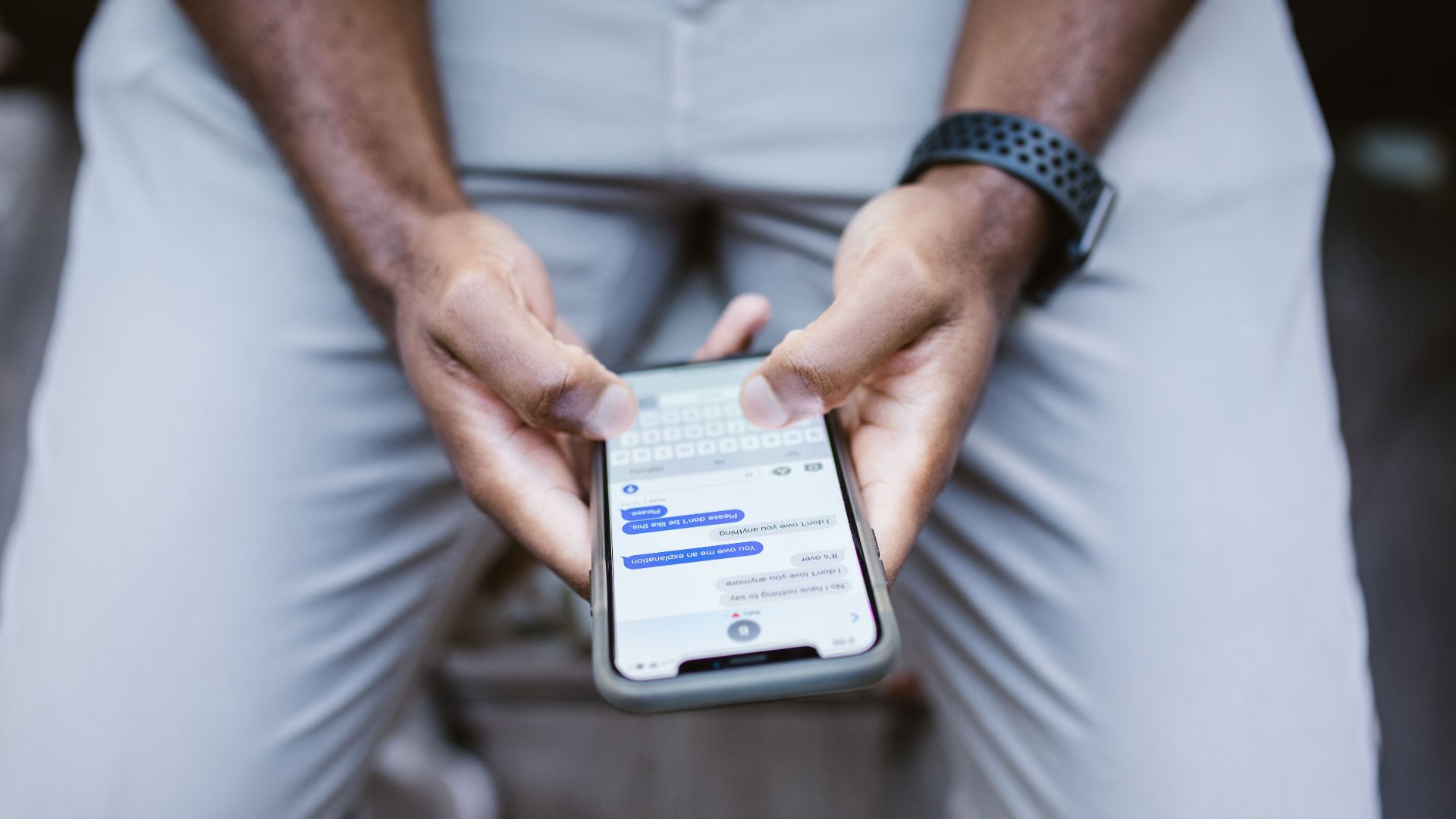
A salesperson who keeps texting to check in can seem unusually interested in you. But many businesses use software that reminds employees when to follow up, so those messages may be going out to dozens of customers. The conversation can still be friendly and genuine, but the timing is usually about making a sale. Five messages in three weeks might just mean you haven't bought anything yet.
20. When They Keep Talking
A server can't walk away from a customer the way they could from someone at a party. They need the tip, have a shift to finish, and don't want a complaint reaching the manager. So they keep smiling and making conversation, even when they'd rather stop. That patience can look like encouragement to someone who's already interested. The trouble is that the person working often doesn't have much choice.