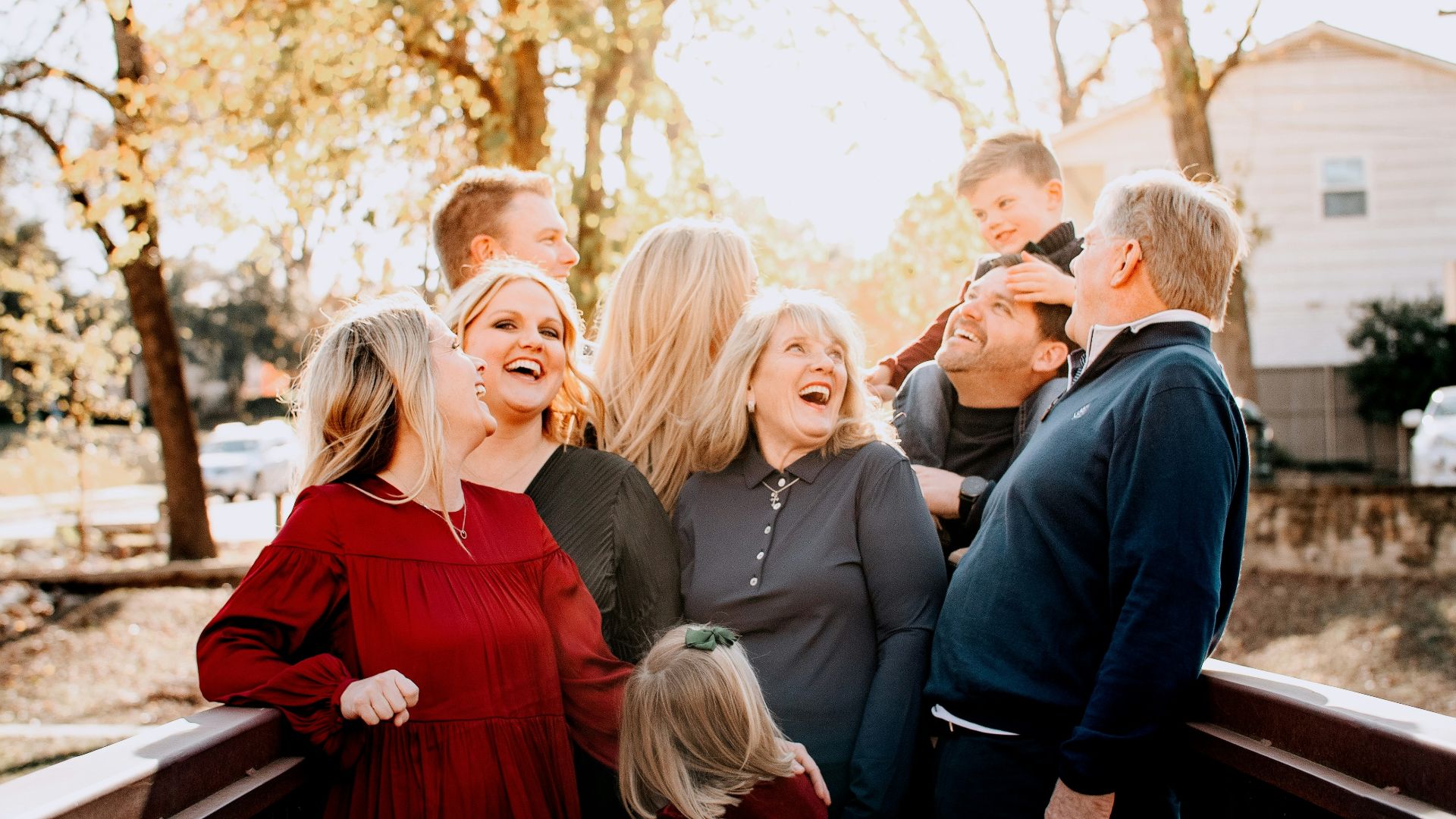
A decision made on an ordinary weeknight can become something a family does for generations. Maybe pancakes became the regular Sunday breakfast because someone forgot to buy groceries, or everyone started taking off their shoes because the carpet was new. Nobody announced a tradition or thought to write down the reason. Years later, the carpet is stained and nobody remembers that first conversation, but everyone still leaves their shoes by the door.
The rule can stay the same long after the reason for it has changed. A review of fifty years of research on family routines found that the difference between a routine and a ritual comes down to meaning. Washing the dishes is a routine because the dishes need washing. When a family does something a certain way because that's how they've always done it, the habit starts to mean something more. Nobody has to declare it a tradition for it to become one.
Where These Rules Come From
One family eats in the living room on Fridays because the dining table was being refinished one winter and they liked the change. Another lets the youngest pick the movie because everyone used to argue about what to watch. In a third, whoever cooks dinner doesn't have to clean up afterward. Each rule started for a practical reason, and none was intended to become a family tradition.
Traditions develop through repetition. A family does something a few times, the kids start expecting it, and eventually everyone follows along without discussing it. What began as a one-time solution becomes the usual way of doing things. Children grow up with these habits and often assume other families do the same.
Eventually, the dining table comes back and the original problem no longer exists, but the habit remains. By then, nobody sees much reason to change it. Parents may barely remember how the rule started, while their children consider it an important part of family life. Years later, those same children may carry the tradition into their own homes.
The Kids Take Over Enforcement
Parents may start a routine casually, but children quickly notice when something changes. Skip a step at bedtime and a child will remind you exactly how things are supposed to go. Even doing the same things in a different order can prompt complaints. Guests often learn the household rules from the kids, who take them far more seriously than the adults who introduced them.
There's a reason children care about these routines. The same review found that regular bedtime routines were associated with children falling asleep sooner and waking less often during the night. It also suggested that maintaining family routines through divorce or single parenthood could help children adjust. Familiar rituals appeared especially important during major changes, such as starting school or moving away from home.
Eventually, some habits get official names. Friday pancakes become Pancake Friday, and a particular seat at the table becomes someone's chair. Once everyone knows what to call a tradition, anyone can ask for it. Children may insist on keeping these customs long after their parents have forgotten why they started.
Which Ones Survive
The easiest traditions to maintain are usually the simplest. Themed dinners and elaborate Advent setups can be fun, but they often disappear when the person organizing them gets tired of the work. Customs that require little preparation are easier to keep going. When nobody needs to buy supplies or spend hours planning, there's less reason to abandon the tradition.
Tying a tradition to something already on the calendar makes it easier to remember. A special breakfast on the first day of school or a particular snack before a long drive can become something everyone expects. Sick days can develop their own traditions, too. A parent might always make the same soup when someone is ill, and years later, their children still reach for that recipe whenever they're feeling sick.
Traditions also last longer when families are willing to change the details. A custom that depends on one house or a particular person's involvement may disappear when circumstances change. The review's authors cautioned against turning rituals into obligations, particularly during stressful holidays. Keeping a tradition flexible makes it easier to carry into adulthood, even if that means making the same pancakes in a different kitchen with a slightly different recipe.