


For years, downsizing has been peddled to retirees as one of the best things they can do to save money. If you’re in your golden years, you’ve undoubtedly heard it yourself: sell the family home, move somewhere smaller, and enjoy the extra money without worrying about a huge property.
It sounds reasonable, but in fact, some retirees discover that moving creates more problems than it solves. Unexpected expenses and lifestyle changes enter the picture more often than not, and they can put the kibosh on your plans. Before putting that familiar house on the market, it's worth considering whether staying exactly where you are might actually be the better decision.
The Savings Aren't Always What You Expect
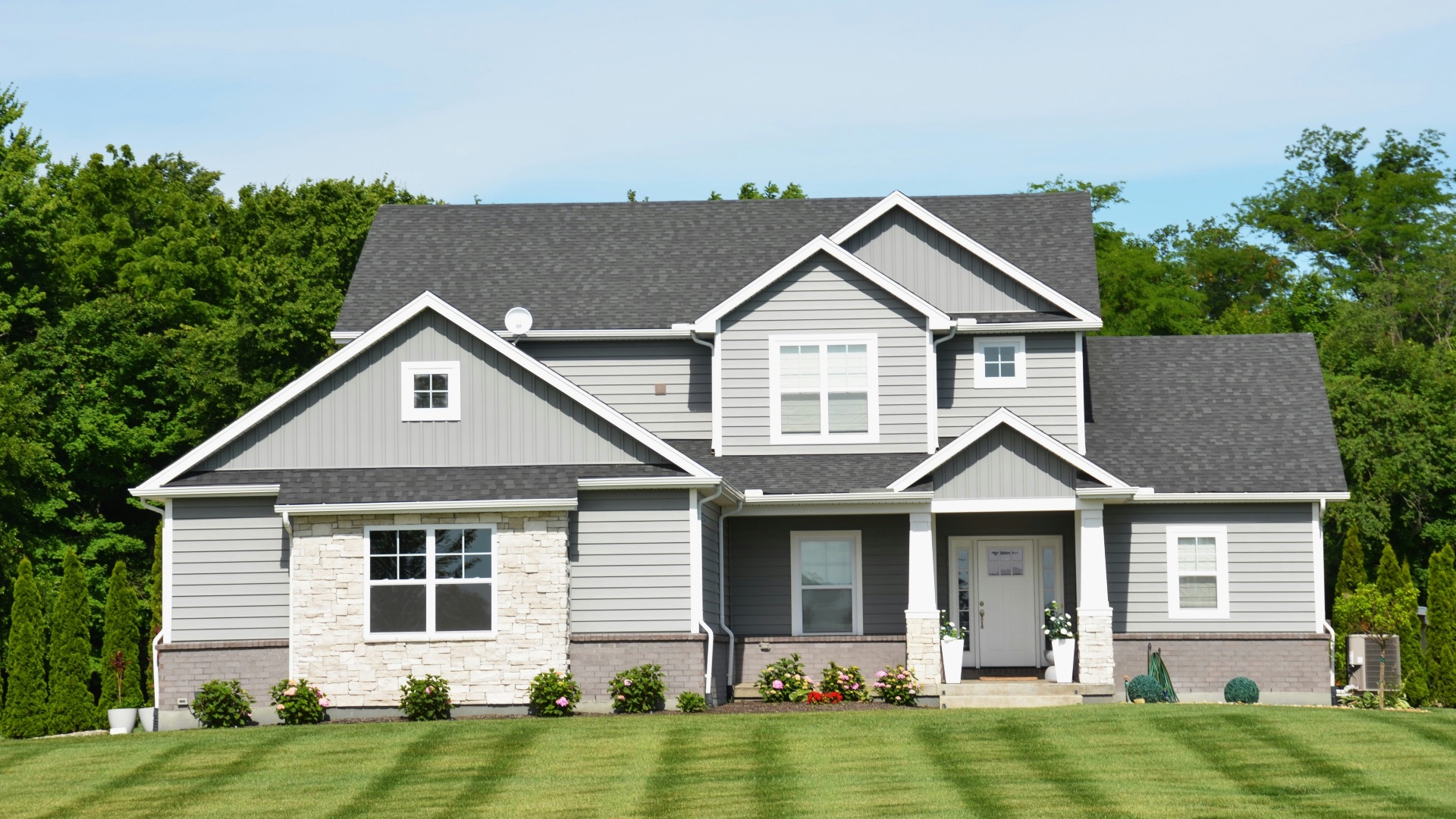
One of the biggest misconceptions about downsizing is that pouncing on a smaller property automatically reduces your expenses. That’s not the case, though. Housing prices don't always follow that logic, and costs can skyrocket when you're looking at desirable neighborhoods or retirement communities. A two-bedroom condo in a convenient location could cost nearly as much as the four-bedroom house you're planning to sell.
Then there are the expenses involved in moving, which can quickly reduce whatever profit you expected to make. Average total costs for moving are about 10% of what you make in a sale. Between real estate commissions, closing costs, professional movers, and necessary repairs, you’re looking at thousands of dollars added to the process. You might even discover that your existing furniture doesn't fit your new home, so now you’re looking at the business end of a new sofa.
Monthly expenses deserve just as much attention as the purchase price, too—particularly if you're considering a condo. Sure, you have enough to worry about with a family home, but condos and townhomes sometimes come with HOA fees, special assessments, and parking charges that become substantial commitments.
There's also the question of whether you're giving up an unusually affordable housing arrangement. Retirees who purchased their homes decades ago may have already paid off their mortgages, making their current properties relatively inexpensive to keep. Buying another house could introduce mortgage payments or force them to use savings they'd otherwise have available for emergencies.
Your Current Home Has Irreplaceable Benefits
Now, money is nice, but retirement is also about enjoying the life you've spent decades working towards. Your current neighborhood has friends, familiar walking routes, and neighbors who are happy to check on you when necessary. Relocating means rebuilding those connections, and the older you get, the harder it is to set up roots somewhere else.
Family relationships can become another unexpected casualty of downsizing, particularly when the new property has less space. Your current spare bedroom might not see much action, but it at least earns its keep when grandchildren visit. Having enough room for holiday gatherings or overnight guests can make maintaining family traditions considerably easier.
Consider how much you actually use your property before deciding that it's too large. A retired couple might enjoy having separate rooms for reading, exercising, or hobbies they couldn't fit into their schedules with a 9-5. Downsizing could mean sacrificing all that.
Even the emotional adjustment deserves serious consideration! You’ve spent decades building a life, and those simple hardwood floors could signal where your kids took their first steps or be covered in scratches from the family dog. Leaving what you've carefully maintained might prove harder than you think.
Staying Put Could Be the More Practical Choice
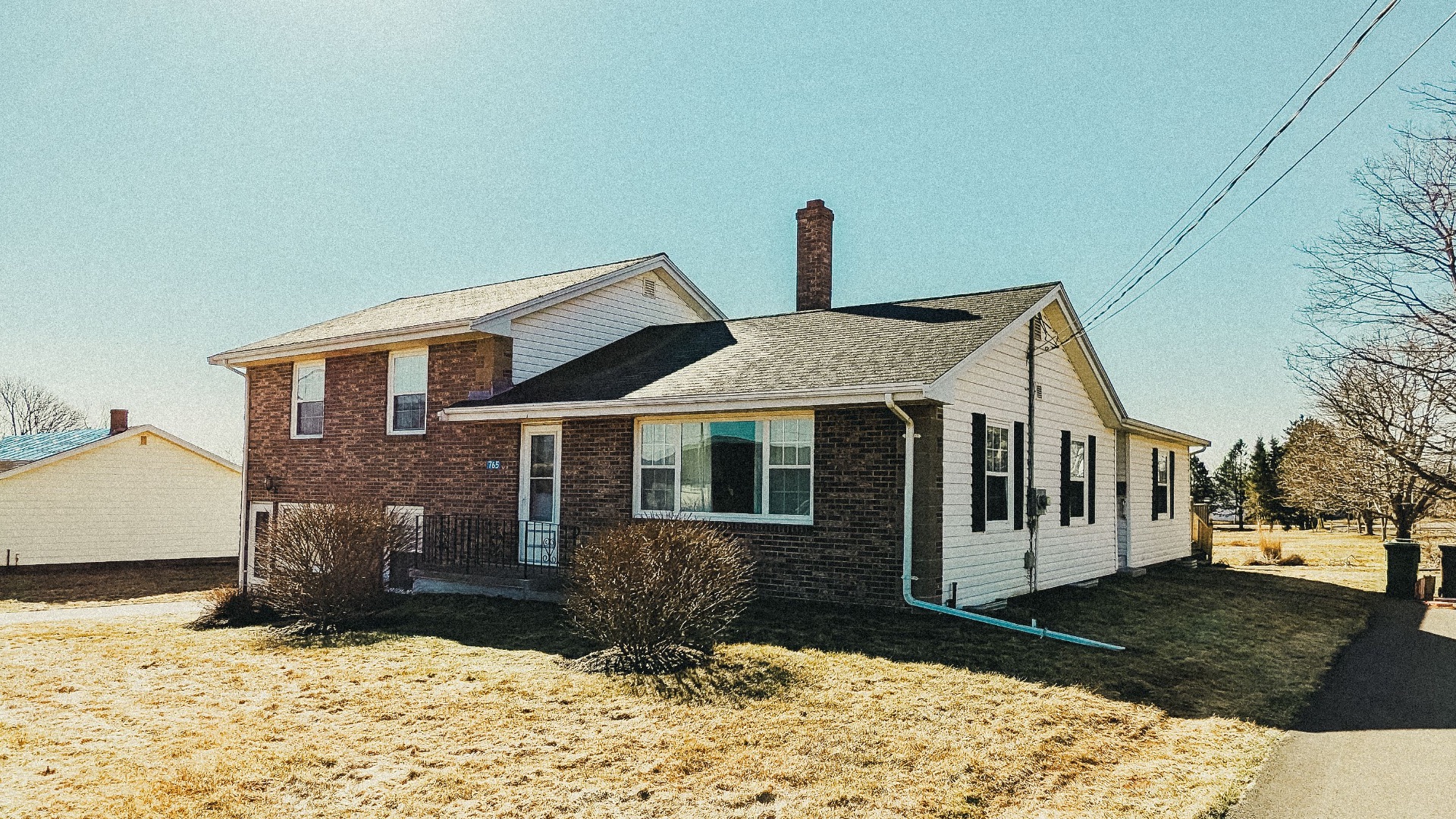
Moving isn’t always the answer. Consider whether making a few changes to your existing property would address your biggest concerns. Installing bathroom grab bars, improving lighting, and replacing difficult-to-use fixtures can make everyday activities safer and more convenient. Depending on your home's layout, simple adjustments can also be less expensive than selling and relocating.
Home maintenance is another common motivation for downsizing, but you don't necessarily have to handle everything yourself. If it’s in the budget, there’s no shame in hiring someone to mow the lawn, clear snow, or perform occasional repairs. Before you decide anything, stack those service costs with the expenses associated with another property. You never know—you might find that staying put is surprisingly affordable.
Even in retirement, location is also important as you age. Your existing home might already be close to trusted doctors, grocery stores, pharmacies, and family members who can help when needed. Moving somewhere cheaper could mean longer drives for essential appointments. Worse than that, your driving might not even be what it used to be decades ago. See how quickly problems arise?
Of course, remaining in a larger house won't be the right decision for everyone, particularly when accessibility issues or expensive repairs become serious concerns. However, retirement housing should reflect your actual needs rather than an assumption that smaller automatically means better. Ultimately, the smartest home is the property that allows you to live comfortably, maintain your independence, and enjoy the retirement you've worked so hard to achieve. Sometimes, that means discovering that the best place for your next chapter is the home you already own.