
Why Your Own Reflection Feels Less Flattering
It's easy to look in the mirror and fixate on something nobody else seems to notice. That doesn't mean everyone underestimates their looks. The research is mixed, and some studies find that people rate themselves more favorably than strangers do. Still, the way we see and examine our own faces can make small flaws seem far more noticeable than they are to anyone else. Most of this has more to do with perception than appearance. Here are 20 reasons you might judge your looks more harshly than other people do.
1. Mirrors Flip Your Face
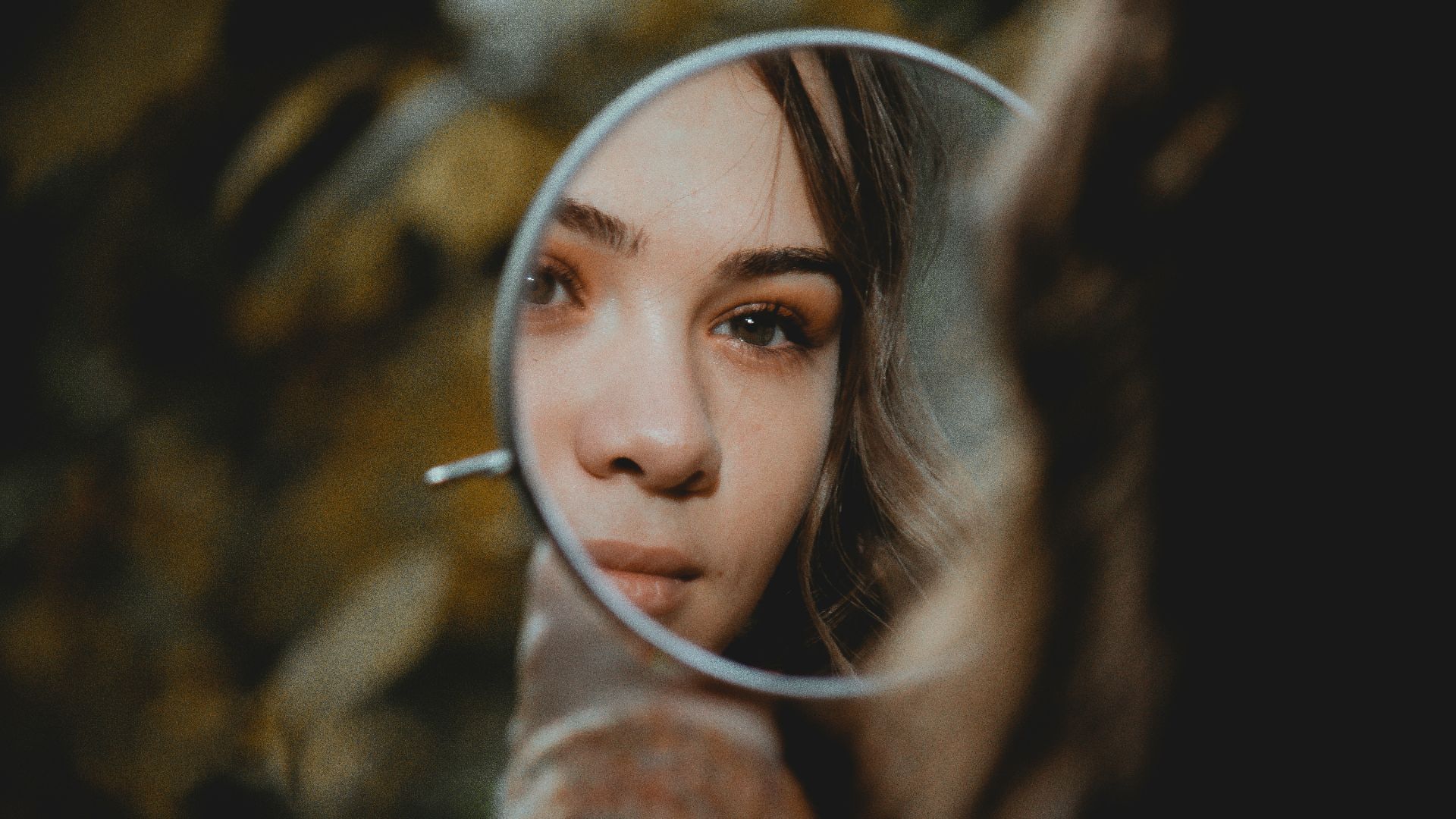
Your mirror image is reversed left to right, so it isn't the face other people see or the one a camera records. A 1977 experiment found that people tended to prefer a flipped print of their own face, while their friends preferred the unflipped one. Photos can look off partly because they show the version you know less well.
2. Selfie Cameras Distort Features
A phone held at arm's length sits close enough to bend how a face looks. A 2018 modeling study estimated that a selfie taken from 12 inches makes the base of the nose look roughly 30 percent wider than a photo taken from five feet away. That figure comes from a model rather than a direct measurement, so it's a rough estimate.
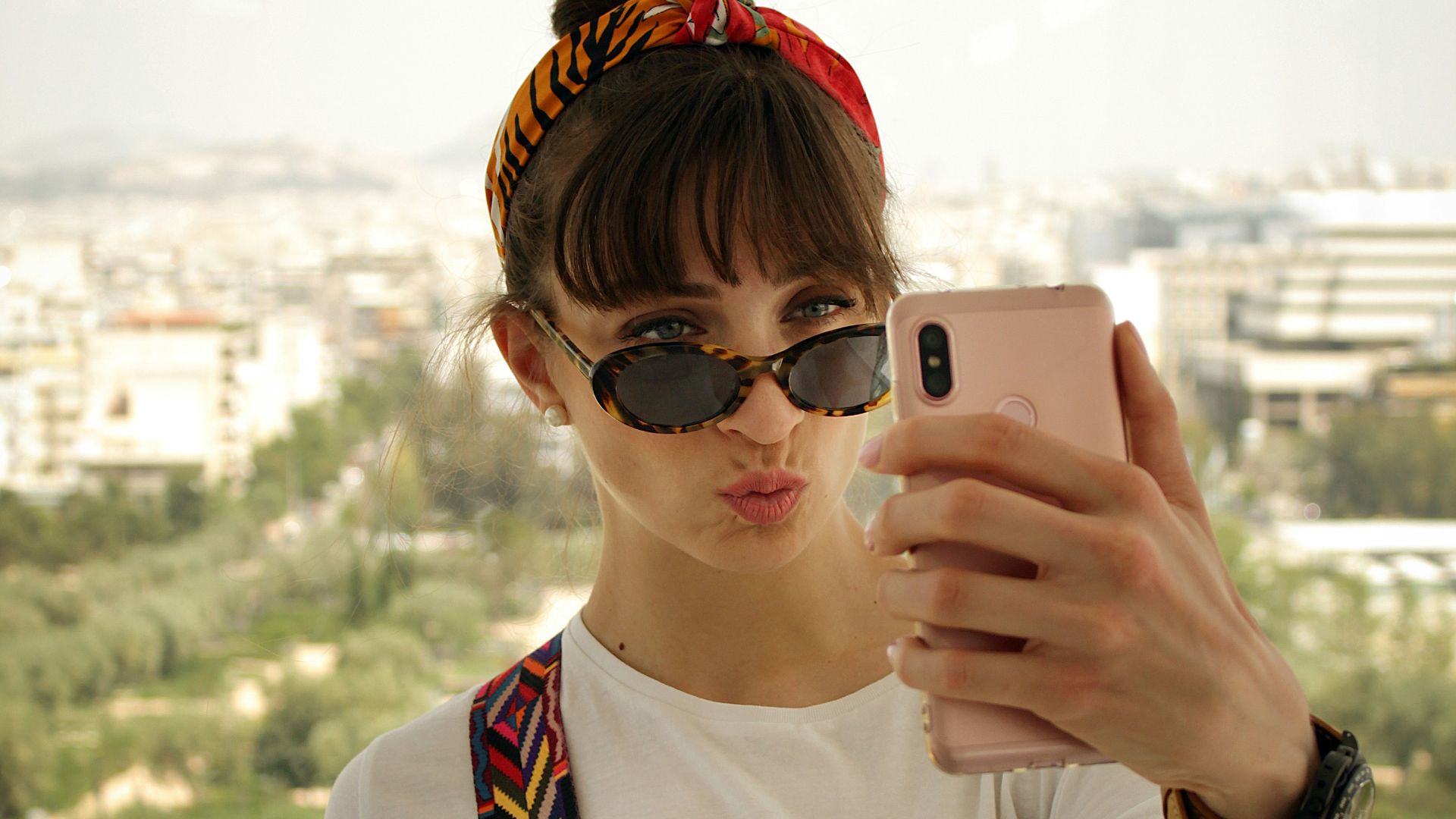 Apostolos Vamvouras on Unsplash
3. Still Photos Freeze Awkward Moments
A photo catches one instant of a face that is almost always moving, including the awkward moments between expressions. Several studies of the frozen face effect have found that people tend to look more attractive in video than in stills, though the results vary from study to study. Other people usually see you talking and shifting, so they rarely judge you from a single frame.
 Clayton Cardinalli on Unsplash
4. Strangers Judge Faster Than You Do
Other people form an impression of a face almost instantly. Ratings of attractiveness made after only 100 milliseconds of viewing correlated strongly with untimed ratings in a 2006 experiment. You tend to study your own face for far longer, which gives you more time to find faults.
5. The Spotlight Effect Magnifies Flaws
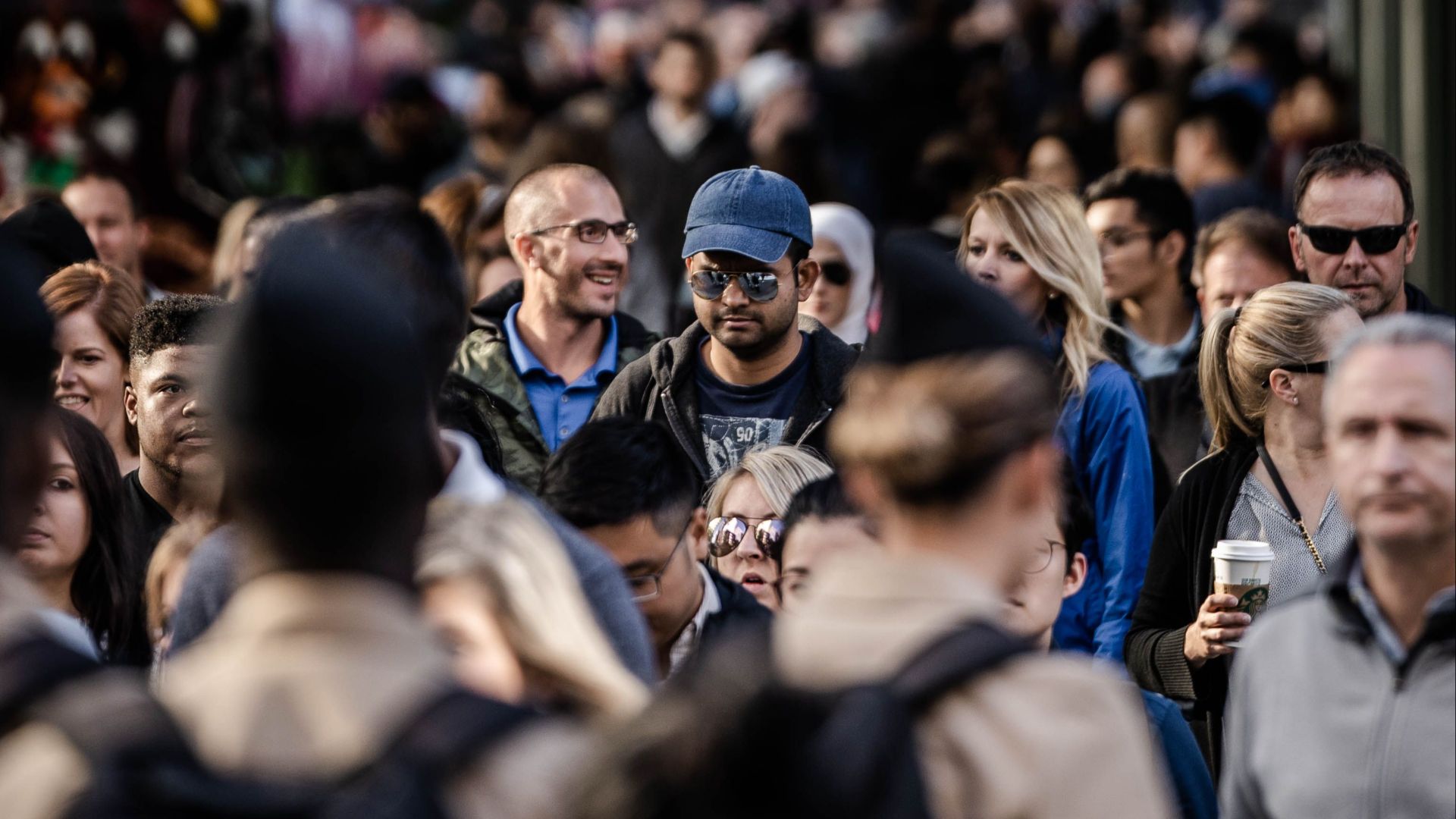
People tend to think others notice their appearance far more than others actually do. Students wearing an embarrassing T-shirt guessed that about half of the room had noticed it, yet only about a quarter had, according to a 2000 experiment. A blemish that feels enormous to you often goes unseen.
6. Expecting a Flaw Colors Reactions
A flaw you expect people to notice can change how you read their behavior. In a 1980 experiment, people who believed they had a facial scar reported more staring and awkwardness from a stranger, even though the scar had been secretly removed. That suggests expectations about your looks can color how other people's reactions feel.
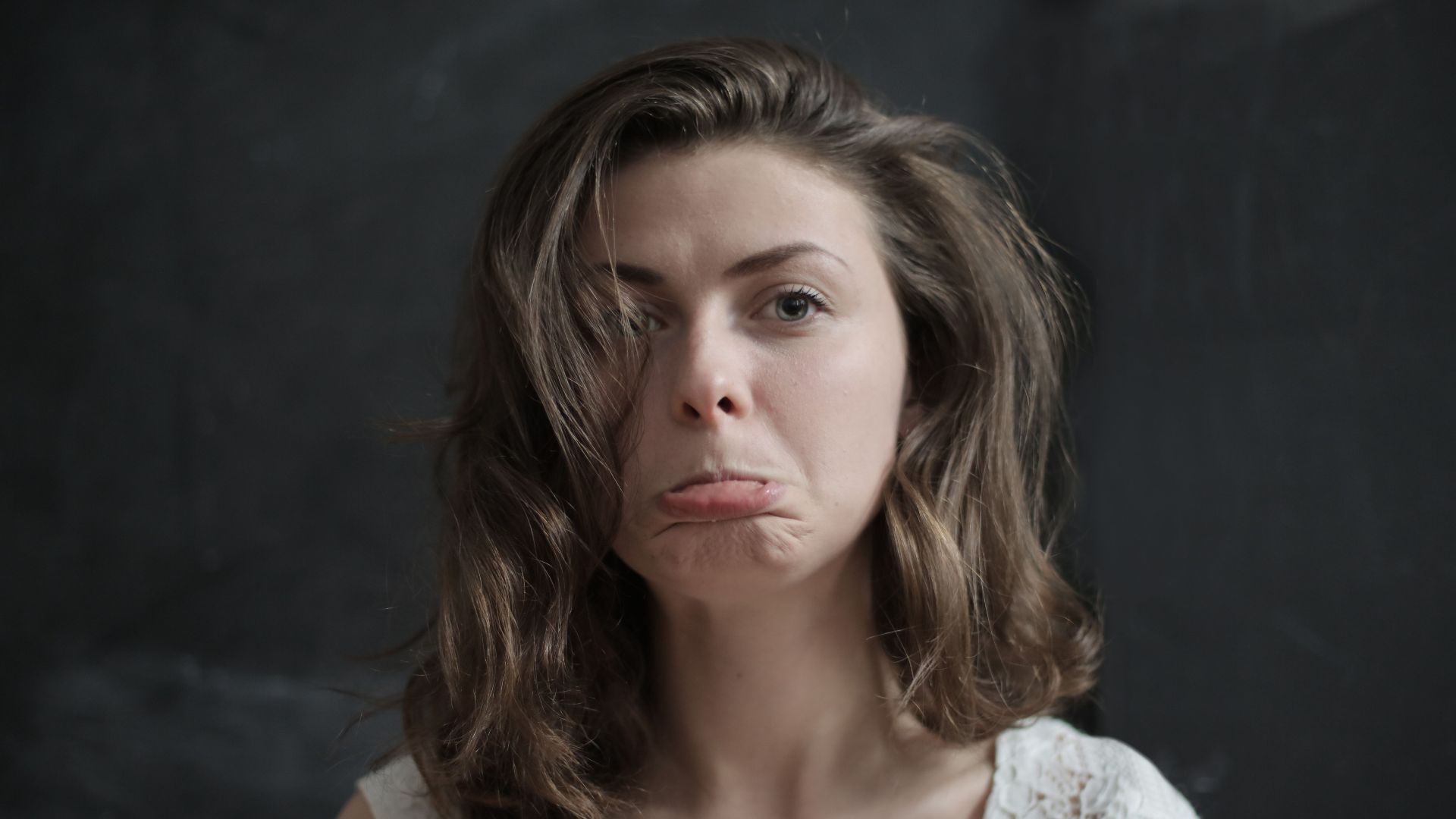
7. Staring Distorts Any Face
Looking at one face for a long time can make it seem to warp. Researchers in 2010 asked people to stare at their own reflection in dim light for ten minutes, and about two thirds reported seeing distortions in their features. Long, close mirror sessions can make a perfectly normal face look strange, especially in poor lighting.
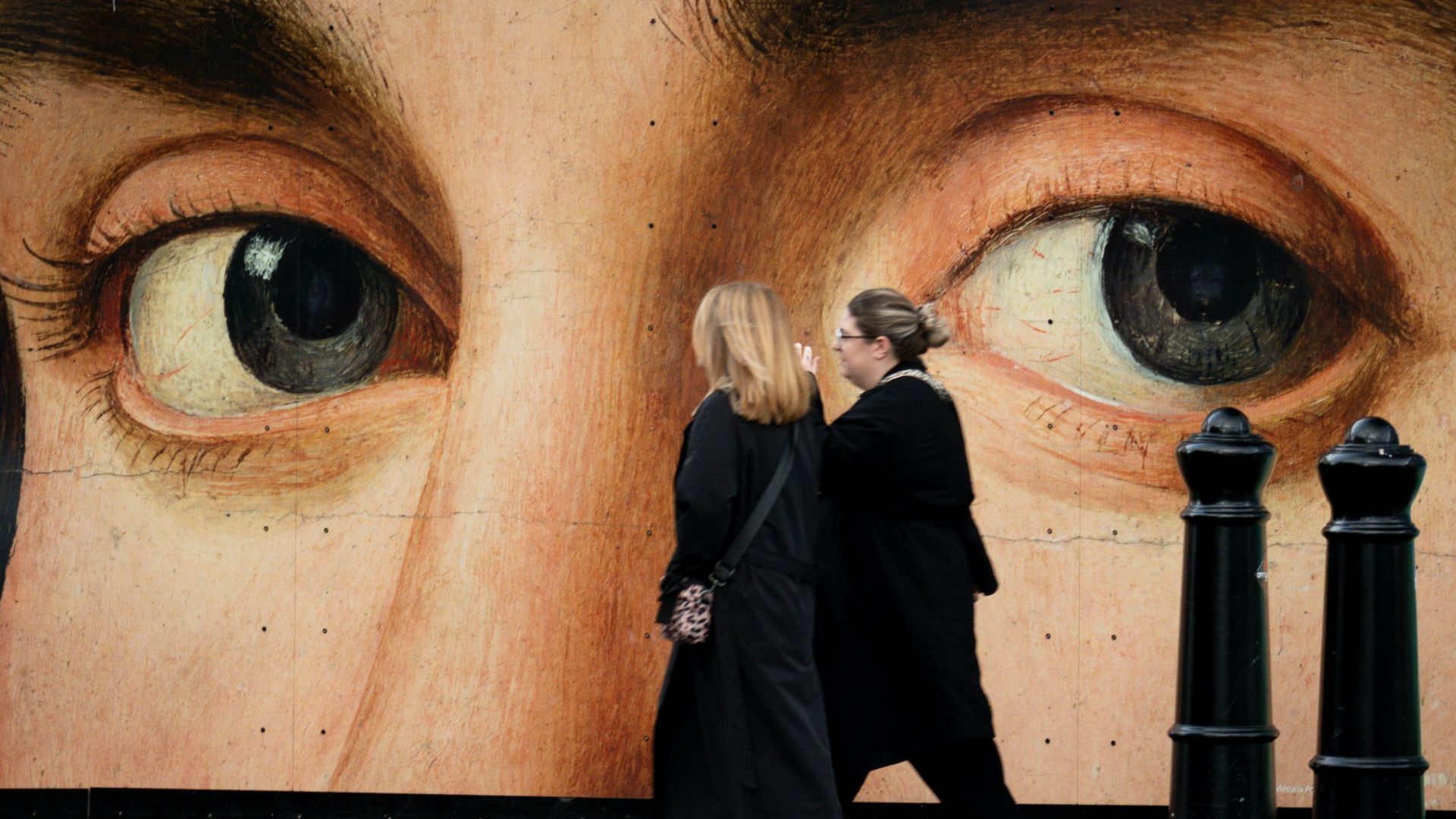
8. Mirrors Turn Attention Inward
Seeing your reflection tends to push your attention onto yourself and away from everything else around you. A theory from 1972 holds that this self-focus makes people compare who they are with who they want to be, which usually lowers self-ratings. That comparison can make you judge your looks harshly right when you check them.
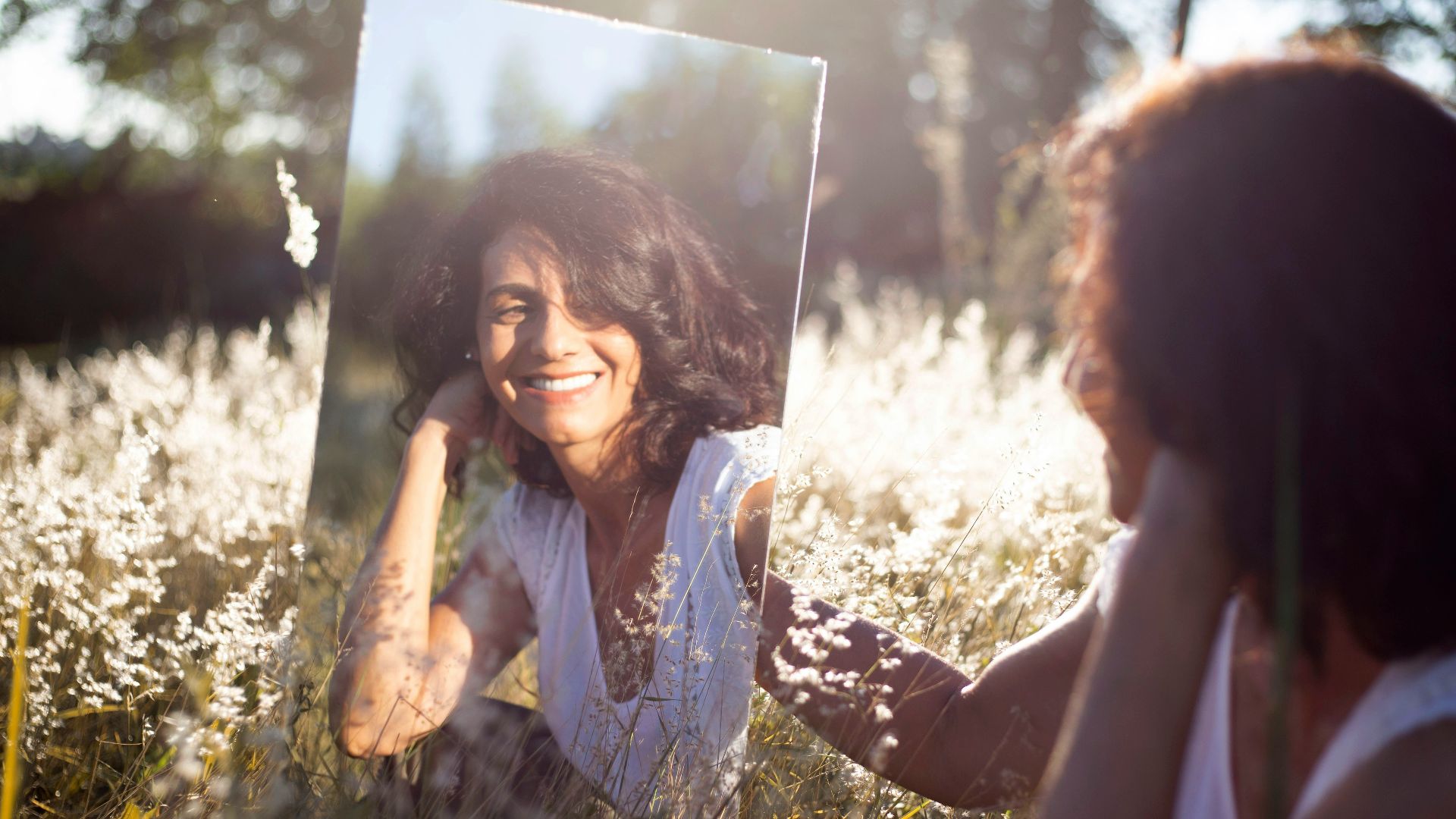
9. Imagining an Observer Raises Body Shame
Picturing yourself through someone else's eyes tends to increase self-criticism. The effect showed up in a 1998 experiment, where women trying on a swimsuit reported more body shame than women trying on a sweater. Checking a mirror may prompt the same outside view of yourself.

10. Flaws Outweigh Strengths
Negative information usually carries more weight in the mind than positive information of equal size, and that includes information about yourself. A 2001 review found that pattern across many areas of psychology, including first impressions and close relationships. One feature you dislike can end up outweighing several that you like.
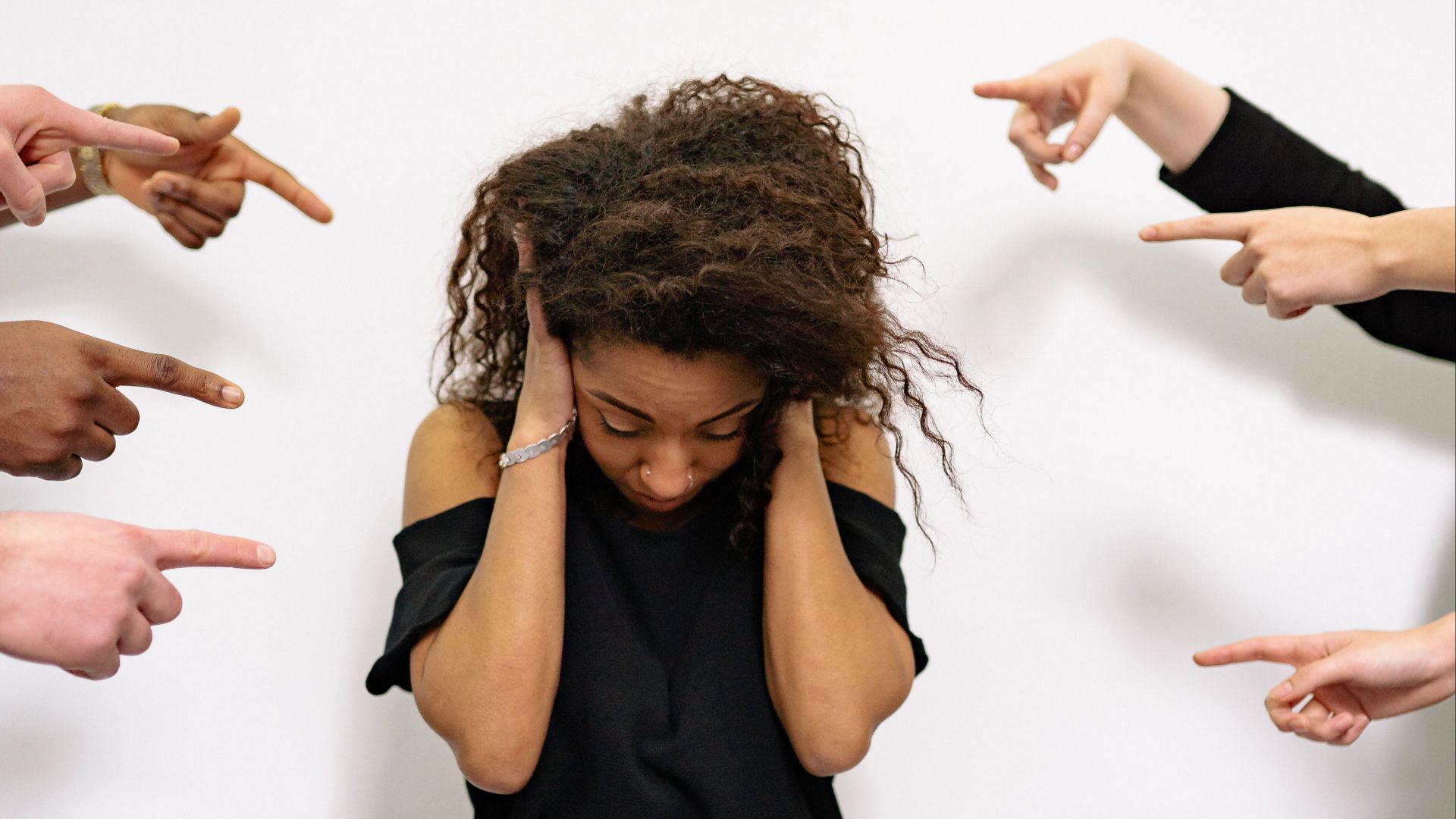
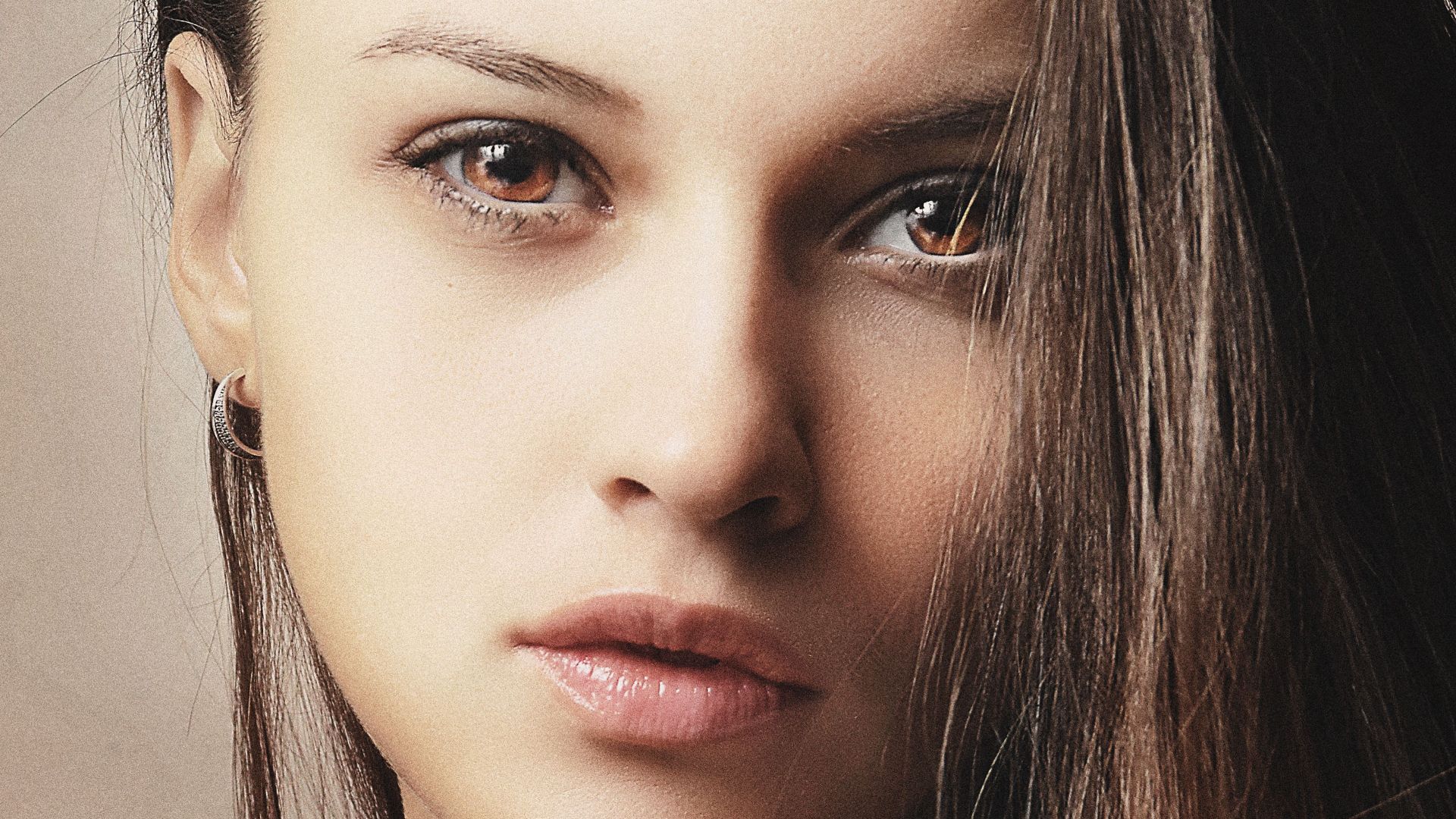
11. Glamorous Faces Reset Your Standard
Seeing very attractive faces tends to make ordinary ones look less attractive by comparison. Men in a 1980 experiment rated an average woman as less attractive after watching a show full of glamorous women. The same shift likely applies when you rate your own face.
 Alexander Krivitskiy on Pexels
12. Feeds Invite Appearance Comparison
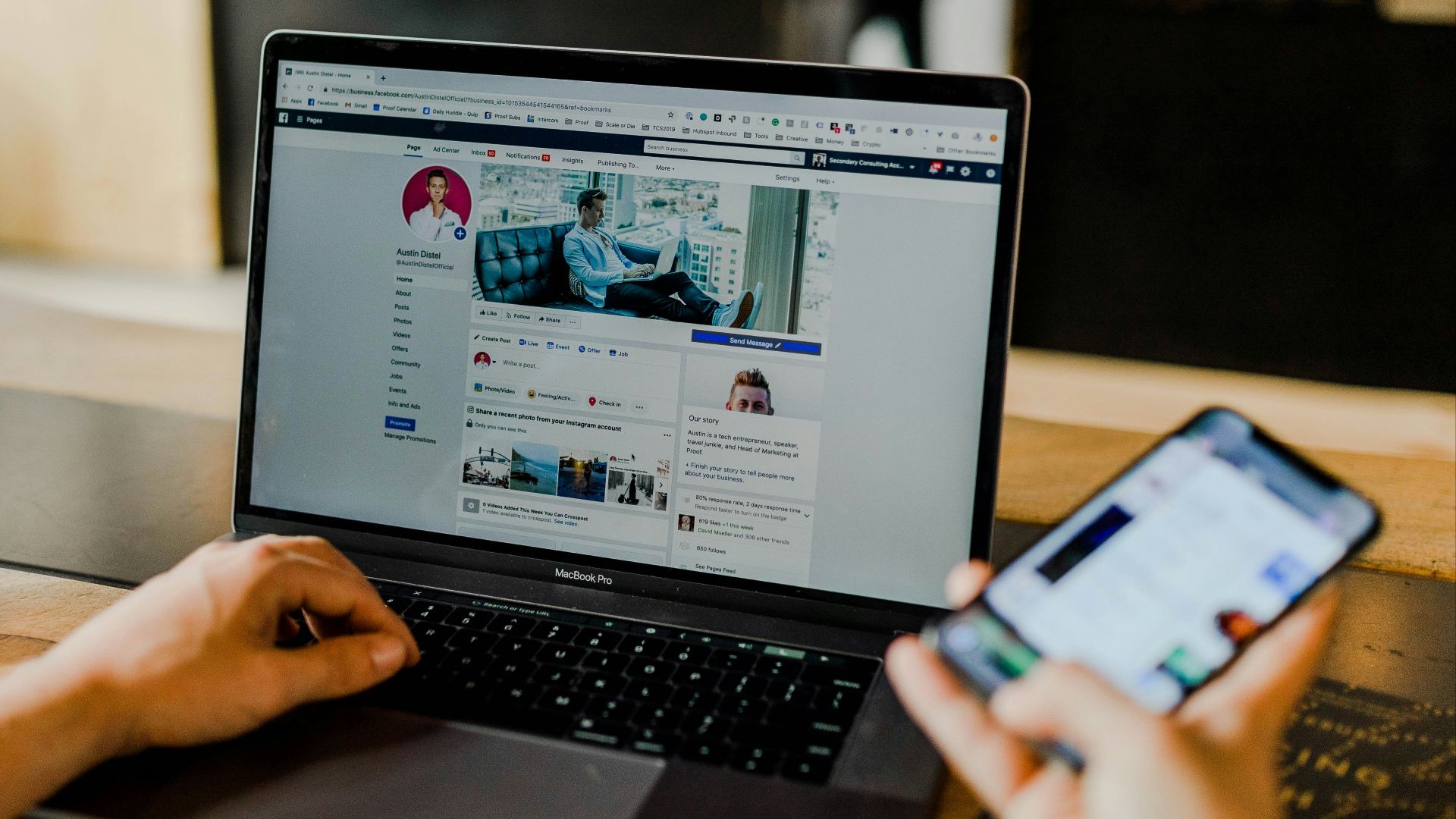
Social media shows a steady stream of other people's best photos, usually chosen and often edited before posting. A 2015 experiment compared 10 minutes on Facebook with 10 minutes on a neutral site, and the Facebook group reported a worse mood. Those who compared themselves to others often also reported more concern about their face and skin.
13. Thin-Ideal Images Lower Satisfaction
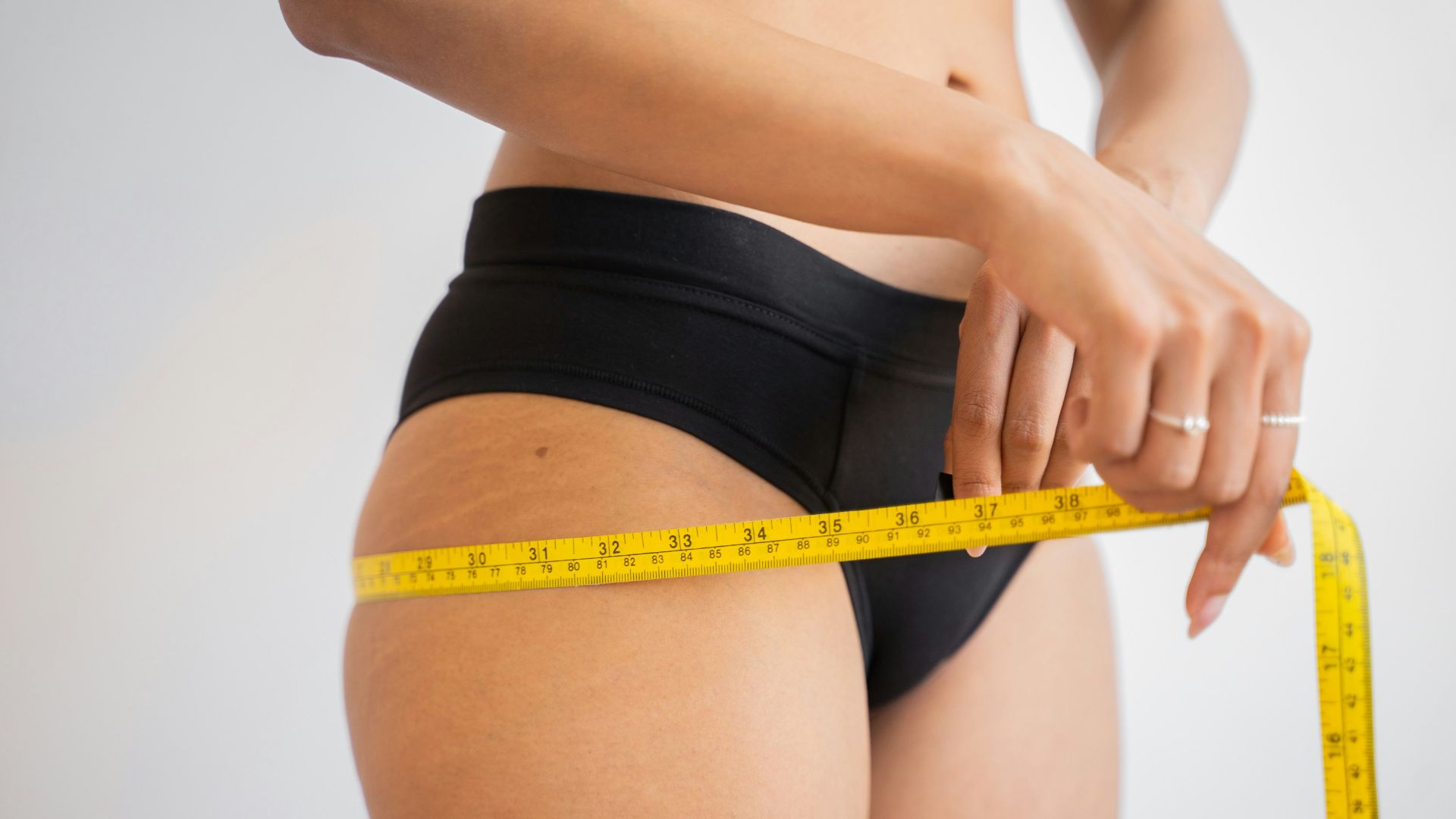
Media images of very thin bodies tend to leave viewers feeling worse about their own bodies. Meta-analyses from 2002 and 2008 found small to moderate drops in body satisfaction after viewing such images. Later work suggests the effect is smaller for many women, so the impact likely varies from person to person.
14. Filters Replace Your Reference Point
Photo filters create a smoother version of you that doesn't exist, usually with softer skin and adjusted features. A 2018 report described patients who brought filtered selfies to plastic surgeons as the look they wanted. When an edited image becomes the standard, an unedited face tends to look worse by comparison.
15. Your Own Photo Picks Backfire
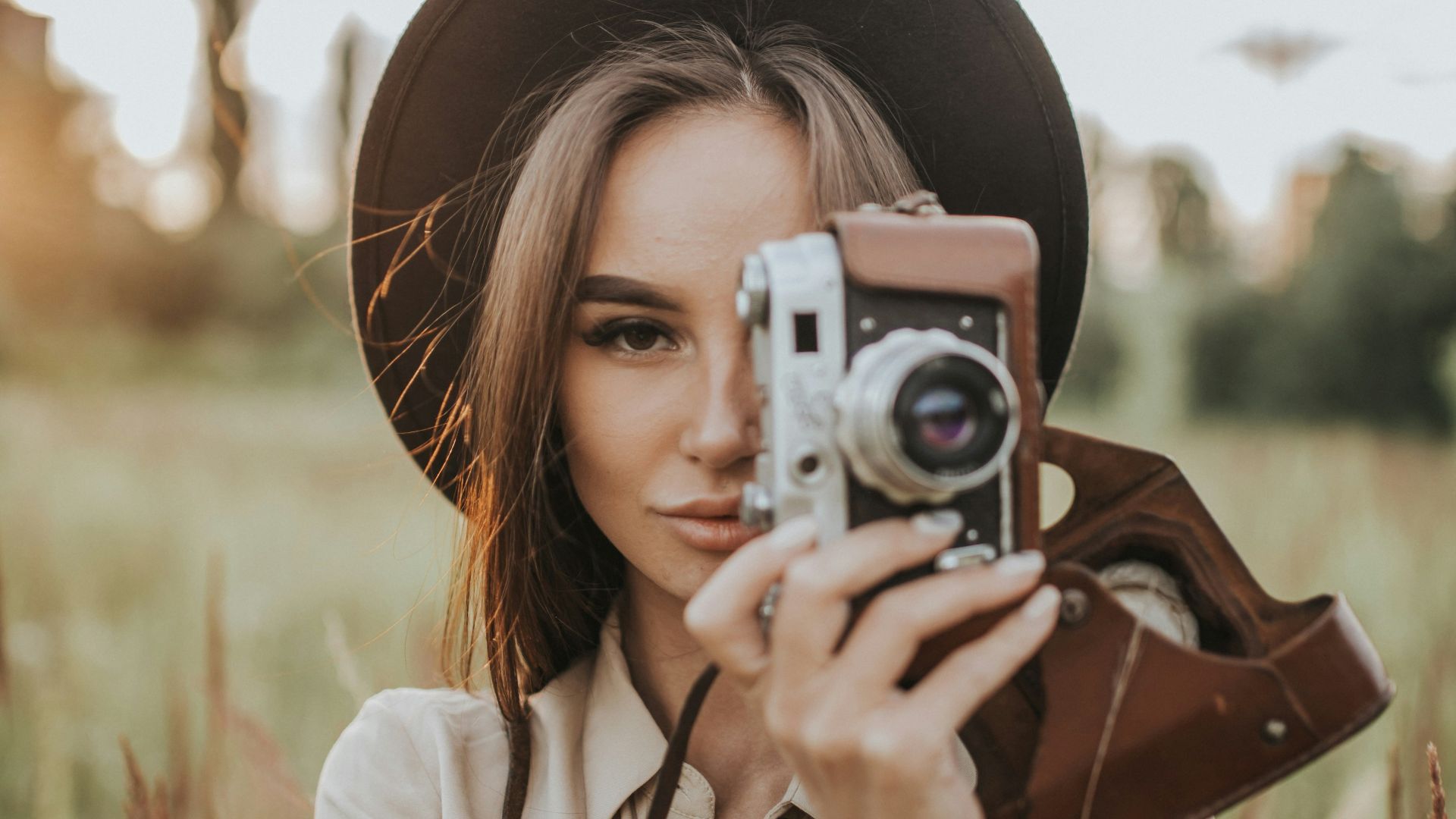
People tend to choose photos of themselves that other people like less. In a 2017 study, profile photos that people picked for themselves were rated less favorably by strangers than photos that other people picked for them. Your sense of your best angle may not match anyone else's.
16. Compliments Get Discounted
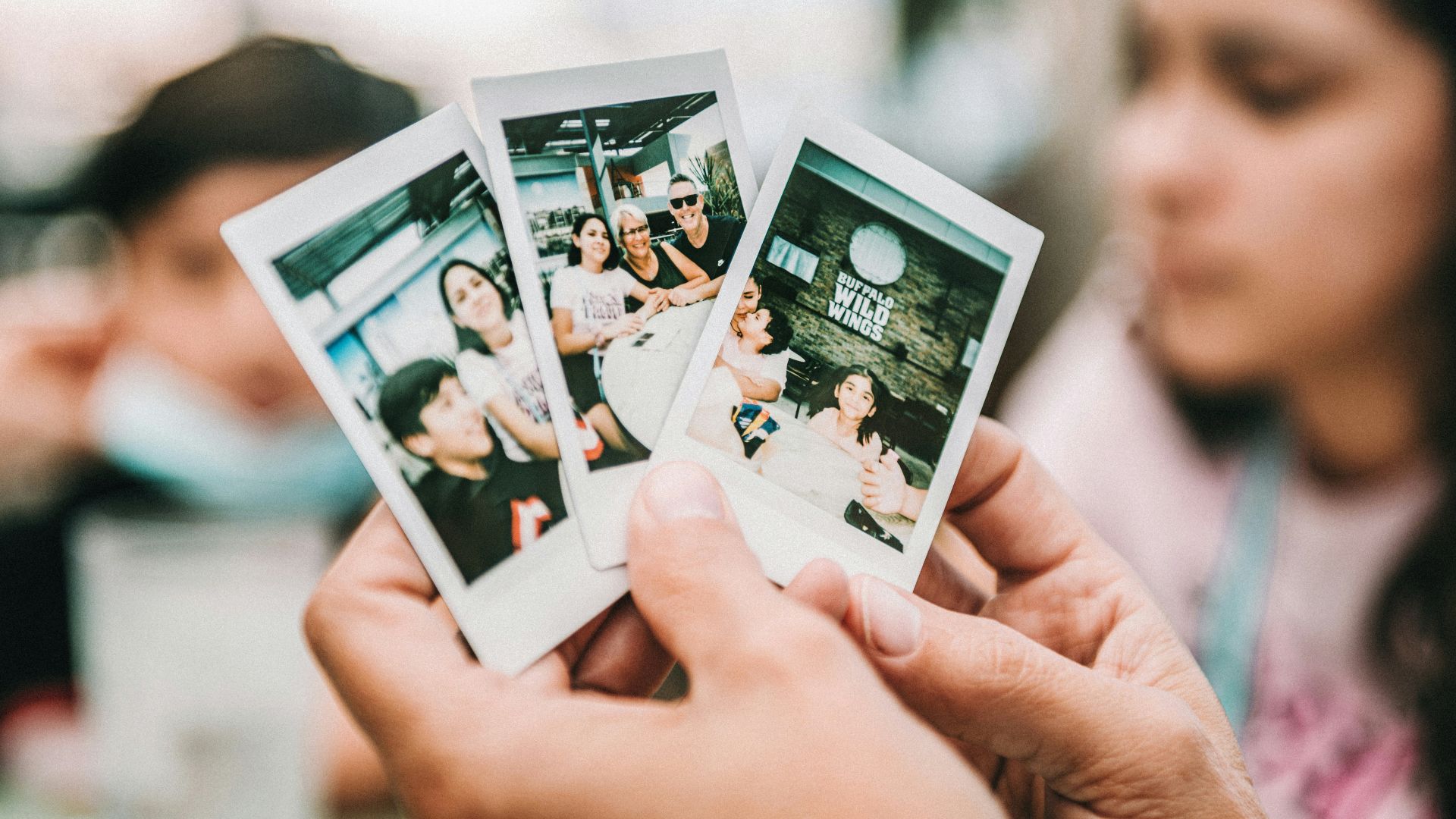
Kind words often get brushed off as politeness instead of information. Research from 2017 found that people with low self-esteem were more likely to discount positive feedback. Compliments about your looks may have little effect on your own view as a result.
17. Taste Varies by Viewer
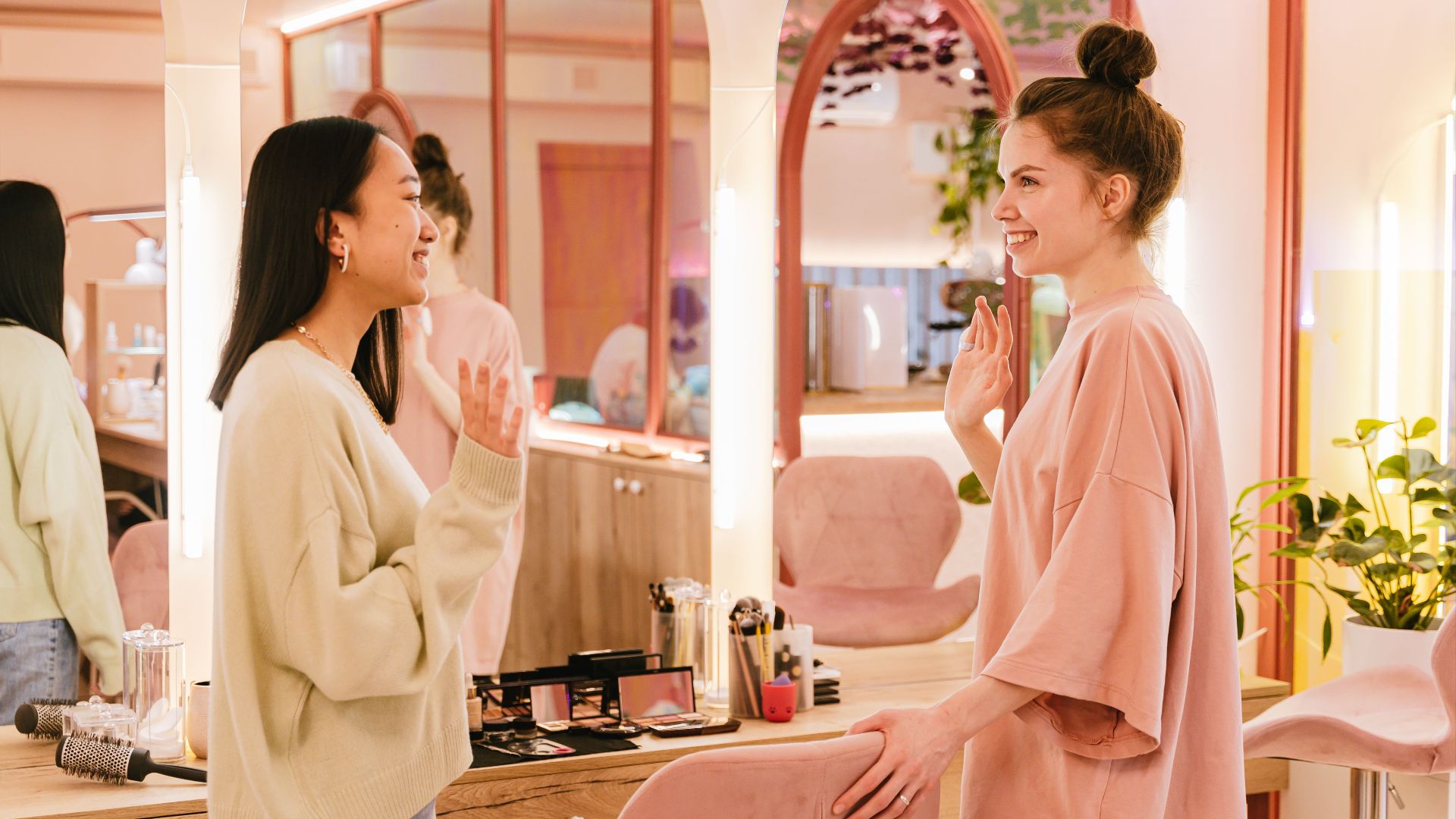
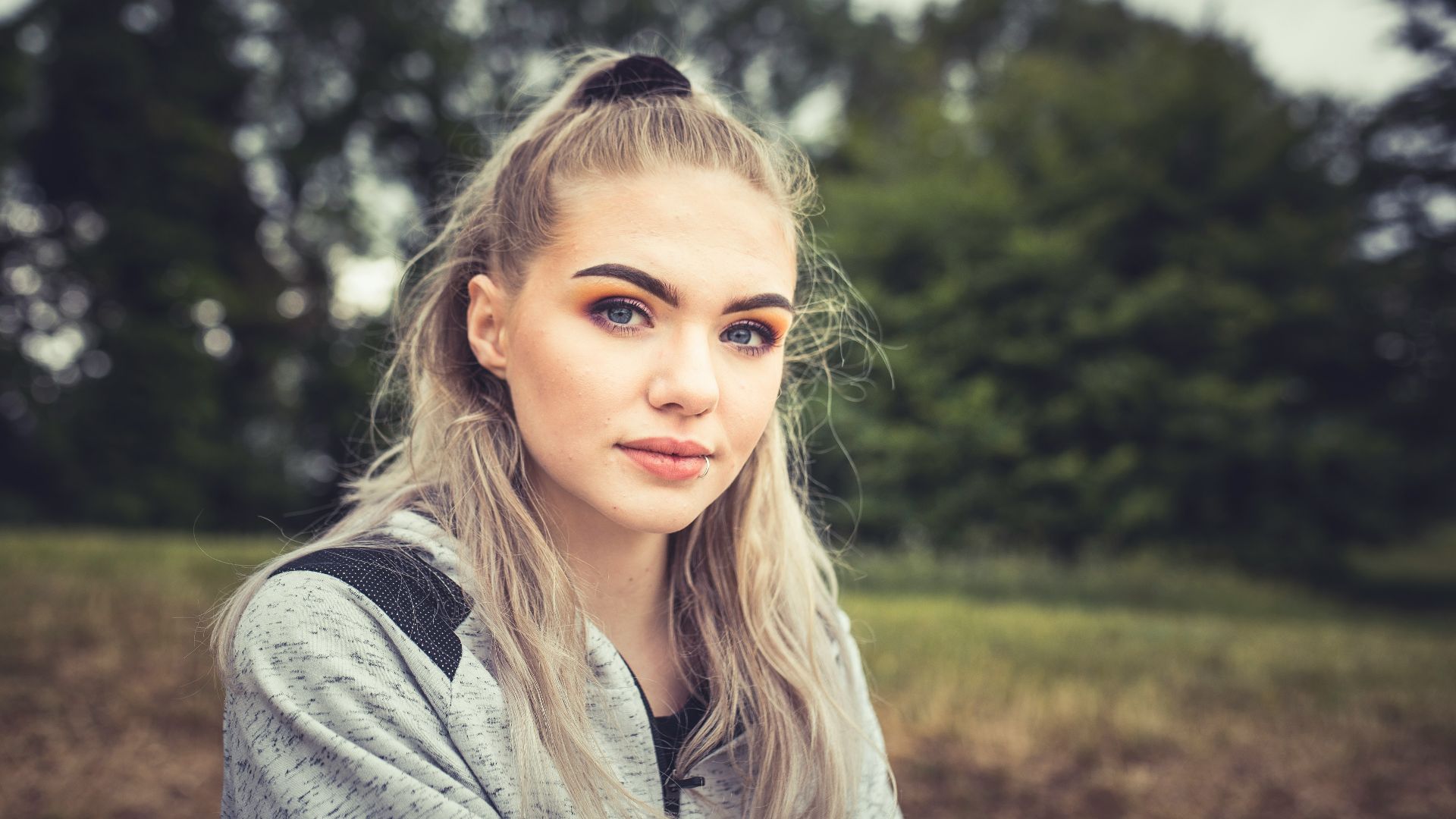
A 2006 study found that about half the differences in how people rate facial attractiveness come down to personal taste. The other half reflects preferences that people tend to share. That means two people can look at the same face and have very different opinions about it. Something you dislike about your appearance might be a feature someone else finds attractive, or one they barely notice at all.
18. Groups Make Faces Look Better
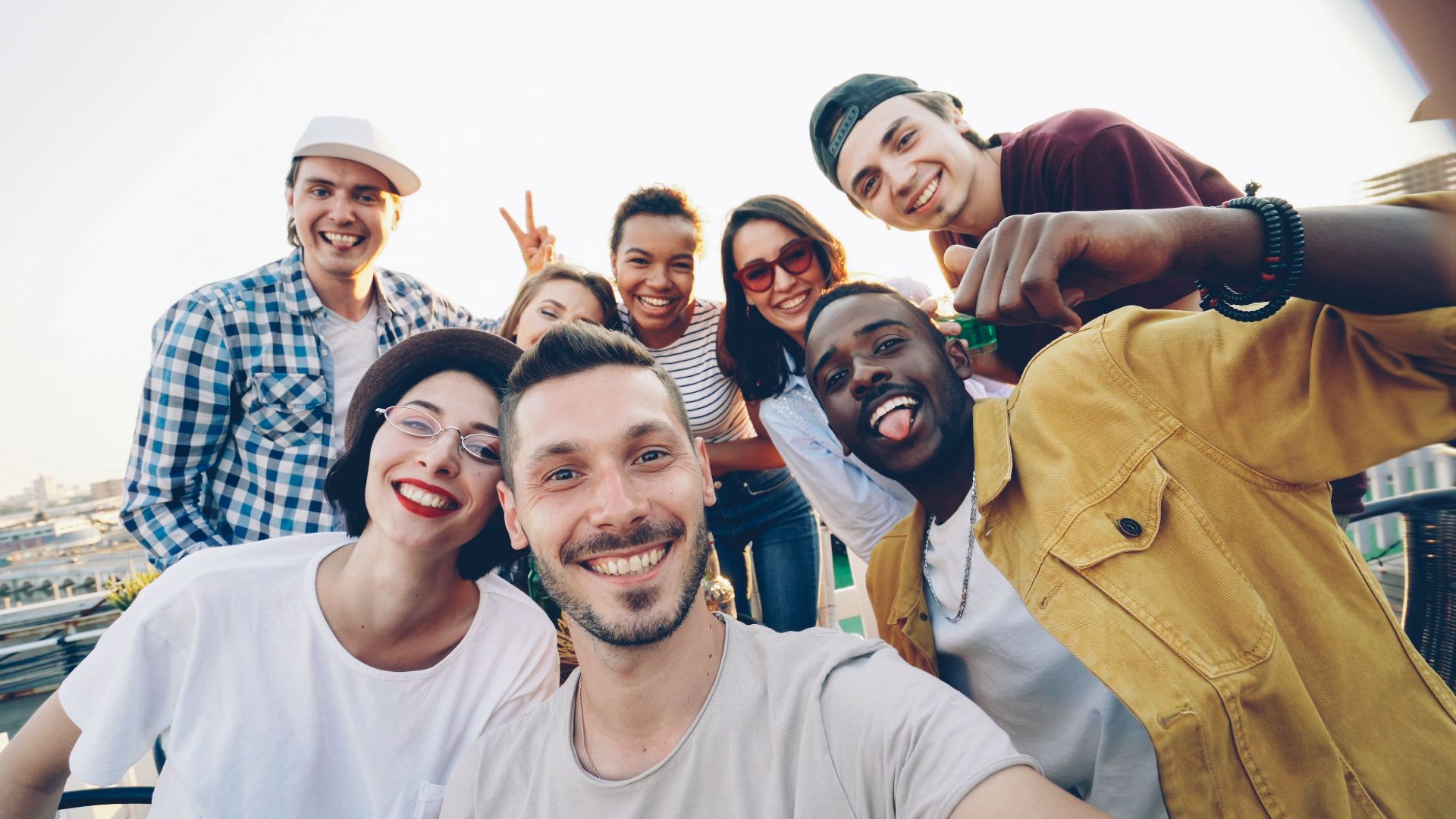
Faces tend to look more attractive when seen in a group than when seen alone. The cheerleader effect, named in a 2013 study, is explained as the visual system averaging the faces in a group. You usually judge yourself alone, while other people often see you among friends, so the same face can look better in a crowd photo than in a solo shot.
19. Personality Changes Perceived Looks
People rate a face as more or less attractive depending on what they know about the person. Ratings in a 2023 study shifted when raters learned about a person's personality. Your friends see your looks together with your humor and warmth, which a mirror leaves out.

20. Self-Ratings Match Others' Ratings Poorly
How attractive you think you are may be very different from how others see you. A 2024 review of previous studies found surprisingly little agreement between people's ratings of their own looks and ratings given by strangers. That doesn't mean everyone judges themselves too harshly, though. Plenty of people actually rate themselves as more attractive than others do.