
20 Things Job Interviews Reward That Have Surprisingly Little to Do With Job Performance
20 Things Job Interviews Reward That Have Surprisingly Little to Do With Job Performance
What Interviewers Reward Besides Skill
Most people prepare for a job interview by rehearsing answers to questions they're likely to face. Interviewers, meanwhile, believe they're judging each candidate's skills and experience. But interviews can also reward things that have little to do with job performance, from someone's appearance to how quickly they speak. Some of these effects are stronger than others, but all can influence how a candidate is judged. Here are 20 things that can help someone succeed in an interview without necessarily making them better at the job.

1. Good Looks Improve Hiring Outcomes
Pooled results from experimental studies in a 2003 meta-analysis showed attractive applicants faring better on hiring outcomes, with an average effect size of .37. The bias did not shrink when raters had more job-relevant information, and professionals showed it as much as college students did, with men and women benefiting about equally.
2. Shared Hobbies Count as Cultural Fit
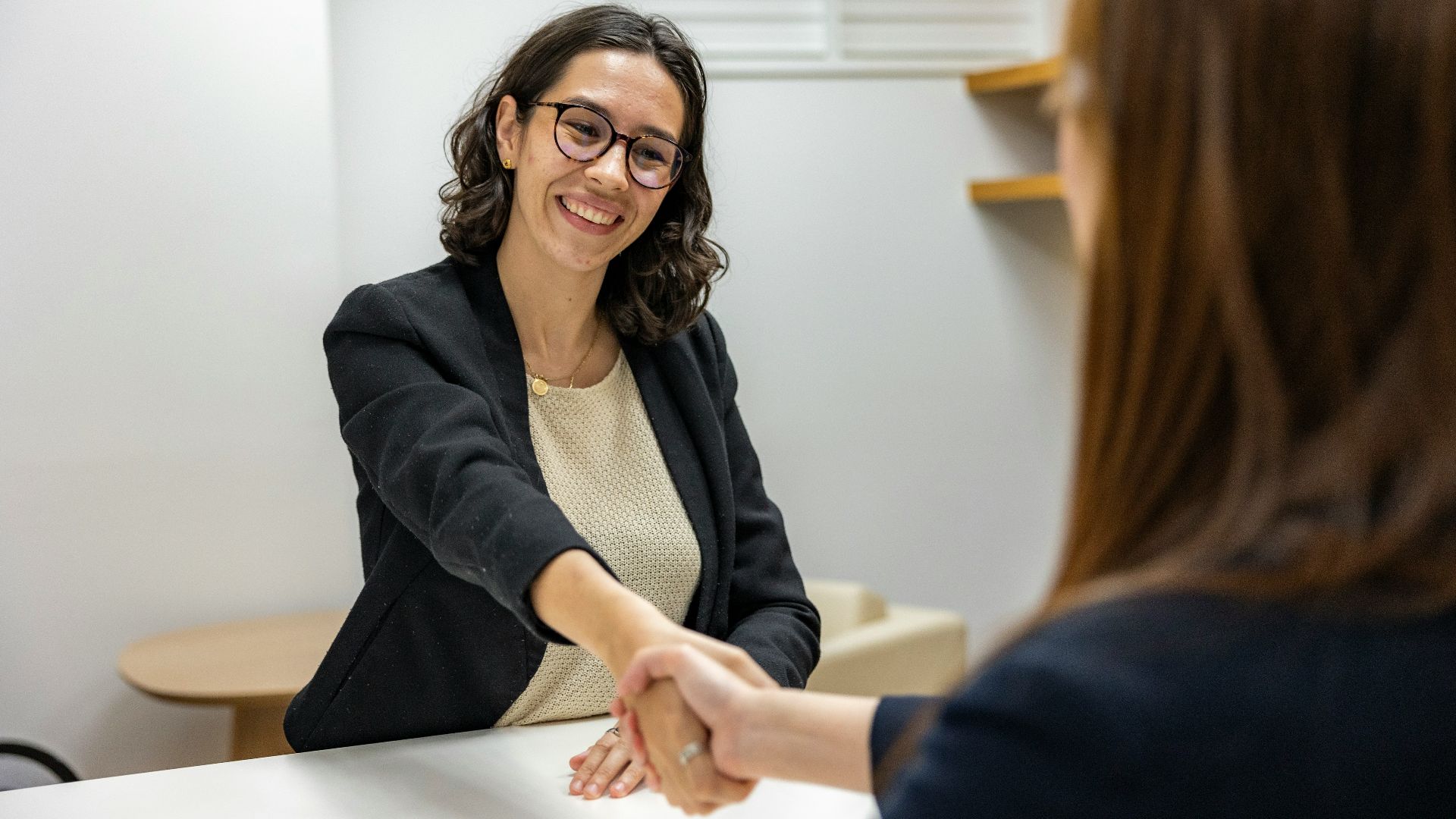
In a 2012 study of elite professional service firms, more than half of the evaluators ranked cultural fit as their top priority during interviews. That often meant sharing hobbies, interests, or similar life experiences with the candidate. These personal similarities frequently mattered more than how productive the person was likely to be on the job, though the researcher noted that the findings might not apply equally to other industries.
3. A Firm Handshake Earns Recommendations
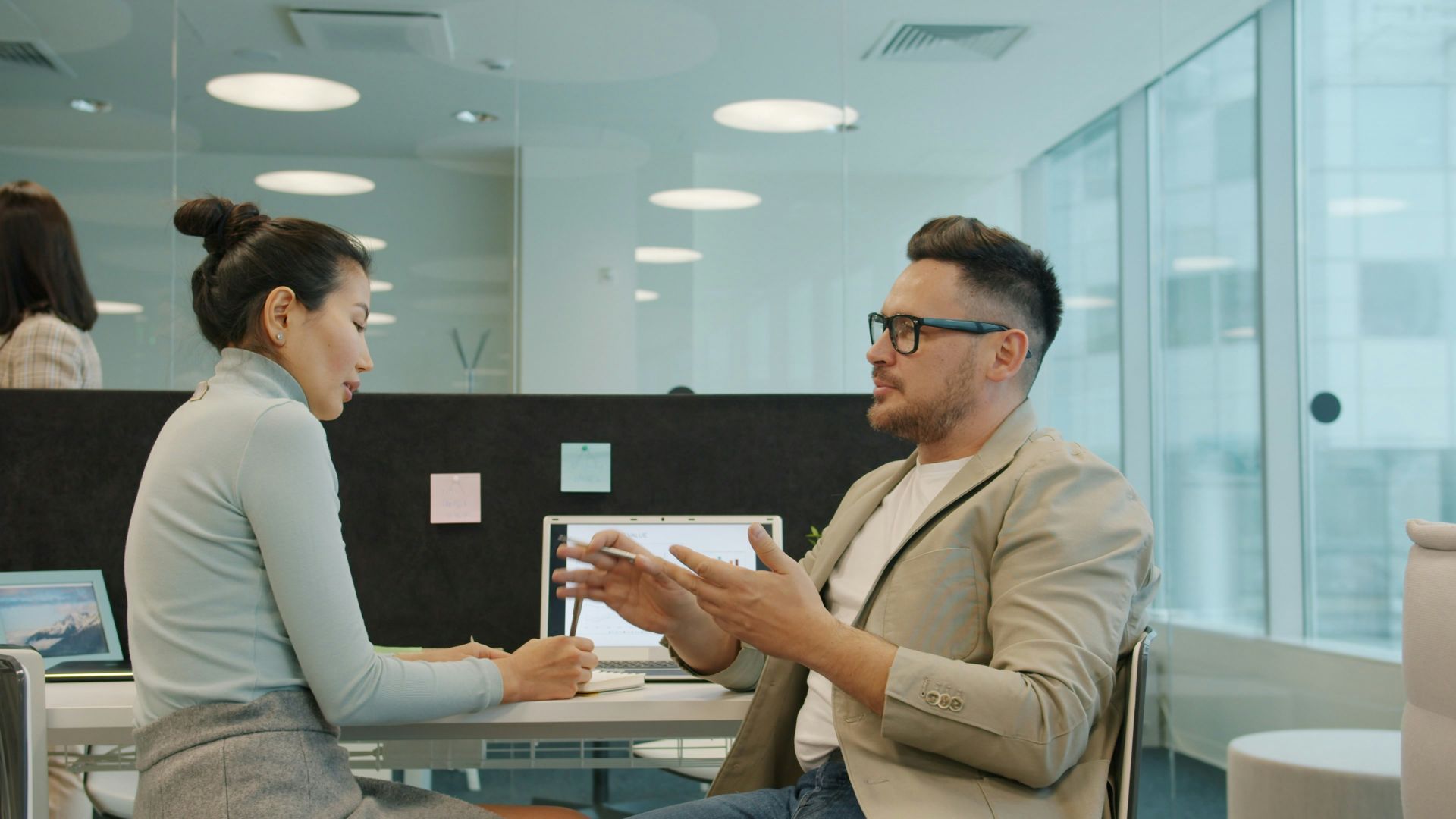
In a 2008 experiment involving 98 undergraduates, trained raters evaluated each candidate's handshake before a job interview. Candidates with stronger handshake ratings generally received better hiring recommendations, even after accounting for appearance and clothing. Women received lower handshake scores on average, but interviewers did not rate them as less suitable for the job.

4. Hearing a Pitch Beats Reading It
In a series of 2015 experiments, candidates who delivered spoken pitches were rated as more intelligent than those whose identical words were read in a transcript. Evaluators were also more willing to hire the candidates they heard, and professional recruiters showed the same preference. Adding video made no difference beyond hearing the candidate's voice.

5. Overconfidence Reads as Competence
Overconfident applicants came across as more competent and more hirable to the 900-plus online judges who watched videotaped mock hiring interviews in a 2019 study. Those applicants were more likely to come from higher social classes, and on average they had done no better on a trivia test than their lower-class peers.

6. Opening Small Talk Shapes Later Scores
A 2010 study found that impressions formed during the opening small talk of a structured interview were strongly linked to final interviewer ratings and, to a lesser extent, internship offers. A separate 2016 analysis of 163 mock interviews found that these early impressions had the greatest influence on ratings for the first formal questions, with their influence fading as the interview progressed.
 Christina @ wocintechchat.com M on Unsplash
7. Self-Promotion Pays More in Interviews
A 2017 review of previous studies found that talking up your accomplishments worked better in job interviews than it did when employees were evaluated at work. Being agreeable and making others feel good had more value on the job. An earlier 2009 review found that these tactics had a much stronger influence on interview ratings than on assessments of actual job performance.

8. Standard Accents Get an Edge
An applicant speaking English with a Mexican Spanish accent was rated less favorably than one with a standard American accent for a software engineering job in a 2012 study. A separate 2010 study found that applicants with Japanese accents were rated less favorably than those with French accents, especially for jobs involving frequent communication.

9. Application Materials Shape the Interview
Interviewers who had formed a positive impression from application forms and test scores showed more warmth toward the applicant and talked up the company, and they gathered less information, according to a 1994 field study of 79 recorded interviews. Applicants' own behavior also shifted along with the interviewer's warmth.
10. Smiling and Fewer Filler Words Raise Ratings
A 2015 study of 69 MIT students found that candidates who smiled more and used fewer filler words received better ratings in mock job interviews. An earlier 1999 study of 110 managers found that visual cues, including smiling and eye contact, also influenced interviewers' judgments, although their connection to actual job performance was much weaker.
11. Embellished Answers Tend to Pay Off
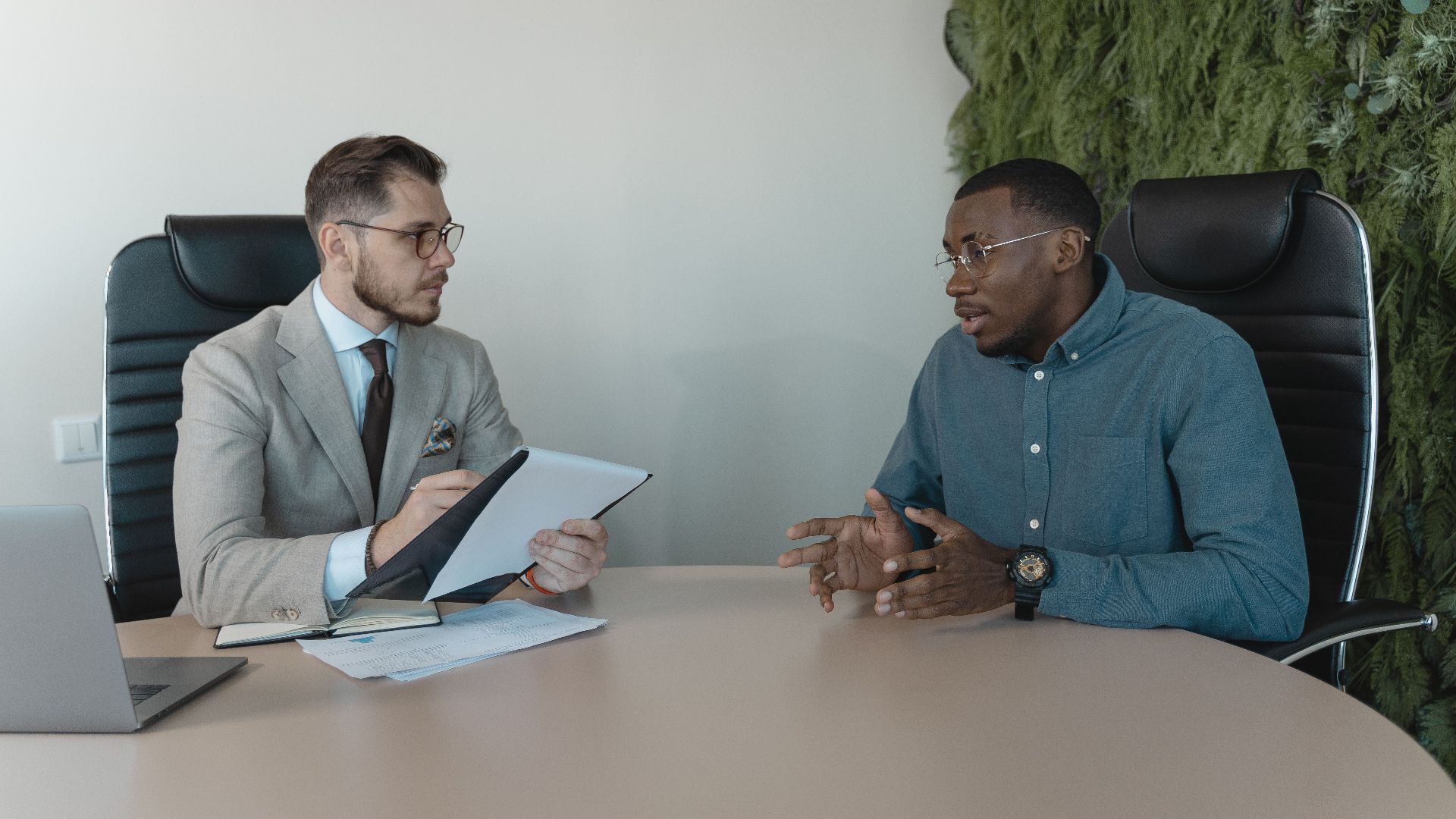
Faking in interviews was reported by more than 90 percent of undergraduate job candidates in a 2007 study, though a smaller share reported anything close to outright lying. Faking scores in real interviews were related to getting a second interview or a job offer.

12. Body Weight Sways Hiring Decisions
Overweight applicants were rated more negatively than average-weight applicants across a 2009 meta-analysis of weight-based bias at work. The bias showed up most at the initial hiring stage and less in performance evaluations or promotions, and it appeared stronger in jobs with more customer contact.

13. Following Strong Candidates Lowers Scores
Going after several strong candidates can hurt your chances. A 2013 study of more than 9,000 MBA admissions interviews found that applicants received lower scores when the people interviewed before them had done especially well. The effect was small, but researchers estimated that overcoming it would take roughly 30 extra points on the GMAT.

14. Brainteasers Don't Predict Performance
Google's head of people operations said in a 2013 interview that the company had found brainteasers, such as how many golf balls fit in an airplane, did not predict how candidates would do, and he said they mostly served to make the interviewer feel smart. He added that structured behavioral interviews with a consistent scoring rubric worked better.

15. Being Watched Hurts Coding Performance
Computer science students solved a coding problem less than half as well at a whiteboard with an interviewer watching than alone in a private room, according to a 2020 experiment with 48 participants. Stress and cognitive load were also significantly higher in the watched condition, and the researchers argued the format may test how candidates handle stress alongside how well they code.
16. Later Slots Get Faster Decisions
Interviewers in a study of over 600 campus interviews took longer to decide on each of the first few applicants and then decided faster after about the fourth. Each interviewer averaged six 30-minute interviews, and the authors suggested the speedup came from leaning on mental shortcuts as information piled up.

17. Nerves Cost Points With Interviewers
Feeling nervous in an interview can hurt a candidate's chances without saying much about how well they'll do the job. A 2018 review of 30 studies found that more anxious candidates generally received slightly lower interview ratings. But a 2019 study of resident assistant applicants found that interview anxiety had almost no connection to later job performance among the 114 people who were hired.
18. Extraversion and Verbal Skill Win Early
Extraversion and verbal skill both predicted interviewers' first impressions of 130 mock interview candidates in a 2012 study, even after job qualifications were accounted for. Those impressions then predicted how interviewers scored answers to structured questions, and the authors noted these traits matter more for some jobs than others.
19. Random Answers Still Feel Informative
In a 2013 experiment, students interviewed classmates and then predicted what grades they would get that semester. Some of the classmates secretly used a system that gave random answers to the questions. Interviewers were just as confident in their predictions whether the answers were genuine or random. Worse, their predictions were less accurate after the interviews than when they relied on background information alone.

20. Unstructured Chats Predict Less
A 2022 review found that casual, free-flowing job interviews were much worse at predicting how well someone would perform at work than interviews that asked every candidate the same job-related questions. The findings also suggested that earlier research had greatly overestimated how useful informal interviews were. Of all the hiring methods examined, structured interviews did the best job of predicting future performance.