

The Small Habits That Keep It Polite
Most adult friendships never get past the acquaintance stage. You like someone, you've had plenty of good conversations, but somehow it never turns into a real friendship. People often blame a lack of chemistry, though the problem can be much simpler. Small habits, many of them perfectly polite, can keep two people from getting any closer. Here are 20 that get in the way.

1. You Wait To Be Invited
Somebody has to go first, and both of you have decided it should be the other one. Research from 2022 found that people underestimate how much a friend appreciates an out-of-the-blue message, and that the more unexpected it is, the better it lands.

2. The Friendship Never Leaves The Room Where It Started
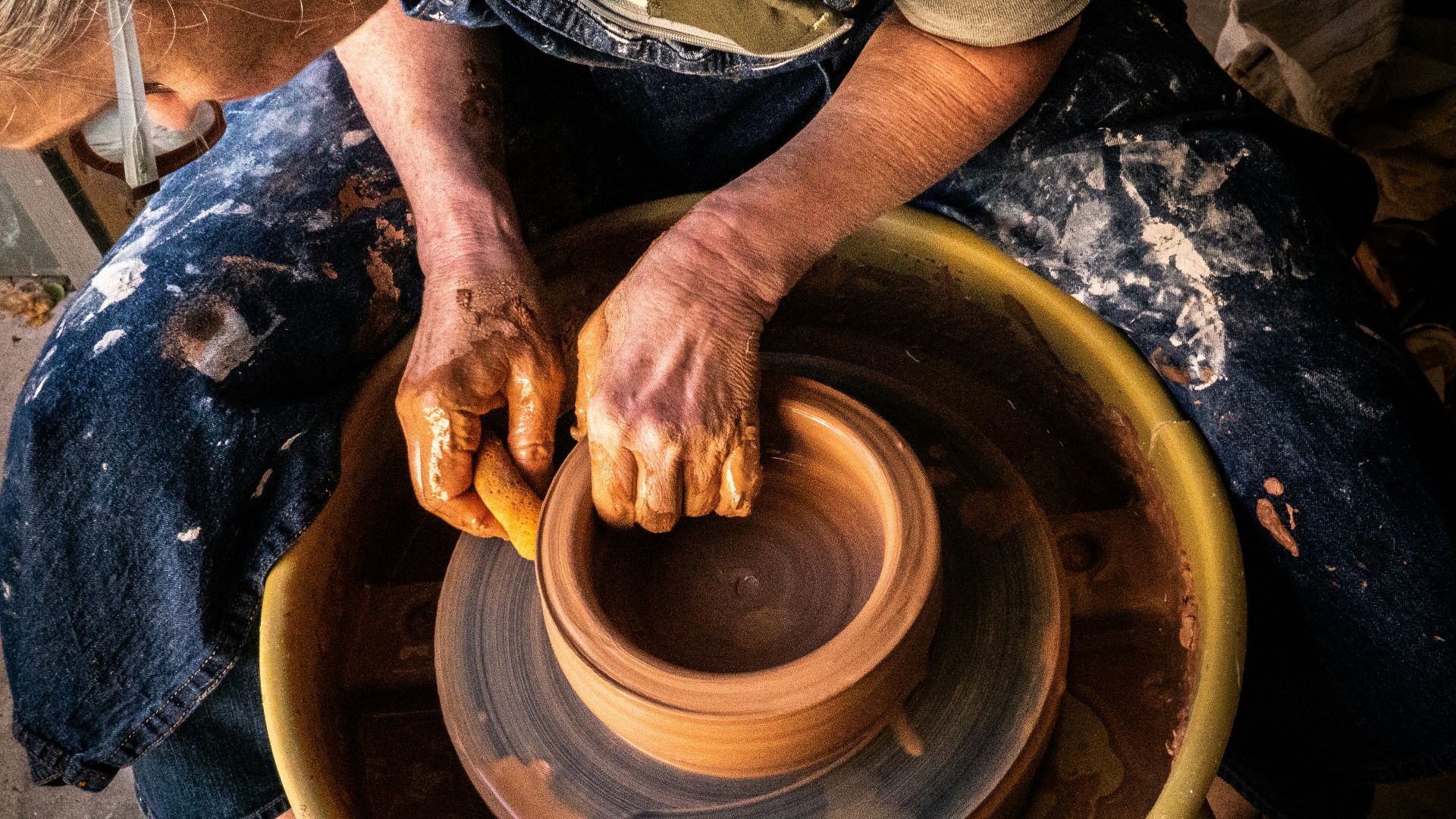
You've talked to the same woman at pottery class every Tuesday for a year, yet you still don't know where she works. The class keeps bringing you together, so neither of you has to make an effort to meet outside it. You can spend a year seeing someone every week and still know almost nothing about them.
3. You Ask A Question And Skip The Follow-Up
Asking what someone does and then going straight to your own answer reads as politeness. A 2017 study of get-to-know-you conversations found that people who asked more questions were better liked, and that follow-up questions carried most of the effect.
 Christina @ wocintechchat.com M on Unsplash
4. Everything Stays On Safe Ground
An hour of weather and work updates leaves you knowing nothing you didn't know going in. People skip the real topics because they expect things to get uncomfortable, and a 2021 set of experiments found the discomfort mostly doesn't show up. Deep conversations and shallow ones both went better than participants had predicted, and the deep ones went best of all.

5. You Say Sometime Instead Of Naming A Day
"We should do this sometime" sounds like an invitation, but it doesn't give anyone a plan to act on. Suggest Thursday instead, and the other person can either agree or offer Friday. A plan with a date is far more likely to happen than one left at someday.

6. You Only See Them With The Group
In a group everybody keeps playing the part the group handed them. You can like someone across three years of the same dinners and never have a conversation that isn't performed for the table. Coffee alone with that person is a different experience, and occasionally a worse one.

7. A Slow Reply Reads As Disinterest
A 2018 study found that people routinely underestimate how much their conversation partners like them, a mistake researchers called the liking gap. Since neither person usually says how much they enjoyed talking, the uncertainty sticks around. A short reply to a Wednesday text can start to look like rejection, when the other person might simply be having a bad day.

8. You Keep Score On Who Reaches Out
If both people are waiting for the other to reach out, the friendship goes nowhere. New friendships aren't always evenly balanced, and one person often has to make more of an effort at first. Sending two texts in a row doesn't mean you're more invested than the other person, no matter what the running tally in your head suggests.

9. The Second Plan Never Gets Made
The first hangout goes well, you both agree to do it again, and then months pass without another plan. Before you leave, suggest a day for the next one. It's easier to keep things going while you're both enjoying each other's company than to restart the conversation weeks later.

10. You Cancel And Leave It There
Canceling plans isn't usually what hurts a new friendship. The problem is canceling without suggesting another day, which can make it seem like you're no longer interested. Offer a replacement date in the same message, and it's clear you still want to meet. The plans have changed, but the invitation still stands.

11. You Expect Closeness Without The Hours
A 2018 study estimated that it takes around 50 hours together to turn an acquaintance into a casual friend, about 90 hours to become friends, and more than 200 to become close friends. Much of that time was spent hanging out and joking around rather than doing anything special. Two good lunches a year won't get you very far toward those numbers.

12. You Agree With Everything They Say
Agreeing with everything keeps conversations pleasant, but it doesn't give the other person much to remember about you. Tell her you think her favorite restaurant is overrated, and she learns something about your taste. A little friendly disagreement can reveal more about someone than a month of nodding along.

13. You Let The Hard Thing Drop
She mentions her mother's diagnosis in the middle of a conversation about something else, you say the right thing, and it never comes up again. Asking a week later counts for more than the sympathy did at the time, and almost nobody asks a week later.

14. You Give Updates Without Any News
You tell someone work has been busy and you didn't do much over the weekend, giving them little to ask about. People tend to open up when someone else does first, so keeping everything vague makes it harder to get past small talk. Mention something that's actually going on in your life, and you give the other person a chance to share something about theirs.

15. You Never Ask Them For Anything
Asking for a favor can feel like imposing, but it also gives someone a chance to be part of your life. Asking for a ride to the airport, for example, shows that you trust them enough to rely on them. Once you've helped each other out, asking again feels more natural, and the friendship has something more substantial behind it.

16. The Plan Lands Six Weeks Out
Making plans six weeks in advance feels practical, but it also gives both people plenty of time to lose interest. By the time the date comes around, neither of you is quite as excited, and a busy week can easily push it back another month. Making plans for the next few days gives you a better chance of actually getting together.

17. You Turn A Hangout Into An Event
Waiting for the right occasion can mean going months without seeing someone. A dinner party takes planning, but grabbing coffee only requires a free hour. Those casual meetups are easier to arrange regularly, and the time spent together adds up. You don't need a special occasion every time you want to see a friend.

18. You Lose Track Of What They Told You
You forget someone's sister's name or which city they used to live in, and the next conversation starts from scratch. Remembering small details shows that you were paying attention and gives you something to follow up on. Keeping a few notes in your phone might feel calculated, but it beats asking the same questions every time you meet.

19. You Get In Touch Only When You Need Something
When every message comes with a request, people start to notice that you only get in touch when you need something. Reaching out occasionally without asking for a favor helps break that pattern. Send an article about something they mentioned last month, or check in about a problem they were dealing with. It shows you're thinking about them even when you don't need anything.

20. You Keep Them Separate From Everyone Else You Know
Keeping a new friend separate from the rest of your social circle can make it harder for the friendship to grow. Introduce them to people you already know, and they become part of a group with more reasons to get together. Mutual friends also help keep you connected during busy stretches when neither of you has much time to make plans.