

The Odds Are Better Than They Feel
It's easy to talk yourself out of saying something when you're not sure how it'll land. Maybe the compliment will sound awkward, or the invitation will get a polite no. But people are usually more receptive than we expect, and even an awkward moment is quickly forgotten. Those who seem naturally outgoing aren't necessarily more confident. They've just gotten used to taking the chance. Here are 20 small social risks that tend to go better than people expect.

1. Asking a Stranger for a Small Favor
People overestimate how often strangers will say no. Asking someone to watch a bag or let you cut in line usually gets a yes, well past what the asker would predict, since turning someone down face to face is harder than it looks. The request does have to be easy to picture, which is why asking for directions works better than asking where somebody thinks you should go.
 Christina @ wocintechchat.com M on Unsplash
2. Telling Someone You Liked Their Work
A 2021 study found that people underestimate how good a compliment feels to receive and overestimate how awkward it will be to give. Being specific helps it sound genuine. Telling a coworker their draft saved you a rewrite means more than simply calling them talented.

3. Texting the Friend You Lost Track Of
Reaching out to an old friend can feel awkward, especially when years have passed without a word. But research published in 2023 found that people appreciate unexpected messages far more than senders anticipate, even after long stretches of silence.

4. Asking the Question in the Meeting
Chances are, someone else in the room has the same question but doesn't want to ask it. Speaking up shows you're paying attention and gives everyone a chance to understand what's being discussed. The people who seem most confident in meetings are often the ones willing to ask for clarification rather than pretend they already know.

5. Saying You Don't Know
Admitting you don't know something can feel embarrassing, but even experts do it regularly. Most people respect someone who recognizes the limits of their knowledge rather than pretending to have every answer. It's also much easier to ask for an explanation now than to discover later that you've misunderstood something important.

6. Going to the Party Alone
Showing up to an event alone can feel intimidating, especially when everyone else seems to know someone. But most people are too busy socializing to notice who arrived with whom. Without a familiar friend to stick beside, you're more likely to strike up conversations with new people and leave having made a few connections.
 OurWhisky Foundation on Unsplash
7. Mentioning the Spinach in Their Teeth
Telling someone they have food in their teeth or something on their shirt might feel awkward, but most people would rather know. A quick, quiet heads-up saves them from spending the rest of the day unaware. Anyone who's discovered an embarrassing problem hours later probably wishes someone had spoken up sooner.

8. Inviting Someone Who Might Say No
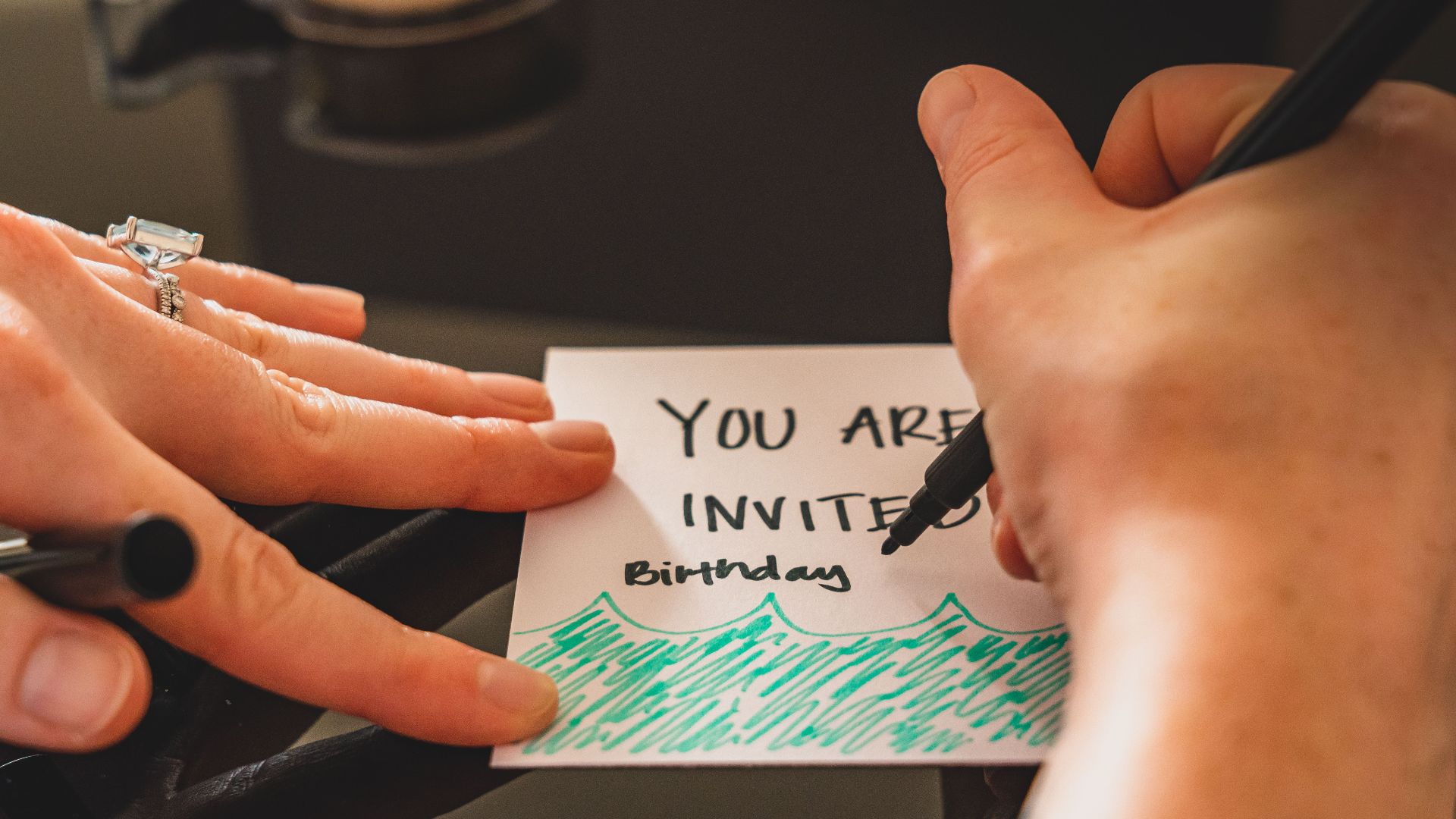
Asking someone to hang out can feel like putting yourself up for rejection, but even people who can't make it usually appreciate being included. The worst outcome is a polite no, while a yes could lead to a friendship that lasts for years. People also remember who makes the effort to bring everyone together, which is often how friend groups stay close.
9. Saying You Like Something Uncool
Admitting you love a cheesy action movie or a band everyone makes fun of can feel embarrassing, but genuine enthusiasm is usually more appealing than pretending to have sophisticated taste. People tend to relax around someone who's comfortable enjoying what they like. It also makes for a better conversation than everyone trying to impress each other.

10. Asking a Coworker to Lunch
Work friendships often begin with someone taking the initiative. Asking a coworker to grab lunch might feel a little forward, but it's a simple invitation that's easy to accept or decline. Suggesting a specific day also makes it more likely to happen than saying you should get together sometime.

11. Apologizing First
Apologizing first can feel like admitting you were entirely wrong, even when both people share some blame. Taking that first step often makes it easier for the other person to apologize too. Once someone breaks the silence, the disagreement may turn out to matter far less than either person thought.

12. Admitting You're Nervous
Telling an audience you're nervous might seem like a terrible opner, but people are usually more forgiving than you think. A 2018 study found that observers viewed displays of vulnerability more positively than the people showing them did. Once you've admitted to having butterflies, you can stop pretending they're not there and get on with what you came to say.
 Henri Mathieu-Saint-Laurent on Pexels
13. Asking for the Discount
Most people accept the price they're given, even when there's room to negotiate. You probably won't get far haggling over groceries, but gym memberships and medical bills are another story. A quick phone call can sometimes get a fee reduced or a better rate offered, and the worst anyone can say is no.

14. Talking to the Person Next to You
Striking up a conversation with a stranger on a train or plane can feel awkward, but there's not much to lose. You'll eventually go your separate ways, and neither of you has to keep talking if the conversation fizzles out. A friendly chat can make a long journey more enjoyable, and if the other person isn't interested, you can always go back to your book.

15. Asking Someone to Repeat Themselves
Asking someone to repeat themselves for the third time can feel awkward, but it's better than nodding along and hoping they didn't just ask you a question. Most people don't mind repeating themselves, especially in a loud restaurant where nobody can hear much anyway. A quick "Sorry, one more time?" beats spending the next five minutes trying to figure out what you agreed to.

16. Correcting How People Say Your Name
It's tempting to let someone mispronounce your name rather than correct them, but one missed opportunity can turn into years of answering to the wrong name. Most people would rather be corrected than discover they've been getting it wrong all along. A quick, friendly correction usually does the trick.

17. Joining a Conversation Already in Progress
Joining a group that's already talking can feel intimidating, but most people are happy to make room for someone new. A simple hello and a question about what they're discussing is often all it takes. Standing on the sidelines can actually draw more attention than joining in, and if the group isn't particularly welcoming, you can always move along to another conversation.

18. Saying No to Plans You Don't Want
Saying no to an invitation can feel rude, but most people prefer a clear answer to someone who keeps putting off a decision. Turning down plans because you're busy or need a quiet weekend is perfectly reasonable. Hosts would much rather know early than find out on Friday that you're not coming, especially when they've already saved you a seat.

19. Telling a Friend You're Struggling
Opening up to a friend about something you're struggling with can feel like dumping your problems on them, but good friends usually want to know what's going on. Sharing something specific gives them a chance to offer support instead of guessing what you need. You might even find they've been dealing with something similar and were just as hesitant to bring it up.
 Jarritos Mexican Soda on Unsplash
20. Reaching Out to Someone You Admire
Writers and small-business owners get fewer thoughtful messages than people assume. A short note naming which piece of their work helped you has a decent chance of a reply, since it proves you weren't mass-mailing. An unanswered email is the likely downside, and it stops registering by the next day.