

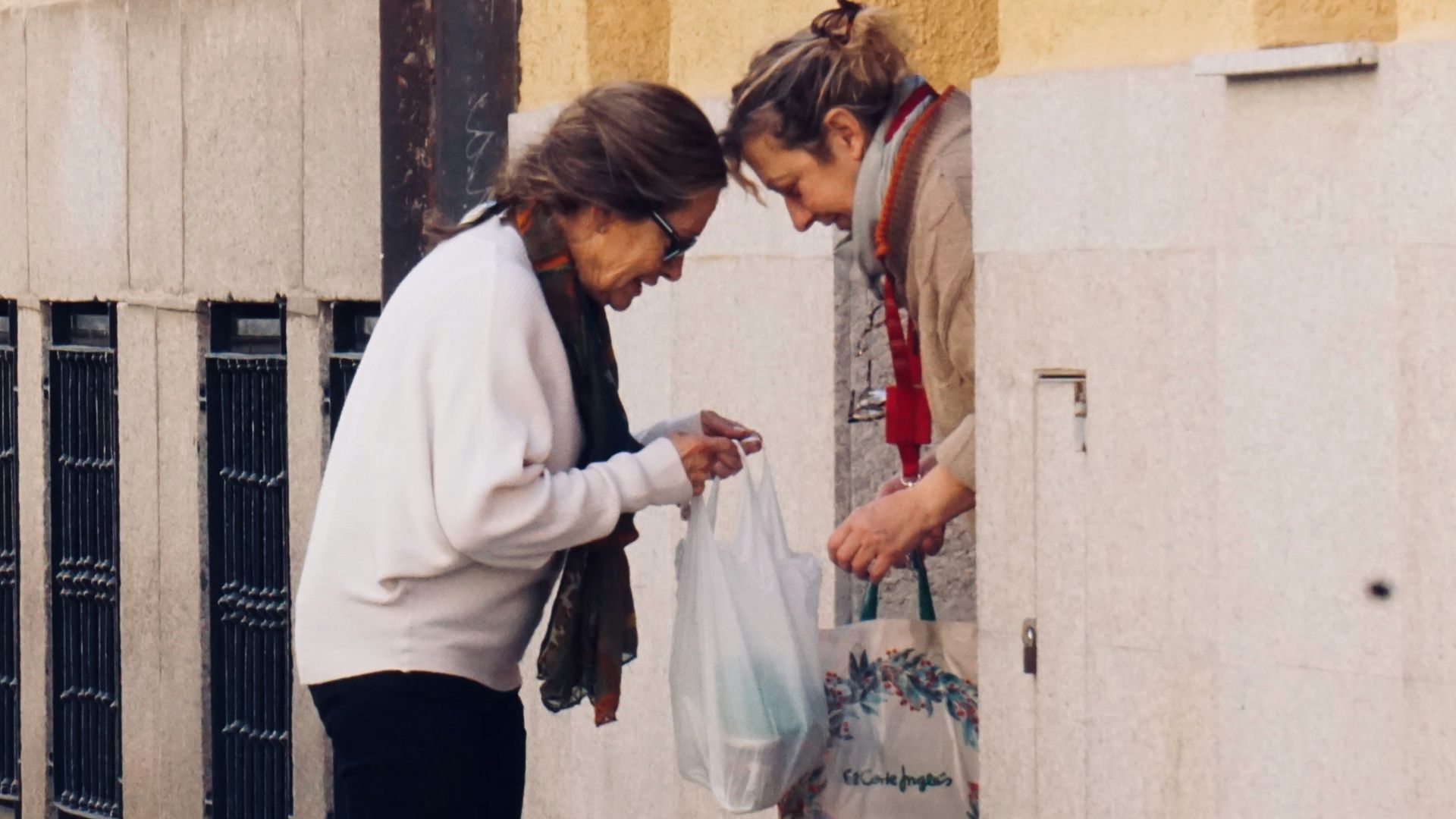
There was a time when knowing your neighbors was considered an ordinary part of everyday life. People borrowed ingredients, chatted across fences, and occasionally stopped by without making elaborate plans. Today, however, it's entirely possible to live beside someone for years without learning their name. Although plenty of neighborhoods still maintain strong social connections, casual interactions between residents can seem increasingly uncommon.
This shift isn't necessarily because people have become less friendly or interested in their communities. Changes in technology, work schedules, housing patterns, and social habits have influenced how Americans interact with the people living around them. Understanding these developments helps explain why neighborhood relationships sometimes require more effort than they once did. Fortunately, rebuilding those connections doesn't have to involve organizing an elaborate block party.
It's also true that there may simply not be as many occasions to get to know one's neighbors. A large proportion of the American population is commuting, at work, out shopping, or looking after children for much of the day, leaving relatively little leisure time. Of course, it's tempting to want to sit around the house once back from these activities rather than go out and mingle. There will be few times that suit all parties for getting to talk to pleasant neighbors.
As has already been suggested, the layout and type of houses will be factors. If most houses have an attached garage, people can go straight in from their vehicles and have little reason to be outdoors. Likewise, if most things require a car trip, there will be less reason to be out walking around and seeing other local people. None of these factors will actively discourage people from meeting others, but all take away situations where this could easily happen.
Finally, with more people working from home, it pays to bear in mind that they may well be at home a great deal of the time. They may talk over the internet to colleagues or clients a number of times during the course of their day and still never speak to another person in their immediate vicinity. Clearly, if other neighbors' working hours differ substantially, it may be difficult to meet.
Residential mobility can make establishing lasting relationships more complicated as well. Renters, students, and workers relocating for employment may move before they've developed meaningful local friendships. When residents frequently come and go, introducing yourself to every new arrival can become less of an established habit. Nevertheless, temporary living arrangements don't prevent people from forming worthwhile connections.
Technology Has Changed How We Socialize
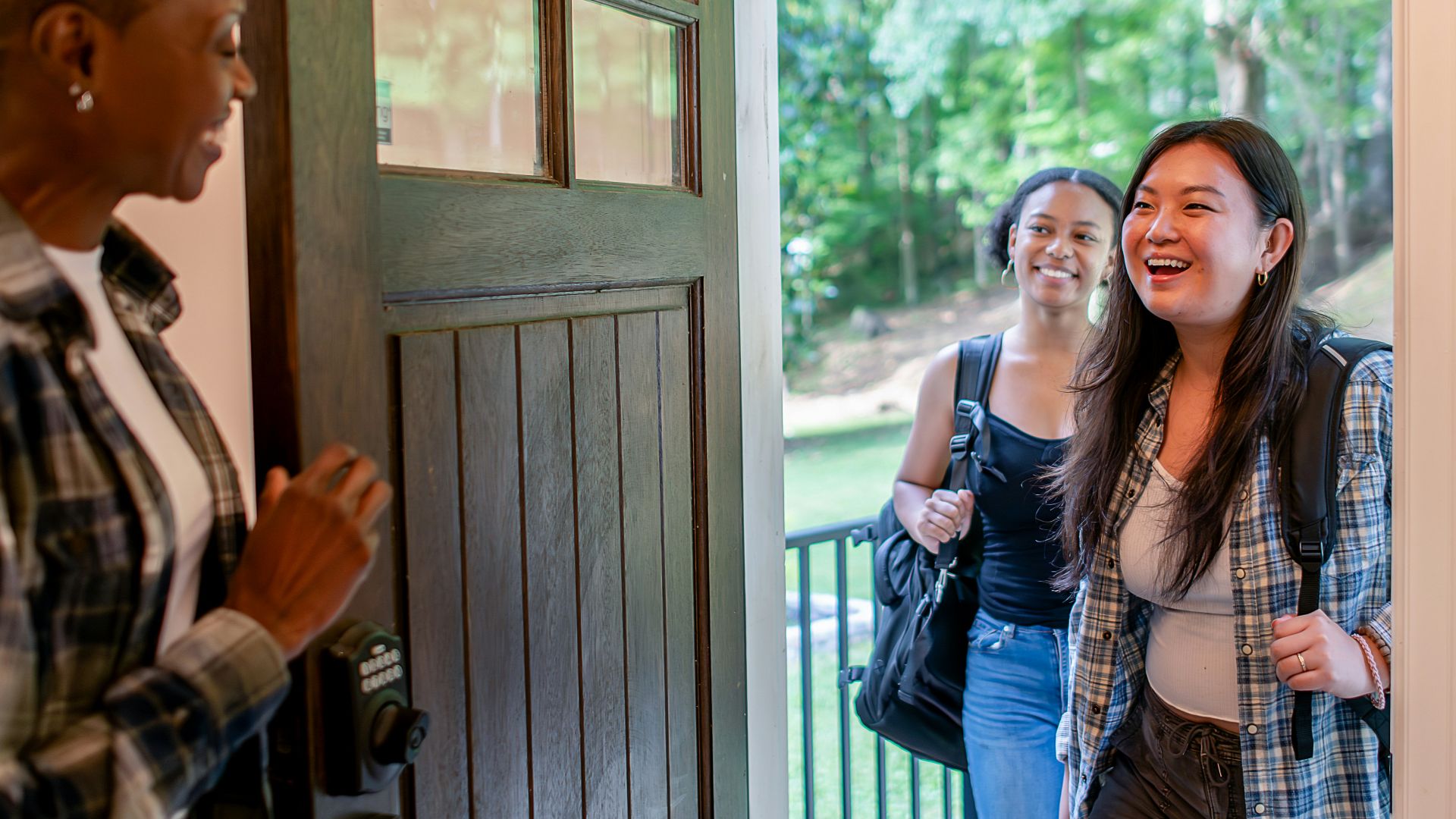 Land O'Lakes, Inc. on Unsplash
Social media allows people to maintain relationships across enormous distances, making geographic proximity less important for everyday communication. You can easily exchange messages with childhood friends, former coworkers, or relatives living hundreds of miles away. While these connections are valuable, they may also occupy time previously spent socializing with people nearby. Having an active social life online doesn't necessarily translate into knowing the family next door.
It's very easy to be entertained at home these days, with various streaming sites for watching TV shows, video games, and much more. So, it may be tempting to sit at home and watch a few episodes of a show rather than go to social functions or sit and speak to others. Of course, there's nothing inherently wrong with watching TV, but there is less chance of getting to know others if every night is spent inside.
Of course, a large amount of communication between people in the area will now take place over Facebook and similar websites. It's handy to be able to ask others for advice, bring problems to others' attention, and so on, particularly if you would never speak to some of these people. At least, you probably wouldn't know who they were just from a small picture!
People will also want a certain amount of privacy in their own homes, particularly after a long day at work. So, an unannounced knock on the door may be unwelcome when all they really need is a short message. Thus, there may be reluctance to approach other people, even if they are friendly, without good reason.
Neighborhood Connections Aren't Gone Forever
Despite these changes, Americans haven't completely lost interest in knowing their neighbors. A 2025 Pew Research Center survey found that 26% of adults knew all or most of their neighbors, while 62% knew at least some. Although the share reporting strong neighborhood familiarity has declined slightly since 2018, most Americans still recognize people living nearby. The findings suggest that community connections have weakened somewhat rather than disappeared altogether.
Trust also plays an important role in whether people develop relationships with nearby residents. Some individuals hesitate to approach strangers because they don't want to appear intrusive or invade someone's privacy. Interestingly, Pew's 2025 research found that 59% of Americans had a neighbor they'd feel comfortable asking to keep emergency keys. This suggests that practical trust can exist even when residents aren't particularly close friends.
It's quite easy to meet people, and none of these examples will demand huge changes to your life or require you to be extremely sociable. Speak to a stranger, offer to pick up some mail while your neighbors are away, or go to some local events. You will also begin to see people you've met if you frequent places around town, such as a park or library. There's no reason to feel you have to spend all your time with others, but these could all lead to friendship.
Ultimately, knowing your neighbors doesn't mean everyone on the street needs to become your closest friend. Sometimes, remembering someone's name, exchanging a friendly greeting, or knowing who to contact during an emergency is enough to make a neighborhood feel more welcoming. Modern life may offer fewer spontaneous opportunities for these connections, but creating new ones remains entirely possible. The next time you see someone living nearby, a simple hello might be a surprisingly good place to start.