Some Things Change For The Better
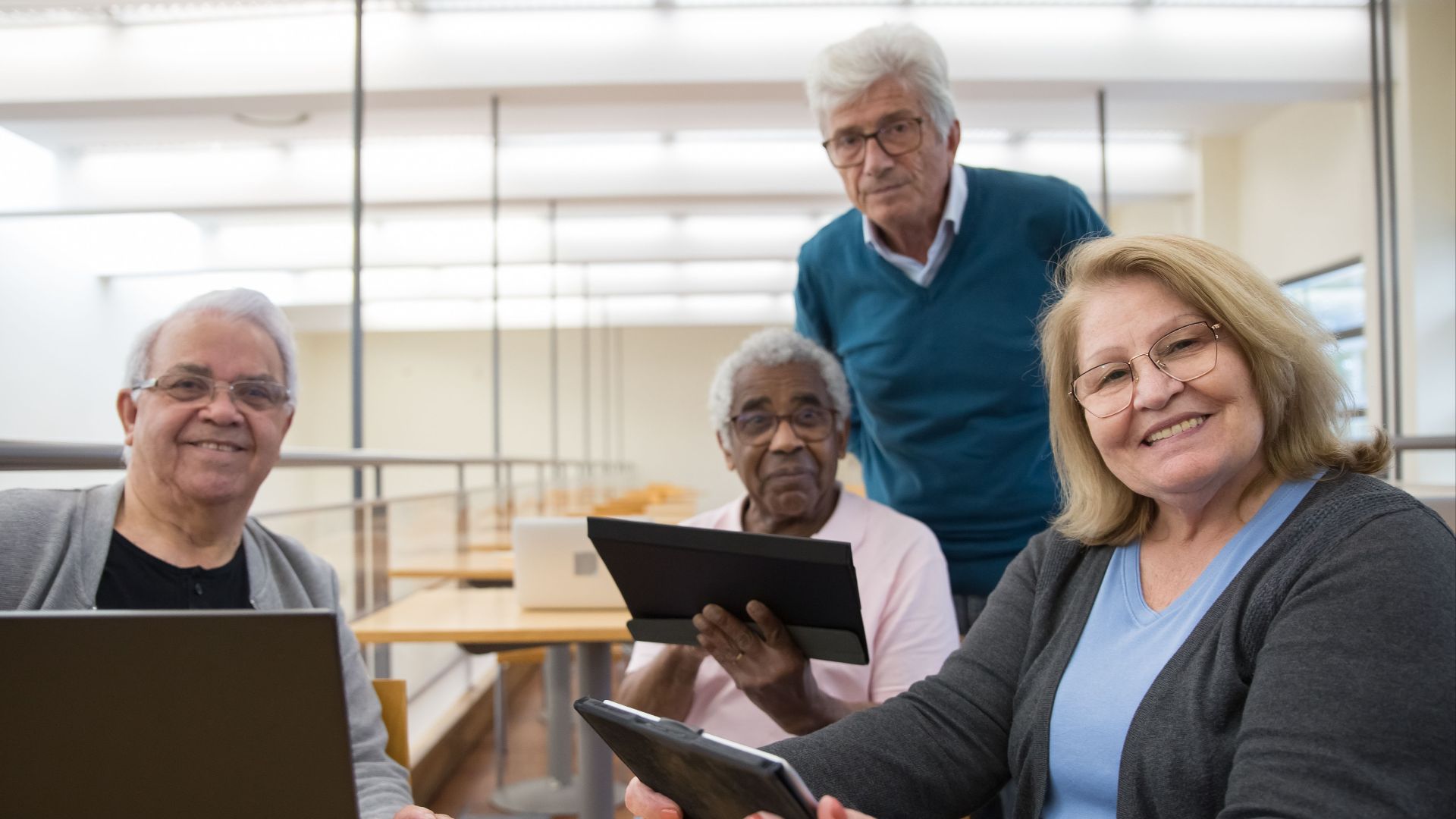
People born during the baby boom years grew up well before smartphones, streaming, online banking, GPS navigation, and many of the innovations and conveniences that now shape everyday life. That doesn’t mean every Boomer loves every new technology, but many modern improvements make staying connected, traveling, healthcare, and handling routine tasks much easier. From video calls to easier banking, these are 20 things that Boomers enjoy most about modern times.
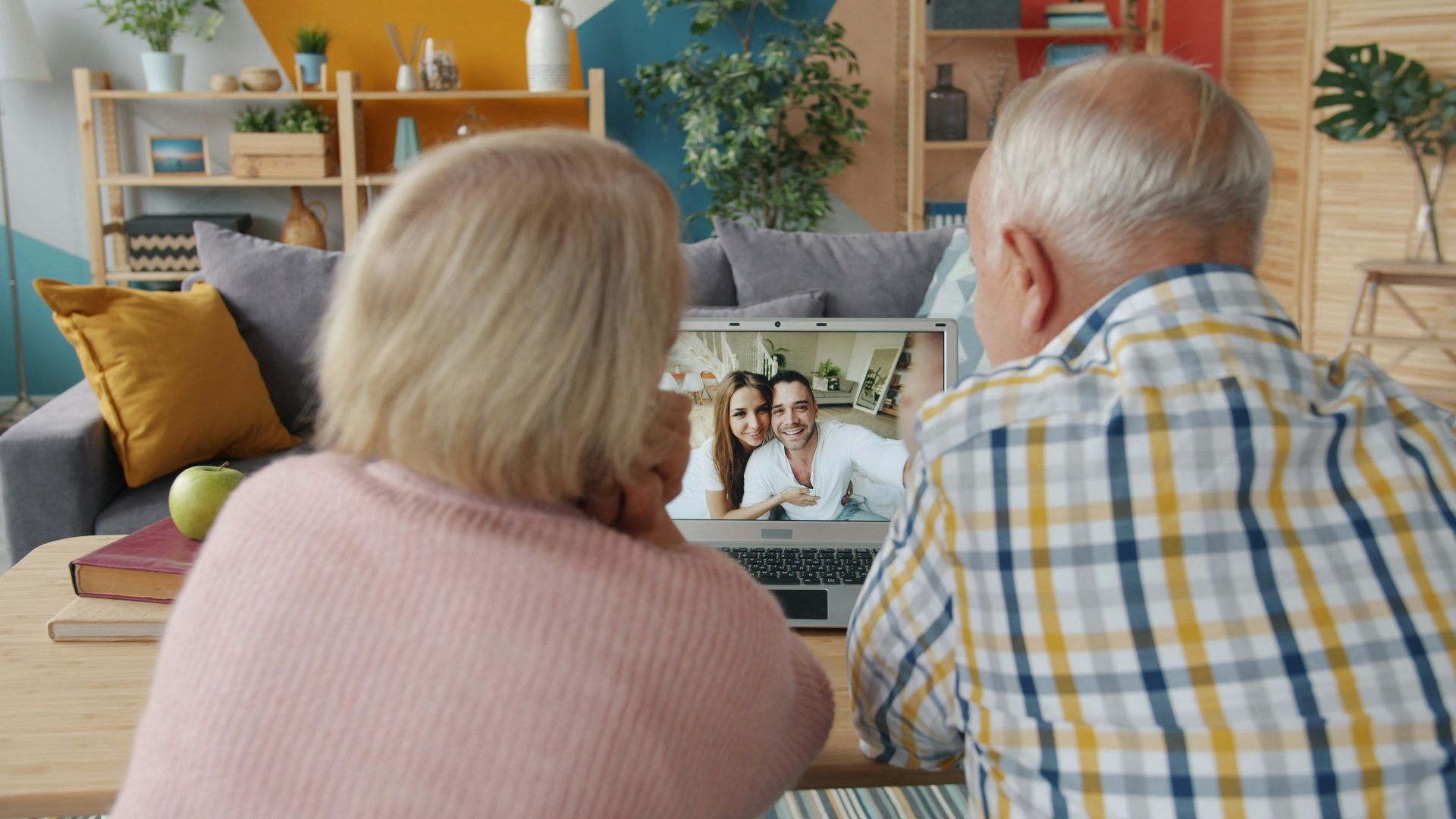
1. Video Calls With Family
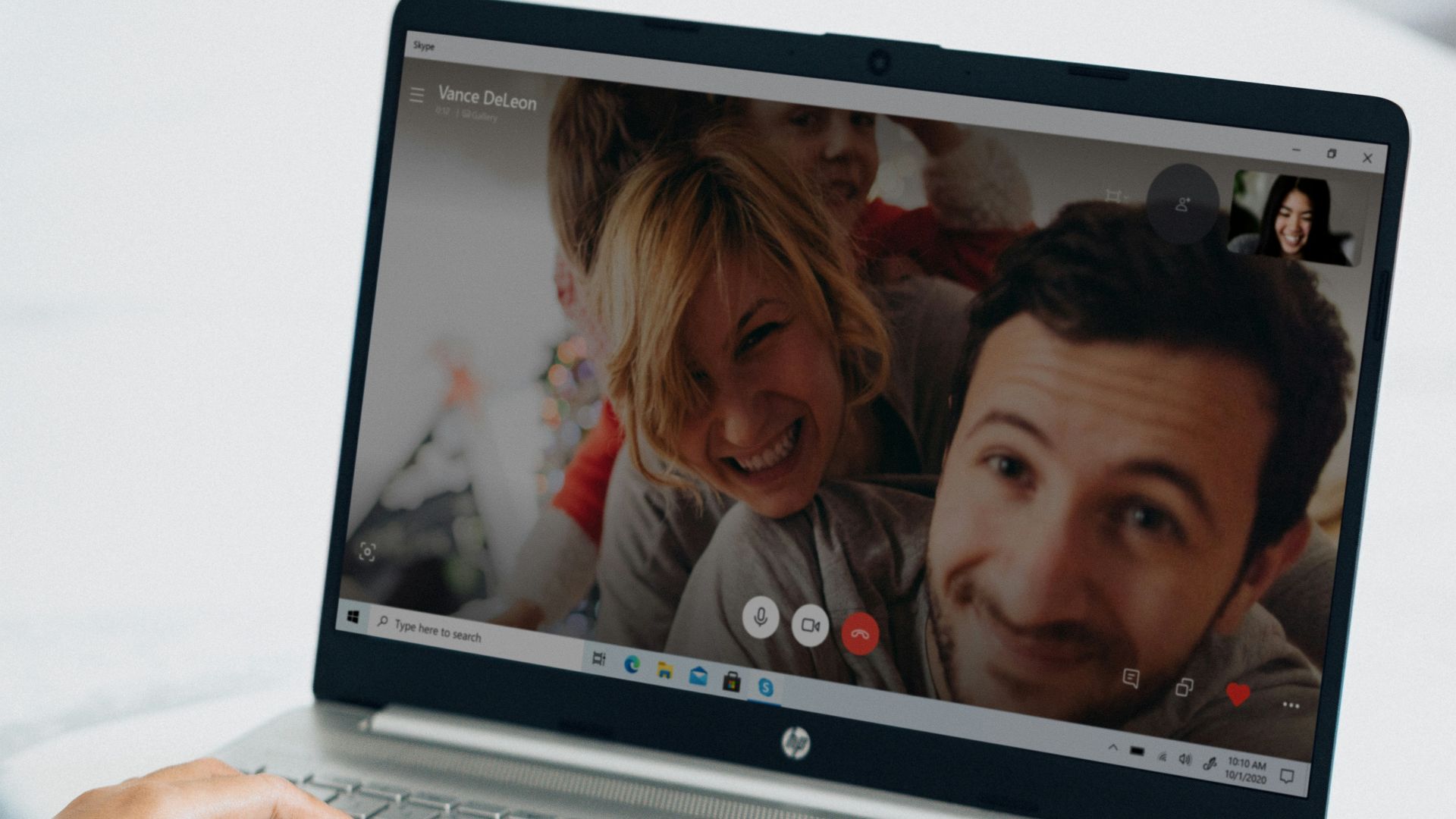
Video calling makes it far easier to stay involved with children, grandchildren, and friends who live far away. Instead of relying only on an occasional phone call or mailed photographs, people can now spend birthdays, holidays, and everyday moments together in real time. For families living in different states or countries, this convenience can be especially valuable.
2. GPS Navigation
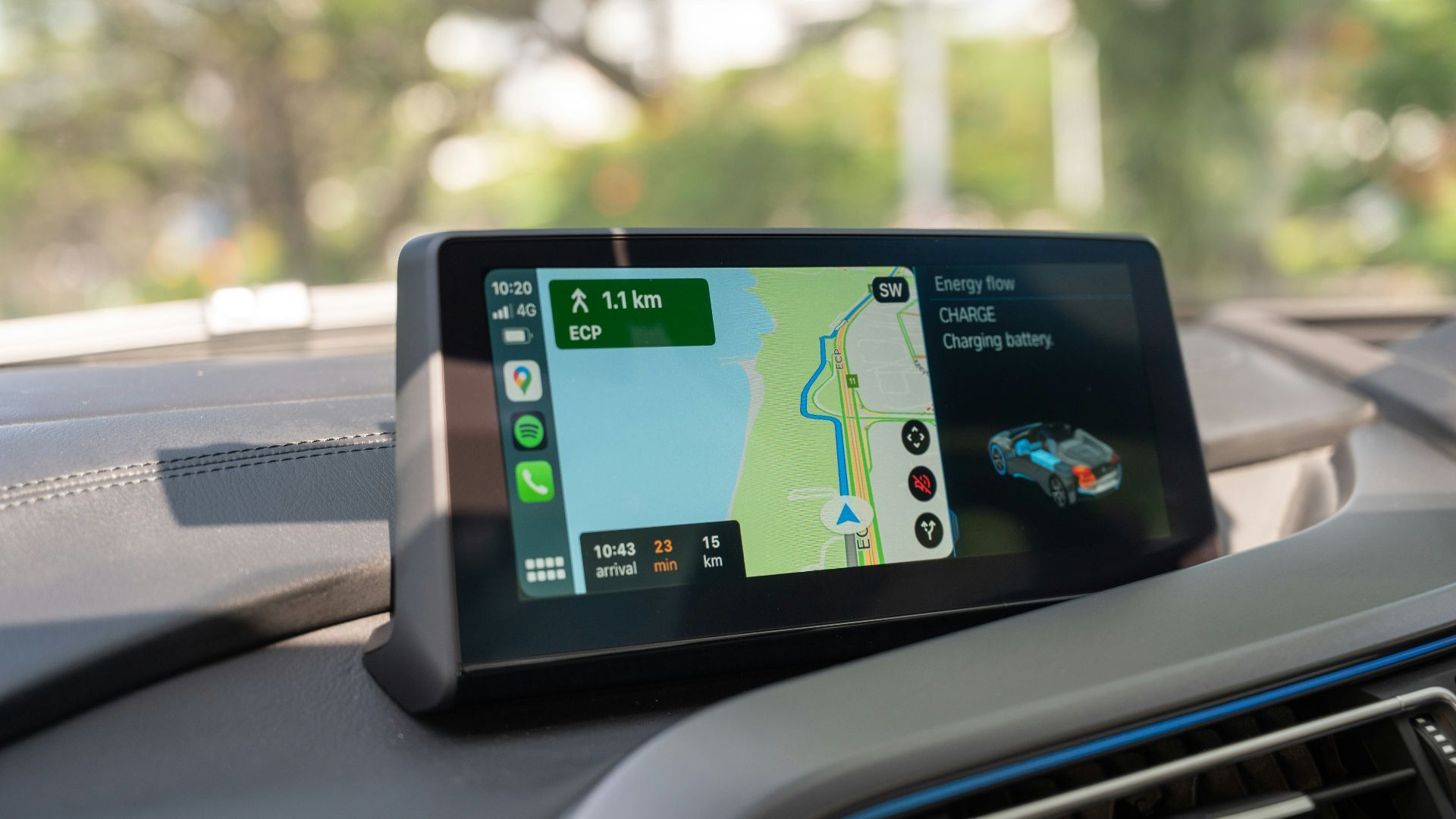
Paper maps and handwritten directions still have their place, but GPS has removed much of the uncertainty from unfamiliar drives. Modern navigation systems can provide turn-by-turn instructions, warn about traffic, and suggest alternate routes when needed. For anyone who remembers unfolding a road atlas in the passenger seat, that’s a meaningful upgrade.
3. Online Banking
Paying bills, checking balances, and transferring money no longer require waiting in line at the bank or a stack of envelopes. Online banking lets people handle most routine financial tasks from home at nearly any hour. Mobile alerts can also make it easier to spot fraudulent activity quickly.

4. Better Medical Imaging
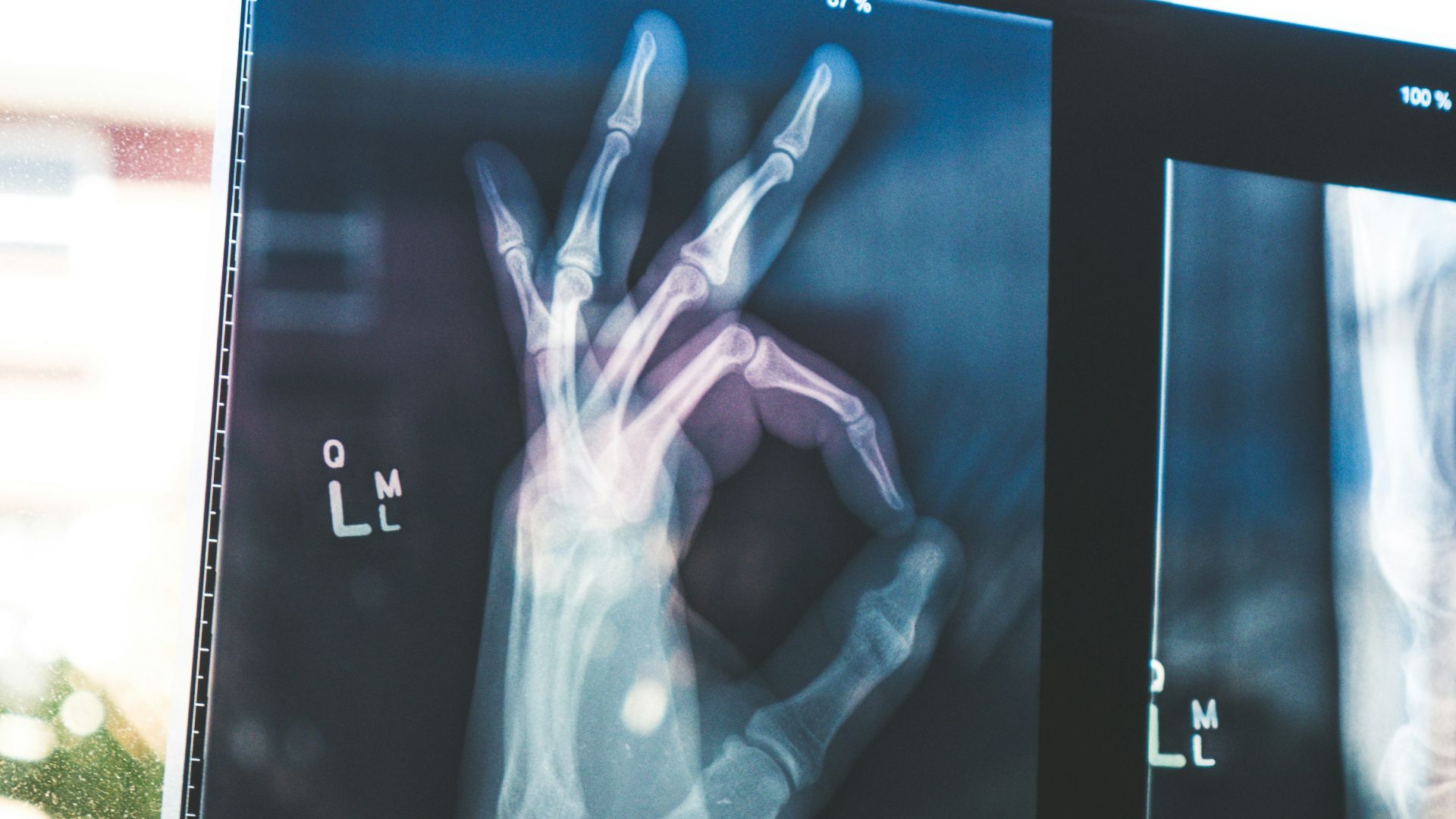
Medical imaging has advanced by leaps and bounds since the early decades of the baby boom generation. MRI, CT, ultrasound, and improved digital imaging can help doctors examine conditions that once required more invasive procedures or were tough to detect. Patients today often benefit from faster and more detailed diagnostic information.
5. Streamers
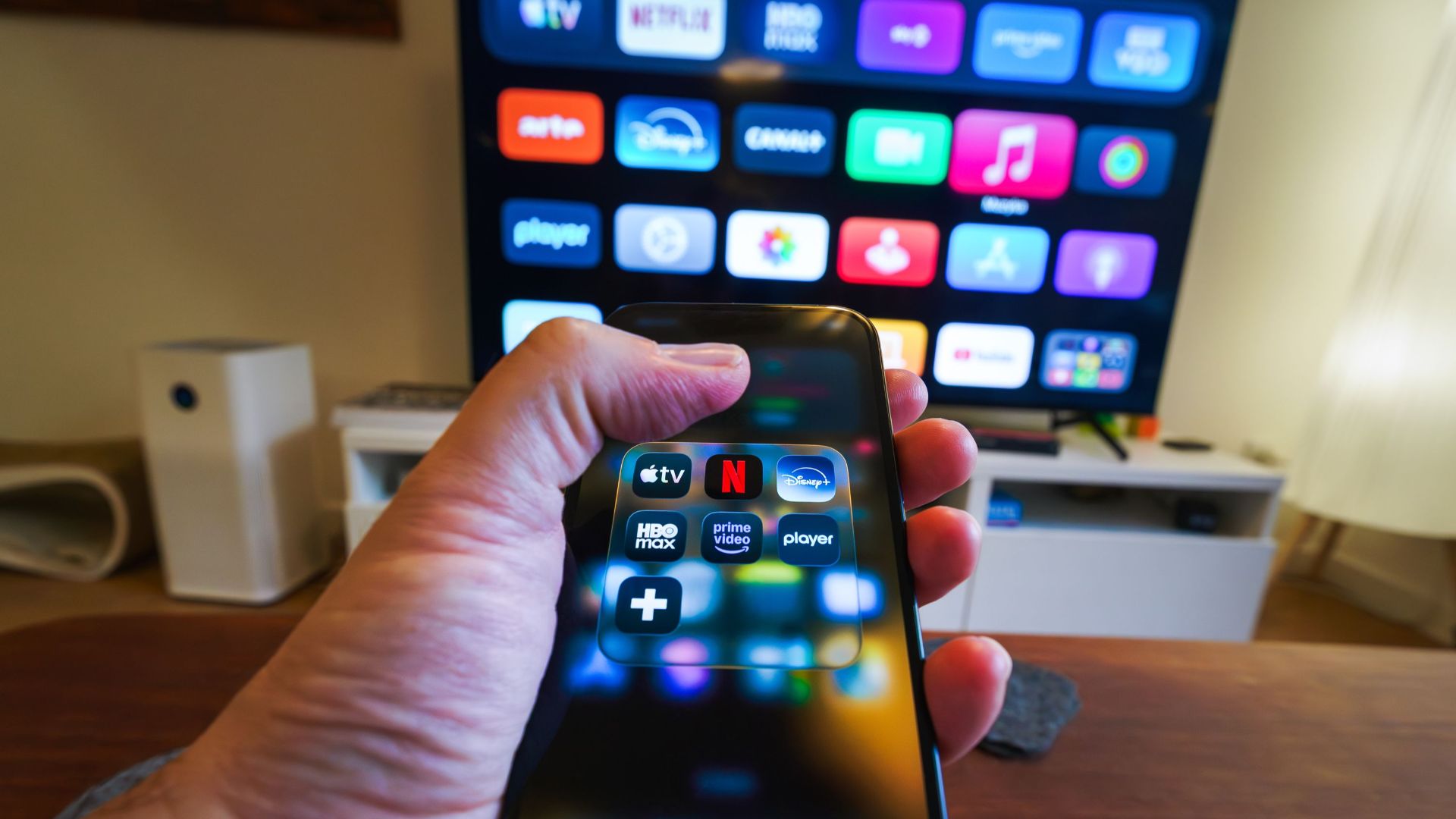
Television schedules and changes used to determine when you watched a favorite program, and missing an episode could mean waiting months for another opportunity. Streaming services changed that by making large libraries of TV shows and movies available on demand. Boomers who enjoy classic shows, documentaries, sports programming, or newer series can watch on their own schedules.
6. Smartphones
A smartphone combines a camera, calendar, map, flashlight, calculator, music player, and communication device in one small package. Although the learning curve can be rough, the convenience becomes too difficult to ignore once the basics become familiar.

7. Digital Photography
Film photography required buying rolls, limiting shots, and waiting for processing before discovering whether a picture turned out the way you wanted. Digital cameras and phones made photography faster and far less expensive per image. Sharing family photos also became dramatically easier because pictures can be sent almost instantly.

8. Online Shopping
Modern e-commerce can save considerable time for people who don’t want to drive across town to buy a particular product. Everything from household supplies to clothing and gifts can arrive at the door in a day or two. The ability to compare prices and read product details before buying also gives shoppers more information than traditional browsing often did.
9. Safer Cars
Modern vehicles include safety features that were uncommon or unavailable when Boomers first started driving. Airbags, electronic stability control, backup cameras, and advanced driver-assistance systems have all become widespread among cars.

10. Easier Travel Booking
Planning a vacation once meant calling airlines, hotels, and travel agents separately or relying heavily on printed brochures. Today, travelers can compare schedules, rooms, and fares from the comfort of their home in minutes. Digital boarding passes and online check-in have removed even more paperwork from the gruelling process.

11. Prescription Convenience
Many pharmacies now offer automatic refills, text reminders, online account management, and home delivery options. These services can make recurring prescriptions easier to manage, particularly for people taking several medications. Electronic prescribing has also reduced the need to carry handwritten prescriptions between offices and pharmacies.

12. Instant Access To Music
Boomers grew up buying vinyls, tapes, and later CDs, so the modern music library would have seemed extraordinary only decades ago. Streaming platforms provide access to enormous catalogs without requiring shelves of physical media.
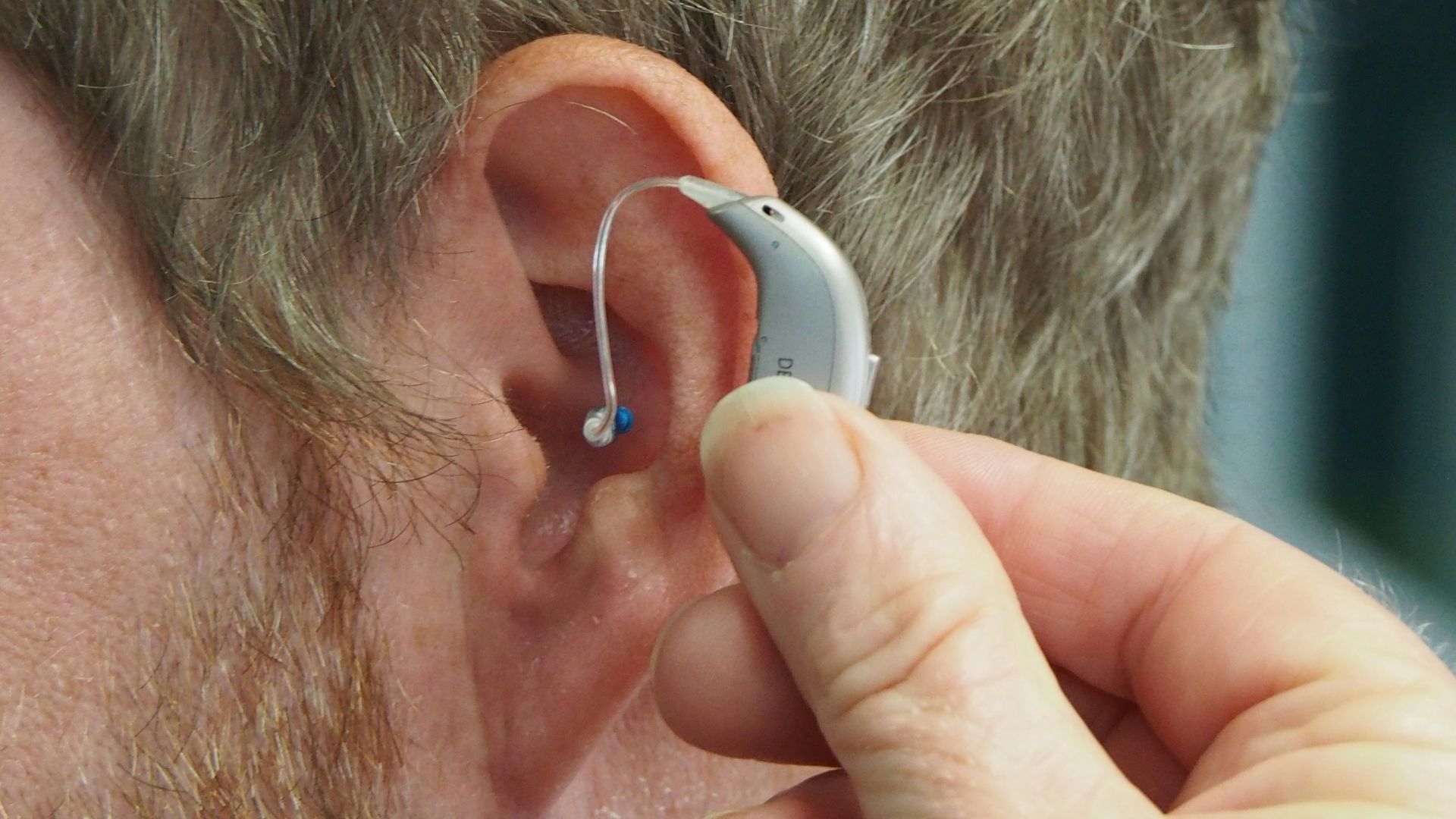
13. Better Hearing Technology
Hearing aids have become smaller and more sophisticated, with many modern devices offering digital processing and wireless connectivity. Some models can connect directly to phones, televisions, and other electronics.
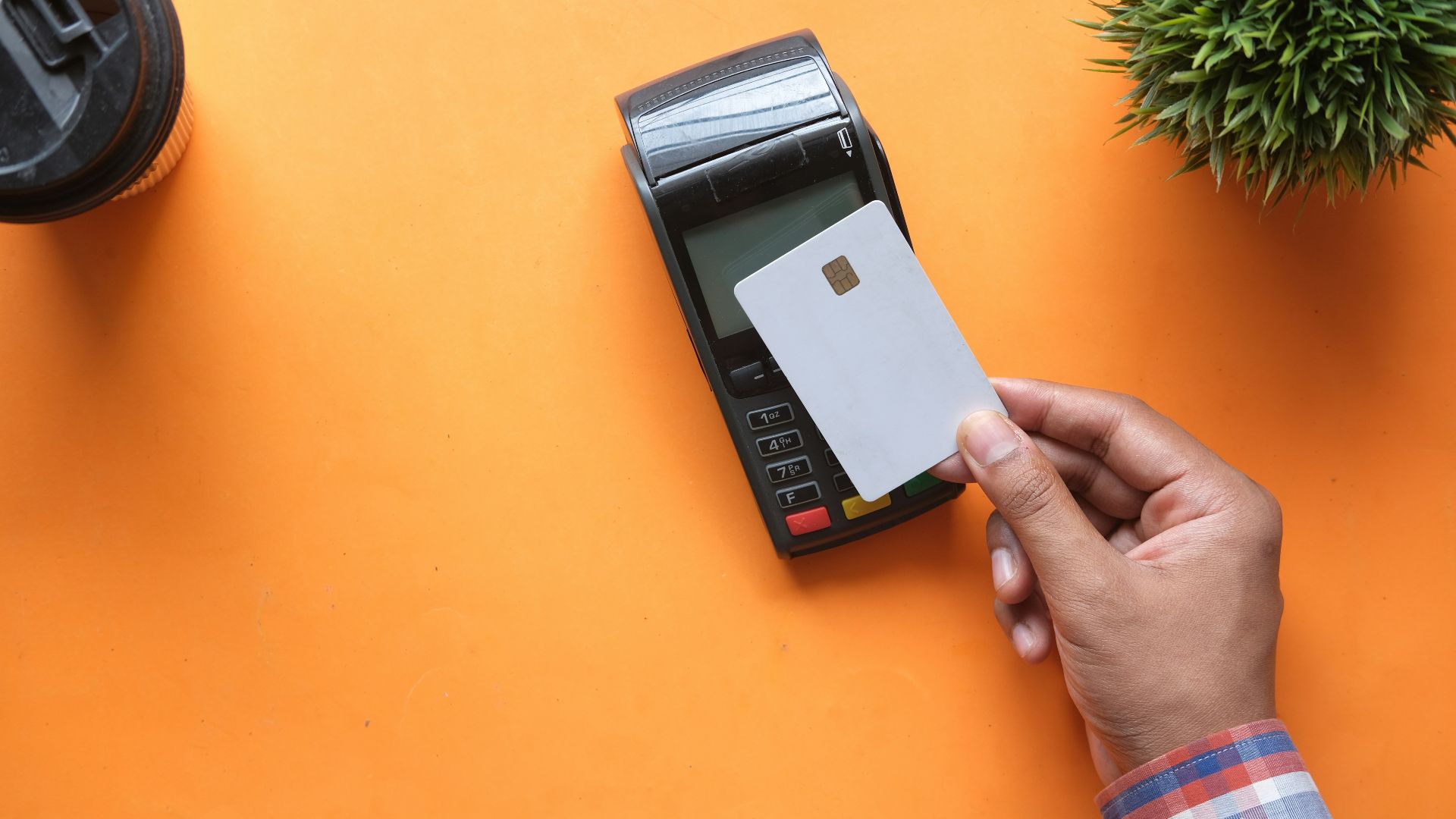
14. Contactless Payments
Paying for groceries, food delivery, or coffee no longer always requires counting cash or signing a paper receipt. Contactless cards and digital wallets let shoppers complete many transactions with a simple tap. Once people become comfortable with the technology, checkout can feel considerably faster and more straightforward.
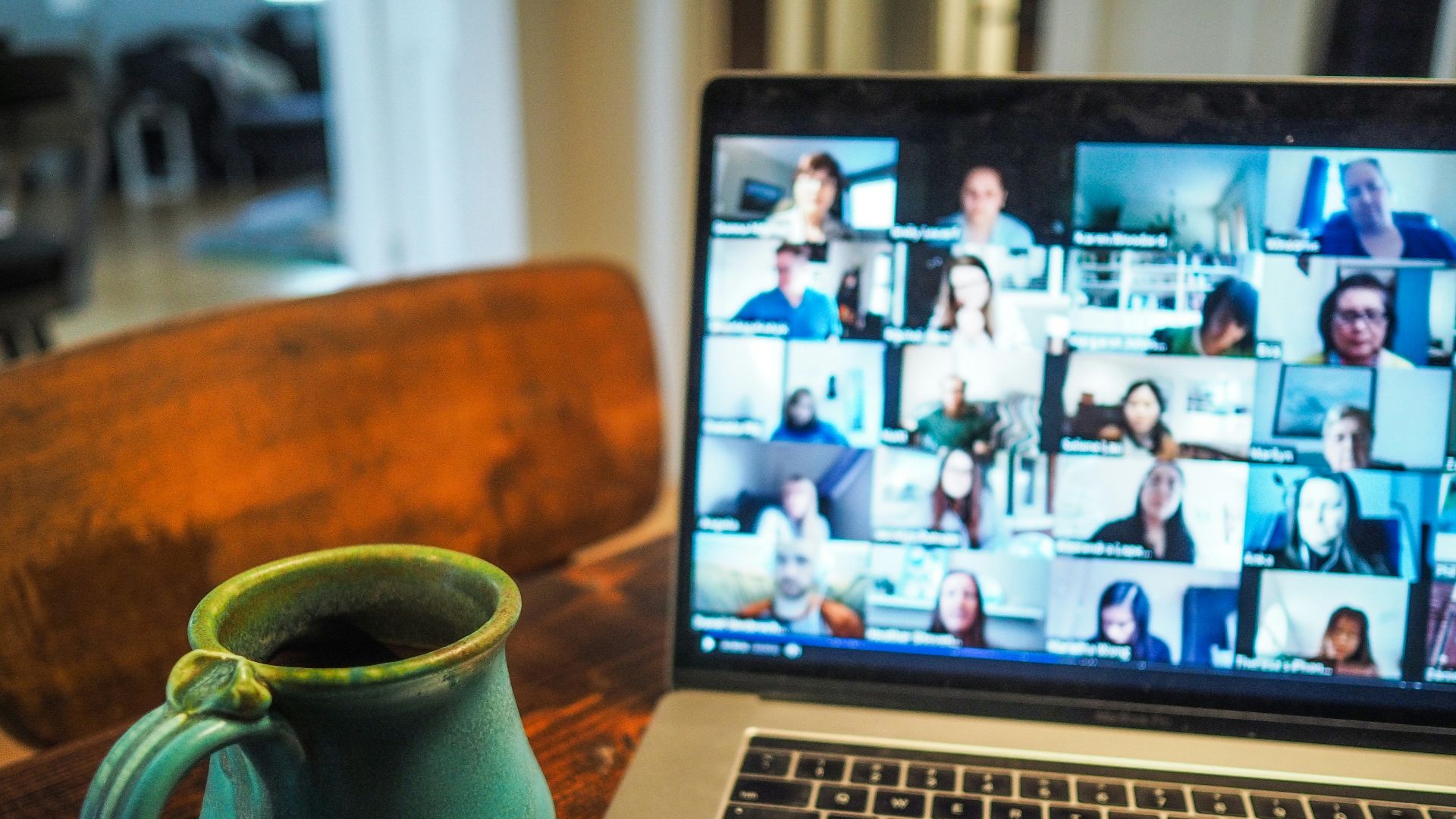
15. Online Learning
Modern adults can take courses, watch instructional videos, or attend virtual lectures without enrolling in a traditional class or setting foot in a classroom. This makes it easier to explore history, languages, technology, hobbies, and countless other interests.
16. Improved Home Comfort
Programmable thermostats, efficient heating and cooling systems, and better insulation have made many homes easier to manage daily. Smart thermostats can automatically adjust temperatures based on schedules and preferences.

17. Easier Long-Distance Communication
Long-distance phone calls once came with a high price tag, making families more conscious of how long they stayed on the line. Internet-based calling and modern phone plans have largely changed that experience.
18. More Flexible Work Options
Remote and hybrid work became far more common during the 2020s, giving many workers greater flexibility about where they perform their jobs. Older employees approaching retirement can sometimes benefit from reduced commuting or more adaptable schedules.

19. Digital Access To Records
Important information that once required phone calls, paper files, or in-person requests is increasingly available online. Patient portals can provide test results and appointment information, while government and financial services offer digital records and forms.

20. Staying Connected Through Social Media
Social media can help Boomers reconnect with classmates, former coworkers, distant relatives, and old friends they might otherwise have lost touch with. They also make it easier to follow community groups, hobbies, local and current events, and family updates.