
Being Alone Changes You
Though people love to poke fun at the lone wolf, having no friends doesn't mean there's anything wrong with you! The only thing it does mean is that spending long periods without close friendships can influence your personality. Whether you've chosen to be an island or simply haven't found your people yet, living without a social circle can change how you think, behave, and approach relationships—even if you don’t think it plays that big of a role. With that, let’s explore 20 personality traits that can become especially noticeable when you're used to navigating life on your own.

1. Extreme Self-Reliance
When you don't have friends to turn to, you learn how to handle everything yourself. That’s a good thing on paper, but it can also come with some drawbacks if you aren’t careful. In reality, this independence can become so deeply ingrained that accepting help feels uncomfortable even when you genuinely need it.

2. Suspicion of Kindness
Someone offering to buy you coffee? Someone else inviting you to dinner? What seems like normal gestures to everyone else might just set off alarm bells in your head. After so long alone, you may find yourself questioning sincere gestures simply because you're not used to them.

3. Emotional Self-Containment
People without close friends sometimes get remarkably good at keeping their feelings close to the chest. Instead of calling someone after a difficult day, you might write in a journal, go for a walk, or quietly process everything while you prepare dinner. But next thing you know, expressing sadness or even excitement to another person can feel strangely unnatural.

4. Fierce Privacy
When nobody pries into your personal life, keeping information to yourself is basically second nature. You could easily work with the same colleagues for five years without mentioning that you've recently gotten divorced or moved apartments—and that’s normal for you. Even harmless questions can seem weirdly personal when you're accustomed to living as a lone wolf.

5. Reluctance to Celebrate Yourself
Imagine getting an impressive promotion but having nobody to share the news with. That might be fine once or twice, but over time, you might stop celebrating your accomplishments altogether. Birthdays, career milestones, and personal victories can gradually become ordinary days rather than occasions worth popping champagne for.

6. Exceptional Resourcefulness
Having no dependable social circle can encourage you to get a little creative when solving problems. Again, that’s a good and bad thing! The good news is that you probably taught yourself basic plumbing or figured out how to assemble a sofa without assistance. The bad news is that your first instinct is usually to fix the problem on your own going forward, even if you can’t.

7. Heightened Sensitivity to Rejection
After so much loneliness, even small social disappointments can carry a heavy weight. A coworker forgetting to include you in a lunch invitation might send you spiraling, questioning whether anyone even wants you around. Although the oversight could be totally innocent, it doesn’t feel that way to you.
 Katie Drazdauskaite on Unsplash
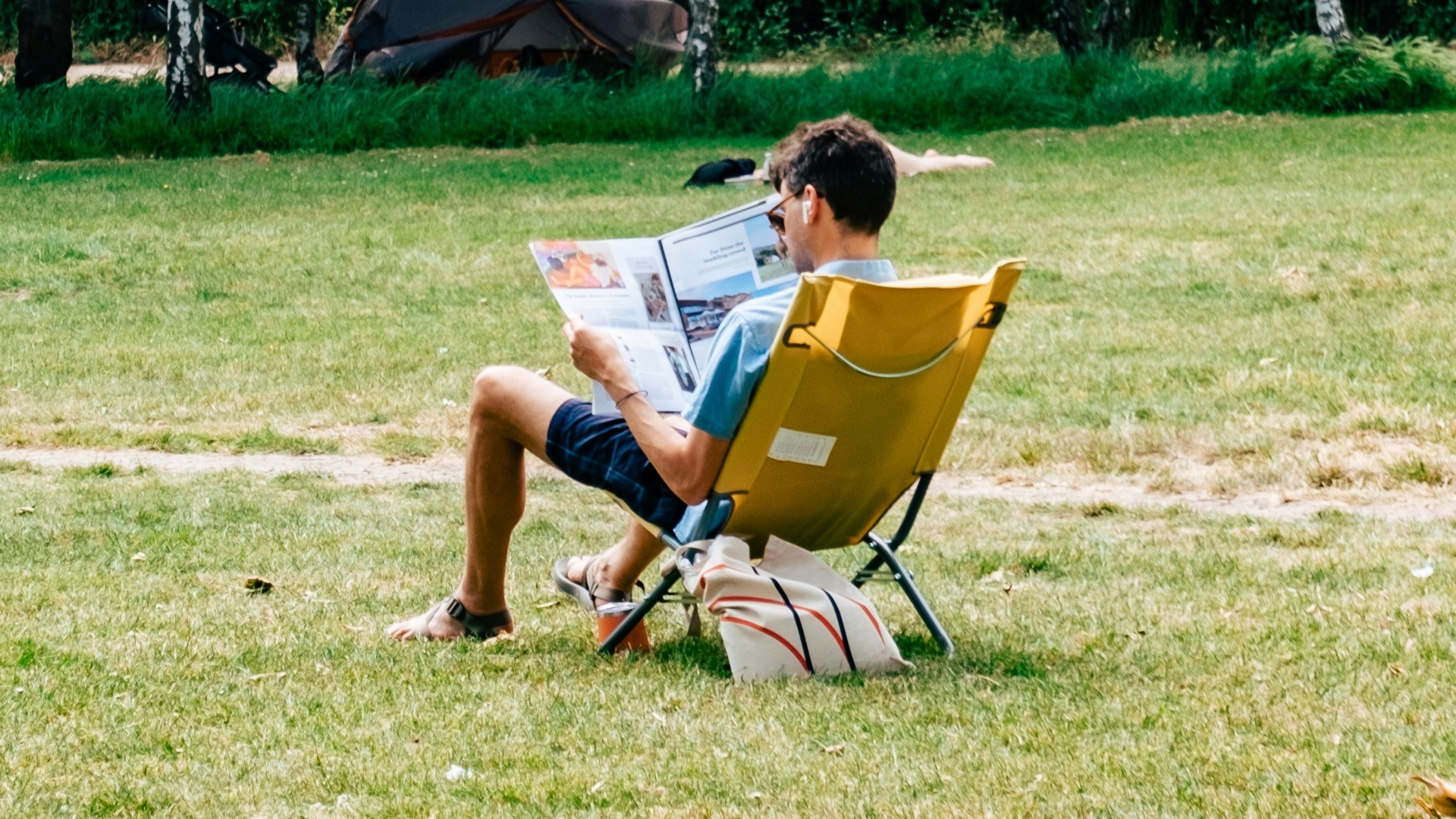
8. Unusual Comfort With Silence
Some people can't stand an afternoon without idle chit-chat, but not you! You've developed a completely different relationship with quiet spaces. You don't necessarily need constant stimulation because uninterrupted silence has become a familiar part of your daily routine.
 Samuel Regan-Asante on Unsplash
9. Difficulty Compromising
Living independently means you rarely need to consider another person's input when making decisions. You choose the restaurant, you control the TV, and you decide exactly what your weekend looks like. But that’s not always a good thing when you do find someone whose company you enjoy! Consequently, accommodating somebody else can require more patience than you thought.

10. Intense Self-Awareness
Forget about social distractions—you turn inward to examine your own decisions and habits. Without any outside noise, you've noticed exactly why certain conversations upset you or identified personal insecurities that you once brushed off. It’s a double-edged sword, though; that awareness can encourage meaningful growth, but excessive self-examination can also cause unnecessary criticism.

11. Social Hypervigilance
You might become far too attentive to how other people behave around you, especially if you aren’t used to being surrounded. A slight change in someone's tone? An unanswered message? While other people ignore those bumps in the road, you might sit and nitpick them.

12. Strong Personal Convictions
We can’t help it—we often adjust our opinions to accommodate our social circles. But you don’t. Without that regular influence, you’re particularly firm about your opinions, lifestyle choices, and personal values. Just keep an eye out; although knowing what you want is a good thing, you may also get less accustomed to having those beliefs challenged.

13. Reluctance to Depend on Others
Why would you depend on other people when you’ve only ever relied on yourself? The biggest difference here is that you don’t just enjoy independence; you believe that relying on someone is risky. If you've repeatedly faced important moments alone, you likely avoid depending on people even when they've shown actual reliability.

14. A Highly Developed Imagination
With so much free time on your hands, your brain is bound to wander. Don’t be surprised if you start to invent elaborate stories, create imaginary conversations, or even spend entire evenings thinking of fictional characters. It’s not as crazy as it sounds, either—these habits can support creativity!

15. Discomfort With Being the Center of Attention
Without friends playfully teasing or celebrating you, personal attention can start to make you surprisingly uncomfortable. Imagine going from being the wallflower to now having several coworkers around your desk to sing happy birthday. Of course you’d feel weird!

16. A Protective Attitude Toward Your Time
It’s hard to part with free time when you’ve spent years arranging your schedule around personal preferences. Suddenly, it’s easy to decline a spontaneous dinner invitation or turn down a night at the movies. It's not necessarily that you dislike the person inviting you, but your own plans are more important.

17. An Unusually High Tolerance For Boredom
Not everyone can say the same thing, so count yourself lucky! When you entertain yourself, you eventually learn that every moment doesn't need to be exciting. Waiting at the doctor's office without scrolling through your phone or spending a rainy Saturday organizing old photographs might not bother you.

18. A Tendency to Expect Disappointment
Repeatedly experiencing birthdays without invitations or weekends without messages can influence what you expect from relationships. When a coworker asks to meet for coffee, don’t be surprised if your mind plays tricks on you, telling you that they'll cancel before you've even agreed on a time. It’s defensive pessimism—don’t give in to it! It can discourage you from pursuing promising connections.

19. An All-Or-Nothing Approach to Friendship
Without much experience maintaining casual friendships, you might struggle to recognize that relationships develop at different speeds. Someone who enjoys chatting during lunch but doesn't immediately share secrets could seem uninterested in becoming your friend. Try to stop the habit before it starts; you don’t want to dismiss perfectly healthy acquaintanceships.
 Land O'Lakes, Inc. on Unsplash
20. Extraordinary Appreciation For Connection
Interestingly, having no friends can sometimes make you particularly appreciative when somebody finally demonstrates sincere interest in you. A person remembering your favorite coffee order or checking whether you arrived home safely might mean considerably more than they realize.