Why They’re Rushing To Leave
You don't need expensive furniture, designer decorations, or a professionally styled living room to make guests feel comfortable in your home. Sometimes, it's the little things that make people feel awkward, from a pile of shoes blocking the entrance to a bathroom that could use a little attention. While nobody expects your home to look perfect, a few common habits and overlooked details can make visitors feel less welcome than you'd like.
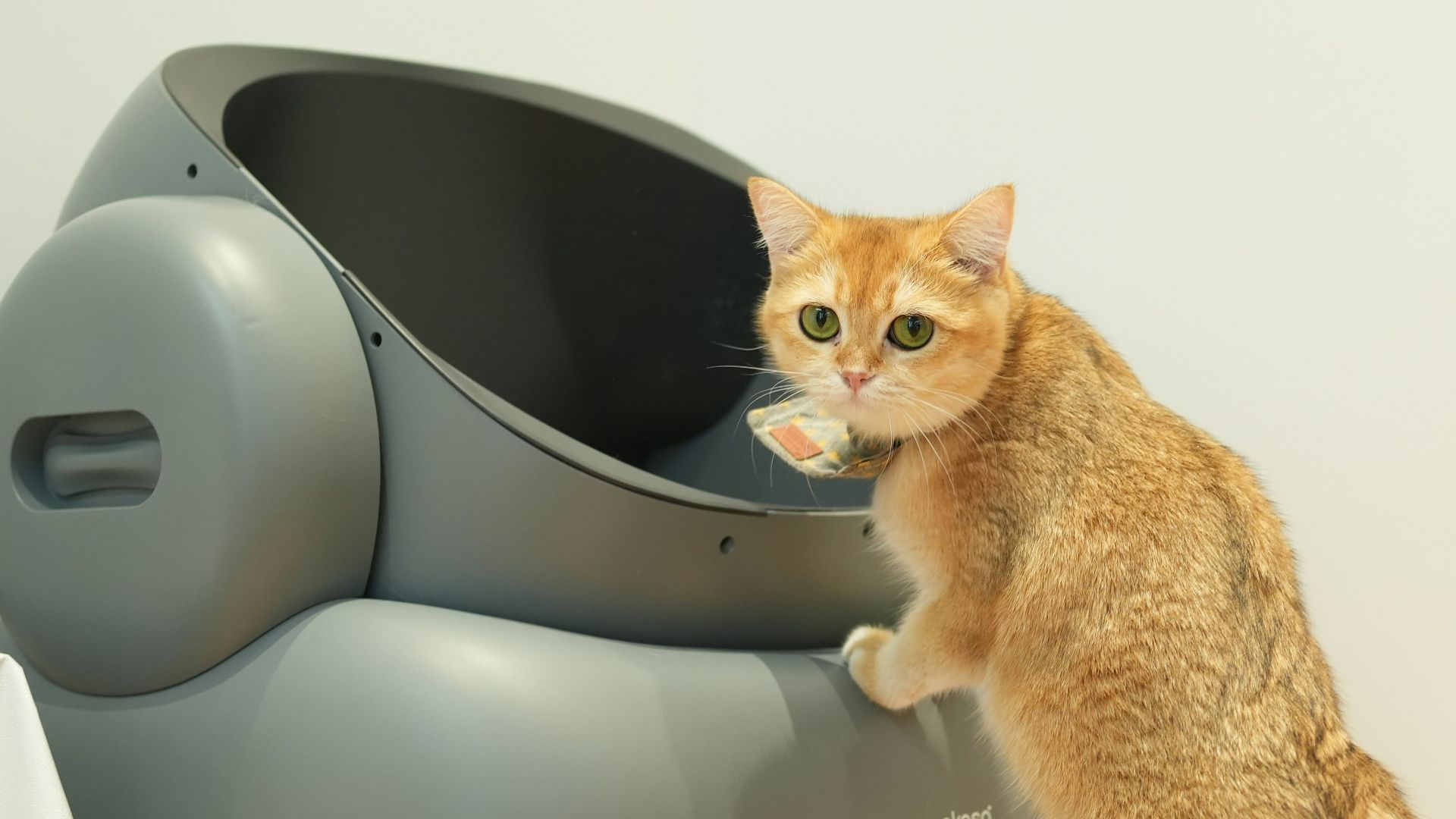
1. A Cluttered Entryway
Your guests notice your entryway before they even step inside, so if it's a mess, they're probably going to feel uncomfortable right away. If there are shoes, coats, mail, bags, etc., taking up all your floor space, your guests won't know where to put their belongings. It doesn't have to be extravagant; just leave some room and have a few hooks or somewhere to place their shoes.
2. Uncomfortable Seating
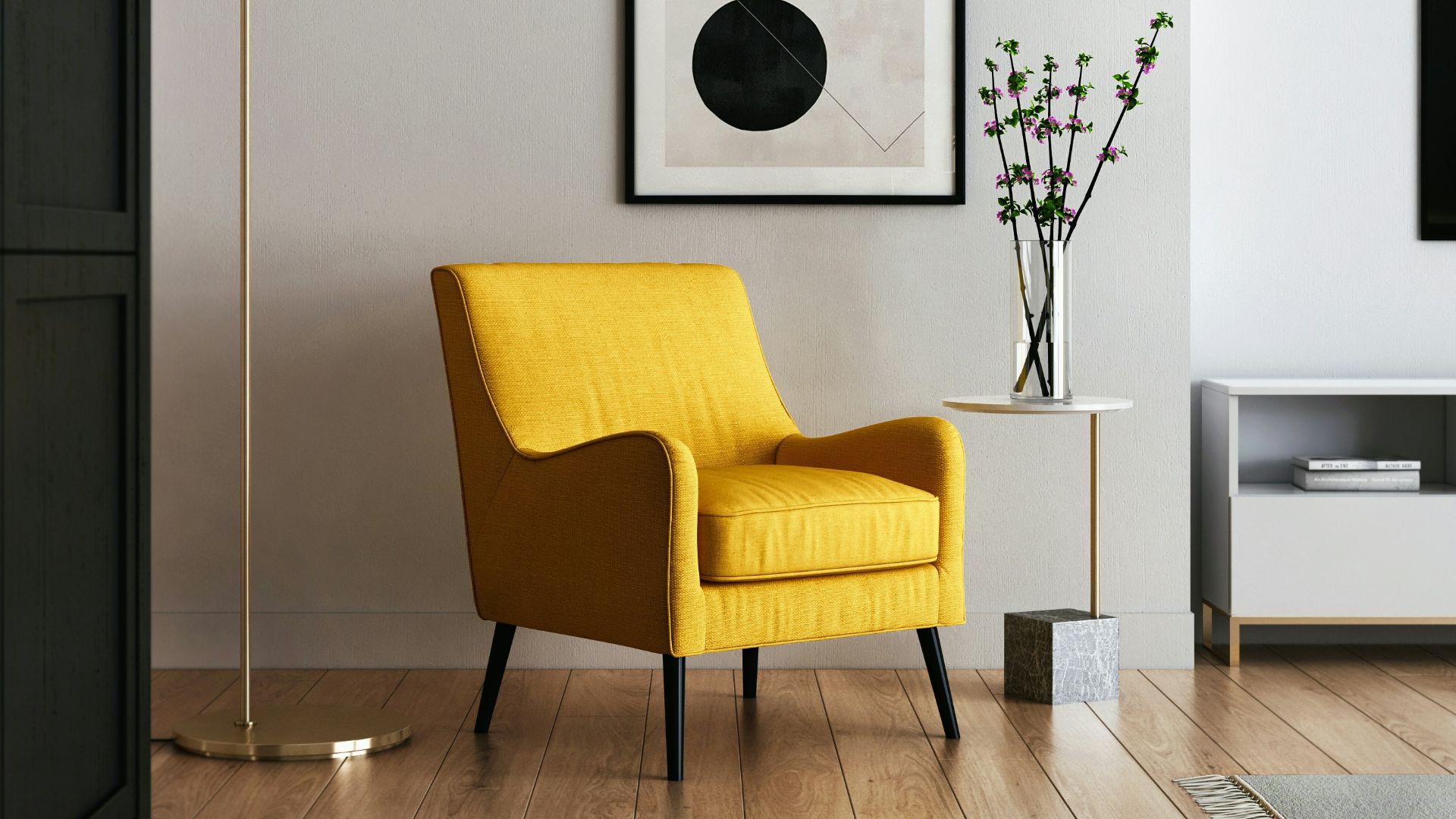
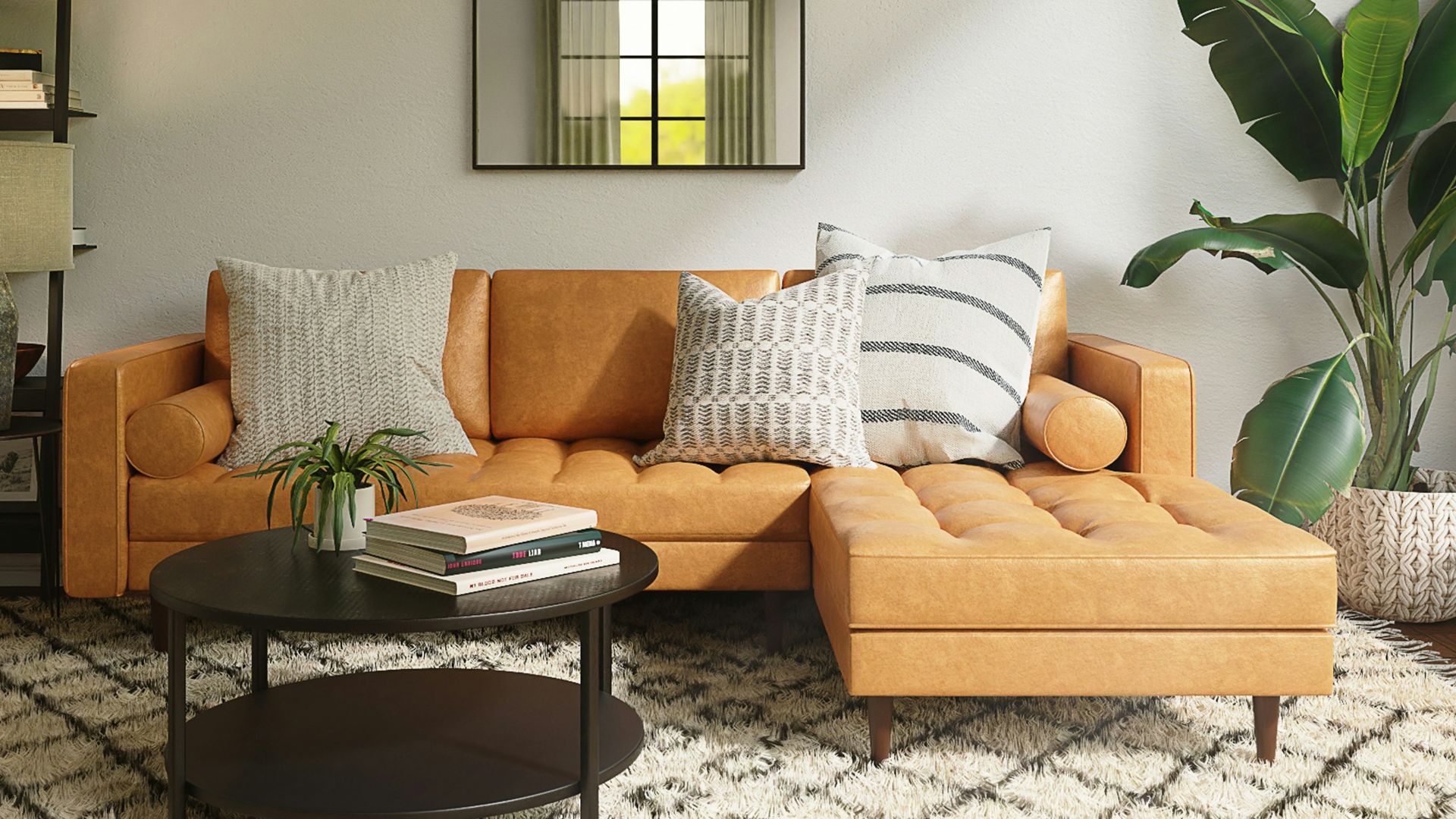
Your living room might look great in pictures, but if your guests aren't comfortable, it won't matter. Have you ever been to a house where you could barely see who you were talking to? It makes chatting extremely uncomfortable.
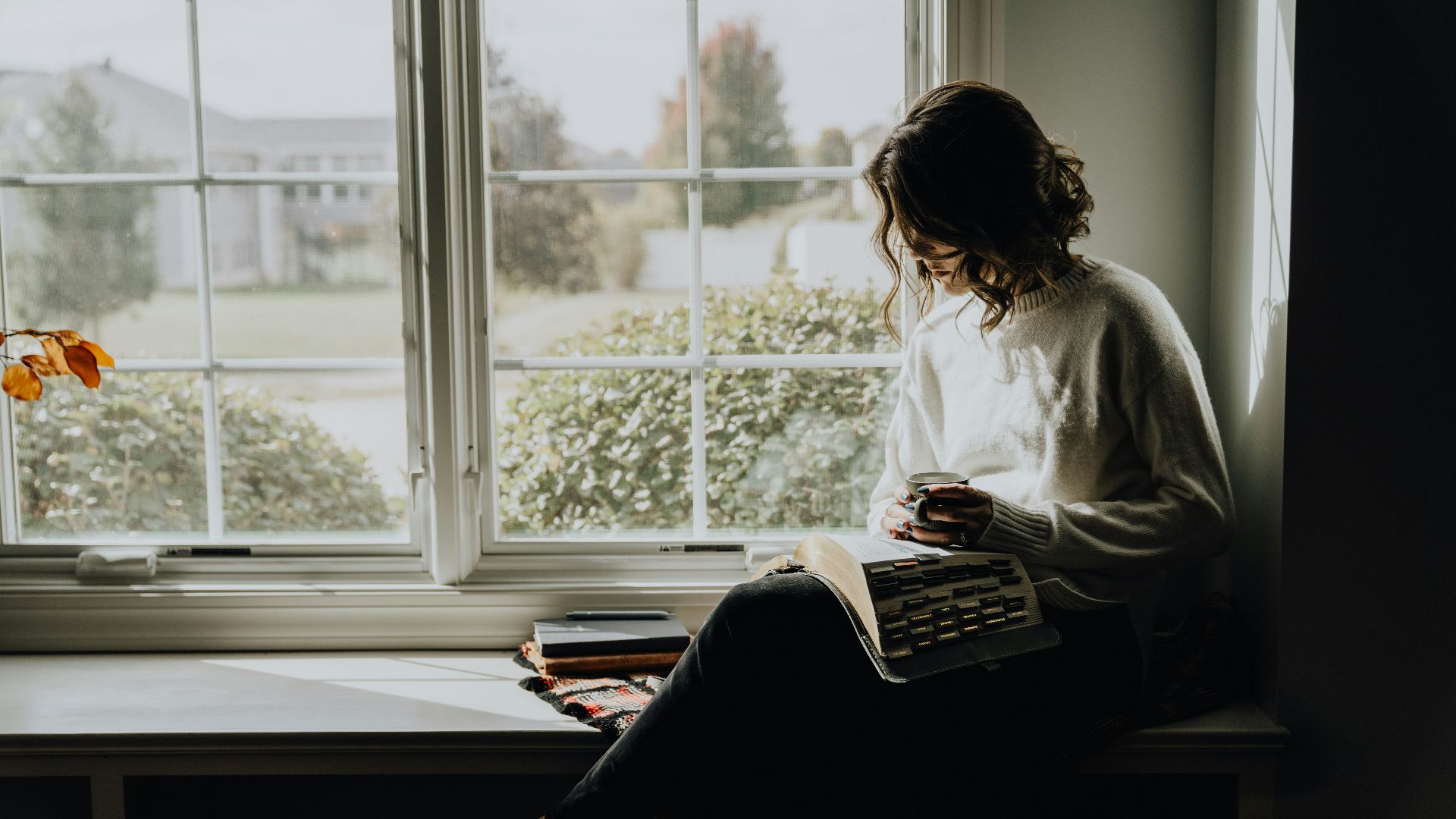
3. Bad Smells You Don't Notice Anymore
Everyone notices odors in other people's houses, but you can become used to them when they're in your own home. Old cooking smells, wet towels, pet odors, garbage that needs to be taken out, or even stale air can make your home less inviting. Rather than trying to cover every smell with a strong air freshener, identify the source.
4. A Bathroom That's Been Forgotten
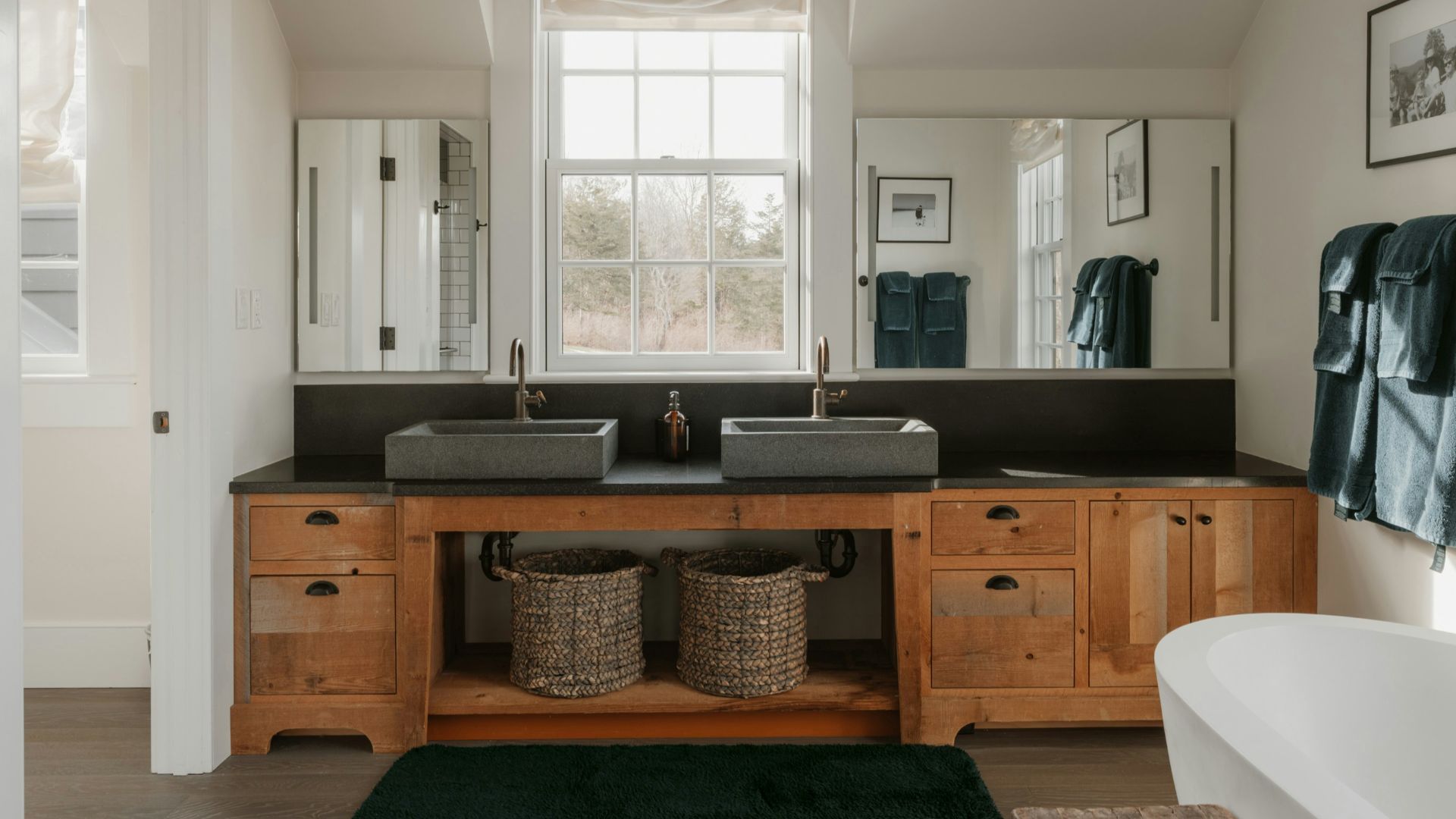
No one is going to care about the books you have on your shelf if your guests walk into an unkempt bathroom. A dirty toilet, toothpaste-covered sink, empty toilet paper roll, or damp hand towel can leave visitors feeling uncomfortable about using the space. Don't forget to keep the essentials stocked.
5. Lighting That's Too Harsh
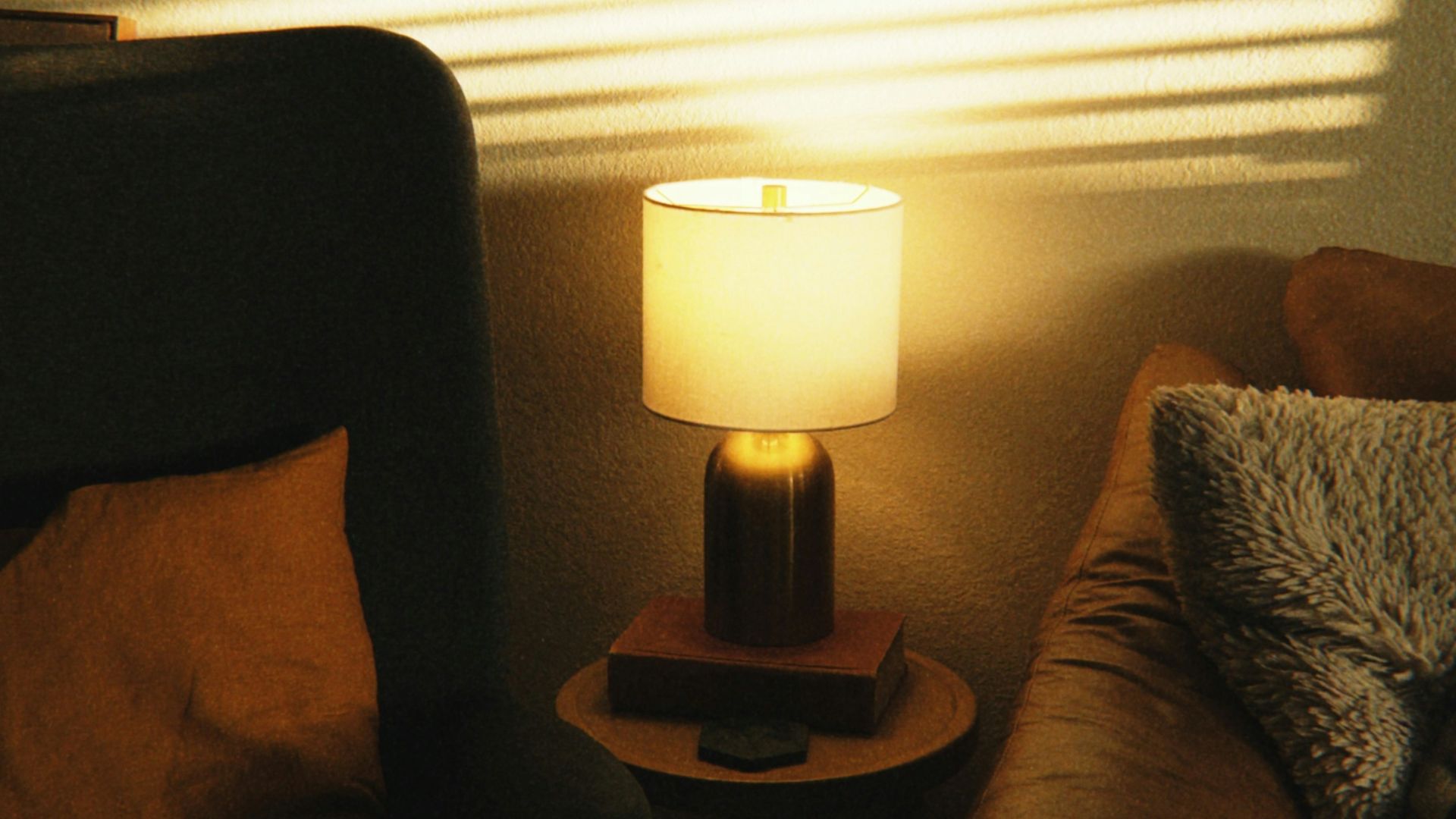
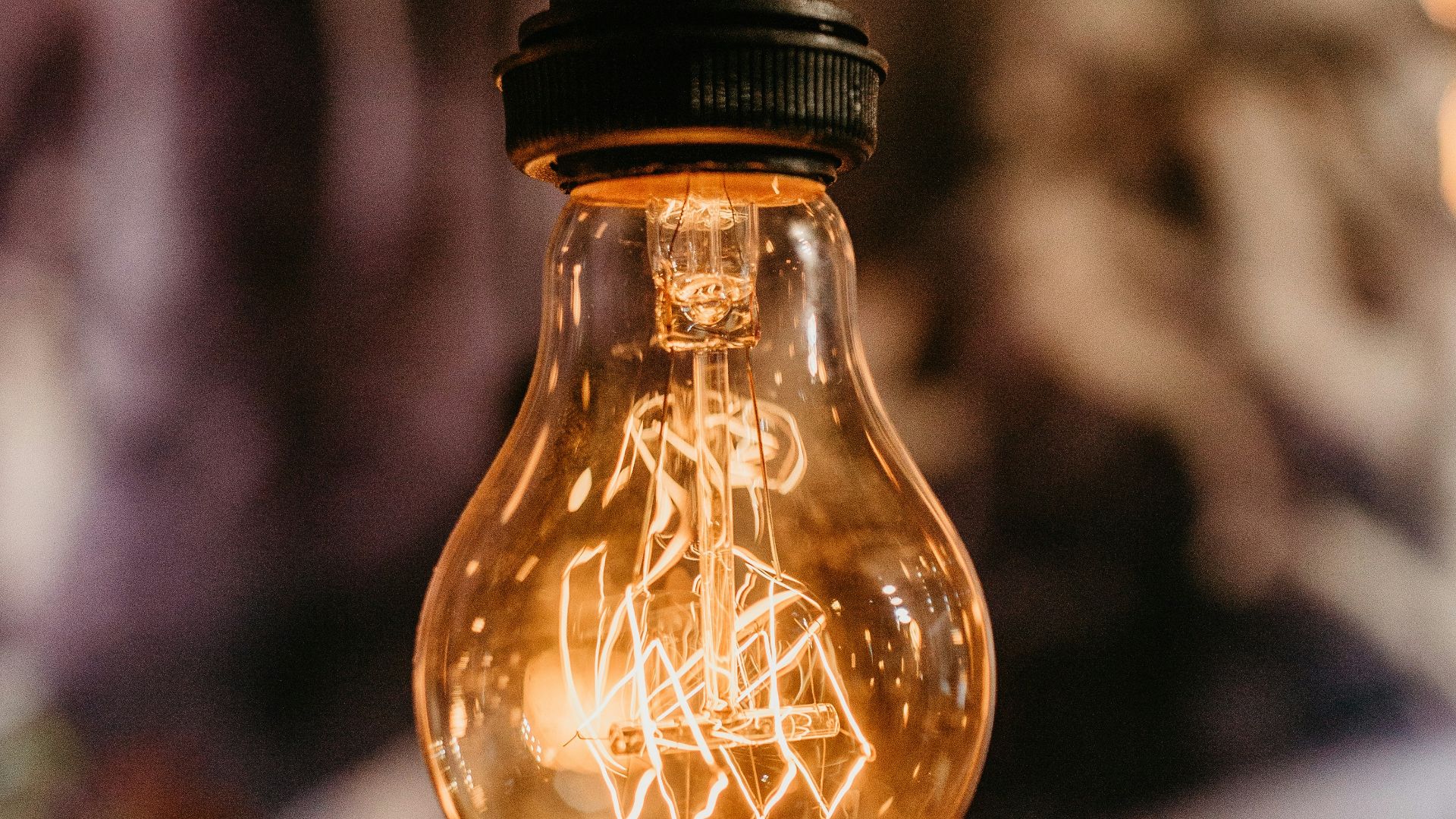
Everyone likes to turn on bright lights when they're cleaning or looking for that thing they can never find. But bright lights aren't always a good vibe. On the other hand, lighting that's too dim can also create an uncomfortable environment for your guests.
 Christopher Stites on Unsplash
6. Too Much Noise
Your TV might be blaring, music might be playing at full volume, or every device in your house might be going off. Your guests may not enjoy this environment, so lower the volume when they come over. Turn the volume down when people arrive, and let your guests decide whether they'd enjoy some background music or a quieter setting.
7. A Home That's Too Cold or Too Hot
Nobody wants to visit someone and feel cold or too hot throughout the whole visit. Some people enjoy colder temperatures, while others prefer warmer temperatures. If your guests come over and your house is very cold, they're probably not going to have the nicest experience.
8. Personal Belongings Everywhere
Of course, you want your house to have that lived-in feel. But you don't want to overwhelm your guests with clothes everywhere, half-drunk coffee, or makeup on the counters. Some people don't feel comfortable walking into other people's houses and seeing personal information left out.
9. Fragile Decorations Nobody Can Touch
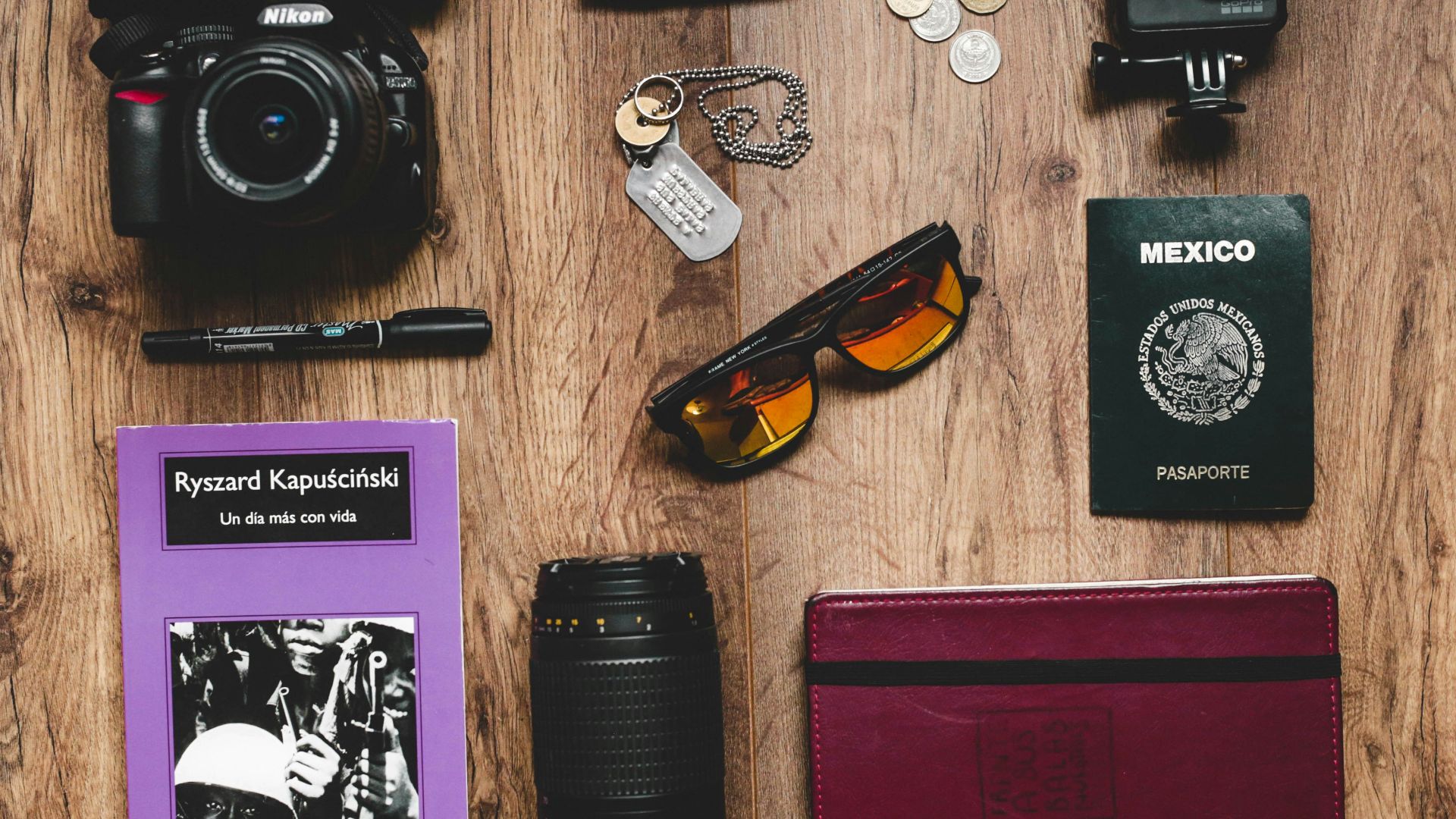
Having a lot of decorative items is great, but if your guests are worried about breaking them, they might feel uncomfortable. Don't put everything on display if your guests can't touch it without worrying about breaking something or where to put their hands. Keep especially valuable or fragile pieces somewhere safe.
10. No Clear Place for Guests to Put Their Things
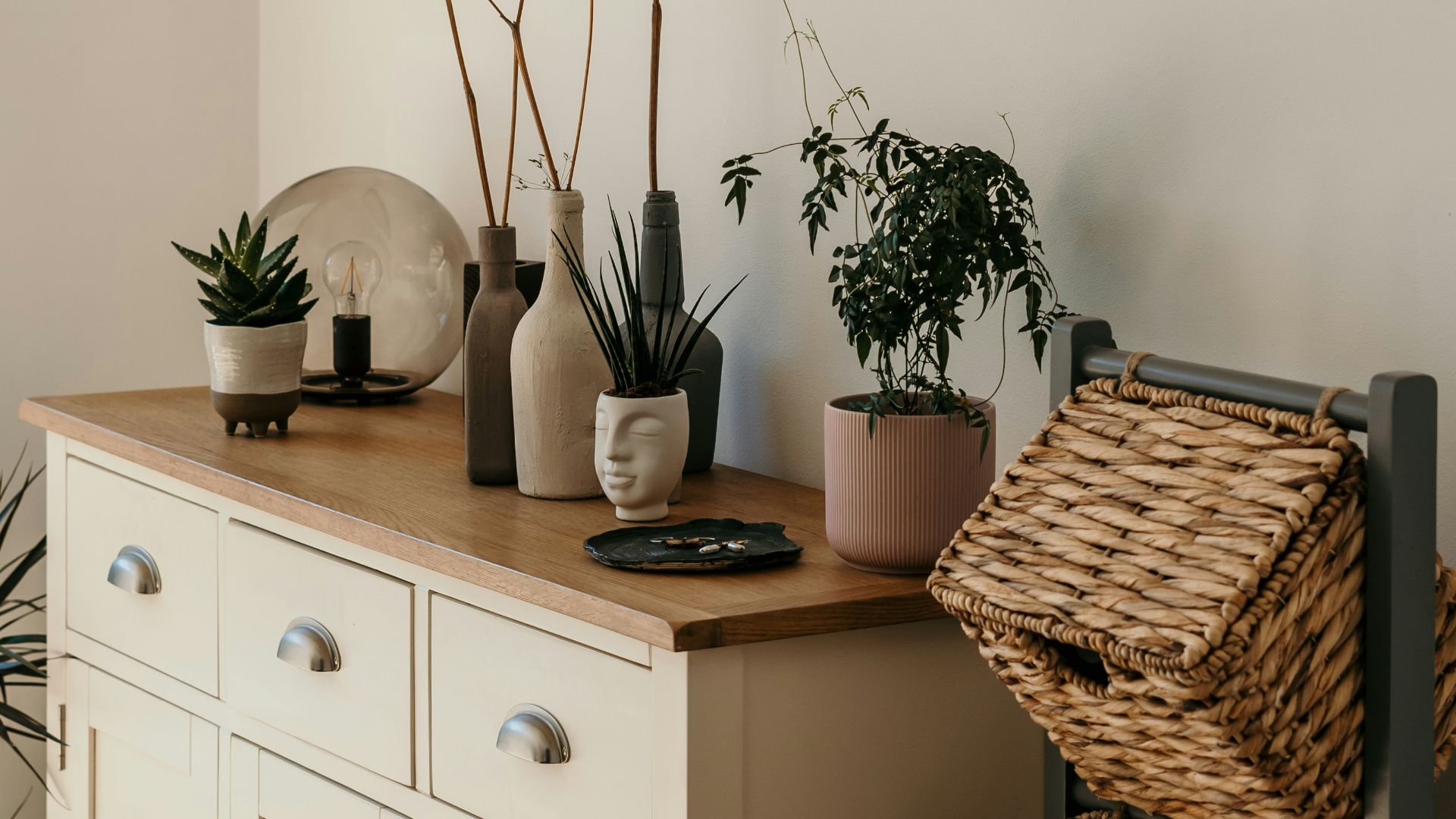
When your guests come to your house, they'll most likely have things in their hands, such as their coats, purses, or something they brought you. When you don't have anywhere for them to put these items, they can become uncomfortable. Make sure there's a clear spot where they can leave their belongings.
11. Dirty Windows and Dusty Surfaces
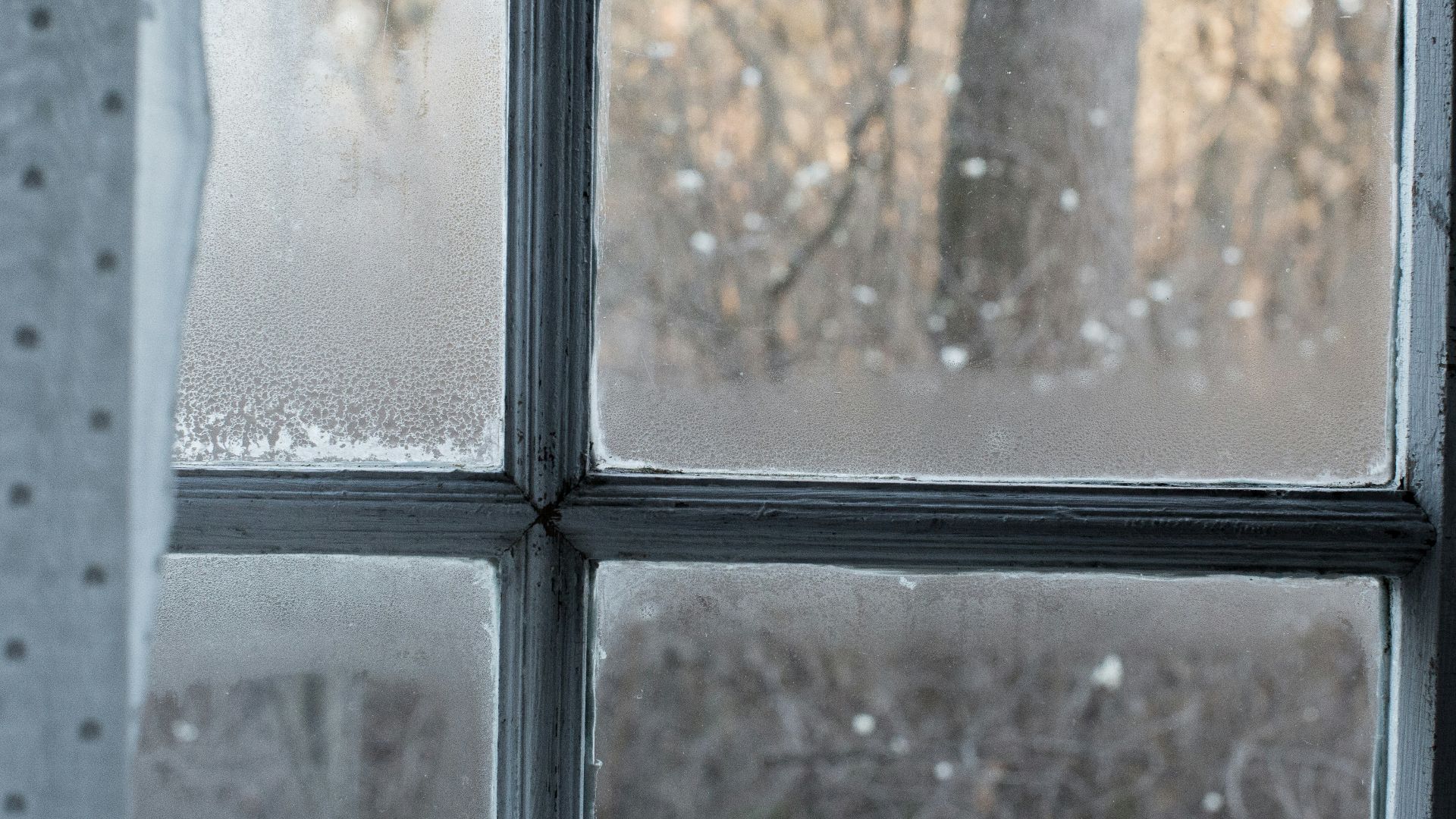
Did you know that windows and surfaces can look dirtier when it's sunny outside? Of course, you want to make sure your house looks presentable, but there's no need to scrub your entire house clean. Focus on the areas people are most likely to notice, including tables, mirrors, windows near the entrance, and kitchen counters.
12. An Unpleasant Pet Situation
Many people love having pets, but not everyone loves having them jump all over them. Your dog may not understand that they're annoying your guests. Keep your pet's space reasonably clean, ask visitors whether they're comfortable around animals, and give everyone room to enjoy the visit without unwanted attention.

13. Decorations That Make Guests Feel Judged
It's okay to decorate with things that you love, but don't put up things that may offend your guests. Signs and posters that are negative toward others will give your guests a bad impression. You don't have to remove every personal statement from your walls, but consider whether the message adds something meaningful.
14. A Kitchen Counter With No Free Space
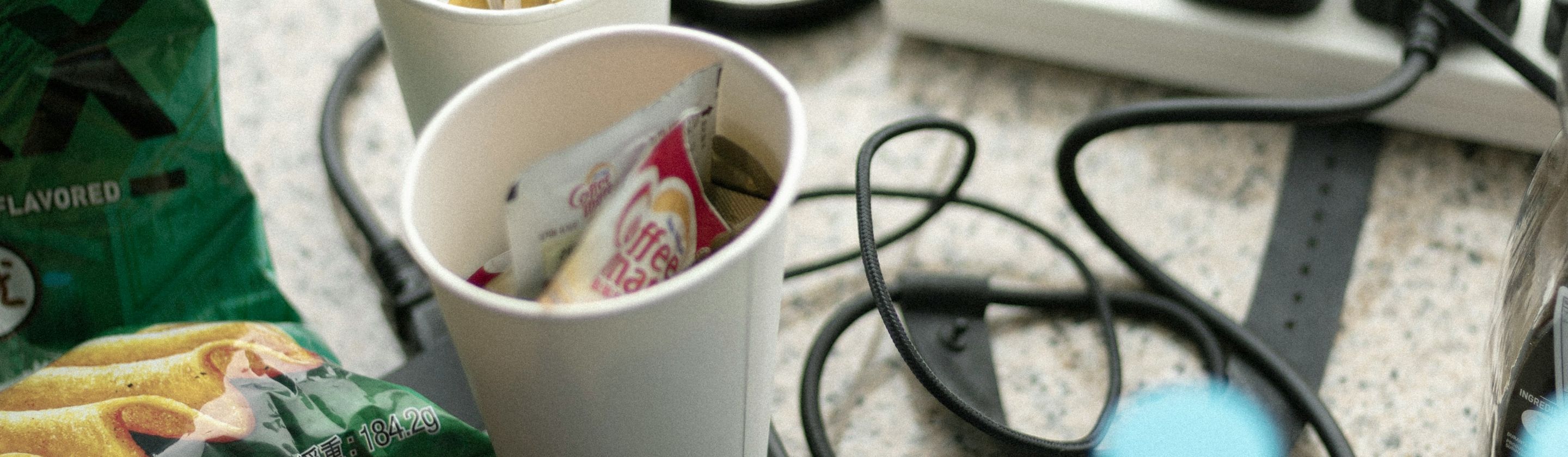
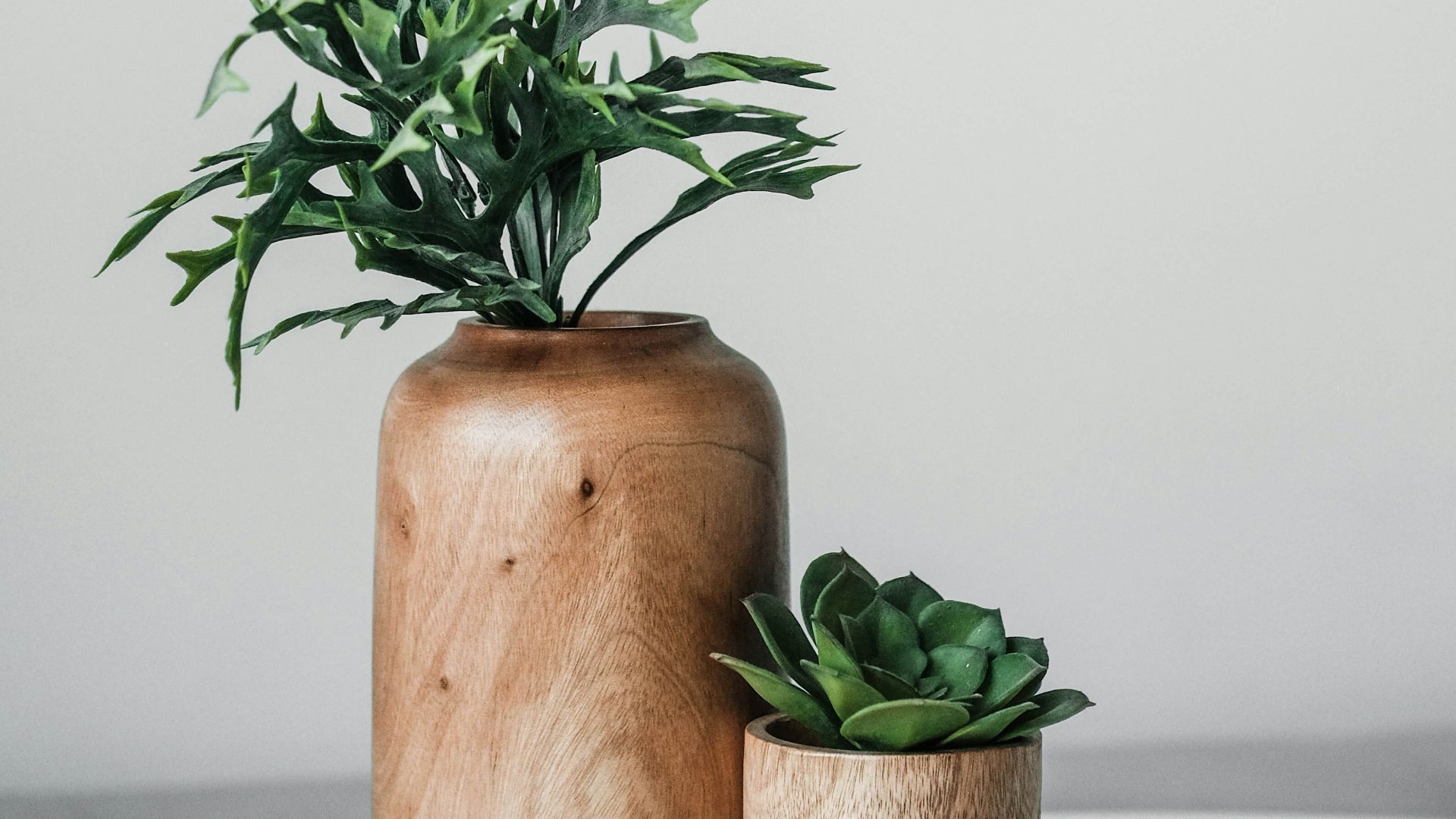
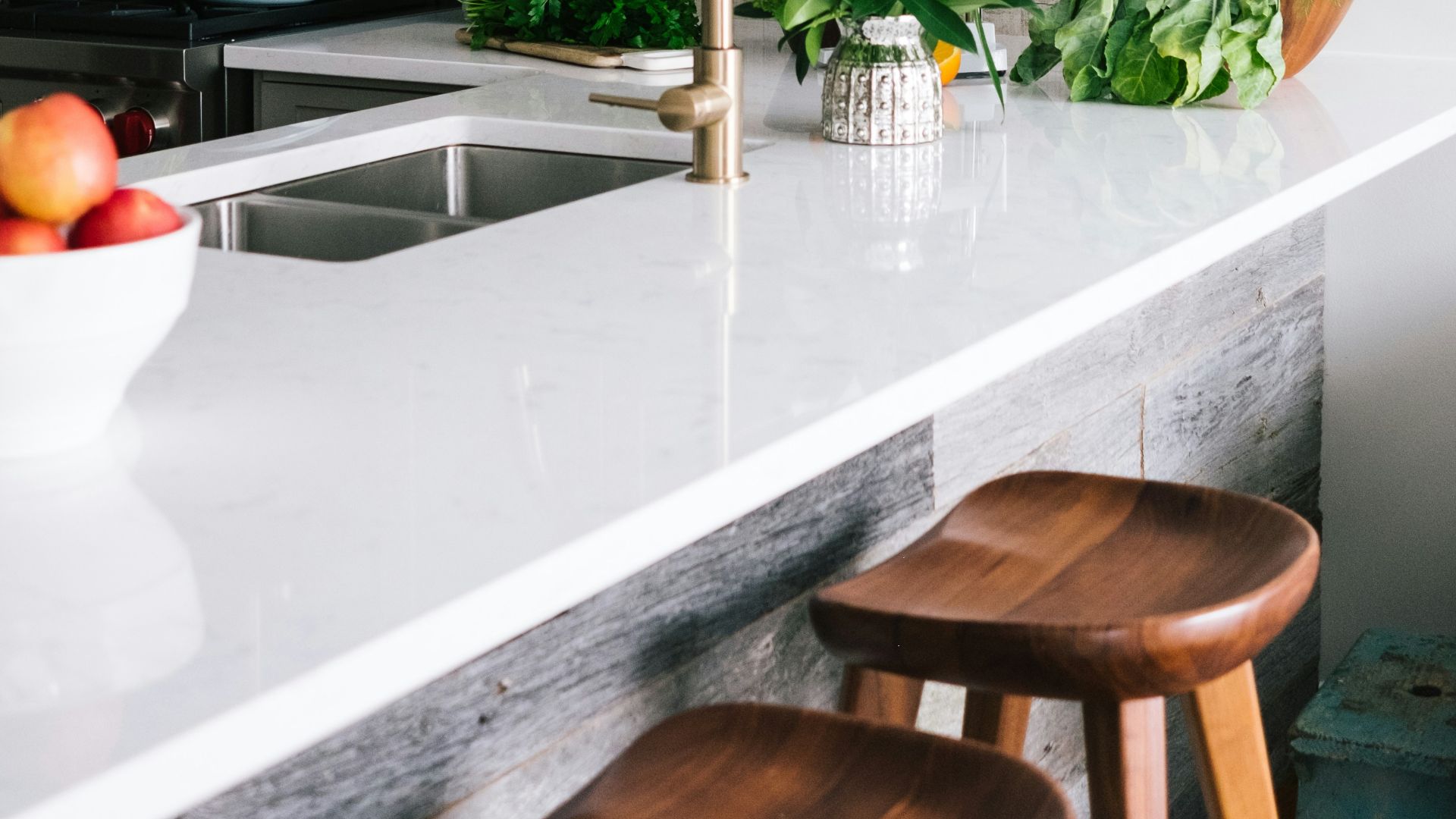
A kitchen covered in dirty dishes, grocery bags, small appliances, and unfinished projects can make it difficult for anyone to help themselves to a glass of water. Even if you're perfectly comfortable working around the clutter, guests may hesitate to ask where anything belongs or worry about getting in your way. Clear a small section of counter and keep it reasonably manageable.
15. Furniture That Blocks the Natural Flow of a Room
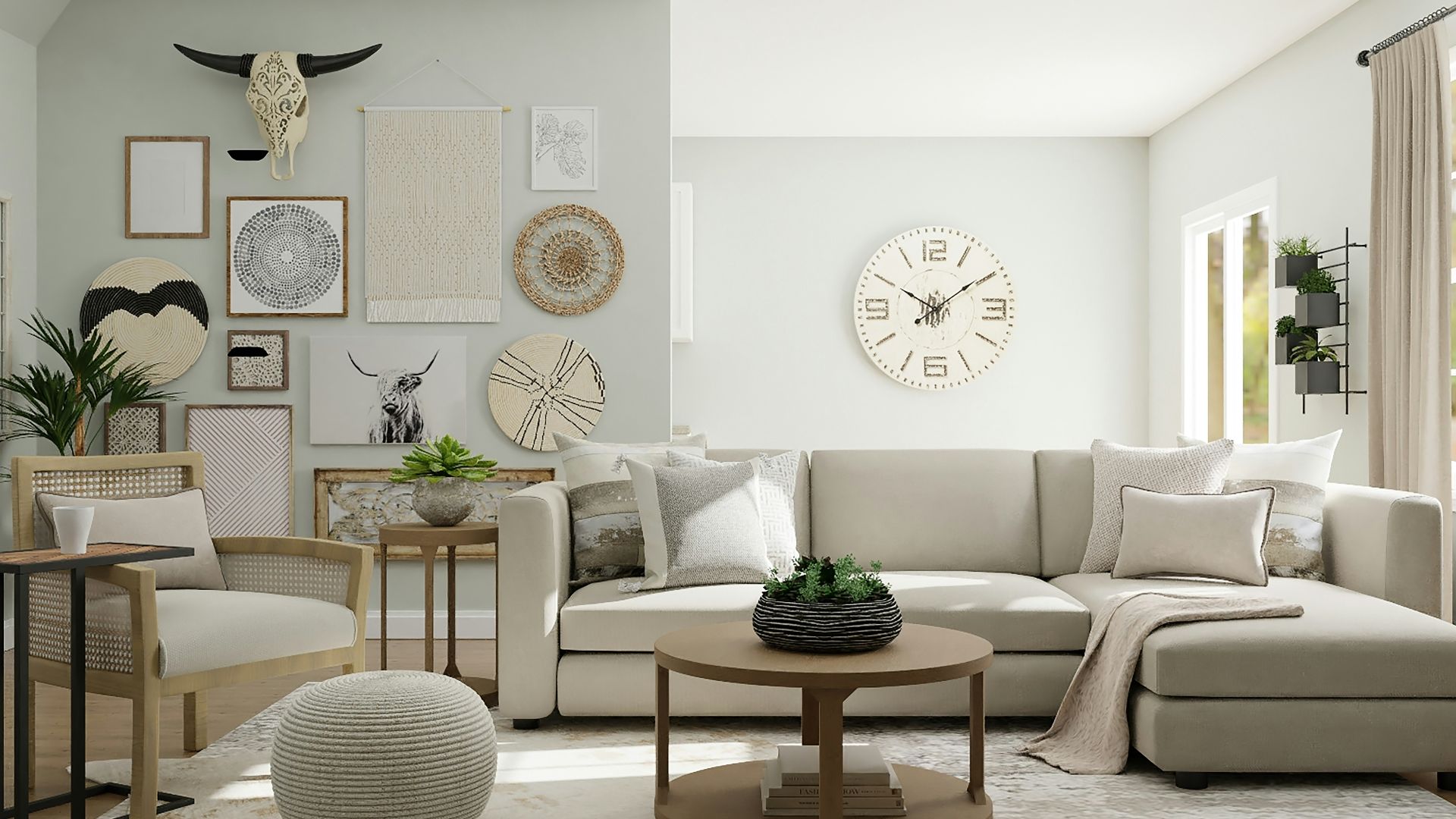
Sometimes, we tend to forget that we have so much furniture in our living room. It can become uncomfortable for your guests when there's barely enough room to move around or find a place to sit. Maybe moving some furniture around will help your guests move more easily through your home.
16. A Lack of Privacy
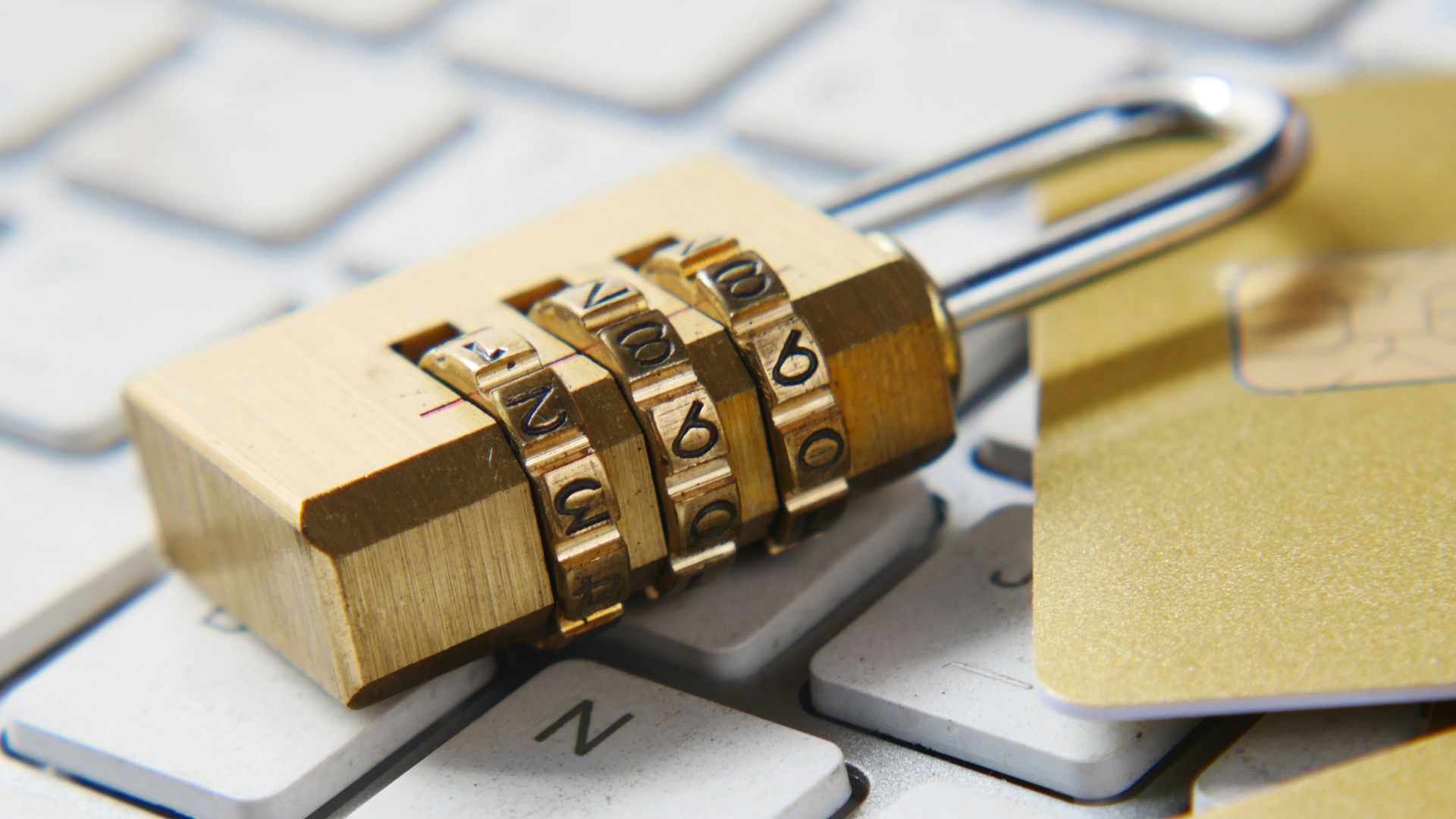
Allowing your guests to use your restroom is one of those things that will make them feel more comfortable. Also, make sure you have windows and doors closed when needed to prevent your neighbors from seeing into your house. Check that locks work where appropriate, close blinds when needed, and give visitors the same privacy you'd expect when visiting someone else's home.
17. An Obvious Lack of Maintenance
A loose doorknob, flickering light, dripping faucet, or broken step might seem like a minor inconvenience when you encounter it every day. However, several neglected repairs can make a home feel less cared for, and some issues may even leave visitors concerned about their safety. You don't have to renovate the entire house, but fixing the small problems you can address and making obvious hazards safe will help your home feel more comfortable.
18. A Host Who Never Offers Anything
You don't need to prepare a five-course meal every time someone visits, but welcoming people into your home usually involves a little hospitality. If guests are left standing by the door without being offered a place to sit, a glass of water, or any indication of what happens next, they may feel more like an inconvenience than a welcome visitor. A simple greeting and an offer of a drink will do.

19. Making Guests Afraid to Make a Mess
Some people become so concerned about keeping their homes spotless that visitors feel nervous about eating, drinking, or even sitting down. Constantly reminding guests to use coasters, avoid certain cushions, or take their shoes off without providing a comfortable alternative can turn an ordinary visit into a stressful experience. It's reasonable to protect your belongings and set household rules, but try to make guests feel comfortable following them.
20. An Atmosphere That Makes People Feel Like They're in the Way
Sometimes, the problem has less to do with the house itself and more to do with how people are treated once they arrive. If you keep checking the clock, sighing whenever someone asks a question, or continuing to work while your guests struggle to start a conversation, they may assume you'd rather be alone. You don't need to entertain visitors every second, but a little attention, genuine interest, and a warm goodbye can make even a modest home feel like somewhere people want to return.