Kids Reveal More Than You Think
Nobody can (or should) judge an entire family from one toddler’s meltdown, and even wonderful parents have kids who forget every manner they've learned. Still, the way kids behave when they're comfortable, excited, or interacting with others can offer clues about what they're learning at home. These 20 everyday behaviors are the ones that get noticed the fastest.
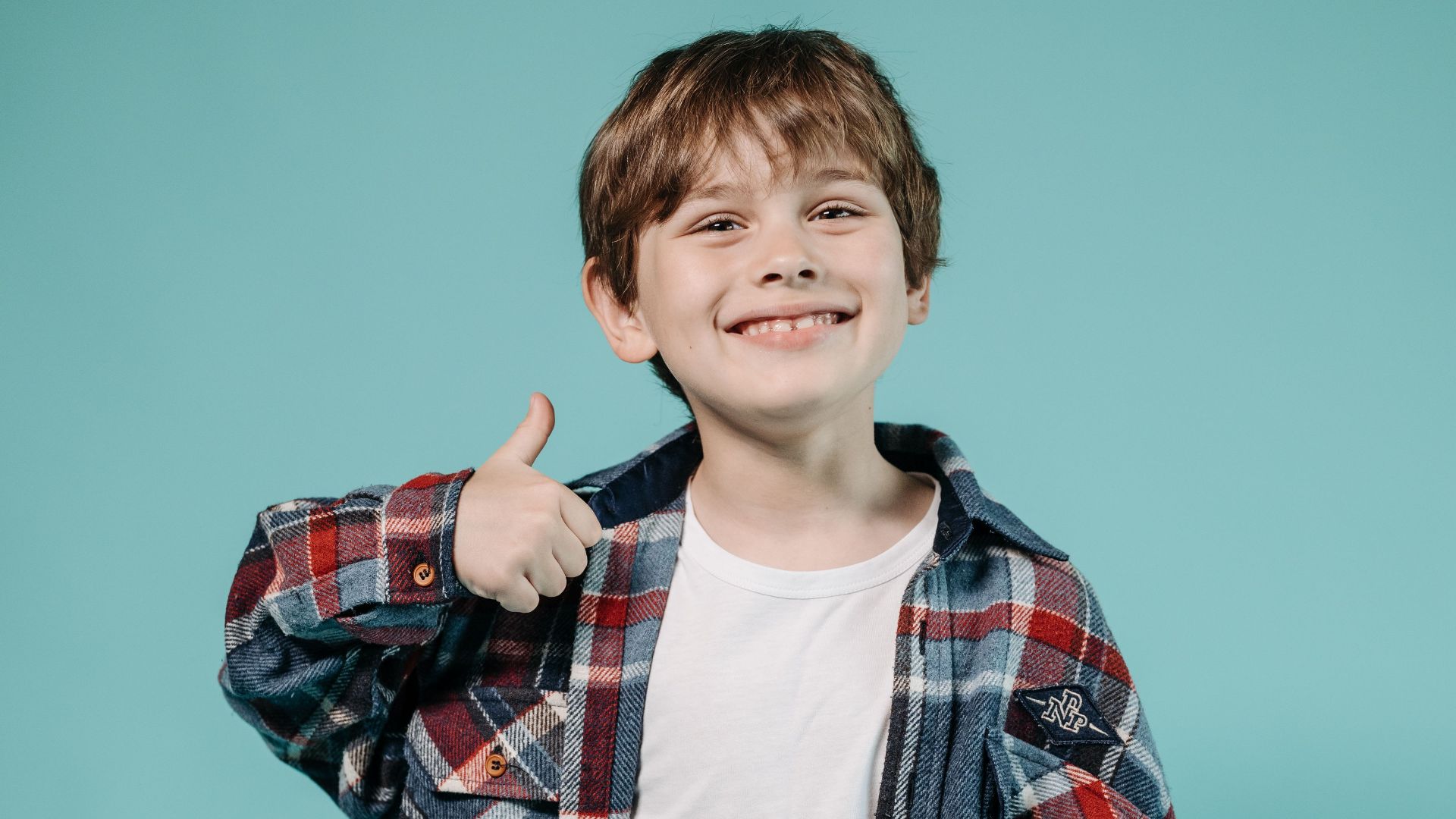
1. They Say Please and Thank You
Any kid who thanks the server for bringing their meal tends to make a good impression. Politeness is second nature after kids hear and practice it regularly at home. They won't remember every time, but sincere manners suggest someone has been teaching every day to mind themselves.
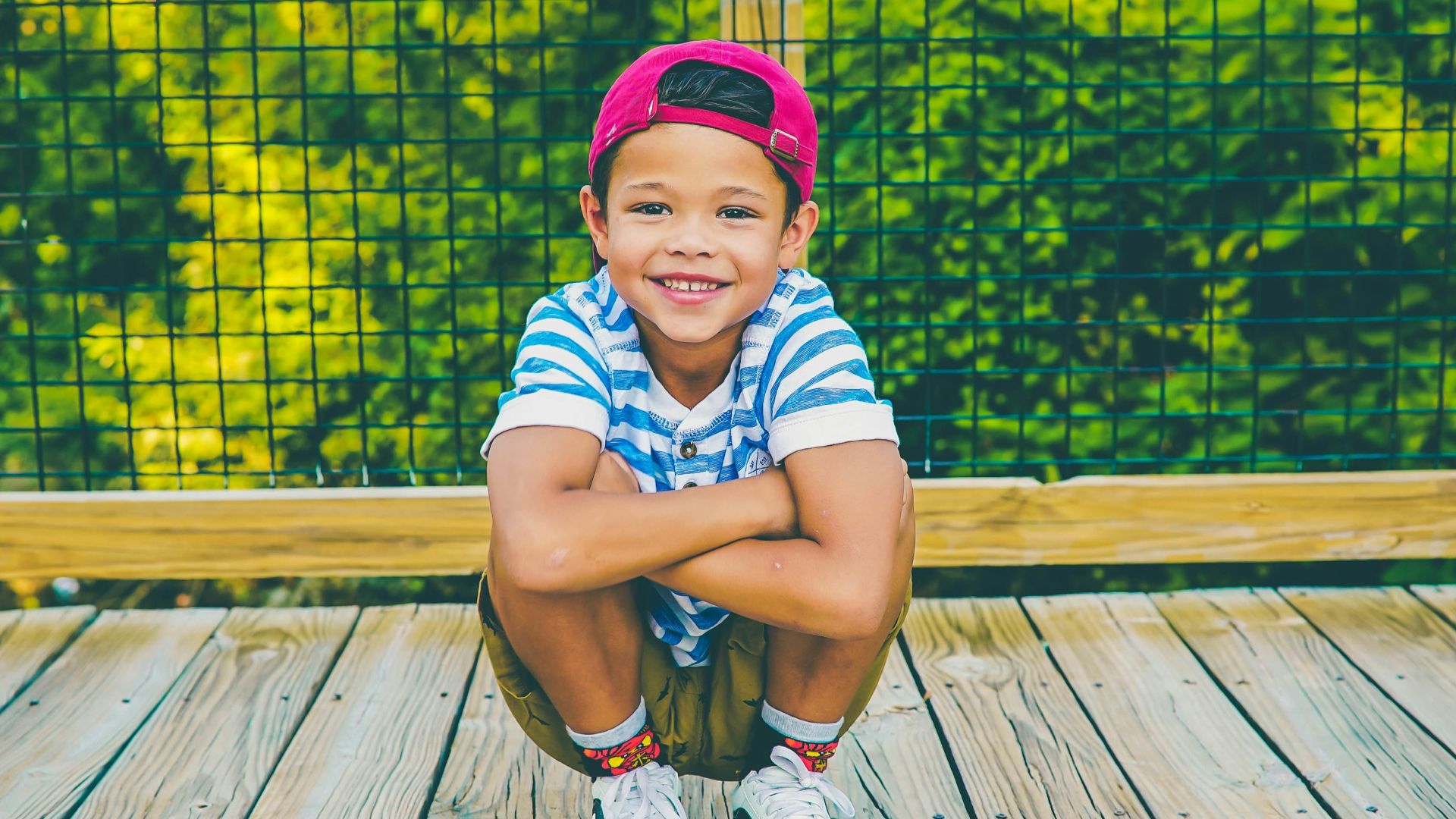
2. They Hear the Word “No”
Nobody expects a disappointed child to stand there with a smile on their face, but what stands out is whether they can eventually accept the boundary without screaming about it. That ability only develops when parents are loving but reasonably consistent about limits.
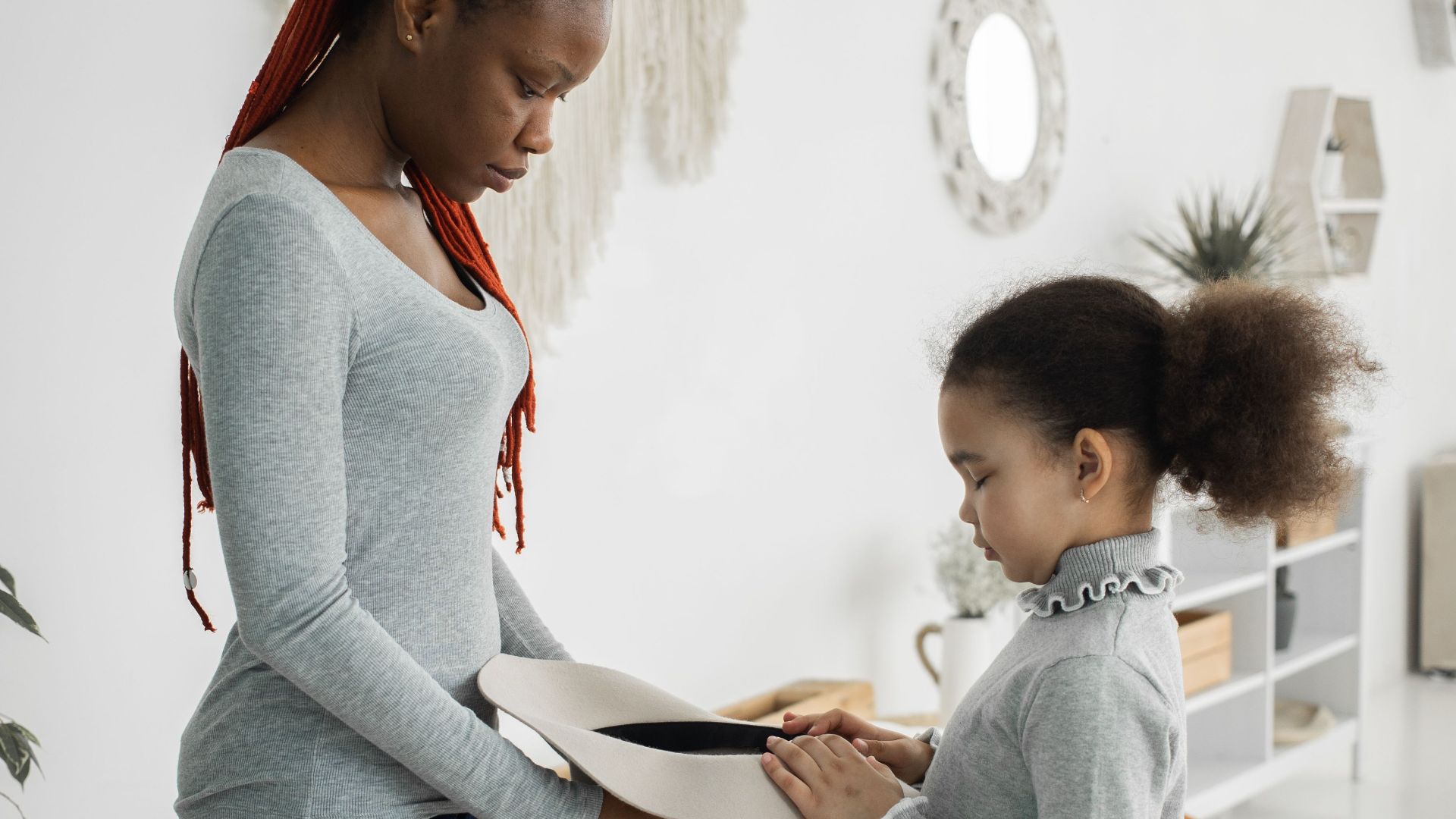
3. They Treat Service Workers With Respect
Watch how a kid speaks to a bus driver, custodian, or restaurant server—you'll learn a lot. Children who make eye contact, answer politely, and don't treat workers like personal servants are showing basic respect. Best of all, they're repeating the attitude toward other people they've seen modeled by adults.
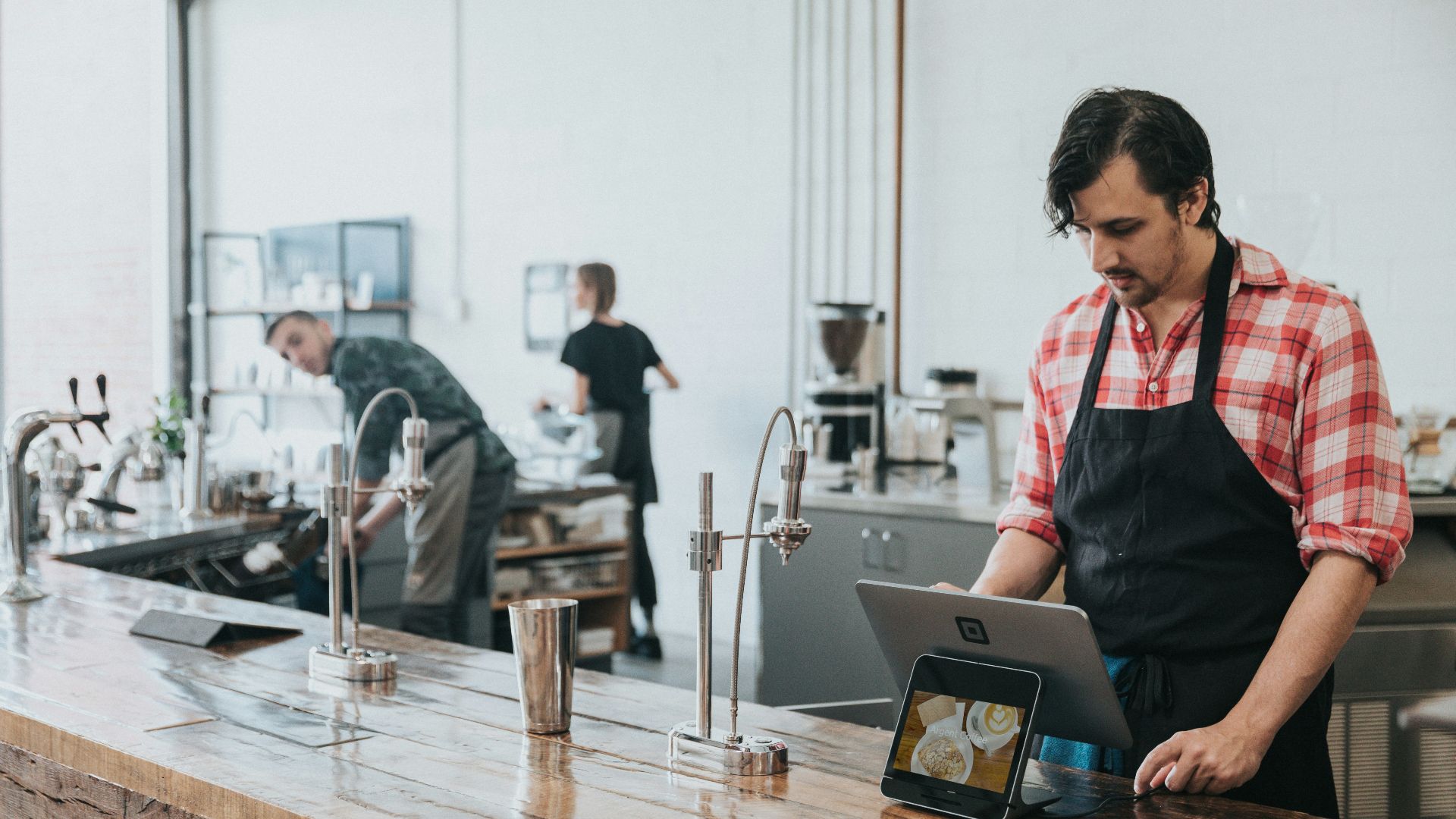
4. They Know How to Apologize
A genuine sorry means much more than a mumbled apology forced under parental orders. Kids who can acknowledge what they did wrong are developing accountability rather than trying to escape punishment. That's a sign they've been allowed to make mistakes without every mistake becoming a character judgment, and it’ll carry them many years into the future.
5. They Don't Panic Over Mistakes
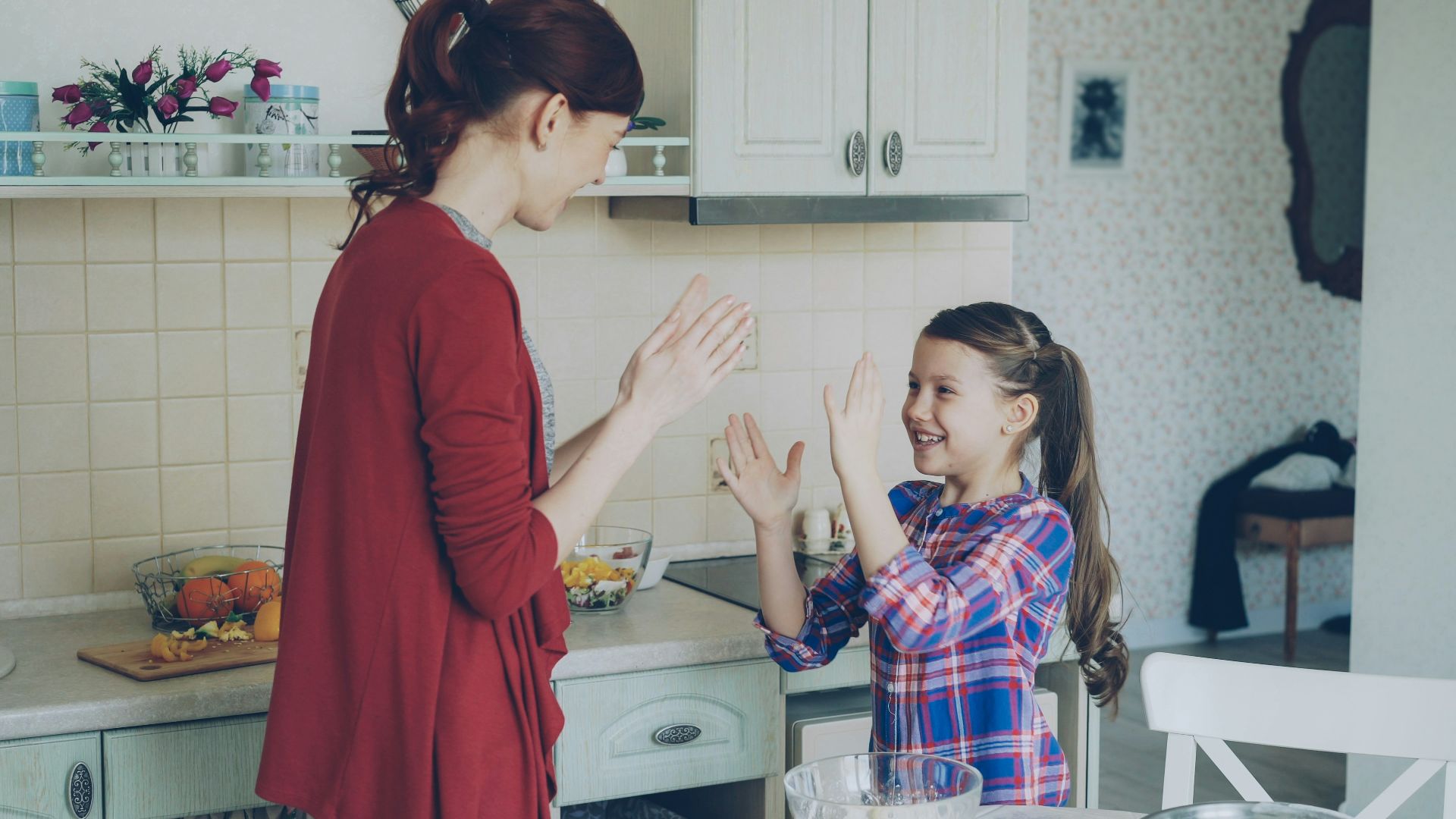
Spilling milk shouldn't feel like a five-alarm emergency. When a child calmly tells an adult what happened, people notice that they don't seem terrified of everyday accidents. That reaction can suggest home is a place where problems get corrected without unnecessary humiliation.

6. They Include the Kid Standing By Themselves
Some kids notice when another child has nobody to sit, play, or talk with. Inviting a new classmate into a game shows empathy in a wonderfully practical form. Parents obviously can't manufacture kindness on command, but they can make consideration part of everyday family life.
7. They're Comfortable Talking
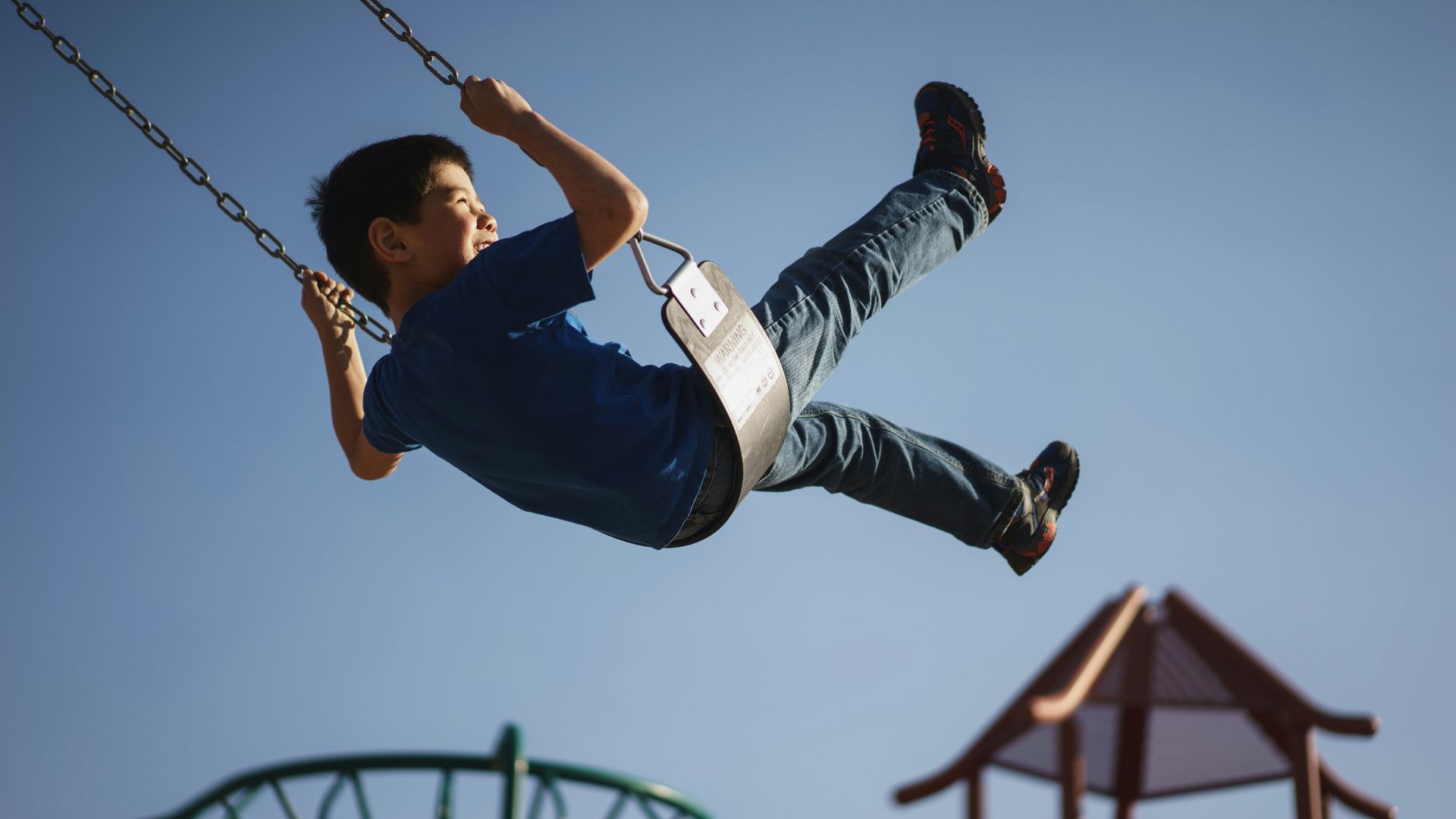
A child who casually tells a parent that they failed a quiz is actually doing something important: they expect a conversation rather than assuming they'll be mocked or shut down. Open communication doesn't mean children share everything, but feeling safe enough to bring home bad news matters.
8. They Can Entertain Themselves
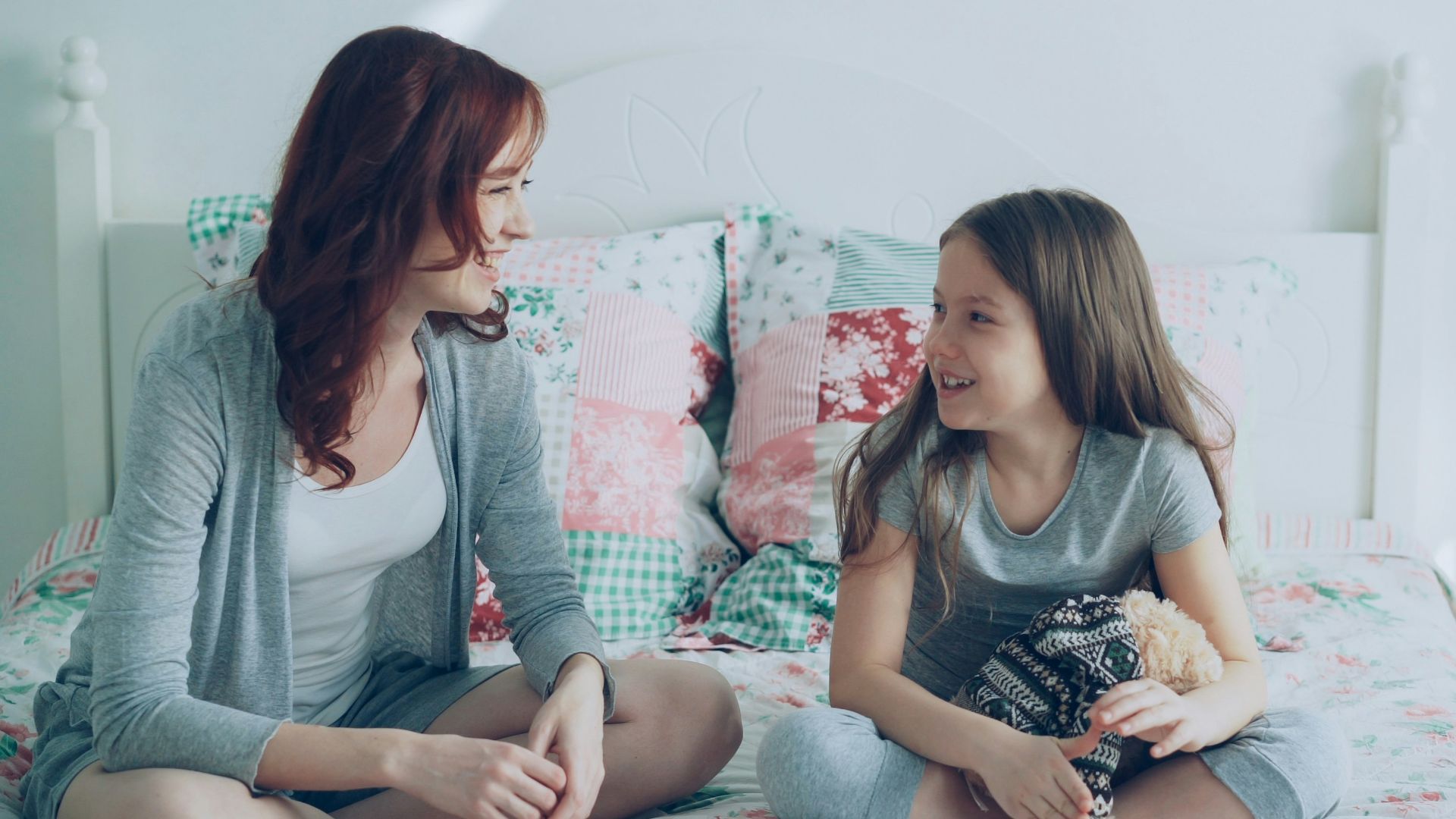
Kids, especially today’s generation, need to accept boredom. More importantly, they need to thrive in it sometimes. Someone who can draw, read, or invent a game during a quiet afternoon is not only developing independence, they’re also functioning without screens.
9. They Help
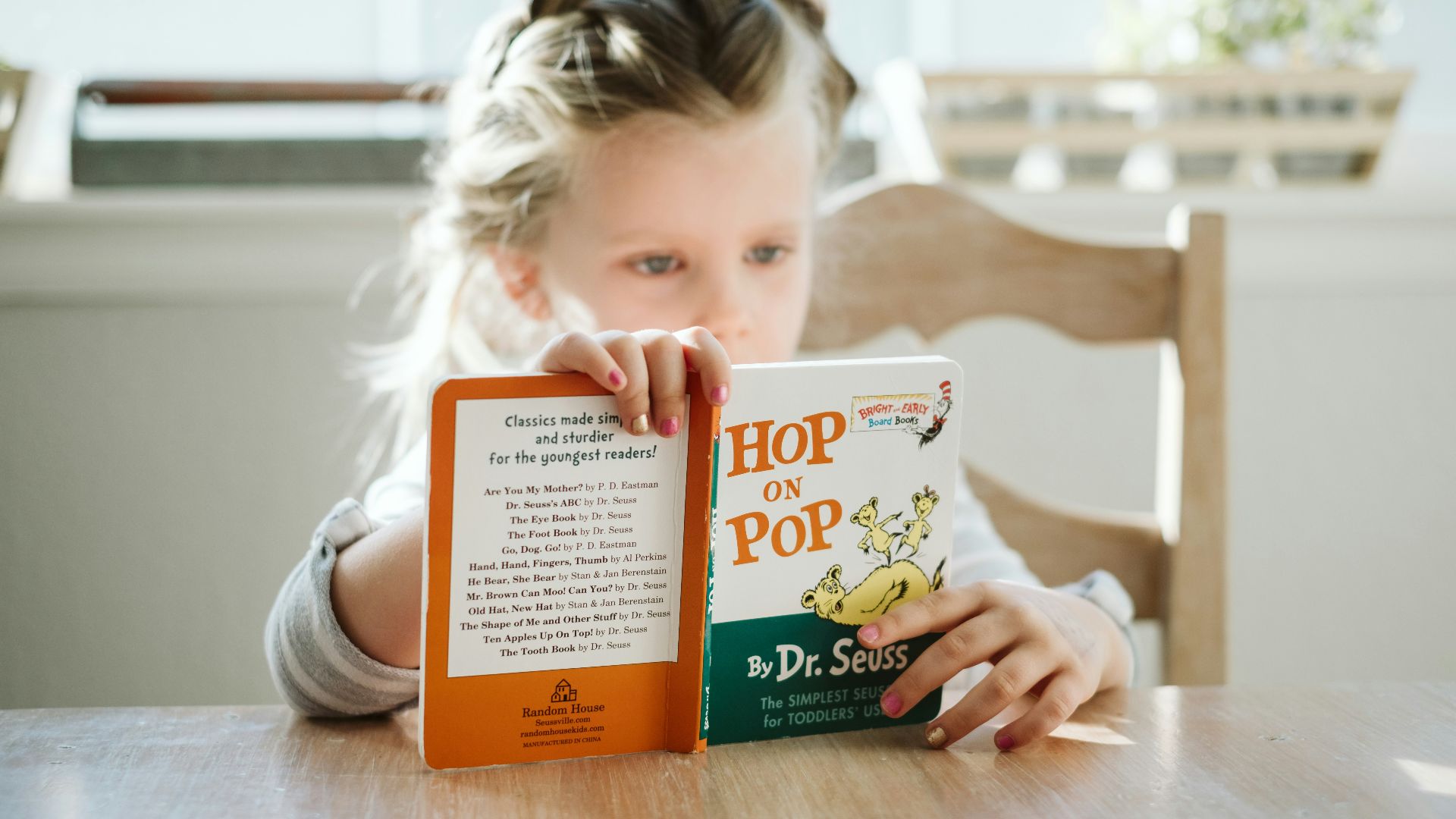
Maybe your child holds the door for someone. Maybe they help a sibling pick up their crayons. Whatever the case, small helpful actions are particularly noticeable when there's no enthusiastic reward attached. It suggests that contributing is treated as a normal part of belonging to a community.
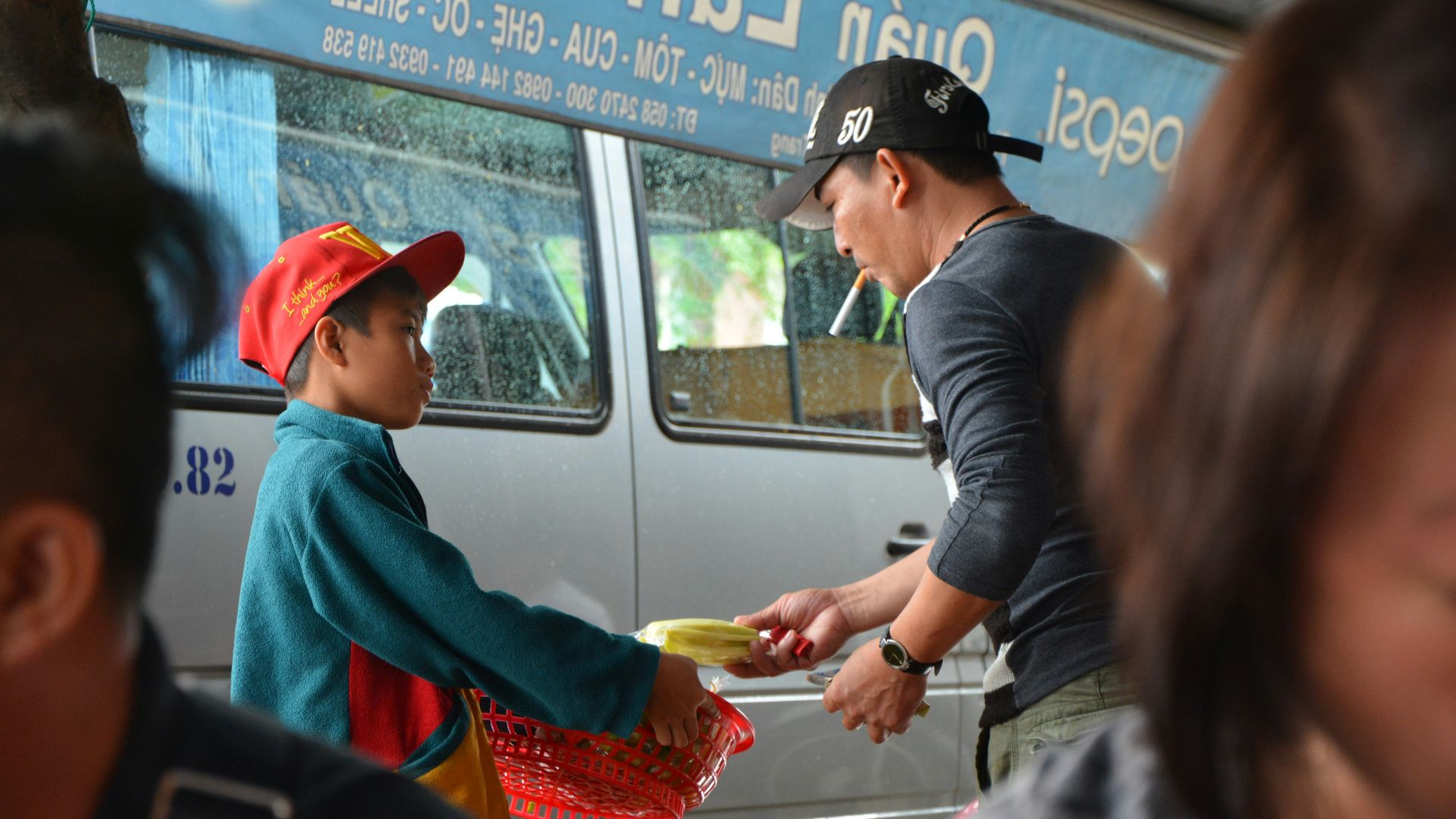
10. They Understand Other People's Belongings
The kid who asks before grabbing what doesn’t belong to them has more than good manners. Respecting another person's items shows they've learned ownership doesn't disappear because they want something. Parents who consistently enforce those boundaries give children plenty of practice, which is something other people pick up on.
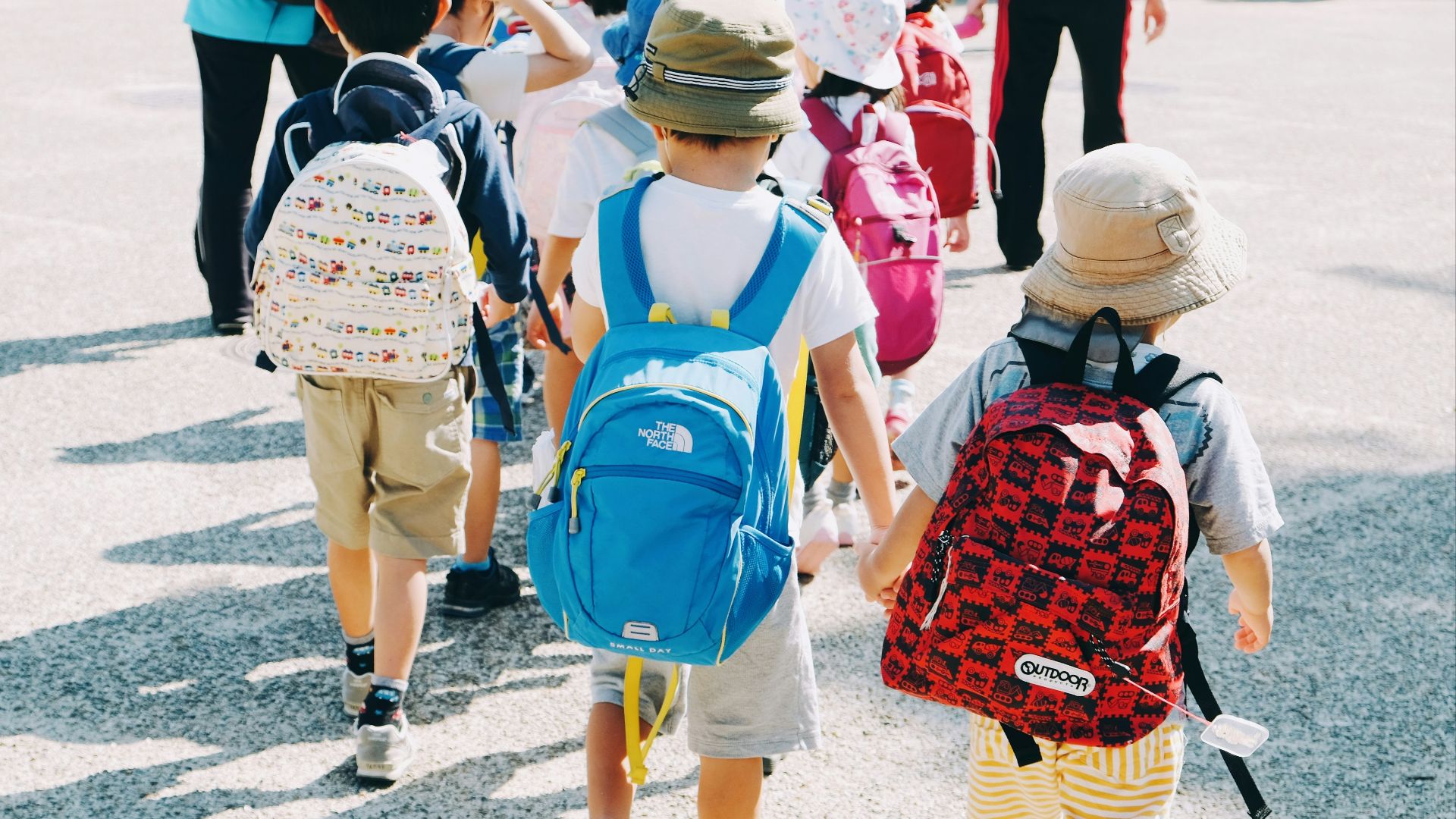
11. They Can Lose Without Ruining Things
Losing at Mario Kart can expose sides of a person that dinner conversation never will (adults too, but that’s neither here nor there). A child who's disappointed but doesn't throw the controller or insult the winner has learned serious regulation. Nobody handles defeat perfectly, but knowing how to be unhappy without making anyone else miserable is valuable.
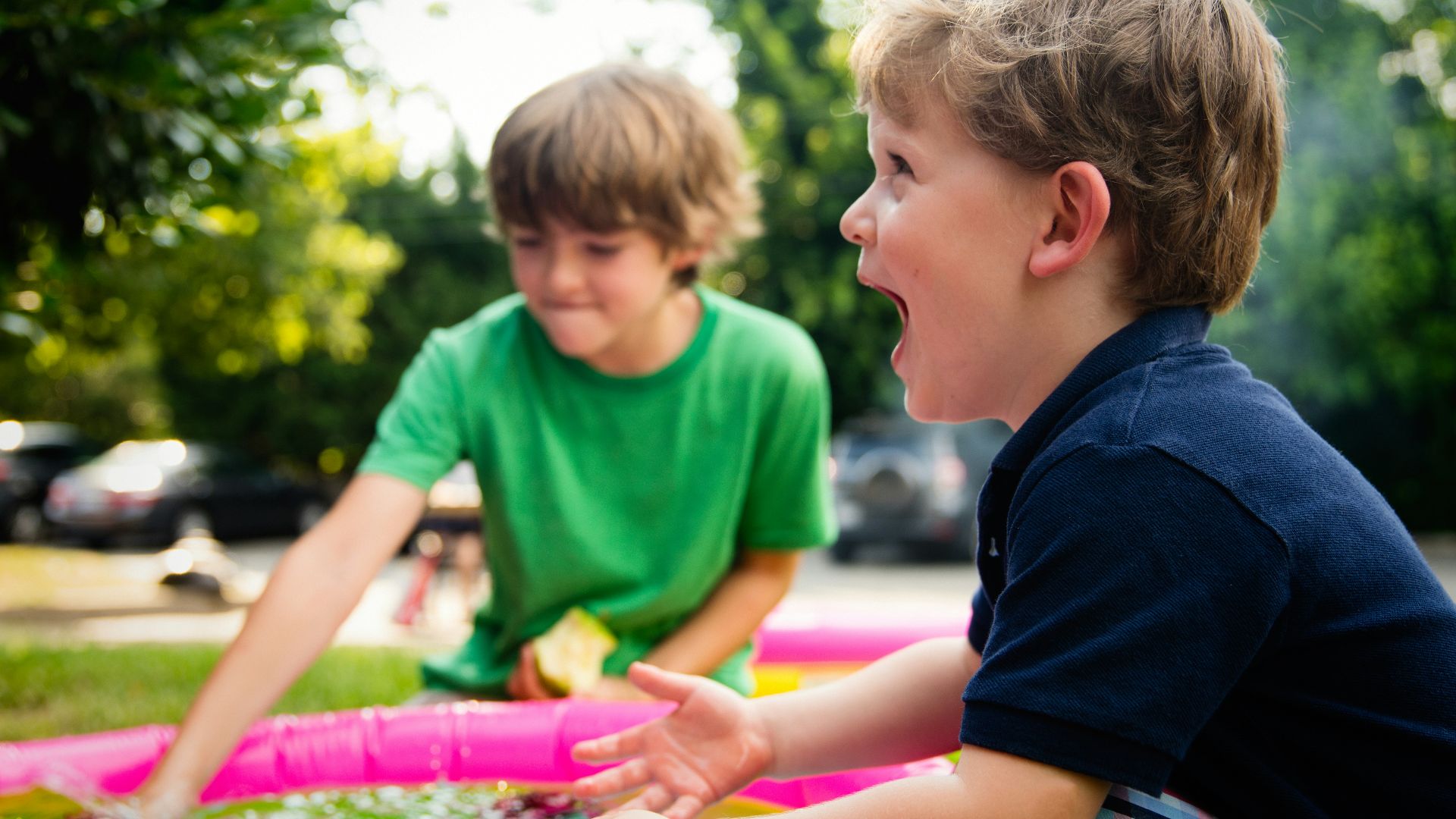
12. They Speak to Their Siblings Like People
Siblings will argue, steal chargers, and invade bedrooms. Even so, outsiders notice whether the underlying relationship includes basic respect instead of constant cruelty. Kids who can disagree without routinely humiliating one another are seeing healthier conflict modeled somewhere, likely from their parents!
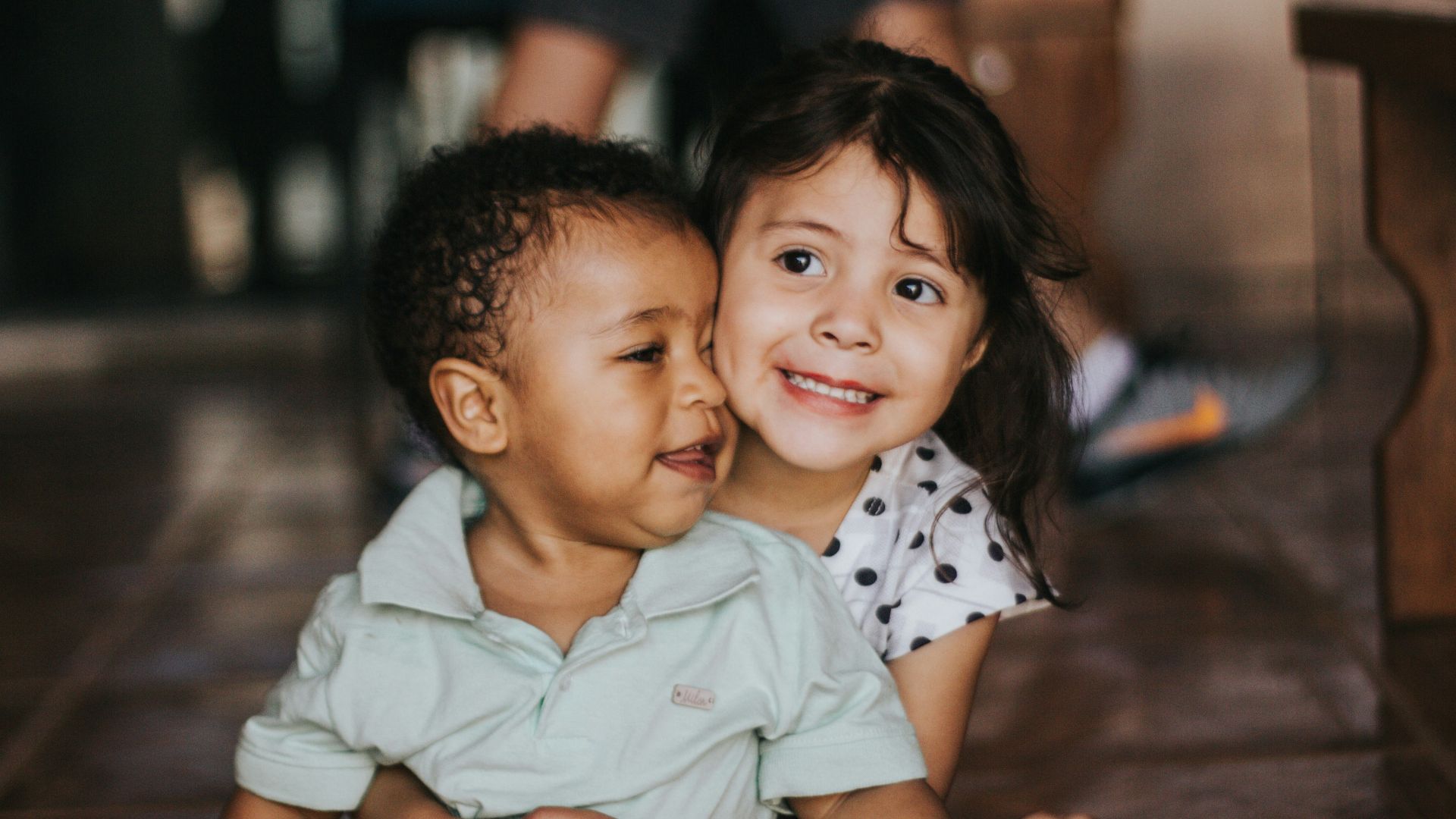
13. They Clean Up After Themselves
A child who carries their plate to the kitchen without being chased down can seem almost suspiciously impressive. In reality, it’s just a display of good parenting. Age-appropriate habits show that responsibility has become routine, and those little chores tell people your child understands that someone else isn't responsible for their messes.
14. They Can Wait Their Turn
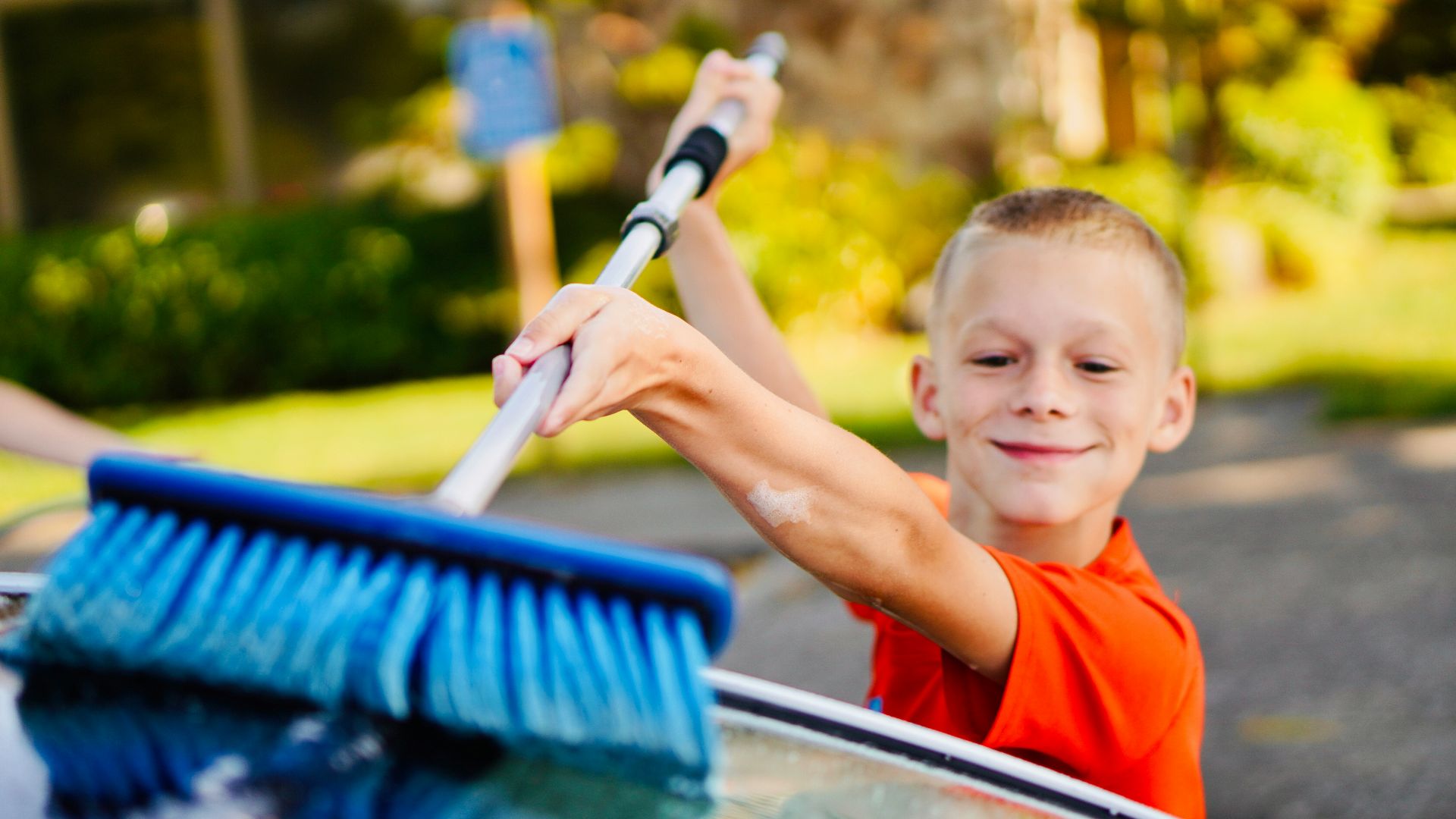
When you’re only six, waiting is painful. After all, you have a lot of important things to say about dinosaurs! Still, kids gradually learn not to interrupt every conversation, and patience like that usually comes from adults who expect consideration.
15. They Aren't Afraid of Adults
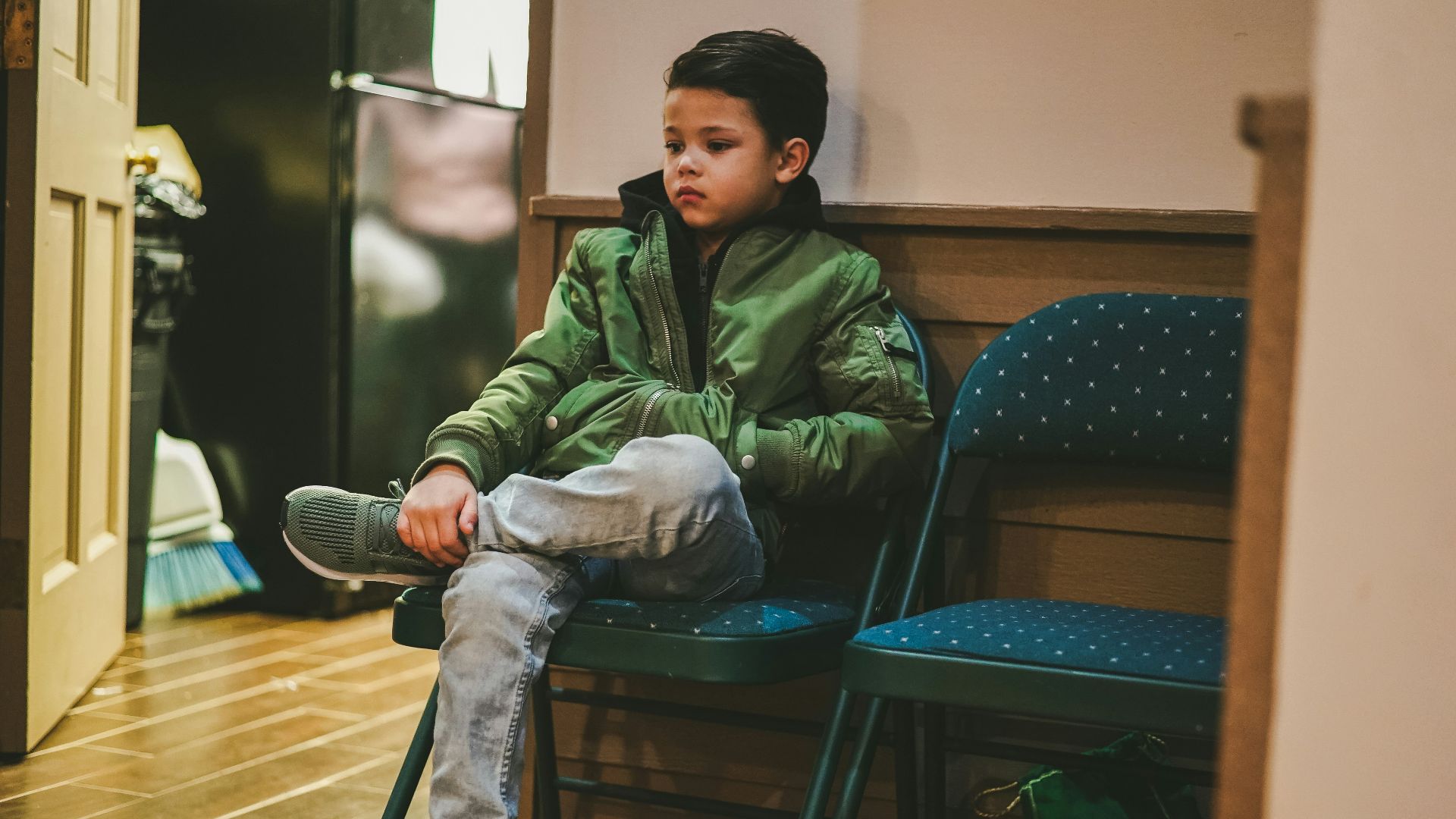
There's a noticeable difference between teaching kids manners and teaching them submission. A confident child should be able to answer an adult politely while still saying they don't want a hug, don't like being tickled, or need help when something feels wrong. Respecting those boundaries at home helps children understand that good behavior doesn't mean surrendering their comfort.
16. They Notice When Someone is Upset
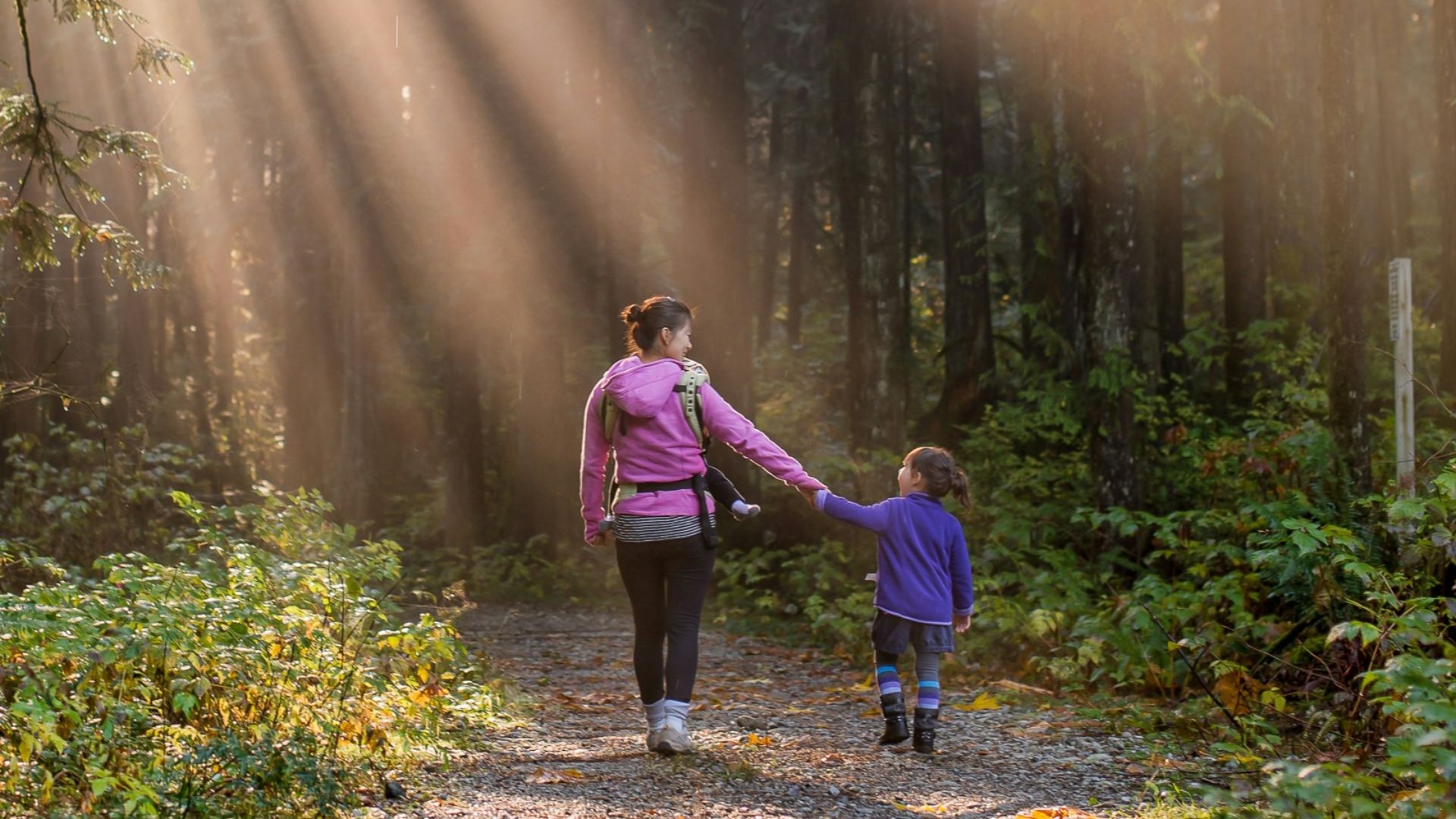
Don’t assume that kids can’t pick up on emotions. Recognizing another person's mood and responding with concern shows growing emotional awareness rather than simple obedience. That skill is only strengthened in families where feelings can be laid out in the open instead of being squirreled away.
17. They Don't Need to Be the Best
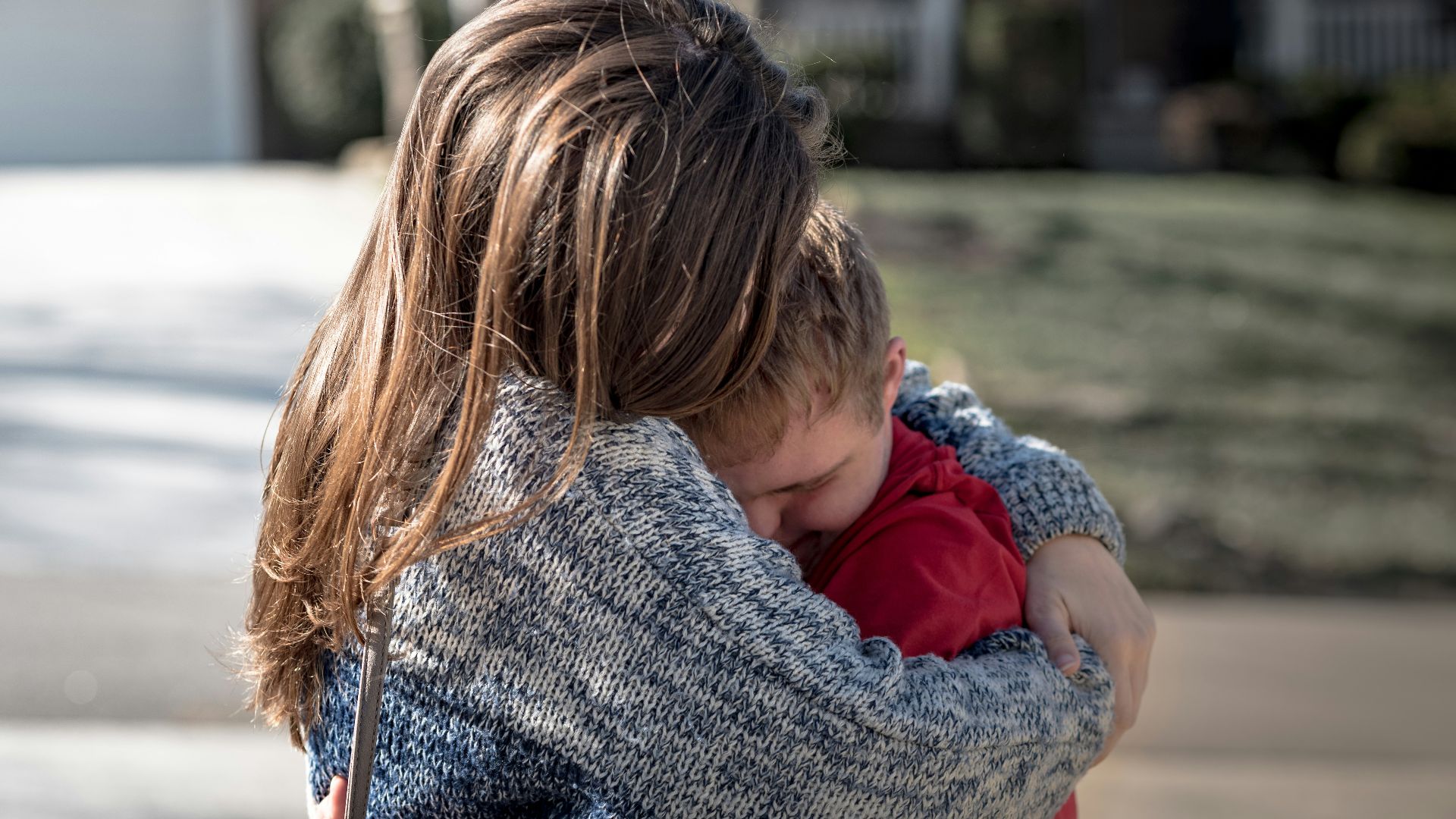
Kids with healthy confidence don’t announce that they’re smarter, faster, or better than others. Kids who can congratulate a talented friend without competing for attention are more secure in themselves, which is something people appreciate later in life, too. Being praised for effort and individual strengths can help children value themselves without needing to rank everybody else.
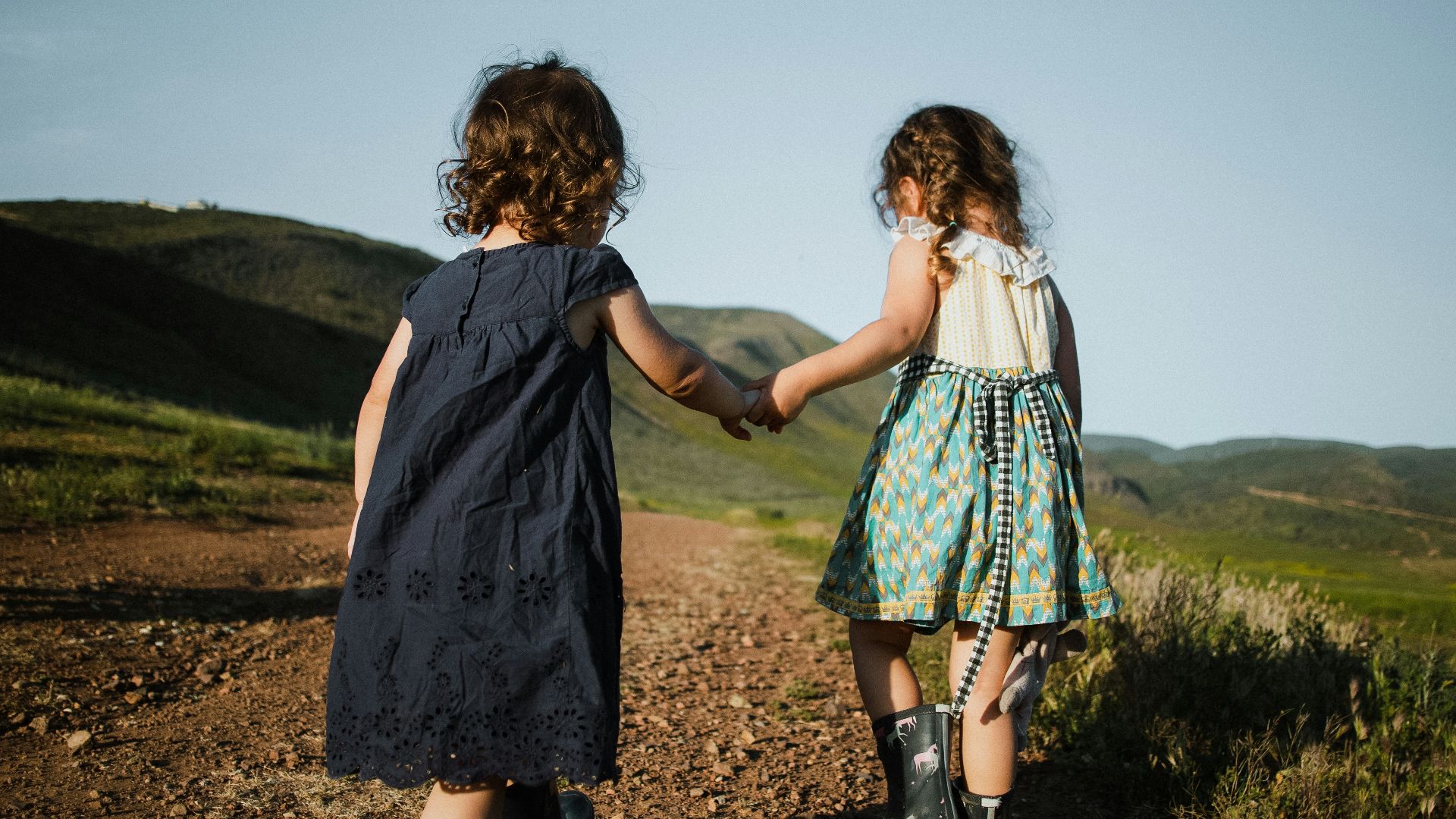
18. They Tell the Truth
Admitting thier mistakes takes courage, and it’s even braver when it would’ve been easier to lie. Children who own up to wrongdoing at least some of the time have likely learned that honesty matters more than covering their tracks. Parents still need consequences, but extreme reactions can make concealment much more attractive.
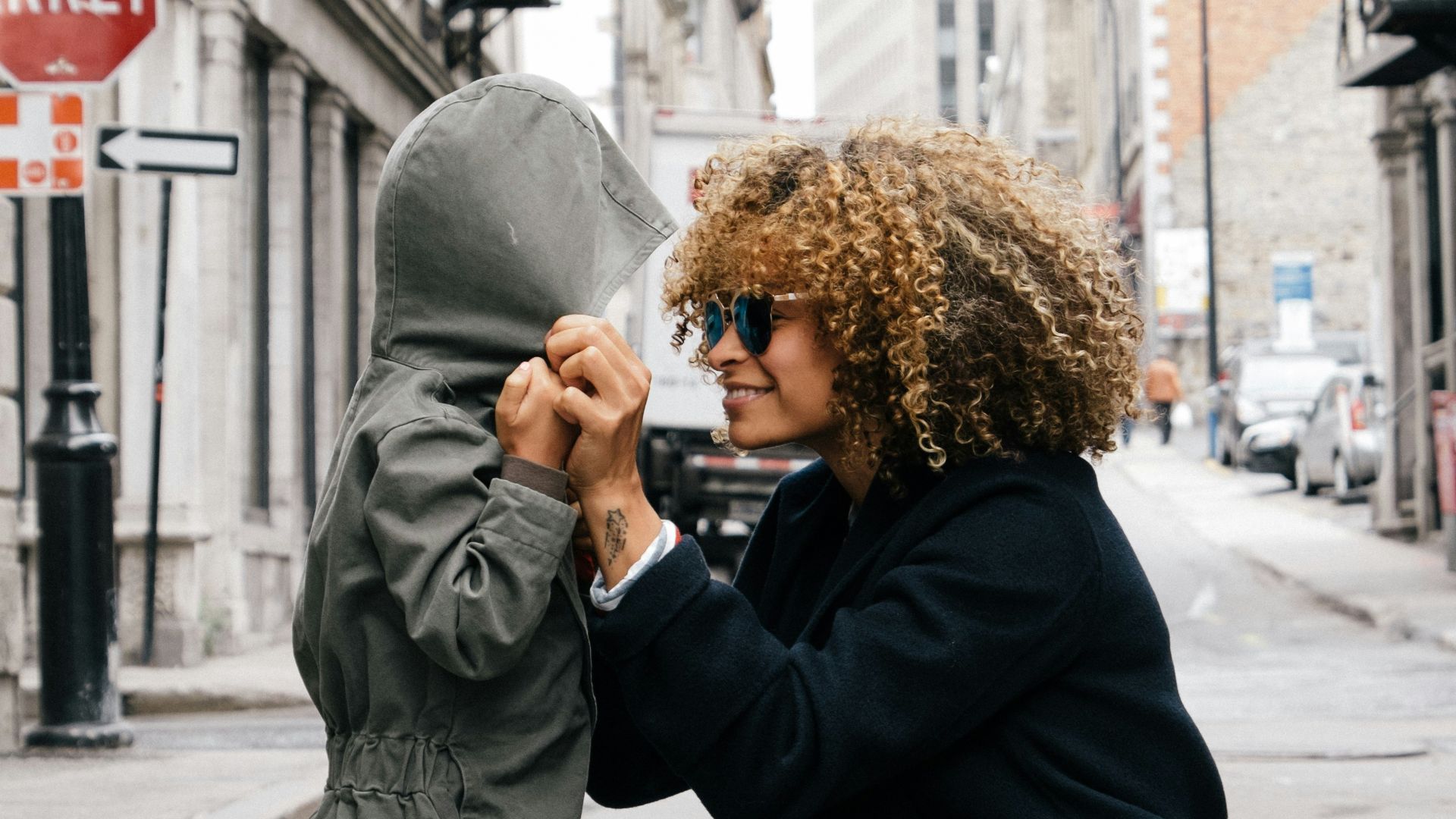
19. They Know Basic Life Skills
We’re not saying that a 10-year-old should prepare Thanksgiving dinner, but they can pack a schoolbag. They can also tie their shoes, organize homework, or complete simple chores without being helpless. Teaching those skills sends a message that growing up includes taking care of yourself.
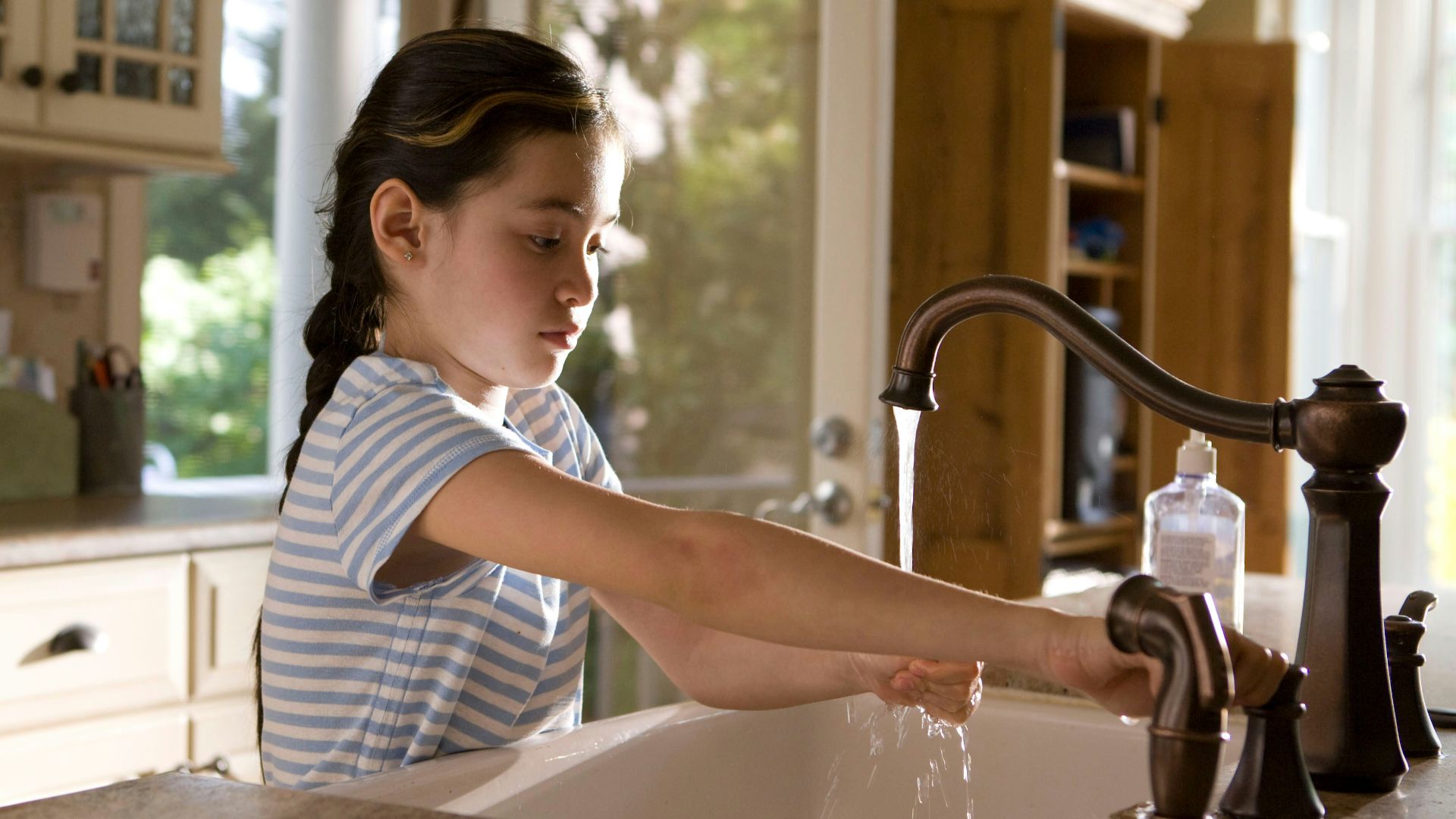
20. They're Kind When You're Not Around
Arguably, the strongest sign can show up when parents aren’t in the room to correct behavior. Outsiders notice a child who shares supplies, checks on a hurt teammate, or returns something that doesn't belong to them. No kid behaves perfectly, but kindness without an audience suggests a personality trait, not a threat of punishment for acting otherwise.