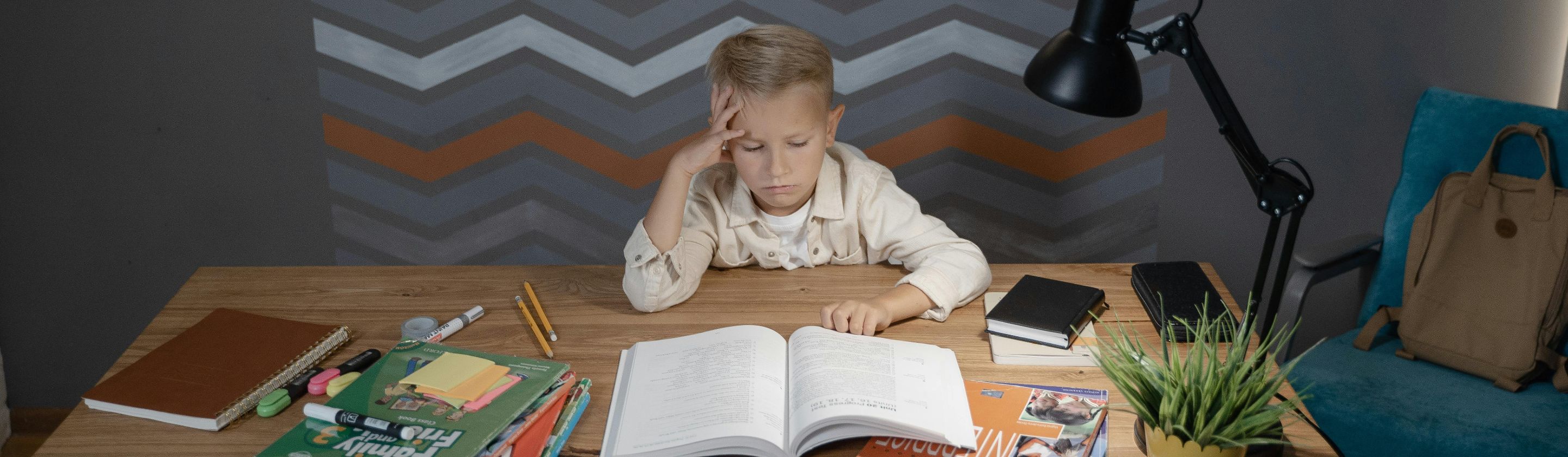
By the time homework hour rolls around, a chatbot can feel like the most patient person in the entire house. It doesn't sigh. It doesn't check its phone. It can explain fractions for the fifth time and somehow still not sound annoyed. That’s why a big part of why these tools have quietly become a fixture in family life. Pew Research found that 26% of U.S. teens ages 13 to 17 now say they've used ChatGPT for schoolwork, double the 13% from just two years ago. That's a lot of kids turning to a bot instead of a parent, a textbook, or a teacher.
So. Is that a problem? Maybe. Is it a gift? Also maybe. The real answer sits somewhere in the middle.
Why Kids Reach For Them So Quickly
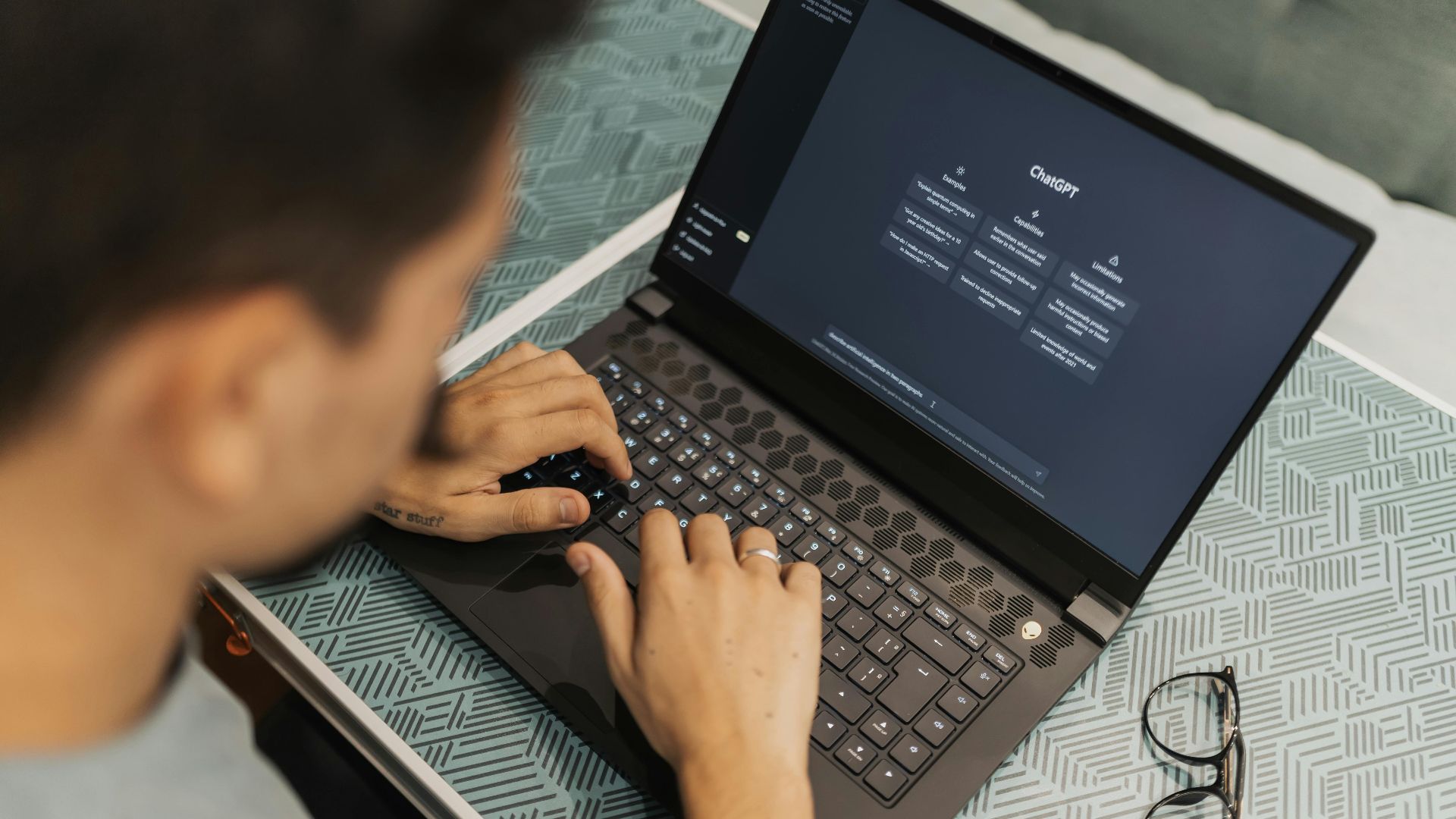
Here's the thing that nobody should be shocked by: kids like chatbots because they're there. It's 8:47 p.m., the worksheet still doesn't make sense, and mom or dad is exhausted. Research into student habits has found that what learners actually want is immediate feedback, help untangling complicated ideas, and someone to bounce thoughts off of, especially when a teacher isn’t around. A chatbot fits that gap in a way that a library or a textbook just doesn't.
And the research backing up their usefulness isn't nothing, either. A 2025 meta-analysis that pulled together 135 effect sizes from 62 separate studies found a small-to-moderate positive effect on actual learning performance, strongest in STEM subjects, text-based conversations, and longer-term use. A separate review of 26 studies from 2021 to 2024 found good things too: better academic achievement, more motivation, stronger engagement, and improved self-assessment.
One randomized controlled trial published in Scientific Reports found that students using a well-designed AI tutor learned more in less time and felt more motivated than kids in a standard active-learning classroom— But the tutor was carefully built with real academic structure and scaffolding behind it. A thoughtfully designed AI tool and the free version of ChatGPT are two very different things.
Where It All Starts to Go Sideways
The trouble, as most parents probably already sense, starts when getting help from AI becomes the AI doing all the work.
In one study tracking student perspectives, academic integrity concerns made up the largest category of worries, at 28% of what students flagged themselves. Loss of critical thinking came in at nearly 20%. Overreliance clocked in at over 8%. Those numbers put a name to something a lot of teachers have been saying out loud for two years now: a perfectly written answer can hide a very empty understanding underneath it.
There's also this unsettling preprint out of MIT Media Lab: a study tracking 54 people writing essays found that the group using ChatGPT showed the least brain engagement, the weakest memory for what they'd written, and worse performance overall compared to people using a search engine or no tool at all.
Accuracy is its own headache. Students in multiple studies raised concerns about chatbots just making things up, confident, fluent, and completely wrong answers. And then there's a finding that cuts a little deeper: excessive AI reliance can chip away at face-to-face social skills and leave kids feeling lonelier if the bot starts filling in for a real human connection.
How to Make It Actually Useful
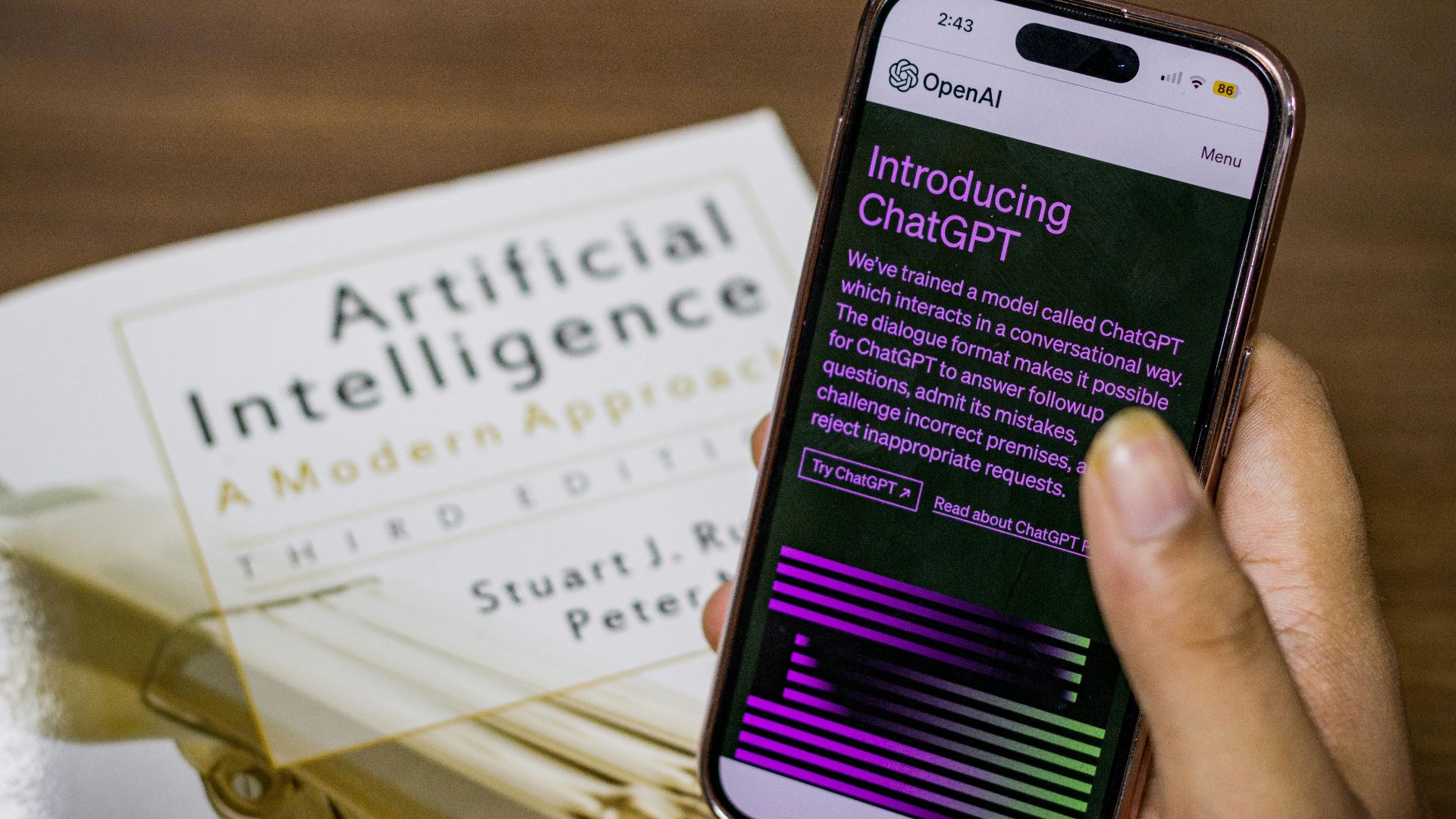
The good news is that none of this requires banning the thing entirely or turning homework time into a surveillance operation.
Pew's teen survey found that 54% of teens themselves think using ChatGPT to research new topics is fine, but only 29% are okay with using it on math problems, and just 18% feel good about using it to write their essays. Kids, it turns out, have a reasonably decent instinct about where the line is. Using a bot to understand something is different from using it to produce something in your name.
You don't need a complicated policy. You can use AI for outlining, brainstorming, or checking grammar, then write the actual thing yourself. Verify anything it tells you with another source, and show your thinking. UNICEF has recommended that AI tools for children be adapted to their developmental stage, and UNESCO has pushed for a human-centered approach to generative AI in education, which is a fancy way of saying we should keep humans in the loop.
The research doesn't say chatbots are useless. It also doesn't say they can replace a good teacher, real thinking, or the process of actually learning something. The honest position is the boring one: AI can be a solid homework helper when it's structured, when it's limited, and when a real adult is still paying attention.