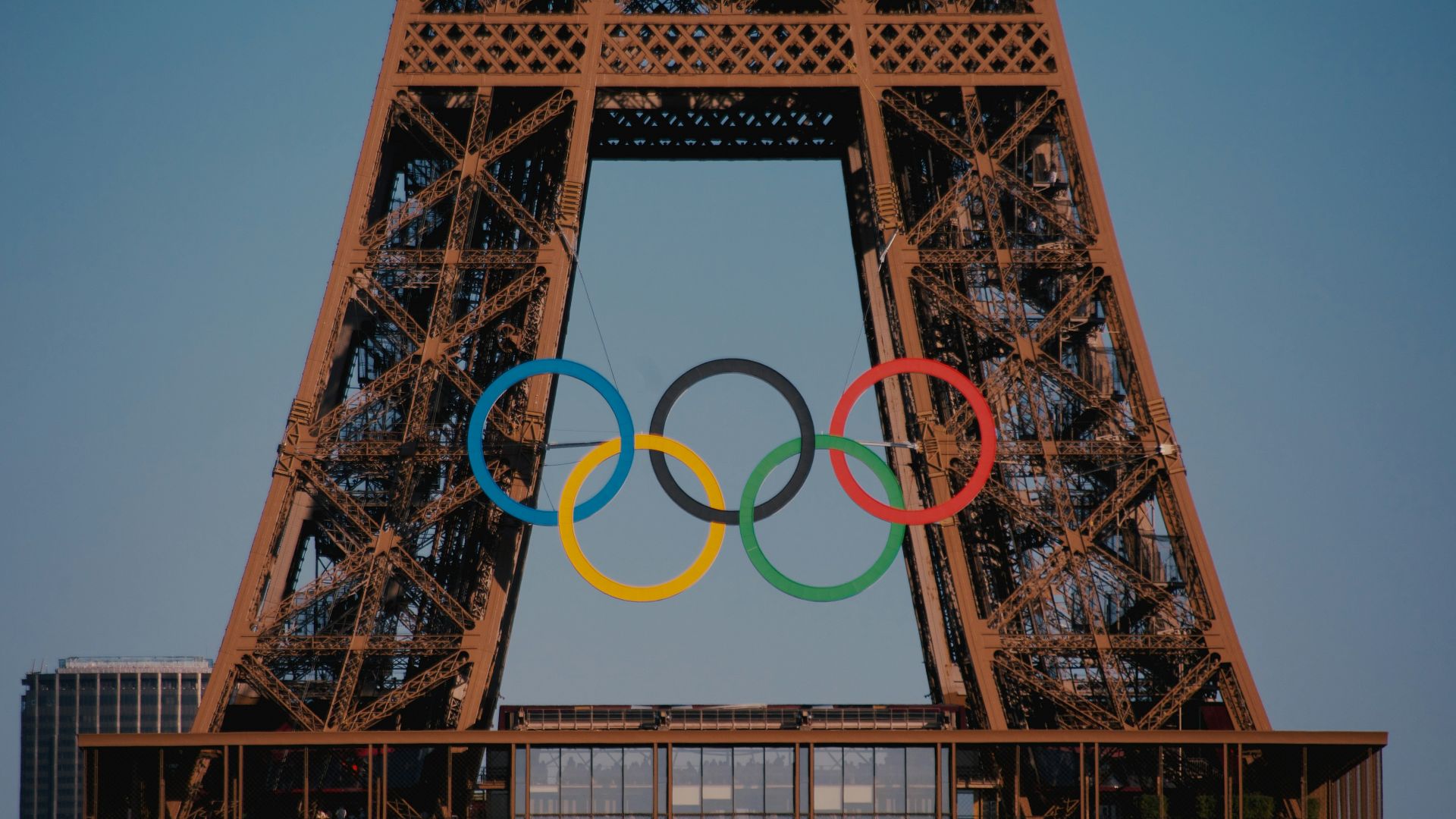
The Olympics Are A Classroom In Disguise
Every two years, the Olympics give us more than highlight reels and medal counts. They offer real-life stories about grit, teamwork, humility, and sometimes what happens when pressure gets the better of someone. If you’re raising kids or mentoring young athletes, these 20 moments can spark meaningful conversations about character. Here are two lists you can use to start those conversations.
 Fernando Frazão/Agência Brasil on Wikimedia
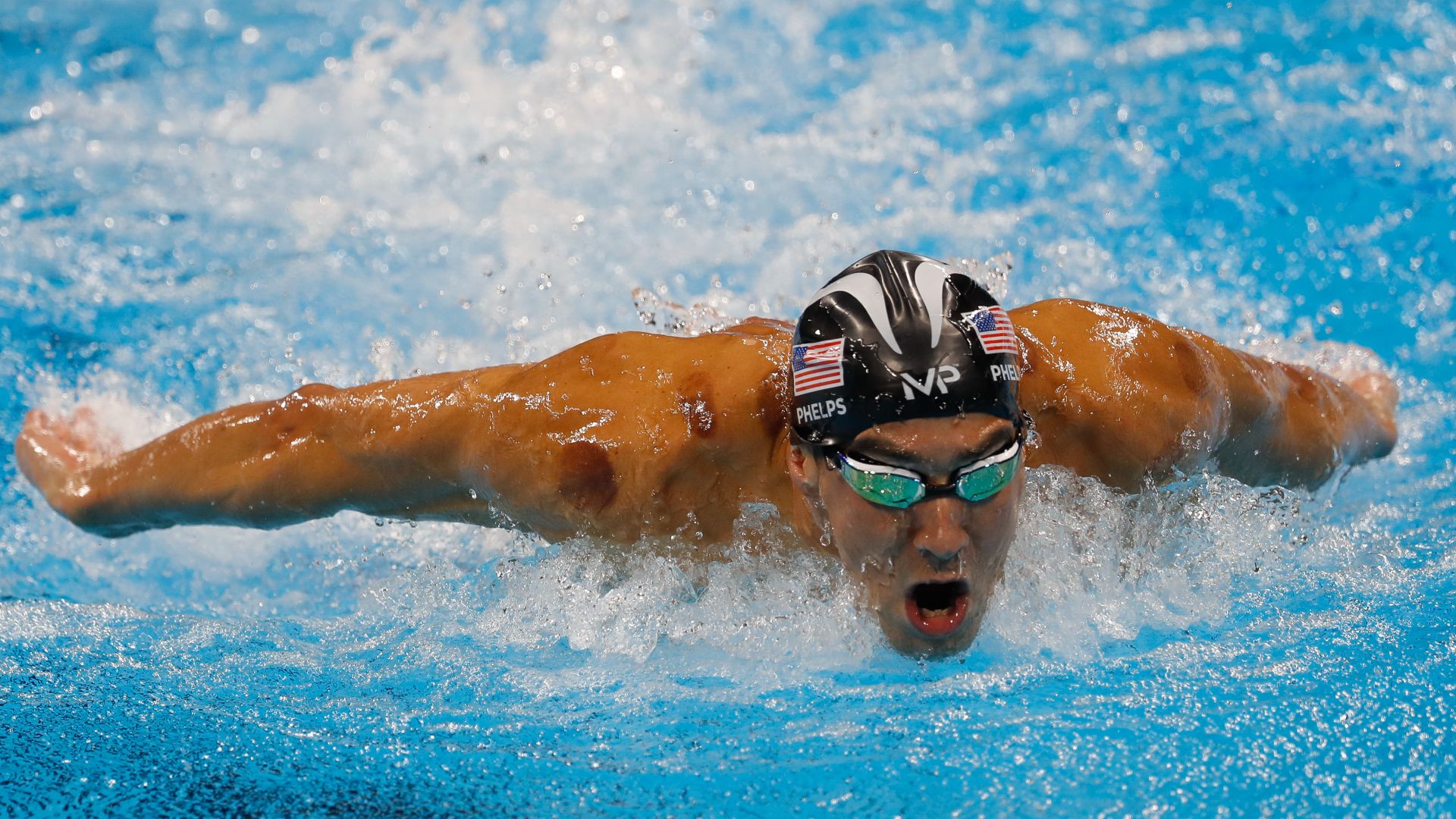
1. Kerri Strug’s Vault On An Injured Ankle (1996)
During the 1996 Atlanta Games, gymnast Kerri Strug injured her ankle on her first vault attempt in the team final. With the gold medal on the line, she ran again, stuck the landing on one foot, and saluted before collapsing into her coach’s arms.
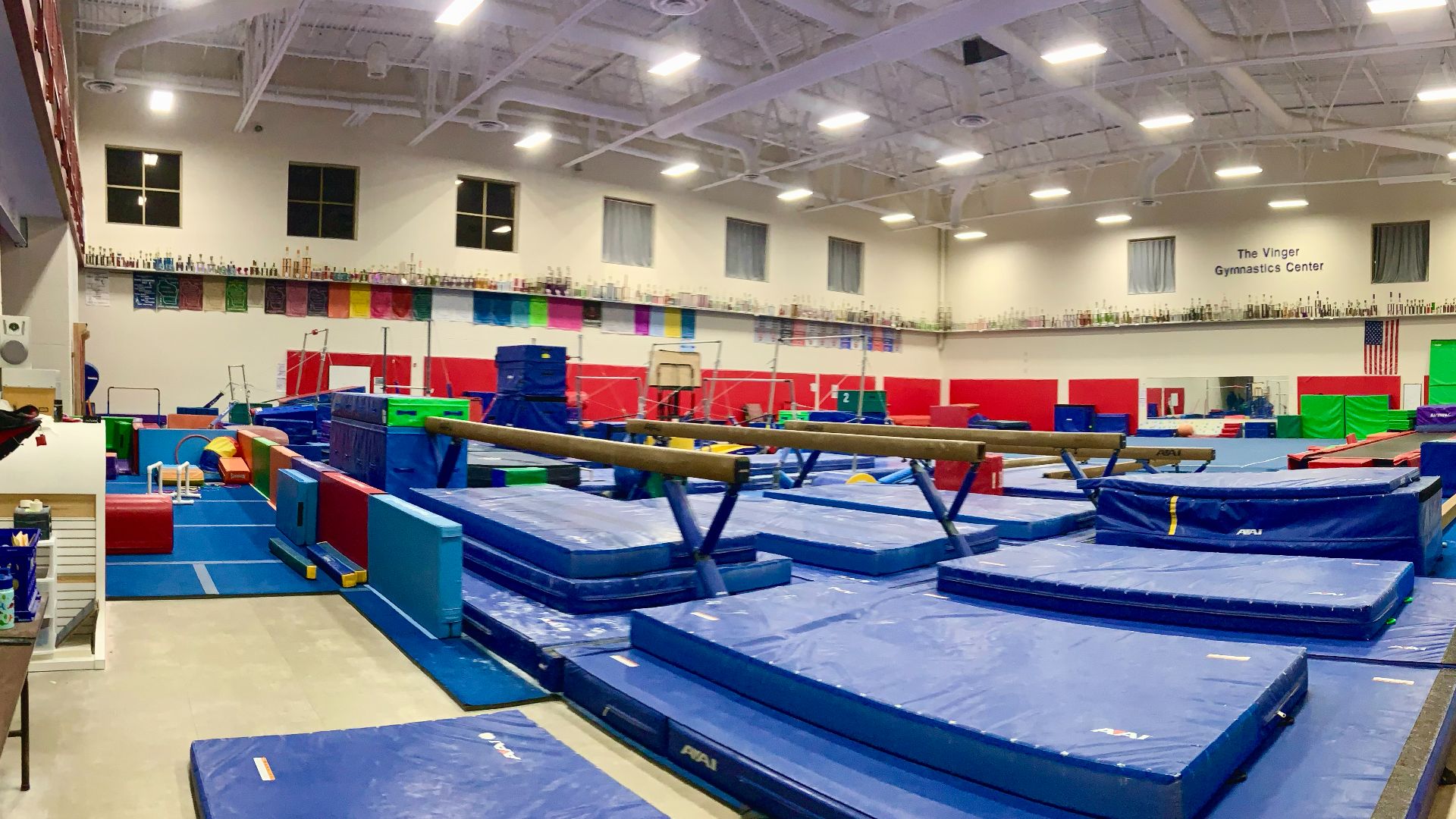
2. Michael Phelps Turns Setbacks Into History (2008)
Michael Phelps came into the 2008 Beijing Olympics determined to improve on his already impressive Athens performance. He won eight gold medals, breaking Mark Spitz’s record for most golds at a single Games. One of those wins came by just 0.01 seconds in the 100-meter butterfly.
 Agência Brasil Fotografias on Wikimedia
3. Derek Redmond Finishes With His Father (1992)
In Barcelona, Derek Redmond tore his hamstring during the 400-meter semifinal. Instead of stopping, he rose and began hopping toward the finish line.
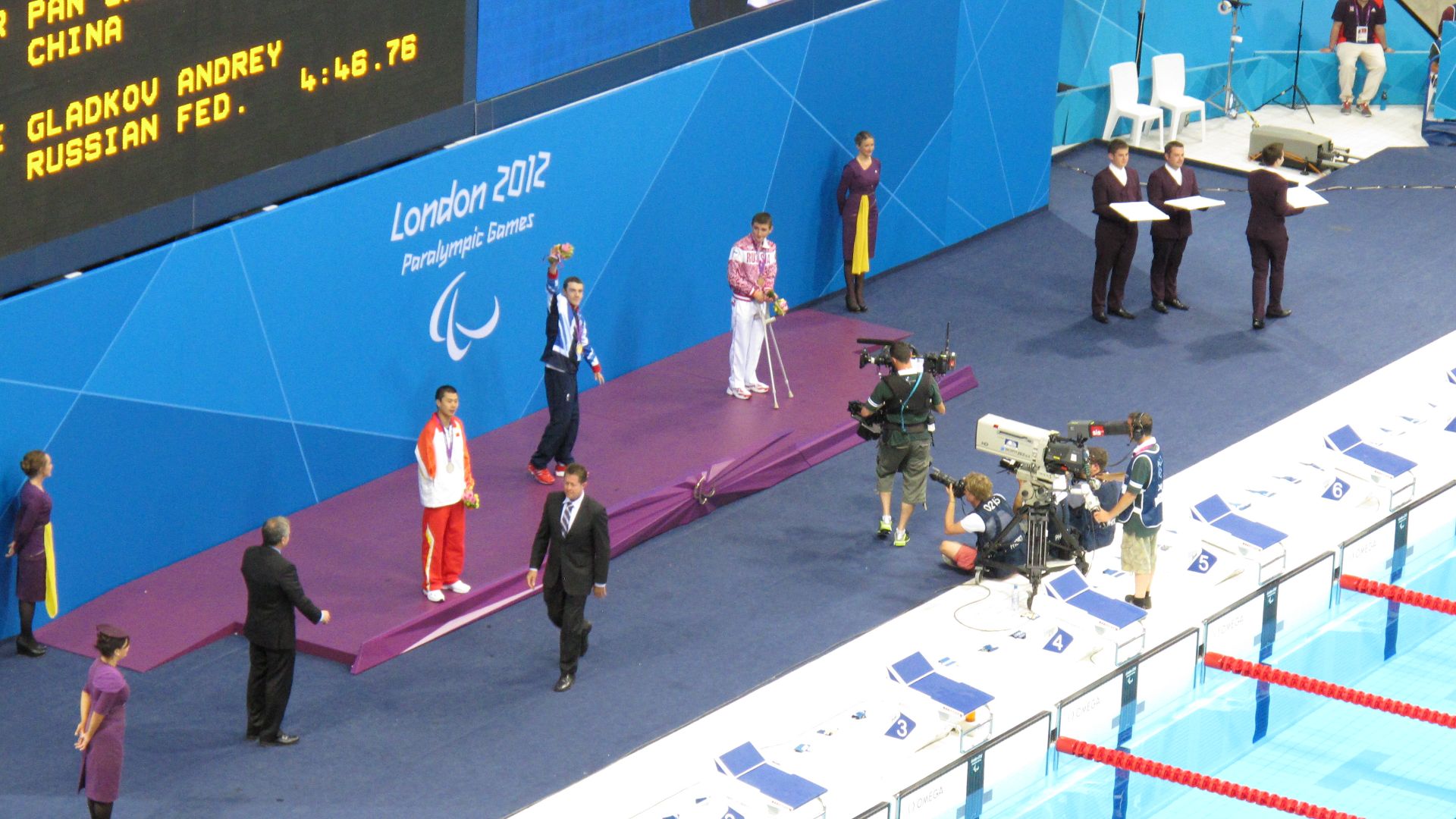
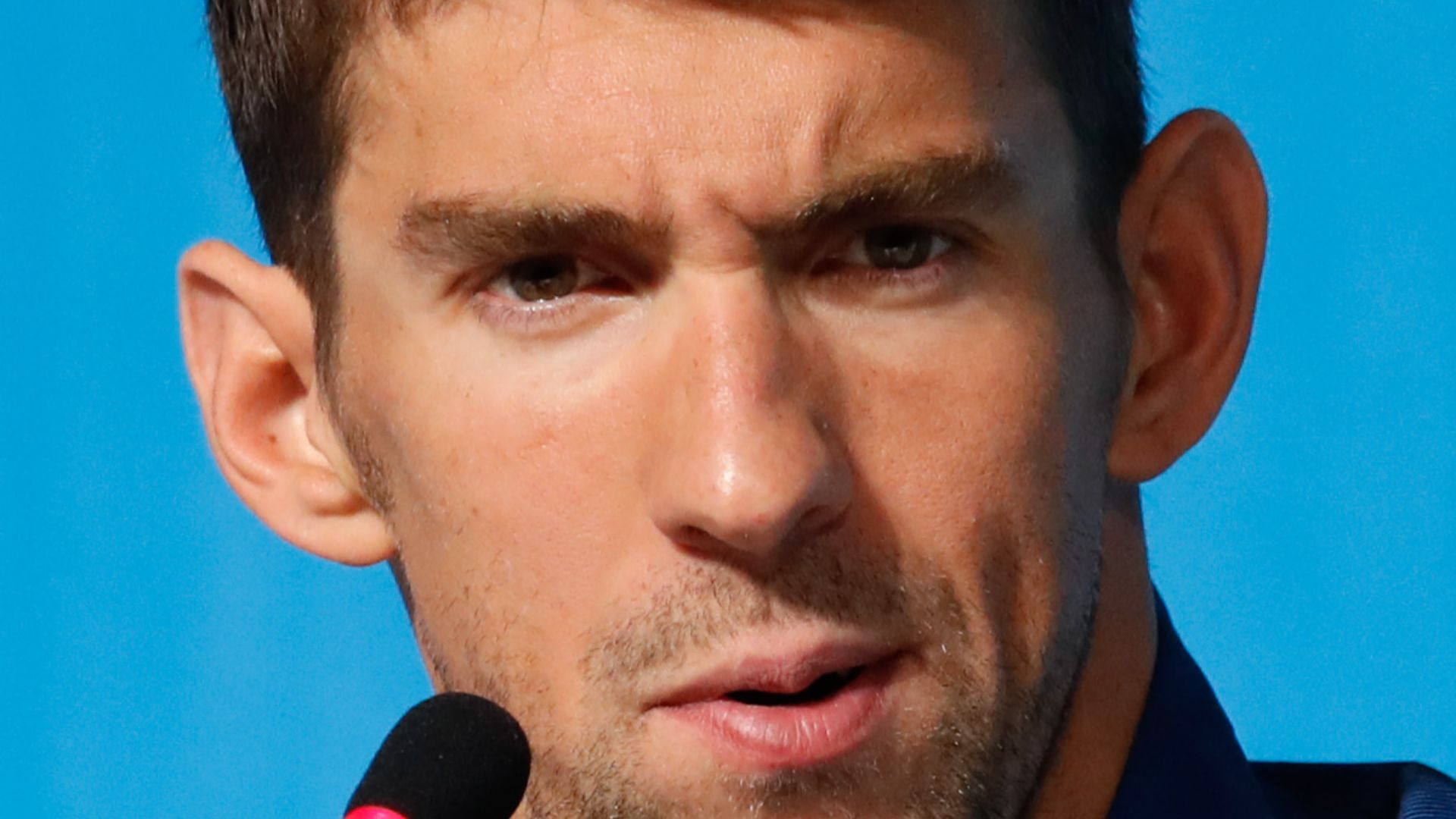
4. Simone Biles Chooses Mental Health (2021)
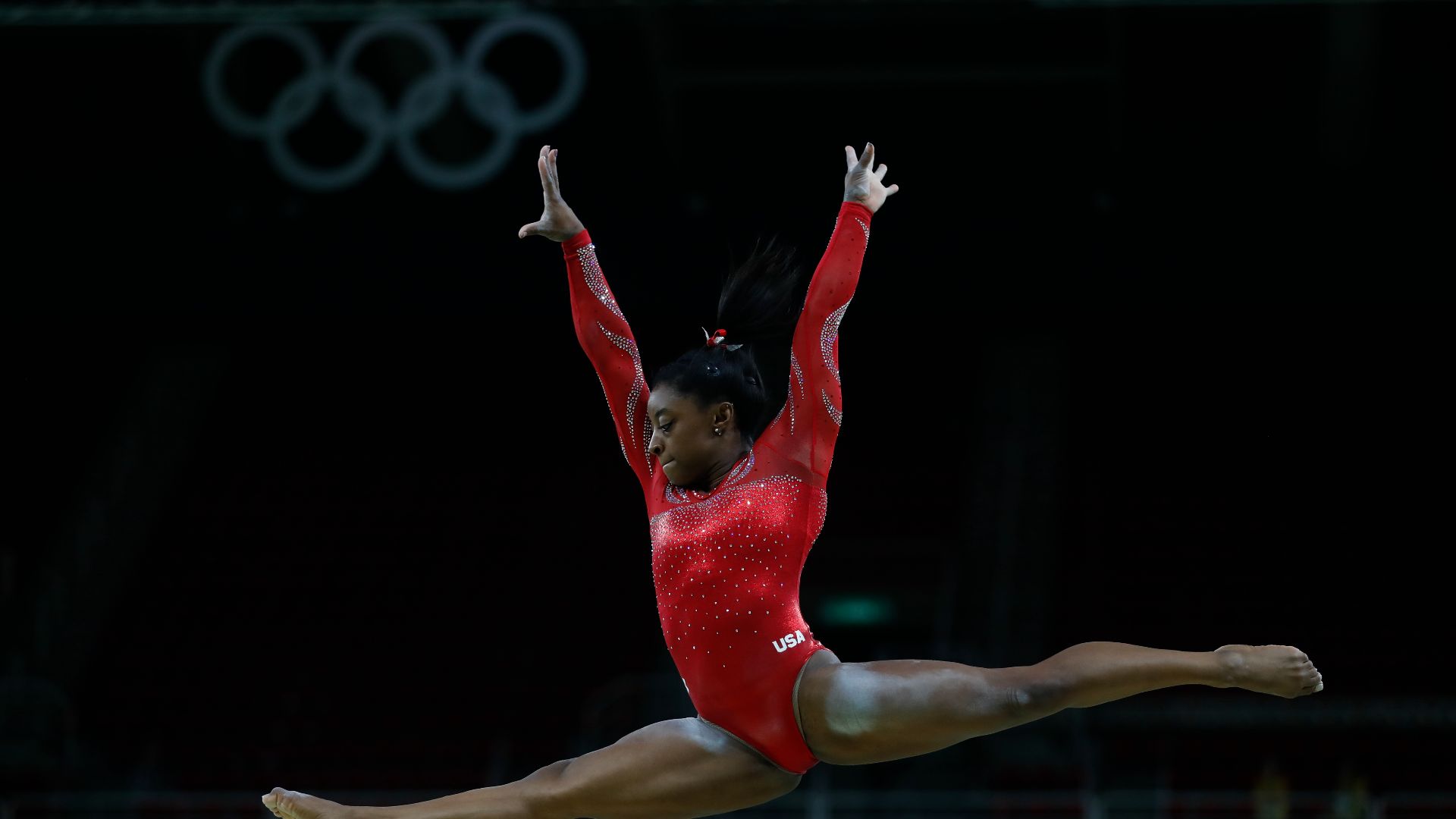
At the Tokyo Games, Simone Biles withdrew from several events after experiencing the “twisties,” which can make gymnastics extremely dangerous. Rather than push through and risk serious injury, she prioritized her mental health.
 Fernando Frazão/Agência Brasil on Wikimedia
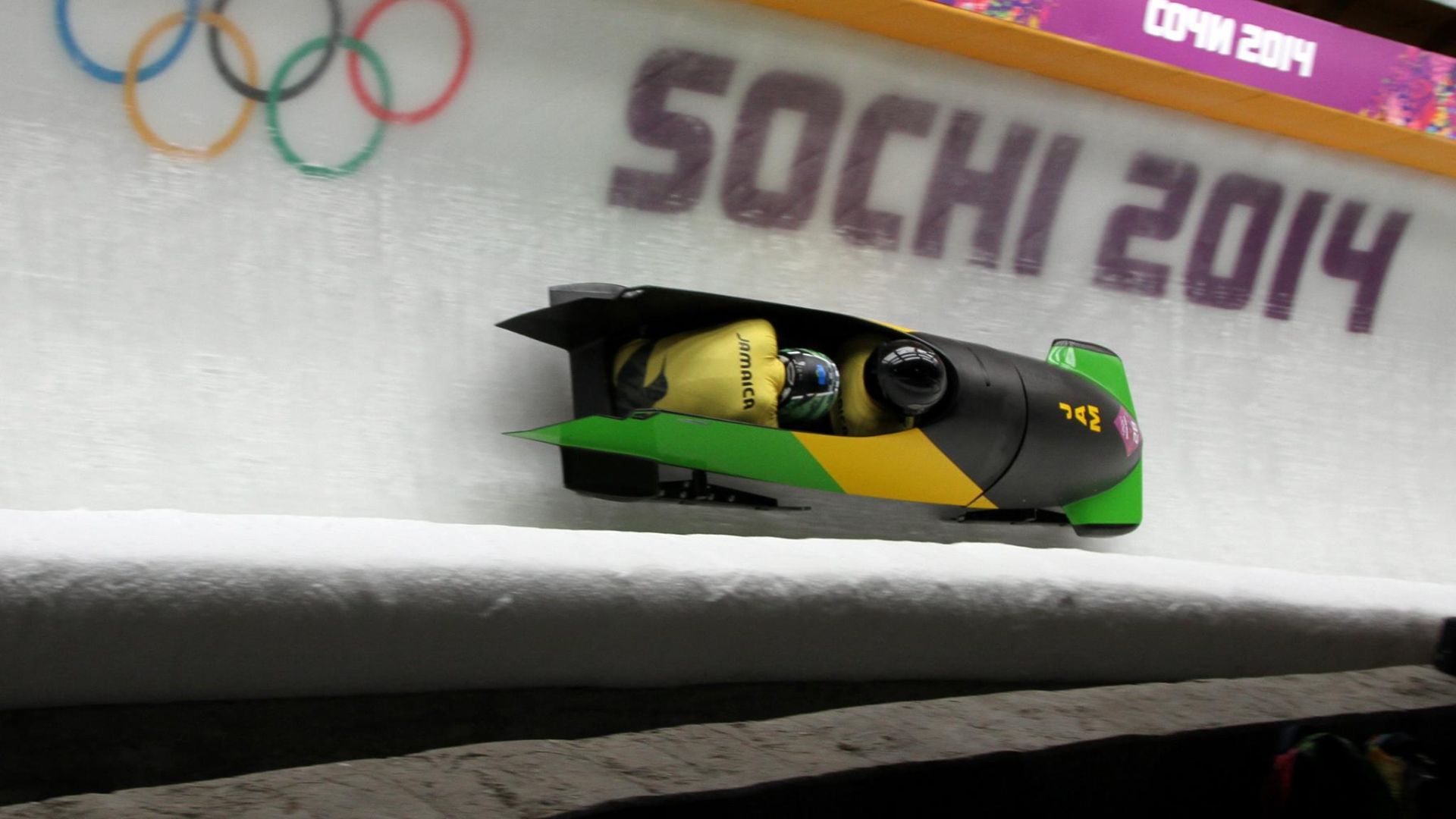
5. The Jamaican Bobsled Team’s Debut (1988)
The Jamaican bobsled team made its Winter Olympic debut in Calgary. They didn’t win medals, and they crashed during one run, but they got up and finished to roaring applause. Competing in a winter sport despite coming from a tropical country took courage.
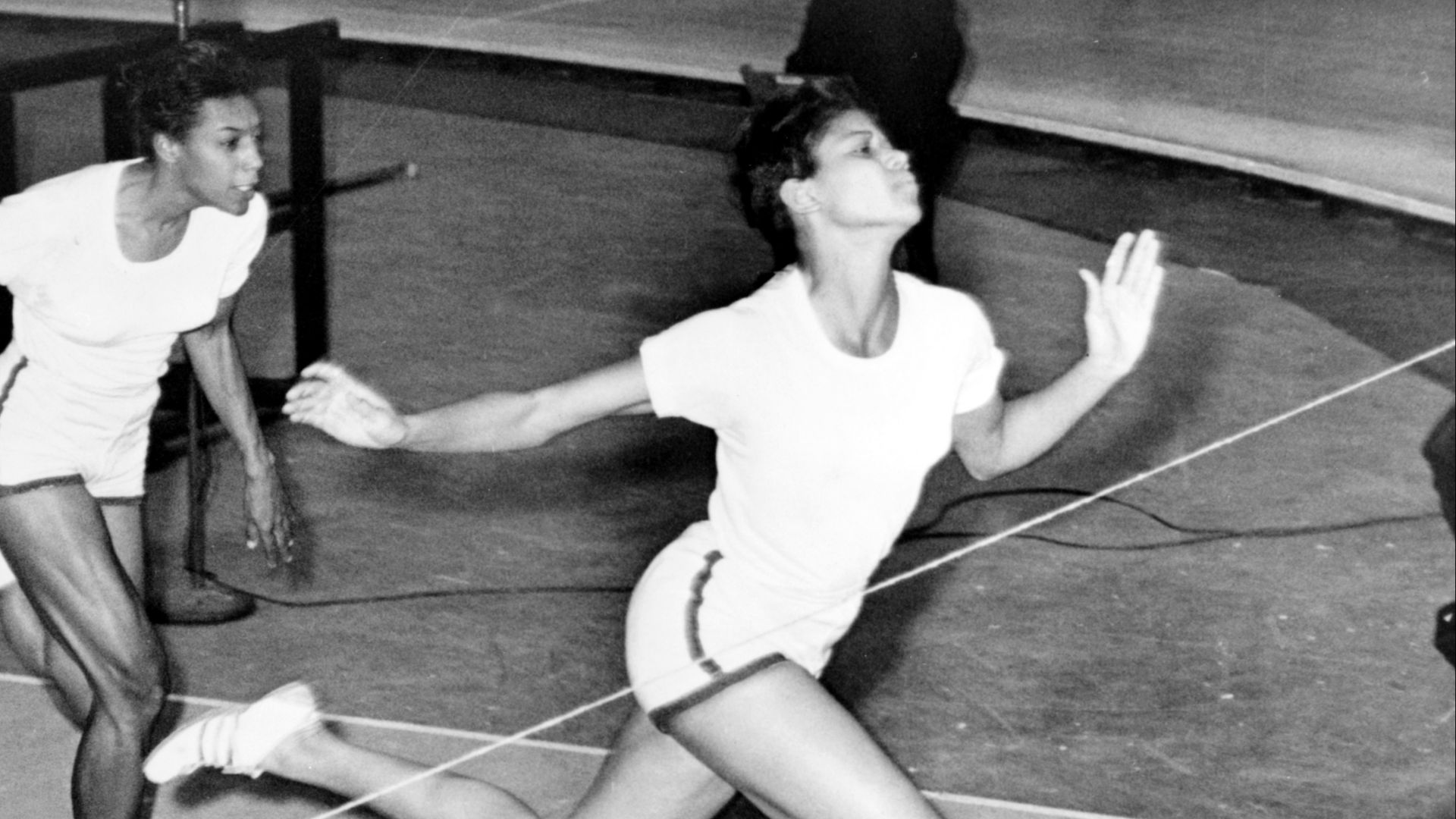
6. Wilma Rudolph’s Comeback Story (1960)
Wilma Rudolph battled polio as a child and wore leg braces for years. By the 1960 Rome Olympics, she had become the fastest woman in the world, winning three gold medals in track and field.
 New York World-Telegram and the Sun Newspaper Photograph Collection. on Wikimedia
7. Abby Wambach’s Last-Second Goal (2012)
In the London semifinal against Canada, Abby Wambach scored a stoppage-time header to tie the game. The U.S. women’s soccer team went on to win in extra time and later captured gold.

8. Dan Jansen Finally Wins Gold (1994)
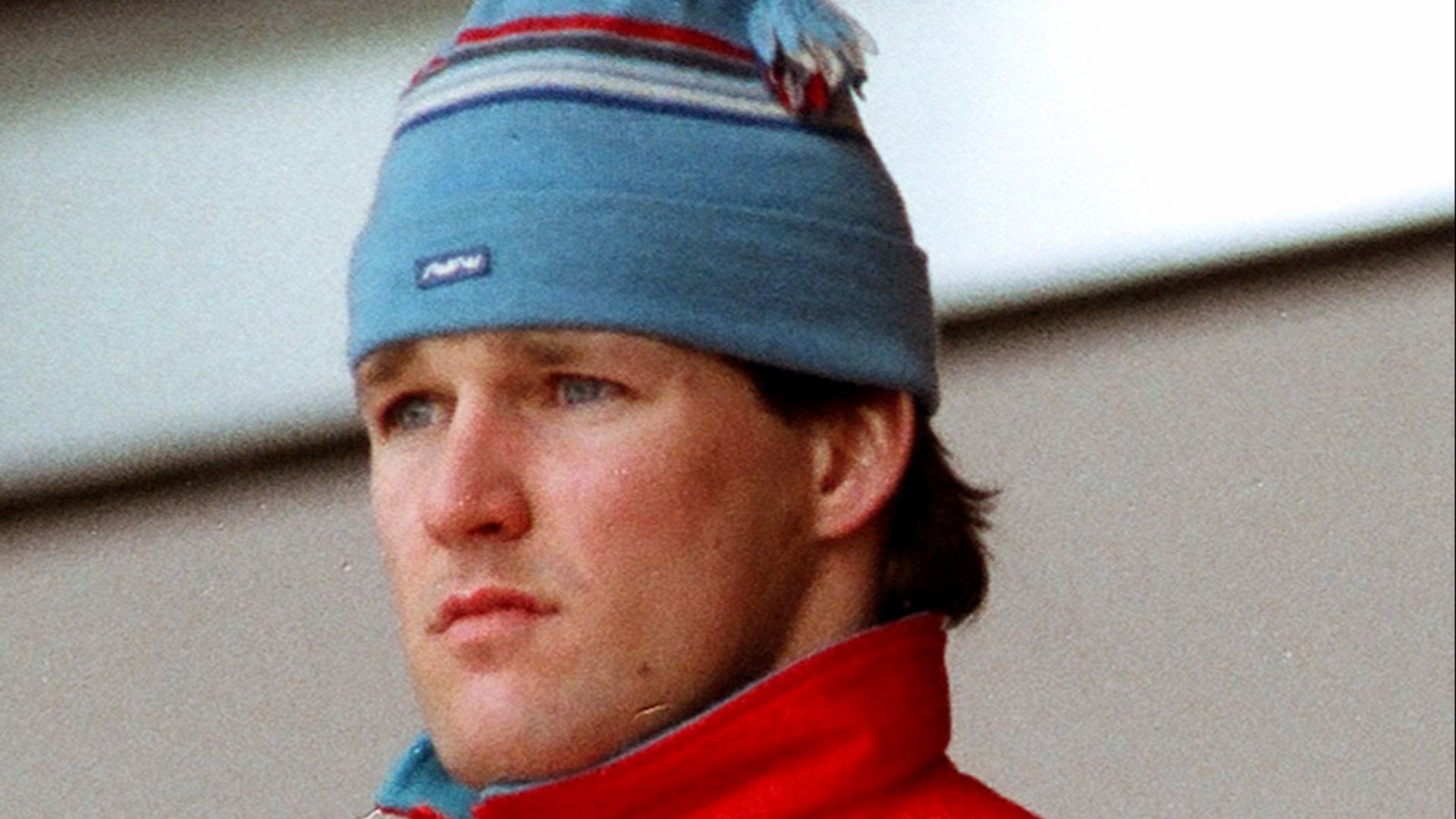
After heartbreaking falls in previous Olympics, speed skater Dan Jansen returned in 1994 with unfinished business. He won gold in the 1,000 meters and set a world record in Lillehammer. Years of disappointment made the victory even sweeter.
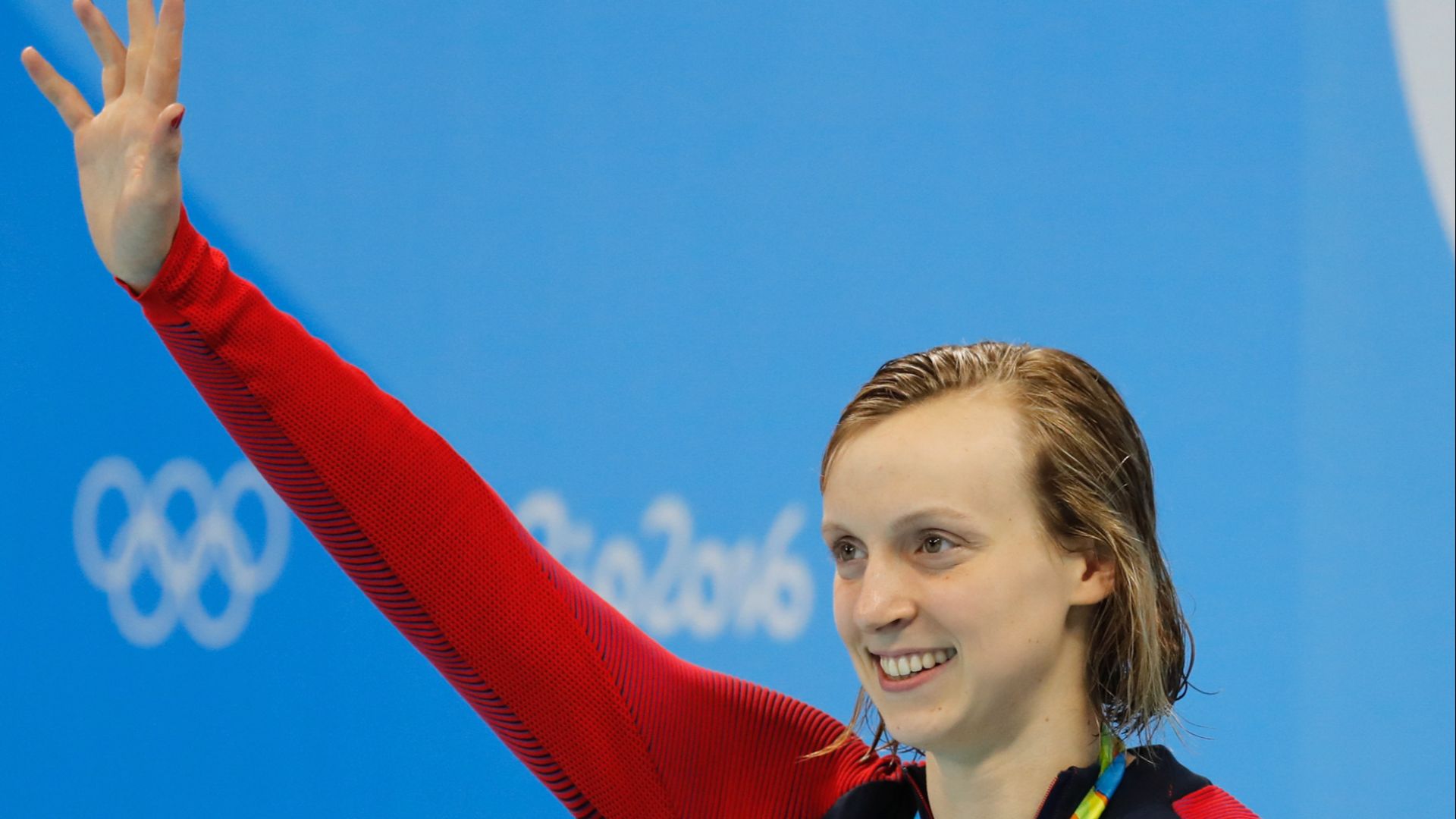
9. Katie Ledecky’s Record-Breaking Swim (2016)
At the Rio Games, Katie Ledecky broke her own world record in the 800-meter freestyle and dominated her races. She didn’t just win; she finished far ahead of the field.
 Fernando Frazão/Agência Brasil on Wikimedia
10. Bethany Hamilton Returns To Elite Competition
After losing her arm in a shark attack in 2003, Bethany Hamilton fought her way back to elite surfing. She later competed at the highest international levels as the sport moved toward Olympic inclusion.
 Spoungeworthy at English Wikipedia on Wikimedia
1. Tonya Harding And The 1994 Scandal
Before the 1994 Winter Games, Nancy Kerrigan was attacked in a plot tied to Tonya Harding’s associates. The scandal overshadowed the competition and led to Harding’s lifetime ban.
 bobgo29 http://www.bobgoemann.com on Wikimedia
2. Ben Johnson’s Doping Disqualification (1988)
Ben Johnson won the 100 meters in Seoul in record time. Days later, he tested positive for a banned steroid and was stripped of his gold medal. The victory was erased almost instantly, proving that cheating might bring short-term glory, but the long-term damage can be devastating.
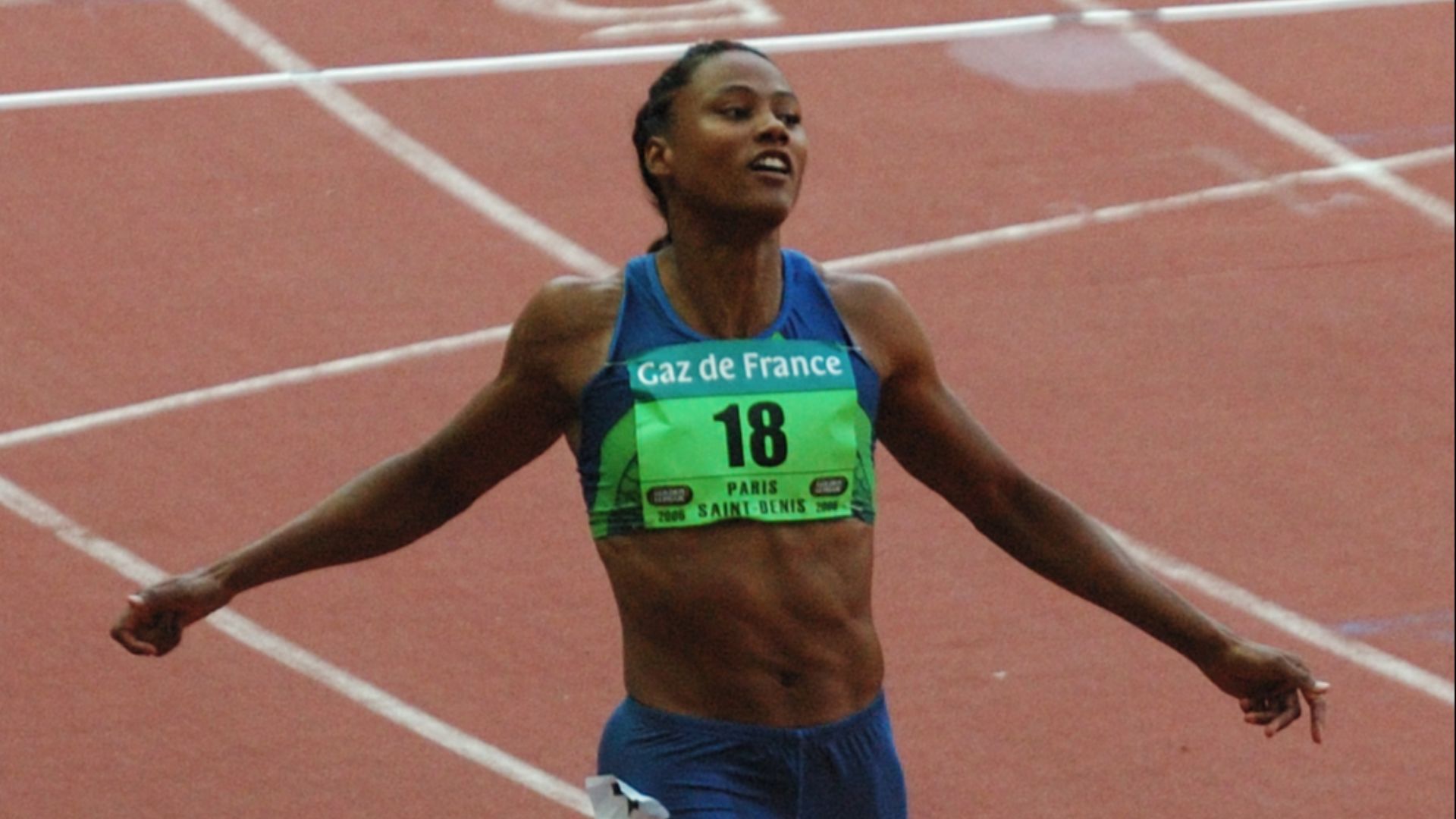
3. Marion Jones’ Medals Revoked (2000)
Marion Jones left Sydney with five medals and global fame. Years later, she admitted to using performance-enhancing drugs and returned those medals. She also served prison time for lying to investigators. Her story highlights how dishonesty can follow you long after the applause fades.
 https://www.flickr.com/photos/tfa/ Thomas Faivre-Duboz on Wikimedia
4. Ryan Lochte’s Fabricated Robbery Story (2016)
During the Rio Olympics, Ryan Lochte claimed he had been robbed at gunpoint. Investigations showed he had exaggerated the story after a late-night incident at a gas station. He later apologized and faced suspension. The episode demonstrates how poor judgment off the field can overshadow athletic accomplishments.

5. McKayla Maroney’s Viral Podium Moment (2012)
After winning silver on vault, McKayla Maroney’s disappointed expression became the “not impressed” meme. While it was lighthearted online, it also sparked conversations about sportsmanship.

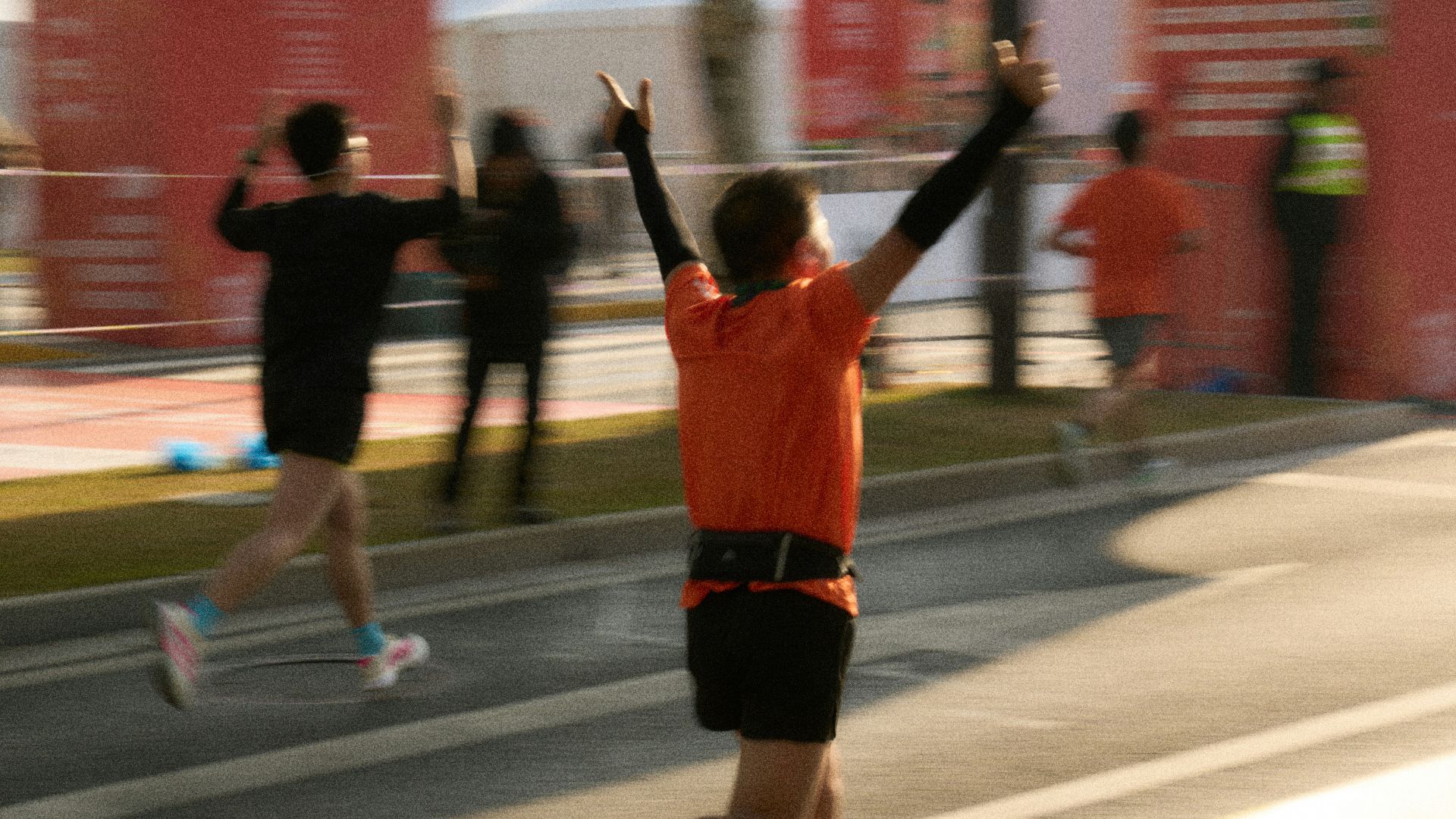
6. Celebrating Too Early On The Track
Some track athletes have slowed down to celebrate before crossing the finish line, only to be passed at the last second. In a race decided by fractions of a second, that mistake can cost a medal. Those moments replay endlessly because they’re avoidable.
7. The 2002 Figure Skating Judging Scandal
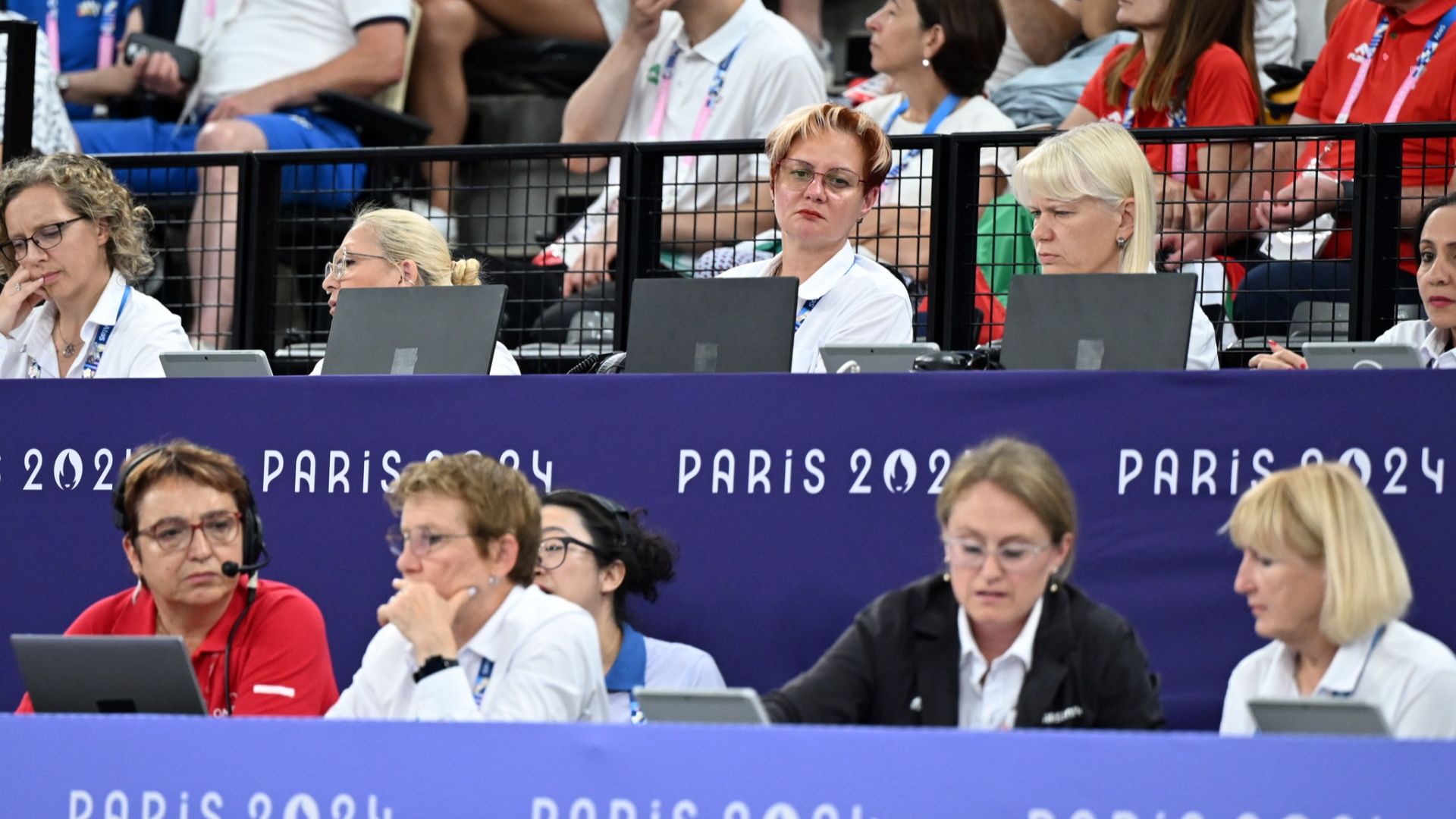
At the Salt Lake City Games, controversy erupted over biased judging in the pairs event. A judge admitted to pressure that influenced the scoring, and a second gold medal was later awarded.
8. Public Outbursts After Disqualification
There have been cases where athletes reacted angrily to disqualifications, arguing loudly with officials. Emotions run high, but losing control often results in additional penalties.
9. When Winning Becomes Everything
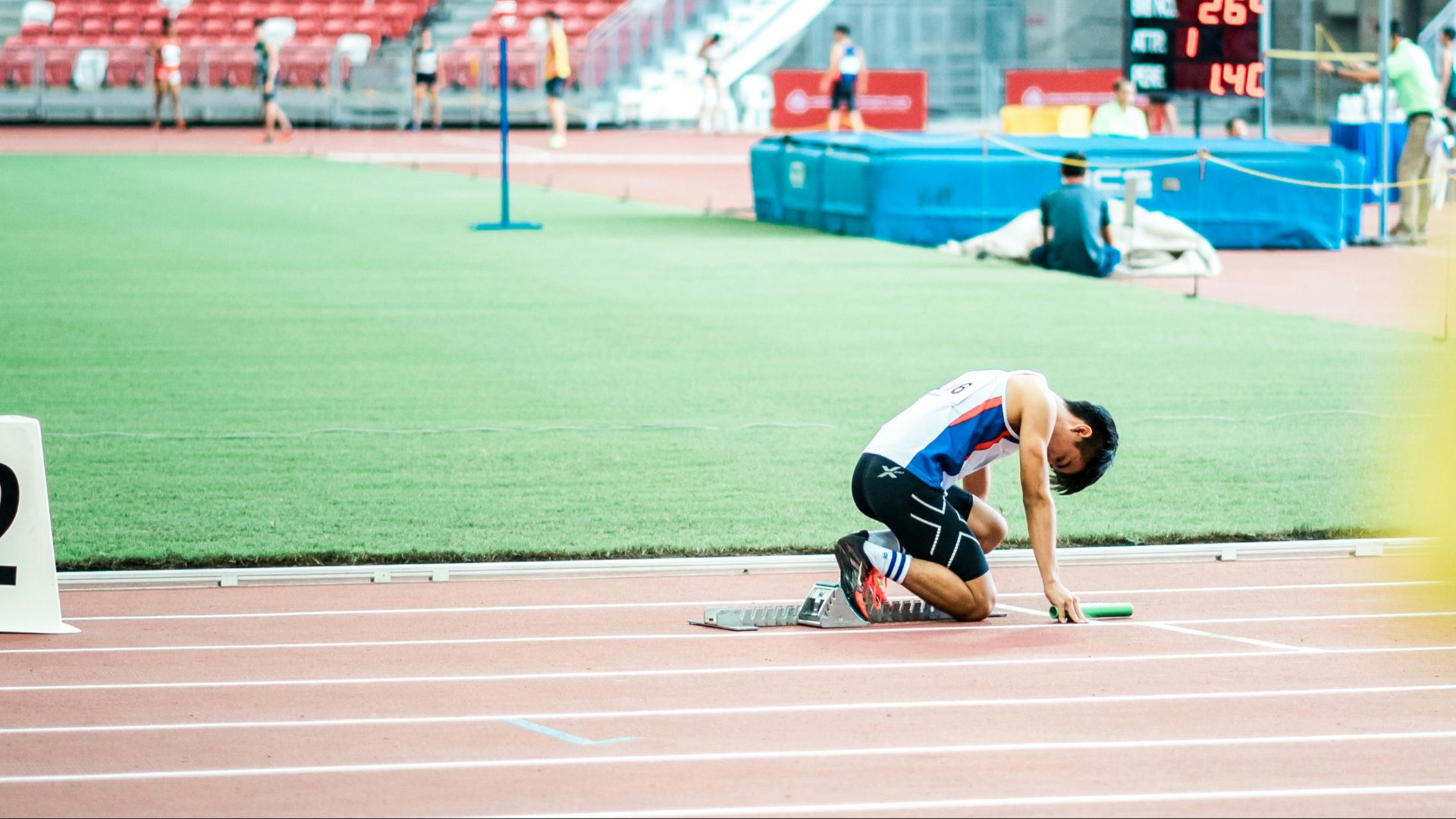
Stories have emerged over the years about athletes pushed beyond healthy limits in pursuit of medals. Overtraining, unhealthy weight practices, and intense emotional pressure can take a lasting toll.
 Uladzislau Petrushkevich on Unsplash
10. Letting Fame Distract From Responsibility
The Olympic stage brings sudden fame, and not everyone handles it well. Poor decisions, reckless behavior, or careless words can quickly shift the focus away from athletic achievement.