
A Simple Start That Builds Real Connection
Your baby’s first words don’t have to be fancy to be meaningful; a small, practical list can give you a great starting point. Words that match everyday routines are easier for babies to understand because they hear them often and see them happen right away. If you keep things upbeat and consistent, you’ll give your baby lots of chances to try new sounds without feeling pressured. That being said, not every word deserves a spot on the roster; if you choose early words with care, you’ll save yourself plenty of awkward explanations later. Let’s explore a few words that you should—and definitely shouldn’t—teach your newborn!
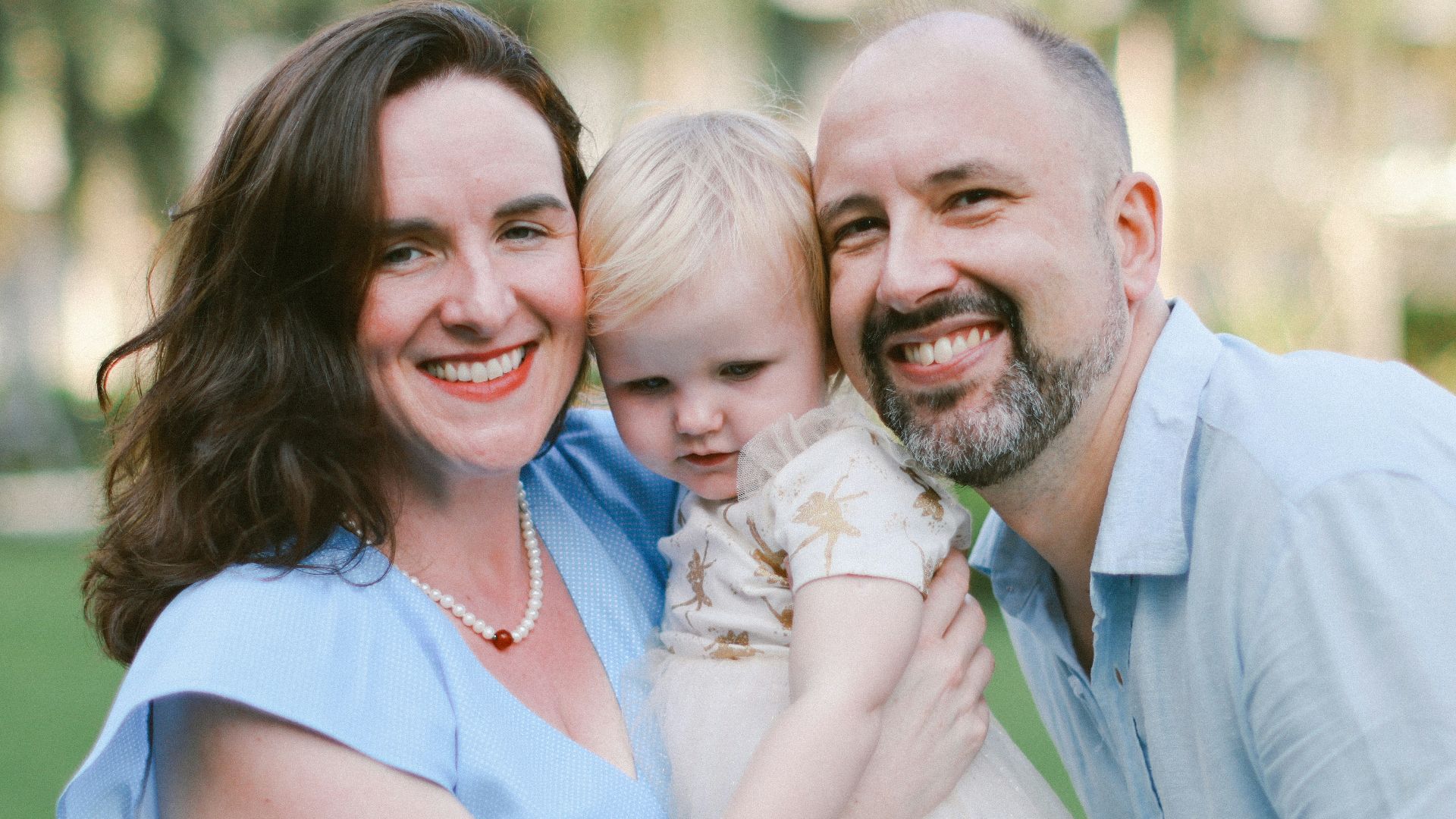 Hoi An and Da Nang Photographer on Unsplash
1. Mama
Well, who doesn’t want their baby to put a name to the face? Start with “Mama” because it’s a word your baby hears frequently and can connect to comfort fast. Say it clearly during cuddles, feeding, and calm moments so the word lands with a positive feeling. When your baby attempts it, respond warmly so they learn that their voice gets your attention.
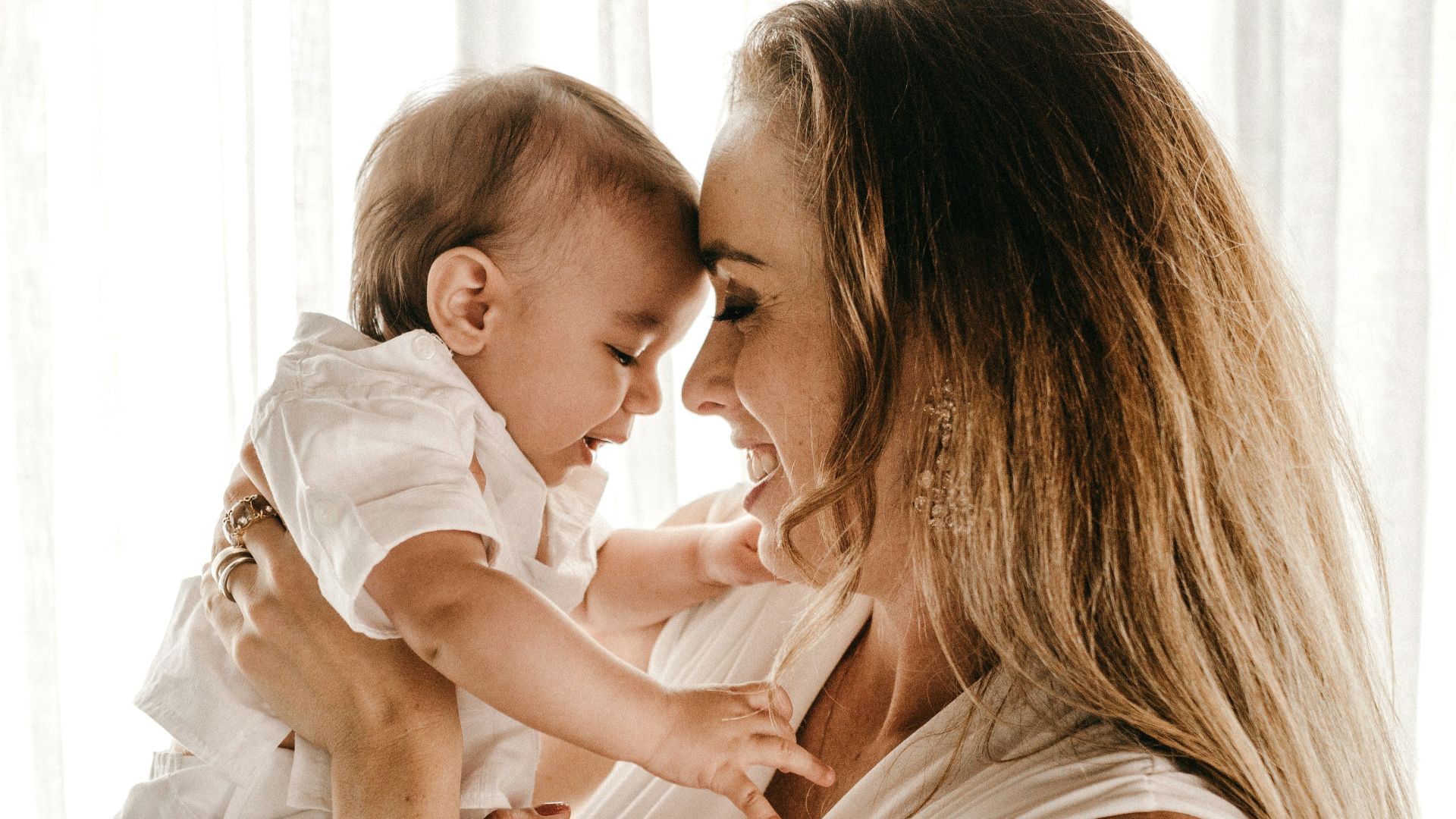
2. Dada
Hey, why should mom get all the credit? “Dada” is a classic early word since the sounds are often easier to form than longer ones. Use it during simple, happy interactions so your baby links the word to a familiar person and a predictable response. Keep it playful and patient, too—early attempts may be close-but-not-quite for a while.

3. Hi
Teaching “Hi” gives your baby a social word that works in lots of situations. You can say it when someone enters the room, during video calls, or when you greet your baby in the morning. You can even model a smile and a gentle wave, so you’ll make it easier for your baby to join in.

4. Bye-Bye
Babies are trying to understand a lot about the world, and one of the biggest things is when their favorite person leaves the room! “Bye-bye” helps your baby handle transitions and makes goodbyes feel more routine than dramatic. Even if your baby can’t say it yet, they may try the gesture first, and that still counts as communication.

5. More
“More” is incredibly useful at meals and playtime! This simple word lets your baby ask for something without fussing. Offer the word right before you give another bite, another turn, or another bubble so the meaning stays clear. Once your baby realizes “more” works, you’ll probably hear it a lot, and you won’t mind.
 Henley Design Studio on Unsplash
6. All done
“All done” is a polite way for your baby to end an activity and can reduce frustration when they’ve had enough. Use it when a meal is finished, when a diaper change wraps up, or when playtime needs a break.

7. Milk
As you can imagine, “milk” is a motivating word. It’s tied to a strong daily need and a clear reward, and you’ll appreciate having a straightforward way for your baby to tell you what they want. Say it before bottles, nursing, or offering a cup, and keep your pronunciation consistent.
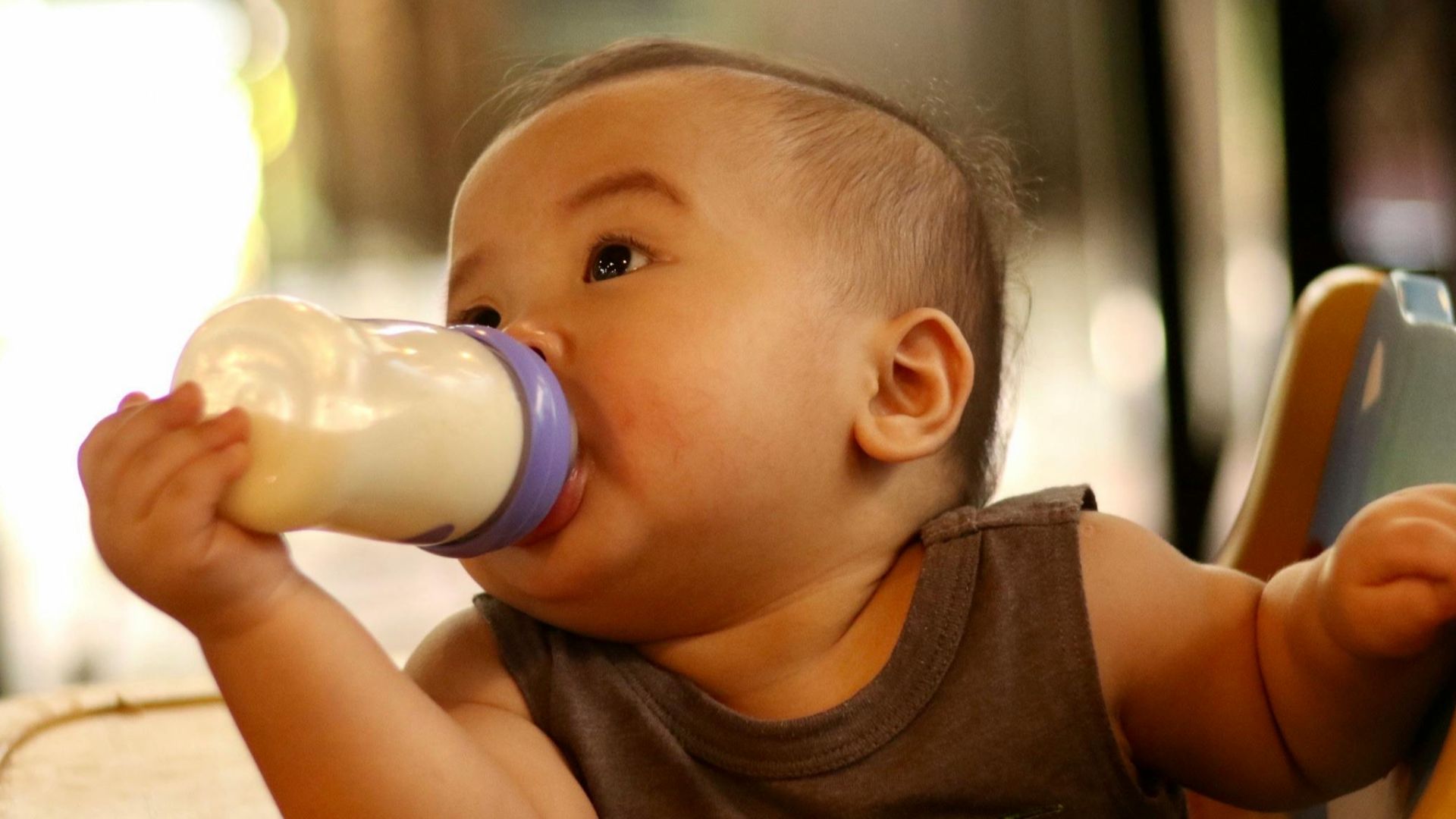
8. Water
Of course, milk’s not the only thing on the menu! Adding “water” supports healthy routines and gives your baby a word they’ll use for years. Bring it into your day during snack time, after outdoor play, or when you refill a cup.
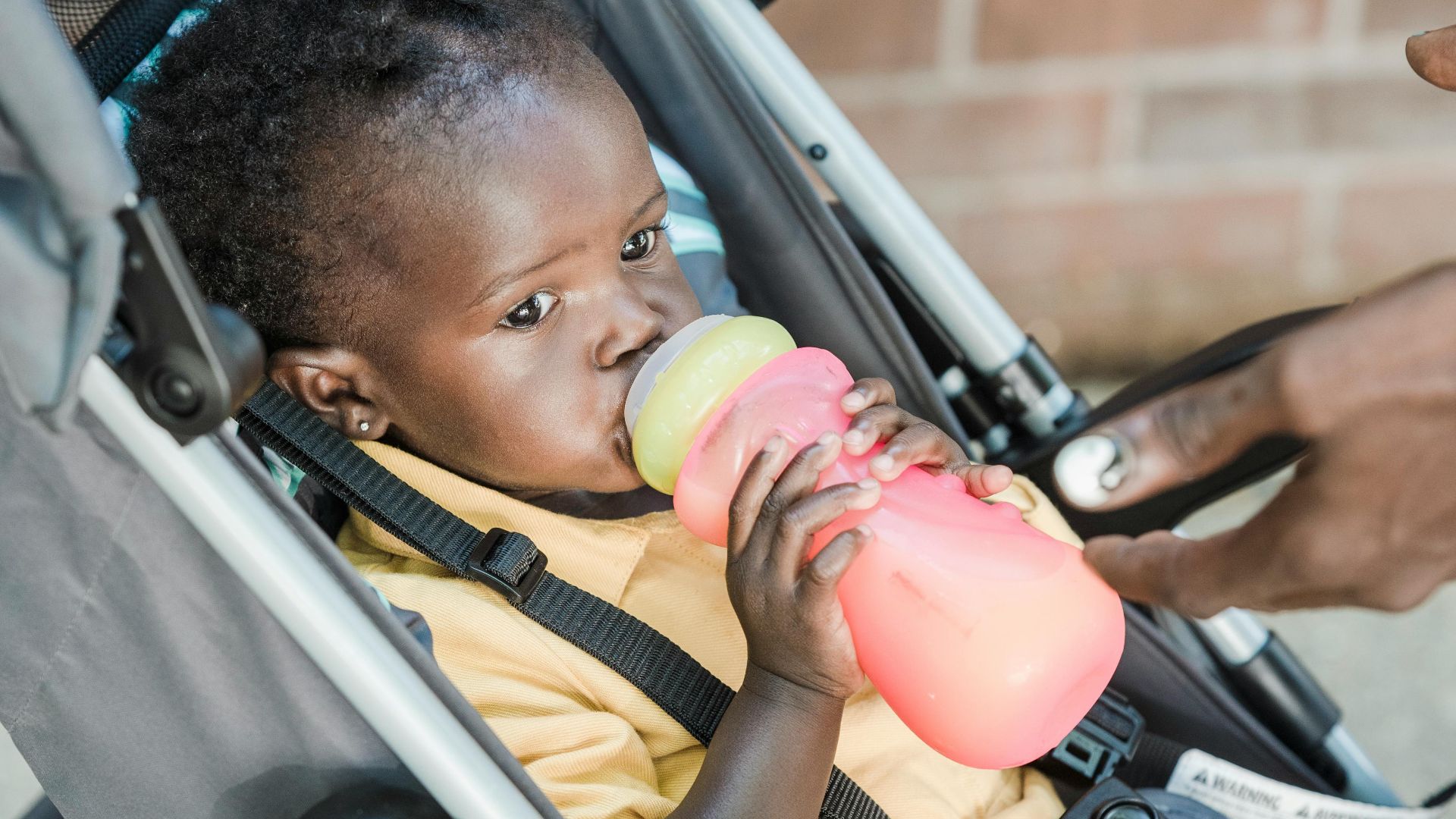
9. No
The “no” phase is often a parent’s worst nightmare, but this one’s actually important. It helps your baby set boundaries and express preferences, even when they’re tired or overwhelmed. You can model it gently in low-stakes moments, like refusing more food or stopping a game, so it doesn’t become purely about conflict.

10. Help
“Help” is a powerful choice—it teaches your baby that asking works better than melting down. When you respond quickly, you’re showing your baby that communication is worth the effort. Use it during a few key moments, like when a toy gets stuck, or they’re reaching for something safely out of range.
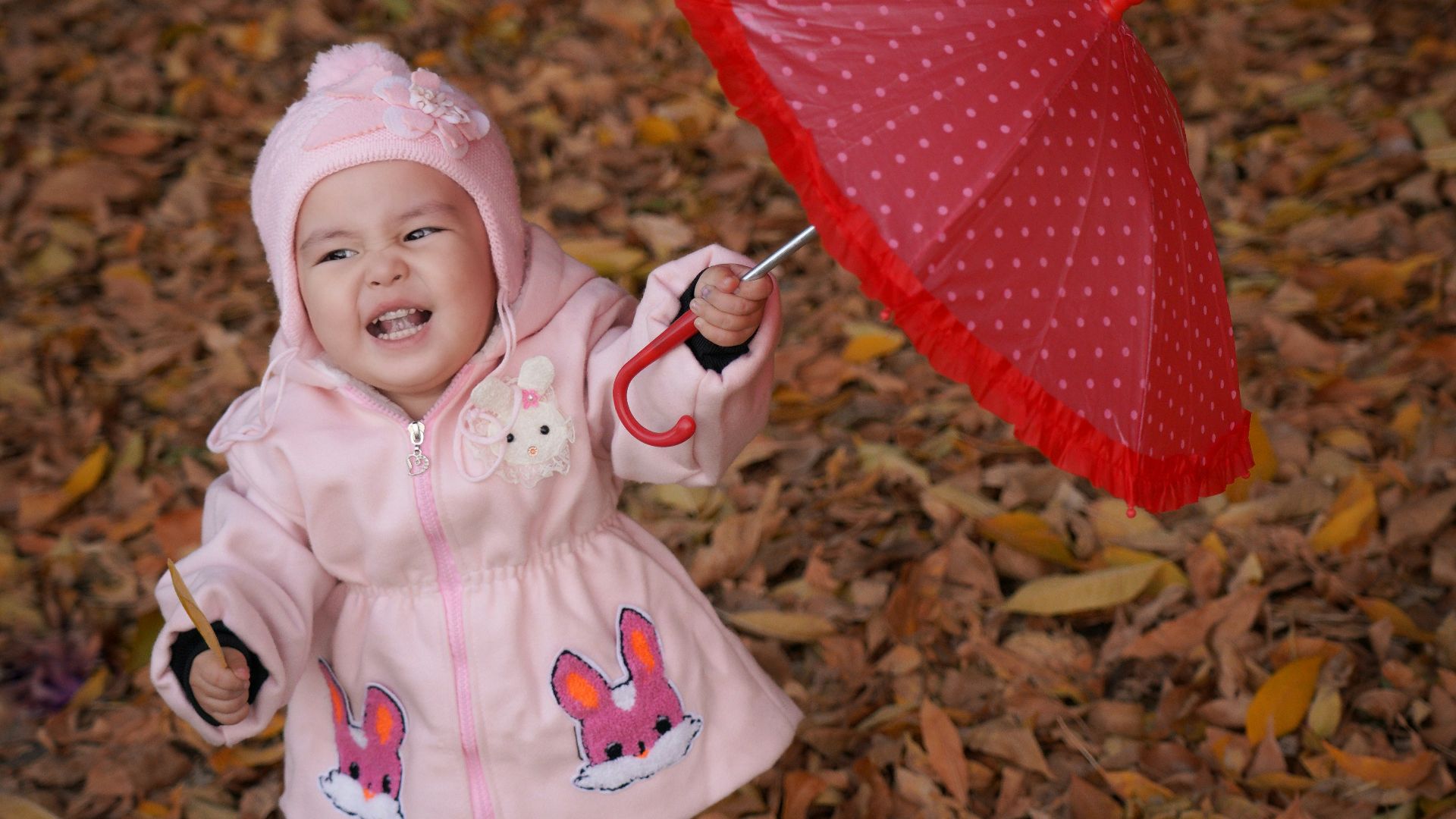
Babies pick up language fast, and the words you model can show up at the most unforgettable moments. Some phrases are harder to “un-teach” once they become part of your child’s everyday toolkit, especially if they get a big reaction. So, let’s explore a few options you probably shouldn’t introduce right away.
1. Shut Up
This phrase lands harshly, even when someone says it jokingly, and little kids tend to copy tone as much as wording. If your baby learns it early, they may use it whenever they feel frustrated or interrupted; you’ll have an easier time teaching respectful boundaries with kinder language.

2. Stupid
Calling things “stupid” can turn into name-calling surprisingly quickly. A baby who learns this word early may apply it to people, pets, or themselves when something goes wrong, so steer toward more helpful words that describe feelings without insulting anyone.

3. Hate
There’s a reason they say this is a loaded word! “Hate” is often used casually, but it can sound intense coming from a tiny voice. Once kids have it, they may use it to shut down foods, routines, or other people’s choices in a single dramatic swoop. It’s better to model “don’t like” or “no thank you” so opinions come across with less bite.

4. Mine
Ownership words are normal, but “Mine!” becomes a reflex that sparks conflict. If it’s one of the first words your baby masters, you may hear it whenever another child reaches for a toy. You’ll get smoother sharing habits by prioritizing “turn” and “please” before this one gets too comfortable.

5. Gimme
Let’s be honest: “gimme” sounds demanding, and babies who pick it up often use it as a shortcut instead of practicing politeness. To make matters worse, when adults respond quickly, it reinforces that the pushy version works best.
 Alexander Wark Feeney on Unsplash
6. A Swear Word
Some people think it’s funny to teach their babies filthy language, but it’s really not. Even if you only mutter it once, a baby can grab onto a swear word because it’s usually said with extra emotion. The real problem is that people react strongly, and that attention can make the word feel exciting.
 Ekaterina Kuznetsova on Unsplash
7. Fat
This word can carry loaded meaning in the real world, and kids don’t need it as part of their early vocabulary. If your baby hears it often, they might use it to comment on bodies before they understand kindness or privacy. You can focus on words like “strong,” “tall,” or “soft” when talking about what you see.

8. Ugly
“Ugly” tends to pop out when someone is displeased, and little kids often use it to get a quick emotional response. Once it’s in their vocabulary, it can be aimed at anything that doesn’t match their taste! Modeling specific, respectful feedback keeps your child’s language sharper and less hurtful.
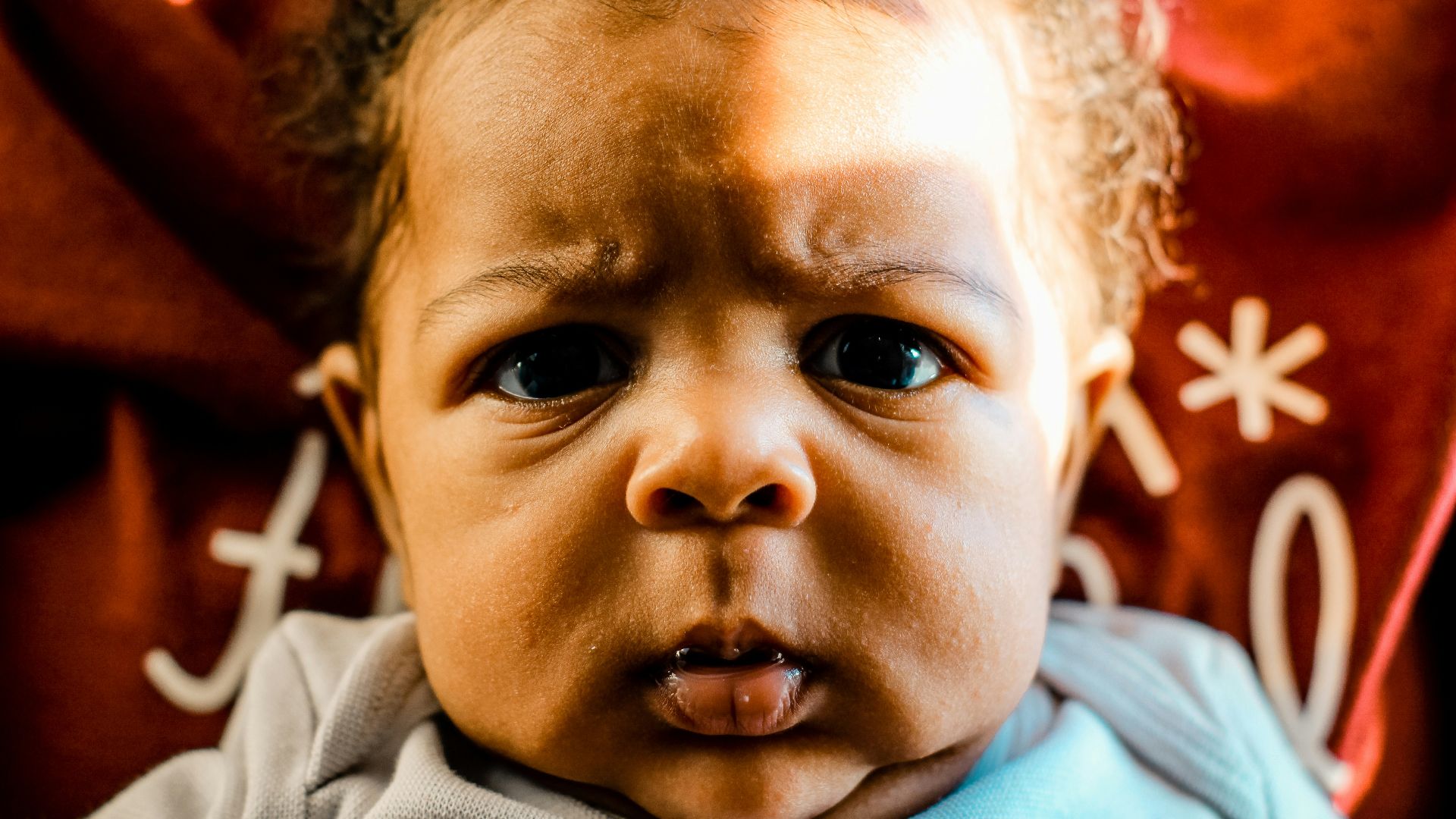
9. I Can’t
This phrase can become a default when something feels challenging, and it may stop your baby from trying again. When kids hear it frequently, they may even learn to opt out before they attempt something. You’ll support confidence by using “help,” “try,” or “not yet” in everyday moments.

10. Bad
Labeling something as “bad” is heavy, and it can stick in ways you don’t intend, even if you’re tired and joking. If your baby learns that phrase, they may repeat it to others or internalize it when they make normal mistakes.